English
 русский
 عربى
عربىChromium oxide ceramic powder is one of those materials that rarely makes headlines but quietly keeps a great deal of industrial equipment running. If you spend your days around paper machine rollers, pumpplungers, seal faces or hydraulic rods, you have probably met a Cr2O3 coating already: a hard green layer that shrugs off abrasive wear, resists most acids, and keeps working at temperatures where many polymers and even some metals would have given up long ago. In this article we will look at what the powder actually is, how it is produced and graded, what to check before you buy, and why the powder, the spray process and the finished part have to fit together.
Content
- 1 What Chromium Oxide Ceramic Powder Actually Is
- 2 The Properties That Decide Whether a Coating Performs
- 3 Synthesis, Milling and Particle Size: Where Grades Come From
- 4 Where Chromium Oxide Coatings Are Used
- 5 How to Choose a Grade
- 6 Matching Powder, Process and Part
- 7 Practical Notes From the Workshop
- 8 Getting the Right Powder for Your Job
What Chromium Oxide Ceramic Powder Actually Is
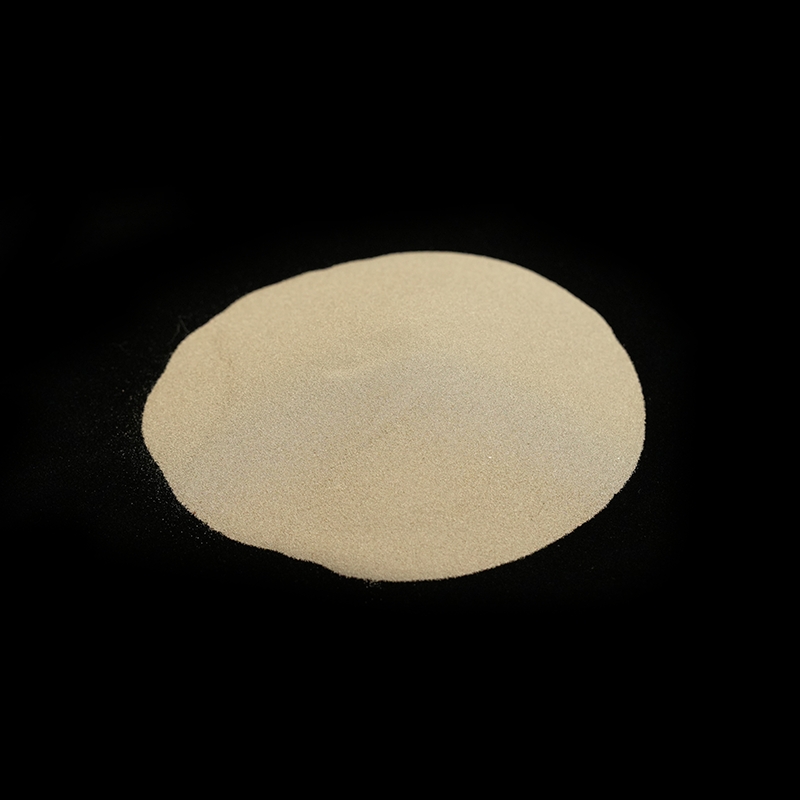
Chemically, this material is chromium(III) oxide, written as Cr2O3. It is the stable trivalent form of chromium oxide, quite different from the hexavalent chromium compounds used in electroplating and pigment chemistry. In powder form it shows up as a green crystalline solid, sometimes bright, sometimes dark, depending on particle size and how it was made.
Almost all industrial chromium oxide starts with chromite ore. The ore goes through a chromium chemical route, usually the reduction of sodium dichromate or the thermal decomposition of chromium hydroxide, and comes out as a green oxide. From there it is milled, classified and, for certain grades, agglomerated and sintered. That last step matters more than most people expect, and we will come back to it.
The numbers behind the material are what make it interesting. Chromium oxide melts at roughly 2,435 degrees Celsius, has a Mohs hardness of about 8.5 to 9, and a density near 5.2 grams per cubic centimetre. In practice, that combination means a coating that stays hard when it gets hot, does not react readily with acids or alkalis, and does not soften the way a polymer or a softer metal would.
The Properties That Decide Whether a Coating Performs
Buyers usually compare powders on a handful of numbers. The table below lists the values we see most often in high-purity spray-grade chromium oxide. Real figures vary a little from supplier to supplier and from batch to batch, so treat these as typical rather than guaranteed.
| Property | Typical value | Why it matters |
|---|---|---|
| Chemical formula | Cr2O3 | Defines hardness, inertness and colour |
| Crystal structure | Hexagonal, corundum type | Gives the high intrinsic hardness |
| Melting point | About 2,435 degrees Celsius | Allows use in hot sections and molten-metal contact |
| Mohs hardness | About 8.5 to 9 | Core reason for abrasive wear resistance |
| Density | About 5.2 grams per cubic centimetre | Affects feed rate and coating build-up |
| Purity, spray grades | 99.0 percent and above | Impurities lower hardness and raise porosity |
| Particle size, plasma spray | Commonly 15 to 45 micrometres | Controls melting behaviour in the torch |
Synthesis, Milling and Particle Size: Where Grades Come From
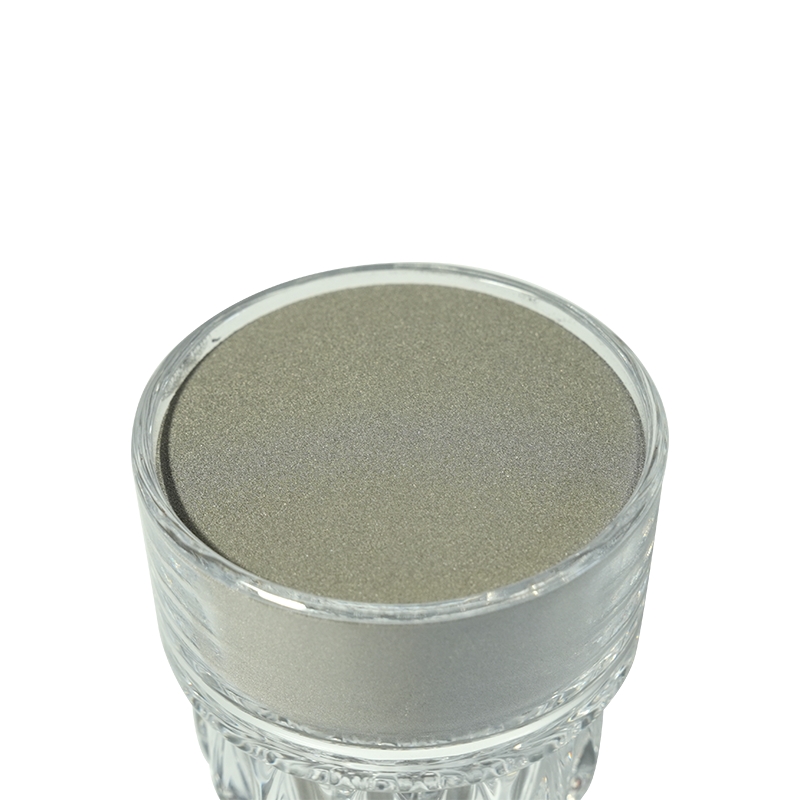
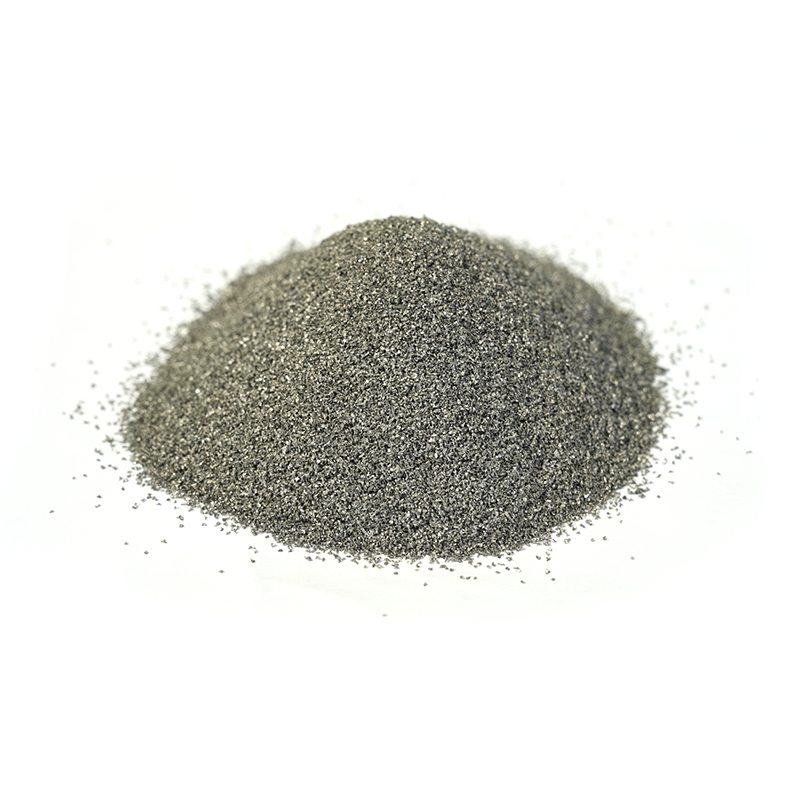
Most chromium oxide powder on the market belongs to one of two families. Fused and crushed powder is produced by melting and solidifying the oxide and then milling and classifying it into angular particles. Spray-dried and sintered powder takes a different road: fine particles are slurried, built into roughly spherical granules and sintered, which gives the smooth, free-flowing behaviour that plasma and supersonic torches prefer.
Particle size distribution is where most purchasing decisions are actually made. A cut that is too coarse will not melt fully in the flame, so the coating ends up porous and weakly bonded. A cut that is too fine tends to clog feeders, spatter on the workpiece and leave a rough surface. Reputable producers keep the distribution tight and report it honestly, because a coating that looks fine on the drawing can still fail if the powder will not feed consistently. Anyone who wants to go deeper into the synthesis routes and phase control that shape coating behaviour will find that these upstream choices show up much later, in bond strength and surface finish.
It also helps to check morphology, apparent density, flow rate and moisture content alongside the size cut. Two powders can share an identical specification sheet and still behave quite differently on the same torch.
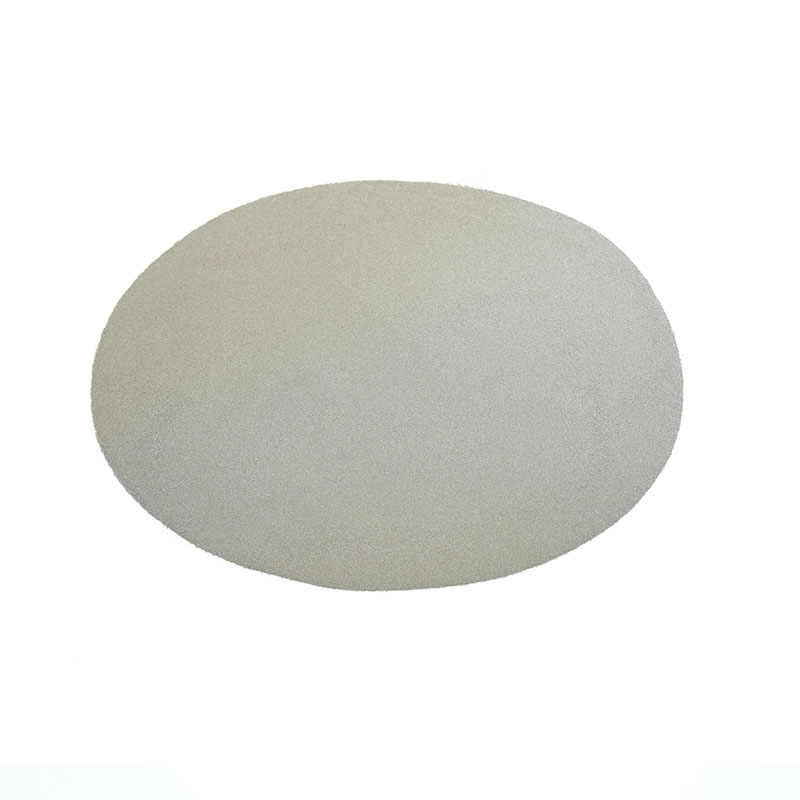
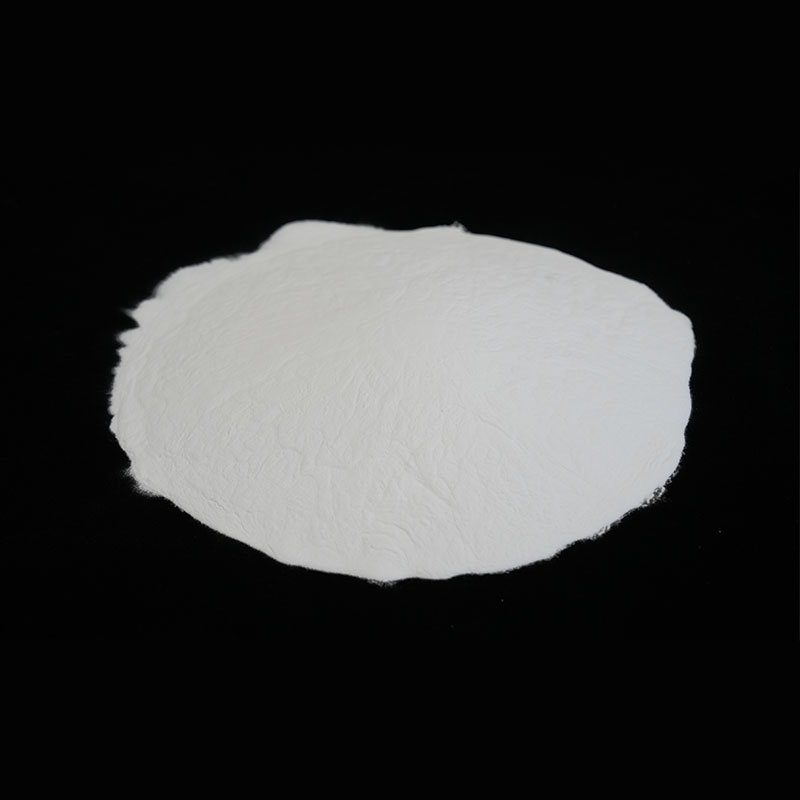 Chromium Oxide Ceramic Powder for Thermal SprayingA Cr2O3-based ceramic spray powder for plasma and supersonic spraying, with adjustable particle size and high hardness for wear-resistant coatings.View Product →
Where Chromium Oxide Coatings Are Used
Plasma-sprayed chromium oxide is a workhorse in places where sliding wear, abrasion and mild corrosion arrive together. Paper machinery is a classic home for it, on suction rolls, press rolls and guide rolls. Film and foil handling lines use it on rollers that must stay smooth for years. Textile machinery uses it on thread guides and contact surfaces, and pump builders use it on plungers, sleeves and wear rings. Mechanical seal faces, gate valves, hydraulic rods and piston rods are other regular customers.
The same green powder also turns up in ceramic glazes, where a fraction of one percent is enough to give a deep green colour. That is a very different application with very different requirements, but it is worth knowing about, because pigment grades and coating grades are not interchangeable.
In our own workshop, chromium oxide often ends up as one layer in a longer story: a prepared steel roller, a bond coat, a ceramic top coat, then grinding and polishing to the finish the customer needs.
 Plasma Ceramic Coating Service for Surface StrengtheningA plasma-spray coating process that deposits ceramics or metals onto pretreated parts for wear, corrosion, thermal, electrical insulation, and sealing properties.View Product →
How to Choose a Grade
When a customer asks which chromium oxide powder to buy, the honest answer is that it depends on the substrate, the process and the failure mode being fixed. Still, a few checks cover most of the ground:
- Purity and chemistry. Look for 99 percent and above for spray work, and ask for the impurity profile, particularly silica and iron.
- Phase and crystallinity. Make sure you are getting the alpha phase, not a partially converted material.
- Particle size cut. Match the cut to the torch, not to the price list.
- Morphology and flow. Spherical, agglomerated and sintered powder feeds more evenly than angular crushed powder.
- Batch consistency. A coating process that worked last month should still work this month.
- Supplier support. A powder supplier who can also coat a test coupon is worth more than one who only ships bags.
Chromium oxide is not always the right answer. If impact toughness matters more than hardness, alumina-titania blends are often a better fit and cost less. If the problem is heat rather than wear, a zirconia-based ceramic may serve you better, and if the wear is severe and the budget allows, carbide-based coatings still rule. Comparing these options early saves a lot of rework later.
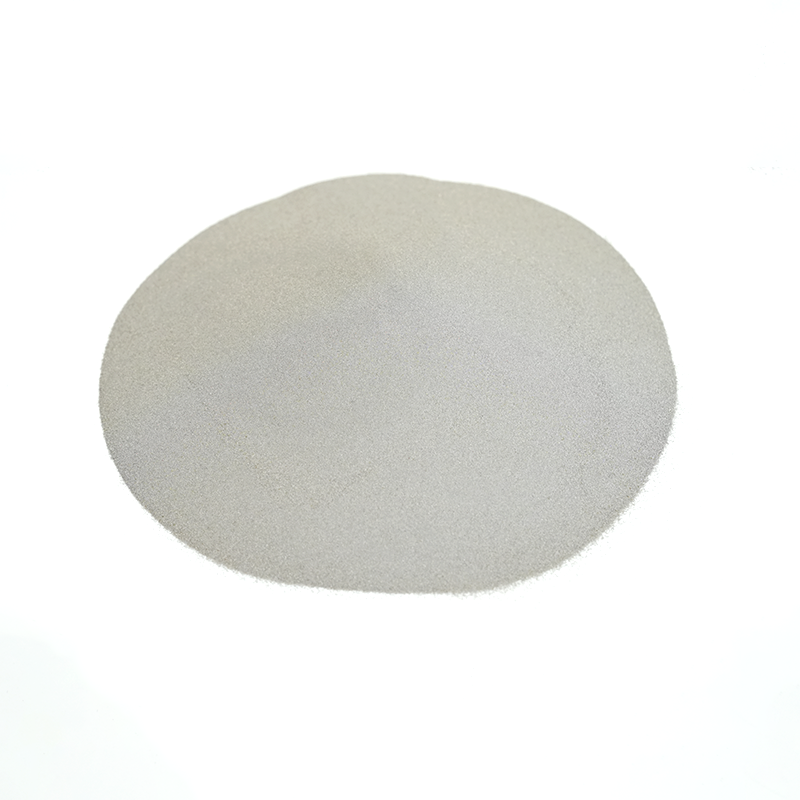
Alumina Titanium Oxide Powder for Wear and Thermal Barrier CoatingsA composite Al2O3-TiO2 powder for wear-resistant and thermal-barrier uses, often considered when impact toughness matters more than hardness.View Product →Matching Powder, Process and Part
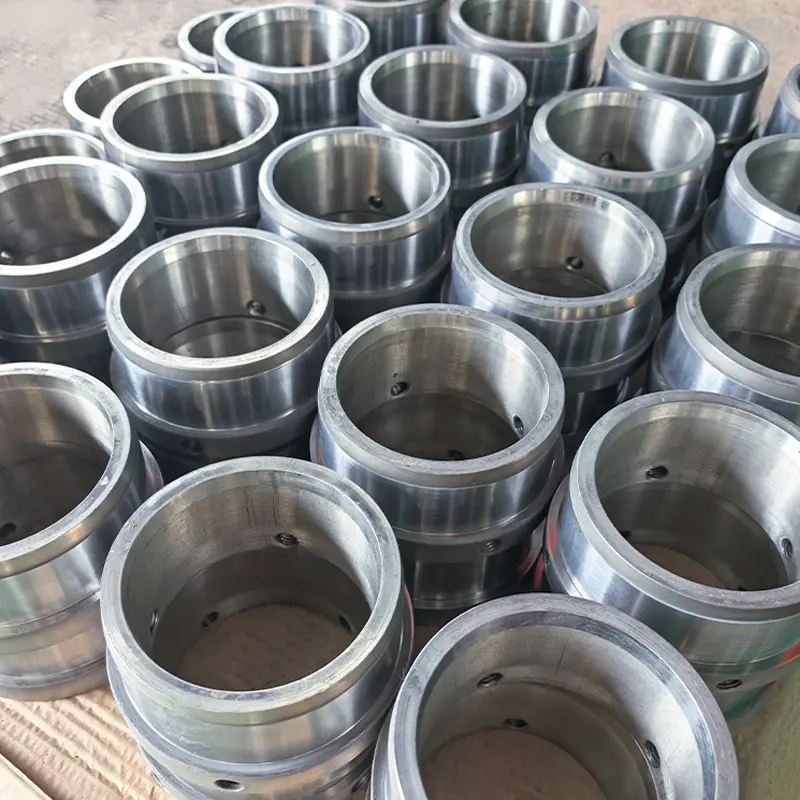
We are Jiangsu Crystal Additive Manufacturing Co., Ltd., based in the Bianzhuang Industrial Concentration Zone in Jiangyan District, Jiangsu Province. Our work sits at the join between materials and parts. We develop and produce alloy powders, carbide powders and ceramic powders, including chromium oxide, and we also run the surface engineering side of the business: laser cladding, oxy-acetylene spray welding, plasma ceramic coating, plasma cladding and supersonic spraying. On top of that we build customised wear-resistant components such as rollers, shafts, sleeves, plungers and screws.
That combination is deliberate. When a powder and a coating process come from the same place, the particle size cut, the spray parameters and the final surface finish can be tuned together instead of argued about across a purchase order. If a customer sends us a worn roller and a description of what killed it, we can adjust the powder grade and the process rather than simply selling another bag of the same material. You can see the full range on our powder and coating operations page, from raw material through to finished powder and finished parts.
Practical Notes From the Workshop
A few small things make a large difference with chromium oxide, and most of them are learned the hard way:
- Keep the powder dry. Moisture ruins flow, causes spitting and leaves porosity behind.
- Never blend two size cuts to stretch a batch. The torch sees the blend, not the specification.
- Prepare the substrate properly. Grit blasting and a clean surface decide more about bond strength than any powder upgrade.
- For thicker ceramic layers, use a bond coat rather than trying to build everything in one pass.
- Plan the finishing step. Chromium oxide coatings are hard, so grinding and polishing parameters matter.
- Handle fine oxide dust sensibly, with extraction and appropriate protection. It is an inert ceramic, not a harmless one.
None of these steps is complicated, but skipping any of them tends to show up as a coating that fails early, and the powder usually gets the blame.
Getting the Right Powder for Your Job
Chromium oxide ceramic powder rewards a little homework. Understand the chemistry, insist on a tight particle size cut, match the grade to the spray process, and keep the substrate preparation and finishing steps in the same conversation as the material choice. Do that, and a Cr2O3 coating can outlast the part it protects several times over.
If you are weighing up a grade, comparing it with alumina-titania or carbide options, or trying to work out why an existing coating is spalling, we are happy to talk it through. Send us the part, the working conditions and the failure you are seeing, and we will suggest a powder and a process that fit the job.