English
 русский
 عربى
عربىAsk five people on a plant floor what ceramic powder means and you may get five different answers. To a potter it is the raw material behind a glaze. To a maintenance engineer at a steel mill it is the pale grey grit that keeps a furnace roller from being eaten alive by hot metal. To a design engineer it is the starting point of a wear plate, a pump plunger, or a coated spiral shaft. All of these answers are correct; they simply look at the same family of materials from different angles.
We work with ceramic powders every day: specifying them, spraying them, cladding with them, and inspecting the parts they protect. What follows is close to the explanation we give a new customer on the phone. If you would rather see the range first, our ceramic powder line is the natural place to begin.
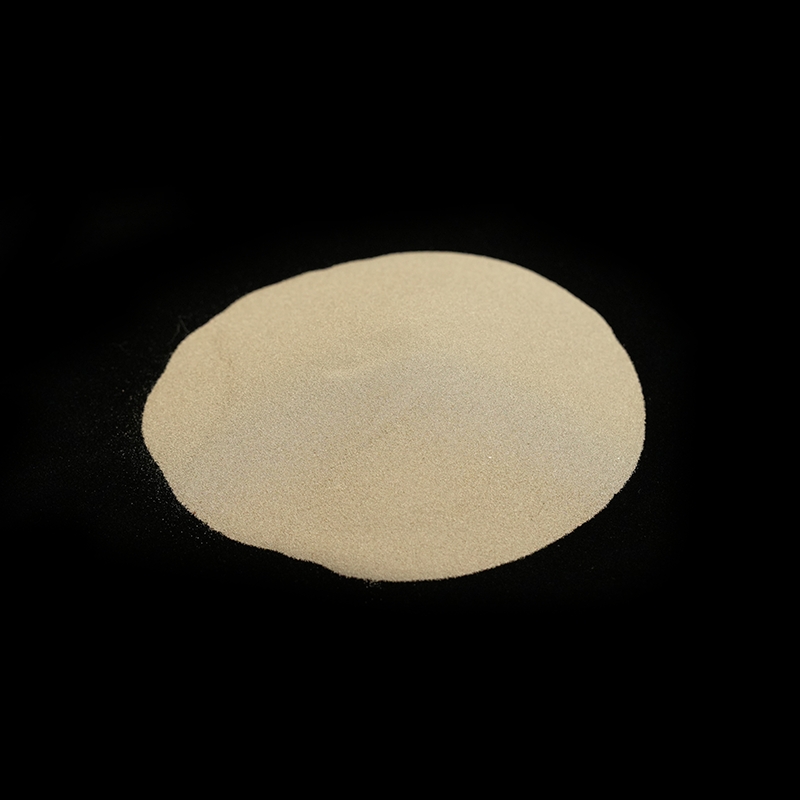
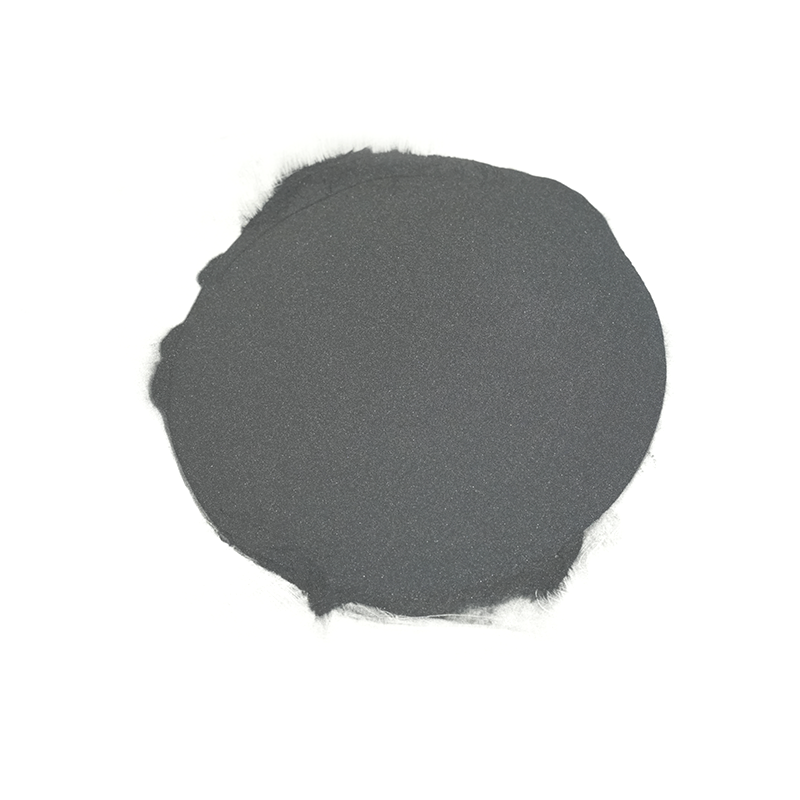
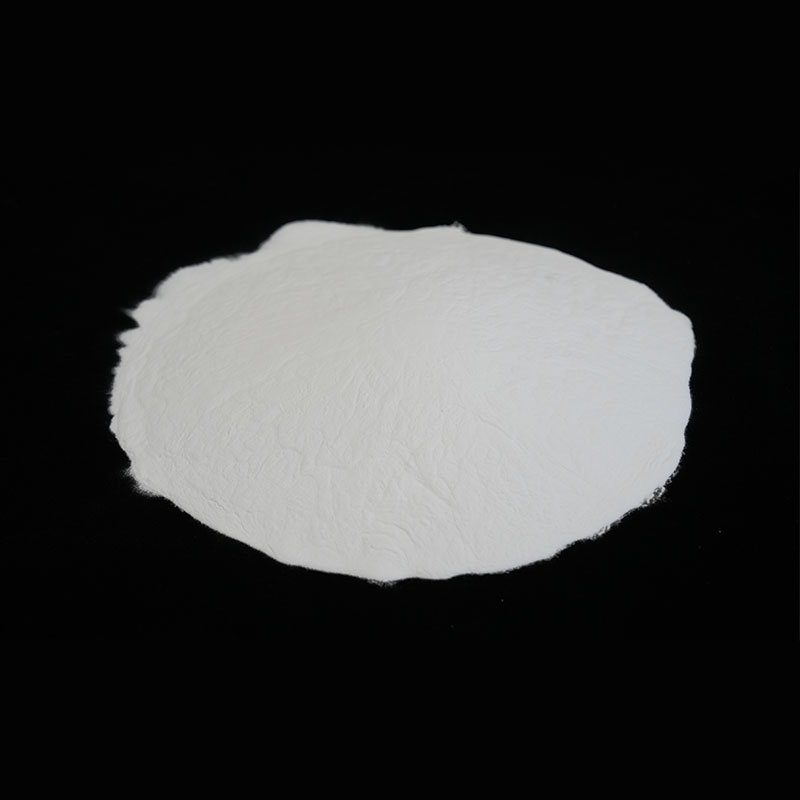 Ceramic Powder SuppliersChromium Oxide Ceramic Powder Ceramic chromium oxide spray alloy powder is a hig...View Product →
Content
What Ceramic Powder Actually Is
In technical terms, ceramic powder is a mass of fine, inorganic, non-metallic particles, usually crystalline, plus the additives a manufacturer blends in to make the material easier to handle and shape. The chemistry can be as simple as aluminium oxide or as elaborate as a stabilised zirconia with a carefully controlled dopant level. What these materials share is hardness, chemical inertness, high melting points, electrical insulation, and stability at temperatures where steel has long since softened.
There are two broad ways ceramic powder is used, and the difference matters more than most buyers expect. In the first, the powder is formed into a shape by pressing, casting, or extrusion and then sintered into a dense solid part. In the second, it is fed into a torch or a laser and deposited onto a metal surface as a coating. Sintering cares about compressibility and shrinkage; thermal spraying cares about flowability, particle size cut, and how cleanly the particles melt in flight. A grade that shines in one route can be a headache in the other.
Ceramic powders also serve as fillers, polishing media, catalyst supports, and refractory constituents, where particle size and purity still decide the outcome.
The Main Families of Ceramic Powder
Ceramic powders are grouped by chemistry first, because chemistry sets the ceiling on hardness, corrosion resistance, and service temperature. Within a family, the grade — purity, particle size, crystal phase — decides where that ceiling actually sits in your process.
Oxide Ceramics
Oxides are the workhorses. Alumina is abundant, economical, and hard enough for most wear duties. Alumina-titania blends were developed for plasma spraying, where the titania lowers the melting point and helps build a denser, better-bonded coating. Chromium oxide is what many engineers reach for when wear and chemical attack arrive together, because it resists acids while keeping its hardness at temperature. Yttria and zirconia serve high-temperature and thermal-barrier duties. Each behaves differently in a torch, which is why we keep them as separate grades rather than one generic "oxide" line.
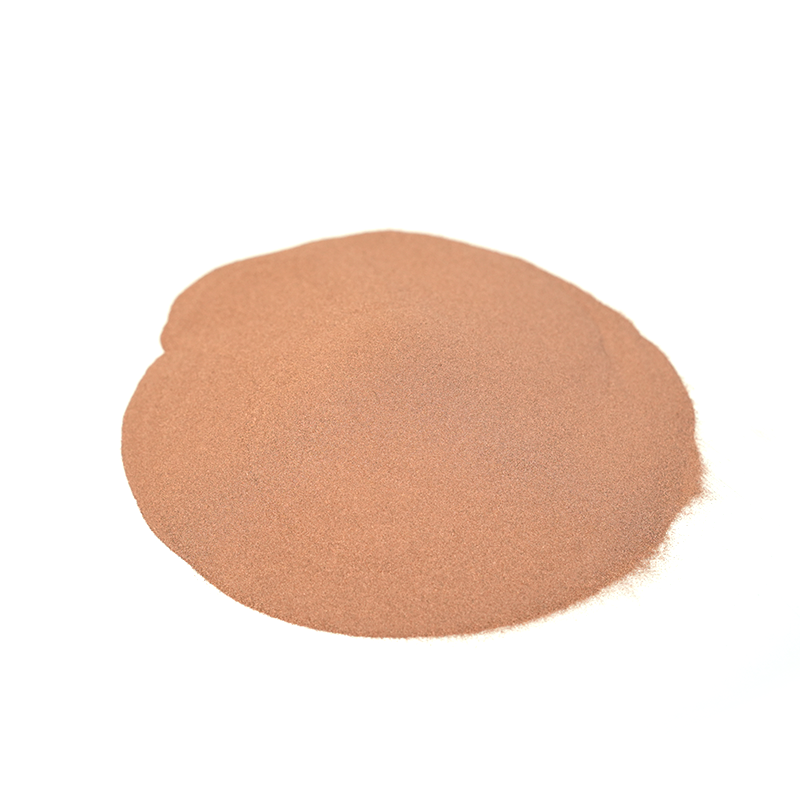
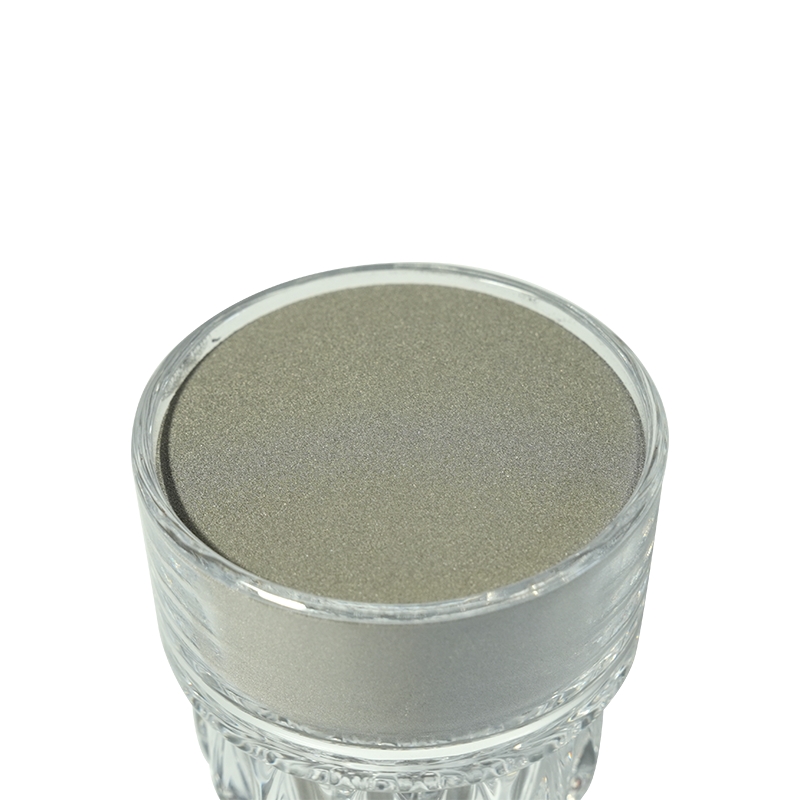
Chromium Oxide Ceramic PowderCeramic chromium oxide spray alloy powder is a high-performance coating material mainly used in thermal spraying technology. It has high hardness, wear resistance, hig...View Product →
| Family | Typical chemistry | Defining trait | Common use |
|---|---|---|---|
| Alumina | Al2O3 | Hard, stable, economical | Wear coatings, abrasives, refractories |
| Alumina-titania | Al2O3 / TiO2 | Dense, well-bonded deposits | Plasma sprayed rollers and shafts |
| Chromium oxide | Cr2O3 | Wear plus acid resistance | Pump parts, seals, paper machinery |
| Yttria and zirconia | Y2O3, ZrO2 | Thermal barrier stability | Furnace and engine components |
| Silicon carbide | SiC | Hardness with thermal shock resistance | Seals, nozzles, kiln furniture |
| Tungsten carbide | WC | Extreme hardness in a metal binder | Cermet coatings and wear parts |
Non-Oxide Ceramics
Silicon carbide, boron carbide, silicon nitride, and aluminium nitride cover the cases where hardness, thermal conductivity, or thermal shock resistance matter more than chemical inertness. They are harder to process and usually more expensive, so they earn their place in specific duties rather than general ones.
Blends, Composites, and Cermets
Many working solutions are not pure ceramics at all. Ceramic particles dispersed in a metal matrix — the classic tungsten carbide in a cobalt or nickel binder — combine ceramic hardness with metallic toughness, and are often what a customer actually needs when a pure ceramic layer proves too brittle. Mechanical blends, agglomerated and sintered composites, and spray-dried granules with a binder system all sit here.
How Ceramic Powder Is Made
Two powders with identical chemistry certificates can behave completely differently, because the manufacturing route shapes the particles. The usual routes are:
- Mechanical milling — crushing, ball milling, or jet milling of a fused or calcined block, which is economical but tends to give angular particles and a wider size distribution.
- Chemical synthesis — precipitation, hydrothermal, or sol-gel routes that build particles from solution and deliver high purity and fine, uniform particles at a higher cost.
- Spray drying — a slurry is atomised and dried into spherical granules that flow and press well, often with a binder added.
- Plasma spheroidisation — irregular particles are melted and re-solidified into dense spheres for demanding feeding systems.
- Calcination and classification — a final heat treatment sets the crystal phase, while screening or air classification trims the distribution to the customer's cut.
The practical takeaway is short: "alumina powder" is not a specification. Ask how it was made, and ask for the batch data that proves it.
What to Check Before You Specify a Grade
When a customer sends us a drawing and a service condition, we run through the same short list every time. It is worth doing the same on your side, whichever supplier you use.
- Chemistry and purity — the main oxide or carbide content, plus the trace elements that can spoil a coating or a sintered part.
- Particle size distribution — not just the average, but the D10, D50, and D90 picture and the top cut, because a few oversized particles can block a feeder or leave an unmelted spot.
- Morphology — angular, spherical, or porous agglomerated particles behave differently in a hopper and in a flame.
- Flowability and apparent density — the numbers that decide whether a feeder runs smoothly or surges.
- Crystal phase — alpha and gamma alumina, or the monoclinic and tetragonal forms of zirconia, are not interchangeable.
- Moisture and loss on ignition — small percentages that turn into porosity, spitting, or uneven deposition.
- Batch-to-batch consistency — the least glamorous question, and often the most important when you run the same job every week.
Ceramic Powder in Coatings and Surface Engineering
For most of our industrial customers, ceramic powder is not an end product; it is the input to a surface that has to survive something unpleasant. Plasma ceramic coating is one of the most widely used routes: the powder is injected into a plasma jet, melted, and projected onto a prepared surface, building a dense layer that resists abrasion, erosion, and many corrosive media.
The same idea appears in other forms. Thermal spray with chromium oxide or alumina-titania produces a hard, low-friction working surface. Ceramic layers also serve as thermal barriers, electrical insulation, and release surfaces. Some jobs call for a hybrid: a metallic bond coat or a cermet intermediate layer for toughness, capped with a ceramic top layer for hardness.
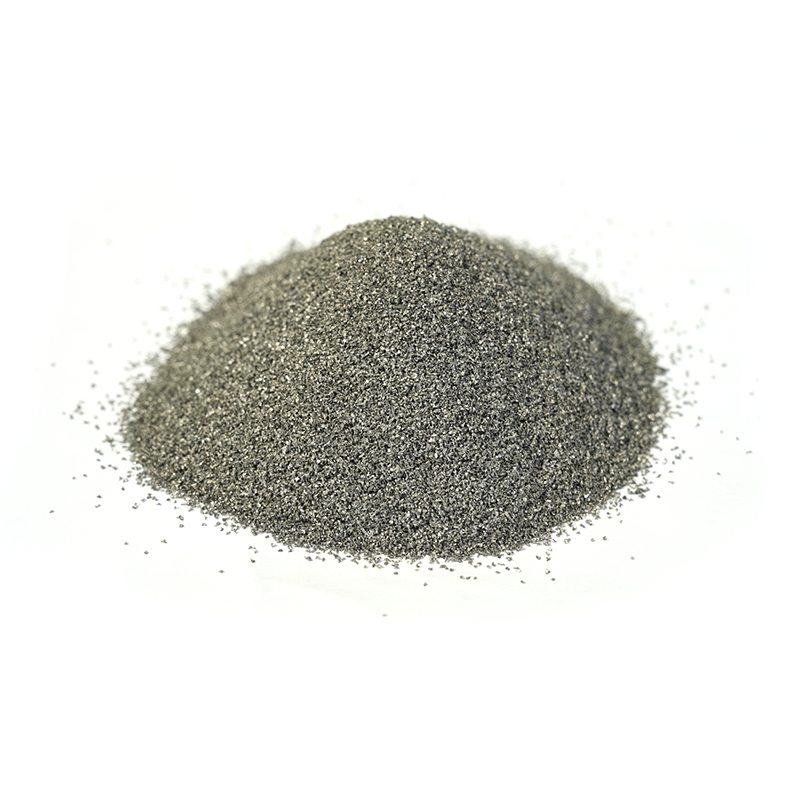
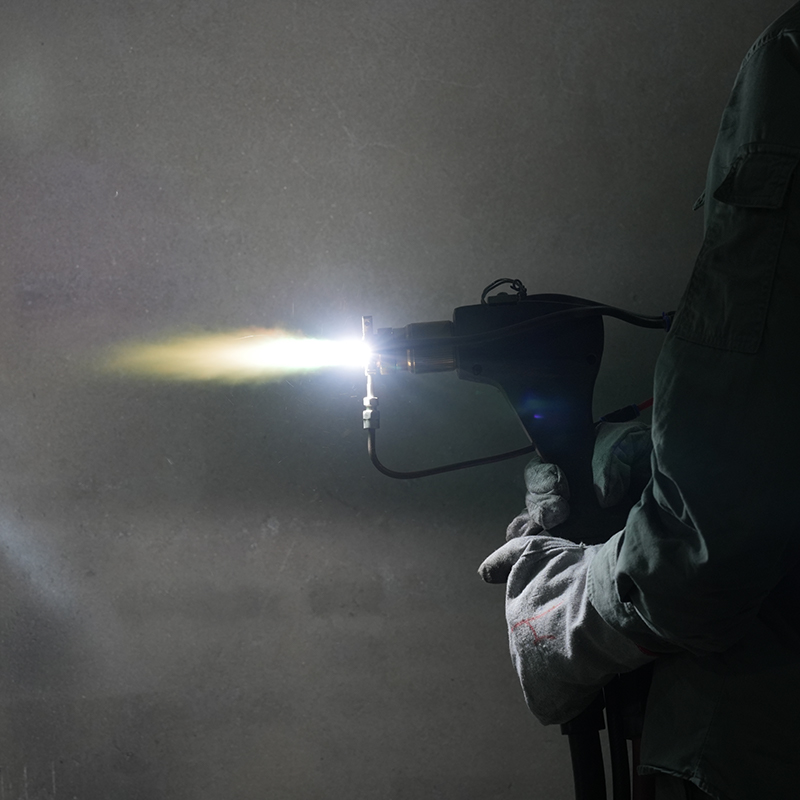 Plasma Ceramic CoatingPlasma spraying is a material surface strengthening and surface modification technology, that can make the surface of the substrate with wear-resistant, corrosion-resi...View Product →
Matching the Powder to the Part
Powder selection rarely happens in isolation. The geometry of the part, the substrate, the surface preparation, the spray or cladding parameters, and the finishing operation all move the answer. A roller running in a wet, acidic line may need a different grade than the same roller running dry at temperature, even when the drawings look identical.
That is why we would rather start from the failure than from the datasheet. Send us the part, the working conditions, and what the current solution is doing wrong, and we can usually narrow the field quickly — including telling you when ceramic powder is not the right answer at all. If you want more background on how these materials are classified, our complete guide to ceramic powder covers the same ground from a materials standpoint.
Ceramic powder rewards a little preparation. Get the chemistry, size, and phase right, and you end up with a coating or a component that quietly outlasts everything around it. Get them wrong, and you spend a week wondering why the deposit is porous and the feeder keeps clogging.
Whether you are buying powder by the kilogram, ordering a coated roller, or trying to work out why an existing coating keeps failing, the conversation usually starts with a short description of the part and the environment it lives in. That is a conversation we are always glad to have.