English
 русский
 عربى

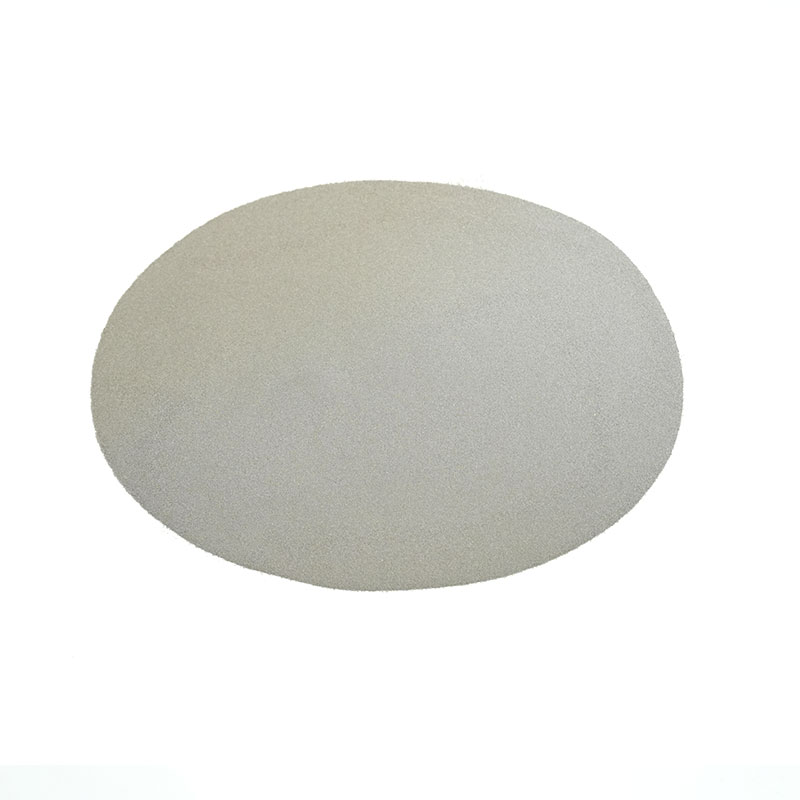
Cobalt Based Alloy Powder
Cobalt-based alloy powder is a hard alloy powder t...
View more
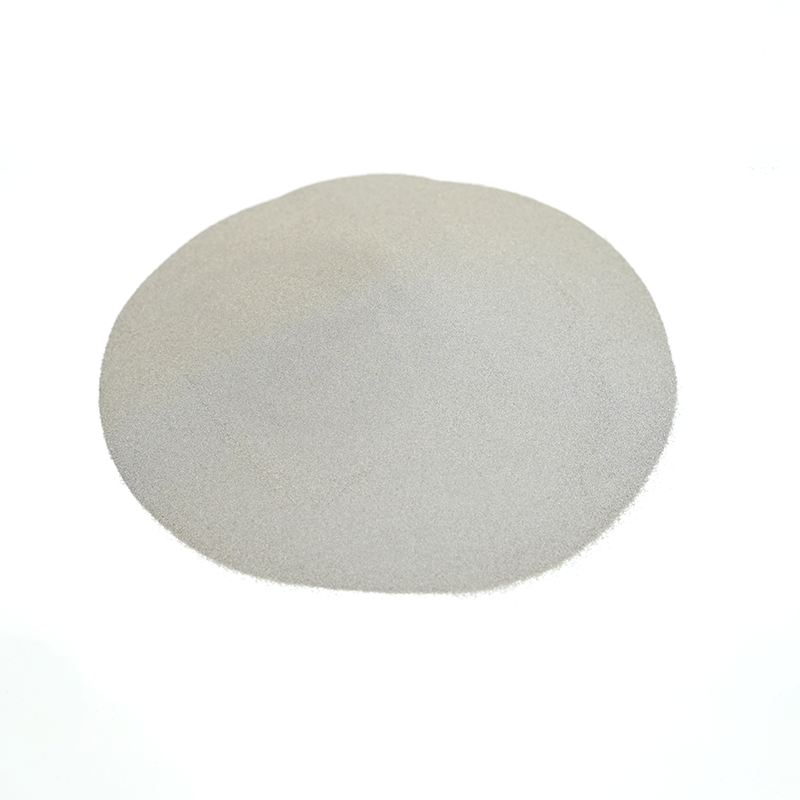
Nickel-based tungsten carbide alloy powder is a ne...
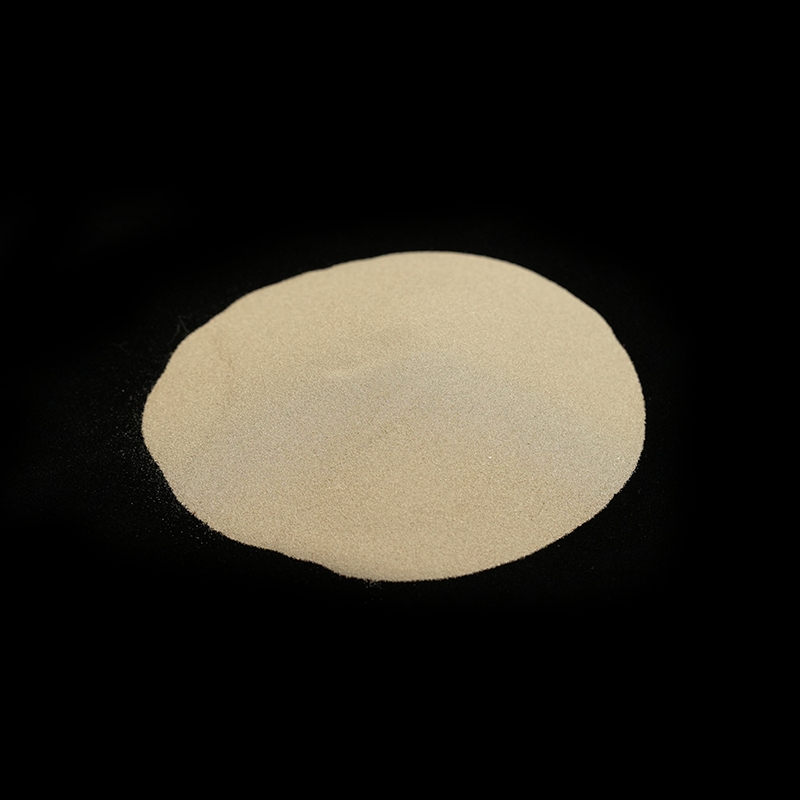
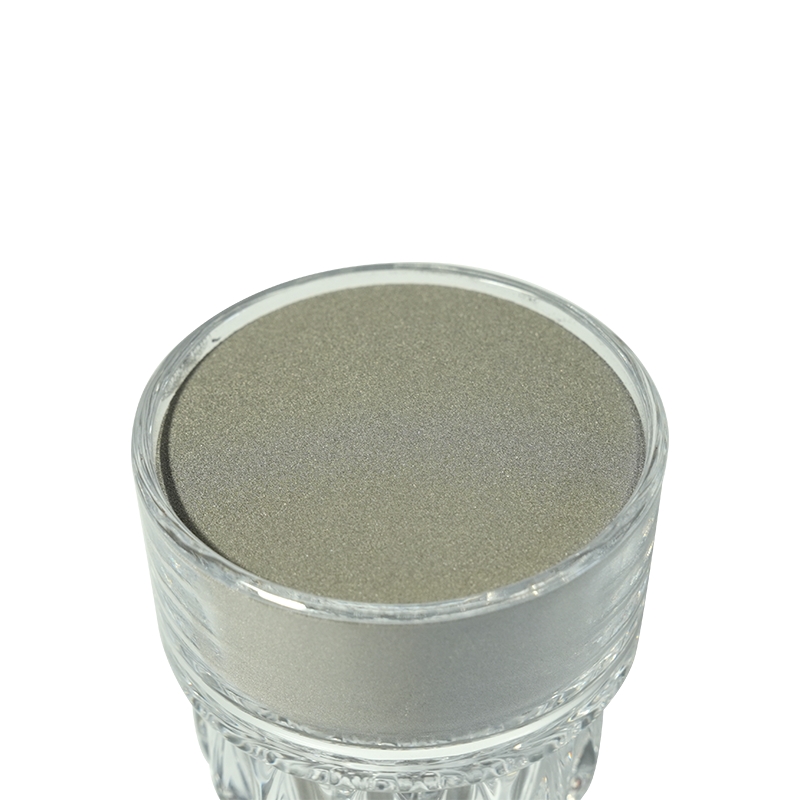
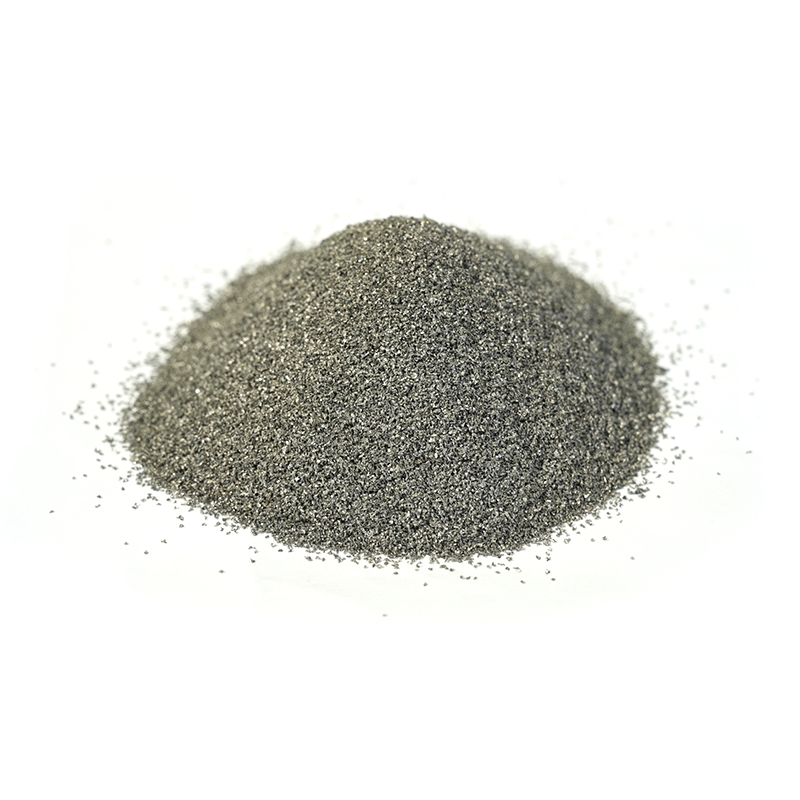
View moreThe alloy powder supplied by our company is produced by the gas atomization/water atomization process at an internationally advanced level. It has a uniform composition, low oxygen content, good sphericity, and complete specifications. Therefore, the powder has good fluidity, smooth and stable powder feeding for surfacing and spraying, no gun blocking, no beads, and no sticking to the barrel. The powder quality has reached domestic and international advanced levels and has won high praise from domestic and foreign customers. Applicable processes include plasma surfacing, plasma spraying, oxygen-acetylene spray welding, high-frequency remelting, supersonic spraying, laser cladding, and powder metallurgy.


Anyone who has spent years standing next to a powder bed will tell you the same thing: the machine gets the attention, but the powder decides the out...
READ MOREAdditive manufacturing powder looks simple from a distance: fine metal particles, a hopper, a build plate, and a finished part. Up close, it is a car...
READ MORECobalt based alloy powder rarely gets much attention until a part stops working. Over the years we have seen it rescue valve seats that were being re...
READ MOREChromium oxide ceramic powder is one of those materials that rarely makes headlines but quietly keeps a great deal of industrial equipment running. I...
READ MOREAsk five people on a plant floor what ceramic powder means and you may get five different answers. To a potter it is the raw material behind a glaze....
READ MOREIndustry Knowledge Expansion
The same alloy can perform very differently depending on the size cut of the powder. A powder that flows well in a laser cladding hopper may be too coarse for a powder bed, and a fine cut that spreads smoothly in a powder bed can clog a plasma feed line. Cutting the powder to the process window matters as much as choosing the chemistry. As a supplier of Alloy Powder for many application routes, we sieve and classify each lot to the window the customer's equipment actually needs.
| Process | Typical Size Range (μm) | Key Reason |
| Laser powder bed fusion (LPBF) | 15–53 | Thin, even layers and high packing density |
| Directed energy deposition (DED) | 45–150 | Stable coaxial feeding |
| Laser cladding | 45–125 | Balance of melting efficiency and flowability |
| Plasma transferred arc (PTA) overlay | 53–150 | Resists blowing out of the melt pool |
| HVOF thermal spray | 15–45 or 20–53 | Complete heating in the flame, dense coatings |
When reviewing a certificate, look at D10, D50 and D90 rather than the nominal range alone. A lot with a wide tail of fines below D10 can cause spatter and caking in a powder bed, even if it nominally meets the size range.
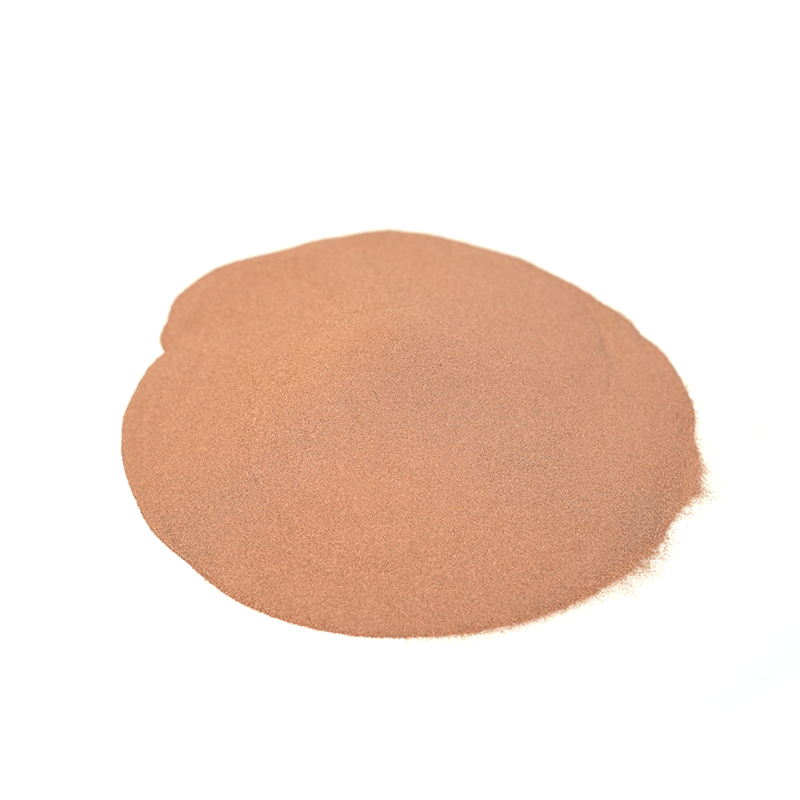
Copper Alloy Powder is attractive for heat exchangers, induction coils, rocket combustion chambers and conformal cooling inserts because of its thermal and electrical conductivity. The same conductivity makes it hard to process. At the 1064 nm wavelength of common fiber lasers, solid copper absorbs only a few percent of the incident energy, so much of the beam is reflected. This causes lack-of-fusion porosity and unstable melt pools.
We supply pure copper powder and copper-based alloy powders that can be customized to the composition and size range your machine requires.
When a Nickel Alloy Powder overlay fails, the cause is often a process parameter or a powder condition rather than the alloy itself. The table below lists common symptoms and the first things to check.
| Defect | Likely Cause | Corrective Action |
| Porosity | Damp powder, gas entrapment, hollow particles | Dry powder at 100–150 °C before use, and check particle sphericity and internal porosity |
| Cracking | High hardness or carbide content, thermal stress | Preheat the substrate, reduce the cooling rate, use a tougher matrix composition |
| Excessive dilution | Excess laser power, slow travel speed | Lower the power or raise the travel speed until dilution is about 5–10% |
| Uneven bead | Inconsistent powder feed, agglomeration | Check flowability, clean the feed lines, screen out agglomerates |
| Poor bonding | Contaminated substrate, insufficient energy input | Degrease and grind the surface, increase heat input slightly |
Powder is not consumed in a single pass. In powder bed processes, most of the material is recovered and reused. Each cycle can raise oxygen content, change the particle size distribution through spatter and fines, and reduce flowability. Setting up a simple tracking routine prevents scrap builds.
Ordering by alloy grade alone leaves too much open. Precision Alloy Powders for aerospace, energy or tooling applications should be purchased against a specification that covers chemistry, physical properties and defects. A complete purchase specification typically covers the items below, and we are glad to work through them with you and match each item to your equipment and part requirements.
| Parameter | Why It Matters |
| Chemical composition and impurity limits (O, N, S, P) | Controls mechanical properties and cracking tendency |
| D10 / D50 / D90 | Determines spreadability, packing density and feed consistency |
| Hall flow rate and apparent density | Predicts behavior in hoppers and recoater systems |
| Sphericity, satellites and hollow particle content | Affects layer quality and porosity in finished parts |
| Lot traceability and test certificate | Supports repeatable production and quality audits |
If your application has unusual requirements, such as a narrow size cut or a modified composition, request a pilot lot first and run it through your own process before committing to volume.


 Bianzhuang Industrial Concentration Zone, Yuxi, Jiangyan District, Jiangsu Province
 +86-0523-86505558 / +86-0523-86506668
 +86-13961019985 / +86-18852676660
 [email protected]
Copyright ©Jiangsu Crystal Additive Manufacturing Co., Ltd. All Rights
Reserved.
 Precision Alloy Powders Company