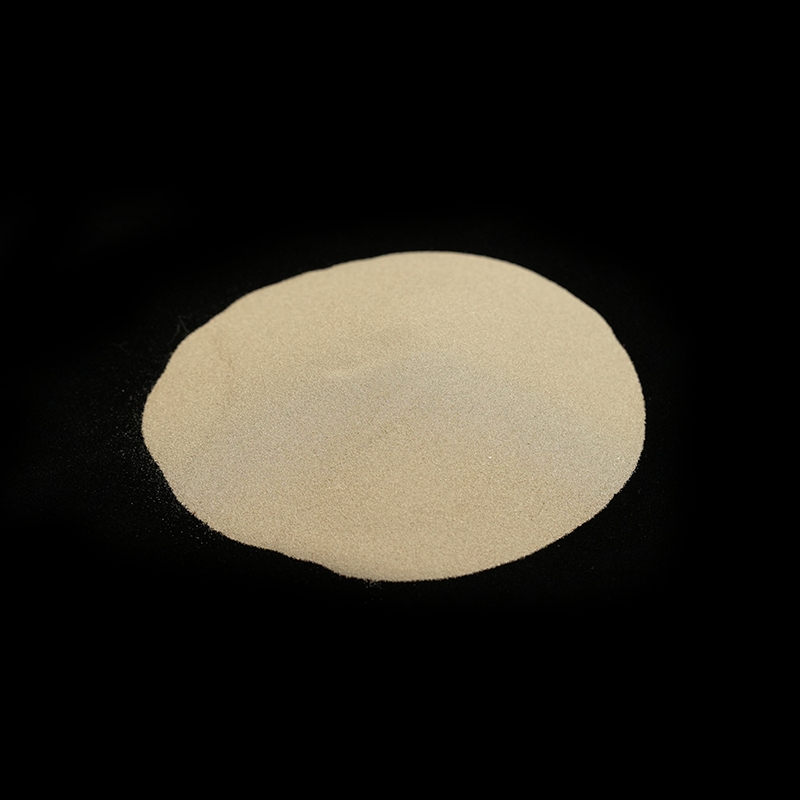
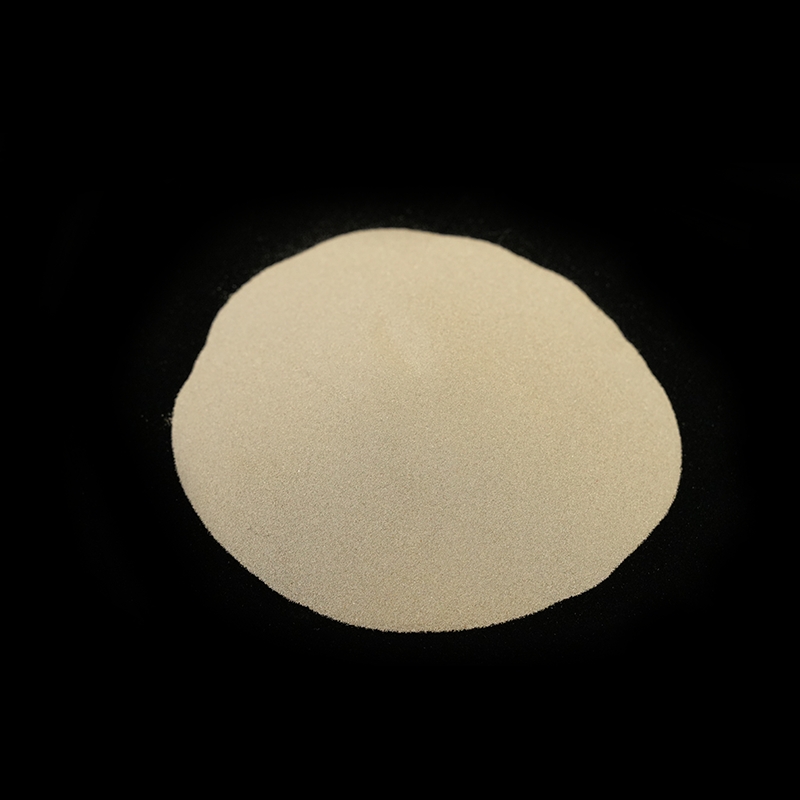
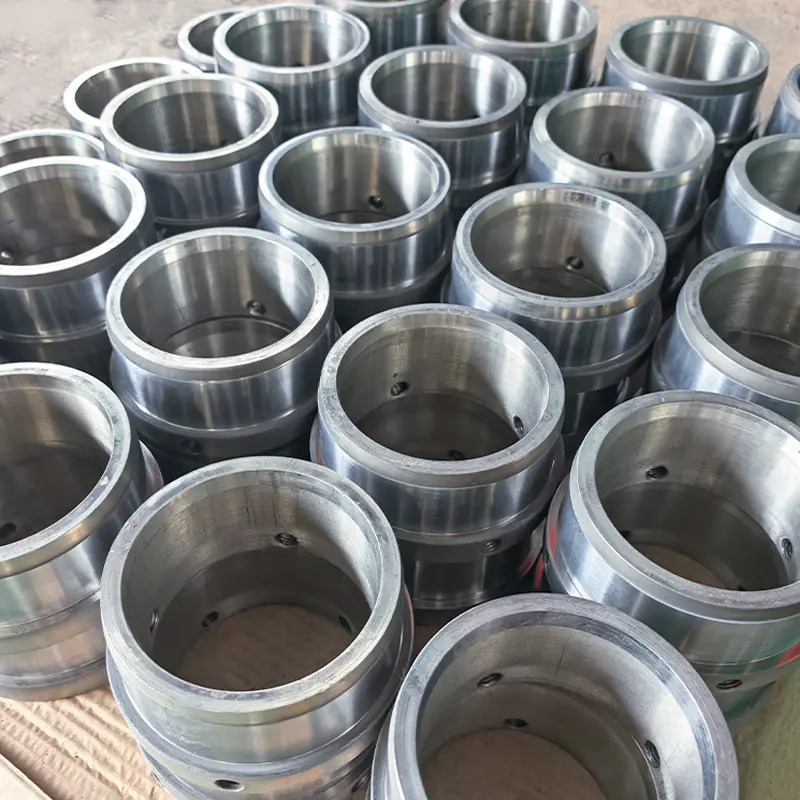
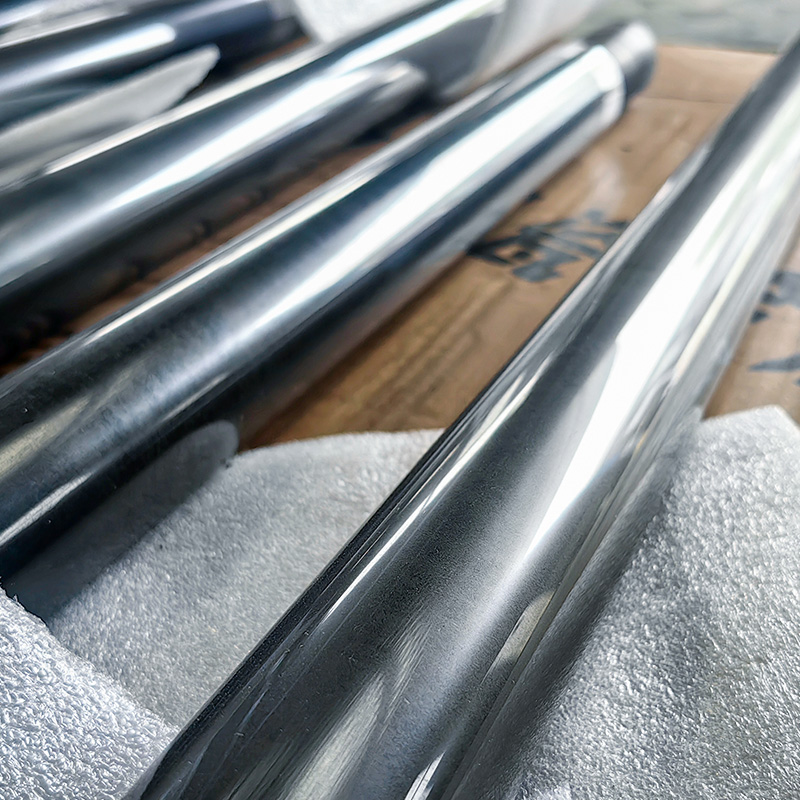
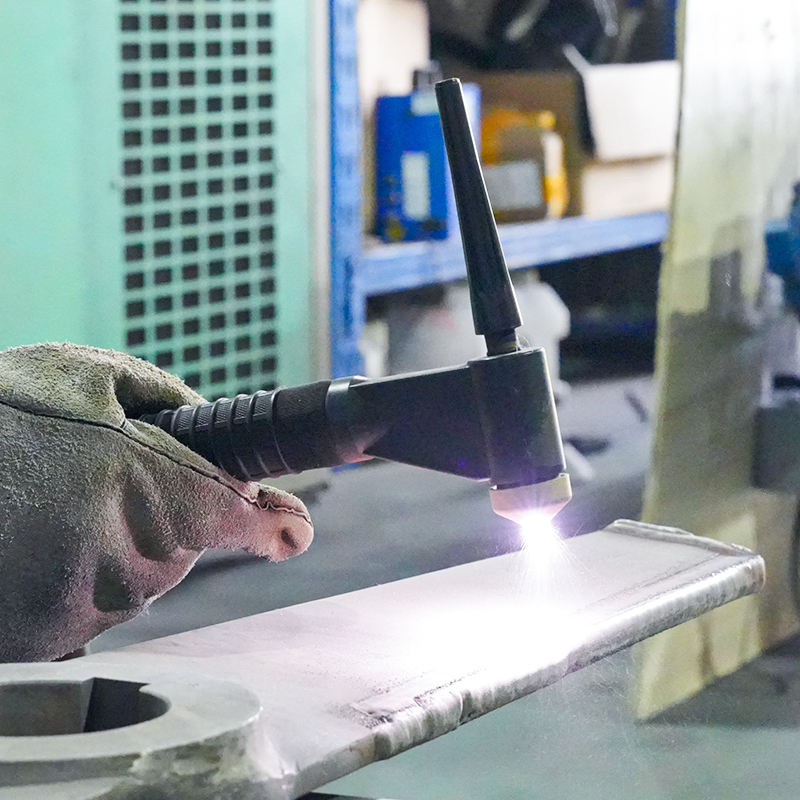
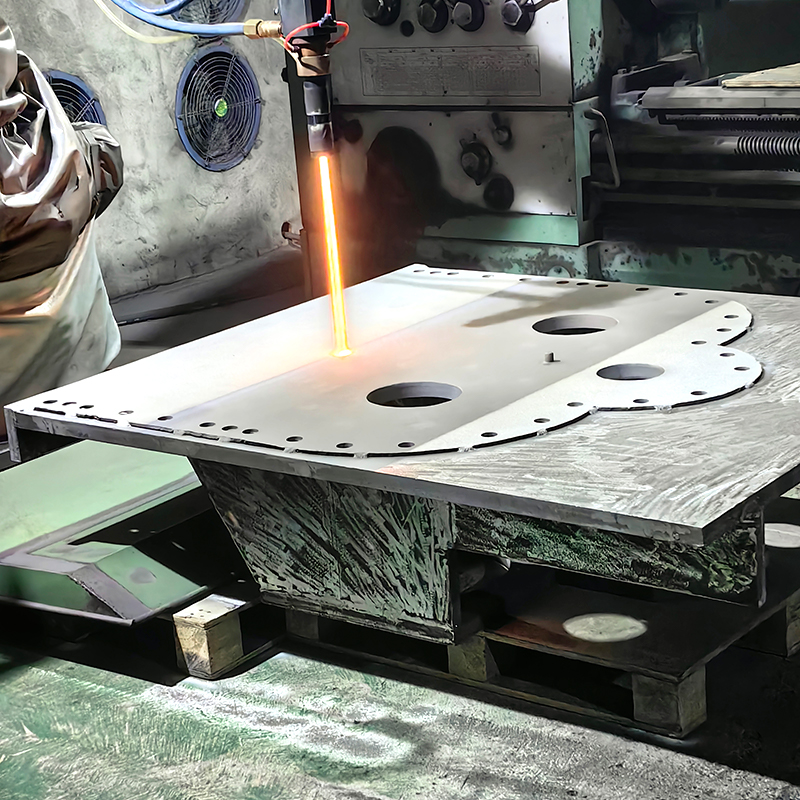
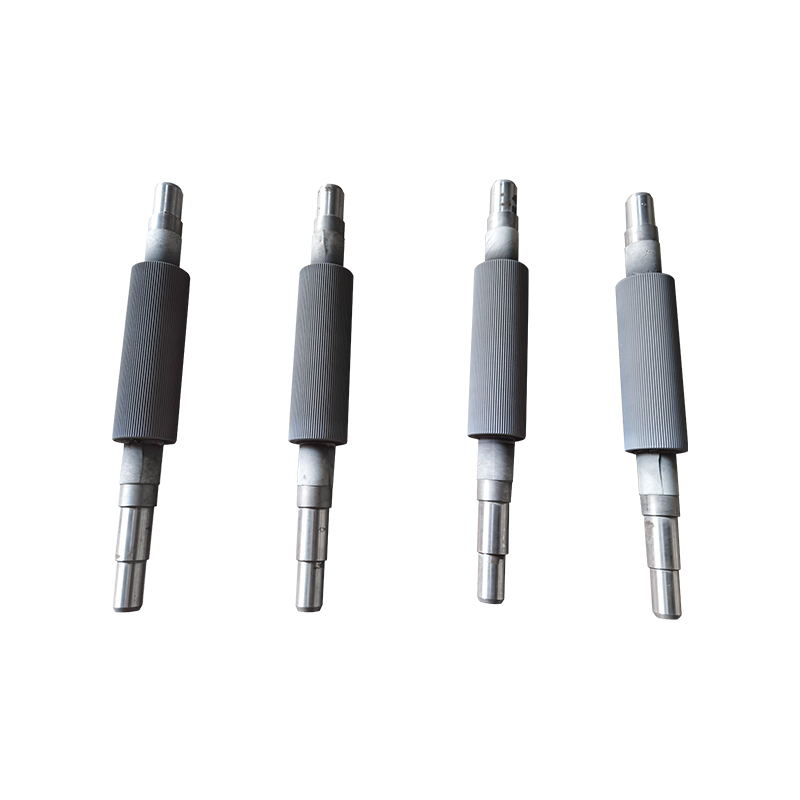
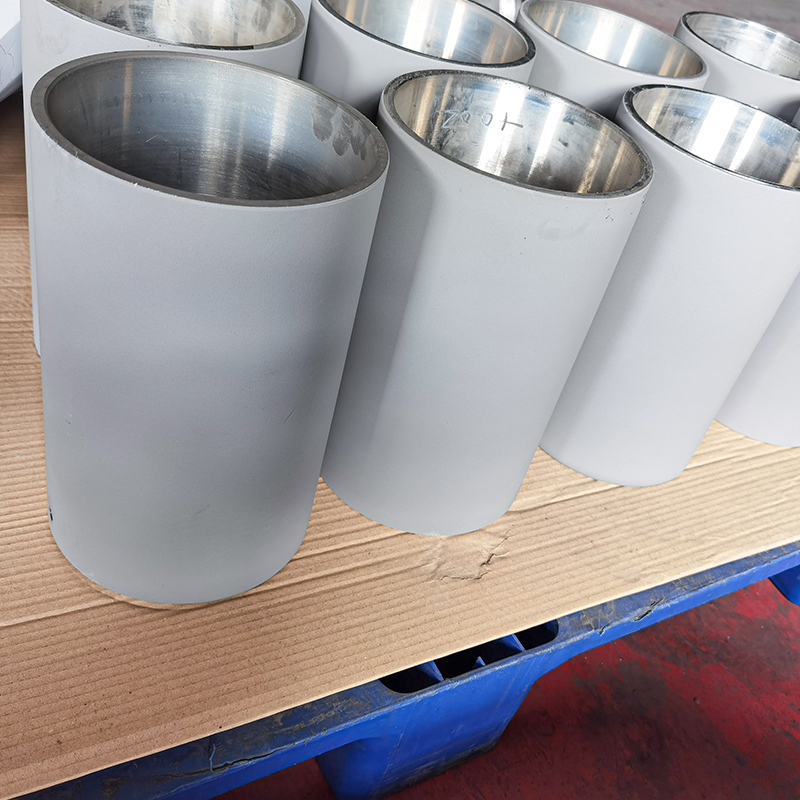
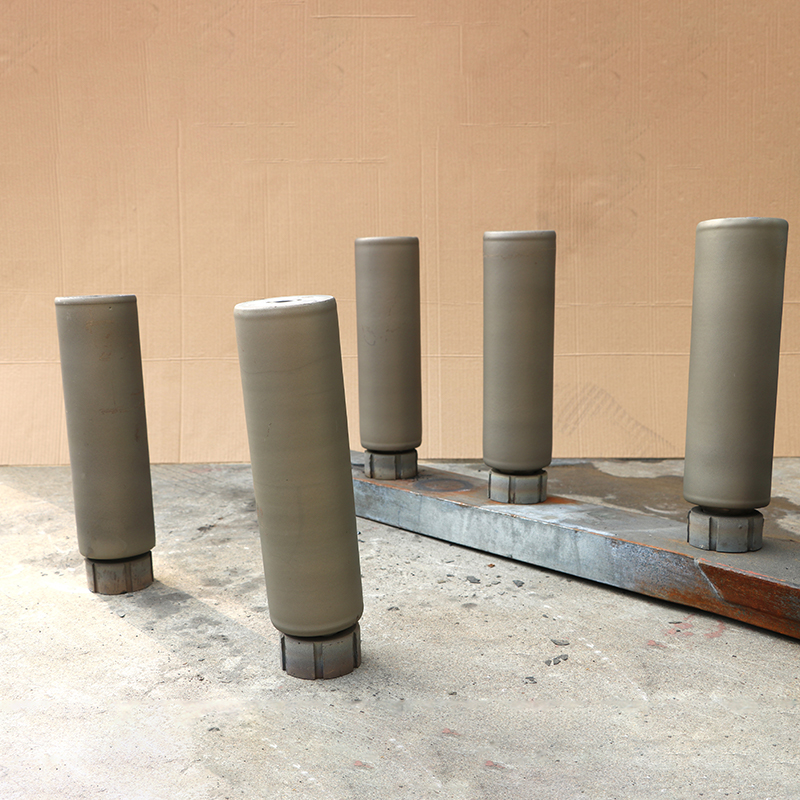
Jiangsu Crystal Additive Manufacturing Co., Ltd. is a Laser Cladding Powder manufacturer based in the Jiangyan District of Jiangsu Province, China. We produce nickel-based, cobalt-based and iron-based alloy powders for laser cladding, laser repair and metal additive processes, screened to 100/270 mesh in hardness bands from roughly 25 HRC to 60 HRC. These grades rebuild and protect shafts, rolls, plungers, valve seats, hydraulic columns and stainless components in food, chemical and marine service.
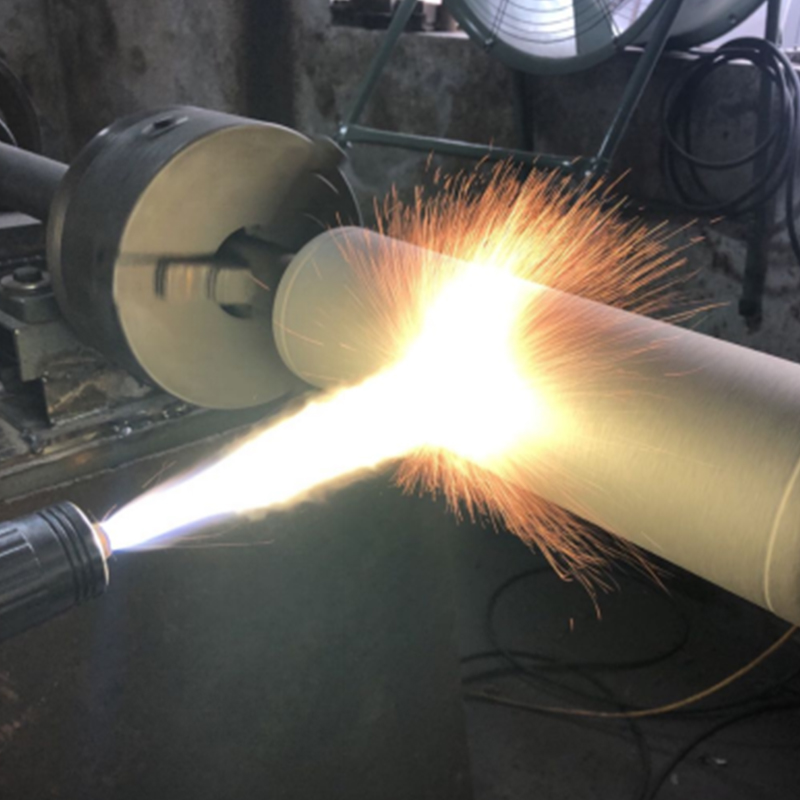
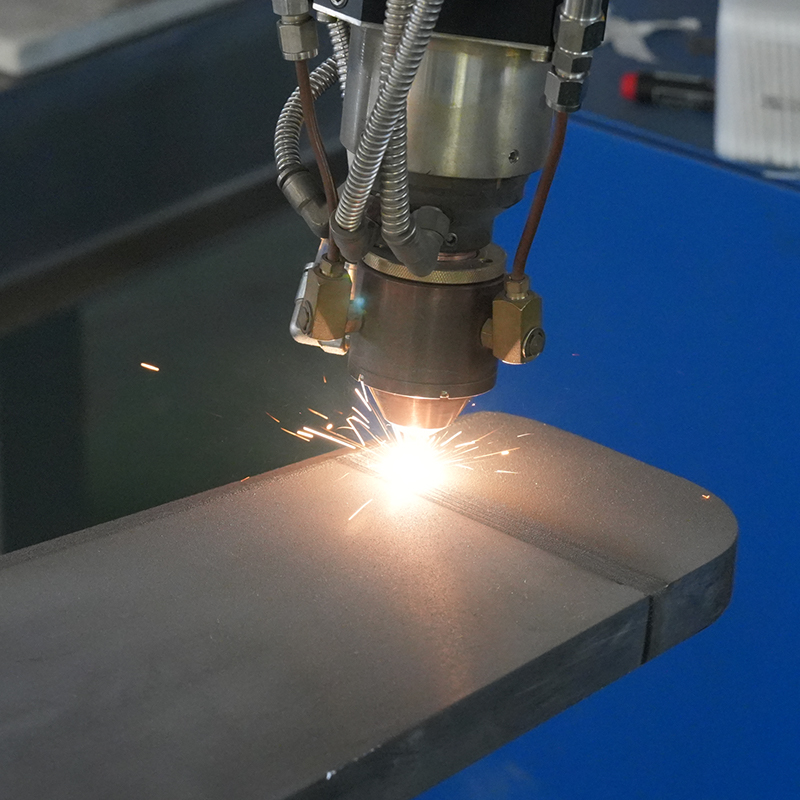
Our own cladding operation runs five laser cladding units, including an ultra-high-speed system and a six-axis robotic cell, so grade selection is made against real deposition behaviour rather than datasheet values alone.
Standard delivery form: 100/270 mesh (approximately 53-150 µm), gas-atomised or water-atomised, sealed and moisture-protected, with batch chemistry and particle size data.
Laser Cladding Powder Grades and Hardness Bands
Three alloy systems cover most laser cladding duties, and each is offered as a graded series so hardness, toughness and alloy cost can be balanced against the working point. All standard grades are screened to 100/270 mesh.
| Powder system |
Representative grades |
Hardness (HRC) |
Key alloying elements (wt%) |
Typical cladding duty |
| Nickel-based self-fluxing |
SD-Ni820, SD-Ni825, SD-Ni830, SD-Ni835, SD-Ni840, SD-Ni845 |
25-45 |
C 0.01-0.7; Cr 4.5-19.1; Si 0.4-18.7; W 3.0-5.25; Mo 0.8-5.1; B 0.8-2.2; Ni balance |
Tough, crack-tolerant layers on shafts, plungers and moulds; general wear surfaces |
| Cobalt-based Co-Cr-W-C |
SD-Co01, SD-Co06, SD-Co12, SD-Co12H, SD-Co21, SD-Co6H, SD-Co12N, SD-CoFH |
25-52 |
C 0.3-2.4; Cr 28-30; W 0.8-12; Ni up to 22.5; Mn max 1.0; Co balance |
Hot hardness and metal-to-metal wear: valve seats, extrusion screws, hot rolls, glass and steel mill tooling |
| Iron-based Fe-Cr-B-Si |
SD-JG20, SD-JG25, SD-JG30, SD-JG35, SD-JG40, SD-JG45, SD-JG50, SD-JG55, SD-JG60 |
25-60 |
C 0.05-0.18; Cr 16.7-19.8; Si 0.9-1.2; B 0.5-1.4; Ni 0.8-5.5; Mo 0.5-2.0; Fe balance |
Roll and shaft repair, hydraulic support columns, valve and casting priming, cost-controlled wear layers |
| Iron-based stainless |
SD-JG-304, SD-JG-316L |
Not hardness-rated |
Cr 18; Ni 10-12; Mo 2.0-2.5; Cu 0.20 (316L) |
Corrosion-led duties: food industry, chemical plant, marine components, medical devices |
| Nickel-based tungsten carbide composite |
Composite WC grades in the wider range |
Application dependent |
Tungsten carbide in a nickel-based matrix |
Severe abrasion with moderate impact where a carbide dispersion is required |
Matching the Grade to the Wear Mechanism
Selection starts from the damage mechanism, not from the hardness number. A layer that resists abrasion may crack under impact, and a layer that survives impact may polish away under three-body abrasion.
- Abrasive wear with moderate impact - nickel-based SD-Ni835 to SD-Ni845 and iron-based SD-JG50 to SD-JG60 combine the higher hardness bands with enough matrix toughness for rolls, shafts and plough components.
- Metal-to-metal sliding and galling - cobalt-based SD-Co12, SD-Co12H and SD-Co12N hold a stable Co-Cr-W carbide structure that resists scuffing on valve seats, plungers and sealing faces.
- Hot wear and thermal cycling - SD-Co01, SD-Co06 and SD-CoFH retain hardness at elevated temperature, which suits hot rolls, extrusion screws and glass or steel mill tooling.
- Corrosion-led service - SD-JG-304 and SD-JG-316L deposit a stainless layer for food industry, chemical plant, marine components and medical devices.
- Cast iron, valve priming and hydraulic columns - SD-JG-20 and SD-JG-25 serve as repair or buffer layers on castings and valve bodies, while SD-JG-50 and SD-JG-58 build thick, machinable wear layers on hydraulic support columns and rollers.
Reading the Specification: Hardness, Chemistry and Mesh
Each grade is defined by three independent variables: the hardness the deposit reaches, the chemistry that produces it, and the particle size that carries it through the feeder.
Hardness (HRC)
Hardness is quoted for the deposited layer, not for the powder. Carbon and boron control the volume fraction of hard phases; chromium, tungsten and molybdenum control their type and thermal stability. A 45 HRC nickel-based layer and a 45 HRC iron-based layer behave differently in service because the carbide and boride networks differ.
Chemistry
Carbon from 0.01 to 2.4%, boron from 0.45 to 2.2% and silicon from 0.4 to 18.7% across the range drive self-fluxing behaviour and hard-phase formation. Chromium at 4.5-30% carries corrosion and oxidation resistance; tungsten up to 12% and molybdenum up to 5.1% add hot hardness; nickel and cobalt form the matrix that holds the structure together. Iron-based grades use iron as the balance to keep material cost predictable on large wear areas.
Mesh and particle size
100/270 mesh is the standard cut for laser cladding, matching the 53-150 µm window that most powder feeders and cladding nozzles handle well. Coarser or finer cuts are produced when a specific nozzle, feed rate or layer thickness requires them.
Particle Size, Flowability and Feeder Compatibility
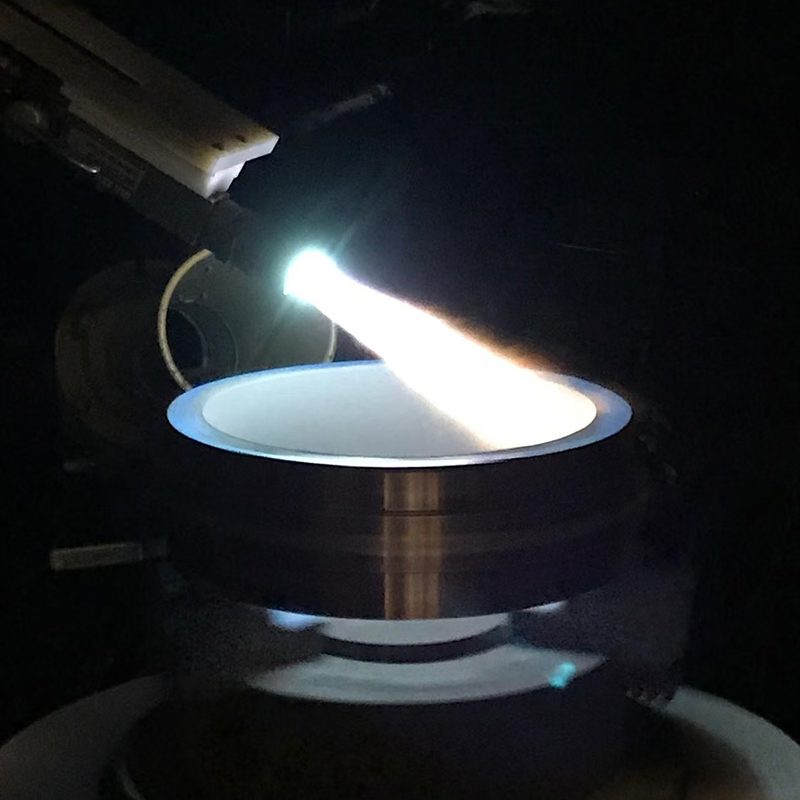
Laser cladding is a continuous-feed process, so the powder has to reach the melt pool at a steady rate. Gas-atomised powder gives spherical and near-spherical particles with low oxygen content and good flowability, which suits disc feeders, gravity hoppers and carrier-gas lines with long hose runs. Water-atomised powder is produced through high-pressure water atomisation and drying, giving a lower-cost route for wear layers where flowability demands are less severe.
We screen and classify each batch to control the particle size distribution, because a wide distribution with a heavy fines fraction causes surging, nozzle build-up and inconsistent dilution.
Process Window, Substrate Preparation and Post-Clad Finishing
Laser cladding produces a metallurgically bonded layer with low dilution, a small heat-affected zone and a dense structure, which keeps machining allowance low. The same concentrated heat input that makes this possible also concentrates stress, so the process window is set around the part, not only around the powder.
Operating boundaries
- Laser power, spot size, scan speed and powder feed rate are set together; changing one shifts dilution and layer geometry.
- Track overlap and layer thickness determine whether the deposit stays crack-free on the harder grades.
- Preheating and controlled cooling reduce cracking risk on high-carbon and high-boron deposits, particularly on large or restrained parts.
- Carrier gas flow and nozzle standoff affect powder capture efficiency and therefore cost per layer.
Substrate and dilution
Carbon steel, alloy steel, stainless steel and cast iron are all clad with these powders. Dilution from the substrate changes the effective chemistry of the first layer, so a buffer or priming layer is used where the substrate would otherwise pull hardness down or introduce cracking.
Finishing
Deposits are normally finished by grinding or machining to final tolerance. Hardness above roughly 45 HRC generally calls for grinding rather than single-point machining.
Quality Control and Batch Documentation
Powder is produced on vacuum, gas atomisation and water atomisation lines, with the process controlled to the chemistry and particle size range agreed for the order. Production management follows an ISO 9001/9002-based quality system.
Testing covers chemical composition, physical morphology, mechanical properties and internal defects. Equipment includes a tensile tester, hydrogen/oxygen/nitrogen analyser, carbon/phosphorus/sulphur analyser, ICP, industrial CT, laser particle size analyser, modular hardness tester and Vickers hardness tester.
- Chemical composition analysis against the agreed specification
- Particle size distribution and flow behaviour
- Oxygen and impurity content
- Deposit hardness on a reference coupon where required
- Batch records and retained samples for traceability
Customization and Related Powder Families
Chemistry and particle size can be adjusted to a customer specification, including pure nickel, pure cobalt and pure copper powders. Related families from the same production programme include cobalt-based alloy powder, nickel-based metal powder and iron-based alloy powder, plus nickel-based tungsten carbide composites for severe abrasion.
Information We Use to Configure Your Solution
Our proposal is based on the working point, the material and the production target. The following inputs let us fix grade, cut and batch size without guesswork.
- Substrate material, condition and hardness
- Component geometry, worn area and depth of damage
- Required deposit hardness and dominant wear mechanism
- Service temperature and corrosive medium
- Laser system: power, spot size, powder feeder type and nozzle
- Target layer thickness, number of passes and machining allowance
- Quantity per batch, packaging preference and documentation requirements
Packaging, Delivery and Technical Support
Powder is supplied in sealed, moisture-protected packaging sized to the order, with batch identification and test data. Trial quantities are available for parameter development before a production order. Our cladding team supports grade selection, first-article trials and troubleshooting on feed stability, dilution and cracking, and we can quote against a working point, a drawing or a worn part.
Frequently Asked Questions
What mesh size is your laser cladding powder supplied in?
100/270 mesh is standard across the nickel-based, cobalt-based and iron-based series, which corresponds to roughly 53-150 µm. Other cuts are produced when a nozzle or feeder requires a tighter or coarser distribution.
Which grade suits shaft and roller repair?
Iron-based SD-JG50 to SD-JG60 and nickel-based SD-Ni840 to SD-Ni845 are the usual choices for roll and shaft repair, with SD-JG-58 used on rollers and SD-JG-50 on hydraulic support columns. Cobalt-based grades are selected instead when the part also sees hot wear or metal-to-metal sliding.
Can you match a specific hardness or chemistry?
Yes. Chemistry and particle size are adjusted to the specification agreed for the order, and hardness is verified on a deposited reference coupon where the application requires it.
Do you supply trial quantities for parameter development?
Small trial lots are supplied so that power, feed rate, overlap and layer thickness can be established on the actual part before a production batch is committed.
Which powder is used for cast iron and valve repair?
SD-JG-20 and SD-JG-25 are applied as priming or repair layers on valve bodies and castings, with a harder iron-based or nickel-based top layer deposited over them where the wear duty demands it.
How is the powder packaged and documented?
Powder ships in sealed, moisture-protected packaging sized to the order, accompanied by batch identification and test data covering chemistry, particle size and the agreed quality checks.


 English
 русский
 عربى