English
 русский
 عربى
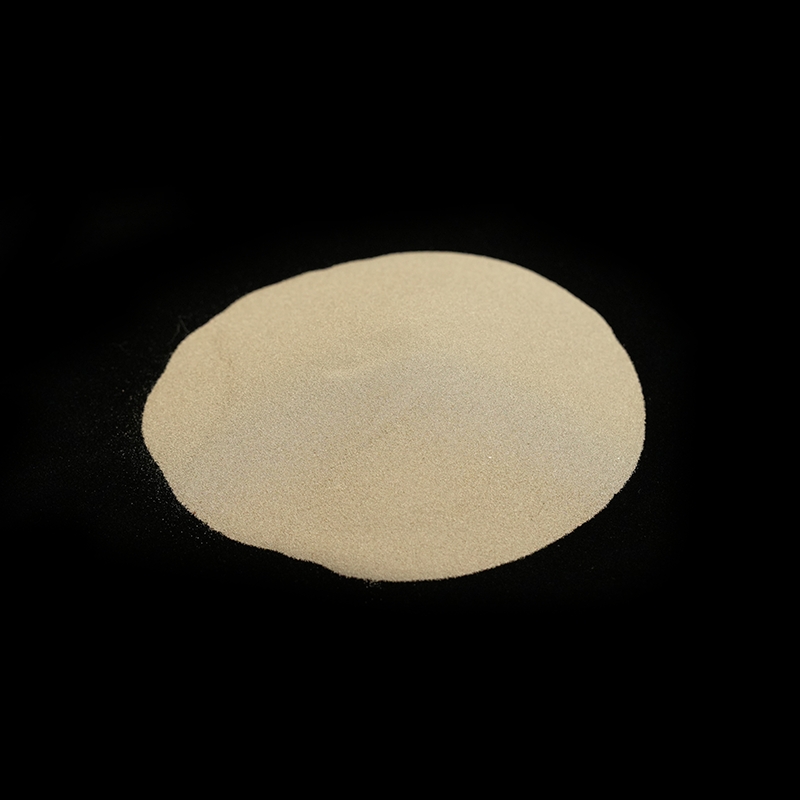
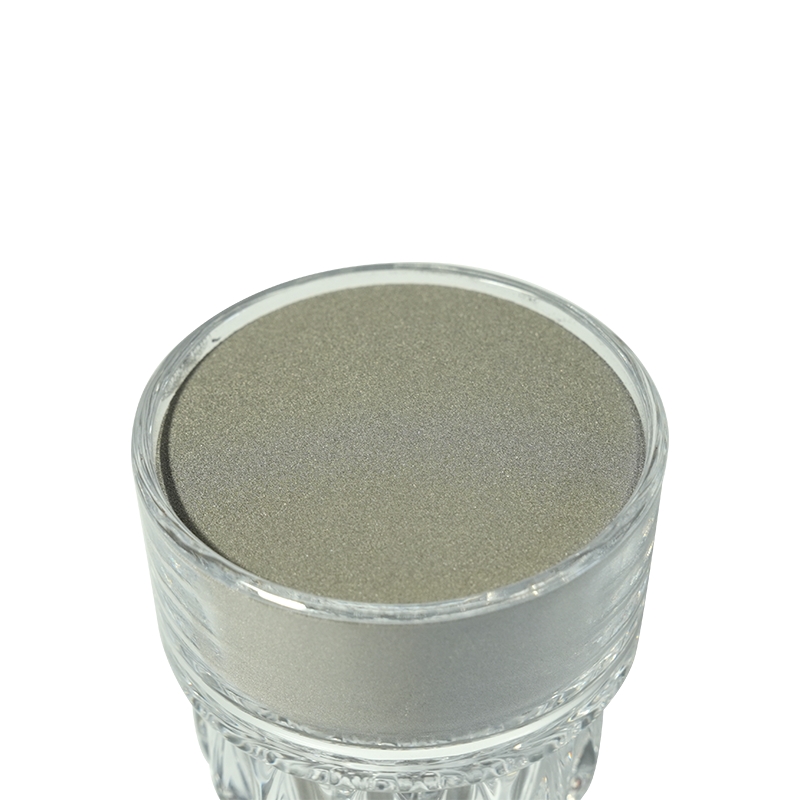
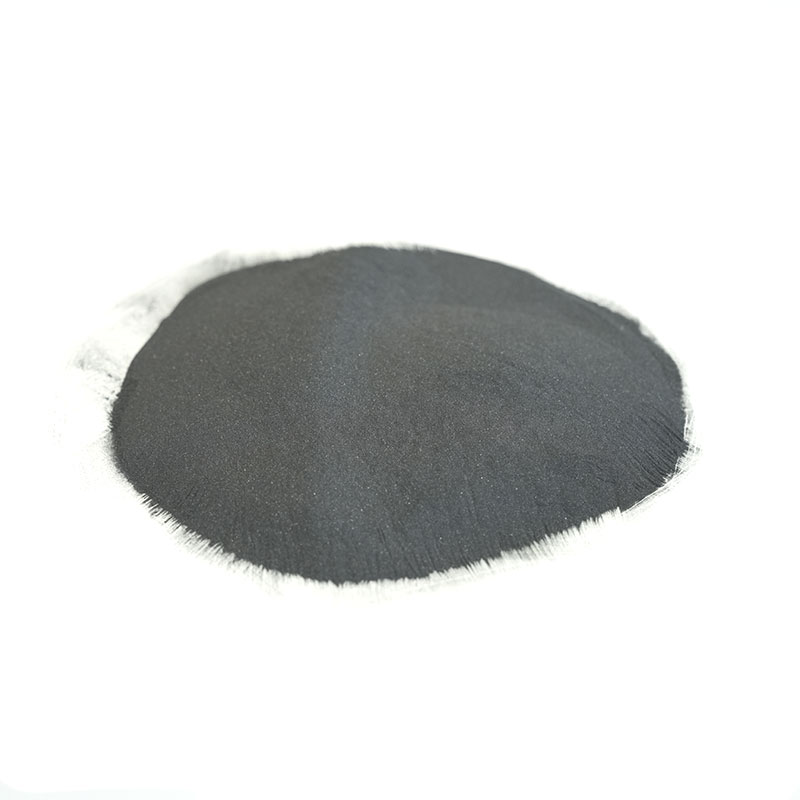
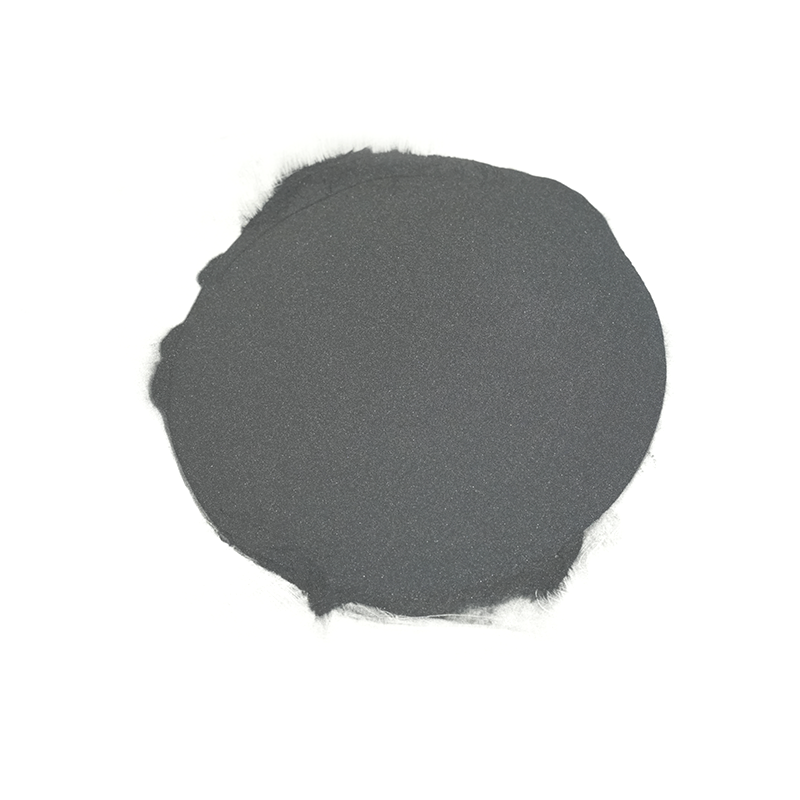
عربىCobalt based alloy powder rarely gets much attention until a part stops working. Over the years we have seen it rescue valve seats that were being replaced every few months, keep pump plungers alive in chemical plants, and hold the surface of hot, abrasive rollers long after softer materials had given up. If you are deciding whether a cobalt alloy fits your application, this guide walks through what the powder actually is, which families matter in practice, how it is made, and how to choose a grade without paying for properties you will never use.
Content
What Cobalt Based Alloy Powder Actually Is
Cobalt based alloy powder is a metallic feedstock in which cobalt forms the base of the chemistry, usually contributing somewhere between 40% and 65% of the total weight. Everything else is added deliberately, element by element, to do a specific job. Chromium, normally 20% to 30%, builds the protective oxide layer that resists oxidation and hot corrosion. Tungsten and molybdenum raise hot strength and combine with carbon to form hard carbide particles. Carbon is effectively the hardness dial: a higher carbon level produces more carbide, more wear resistance, and less ductility. Nickel improves toughness and thermal stability, while silicon, boron, and iron appear in smaller amounts to adjust melting behaviour and cost.
There is also a metallurgical reason these alloys behave so differently from nickel or iron based powders. Cobalt changes crystal structure with temperature, and its low stacking fault energy allows it to work-harden under sliding contact. The practical result is unusual resistance to galling, cavitation, and metal-to-metal wear, which is exactly the kind of damage that destroys a sealing surface even when the bulk hardness of a part looks perfectly adequate on paper.
Main Types and What Each One Does Well
The cobalt family is broad, and grade names alone tell you very little. It is far more useful to sort powders by the job they are expected to perform.
| Family | Typical alloying elements | Hardness range | Best suited to |
|---|---|---|---|
| Co-Cr-W-C | 25-30% Cr, 4-15% W, 0.5-3% C | 38-52 HRC | Severe abrasion and metal-to-metal sliding at temperature |
| Co-Cr-Mo | 27-30% Cr, 5-7% Mo, low carbon | 25-35 HRC | Corrosion plus heat, where impact tolerance matters |
| Co-Cr-W-Ni | Cr and W with 5-15% Ni | 30-45 HRC | Wear resistance where cracking is a real concern |
| Co-Ni-Cr-W | High Ni, moderate Cr and W | 25-40 HRC | Hot hardness combined with better toughness |
| Co-Cr-W-C with carbide addition | Carbide blended into the cobalt matrix | 50-60 HRC and above | Cutting edges and extreme abrasive conditions |
Hardness is only one number, though. A 50 HRC cobalt alloy with a heavy carbide fraction can be a poor choice for a surface that takes impact, while a softer, tougher grade may outlast it by a wide margin. Before recommending a chemistry, we usually ask what the failure looks like on the damaged part, because that single question saves more money than any specification sheet.
 Cobalt-Based Alloy Powder for Wear and High-Temperature ServiceCobalt-chromium-tungsten powder for overlay welding, spray welding, and high-temperature components; multiple grades and hardness ranges support wear, corrosion, and impact decisions.View Product →
Why These Alloys Survive Difficult Conditions
The reputation of cobalt alloys rests on a combination of properties that rarely appear together in one material.
- Hot hardness: these alloys retain useful hardness up to roughly 600 to 800 degrees Celsius, which is why they are common in hot forming and valve applications.
- Galling and adhesive wear resistance: cobalt surfaces resist welding to a counterface, so sliding pairs last considerably longer.
- Cavitation erosion resistance: pumps, propellers, and hydraulic components benefit from this more than from raw hardness.
- Oxidation and sulfidation resistance: the chromium-rich oxide layer protects the surface in furnace and flue gas environments.
- Corrosion resistance: performance varies with chemistry, but cobalt-chromium grades handle many acids, chlorides, and process streams well.
- Bonding behaviour: cobalt powders wet steel substrates readily, which gives cladding and spray welding a reliable metallurgical bond.
The trade-offs are equally real. Cobalt is an expensive metal, machining a cobalt-based deposit is slow work, and a poorly controlled process can dilute the coating with iron from the substrate until the properties you paid for disappear. These alloys earn their cost in specific places, not everywhere.
How the Powder Is Made and What to Check
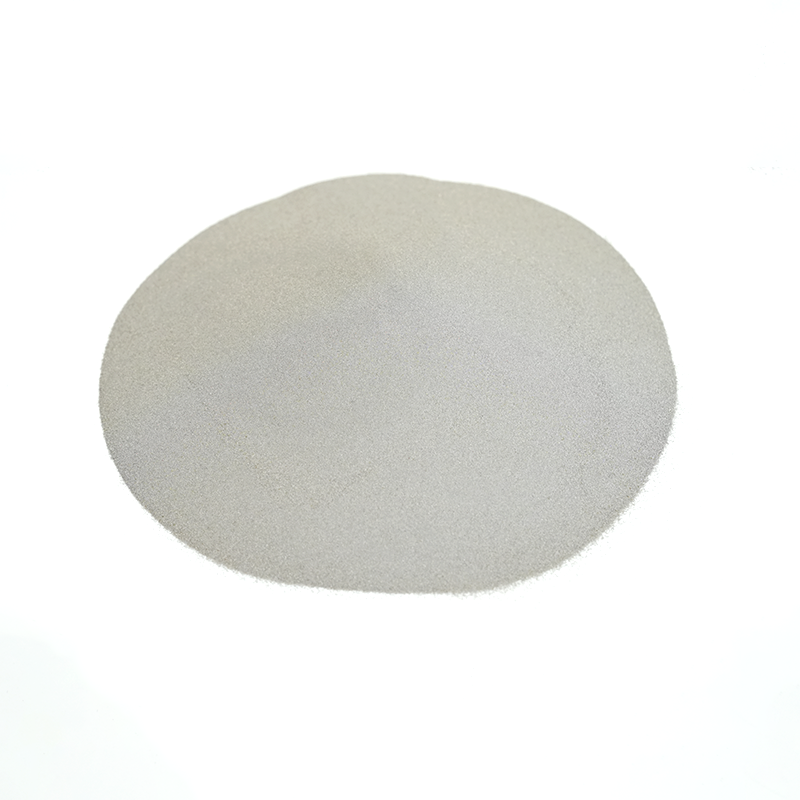
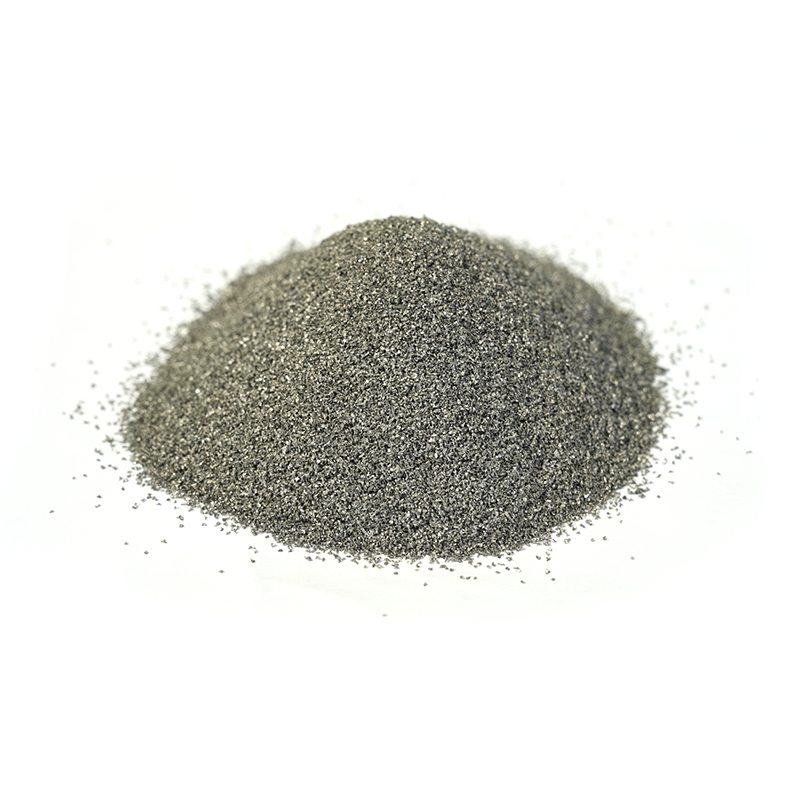
Most cobalt based alloy powder today is produced by gas atomization. The charge is melted, often under vacuum or an inert atmosphere so that reactive elements such as chromium are not lost to oxidation, and the liquid stream is broken up by a high-pressure gas jet into fine droplets that solidify into near-spherical particles. Spherical powder flows consistently through a cladding head or a spray gun and produces a denser deposit than irregular crushed material.
Particle size is matched to the process you intend to run:
- Roughly 15 to 45 microns for laser cladding and additive manufacturing, where fine layers and smooth tracks are needed.
- Roughly 45 to 106 microns for high velocity oxygen fuel and plasma spraying.
- Roughly 53 to 150 microns for plasma transferred arc and oxyacetylene spray welding, where higher feed rates dominate.
When a delivery arrives, the numbers worth reading carefully are the chemical analysis, the particle size distribution with D10, D50, and D90 values, oxygen content, apparent and tap density, flow rate, particle morphology, and the level of satellites and porosity. A powder that meets the chemistry specification but carries a high oxygen content or a wide size spread will cause porosity and inconsistent deposits, and no amount of operator skill fully compensates for that.
Getting the Powder onto the Part
Applying the powder is where most coating problems begin, and the choice of process shapes everything downstream. Laser cladding produces a thin, precise track with very low dilution and a small heat-affected zone, which suits sealing faces, shaft journals, and localized repairs. High velocity oxygen fuel spraying gives dense, low-oxide coatings over larger areas and is popular for rollers and hydraulic rods. Oxyacetylene spray welding remains a dependable route for thicker deposits on valve seats and similar parts, while plasma transferred arc offers high deposition rates for heavy wear protection.
Whatever the method, the controls are similar: preheat temperature, powder feed rate, travel speed, track overlap, and dilution. Getting these wrong shows up later as cracking, spalling, or a coating that simply wears through faster than expected.
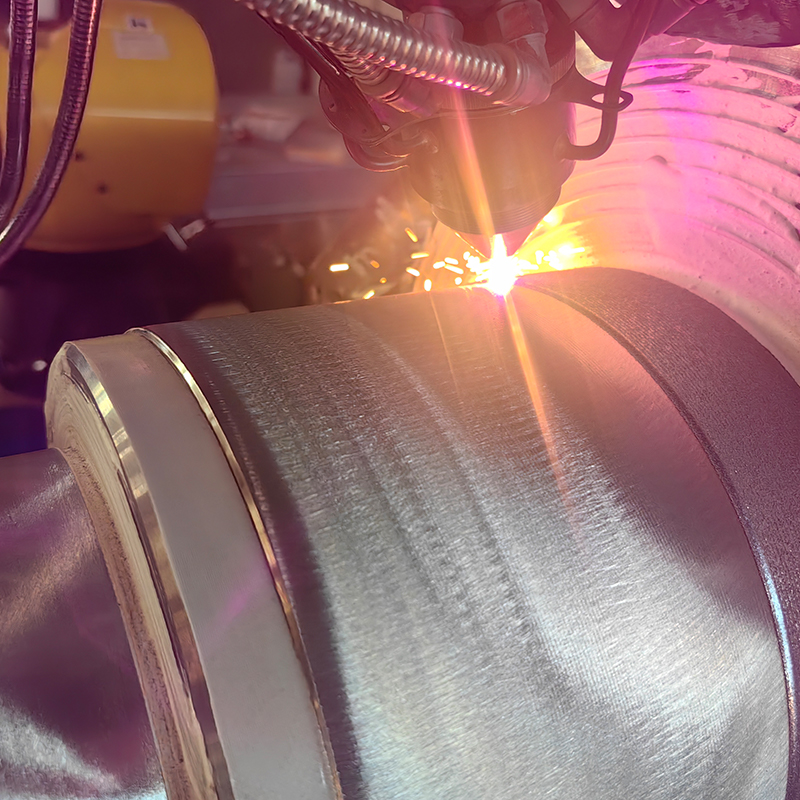 Laser Cladding Service for Surface Modification and Component RepairLaser cladding service for worn rollers, screws, or plungers and for surface modification; metallurgical bonding improves wear, corrosion, heat, oxidation, or electrical properties.View Product →
From Coating to Finished Component
A coating is only as good as the part underneath it. Many customers come to us with a worn roller, screw, or plunger and a production deadline, and what they actually need is a finished component rather than a powder specification. In those cases the work runs from powder selection through surface preparation, coating application, machining, and final inspection against the original drawing.
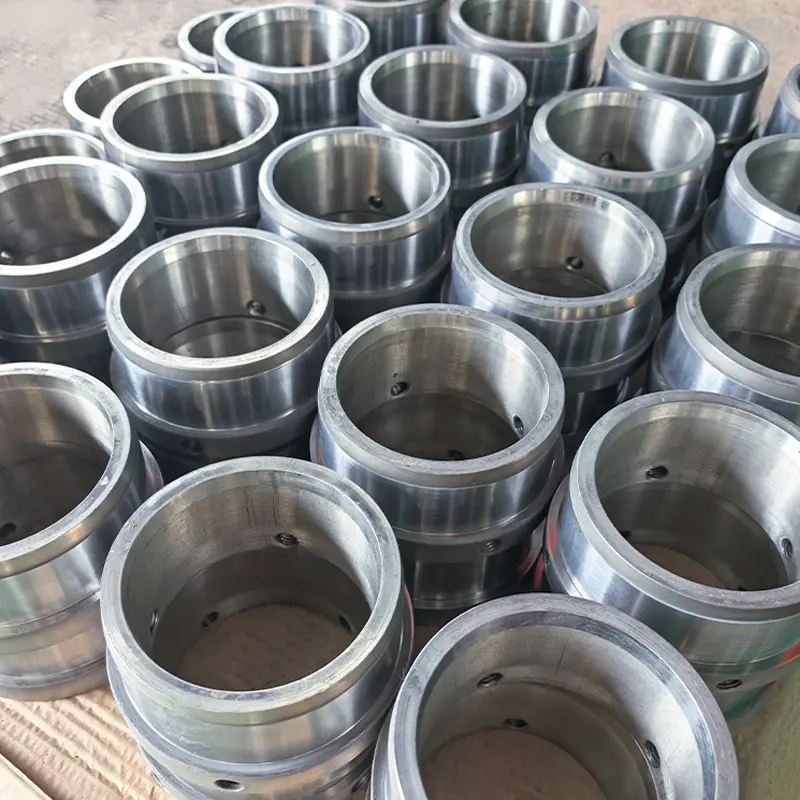
Rollers are the most common example: work rolls, guide rollers, laminar flow rollers, and mirror or matte rollers all depend on a hard, uniform surface that holds its finish under load. Screws, shaft sleeves, bushings, and pump plungers follow the same logic, with the coating chosen for the dominant wear mechanism and the dimensions controlled so the part fits back into the machine without modification.
Choosing the Right Powder: A Practical Checklist
If you are narrowing down a grade, this sequence covers most of the decisions that matter:
- Identify the dominant damage mechanism. Abrasion, adhesion, cavitation, oxidation, and corrosion call for different chemistries.
- Confirm the service temperature. Hot hardness only helps if the part genuinely runs hot.
- Match particle size to the process, not the other way around.
- Check carbon level against your tolerance for cracking and machining difficulty.
- Review the substrate. Dilution from low-carbon steel can soften a high-carbide deposit near the interface.
- Ask for a sample and run a trial part before committing to a production batch.
One extra note on cost: because cobalt is expensive, the sensible approach is usually to apply it as a coating or an insert rather than making an entire component from it. A modest layer in the right place frequently outperforms a solid part made from a cheaper alloy, at a fraction of the material cost.
We have spent years matching cobalt based alloy powders to real wear problems, and the honest answer is that no single grade solves everything. If you can share the component, the operating temperature, and a description of how the current part fails, we can suggest a chemistry, a particle size, and a process route that fits. You are welcome to browse our alloy powder range to see how the cobalt grades sit alongside the nickel, iron, and carbide families, or send over a drawing and let us work through the details with you.