Copper Based Alloy Powder
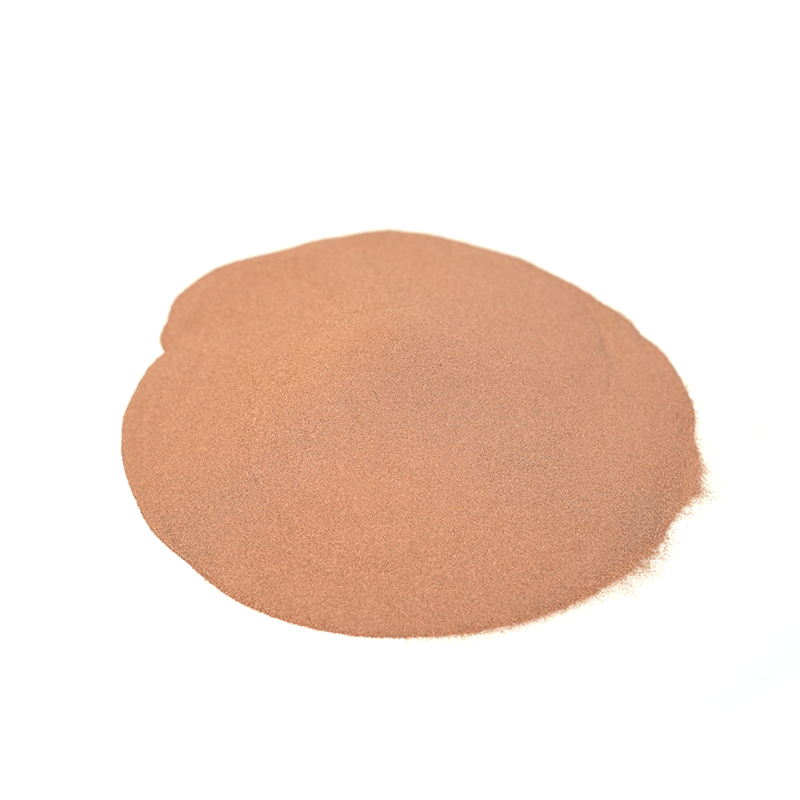
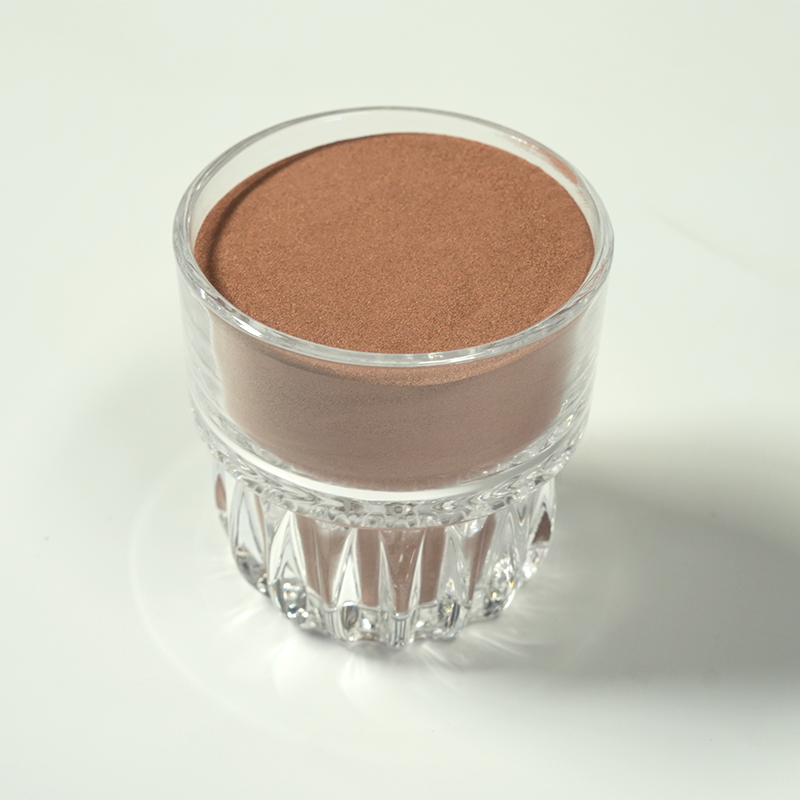
Jiangsu Crystal Additive Manufacturing Co., Ltd. is a Copper Based Alloy Powder manufacturer supplying atomized tin bronze, lead-free bronze, brass and pure copper powders to powder metallurgy presses, diamond tool matrix lines, friction material plants, three-layer composite bearing producers, filtration media and thermal management manufacturing. Grades are produced on vacuum, gas atomization and water atomization lines, with chemistry and particle size set to the working point of the customer's process rather than to a single catalogue cut.
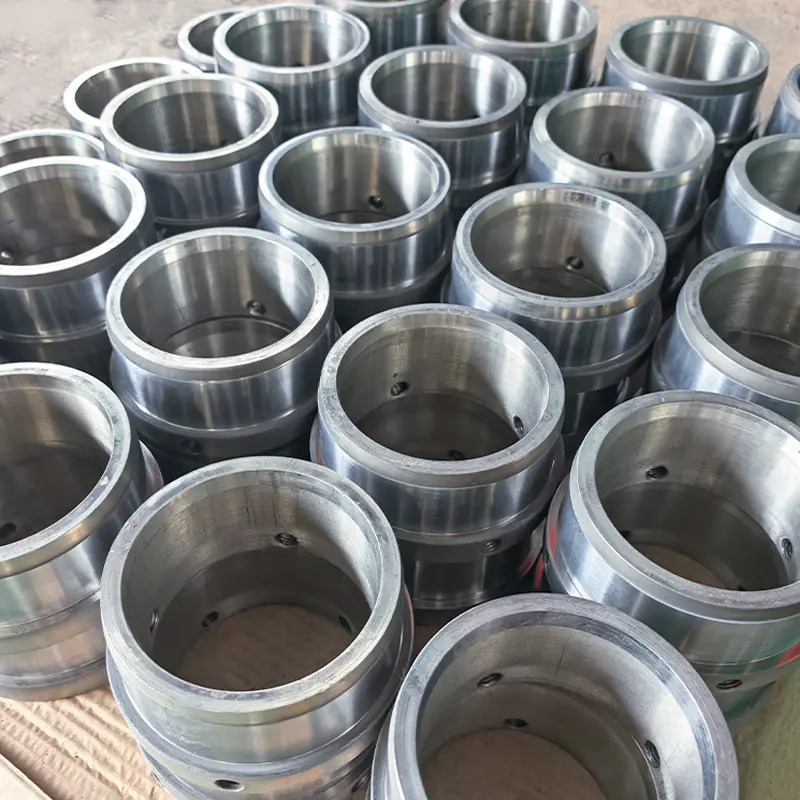
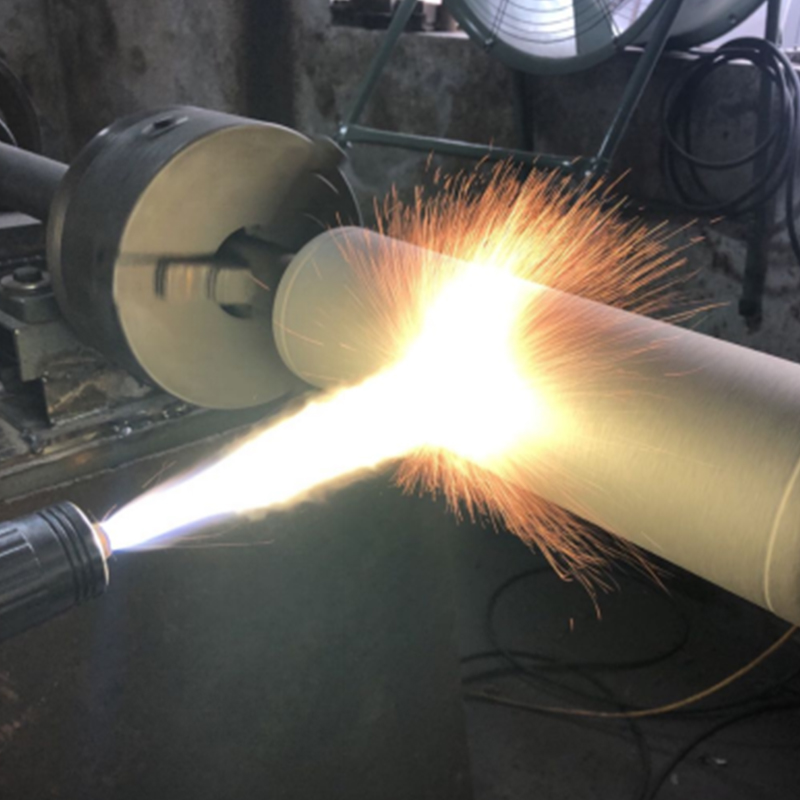
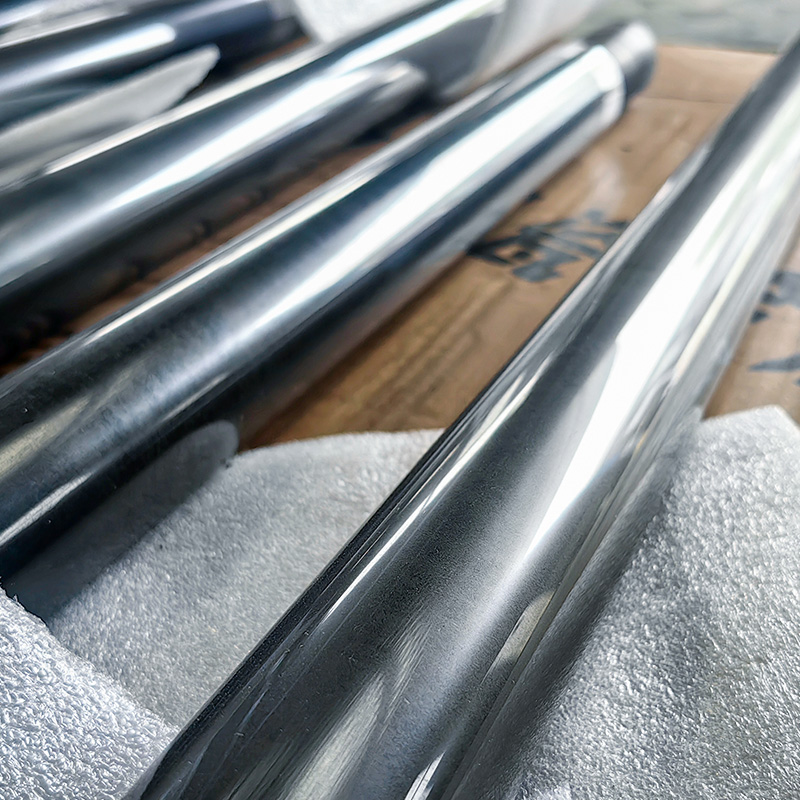
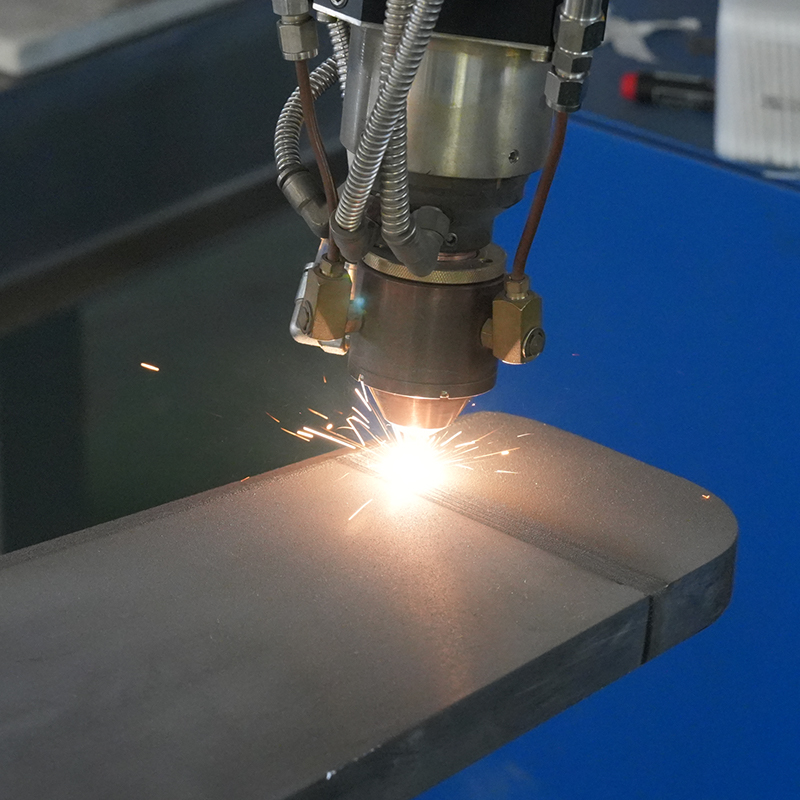
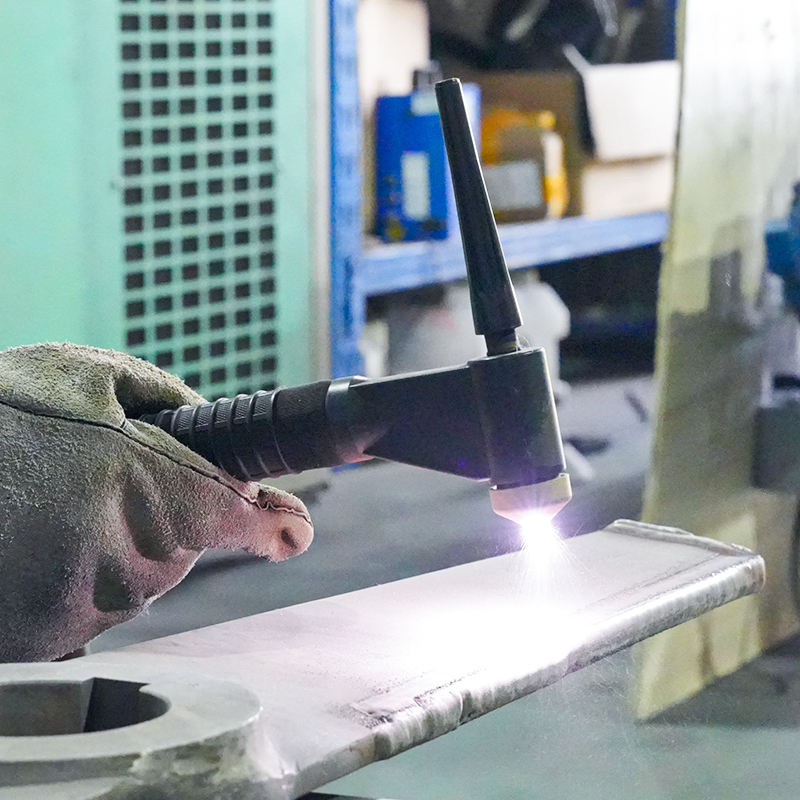
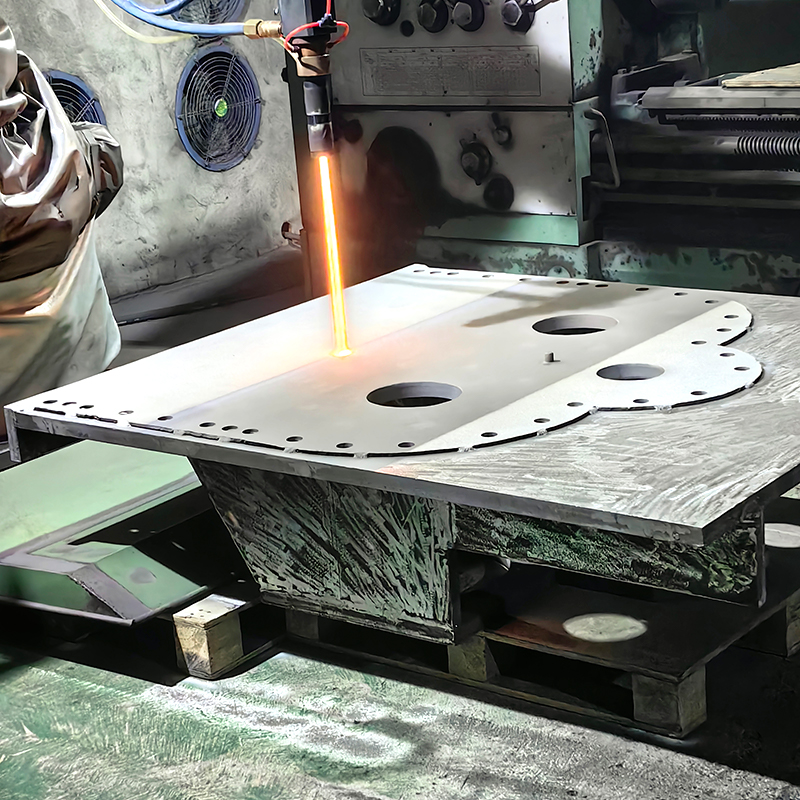
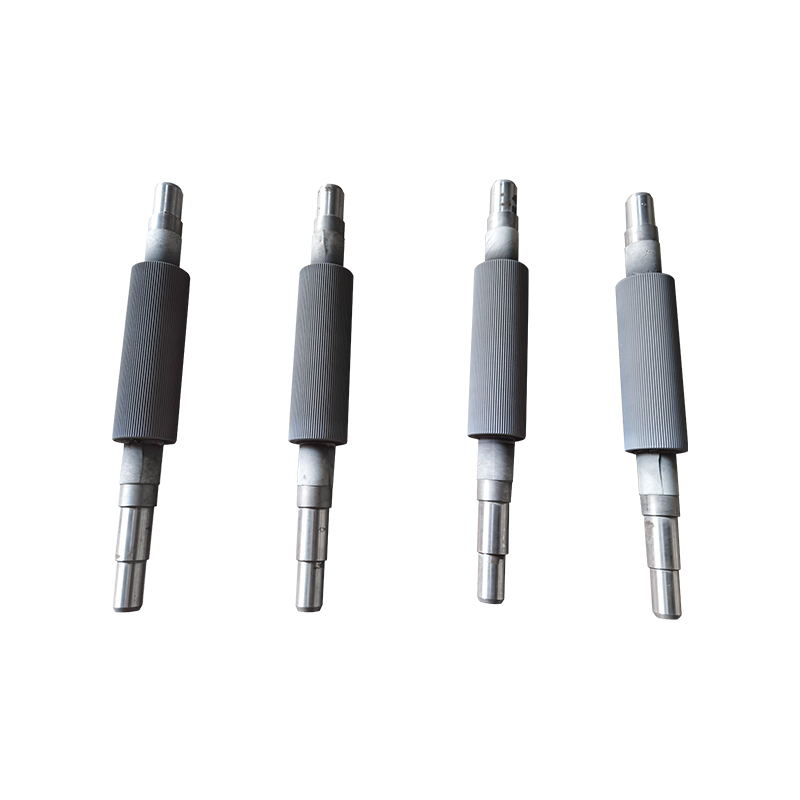
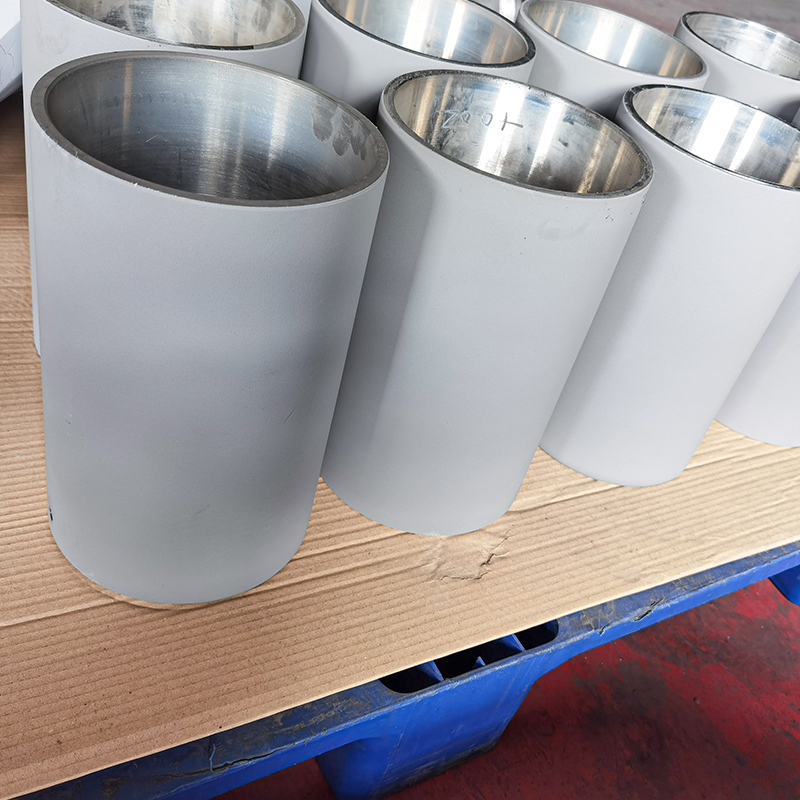
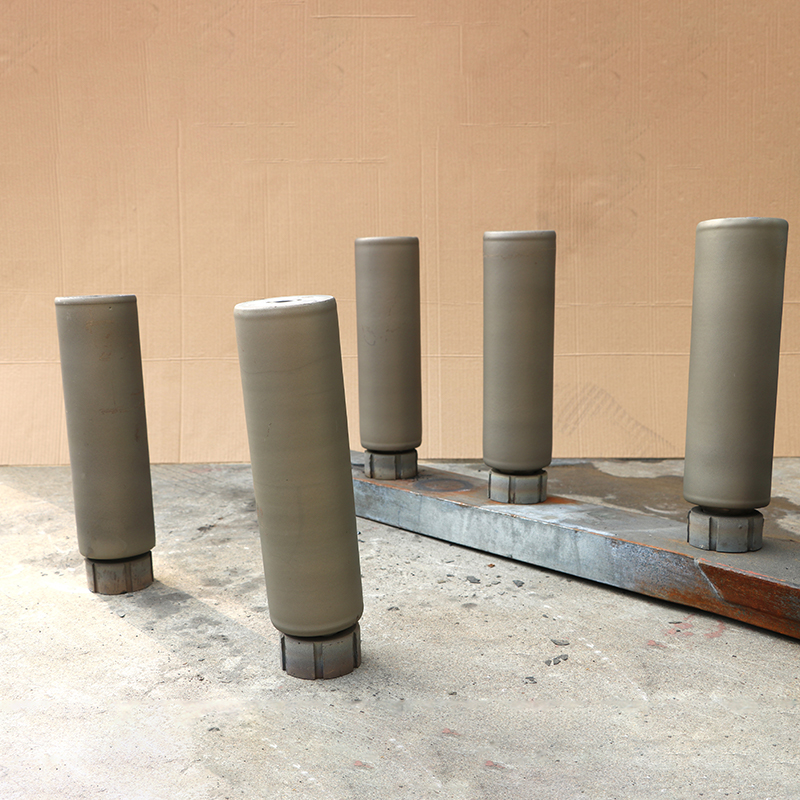
Copper and copper alloys combine high thermal and electrical conductivity with wear resistance, corrosion resistance and non-magnetic behaviour, which is why they hold their place in aviation, marine and power equipment as well as in high-volume pressed components. The company has produced hard-faced wear-resistant rollers, shafts, bushings and plungers since 2010, and the powder business grew out of that coating and surfacing work.
What the Copper-Based Range Covers
- Tin bronze (CuSn) — the workhorse family for diamond tool matrices, three-layer bearings and friction materials, where tin content controls hardness and matrix retention.
- Lead-free bronze — nickel- or bismuth-substituted grades that reproduce the pressing and sintering behaviour of leaded powders without lead.
- Brass (CuZn) — zinc-bearing powder for pressed parts, valves, fittings and decorative or machined components.
- Nickel-tin bronze — combined nickel and tin additions for corrosion resistance and strength in bearing and bushing service.
- Pure copper powder — for friction materials, welding consumables, thermally conductive and electrically conductive parts.
Standard Grades and Chemistry
The table below lists the copper-based grades we produce as standard, with chemistry expressed in weight percent and copper as the balance. Custom compositions are built from the same melting and atomization platform.
| Grade |
Sn % |
Zn % |
P % |
Ni % |
Bi % |
Cu |
Typical application |
| SD-CUSN8-3 |
7–9 |
2–4 |
— |
— |
— |
Bal |
Three-layer composite materials, filter materials, friction materials |
| SD-CUSN93-7 |
5.5–7.5 |
— |
0.1 |
— |
— |
Bal |
Shaft tile bushings, three-layer composite material |
| SD-SN8NI1 |
7–9 |
— |
— |
0.7–1.5 |
— |
Bal |
Complete replacement of leaded alloy powders |
| SD-CUSN6-6-0 |
5–7 |
5–7 |
— |
— |
— |
Bal |
Powder metallurgy pressed parts |
| SD-SN10-1 |
9–11 |
<3 |
— |
— |
— |
Bal |
Powder metallurgy pressed parts |
| Brass powder |
— |
10–60 |
— |
— |
— |
Bal |
Pressed parts, crafts, valves and fittings |
| SD-NI2SN1 |
1.5–2 |
— |
— |
1.5–2.5 |
— |
Bal |
Complete replacement of leaded alloy powders |
| SD-CUSN-10 |
9–11 |
— |
— |
— |
— |
Bal |
Three-layer composite materials, filter materials, friction materials |
| SD-SN10BI3 |
9–11 |
— |
— |
— |
2–4 |
Bal |
Complete replacement of leaded alloy powders |
| Pure copper powder |
— |
— |
— |
— |
— |
Bal |
Friction materials, welding materials, thermally and electrically conductive materials |
Particle Size, Morphology and Process Matching
Conventional copper and copper alloy powder is supplied in the 20–150 μm range, and different particle sizes are produced to order. Fine powder below the standard cuts is quoted against actual test results rather than a nominal figure, because classification losses and oxygen pickup change the usable yield at the fine end. Morphology follows the atomization route: gas atomization gives spherical and sub-spherical particles with good flowability, while water atomization gives irregular particles with the compressibility that press-and-sinter tooling expects.
| Process route |
Grade family |
Size and morphology |
What it delivers |
| Press and sinter powder metallurgy |
SD-CUSN6-6-0, SD-SN10-1, brass powder |
20–150 μm, irregular |
Compressibility, green strength, predictable sinter shrinkage |
| Diamond tool matrix |
CuSn40 tin bronze, SD-CUSN-10 |
Fine cuts, irregular |
Wetting of diamond, higher matrix density, stronger grit retention |
| Three-layer composite bearings |
SD-CUSN8-3, SD-CUSN93-7, SD-CUSN-10 |
Narrow distribution, fine |
Uniform sintered layer, consistent bonding to the steel backing |
| Lead-free conversion |
SD-SN8NI1, SD-NI2SN1, SD-SN10BI3 |
Matched to existing tooling |
Nickel or bismuth substitution without re-cutting the press cycle |
| Friction materials |
SD-CUSN8-3, pure copper powder |
20–150 μm |
Thermal stability under braking loads, controlled fade behaviour |
| Filtration and welding consumables |
SD-CUSN8-3, pure copper powder |
Controlled cut |
Permeability, green strength, consistent deposition |
| Additive manufacturing and thermal spray |
Gas-atomized copper alloys |
Spherical, fine |
Flowability, packing density, stable powder feeding |
Reading the Specification: What Each Element Does
- Tin raises hardness and matrix strength through copper-tin intermetallics; it is the main lever on diamond retention and bearing load capacity.
- Zinc in brass raises strength and machinability and lowers melt cost; the 10–60 % band covers both low-zinc bearing brasses and high-zinc pressing grades.
- Phosphorus acts as a deoxidizer and improves sintering response; the 0.1 % level in SD-CUSN93-7 is a controlled addition, not a residual.
- Nickel improves corrosion resistance and substitutes for lead in SD-SN8NI1 and SD-NI2SN1.
- Bismuth stays insoluble in the copper matrix and acts as an internal chip breaker, which is how SD-SN10BI3 reproduces the machining behaviour of leaded bronze.
- Copper balance is reported as the remainder, so the specified elements plus oxygen and trace impurities account for the full analysis.
Manufacturing Route and Quality Control
Three powder lines run in parallel. On the vacuum line, metal and alloy are melted under vacuum or gas protection and the melt flows through a heated crucible and nozzle, where high-pressure gas breaks it into fine droplets that solidify in flight as spherical and sub-spherical particles before screening and classification. The gas atomization line uses high-pressure inert gas with fast droplet cooling and a cyclone separation and classification system that controls particle size distribution and therefore flowability. The water atomization line uses high-speed, high-pressure water for rapid cooling and atomization; the collected wet powder is dried and classified to the ordered cut.
Production follows an ISO 9001/9002-based management system, with the melt proportioned to the agreed chemical composition and the classification set to the agreed particle size range. Each batch is released against chemical composition and particle size results, supported by laboratory equipment that includes a chemical analyser, laser particle size analyser, hydrogen/oxygen/nitrogen analyser, carbon/phosphorus/sulphur analyser, ICP, tensile tester, modular and Vickers hardness testers and industrial CT for internal defect inspection.
Customization and Configuration Options
- Chemistry adjustment — tin, zinc, nickel, bismuth and phosphorus levels set to a drawing, an existing grade or a target hardness after sintering.
- Particle size cut — standard 20–150 μm bands, with finer specifications quoted against measured results.
- Morphology selection — spherical or sub-spherical from gas atomization, irregular from water atomization, chosen to suit pressing, spraying or additive equipment.
- Pure metal variants — pure copper powder, and pure nickel or pure cobalt powder where a copper alloy is not required.
- Sample quantities — trial lots for press trials, sintering trials and diamond matrix tests before a production order is released.
Packing, Documentation and Delivery Scope
Powder is packed to limit moisture pickup in transit, and the packing format and unit weight are agreed at order confirmation so that the material arrives in a form the receiving plant can handle without repacking. Batch identification links the delivered powder to its chemical composition and particle size records, which keeps traceability intact when a customer runs incoming inspection or a first-article approval.
Information We Use to Configure Your Solution
A quotation is built from the working point, not from a grade name alone. The following inputs let us fix chemistry, cut and packing in one pass.
- Target process — press and sinter, diamond matrix, three-layer bearing, friction lining, filtration, thermal spray or additive manufacturing.
- Required chemistry or the grade currently in use, including any lead content that has to be eliminated.
- Particle size band, and whether a fine cut below the standard range is needed.
- Morphology preference and the equipment that will feed the powder.
- Target properties after processing — density, hardness, conductivity, permeability or wear life.
- Order quantity, trial quantity, packing format and delivery destination.
- Any acceptance test the incoming material must satisfy, and the sampling method used on site.
Frequently Asked Questions
What particle size range do you supply for copper-based alloy powder?
The conventional range is 20–150 μm, and different particle sizes are produced to order. Fine powder outside that range is quoted against actual test results, because classification yield and oxygen content at the fine end vary with the alloy and the atomization route.
Can you replace a leaded bronze grade without changing our press tooling?
Yes. SD-SN8NI1 uses 0.7–1.5 % nickel, SD-NI2SN1 uses 1.5–2 % tin with 1.5–2.5 % nickel, and SD-SN10BI3 uses 2–4 % bismuth. All three are positioned as complete replacements for leaded alloy powders, and we match the particle size distribution to the tooling already in service.
Which grade suits a diamond tool matrix?
CuSn40 tin bronze and SD-CUSN-10 are the usual choices. Tin bronze wets the diamond, raises matrix density and increases the holding force on the grit, which extends tool life in saw blades, drill bits and superhard material tooling.
Can chemistry and particle size both be customized in one order?
Both are customized together. We set the melt composition to the requested weight percent ranges and the classification to the requested cut, then confirm the two against measured batch data before shipment.
What testing supports a copper alloy powder batch?
Chemical composition by analyser and ICP, particle size distribution by laser analyser, oxygen, nitrogen and hydrogen content, carbon, phosphorus and sulphur content, h


 English
 русский
 عربى