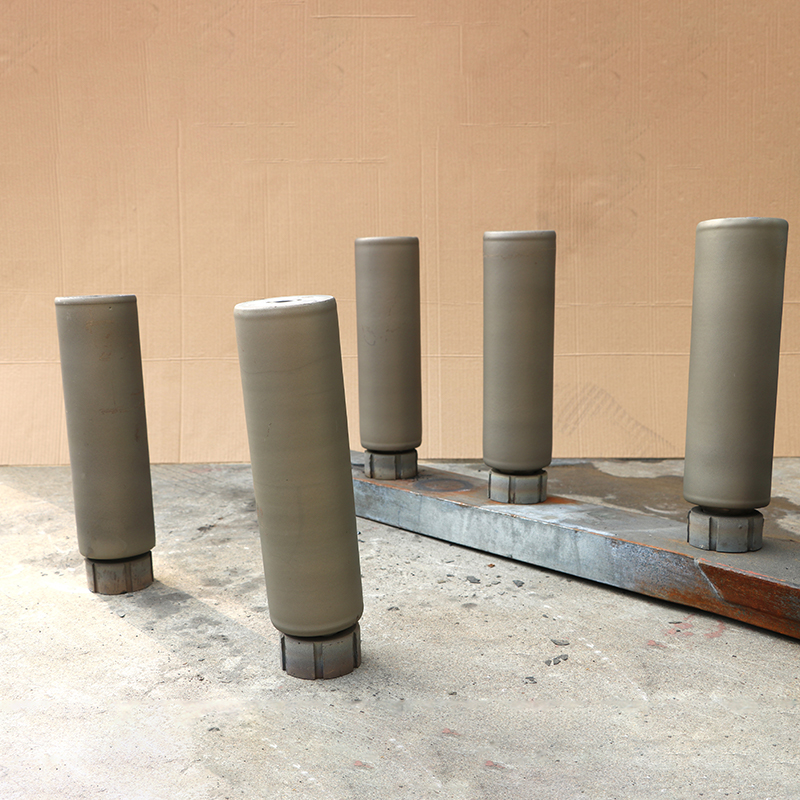
Jiangsu Crystal Additive Manufacturing Co., Ltd. is one of the Nickel-based Superalloy Powder Manufacturers in China, producing gas-atomised, water-atomised and vacuum-melted powders for hardfacing, thermal spray, laser cladding, additive manufacturing and powder metallurgy. The nickel-based range is built on self-fluxing nickel–chromium–boron–silicon matrices and nickel–cast tungsten carbide blends that hold hardness, oxidation resistance and corrosion resistance across the 650–1000 °C service window.
- Nickel-based heat-resistant alloys for gas turbine and aerospace hot sections
- Nickel-based corrosion-resistant alloys for chemical plant and marine service
- Nickel-based wear-resistant alloys for cutting tools, bearings and hardfacing overlays
- Nickel-based precision alloys for electronic equipment and sensors
- Nickel-based shape memory alloys for medical devices and robotics
Grade Range and Chemistry
The hardfacing grades are named by matrix and carbide content. The SD-Ni8Wc series blends a Deloro-type nickel matrix with cast tungsten carbide; the SD-NiWc series carries the same cast carbide in an Ni60 or Ni65 matrix. Deposit hardness sits at HRC 60 across the series, so the real selection variables are the carbide fraction and the matrix chemistry rather than the hardness figure.
| Grade |
Deposit hardness (HRC) |
Chemistry (wt%) |
Typical application |
| SD-Ni8Wc1 |
60 |
50% Deloro 60 + 50% WC (cast) |
Mixer blades, sweeps, fan blades |
| SD-Ni8Wc2 |
60 |
65% Deloro 60 + 35% WC (cast) |
Mixer blades, sweeps, fan blades |
| SD-Ni8Wc3 |
60 |
85% Deloro 60 + 15% WC (cast) |
Mixer blades, sweeps, fan blades |
| SD-Ni8Wc4 |
60 |
40% Deloro 60 + 60% WC (cast) |
Mixer blades, sweeps, fan blades |
| SD-Ni8Wc7 |
60 |
70% Deloro 60 + 30% WC (cast) |
Mixer blades, sweeps, fan blades |
| SD-Ni8Wc8 |
60 |
60% Deloro 60 + 40% WC (cast) |
Mixer blades, sweeps, fan blades |
| SD-Ni8Wc10 |
60 |
50% Ni65 + 50% WC (cast) |
Spiral feeders, fan blades |
| SD-Ni8Wc65 |
60 |
35% Deloro 38 + 65% WC (cast) |
Oil drill bits, wear-resistant belts |
| SD-NiWc25 |
60 |
75% Ni60 + 25% WC |
Mixer blades, sweeps, fan blades |
| SD-NiWc35 |
60 |
65% Ni60 + 35% WC |
Fan blades, screw conveyors |
| SD-NiWc35L |
60 |
Aerosolised 75% Ni60 + 25% WC |
Drawing rollers, plungers |
Two entries deserve a closer read. SD-Ni8Wc65 pairs a lower-alloy Deloro 38-type matrix with 65% cast carbide for oil drill bits and wear belts, where abrasion dominates and matrix toughness matters less. SD-NiWc35L is supplied as an aerosolised blend for drawing rollers and plungers, where a thinner, more uniform overlay is required than a conventional hardfacing cut delivers.
Reading the Grade Code
Every grade in the series is a blend, not a single alloy, so the code tells you which two components are being mixed and in what proportion.
- Matrix family. The Ni8Wc prefix indicates a Deloro-type nickel matrix; the NiWc prefix indicates an Ni60 or Ni65 matrix; Ni8Wc65 uses a Deloro 38-type matrix.
- Carbide fraction. Cast tungsten carbide runs from 15% to 65% by weight across the range.
- Trade-off. More carbide raises abrasion resistance and lowers ductility, machinability and tolerance to dilution from the base metal.
- Matrix role. The matrix sets corrosion and oxidation resistance and the practical temperature ceiling; the carbide sets the wear response.
- Hardness figure. HRC 60 describes the deposited overlay, not the loose powder, and is measured on a fused sample.
Particle Size and Morphology by Process
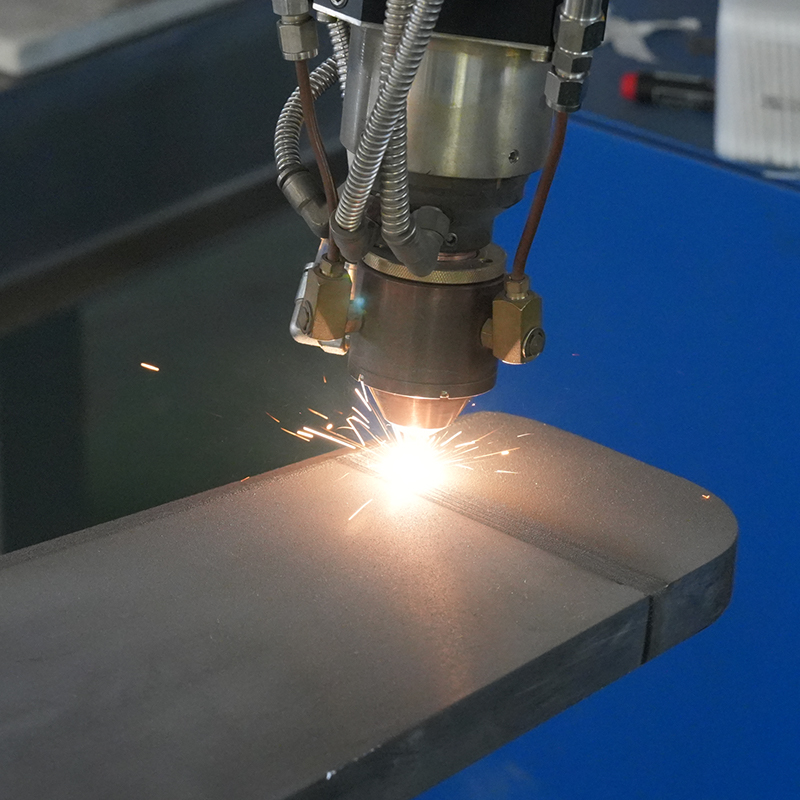
The same chemistry behaves differently in a gravity-fed torch, a plasma transferred arc and a laser powder bed. The size cut and the atomisation route are chosen together with the process, and the final cut is confirmed against the customer's gun, nozzle, feeder setting and target layer thickness.
| Process |
Commonly specified cut |
What drives the choice |
| Laser cladding |
45–150 µm, gas-atomised |
Stable feed through the powder line and nozzle; cut matched to nozzle bore and single-pass layer thickness |
| Oxy-acetylene spray welding |
45–150 µm |
Carrier-gas or gravity feed into the flame, followed by fusing of the deposited layer |
| HVOF / HVAF |
15–45 µm |
A narrow cut keeps particles inside the flame envelope for dense, low-porosity coatings |
| Plasma spraying and plasma cladding |
15–53 µm |
Melting behaviour in the plasma plume and coating density |
| PTA / plasma transferred arc |
53–150 µm |
High deposition rate with controlled dilution into the base metal |
| Laser powder bed fusion |
15–53 µm |
Sphericity, flowability and low oxygen content govern layer uniformity |
| Powder metallurgy and MIM |
Fine cuts below 45 µm |
Pressing behaviour, sintering response and binder compatibility |
Where a line runs more than one process, we can supply the same chemistry in two cuts so that a single material approval covers both the Laser Cladding Powder station and the spray station.
How the Powder Is Made
Three production routes are available under one roof, which is what allows the cut and the morphology to be matched to the process rather than the process being forced to accept a single stock powder.
- Vacuum powder production line. Metal and alloy are melted under vacuum or gas protection, then flow through a heated crucible and nozzle and are broken up by high-pressure gas. The droplets solidify in flight into spherical and sub-spherical particles before screening and classification.
- Gas (aerosol) atomisation line. High-pressure inert gas atomises the melt; the fast cooling rate favours high sphericity, and cyclone separation and classification control the particle size distribution and flowability.
- Water atomisation line. High-speed, high-pressure water breaks up and quenches the melt; the collected wet powder is dried and screened. This route suits applications where a less spherical, cost-efficient feedstock is acceptable.
Quality Control and Batch Acceptance
Production is controlled to the composition ratio and particle size range agreed for the order, within a management system built on ISO 9001/9002 requirements. Because the laboratory covers composition, size distribution, gas content and hardness, the acceptance parameters for a batch can be defined on the same basis the powder is tested.
- Chemical analysis and ICP for composition and impurity elements
- Laser particle size analysis for distribution and cut verification
- Oxygen, nitrogen and hydrogen analysis; carbon, phosphorus and sulphur analysis
- Tensile testing for mechanical properties of the material
- Vickers hardness testing and modular hardness testing on deposited samples
- Industrial CT for internal defects and porosity assessment
Application Fit on Real Components
The grades above are used on components where a hard, oxidation-resistant surface has to survive abrasion, impact or elevated temperature at the same time.
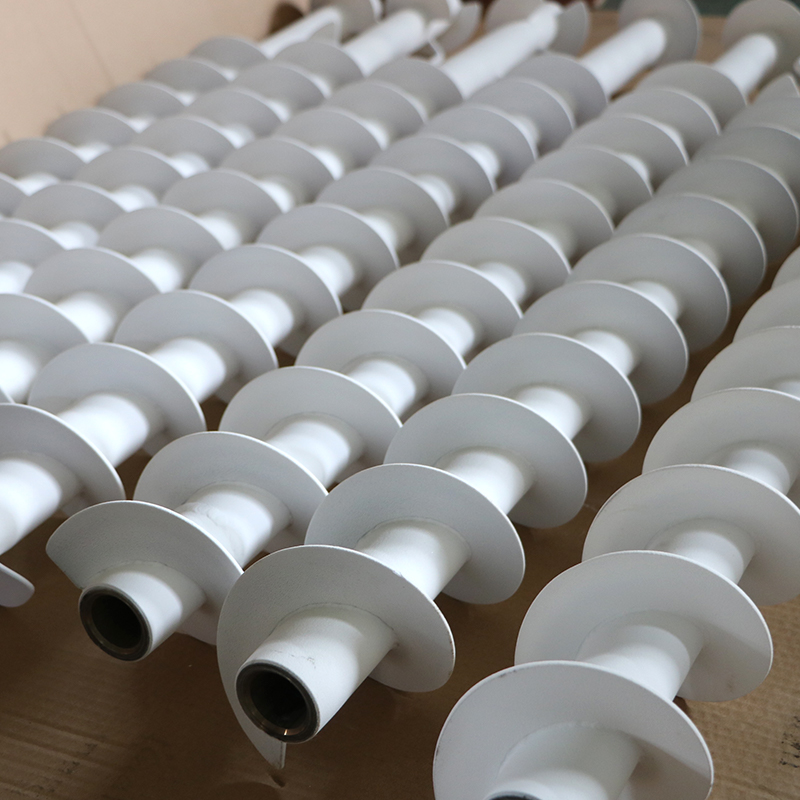
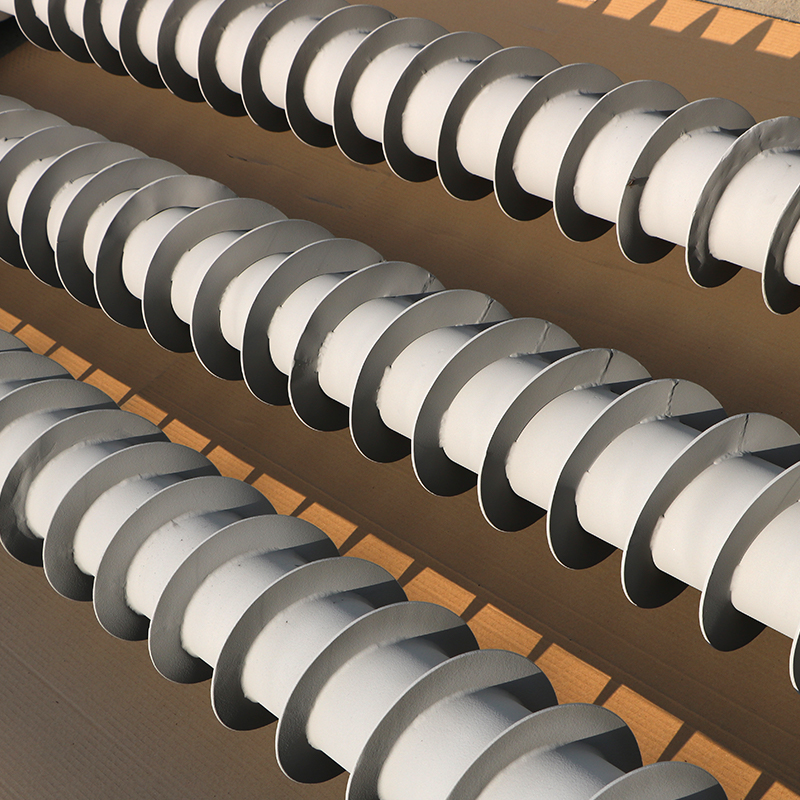
- Mixer blades, sweeps and fan blades in mineral processing and power plant duty
- Spiral feeders, screw conveyors and wear-resistant belts
- Oil drill bits and downhole tools
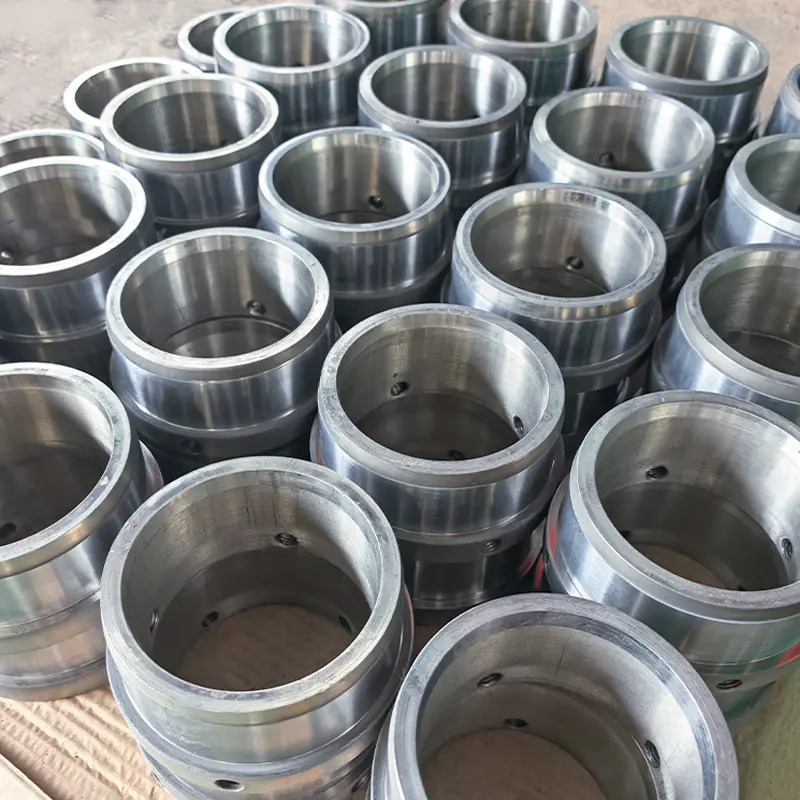
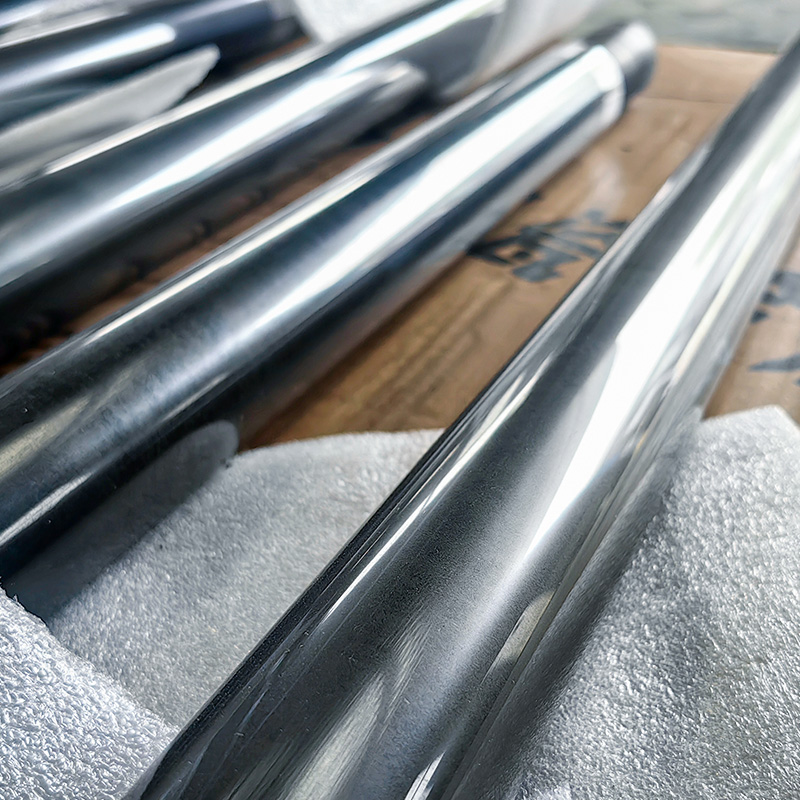
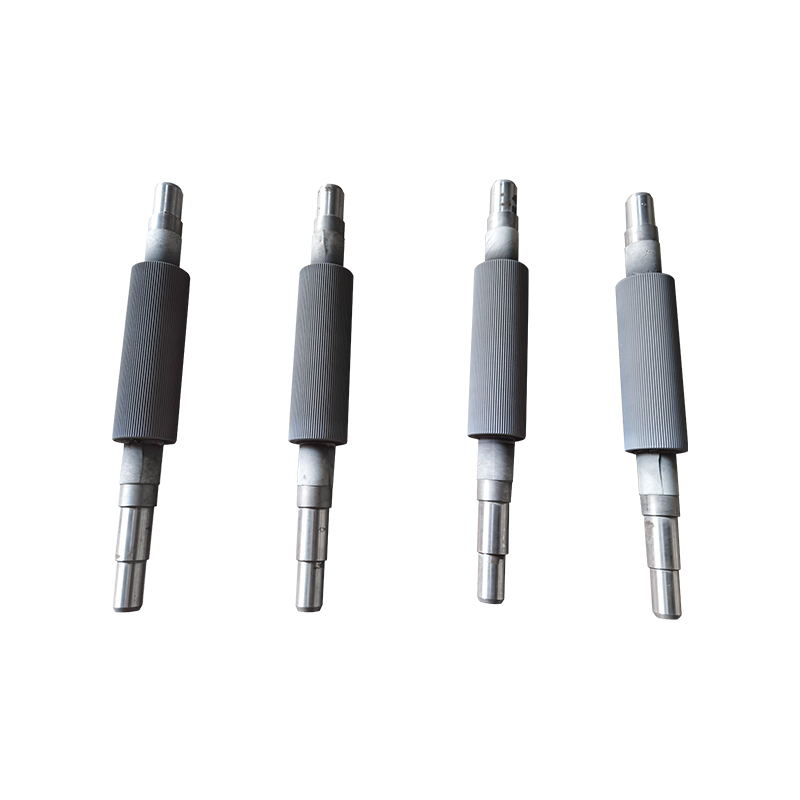
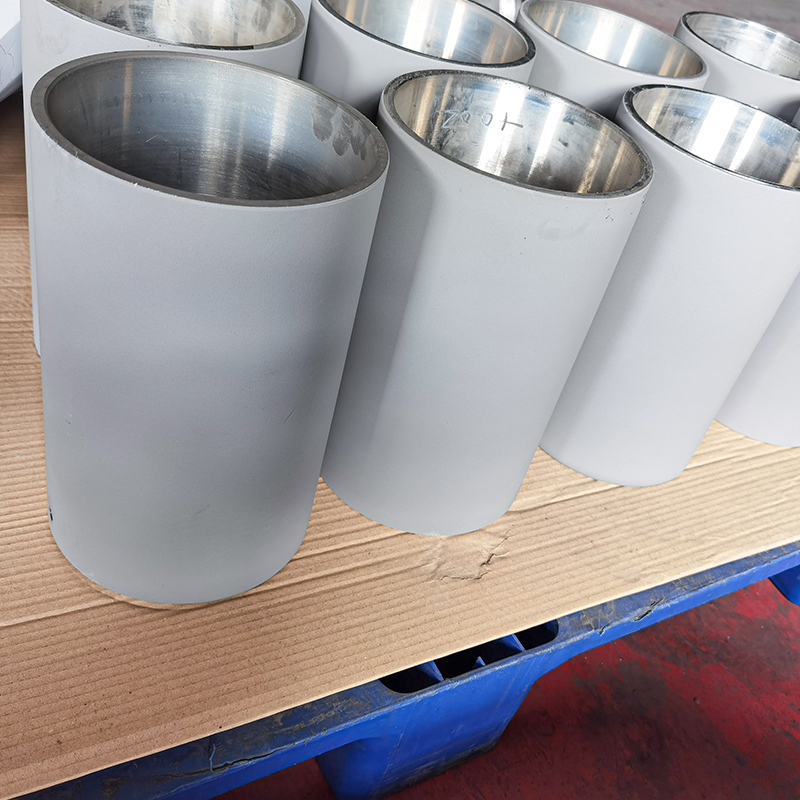
- Drawing rollers, plungers and bushings
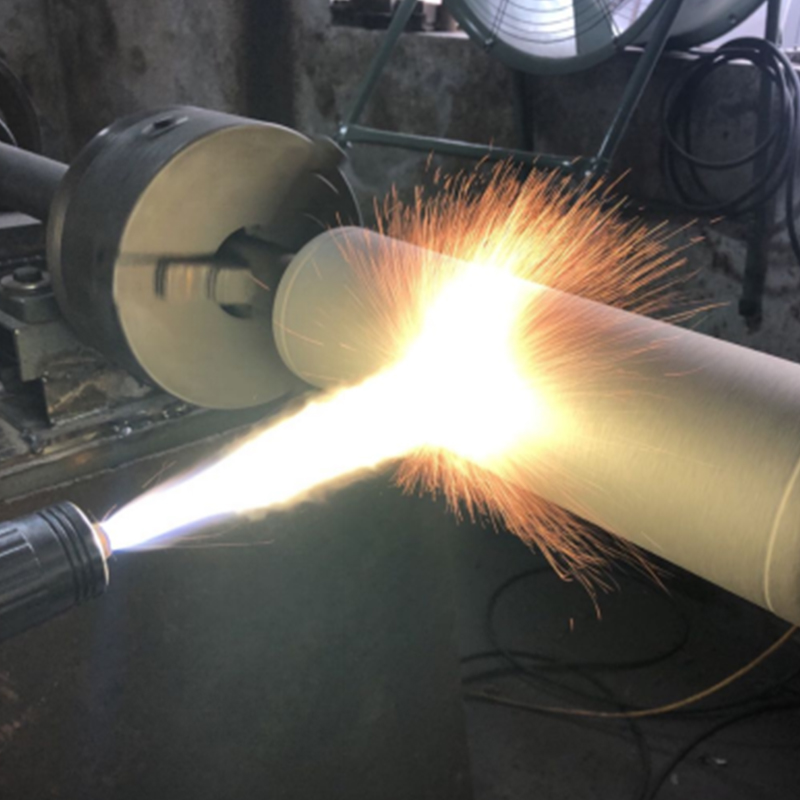
- Glass mould repair and cast iron machine part repair by oxy-acetylene spray welding
- Hot-section and corrosion-resistant parts in gas turbine, chemical and marine environments
Alongside the nickel-based range, the same lines run Cobalt Based Alloy Powder and iron-based grades, so a maintenance programme covering several base materials can be sourced against one set of process parameters.
Configuration Options
- Chemistry adjustment. Matrix composition and carbide fraction can be set to a customer specification rather than limited to the standard grades.
- Particle size cut. Screening to an agreed top and bottom size for the installed torch, nozzle or recoater.
- Blend ratio. Matrix-to-carbide ratio tuned between abrasion resistance and toughness.
- Pure metal powders. Pure nickel, pure cobalt and pure copper powders are produced to order.
- Packaging. Pack size and container format are agreed with the order so that the powder reaches the feeder in the condition it left the line.
Information We Use to Configure Your Solution
A configuration and quotation are prepared from the working point rather than from a grade name alone. The following inputs let us fix chemistry, cut and packaging in one pass.
- Process and equipment: laser cladding, spray welding, HVOF/HVAF, plasma, PTA, powder bed or press-and-sinter, with torch or nozzle model
- Substrate material and hardness, plus any pre-heat or post-fuse treatment
- Required deposit hardness, layer thickness and dilution limit
- Wear mechanism and service temperature, including whether corrosion or oxidation is present
- Target particle size cut, or the feeder setting and nozzle bore if the cut is to be advised
- Batch quantity, pack size and the acceptance parameters to be reported per batch
Frequently Asked Questions
What service temperature can nickel-based superalloy powder withstand?
The heat-resistant family is designed for the 650–1000 °C window, where it retains strength, oxidation resistance and corrosion resistance. The nickel–tungsten carbide hardfacing grades are selected for wear resistance at elevated temperature, and the matrix chemistry determines how much of that temperature the overlay tolerates before softening.
Which grade suits a mixer blade or fan blade?
The SD-Ni8Wc1 to SD-Ni8Wc8 range and SD-NiWc25 are the standard choices for mixer blades, sweeps and fan blades, all at HRC 60. The choice within that group comes down to carbide fraction: lower fractions favour impact and thermal cycling, higher fractions favour abrasive slurry and mineral duty.
What is the difference between the SD-Ni8Wc and SD-NiWc series?
Both carry cast tungsten carbide. The SD-Ni8Wc series uses a Deloro-type nickel matrix, while the SD-NiWc series uses an Ni60 or Ni65 matrix. Matrix chemistry changes corrosion and oxidation behaviour and the fusing response, so the two series are not interchangeable on a qualified procedure even at the same carbide level.
Can the powder be screened to a specific particle size cut?
Yes. Screening and classification are part of the production flow, and the cut is set against the customer's feeder, nozzle bore and target layer thickness. Where a plant runs both a laser cladding station and a spray station, the same chemistry can be supplied in two cuts so that one material approval covers both.
Is the same powder used for laser cladding and for HVOF?
The chemistry can be identical, but the cut is not. Laser cladding typically calls for a coarser gas-atomised cut, while HVOF needs a finer, tightly classified fraction to keep particles inside the flame envelope. Supplying the wrong cut for the process is the most common cause of poor deposition efficiency and porous coatings.
Do you produce custom compositions outside the standard grades?
We do. Matrix composition, carbide fraction and particle size range can all be set to a customer specification, and pure nickel, pure cobalt and pure copper powders are produced to order. The wider Alloy Powder range covers cobalt-based, iron-based and copper-based systems for projects that combine several base materials.


 English
 русский
 عربى