Nickel-Based Tungsten Carbide Alloy Powder from Our Jiangsu Production Base
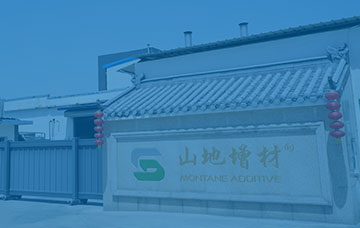
Jiangsu Crystal Additive Manufacturing Co., Ltd. is a Nickel-based Tungsten Carbide Alloy Powder manufacturer working out of the Bianzhuang Industrial Concentration Zone in Jiangyan District, Jiangsu Province, China. We melt, atomize, screen and classify nickel-matrix powders that carry tungsten, chromium, silicon, boron and, in several grades, molybdenum, copper or cobalt, and we supply them for laser cladding, plasma cladding, oxyacetylene spray welding, HVOF and powder metallurgy.
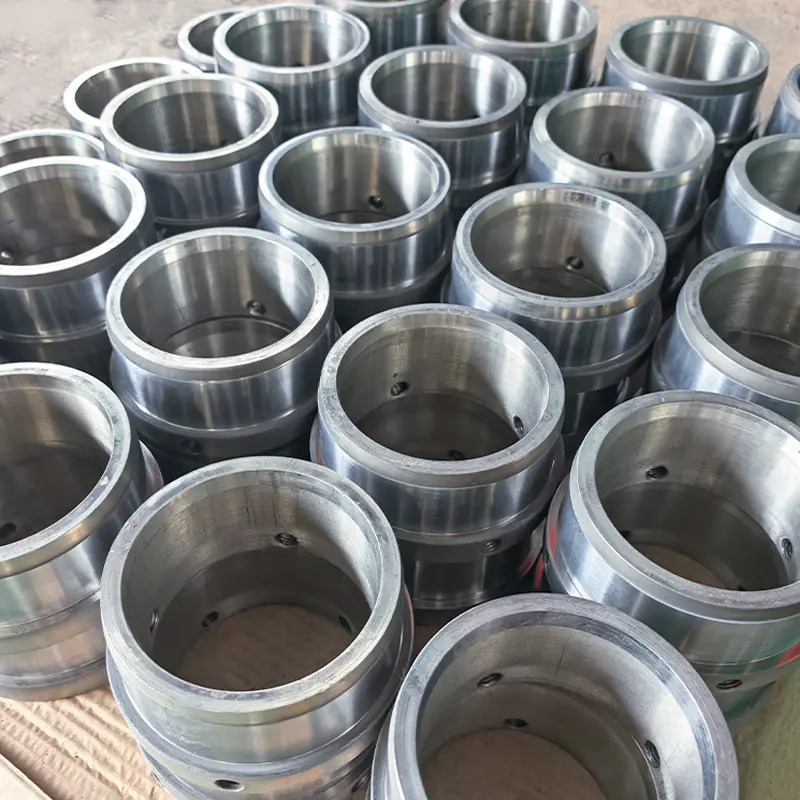
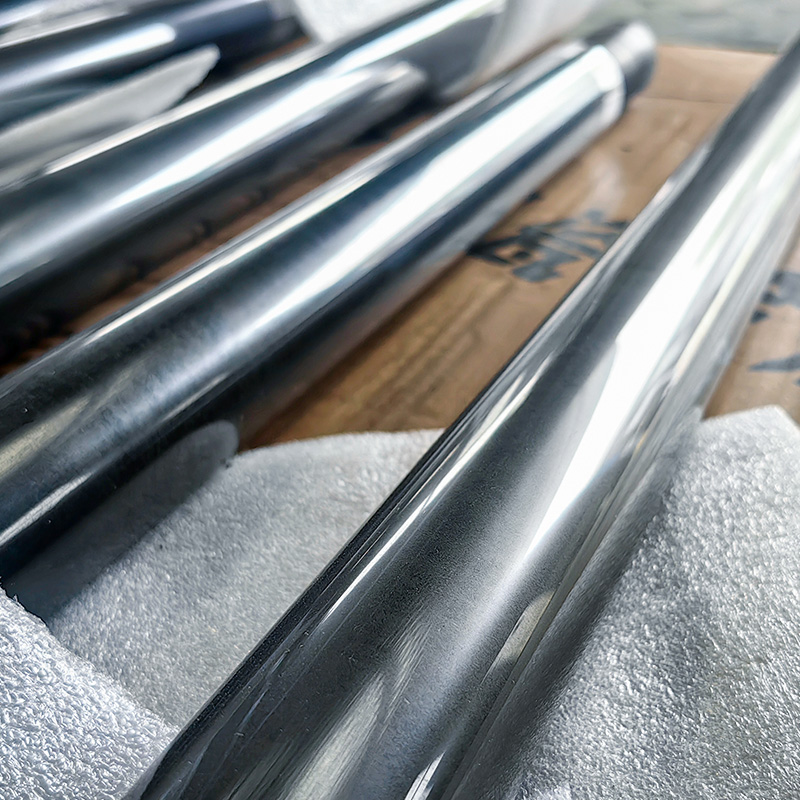
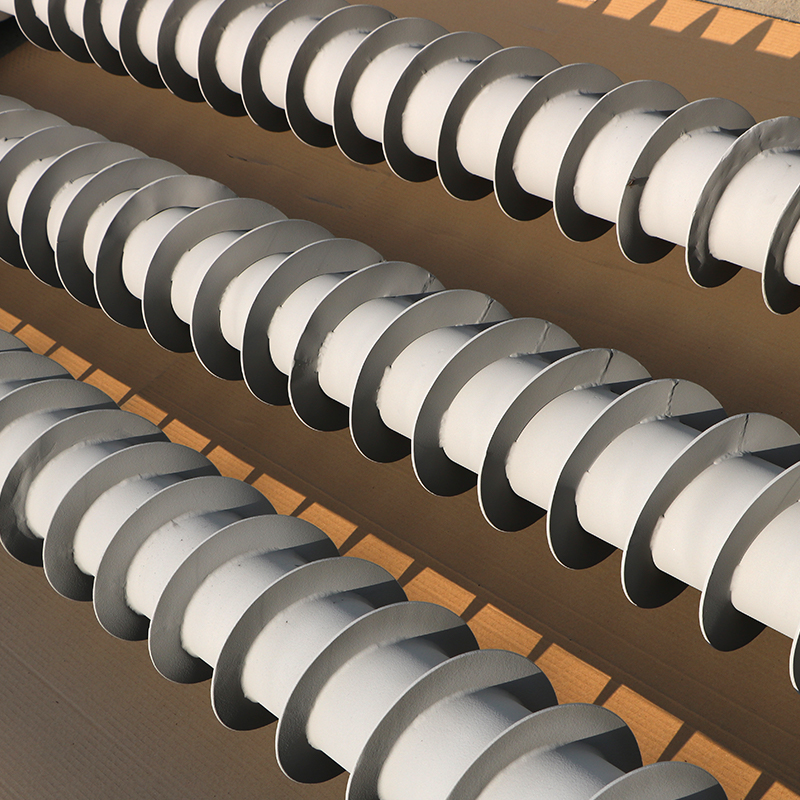
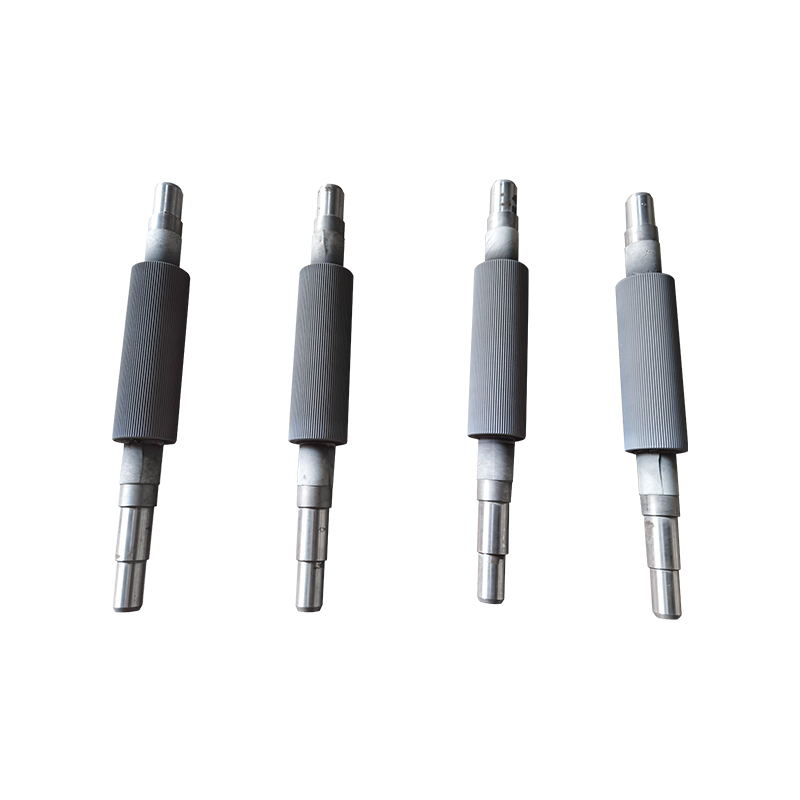
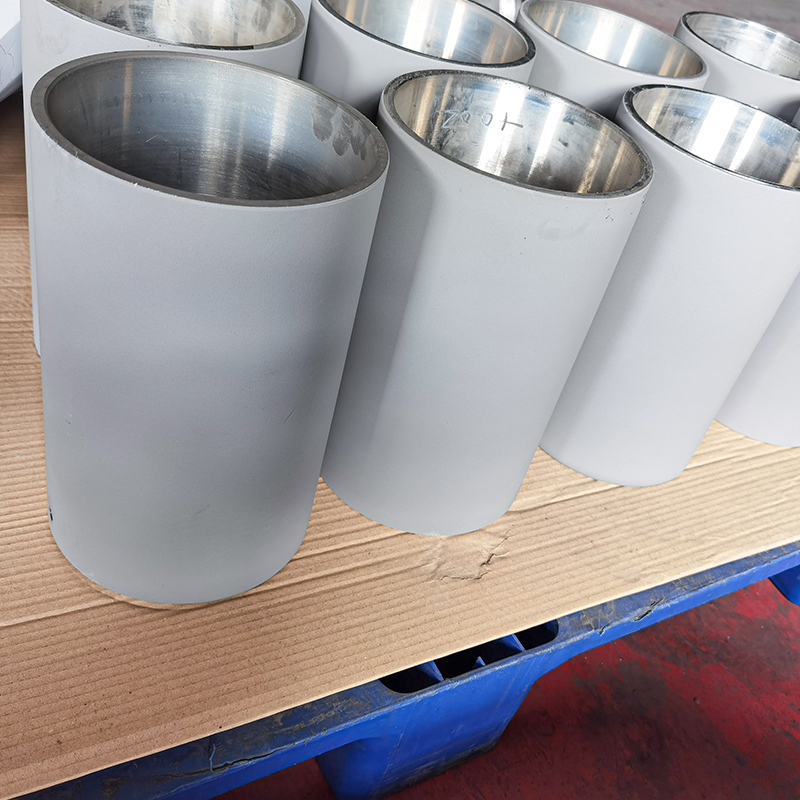
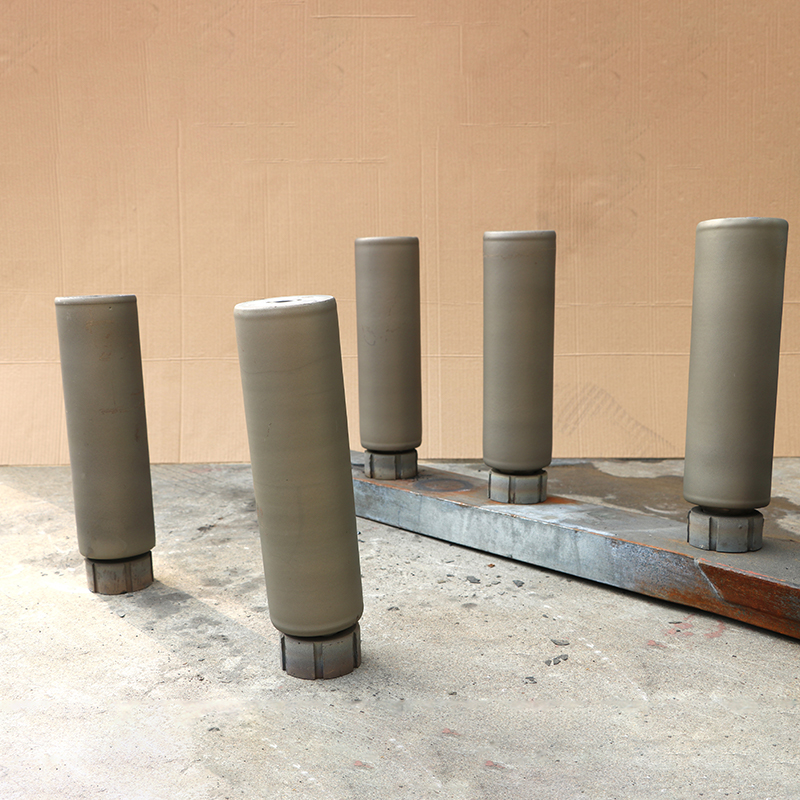
The grades in this range exist because parts fail in different ways. A glass mould that heat-checks after a few thousand cycles and a plunger that galls under 60 HRC contact pressure are not the same problem, so the nickel matrix, carbide former content and hardness are set separately for each duty. Our own hard-facing work on rollers, shafts, bushings and plungers since 2010 is the reference point we use when a customer describes a working point rather than a material.
Grade Range: Hardness, Alloy System and Application Match
Hardness across the SD-Ni family runs from roughly 20 HRC to 62 HRC. Low-hardness, low-carbon grades stay machinable and crack-tolerant for glass moulds and forming dies; the 30–45 HRC band covers die inserts, screw feeders and valve seats; the 50–62 HRC band is where plungers, drawing rollers, laminar-flow rollers and pump components sit.
| Grade |
Hardness (HRC) |
Alloy system |
Typical application |
| SD-Ni820 |
20 |
Ni–Cr–Si–B, low carbon |
Glass moulds, forming dies |
| SD-Ni822 / SD-Ni828 |
22 / 28 |
Ni–Cr–Si–B, Ni–Si–Fe |
Glass moulds, forming dies |
| SD-Ni830 |
30 |
Ni–Cr–Si–W–B |
Slide rails, gear teeth |
| SD-Ni835 |
35 |
Ni–Cr–Si–W–B |
Glass moulds, valve seats |
| SD-Ni840 |
40 |
Ni–Cr–Si–W–B |
Screw feeders, die inserts |
| SD-Ni880 |
40 |
Ni–Cr–Mo–W–B |
Valve components |
| SD-Ni45 |
45 |
Ni–Cr–W–Si–B |
Exhaust valve seats, plungers |
| SD-Ni850 |
50 |
Ni–Cr–W–Si–B |
Pump shafts, pulp knives, valves, screw rods |
| SD-Ni855S |
52 |
Ni–Cr–W–Fe–B |
Screws, seats |
| SD-Ni8700 |
54 |
Ni–Cr–Mo–W, high molybdenum |
Nuclear-industry parts needing oxidation and radiation resistance |
| SD-Ni55 |
55 |
Ni–Cr–W–Si–B |
Moulds, can tooling, plungers, exhaust valves |
| SD-Ni86325 |
57 |
Ni–Cr–W–Cu–B |
Corrosion-resistant pump shafts, bearing sleeves |
| SD-Ni60 / SD-Ni60M |
59 / 60 |
Ni–Cr–W–Si–B |
Plungers, drawing rollers, laminar-flow rollers, can tooling |
| SD-Ni62 |
61 |
Ni–Cr–W–Si–B |
Paper brake wheels, shovel teeth |
| SD-Ni65 |
62 |
Ni–Cr–W–Si–B |
Screw feeders, plungers |
| SD-NiB |
Cold-hardening |
Ni–Mo–Cr–V–B |
High-temperature, corrosion-resistant sealing rings |
| SD-Ni220M1 |
26 |
Ni–Cr–W–Si, plasma grade |
Plasma welding of glass moulds |
Grades can be supplied to the nominal chemistry shown or adjusted within the same alloy family when a customer's wear mechanism, dilution level or post-weld machining step calls for it. Where cobalt is the better matrix for a given duty — typically high-impact hot work and certain valve-train components — we also produce Cobalt Based Alloy Powder from the same atomization lines.
Process Fit: Matching the Grade to the Deposition Method
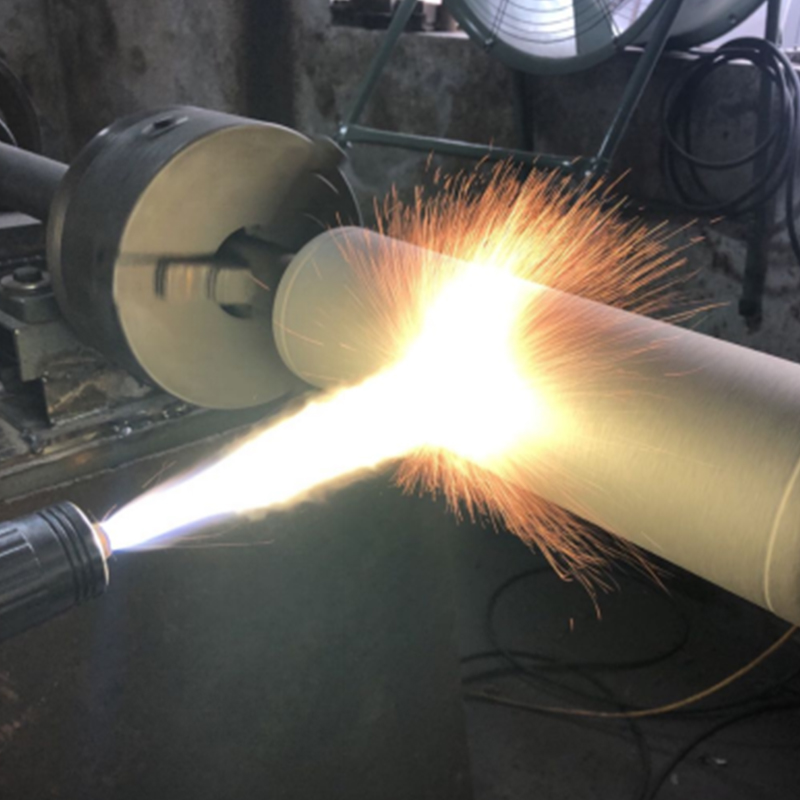
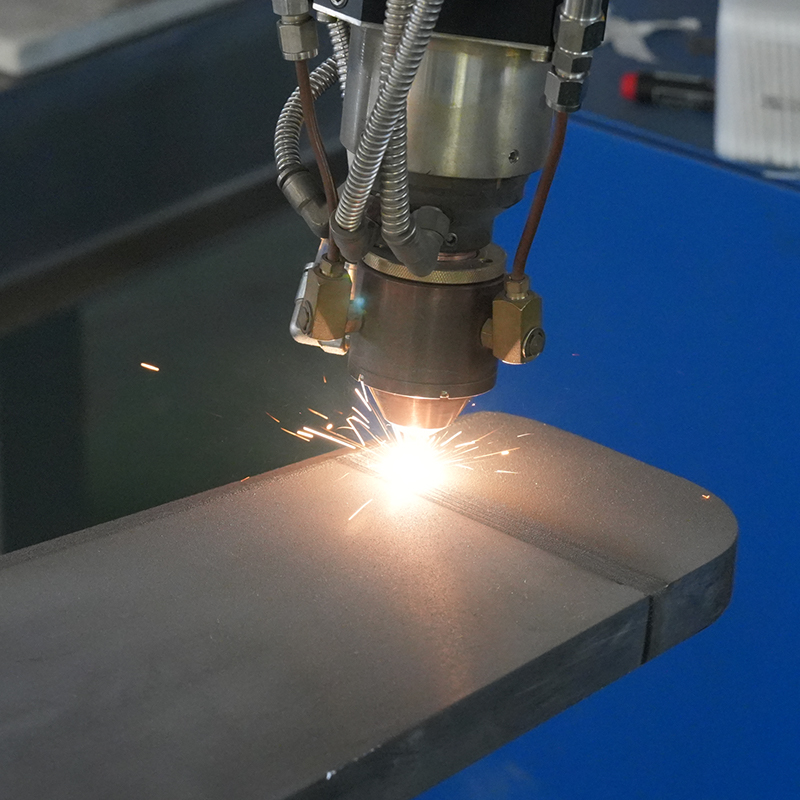
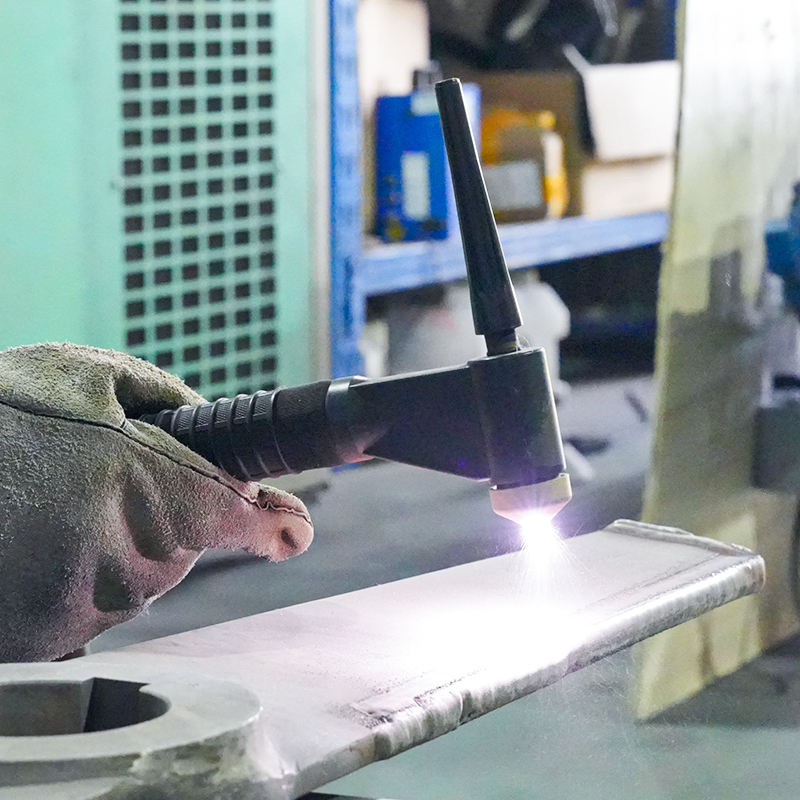
The nickel matrix is chosen partly because it tolerates dilution and thermal cycling better than a straight carbide hardfacing on many substrates. That advantage only shows up when the powder cut and the deposition method are matched to each other.
| Deposition process |
What the powder has to do |
Parts we match to it |
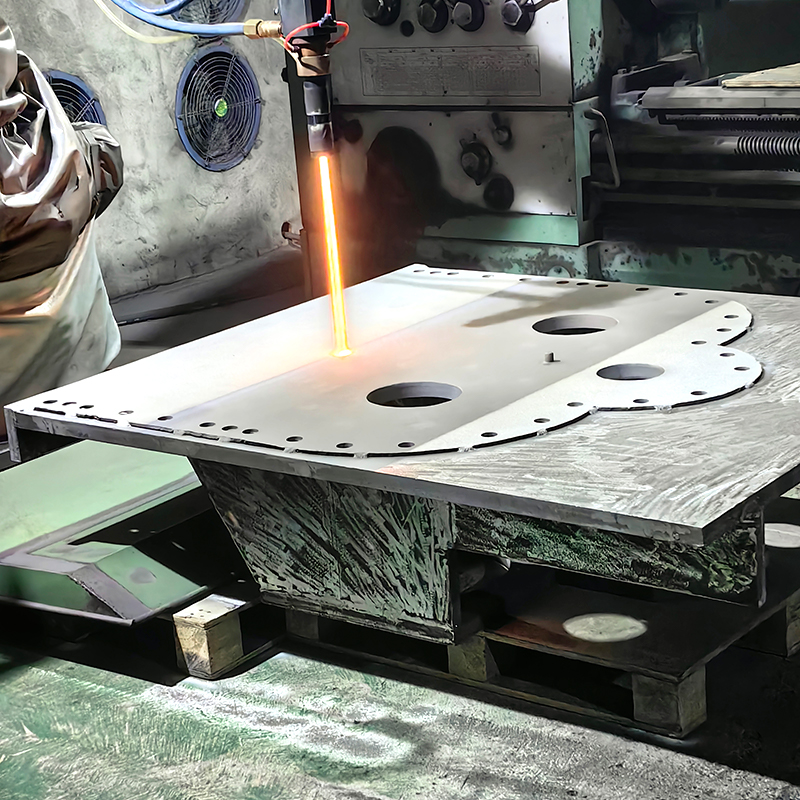
| Laser cladding |
Flow evenly at low feed rates, low oxygen, limited cracking on cooling |
Plungers, rollers, valve seats, mould repair |
| Plasma cladding (PTA) |
Stable feed at higher deposition rates, controlled dilution |
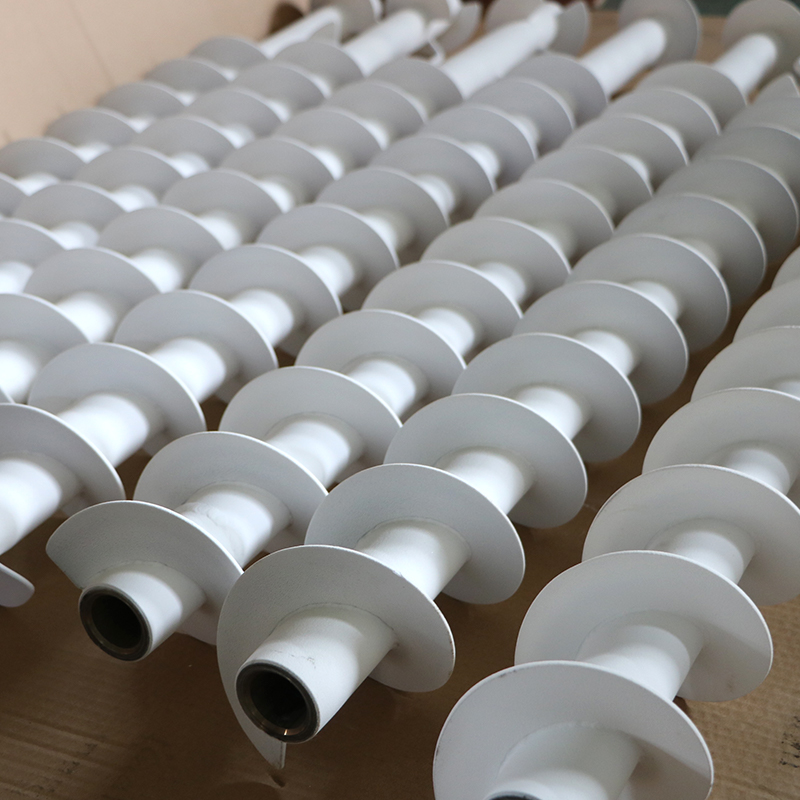
Screw feeders, extrusion barrels, valve plates |
| Oxyacetylene spray welding |
Free-flowing cut for torch feed, low cracking on cast iron |
Glass moulds, small castings, machine parts |
| HVOF / supersonic flame spray |
Fine, spherical cut for high particle velocity and dense coating |
Pump shafts, sleeves, sealing surfaces |
| Plasma spraying |
Cut matched to torch nozzle and carrier gas |
Wear and corrosion surfaces on rotating parts |
| Powder metallurgy / 3D printing |
Spherical morphology, low oxygen, tight size distribution |
Near-net inserts and wear parts |
For thermal spray routes where a carbide-rich coating rather than a nickel-matrix overlay is the target, we also supply Tungsten Carbide Thermal Spray Powder with the same batch testing discipline.
Particle Size, Morphology and Atomization Route
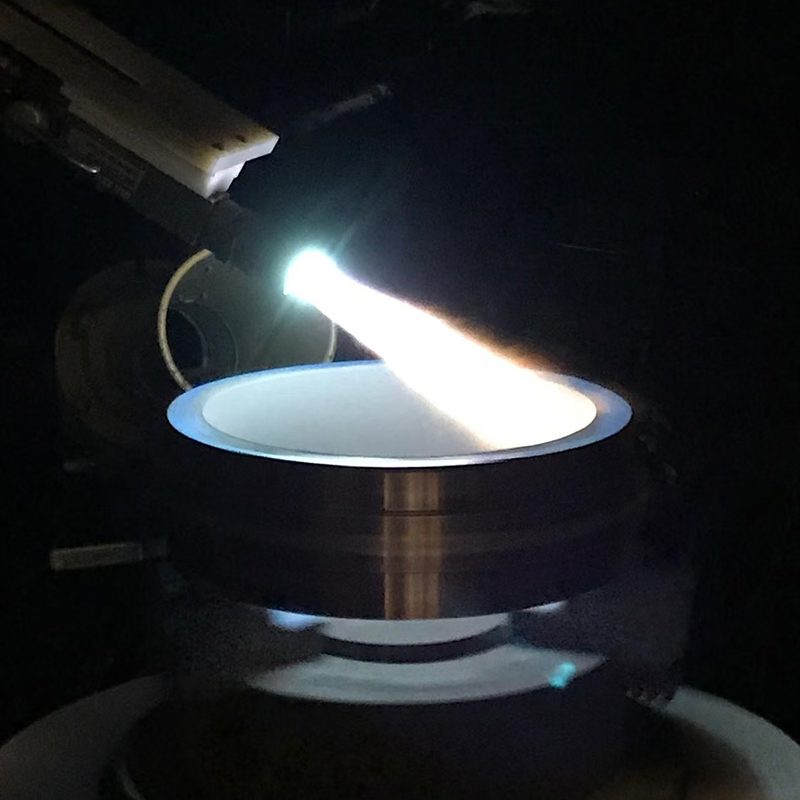
We run three powder production lines — vacuum, gas (aerosol) atomization and water mist — and select the route according to the chemistry and the process the powder is going into. Gas atomization gives the high sphericity and good fluidity that laser and HVOF feeders need; the vacuum line suits alloys that must be melted and poured under protection; water mist atomization is used where a faster, more economical route fits the application.
- Chemistry control: melt composition is set before atomization, and the finished powder is checked against the target analysis.
- Size fraction: screening and cyclone classification give a controlled particle size distribution rather than a wide as-atomized spread.
- Oxygen content: vacuum and inert-gas routes keep oxygen pickup low, which matters for coating toughness.
- Morphology: spherical and sub-spherical particles feed more predictably through a disc or powder hopper than irregular grit.
As general guidance, laser cladding and PTA systems commonly run 45–150 µm cuts, HVOF 15–45 µm, and oxyacetylene spray welding 45–106 µm. The cut we deliver is confirmed against your feeder, torch and nozzle rather than assumed from the process name.
Workpiece and Substrate Considerations
Nickel-based tungsten carbide overlays behave differently on carbon steel, cast iron, stainless and heat-treated alloy steel. Dilution from the substrate raises iron in the deposit and pulls hardness down, so the grade and the number of layers are set together with the substrate, not separately.
- Cast iron and glass moulds: low-hardness, low-carbon grades such as SD-Ni820, SD-Ni822 and SD-Ni828 limit cracking during cooling and remain machinable for mould detail.
- Plungers and drawing rollers: the 55–62 HRC grades resist galling and metal-to-metal pickup under load.
- Pump and slurry duty: SD-Ni86325 carries copper for corrosion resistance alongside wear resistance in pump shafts and bearing sleeves.
- High-temperature and oxidising service: high-molybdenum grades such as SD-Ni8700 and the cold-hardening SD-NiB are aimed at sealing rings and nuclear-industry components.
Customization and Configuration Options
Powder is supplied against the customer's process window, not only against a catalogue grade name. We adjust chemical composition within the alloy family, set the particle size range, and can produce pure metal powders — pure nickel, pure cobalt and pure copper — where a blend or a binder system is being prepared on site. Nickel Based Metal Powder is produced on the same lines for blending and for processes that need an unalloyed matrix.
- Grade selection from the SD-Ni table, or a chemistry adjusted to a customer specification
- Particle size cut matched to laser, PTA, flame spray welding, HVOF or plasma spraying
- Composite tungsten carbide additions where a higher carbide fraction is required
- Batch size and pack format agreed per order, from trial quantities to production lots
Quality Control and Batch Documentation
Production follows our documented quality management system, established in line with ISO 9001/9002 practice, and each batch is controlled from raw material through to finished powder. Chemical composition and particle size distribution are measured on production batches and recorded against the batch, so a repeat order can be compared with the original delivery.
Our laboratory covers chemical analysis by ICP and by carbon, sulphur, oxygen, hydrogen and nitrogen analysers, laser particle size analysis, tensile testing and Vickers hardness testing, with industrial CT available for internal defect checks. That combination lets us look at a powder as a material system — chemistry, morphology, size distribution and internal soundness — rather than as a single number on a certificate.
Information We Use to Configure Your Solution
A quotation and a powder specification are prepared from the working point. The more of the following we have, the more precisely we can set grade, chemistry and size cut.
- Component type, base material and current failure mode
- Deposition process, equipment make and powder feed system
- Target hardness, deposit thickness and finishing operation
- Service temperature, load type and any corrosive or oxidising medium
- Required particle size range and any existing specification reference
- Order quantity, pack size, labelling and delivery destination
Packaging, Delivery and Technical Support
Powder is packed to protect it from moisture pickup and cross-contamination in transit, with pack size, inner liner and labelling agreed at order stage. Delivery scope, documentation and any inspection requirement are confirmed in the order confirmation so that receiving inspection matches what was agreed.
Technical support covers grade selection against the working point, size cut selection for the installed feeder, and follow-up on first-article results. When a customer sends back hardness or wear data from a trial deposit, we use it to refine the chemistry or the cut for the production order.
Frequently Asked Questions
What is nickel-based tungsten carbide alloy powder used for?
It is used to rebuild and protect metal surfaces that wear by abrasion, erosion, galling or hot contact — glass moulds and forming dies, exhaust valve seats, plungers, drawing and laminar-flow rollers, screw feeders, pump shafts and impellers, pulp knives, valve plates and extrusion screw barrels. The nickel matrix carries tungsten and chromium carbide formers, giving a deposit that resists wear while staying tougher and more crack-tolerant than a fully carbide-based hardfacing.
Which grade fits a glass mould compared with a plunger?
Glass moulds and forming dies normally run the low-hardness, low-carbon end of the range — SD-Ni820, SD-Ni822, SD-Ni828 or SD-Ni835 — because the deposit has to survive thermal cycling and often be machined back to mould detail. Plungers, drawing rollers and screw feeders run the 50–62 HRC grades such as SD-Ni850, SD-Ni55, SD-Ni60, SD-Ni62 and SD-Ni65, where resistance to galling and metal pickup dominates.
Can the chemistry and particle size be adjusted?
Yes. Composition is adjusted within the alloy family to suit the wear mechanism, dilution level and post-weld machining step, and the particle size range is set to the feeder, torch and nozzle in use. Pure nickel, pure cobalt and pure copper powders are also produced for customers who blend or prepare their own formulations.
How is the powder tested before dispatch?
Batches are checked for chemical composition by ICP and by carbon, sulphur, oxygen, hydrogen and nitrogen analysis, for particle size distribution by laser analyser, and for mechanical and hardness properties where the application requires it. Industrial CT is available for internal defect inspection. The measured batch data is recorded so repeat orders can be compared against the original supply.
What do you need from us to prepare a quotation?
Component type, base material, failure mode, deposition process and equipment, target hardness and deposit thickness, service temperature and any corrosive medium, the particle size range required, and the order quantity with pack and delivery details. With that information we can propose a grade, confirm the size cut and state the delivery scope in the quotation.


 English
 русский
 عربى