Tungsten Carbide Thermal Spray Powder for Abrasion, Heat and Corrosion Duty
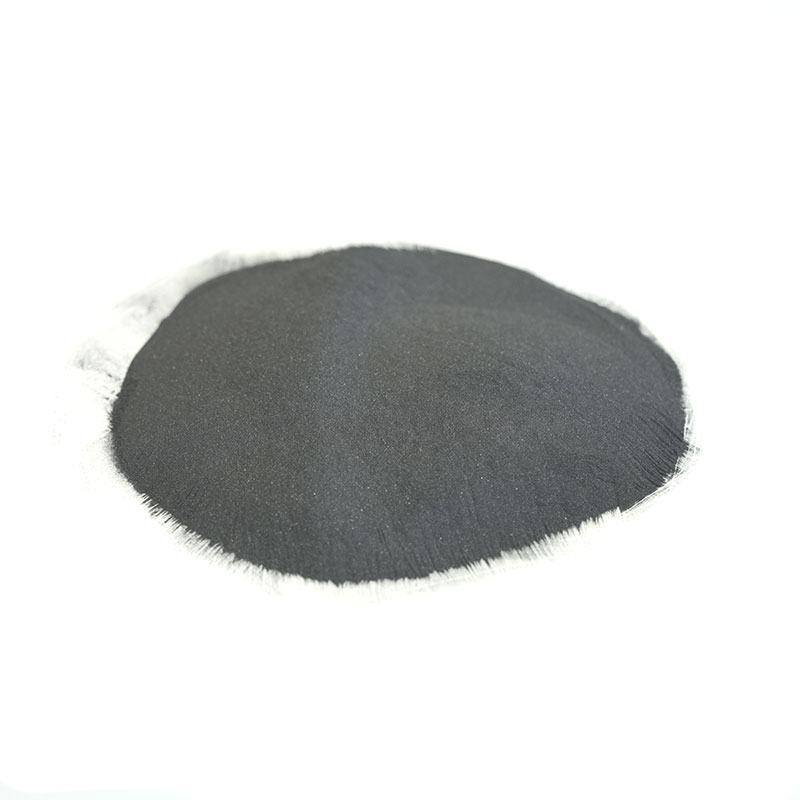
Jiangsu Crystal Additive Manufacturing Co., Ltd. is a Tungsten Carbide Thermal Spray Powder manufacturer based in Jiangsu, China. We produce composite carbide alloys built on cobalt, nickel and NiCr matrices with controlled tungsten carbide fractions, formulated for working points where abrasion combines with heat, corrosion or impact: rock and slurry wear, high-temperature gas erosion and molten zinc attack.
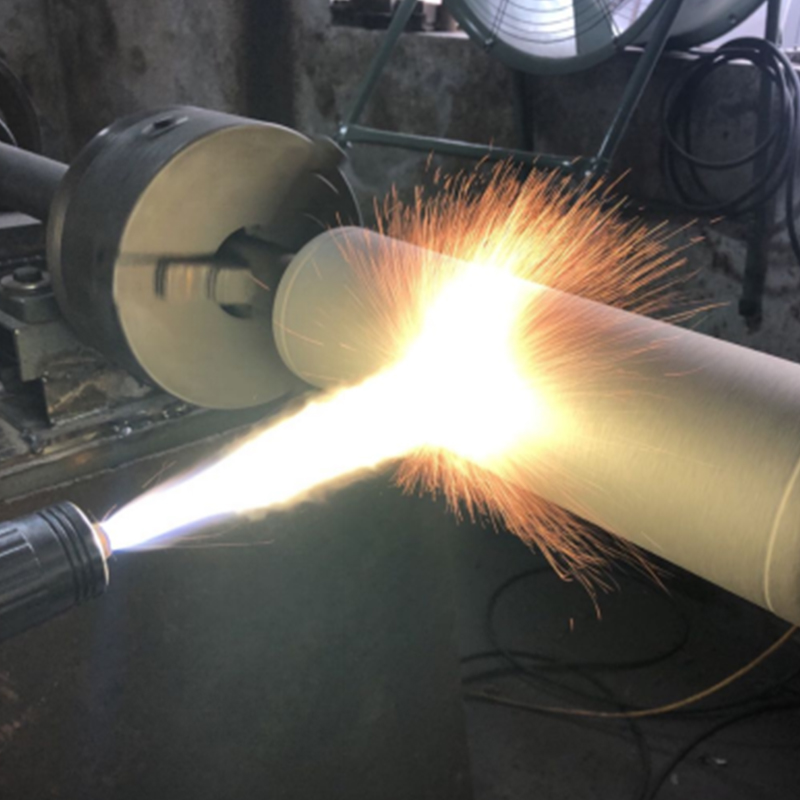
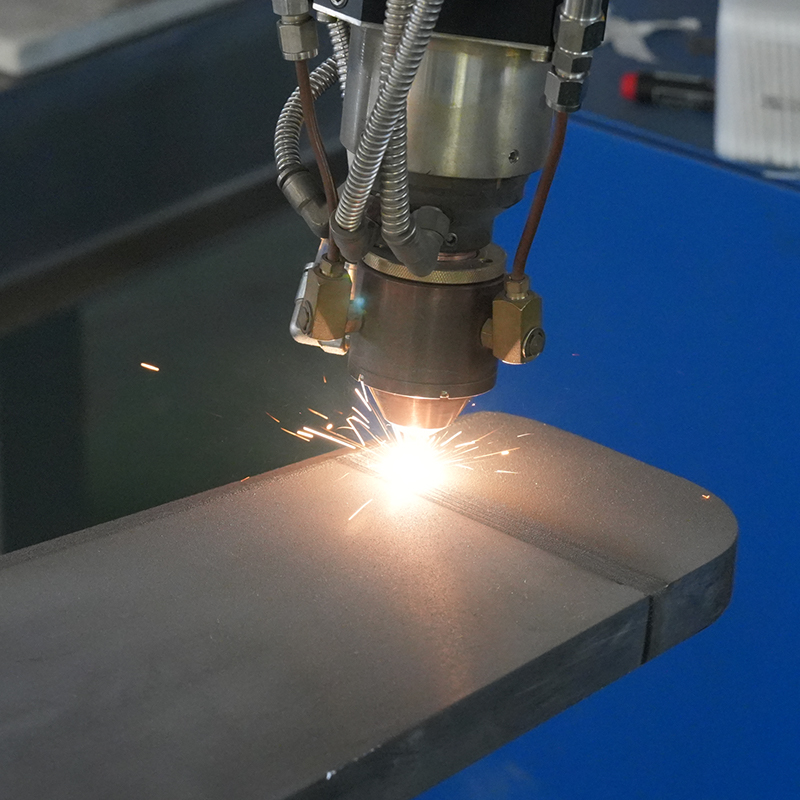
Powder is supplied in agglomerated-sintered, sintered-crushed and cast-and-atomized condition, screened to the cut the spray gun or cladding head requires. Cobalt-bonded tungsten carbide covers HVOF and HVAF; NiCr-Cr3C covers high-temperature erosion; Ni60-based powders carrying 10 to 35% WC serve plasma surfacing and laser cladding on screws, barrels and plungers.
Chemistry, hardness and particle size distribution are reported per batch, so the grade that passed the coating trial is the grade that arrives on the next order.
Product Range and Grade Positioning
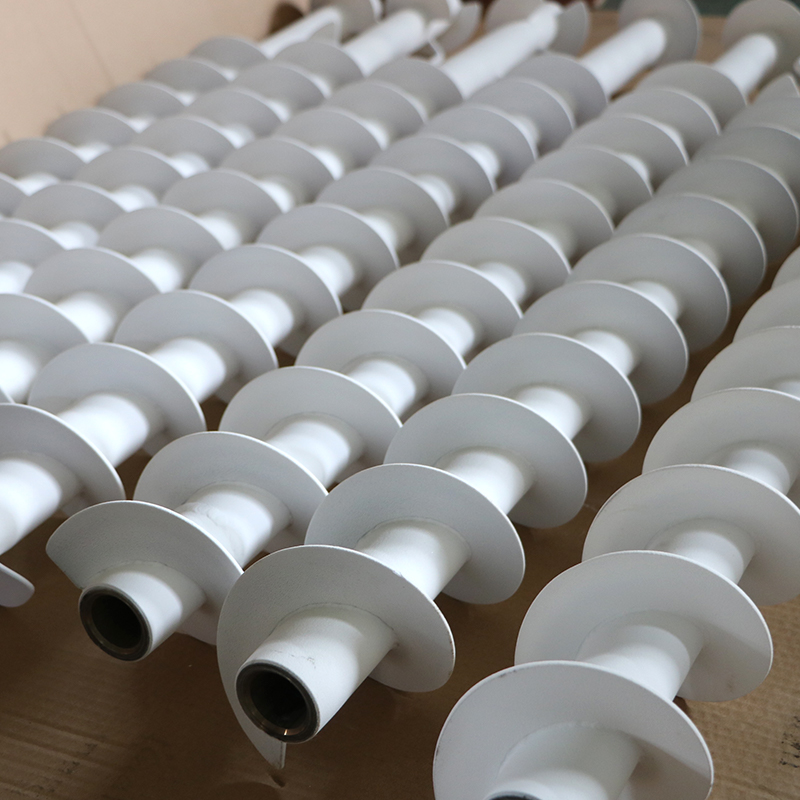
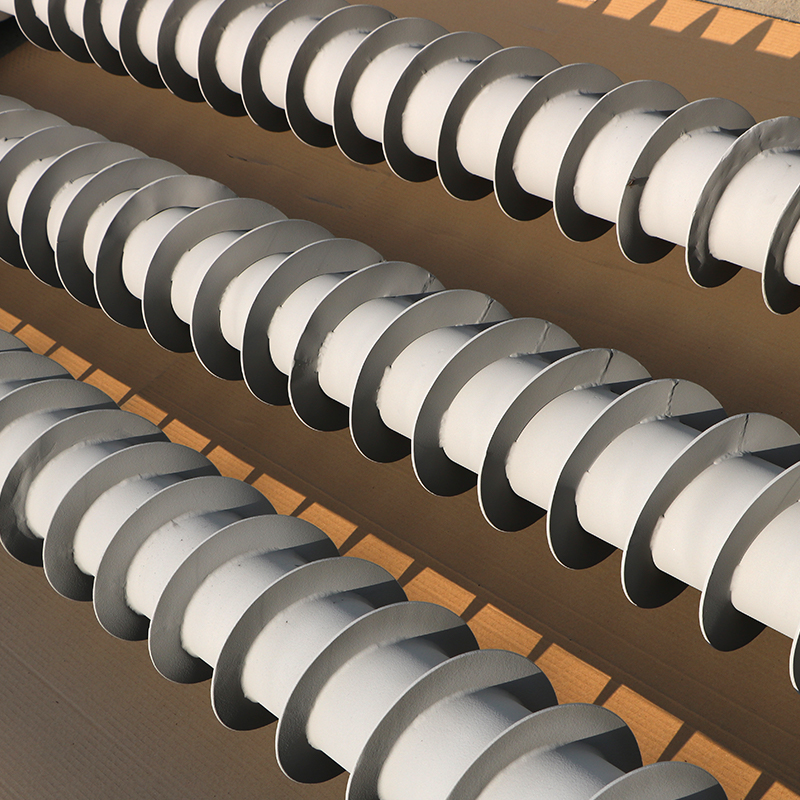
The composite carbide family splits into two groups by binder system. Cobalt-bonded grades carry 83 to 88% WC with 12 to 17% Co, or 86% WC with 10% Co and 4% Cr for combined abrasion and corrosion duty. Nickel-based grades use a Ni60 matrix loaded with 10 to 35% WC, giving a tougher, more crack-tolerant deposit for thicker surfacing work rather than thin HVOF layers.
| Grade |
Chemistry (wt%) |
Hardness |
Size |
Typical application |
| SD-12Co88WC |
12% Co / 88% WC |
HV 1110 |
53/15 µm |
Ball valves, compressor shafts, pump seals |
| SD-17Co83WC |
17% Co / 83% WC |
HV 1010 |
53/15 µm |
Valves, guide rods, pressure rollers |
| SD-10Co4Cr86WC |
10% Co / 4% Cr / 86% WC |
HV 1000 |
53/15 µm |
Ball valves, suction rollers |
| SD-NiCrCr3C |
25% NiCr / 75% Cr3C |
HV 850 |
53/15 µm |
Seal rings, valves, turbine blades |
| NiWC10 |
Ni60 with 10% WC |
>60 HRC |
150/300 mesh |
Screws, barrels, plungers |
| NiWC15 |
Ni60 with 15% WC |
>60 HRC |
150/300 mesh |
Valves, plungers |
| NiWC20 |
Ni60 with 20% WC |
>60 HRC |
150/300 mesh |
Valves, wire drawing dies, plungers |
| NiWC25 |
Ni60 with 25% WC |
>60 HRC |
150/300 mesh |
Valves, wire drawing dies, plungers |
| NiWC35 |
Ni60 with 35% WC |
>60 HRC |
150/300 mesh |
Drawing wheels, fan blades, spiral inputs |
Selection follows the damage mechanism rather than the hardness number alone. Cobalt-bonded grades with fine carbide suit thin, dense layers on sealing faces and roll surfaces, and are drawn from our Cobalt Based Alloy Powder platform. The NiWC series suits thicker rebuilds that are finished by grinding, and sits alongside our Nickel-based Tungsten Carbide Alloy Powder range for plasma and laser processes.
HVOF-Grade Agglomerated and Sintered Tungsten Carbide Powders
The cobalt-bonded HVOF series is manufactured by agglomeration and sintering, with one coarse-grain grade produced by sintering, crushing and centrifugal casting. These powders run on most HVOF systems and deposit dense, well-adhered coatings; the WC-6Co and WC-12Co grades are also listed for air plasma spray and PTA additive work.
| Grade |
Route |
Size |
Process |
Characteristics |
Typical parts |
| WC-10Co-4Cr |
Agglomerated and sintered |
-38/+10 µm; -45/+15 µm |
HVOF / HVAF |
Fine-grain WC; maximum working temperature 500 °C; dense coating, high bond strength |
Paper rolls, gate valves, ball valves |
| WC-6Co |
Agglomerated and sintered |
— |
HVOF / APS / PTA additive |
Maximum working temperature 500 °C; dense hard coating; abrasion and corrosion resistance; high bond strength |
Wear parts needing a hard, thin layer |
| WC-12Co |
Agglomerated and sintered |
-38/+10 µm; -45/+15 µm |
HVOF / APS / HVAF |
Medium-grain WC; maximum working temperature 500 °C; abrasion, corrosion and anti-slip dynamic wear resistance |
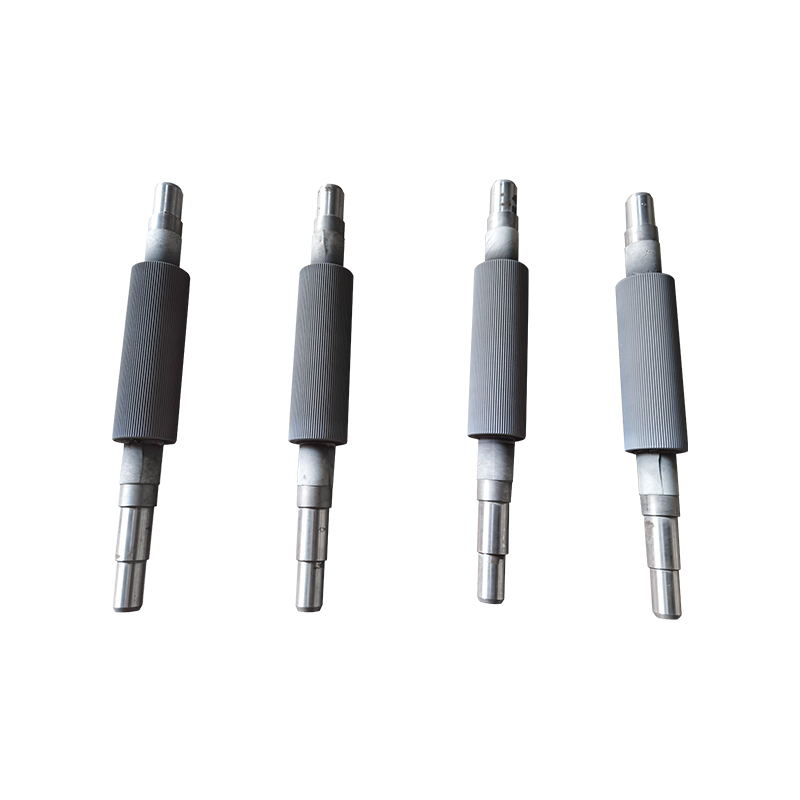
Corrugated rolls of paper-making machinery |
| WC-13Co |
Sintered and crushed; centrifugal casting |
— |
— |
Coarse-grain WC; carbon content 4.0 to 4.5% |
Injection molding machine extruder barrels |
Carbide grain size is the lever that separates these grades in service. Fine-grain WC favours polished sealing faces and resistance to fine-particle abrasion; medium and coarse grain grades trade some hardness for impact tolerance and resistance to dynamic, anti-slip wear on rolls and barrels.
Process Fit: HVOF, HVAF, Plasma, PTA and Laser Cladding
- HVOF and HVAF. Cobalt-bonded WC-Co and WC-Co-Cr in -45/+15 µm and -38/+10 µm cuts, giving dense coatings with high bond strength on cylindrical and flat wear surfaces.
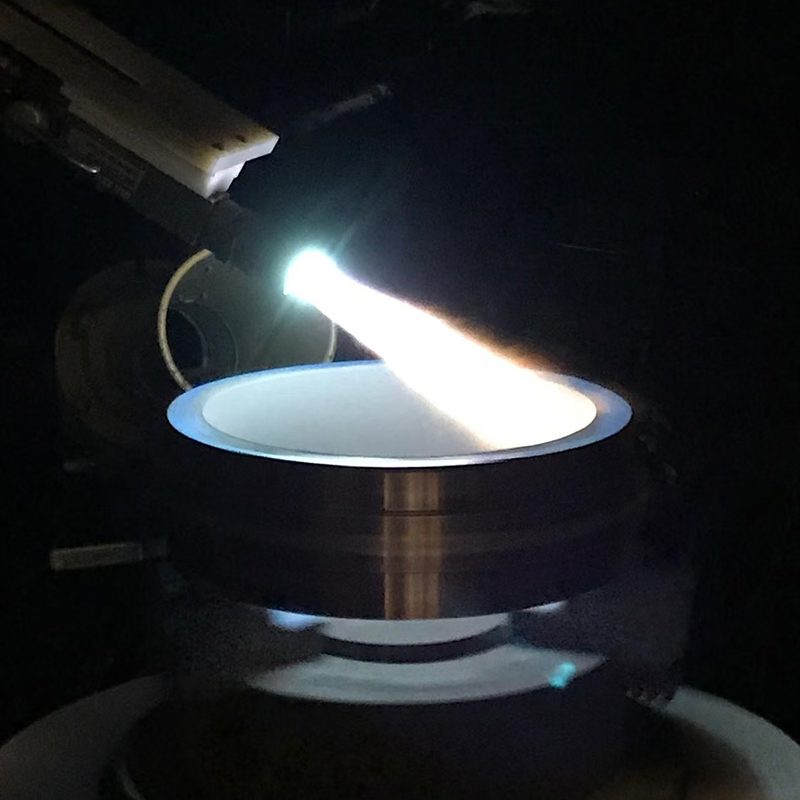
- Plasma spray and plasma powder surfacing. Composite carbide alloys with NiCr or Ni matrices, plus WC-6Co and WC-12Co where the coating is applied by APS.
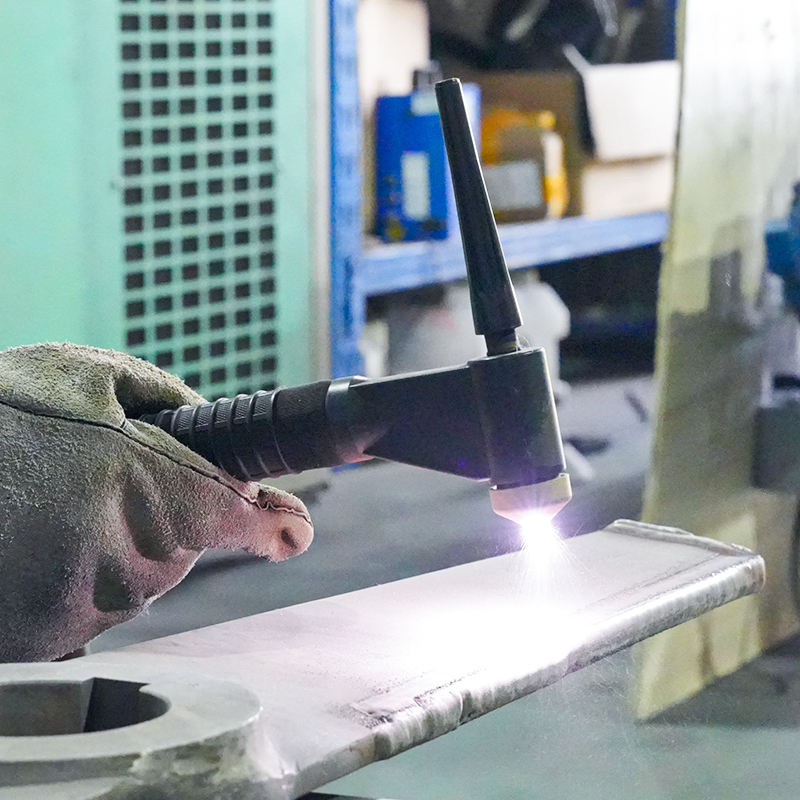
- PTA and plasma transferred arc. WC-6Co is listed as a PTA compound additive for hardfacing deposits.
- Laser cladding. The NiWC series with a Ni60 matrix, matched to iron-, nickel- and cobalt-based powders on our own cladding lines.
- Oxyacetylene spray welding. Used for repair of glass molds, cast iron and machine parts, producing a smooth, densified layer bonded to the base material.
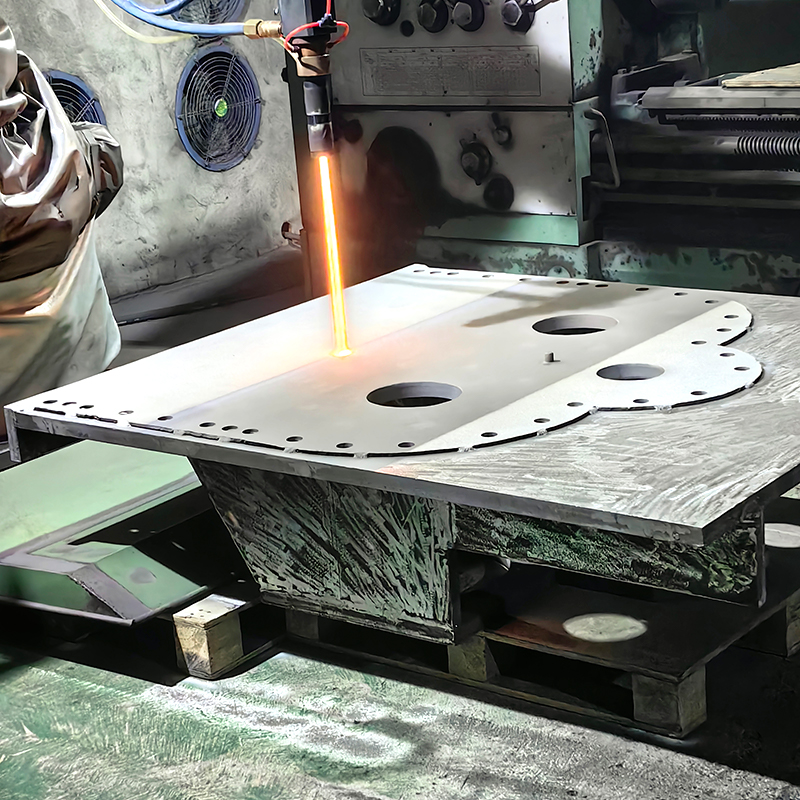
- Supersonic spraying. Our Supersonic Spraying service applies the same HVOF-class powders when a finished component is required rather than powder alone.
Reading the Specification
- Chemistry (wt%). Binder content sets toughness; the 4% Cr addition in WC-10Co-4Cr and SD-10Co4Cr86WC raises corrosion resistance in aqueous and chemical service.
- Hardness. Carbide grades are quoted in Vickers (HV 850 to HV 1110); NiWC grades are quoted above 60 HRC.
- Particle size cut. 53/15 µm for the SD series, -45/+15 µm and -38/+10 µm for the HVOF grades, 150/300 mesh for the NiWC series. The cut must match the powder feed and gun nozzle.
- Carbide grain size. Fine, medium or coarse, chosen against the balance of abrasion resistance and impact tolerance.
- Carbon content. Specified at 4.0 to 4.5% for the coarse-grain WC-13Co barrel grade.
- Working temperature. 500 °C maximum for the cobalt-bonded HVOF grades.
Workpiece and Substrate Considerations
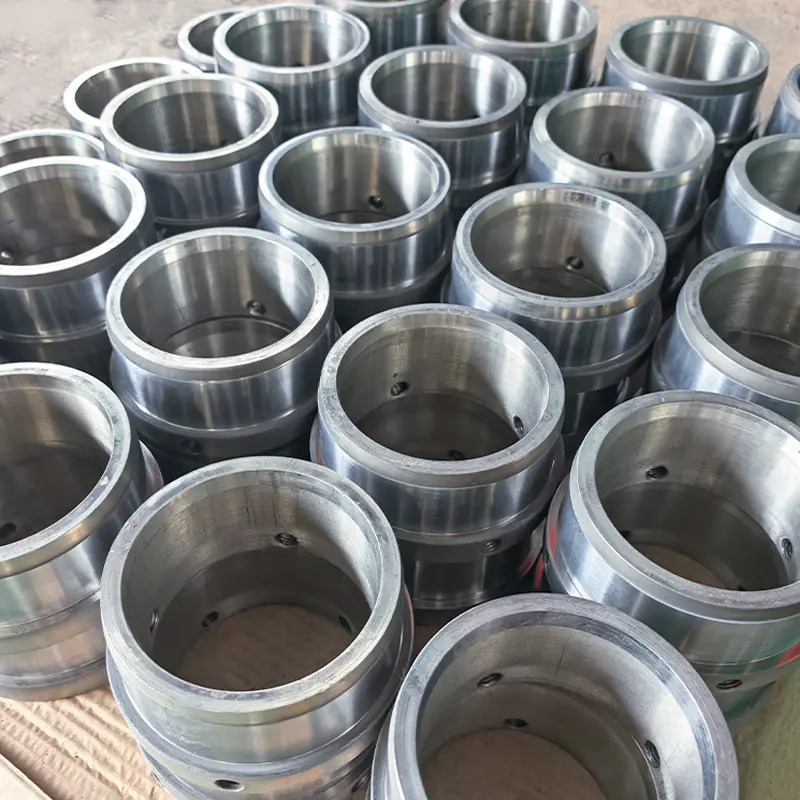
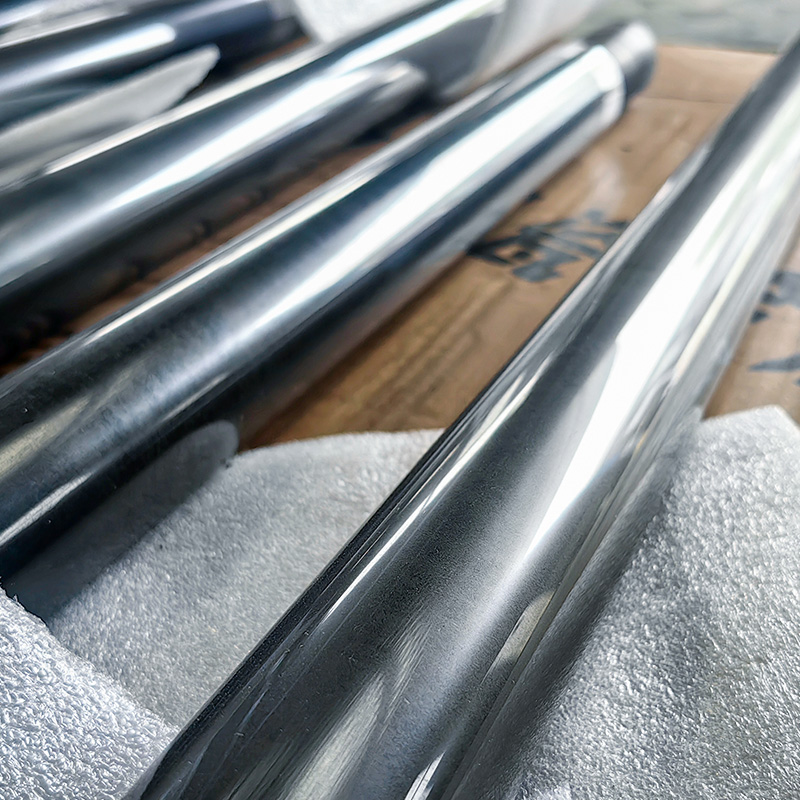
Coating performance is decided as much by the part as by the powder. We match the grade to the base material, the geometry of the wear zone and the finishing route, because a grade that performs on a ball valve seat may not survive the edge loading on a drawing wheel.
- Base material: carbon steel, stainless steel, cast iron, alloy steel or nickel alloys, each with different preheat and bond requirements.
- Geometry: cylindrical shafts and rollers, spherical valve seats, flat sealing faces, screw flights and barrel bores.
- Machining allowance: as-sprayed thickness plus grinding stock for the final dimension and surface finish.
- Service environment: sliding abrasion, impact, erosion, cavitation, molten zinc corrosion or high-temperature oxidation.
- Sealing and mating surfaces, where coating porosity and finish affect function rather than only wear life.
Powder Production and Batch Quality Control
Production runs on three lines: vacuum powder making, gas atomization and water atomization. Vacuum melting and inert-gas atomization give spherical and sub-spherical particles with low oxygen content and good flow; water atomization supports fast, efficient preparation of alloy powder with controlled particle size distribution after drying and classification.
Testing covers chemical composition, physical morphology, mechanical properties and internal defects. Equipment includes ICP analysis, oxygen, nitrogen and hydrogen analysis, carbon, phosphorus and sulphur analysis, laser particle size analysis, Vickers and modular hardness testing, tensile testing and industrial CT inspection. Our management system is established in line with ISO 9001/9002 and our own quality standards, and each batch is released against the agreed chemistry and size range.
Configuration Options, Packaging and Delivery
Customization. Chemistry can be adjusted within the composite carbide system, including binder type and level, carbide fraction and carbide type, to shift the balance between hardness, toughness and corrosion resistance. Particle size cuts are screened to the process, and trial quantities are supplied so a coating can be qualified before a production order. Pure nickel, pure cobalt and pure copper powders are also available where a project needs them.
Packaging and documentation. Powder is packed to the weight and container format agreed for the order, with batch documentation covering chemical composition, particle size distribution and hardness where applicable. Delivery scope, labelling and any additional inspection requirements are confirmed at order review.
Information We Use to Configure Your Solution
A quotation is prepared from the working point, the material and the production target. The following inputs let us propose a grade, a cut and a supply format without a round of guesswork.
- Component type and base material, with hardness if available.
- Damage mechanism and service conditions: abrasion, impact, erosion, corrosion medium, operating temperature.
- Process and equipment: HVOF or HVAF gun, plasma torch, PTA, laser cladding head or oxyacetylene torch.
- Target coating thickness, finishing method and final surface requirement.
- Required particle size cut and powder feed system.
- Order quantity, packaging preference and documentation needs.
Frequently Asked Questions
Which grade suits a ball valve seat that also sees corrosive media?
WC-10Co-4Cr and SD-10Co4Cr86WC combine 86% WC with a cobalt binder and 4% chromium. The chromium addition supports corrosion resistance while the fine carbide fraction maintains hardness and a dense, well-bonded coating on the sealing face.
What is the difference between the SD series and the NiWC series?
The SD series uses cobalt or NiCr binders with 75 to 88% carbide and is aimed at HVOF, HVAF and plasma work where a thin, hard layer is required. The NiWC series uses a Ni60 matrix with 10 to 35% WC, giving a tougher deposit for thicker rebuilds on screws, barrels, plungers and drawing dies.
Which particle size cuts are available?
The SD composite carbide grades are listed at 53/15 µm, the cobalt-bonded HVOF grades at -45/+15 µm and -38/+10 µm, and the NiWC grades at 150/300 mesh. Cuts are screened to suit the feed system and nozzle of the equipment in use.
Can the chemistry be adjusted for a specific wear problem?
Yes. Binder type and level, carbide fraction and carbide type can be adjusted within the composite carbide system, and the powder is processed to the agreed chemical composition and particle size range. Trial quantities are supplied so the coating can be qualified on the actual component before production volumes are committed.
What is the maximum working temperature of the cobalt-bonded HVOF grades?
The WC-10Co-4Cr, WC-6Co and WC-12Co grades are listed with a maximum working temperature of 500 °C. Above that range, NiCr-Cr3C grades such as SD-NiCrCr3C are the appropriate choice for high-temperature gas erosion and turbine blade duty.
What documentation accompanies a powder shipment?
Each batch is released with its chemical composition and particle size distribution, plus hardness data where the grade is specified by hardness. Packaging weight, container format and any additional inspection requirements are agreed during order review.


 English
 русский
 عربى