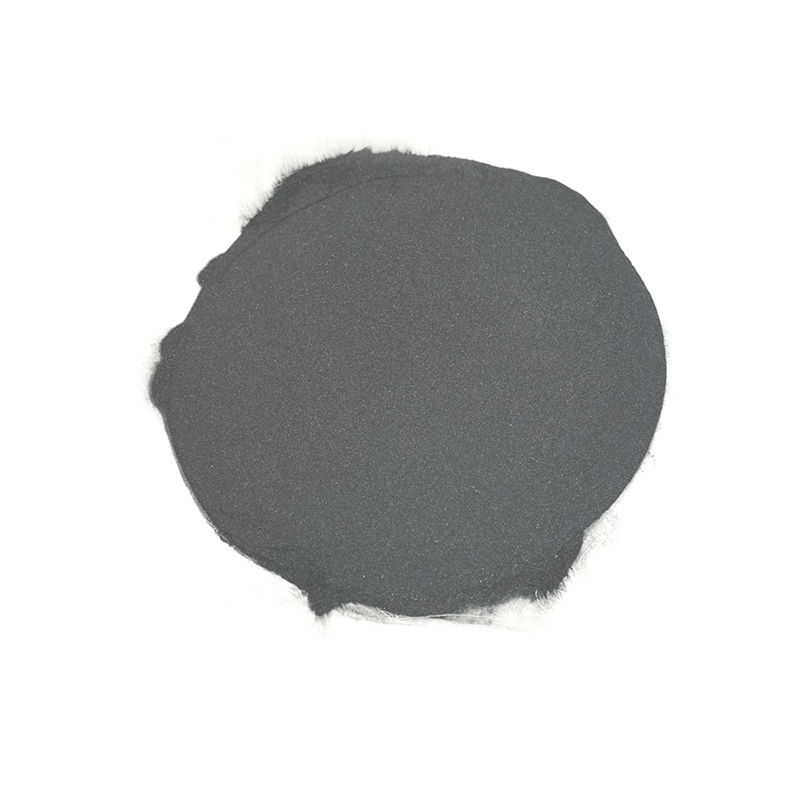
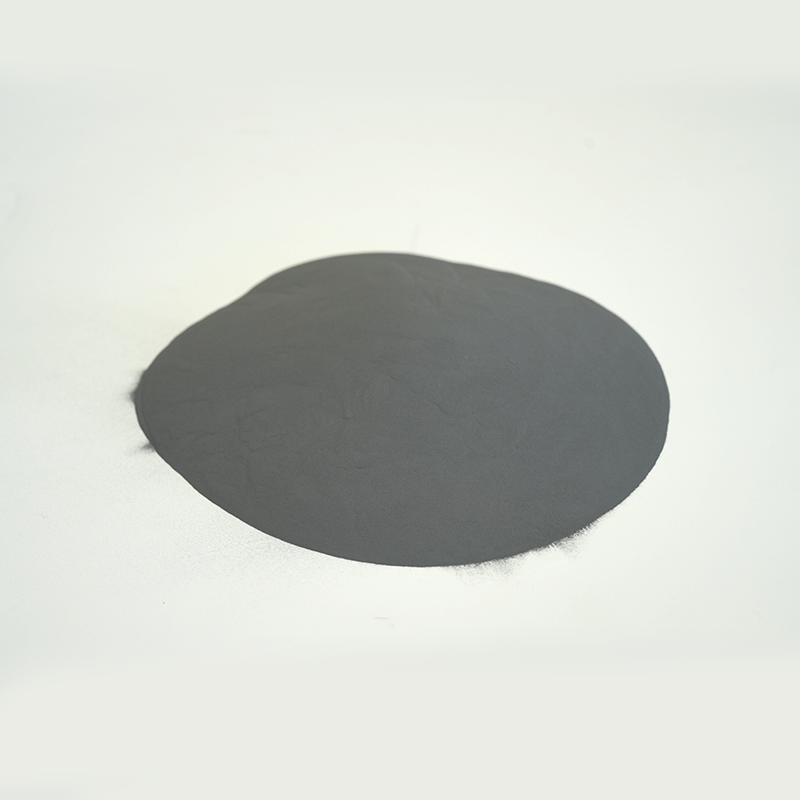
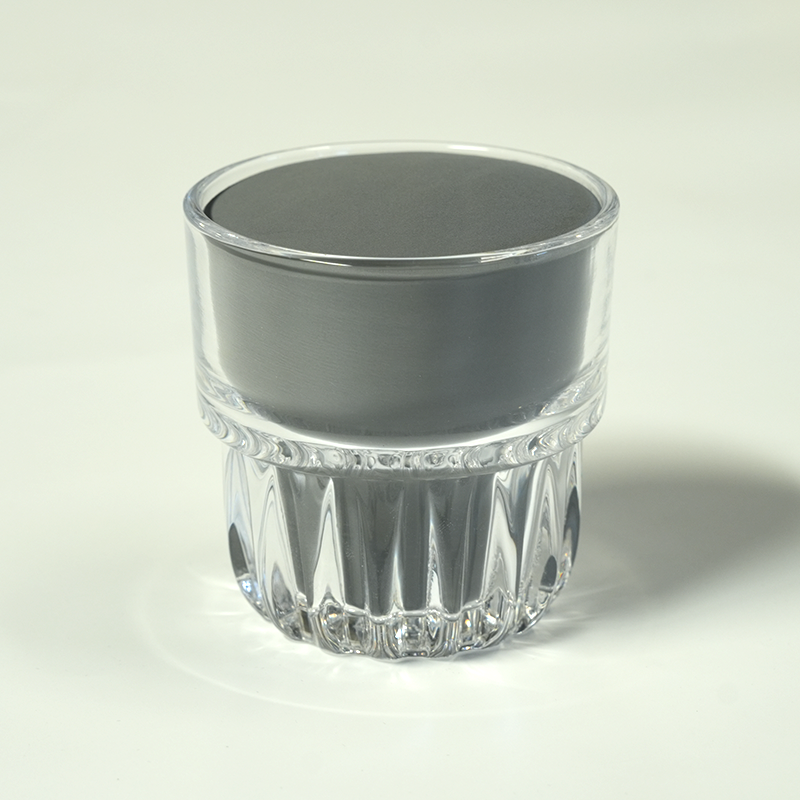
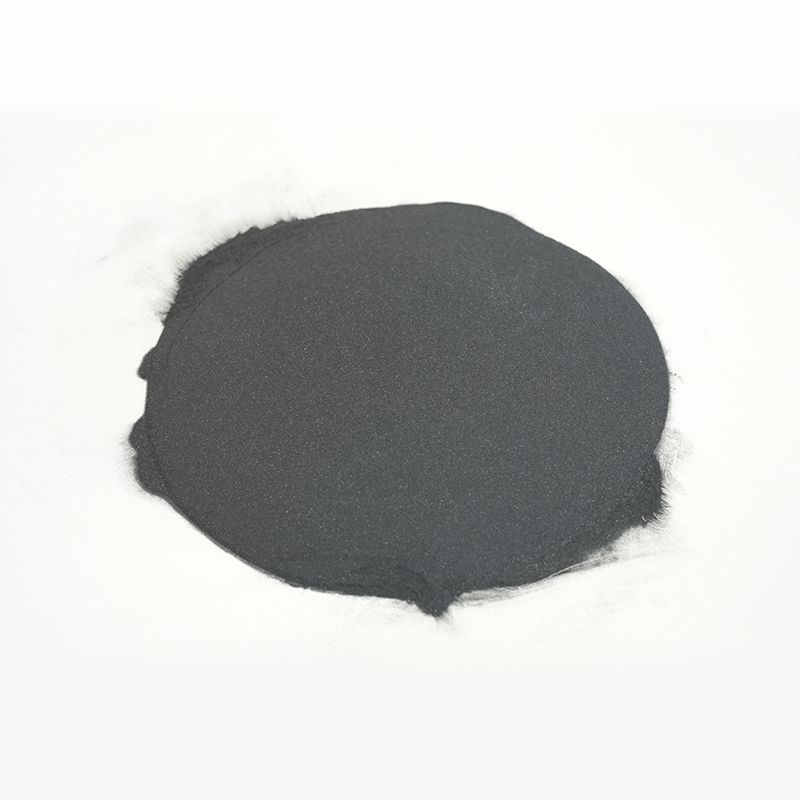
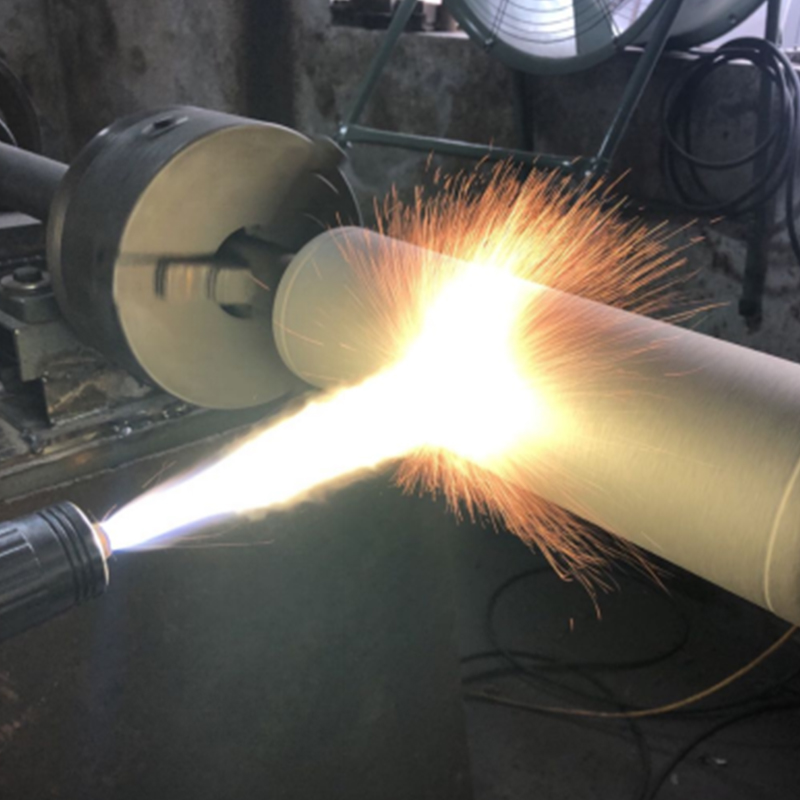
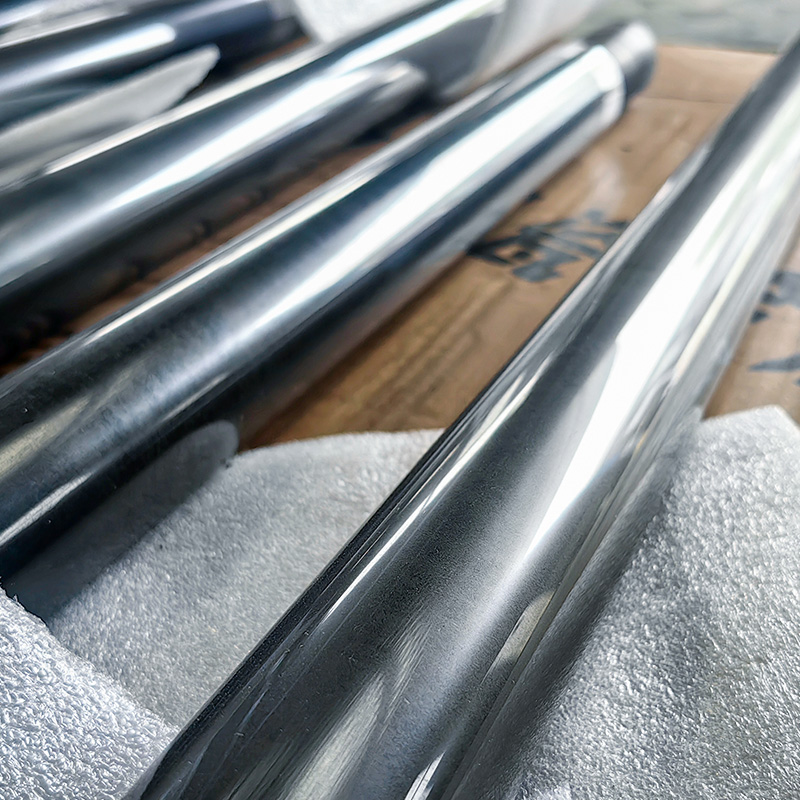
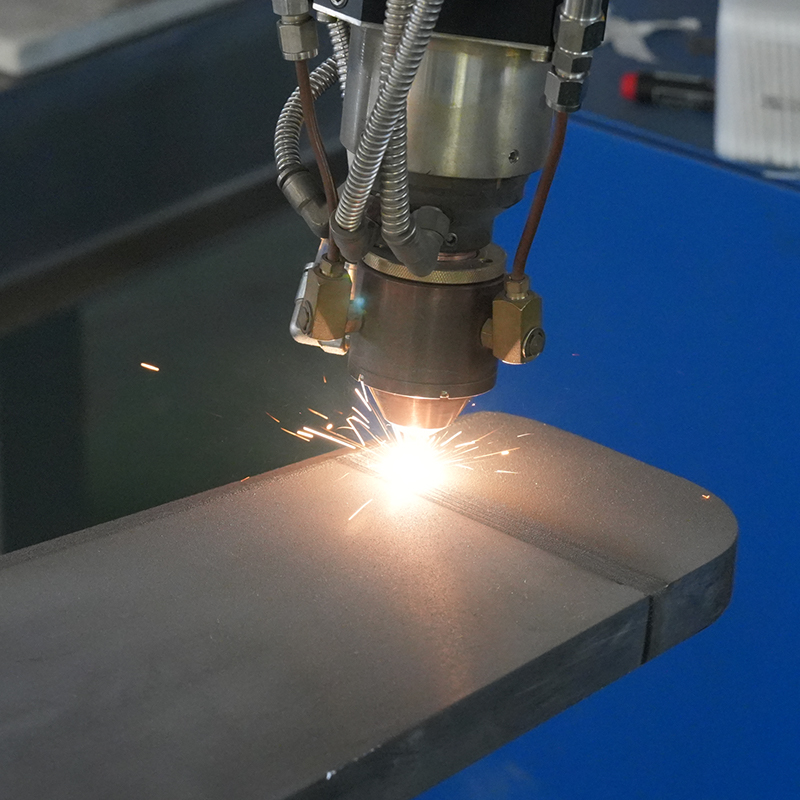
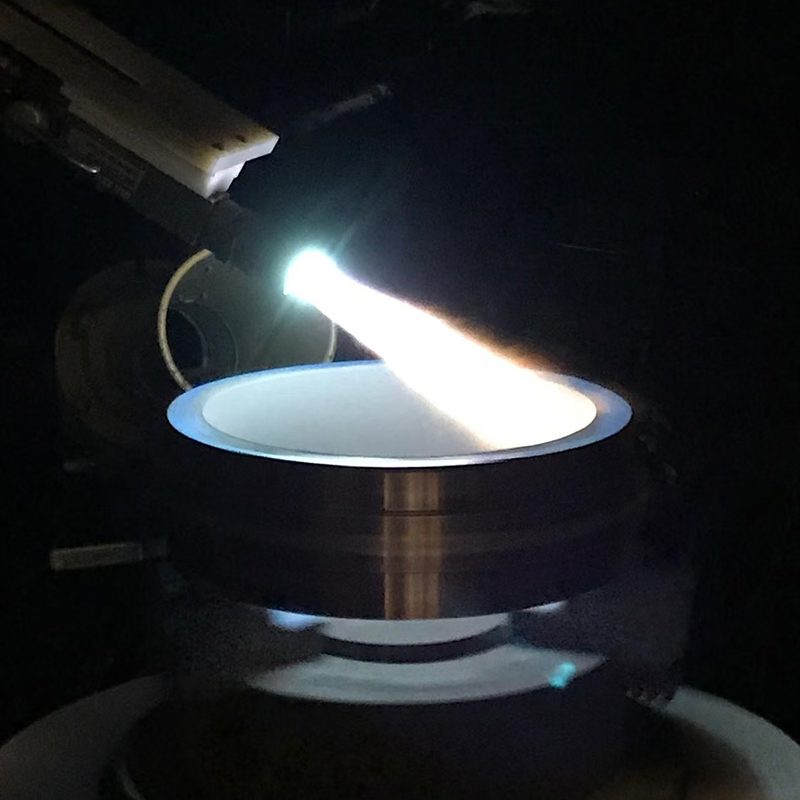
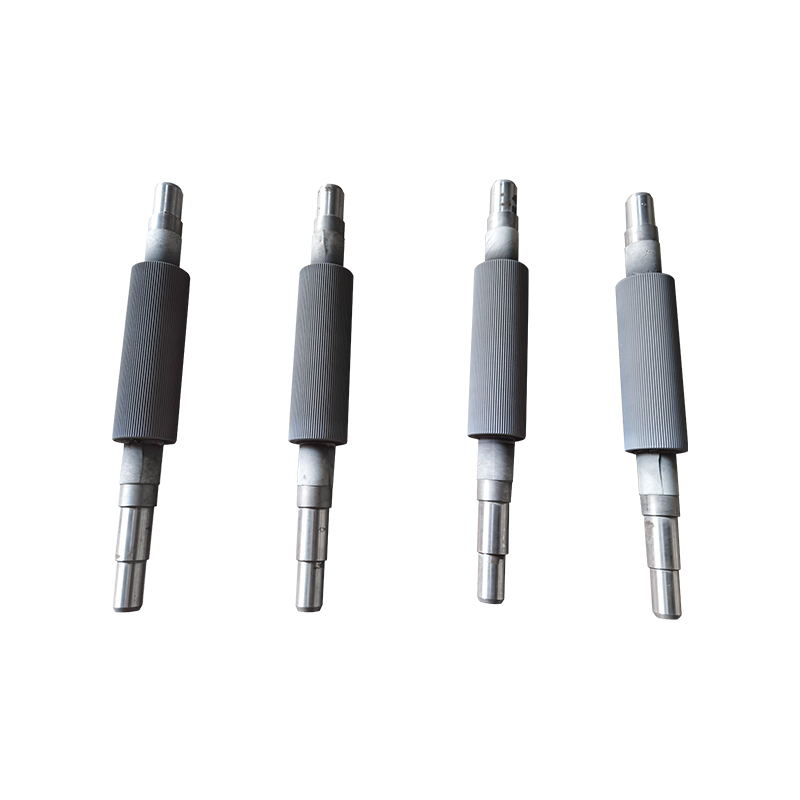
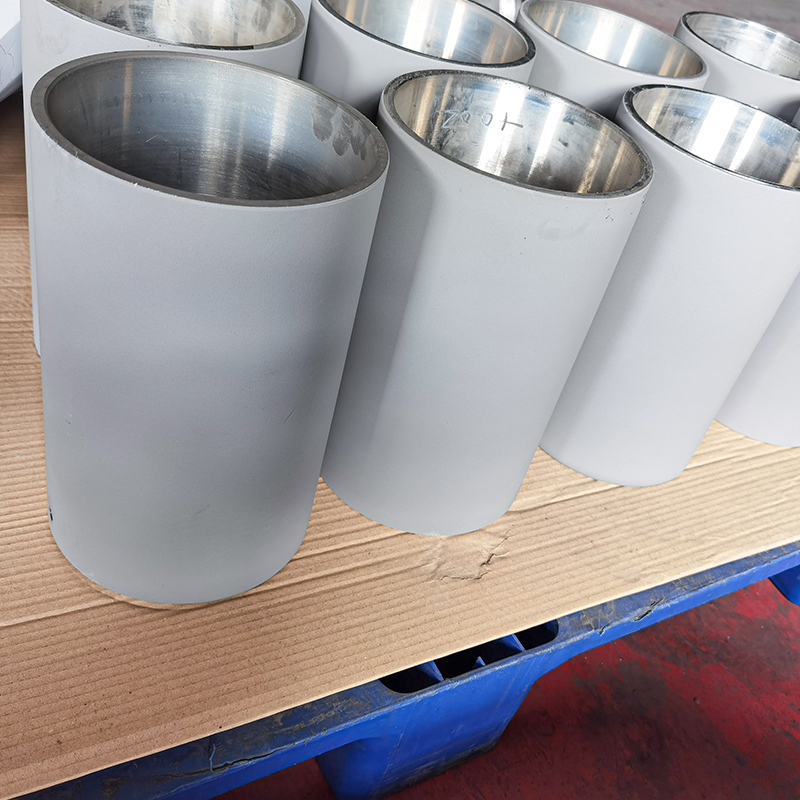
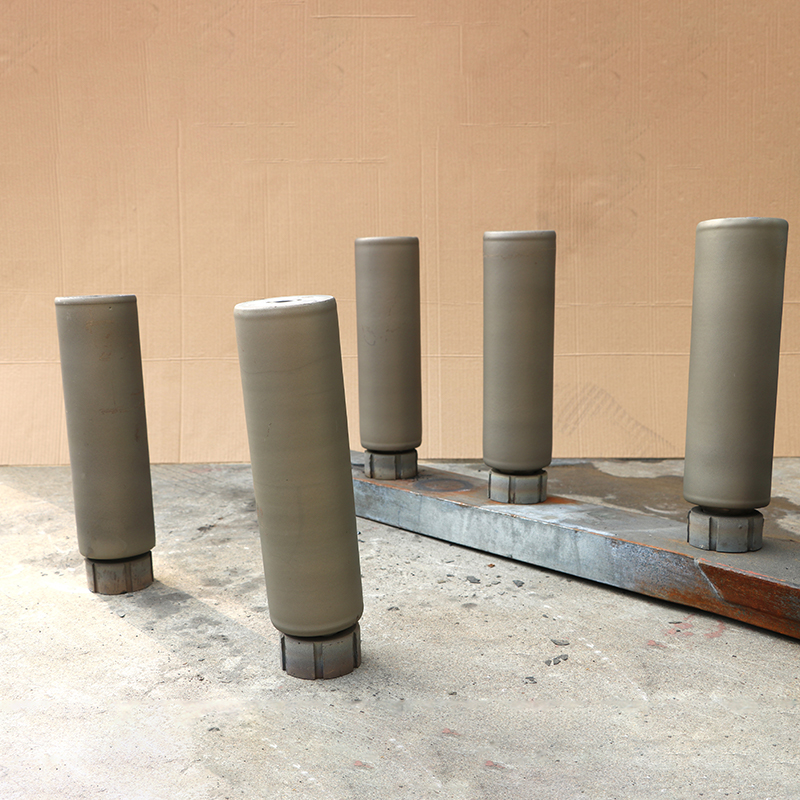
Jiangsu Crystal Additive Manufacturing Co., Ltd. is a Carbide Composite Powder manufacturer based in the Bianzhuang Industrial Concentration Zone, Jiangyan District, Jiangsu Province, China. We produce agglomerated and sintered composite powders in which tungsten carbide and chromium carbide grains are bonded with nickel, nickel-chromium or NiCrCo matrices, and we supply them for HVOF, HVAF, plasma and laser-based deposition.
The grades below are the working core of the range. Each one is defined by chemistry, carbide-to-binder ratio, particle size cut and intended spray process, so a coating can be matched to a component's wear mode, corrosive medium and temperature ceiling instead of a single hardness number.
Carbide Composite Powder: Range and Positioning
Composite carbide powder is not one material. Every grade pairs a hard phase — WC, Cr3C2 or a blend of the two — with a metallic binder that governs toughness, corrosion behaviour and the temperature the coating can survive. Our range covers the two families that dominate combined wear-and-corrosion service.
- Tungsten-carbide composites for maximum hardness and abrasion resistance in slurry, erosion and sliding wear.
- Chromium-carbide composites for elevated temperature, oxidising atmospheres and chemically aggressive media.
- Mixed WC / Cr3C2 systems that trade peak hardness for a wider corrosion and erosion window.
- Binder variants — Ni, Ni-Mo, NiCr and NiCrCo — selected against the actual service environment rather than the spray shop's default.
The full Carbide Powder family also includes thermal-spray grades and nickel-based tungsten carbide alloys, so a project can be supplied from one production base across several coating layers.
Standard Grades and Their Working Windows
All grades are supplied as agglomerated and sintered powder, which gives a dense, free-flowing particle with a stable carbide distribution through the binder. Nominal cuts are quoted as the retained fraction on the sieve pair shown.
| Grade |
Carbide / binder system |
Structure |
Nominal cut |
Process |
Service notes |
| WC-20Cr3C2-7Ni |
WC + Cr3C2, Ni binder |
Agglomerated and sintered |
-38/+10 µm, -45/+15 µm |
HVOF / HVAF |
750 °C ceiling; better corrosion and oxidation resistance than WC-Co |
| WC-21Cr3C2-6Ni |
WC + Cr3C2, Ni binder |
Agglomerated and sintered |
-45/+15 µm |
HVOF |
750 °C ceiling; corrosion and oxidation resistance above WC-Co |
| WC-20Cr3C2-8.5Ni-2.5Mo |
WC + Cr3C2, Ni-Mo binder |
Agglomerated and sintered |
-45/+15 µm |
HVOF / HVAF |
750 °C ceiling; specified where corrosion resistance governs |
| Cr3C2-37WC-18(NiCrCo) |
Cr3C2 with secondary WC, NiCrCo binder |
Agglomerated and sintered |
-38/+10 µm, -45/+15 µm |
HVOF / HVAF |
Medium-grain Cr3C2; corrosion and erosion resistance; hardness above GP25NC; hard-chrome replacement |
| Cr3C2-7WC-30(NiCr) |
Cr3C2 with secondary WC, NiCr binder |
Agglomerated and sintered |
-45/+15 µm |
HVOF / HVAF |
Medium-grain Cr3C2; corrosion and erosion resistance; hard-chrome replacement |
| WC-42CrC-16Ni |
Fine-grain WC with chromium carbide, Ni binder |
Agglomerated and sintered |
-45/+15 µm |
HVOF / HVAF |
750 °C ceiling; economical WC-Co-Cr alternative in specific industries; hard-chrome replacement |
Reading the Chemistry: Carbide Phase, Binder Phase, Service Limit
The carbide phase sets the hardness ceiling; the binder sets how much of that hardness survives in service. Chromium carbide is harder at temperature and resists oxidation far better than tungsten carbide, which is why the Cr3C2-rich grades hold up in oxidising and acidic conditions where a straight WC-Co coating would break down.
- Nickel binder — chemically stable, non-magnetic in many compositions, and the base for corrosion-led specifications.
- Nickel-chromium binder — adds high-temperature stability and resistance to hot corrosion and erosion.
- NiCrCo binder — used where thermal cycling and mechanical load act together.
- Molybdenum additions — raise corrosion resistance further in chloride-bearing and acidic service.
Where a coating replaces hard chrome plating, the Cr3C2-based grades are the usual starting point: they deliver comparable or higher coating hardness with a much lower environmental burden in the plating line. Where the dominant damage is coarse abrasion, the WC-rich grades remain the more economical choice.
Application Fit by Component and Operating Condition
These powders are specified for components that fail at the surface while the bulk material is still sound. The grade follows the damage mechanism, not the part name.
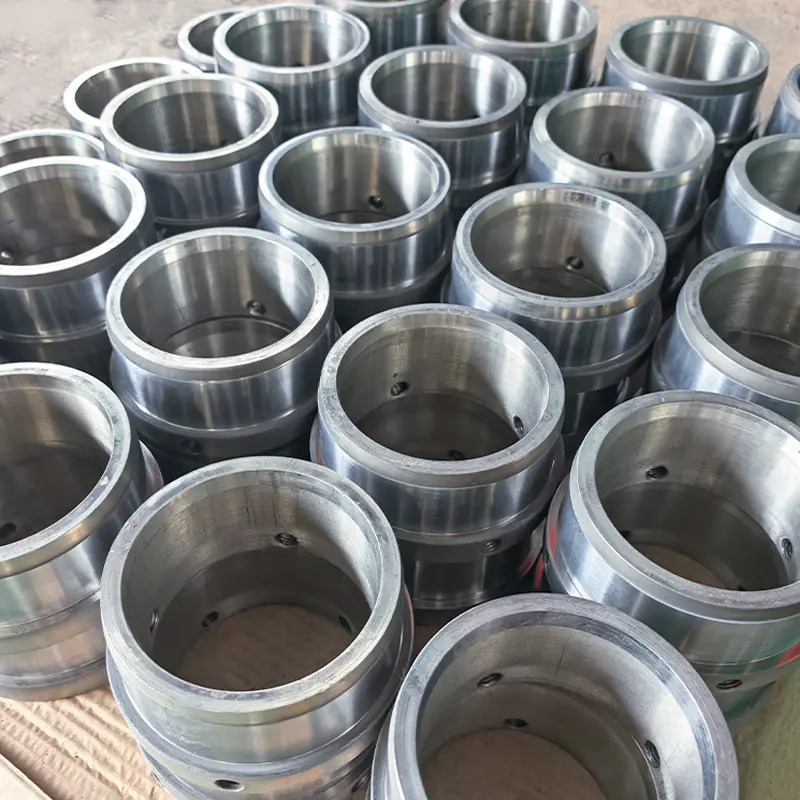
- Slurry and process pumps — plungers, sleeves, wear rings and impeller noses exposed to abrasive solids plus corrosive liquor.
- Rolling and paper machinery — laminar-flow rollers, guide rollers and drying cylinders where surface finish and wear life both matter.
- Valves and seats — gate, globe and control-trim surfaces in erosive or chemically active media.
- Drilling and mining tooling — stabilisers, drill collars and wear pads in abrasive, wet service.
- Hydraulic and piston rods — hard-chrome replacement on rods, rams and cylinders.
- High-temperature plant — fan blades, boiler tubes and exhaust components up to the 750 °C ceiling of the WC/Cr3C2 grades.
Where a component needs both a rebuild layer and a finishing layer, the composite grades can be paired with Tungsten Carbide Thermal Spray Powder or with a cobalt-alloy bond layer, and we will confirm which combination suits the substrate.
Particle Size, Morphology and Deposition Behaviour
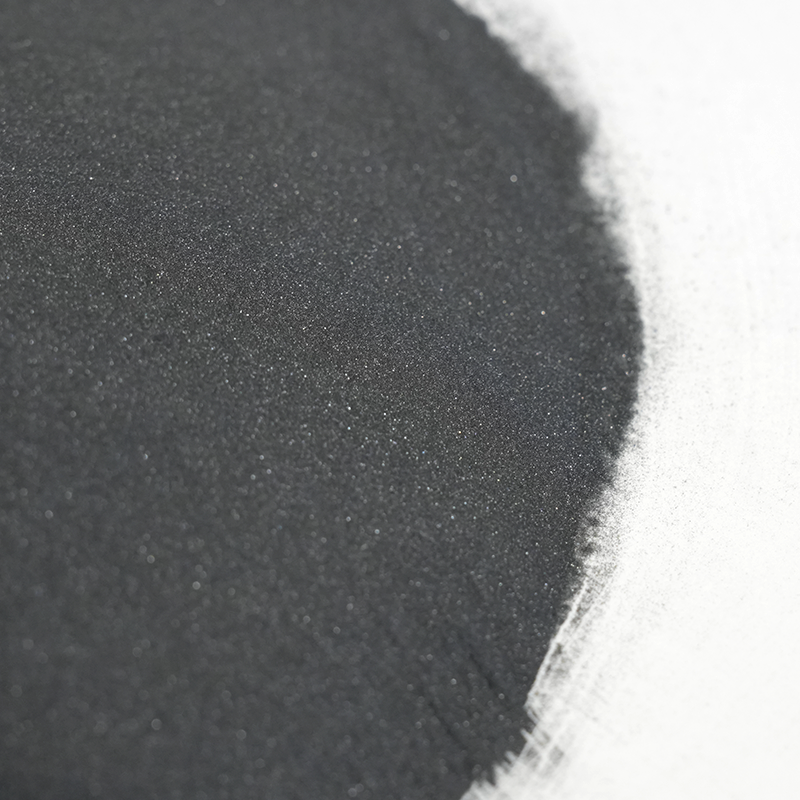
Agglomerated and sintered particles are spherical to sub-spherical and internally dense, so they feed steadily through a powder hopper and melt consistently in the flame. That consistency is what keeps coating porosity, oxide content and hardness stable from one shift to the next.
- -45/+15 µm — the general-purpose cut for HVOF and HVAF guns with standard barrel lengths.
- -38/+10 µm — finer cut for thinner, smoother coatings and for guns that require a tighter feed window.
- Cut selection is driven by gun type, powder feed rate, spray distance and the target coating thickness, not by the grade alone.
- Substrate preparation — degreasing, grit blasting to an angular profile and, where required, a bond layer before the composite layer is applied.
For laser-based routes, the same composite chemistries can be supplied in cuts matched to the powder feeder and track width, and we will confirm the working point with the customer before the batch is made.
Powder Production and Quality Control
Jiangsu Crystal Additive Manufacturing Co., Ltd. was established in 2010 and operates vacuum, gas-atomised and water-atomised powder production lines, giving an automated route from raw material to finished powder. Production management is established in line with ISO 9001/9002 requirements, and each customer batch is processed to the agreed chemical composition and particle size range.
- Chemical composition — verified by ICP and by carbon, sulphur, oxygen, nitrogen and hydrogen analysis.
- Particle size distribution — measured on a laser particle size analyser and cross-checked against the sieve cut.
- Morphology and internal defects — assessed by microscopy and industrial CT equipment.
- Mechanical data — tensile testing and modular and Vickers hardness instruments support coating and material evaluation.
Powder process testing runs alongside the material tests, so the batch record covers how the powder behaves in the feeder as well as what it is made of.
Configuration Options and Customization
Standard grades cover most wear and corrosion projects. When a component sits outside the usual window, we adjust the powder rather than force the component to accept an off-the-shelf grade.
- Chemistry adjustment — carbide-to-binder ratio, chromium carbide fraction and binder alloying within the composite system.
- Particle size cut — tightened or shifted to match the spray gun, feed system and coating thickness target.
- Binder selection — Ni, Ni-Mo, NiCr or NiCrCo, chosen against the corrosive medium and temperature.
- Pure metal additions — pure nickel, cobalt and copper powders are produced in-house for blends and for adjacent processes.
- Related systems — Cobalt Based Alloy Powder and nickel-based powders for bond layers, rebuild layers and hard-facing.
Information We Use to Configure Your Solution
A quotation is prepared against the working point, the material and the production target. The following inputs let us fix the grade, the cut and the batch documentation without a round of guesswork.
| Project input |
What it determines |
| Component type and base material |
Bond layer requirement, thermal expansion match and pre-treatment route |
| Dominant damage mechanism |
WC-rich versus Cr3C2-rich family, and binder alloying level |
| Service temperature and medium |
Grade ceiling, oxidation and corrosion resistance targets |
| Deposition process and equipment |
Particle size cut, flowability window and feed rate |
| Target coating thickness and finish |
Cut selection and, where relevant, post-coating machining allowance |
| Batch volume and packaging format |
Production scheduling, packing and incoming inspection planning |
| Documentation and acceptance criteria |
Certificate content, sampling plan and retained sample arrangement |
Documentation, Packaging and Project Handoff
Every batch is released against its own test record, and the paperwork travels with the powder so that incoming inspection and coating trials can be tied back to a single production lot.
- Batch certificate — chemical composition, particle size distribution and the test methods used.
- Traceability — lot identification that links the delivered powder to its production record.
- Packaging — sealed, moisture-protected packing; format, net weight and labelling are confirmed at order stage.
- Technical support — grade and cut confirmation, spray parameter guidance and troubleshooting during first-article coating trials.
- Documentation and training — material data and handling guidance for the spray shop, provided with the delivery scope agreed for the project.
For customers running their own coating lines, we also supply the same chemistries for laser cladding and hard-facing routes, so a repair workshop can standardise on one material source across processes.
Frequently Asked Questions
What is the difference between WC-based and Cr3C2-based composite carbide powder?
Tungsten-carbide grades deliver the highest hardness and are the first choice for coarse abrasion and sliding wear at moderate temperature. Chromium-carbide grades give up some peak hardness but hold their structure at temperature and resist oxidation and chemical attack far better, which is why they are used for hard-chrome replacement and for components in corrosive or hot service.
Which particle size cut suits HVOF and which suits HVAF?
Both -45/+15 µm and -38/+10 µm are supplied as agglomerated and sintered powder. The finer cut is normally chosen for thinner, smoother coatings and tighter gun feed windows; the coarser cut is the general-purpose choice for standard HVOF and HVAF barrels. Final selection follows the gun, feed rate and target thickness.
Can the chemistry or binder content be adjusted for a specific component?
Yes. Carbide-to-binder ratio, chromium carbide fraction and binder alloying can be adjusted within the composite system, and the particle size cut can be shifted to match the deposition equipment. Pure nickel, cobalt and copper powders are produced in-house for blends and for adjacent processes.
What information is needed to prepare a grade recommendation and quotation?
Component type and base material, the dominant damage mechanism, service temperature and medium, deposition process and equipment, target coating thickness and finish, batch volume, packaging format and the documentation or acceptance criteria the project requires. With those inputs we fix the grade, the cut and the batch record before production starts.
How is batch quality verified before shipment?
Chemical composition is checked by ICP and by carbon, sulphur, oxygen, nitrogen and hydrogen analysis; particle size distribution is measured on a laser particle size analyser; morphology and internal defects are examined by microscopy and industrial CT; and hardness and tensile data support material evaluation. Powder process testing confirms feeding behaviour alongside the material results.
What is the maximum service temperature of these coatings?
The WC/Cr3C2 grades in the range are rated to a maximum working temperature of 750 °C. Above that, grade selection shifts toward the chromium-carbide-rich systems, and the operating medium becomes the deciding factor rather than temperature alone.


 English
 русский
 عربى