English
 русский
 عربى
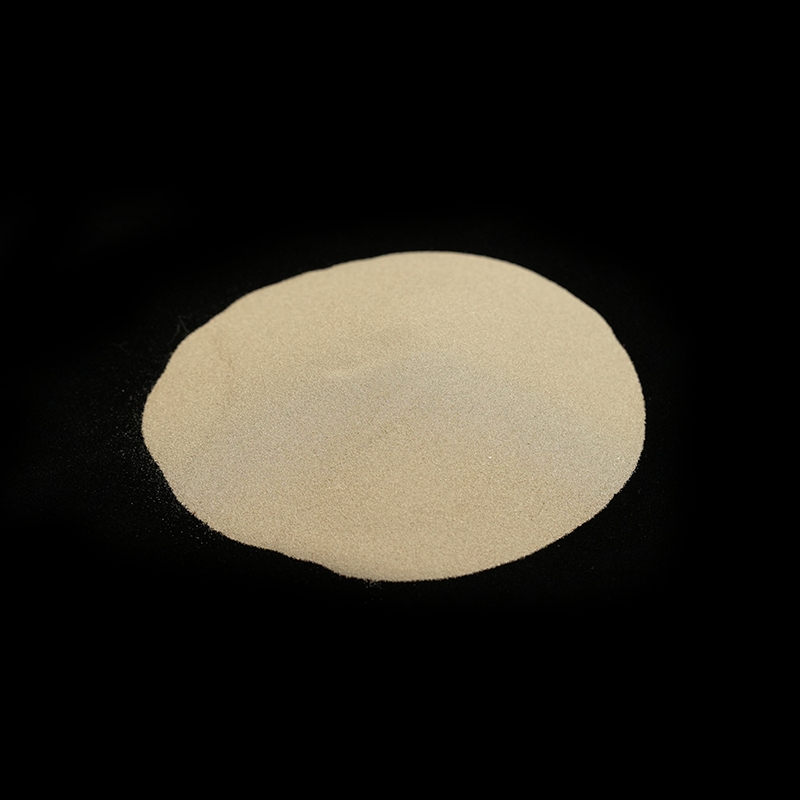
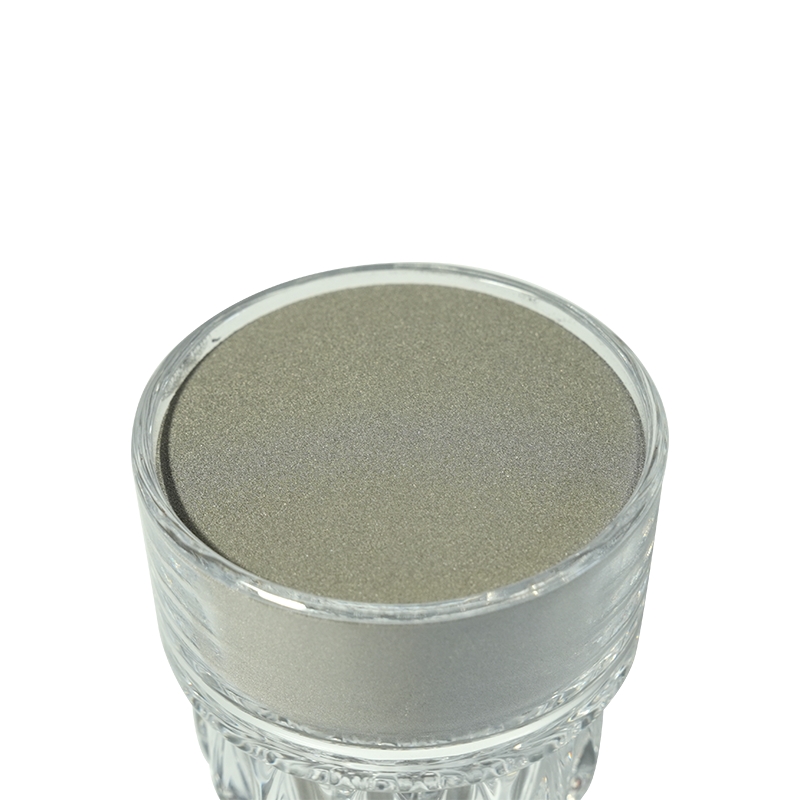
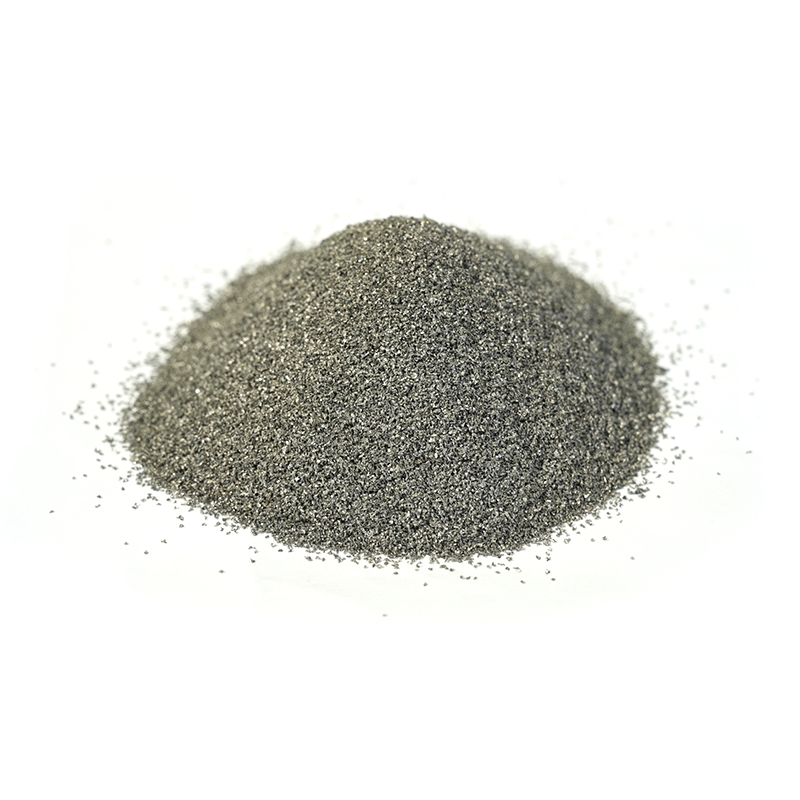
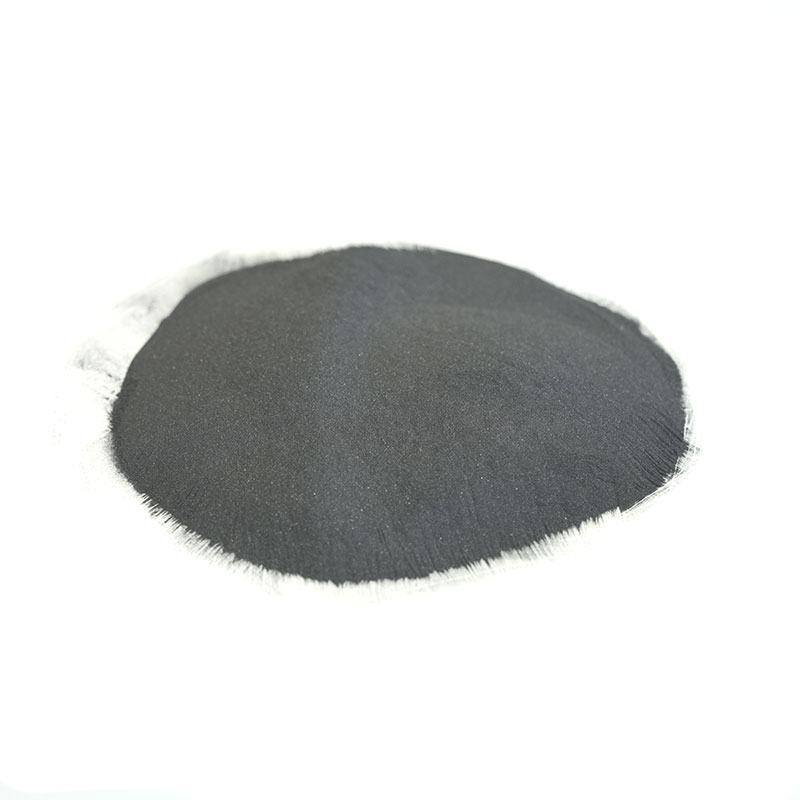
Alumina oxide powder, also called aluminum oxide or Al2O3, is one of those materials that quietly does heavy work across many industries. It gives polishing compounds their bite, adds wear resistance to thermal spray coatings, and forms the basis of technical ceramics that handle heat, abrasion, and chemical attack. In our experience working with industrial powders, the useful question is rarely "what is alumina?" It is "which alumina grade, phase, and particle size will behave well in this specific process?"
Content
What Is Alumina Oxide Powder?
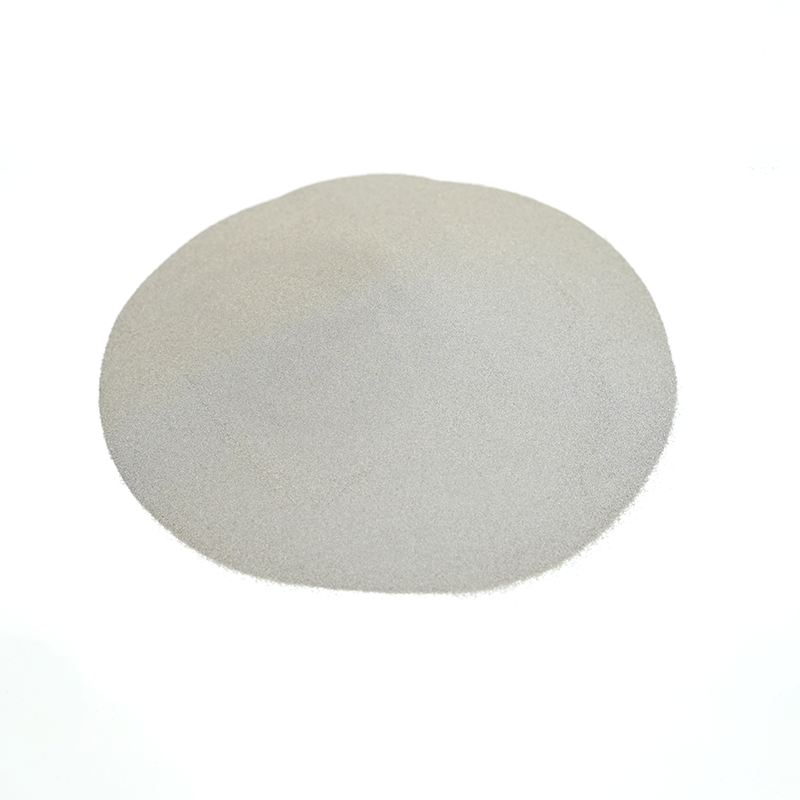
Alumina oxide powder is a finely divided ceramic material produced from aluminium oxide. It is not a single, uniform product. The term covers powders with different crystal phases, purities, particle size distributions, and surface areas. Alpha alumina, with its corundum structure, is the hard, stable phase most people mean when they talk about wear-resistant or polishing-grade alumina. Gamma alumina is more open in structure and is often used where higher surface area matters, such as catalyst supports or certain adsorption duties.
Because those phases behave differently, a powder that works well in a polishing slurry may be a poor choice for a plasma-sprayed coating. That is why reputable suppliers ask about the process first and the chemistry second. The same chemical formula can deliver very different results once particle shape, size cut, and purity are taken into account.
Key Properties That Drive Performance
When customers ask us to compare alumina powders, we usually walk through the same set of practical properties:
- Hardness: Alpha alumina sits around 9 on the Mohs scale, which explains its long use in abrasives and polishing.
- Thermal stability: Alumina holds its shape and strength at high temperatures, making it useful in refractories and wear coatings.
- Chemical inertness: It resists many acids, alkalis, and solvents, although performance depends on purity and phase.
- Electrical insulation: Dense, high-purity alumina is a common insulator in electrical and electronic components.
- Particle size and distribution: A tight cut gives more predictable polishing and coating results; a broad distribution can improve packing in some ceramic bodies.
- Purity: Trace soda, silica, or iron can matter in electronic, optical, or high-temperature applications.
None of these properties works alone. A hard powder with an uncontrolled particle size can scratch a precision surface. A high-purity powder with poor flow may be difficult to feed into a thermal spray gun. The right balance depends on the job.
How Alumina Powder Is Produced
Most alumina starts with bauxite refined through the Bayer process into aluminium hydroxide, which is then calcined to alumina. From there, producers tailor the powder. Calcination temperature influences crystal phase, crystallite size, and surface area. Milling and classification set the particle size distribution. Spray drying or granulation can improve flowability for thermal spray and press-ready ceramic bodies. Fused alumina takes a different route: alumina is melted and cooled, then crushed and graded, producing a dense, tough grain for abrasives and wear applications.
This is why two suppliers can offer "alumina oxide powder" with the same purity figure and still deliver different behavior in the plant. Production history leaves fingerprints on phase composition, particle shape, and surface chemistry.
Grades and Forms: A Practical Comparison
The table below is a starting point, not a specification sheet. Use it to narrow the conversation before requesting samples.
| Form or Grade | Typical Character | Common Uses |
|---|---|---|
| Fused alumina | Dense, tough, angular grains | Abrasives, wear linings, blasting media |
| Calcined alumina | Controlled crystal size and surface area | Refractories, ceramics, polishing |
| Tabular alumina | Coarse, dense, high thermal stability | Refractory shapes, kiln furniture |
| Reactive or high-purity alumina | Fine particle size, low soda | Technical ceramics, electronics, optical parts |
| Polishing-grade alumina | Narrow size cut, controlled slurry behavior | Precision polishing, semiconductor and optical finishing |
| Alumina-titania blends | Tougher coating structure than pure alumina | Thermal spray wear and corrosion protection |
Industrial Applications
Alumina powder earns its place in so many industries because it can be tuned. The same base material can be a fine polishing abrasive, a spray-grade feedstock, or a ceramic body former. These are the application areas we see most often.
Polishing and Surface Finishing
In polishing, alumina works as a gentle but effective abrasive. The goal is to remove material evenly without leaving deep scratches. Narrow particle size distribution matters here, and so does the choice of slurry chemistry. Calcined and specially classified grades are common for metal, glass, and optical components. A powder that is too coarse can cut faster but may leave a surface that requires extra finishing steps.
Thermal Spray and Ceramic Coatings
Alumina and alumina-titania powders are widely used in plasma spraying to build wear-resistant, electrically insulating, or corrosion-resistant coatings. Feedability, particle size cut, and phase composition all influence coating quality. In our experience, coating problems that look like equipment faults often trace back to powder flow or an overly broad size distribution.
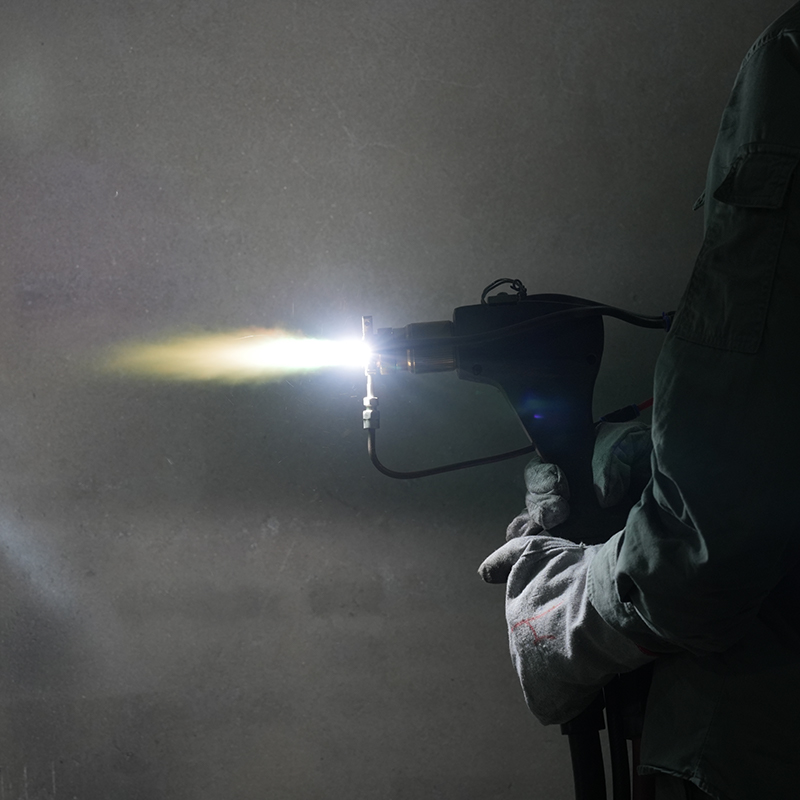 Plasma Ceramic Coating Service for Surface ProtectionA plasma-sprayed ceramic coating service for wear, corrosion, insulation, and high-temperature protection, useful when powder specification and coating requirements are discussed together.View Product →
If your team needs a coating partner as well as a powder source, it helps to discuss the substrate, surface preparation, and target coating thickness at the same time as the powder specification.
Technical Ceramics and Refractories
Alumina is a workhorse in technical ceramics: wear plates, seals, insulators, crucibles, and kiln furniture. Refractory producers use tabular and calcined grades where thermal shock resistance and hot strength matter. Reactive alumina helps control densification in advanced ceramic bodies, especially where low soda content is important.
Wear Parts and Ceramic Components
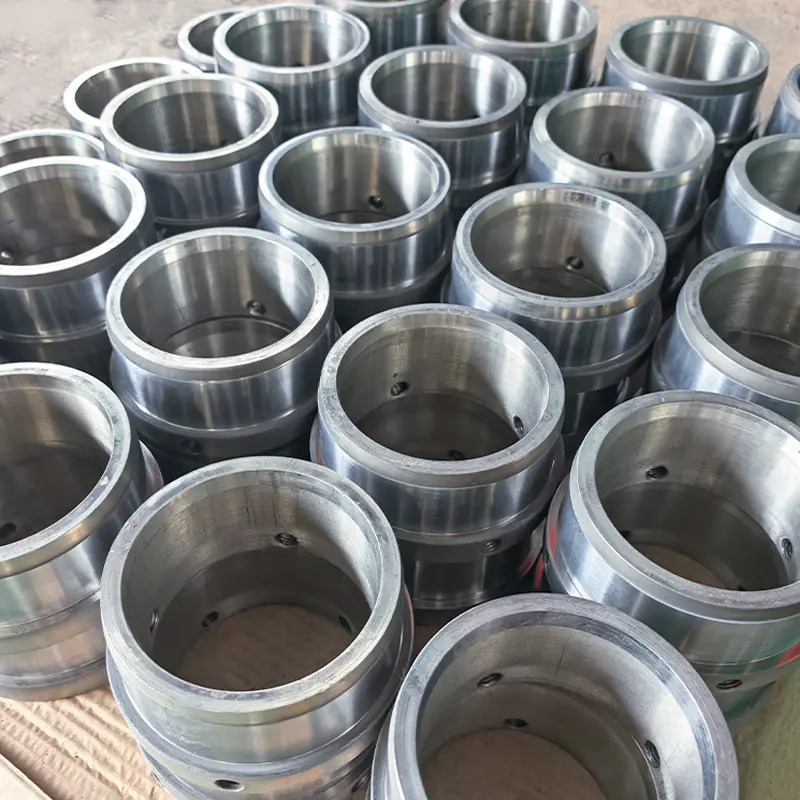
Alumina components are common in abrasive environments because they resist sliding wear and keep their shape. Shafts, sleeves, and liners can be made from alumina or alumina-based ceramics when metal parts wear too quickly.
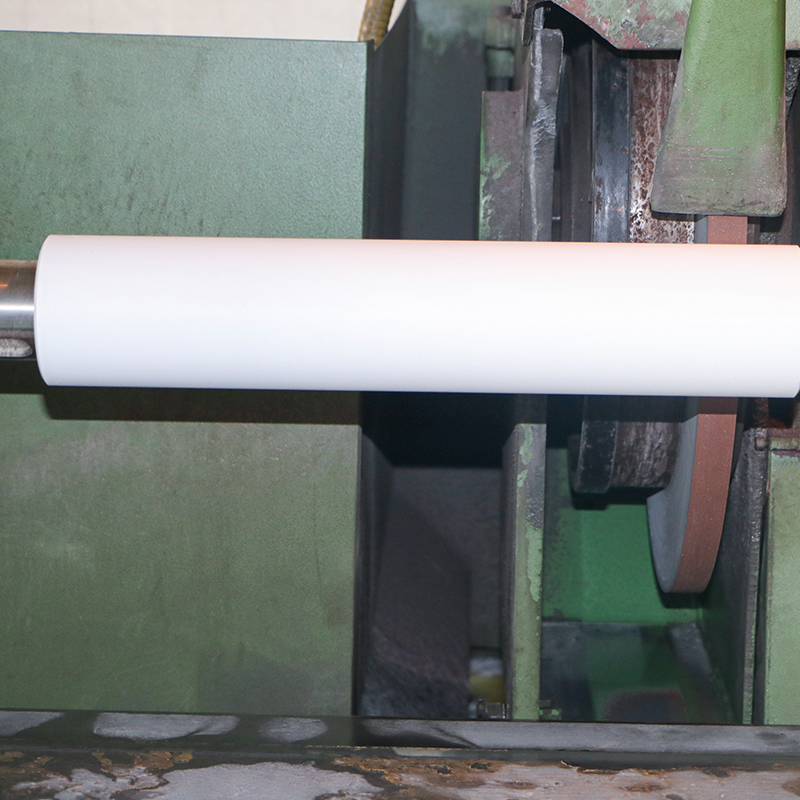 Customized Ceramic Shaft (Aluminum Oxide)Copyright © Jiangsu Crystal Additive Manufacturing Co., Ltd. All Rights Reserved. Ceramic Shaft (Aluminum Oxide) ServiceView Product →
That said, ceramic parts are not a drop-in replacement for every metal component. Design, fit, and loading conditions still need engineering review.
Choosing the Right Alumina Oxide Powder
Before requesting a quote, it helps to define the process window. We usually ask customers for six things:
- The application: polishing, thermal spray, refractory, ceramic body, or another use.
- The target particle size range and whether the cut needs to be tight.
- The required purity, especially soda, silica, and iron limits.
- The preferred crystal phase: alpha, gamma, or a blend.
- The feed method: slurry, dry powder, granulated feedstock, or press body.
- Any handling or safety constraints at the plant.
Small differences in these answers can change the recommendation. A polishing customer may need a closely classified alpha powder, while a thermal spray customer may need a spray-dried, flowable alumina-titania grade. If your process uses an alumina-titania blend rather than pure alumina, our ceramic powder range includes a dedicated grade that can be reviewed against your coating or wear requirements.
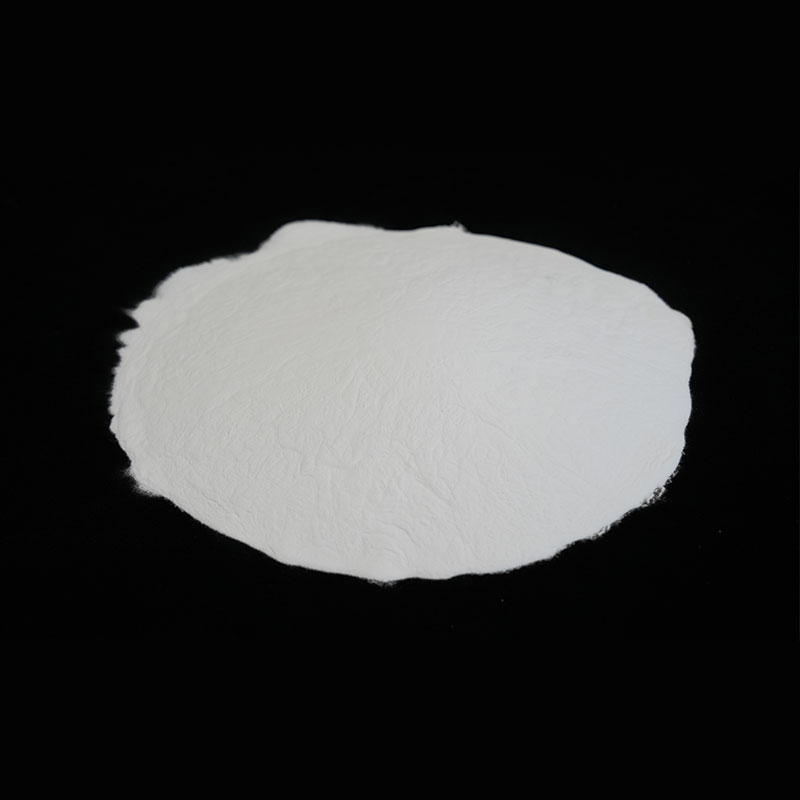 Alumina Titanium Oxide Powder GradesComposite Al₂O₃–TiO₂ powder in 3%, 13%, and 40% TiO₂ grades for plasma-sprayed wear, corrosion, and thermal-barrier applications.View Product →
We would rather ask a few extra questions than ship a powder that is technically alumina but practically wrong for the line.
Handling, Storage, and Safety
Alumina powder is generally stable, but it is still a fine dust. Avoid breathing airborne particles, use local exhaust ventilation, and follow the safety data sheet for the specific grade. Keep powders dry and sealed to prevent caking, and separate different size cuts to avoid cross-contamination. In polishing slurries, check pH and dispersant compatibility, because a slurry that settles quickly or agglomerates can ruin an otherwise good powder. For thermal spray feedstock, protect granulated powders from moisture and handle them gently to preserve flowability.
Working With a Powder Partner
Our own work sits at the intersection of powder production and surface engineering. We supply alloy and ceramic powders, and we also apply them through processes such as plasma ceramic coating and laser cladding. That practical view shapes how we talk about alumina oxide powder. We care about the specification, but we also care about how the powder behaves in the feeder, the slurry tank, or the press. You can see the processes we support in our application overview, and you can learn more about our background on our about page.
If you are comparing grades, bring the application details, not just the chemical formula. That is usually where the useful conversation starts.
Alumina oxide powder is a small material with a wide working range. From polishing precision surfaces to protecting industrial parts from wear, its value comes from matching phase, purity, and particle size to the job. The best place to start is not a generic data sheet but a clear description of the process and the result you need.