

 English
 русский
 عربى
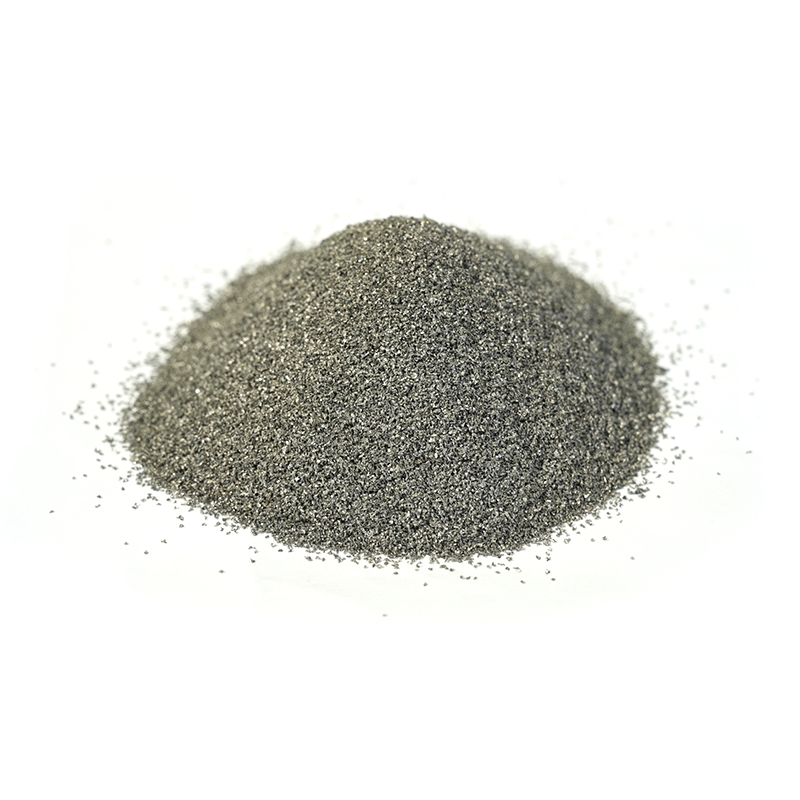


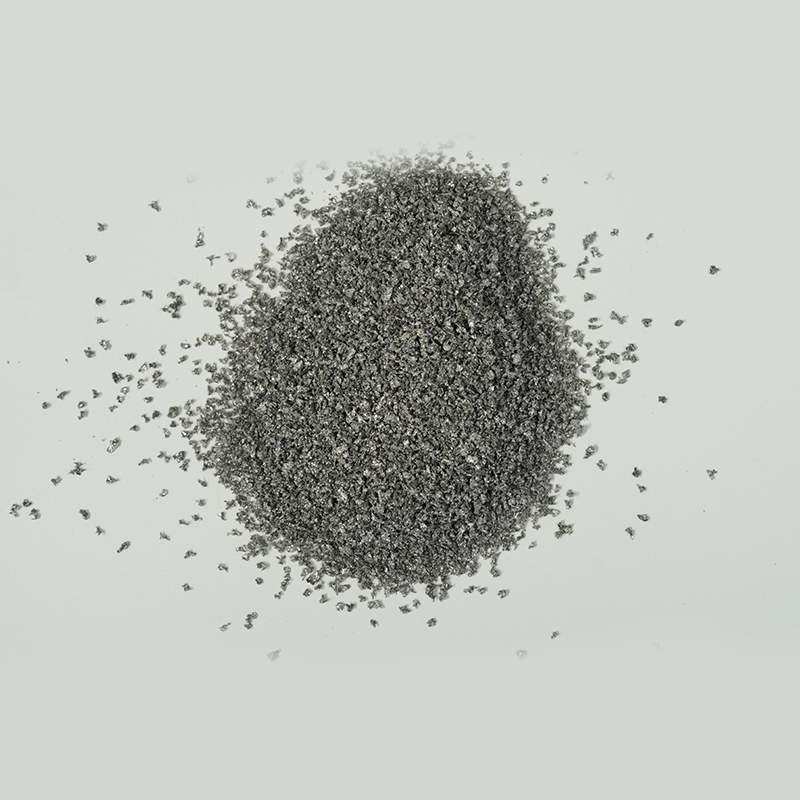


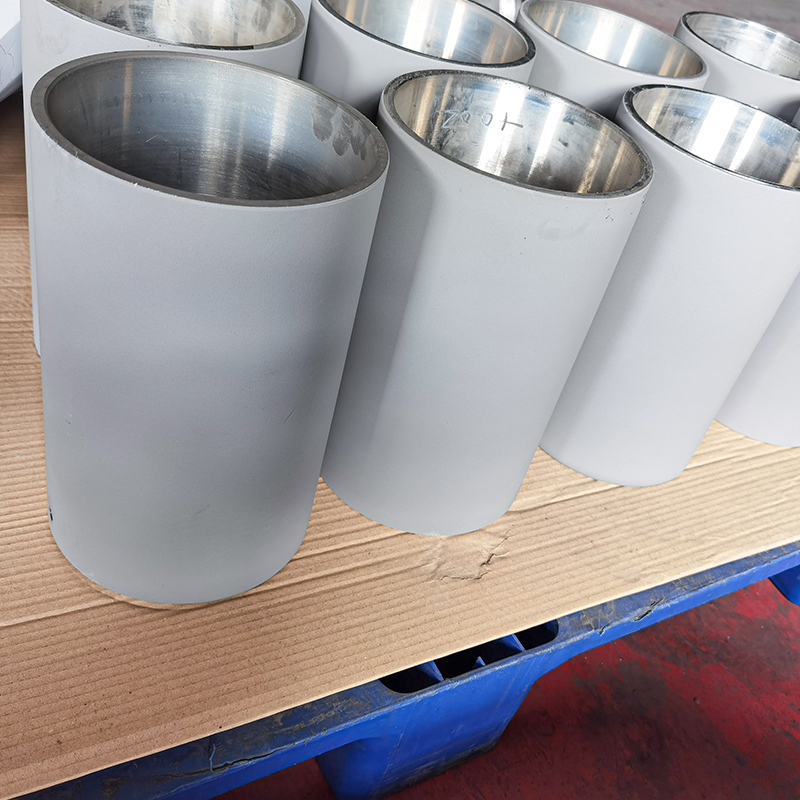
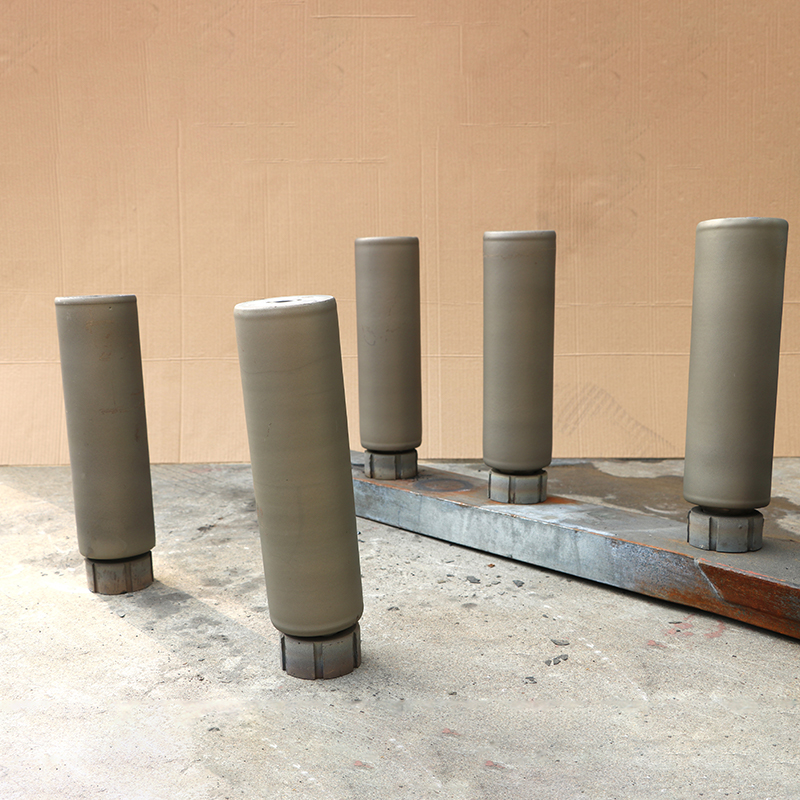
In the past, filter materials for synthetic fibers have always been made of alumina sand, metal mesh and other materials. At present, in order to improve spinning efficiency and produce higher quality fiber materials, the market has gradually adopted irregularly shaped metal sand filter sand to replace the original materials.
products
PROCESS TECHNOLOGY
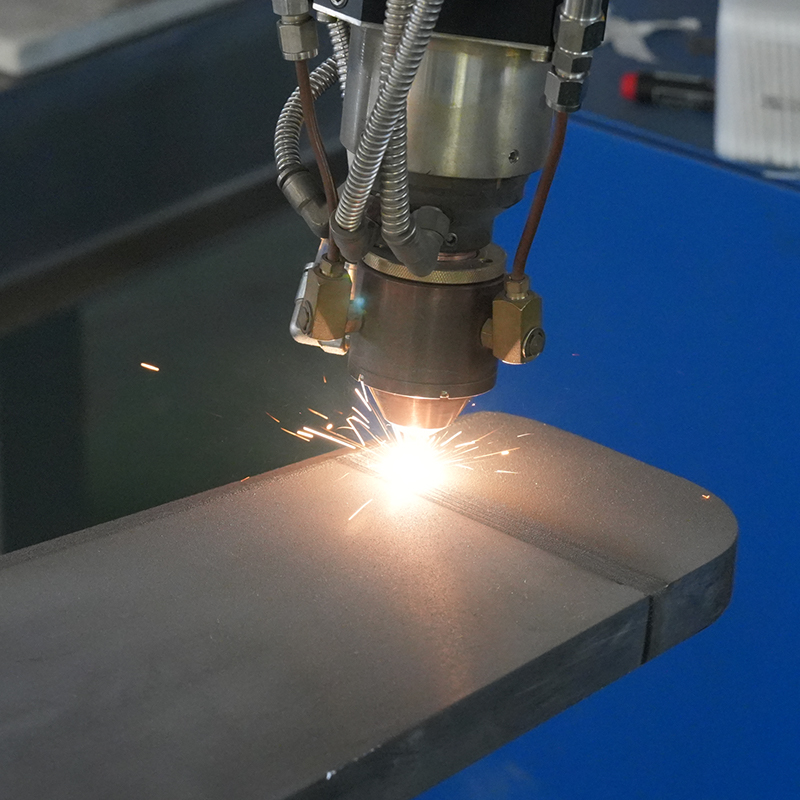
Alloy powder is a fine granular material composed of
two or more metallic elements. They are widely used in various industries and
have many unique characteristics and advantages.
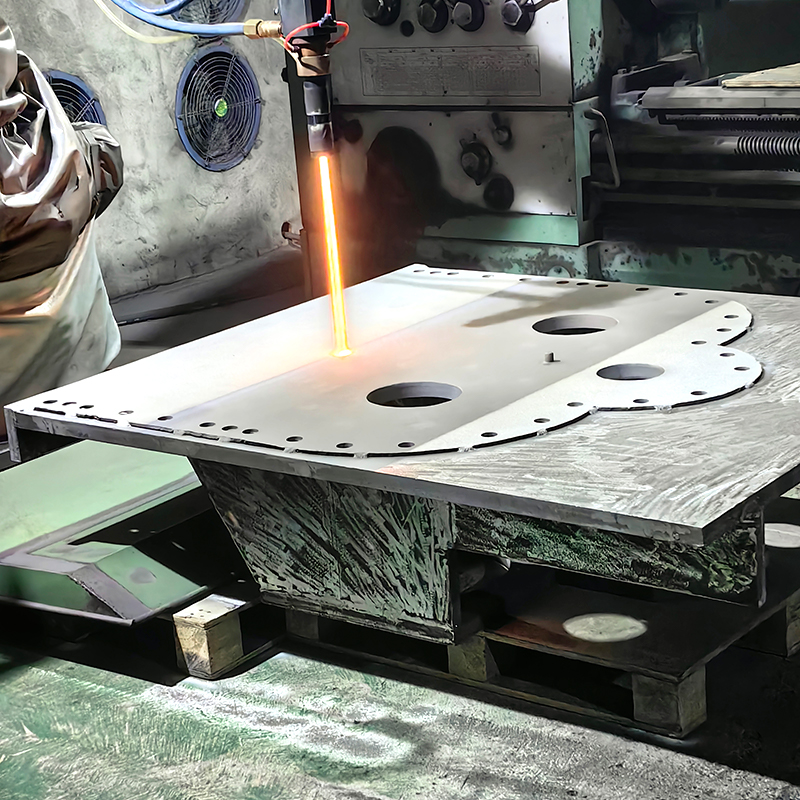
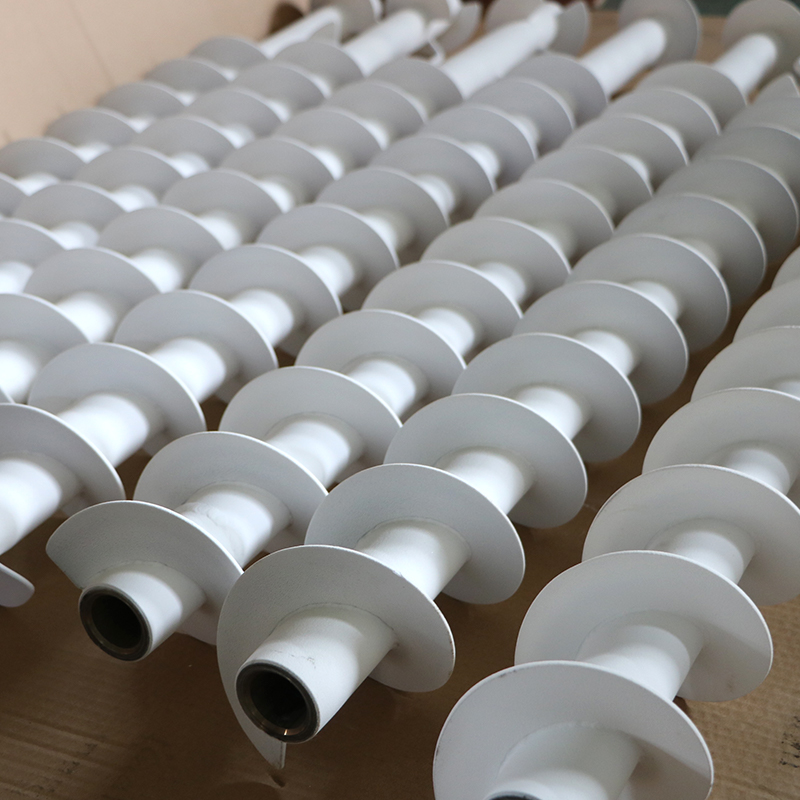
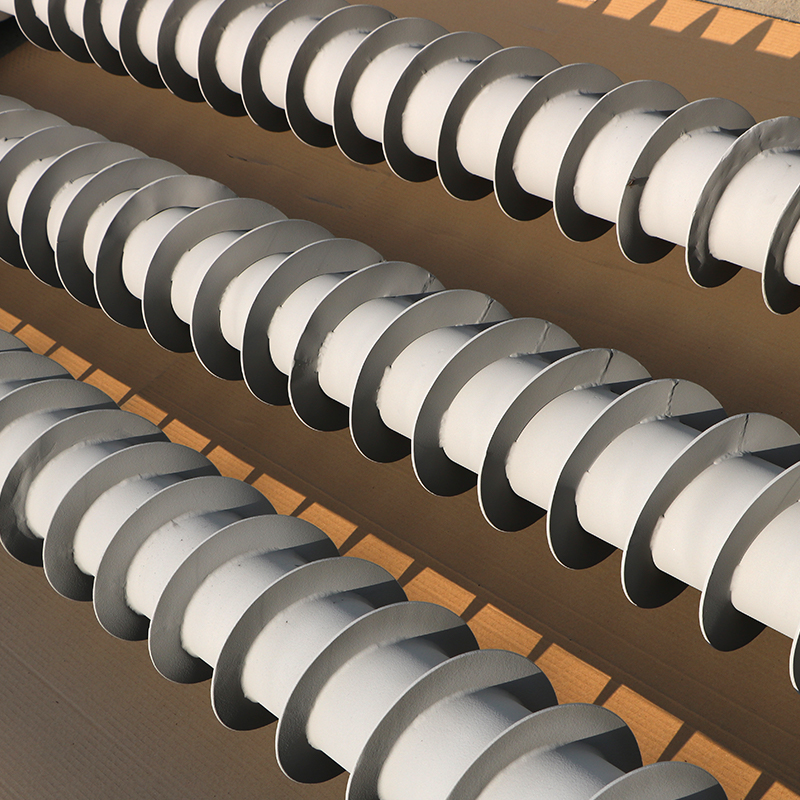
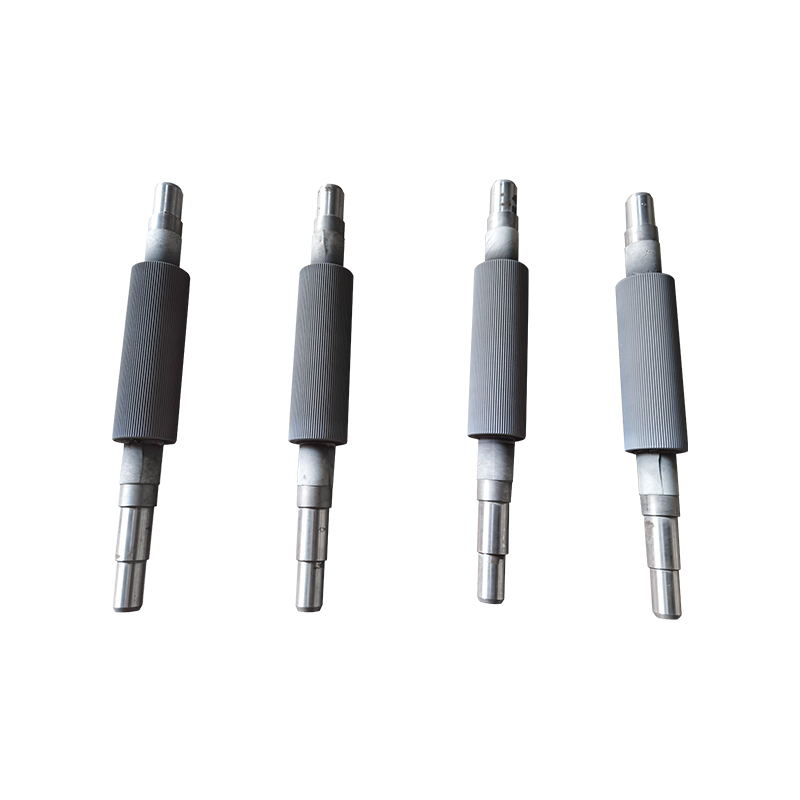
ABOUT US
JIANGSU CRYSTAL ADDITIVE
MANUFACTURING CO., LTD.
As Metal Powders For Filtration Manufacturers and Custom Metal Powders For Filtration Factory, Jiangsu Crystal Additive Manufacturing Co., Ltd. specializes in R&D,
production and sales of various types of (cobalt-based, nickel-based,
copper-based, iron-based, high-temperature alloy and composite tungsten
carbide powder) alloy powders that can be used in various application
processes.
Powder, (can be customized pure nickel powder, pure cobalt powder, pure copper powder, etc.) metal powder.
We are always committed to developing and producing various high-performance alloy materials for harsh environments, providing customers with high-strength, wear-resistant, corrosion-resistant and high-temperature-resistant alloy powders.
Corporate Promotional Video

WAS FOUNDED IN
News
-
Industry News 2026-11-04
Alumina oxide powder, also called aluminum oxide or Al2O3, is one of those materials that quietly does heavy work across many industries. It gives polishing compounds their bite, adds wear resistance to thermal spray co...
View More -
Industry News 2026-10-26
Anyone who has spent years standing next to a powder bed will tell you the same thing: the machine gets the attention, but the powder decides the outcome. Additive manufacturing powders are not a commodity filler — they...
View More -
Industry News 2026-10-19
Additive manufacturing powder looks simple from a distance: fine metal particles, a hopper, a build plate, and a finished part. Up close, it is a carefully controlled engineering material. Particle shape, size distribut...
View More
Product Knowledge
Jiangsu Crystal Additive Manufacturing Co., Ltd. produces filtration-grade metal powders — irregularly shaped metal sand used as filter media in synthetic fiber spinning packs and polymer melt filtration. From our plant in the Jiangyan District of Jiangsu Province we supply nickel-based, cobalt-based, iron-based, copper-based and composite tungsten carbide powders, together with custom pure nickel, pure cobalt and pure copper powders, for filtration, thermal spray, laser cladding and powder metallurgy processes.
Product focus: irregular-shaped metal sand that replaces alumina sand and metal mesh in chemical fiber filtration packs, produced to the cut, chemistry and fill weight the spinning line requires.
Metal Sand as Filter Media in Synthetic Fiber Spinning
Filter media sits behind the spinneret inside the spinning pack, removing gels, agglomerates, undispersed particles and inorganic contaminants before the polymer reaches the capillary. Alumina sand and woven metal mesh carried that duty for decades. As Metal Powders For Filtration Manufacturers, we produce the irregular-shaped metal sand that has progressively replaced both.
The change follows spinning economics rather than fashion. Irregular particles interlock into a stable bed with a controlled void structure, so a given pack volume can hold a finer filtration rating without an unacceptable rise in pressure. More consistent filament quality and fewer breaks follow from that stability.
Comparing Filtration Media for Spinning Packs
| Media | Structure | Behaviour in the pack | Where it fits |
|---|---|---|---|
| Alumina sand | Granular ceramic grains | Low cost, but grains can fracture and release fines; limited thermal conductivity | Legacy packs, coarse filtration, low-value polymer streams |
| Woven metal mesh | Regular woven screen with defined aperture | High permeability and easy cleaning, but the rating is fixed by the weave and depth filtration is limited | Protection screens, support layers, cleanable assemblies |
| Irregular metal sand | Angular metal particles forming an interlocking bed | Stable void structure, depth filtration, good thermal conductivity, cleanable by thermal removal of polymer residue | Fine filtration in polyester, polyamide and other melt-spun lines |
Alloy Systems We Produce for Filtration Service
| Powder family | Role in filtration and related processes | Selection notes |
|---|---|---|
| Nickel-based alloy powder | Filter sand for spinning packs; matrix for corrosion and wear-resistant coatings | High-temperature stability and corrosion resistance in polymer melts |
| Cobalt-based alloy powder | Filtration media for hot, abrasive or chemically aggressive service | Retains hardness at elevated temperature |
| Iron-based alloy powder | Cost-effective filter sand and hardfacing matrix | Suited to less corrosive melts and general wear duty |
| Copper-based alloy powder | Filtration media and thermally conductive applications | High thermal conductivity and predictable packing behaviour |
| Pure nickel, cobalt and copper powder | Custom chemistry filter media and feedstock blends | Chemistry controlled to the customer's specification |
| Nickel-based tungsten carbide composite powder | Filtration and wear parts requiring carbide hardness | Carbide phase raises hardness and erosion resistance |
Specification Variables That Decide Filtration Behaviour
- Particle size distribution and cut point — the classified cut sets the nominal filtration fineness and the pressure the bed develops.
- Morphology — angular, irregular particles interlock and build depth filtration; spherical particles flow more freely and pack differently.
- Apparent and tap density — determines how much powder a fixed pack volume holds and how the bed settles under flow.
- Oxygen content — low oxygen supports clean melting behaviour and reduces oxide inclusions reaching the polymer stream.
- Chemistry and corrosion resistance — nickel and cobalt systems resist attack in hot polymer; iron systems cover less aggressive duty.
- Surface condition and fines level — controlled surface oxide and a low fine fraction keep extractables and pressure spikes under control.
- Flowability — matters for automated filling and for reproducible pack-to-pack weight.
How the Powder Is Made and Why Morphology Matters
We run three powder production routes — vacuum atomization, gas (aerosol) atomization and water atomization — followed by screening, classification and drying. Each route leaves a different particle signature, and the route is chosen from the process the powder has to serve.
- Water atomization — high-pressure water breaks the melt into droplets that solidify quickly, giving the irregular, angular particles used as filtration sand.
- Gas atomization — inert gas atomization produces spherical and sub-spherical particles with good flowability for thermal spray, laser cladding and additive manufacturing.
- Vacuum atomization — melting and atomization under vacuum or gas protection keeps oxygen and nitrogen pickup low.
- Classification — cyclone separation and screening set the particle size distribution and strip out the fine fraction that would blind a pack.
Quality Control and Batch Documentation
Production is managed under an ISO 9001-based quality system, with chemical composition and particle size range controlled to the customer's specification for every batch. Test values are recorded against the production batch so the delivered lot can be traced to its analysis.
- Chemical composition by ICP and wet analysis
- Oxygen, nitrogen and hydrogen by inert gas fusion
- Carbon and sulphur analysis
- Particle size distribution by laser diffraction and sieve analysis
- Apparent density, tap density and flow rate
- Hardness testing on consolidated samples
- Industrial CT for internal defect checks
Loading, Sealing and Change-Out Practice
- Fill weight — the pack is charged by weight rather than volume; we confirm the weight that matches the target bed depth.
- Settling — tapping or vibration during filling gives a reproducible bed and avoids later compaction under flow.
- Support and retention — a support screen or sintered plate below the bed and a retention layer above keep the media in position.
- Sealing — the pack seal, not the powder, usually sets bypass risk, so the media cut has to match the housing geometry.
- Differential pressure — start-up pressure and the rate of rise define the change-out point.
- Cleaning — metal sand beds can be cleaned by thermal removal of polymer residue where the housing allows it.
Information We Use to Configure Your Solution
A quotation is built from the working point, not from a catalogue number. These are the inputs that let us fix chemistry, cut, fill weight and packaging.
- Polymer type and melt temperature
- Target filtration fineness and maximum allowable pressure drop
- Pack geometry, bed depth and fill volume
- Current media and the reason for the change
- Alloy system preference or the corrosion environment
- Particle size cut and acceptable fines level
- Oxygen or inclusion limits
- Annual volume and delivery schedule
- Packaging format and unit weight
- Documentation and labelling requirements
Customization, Packaging and Delivery Scope
Beyond the standard filtration grades we produce custom pure nickel, pure cobalt and pure copper powders, blended chemistries and customer-specific particle size cuts. Related alloy systems for coating and cladding duty include Nickel Based Metal Powder, Cobalt Based Alloy Powder and Copper Based Alloy Powder.
- Packaging format and unit weight agreed at order
- Batch labelling with grade, cut, weight and analysis reference
- Palletised or loose-loaded delivery to the customer's forwarder
- Documentation package matched to the customer's incoming inspection routine
Frequently Asked Questions
What particle size do you supply for filtration metal sand?
We produce to the cut the pack design calls for, from coarse support grades to fine filtration cuts, with the distribution set by screening and classification. The right cut balances filtration fineness against the pressure drop the spinning line can tolerate, so we confirm it against the pack geometry and melt conditions.
Can you supply pure metal powders instead of alloys?
Yes. Pure nickel, pure cobalt and pure copper powders are produced to customer chemistry, alongside nickel-based, cobalt-based, iron-based and copper-based alloy powders and composite tungsten carbide grades.
How is each batch tested before shipment?
Chemical composition is checked by ICP, oxygen, nitrogen and hydrogen by inert gas fusion, and carbon and sulphur by combustion analysis. Particle size is measured by laser diffraction and sieve, density and flow are recorded, and hardness is tested on consolidated samples. Industrial CT is available for internal defect checks.
Which alloy system suits high-temperature polymer filtration?
Nickel-based and cobalt-based systems are the usual choice where the melt is hot and chemically aggressive. Iron-based grades cover less corrosive duty at lower cost, and copper-based grades bring thermal conductivity into the pack.
What do you need to prepare a quotation?
Polymer type, melt temperature, target filtration fineness, allowable pressure drop, pack geometry and fill volume, preferred alloy system, particle size cut, annual volume, packaging format and any documentation requirements.
Do you support custom cuts and blended chemistries?
Yes — custom particle size cuts, blended chemistries and pure metal powders are produced to specification, with the analysis recorded against the batch.


