

 English
 русский
 عربى
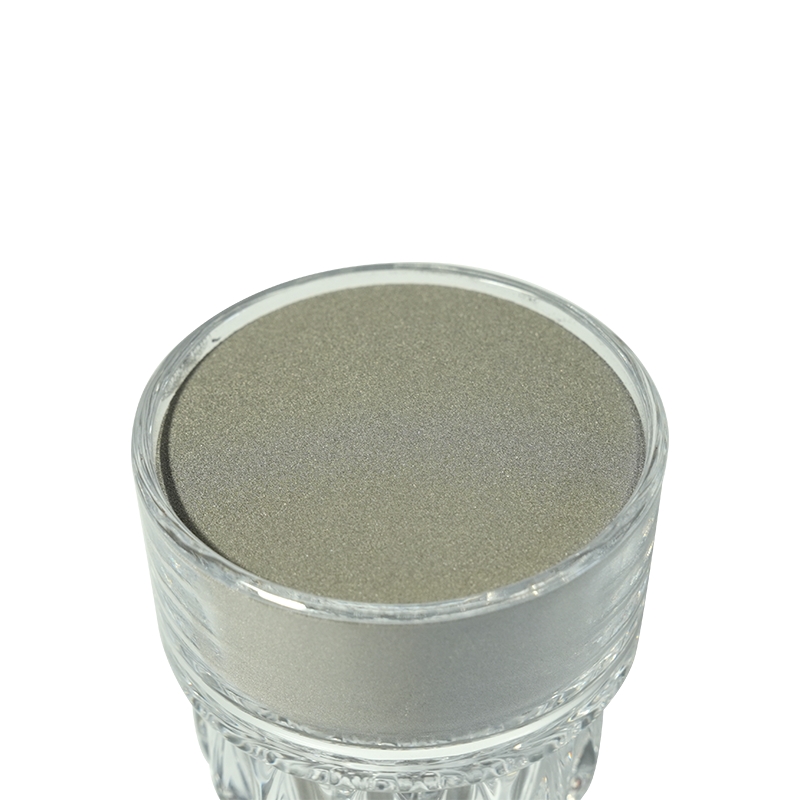

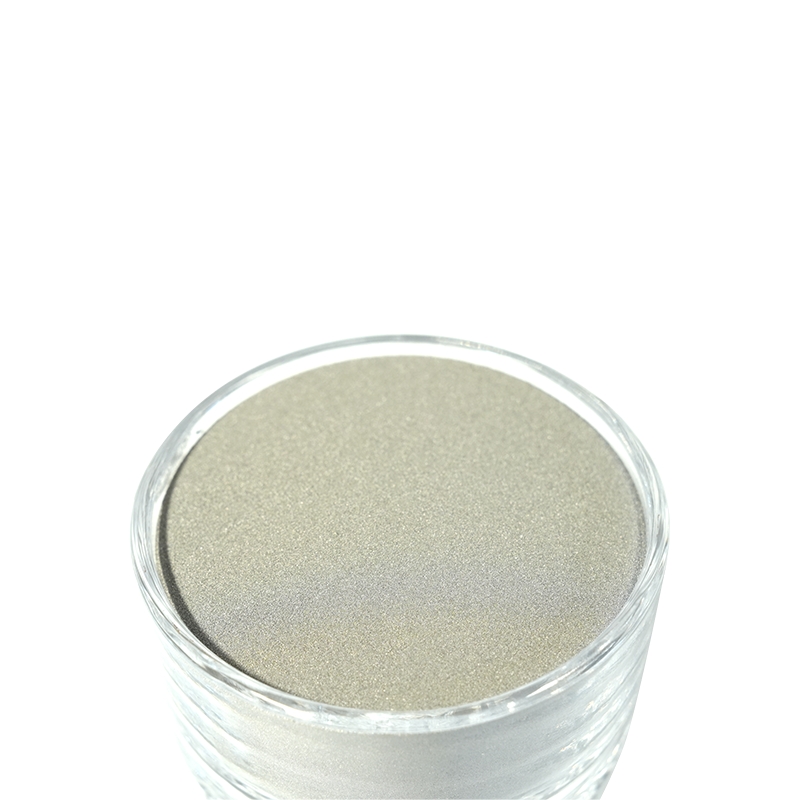

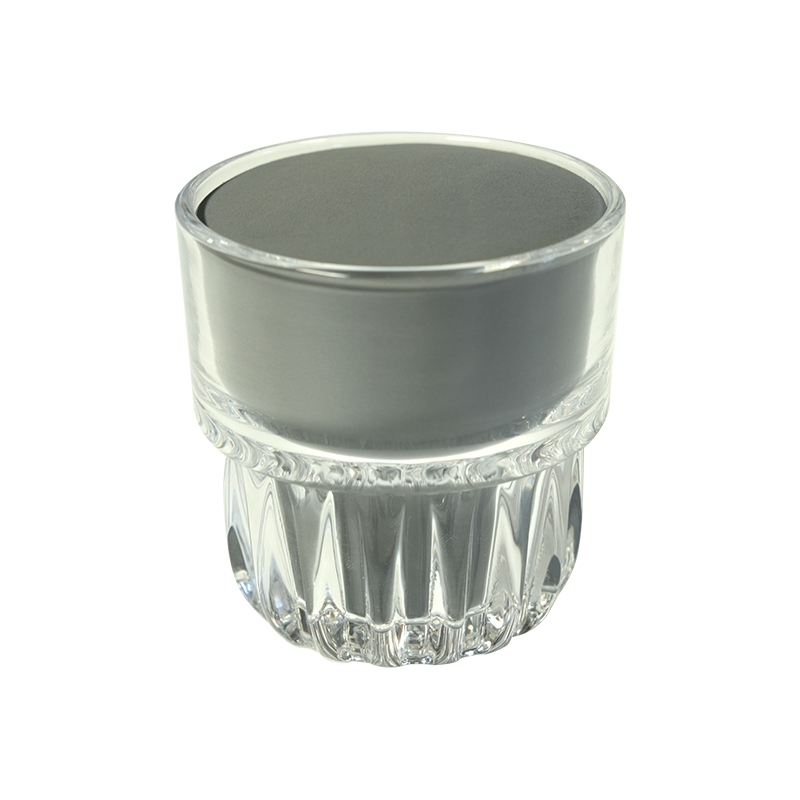
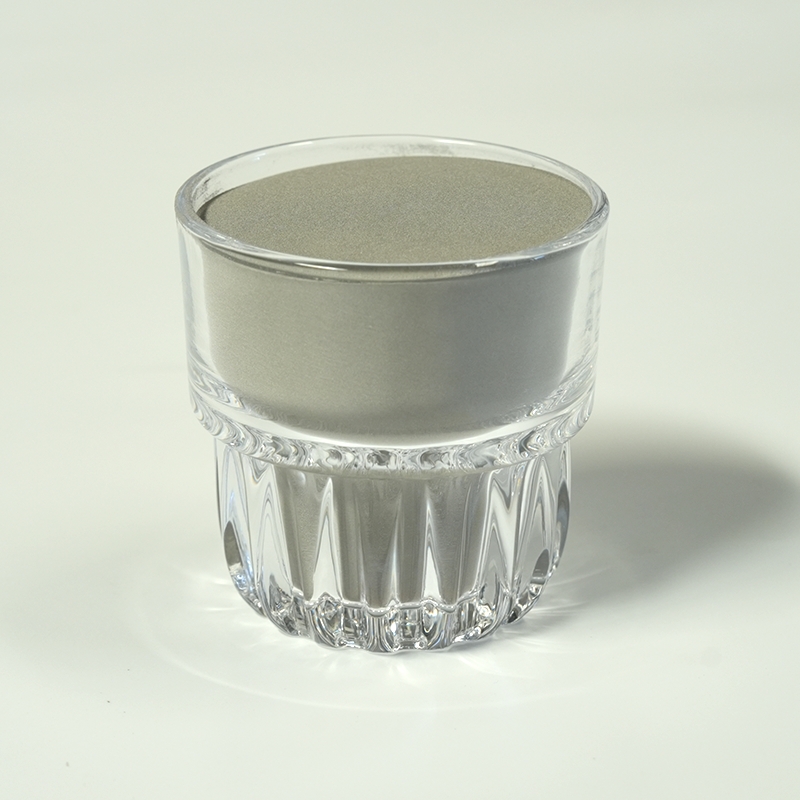


Nickel cobalt metal powder is a high-purity metal alloy powder mainly composed of nickel and cobalt. It is widely used in many high-tech fields, including batteries, electric vehicles, aerospace, electronic components, and the manufacture of cemented carbide materials. Due to the conductivity and corrosion resistance of nickel and cobalt, this metal powder plays a key role in improving energy density and extending the service life of batteries. The nickel cobalt metal powder we supply has uniform particle size, high purity, and excellent physical and chemical stability, which can meet the strict requirements of customers in high-precision manufacturing and scientific and technological research and development.
products
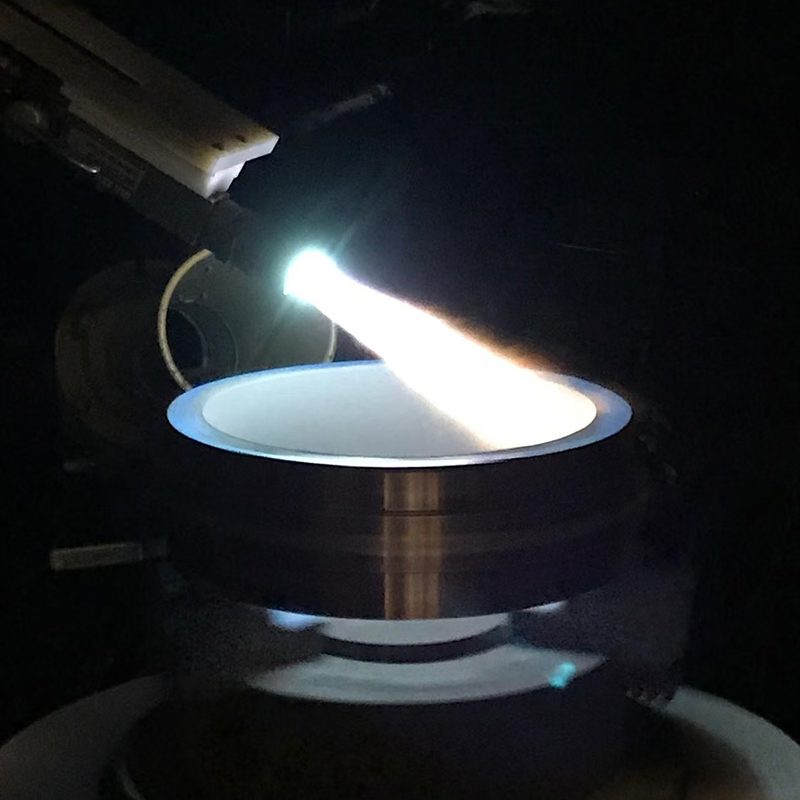
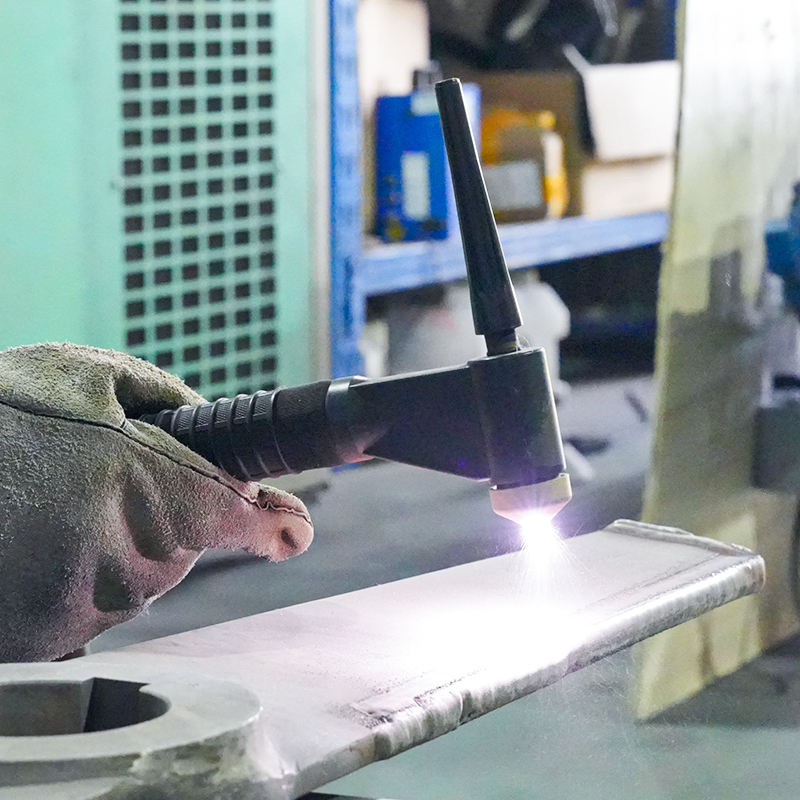
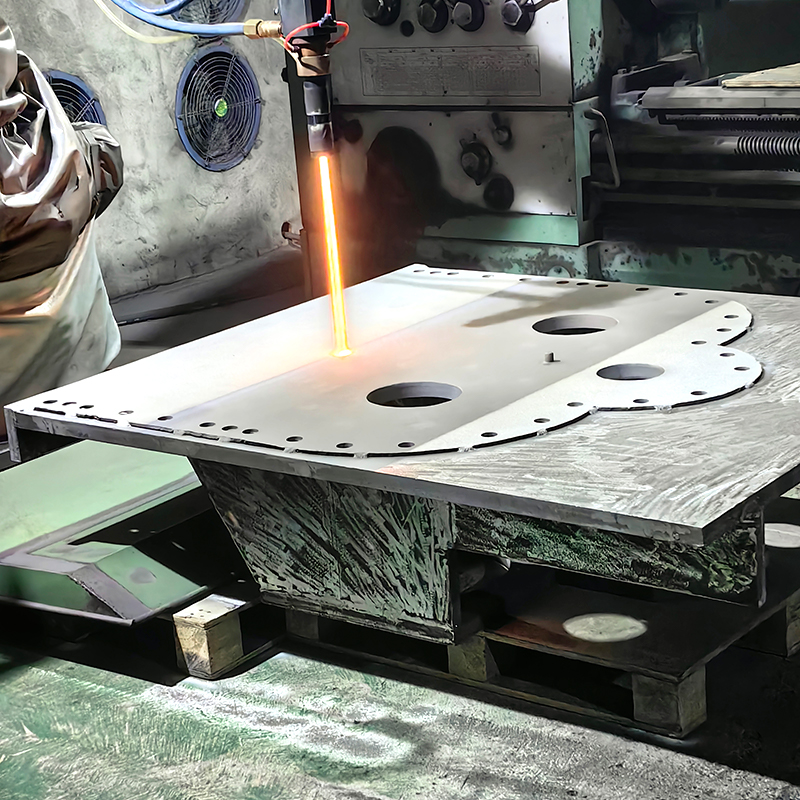
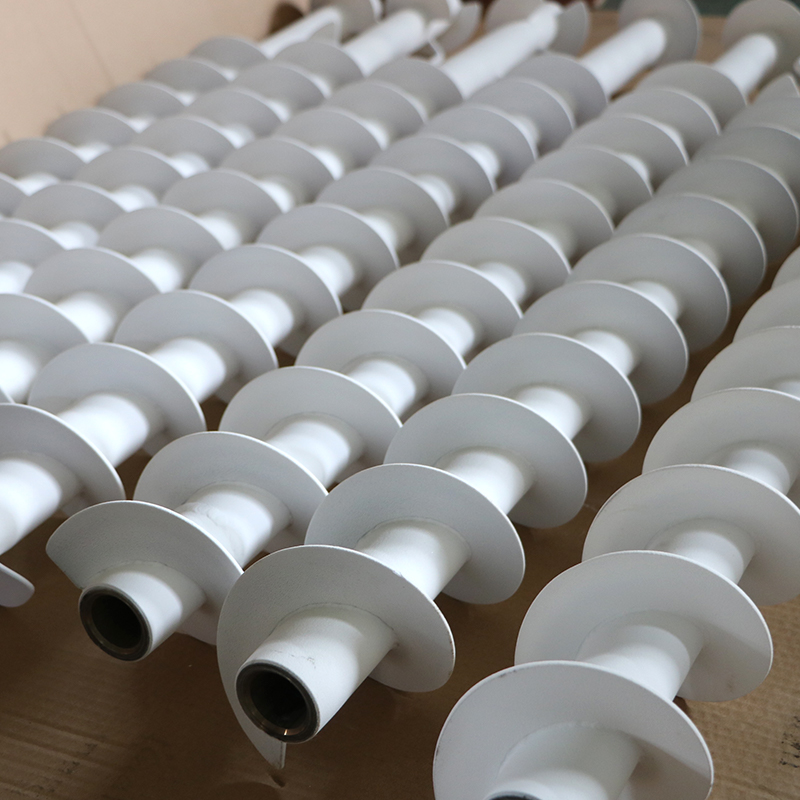
PROCESS TECHNOLOGY
Alloy powder is a fine granular material composed of
two or more metallic elements. They are widely used in various industries and
have many unique characteristics and advantages.
ABOUT US
JIANGSU CRYSTAL ADDITIVE
MANUFACTURING CO., LTD.
As Nickel Cobalt Metal Powder Manufacturers and Custom Nickel Cobalt Metal Powder Factory, Jiangsu Crystal Additive Manufacturing Co., Ltd. specializes in R&D,
production and sales of various types of (cobalt-based, nickel-based,
copper-based, iron-based, high-temperature alloy and composite tungsten
carbide powder) alloy powders that can be used in various application
processes.
Powder, (can be customized pure nickel powder, pure cobalt powder, pure copper powder, etc.) metal powder.
We are always committed to developing and producing various high-performance alloy materials for harsh environments, providing customers with high-strength, wear-resistant, corrosion-resistant and high-temperature-resistant alloy powders.
Corporate Promotional Video

WAS FOUNDED IN
News
-
Industry News 2026-10-26
Anyone who has spent years standing next to a powder bed will tell you the same thing: the machine gets the attention, but the powder decides the outcome. Additive manufacturing powders are not a commodity filler — they...
View More -
Industry News 2026-10-19
Additive manufacturing powder looks simple from a distance: fine metal particles, a hopper, a build plate, and a finished part. Up close, it is a carefully controlled engineering material. Particle shape, size distribut...
View More -
Industry News 2026-10-12
Cobalt based alloy powder rarely gets much attention until a part stops working. Over the years we have seen it rescue valve seats that were being replaced every few months, keep pump plungers alive in chemical plants, ...
View More
Product Knowledge
Jiangsu Crystal Additive Manufacturing Co., Ltd. is a Nickel Cobalt Metal Powder manufacturer working from the Jiangyan District of Jiangsu Province, China. We melt, atomize, classify and test Ni-Co based powders for thermal spray, laser cladding, powder metallurgy, additive manufacturing and energy-material development, and we supply pure nickel, pure cobalt and pure copper powders alongside the alloyed grades.
The range exists for one reason: a powder that feeds without surging, deposits with a predictable chemistry and behaves the same way from the first kilogram of a batch to the last. Composition, particle size cut, morphology and packing are set against the customer's process rather than against a fixed catalogue.
What Nickel Cobalt Metal Powder Delivers
Nickel cobalt metal powder is a high-purity metal powder built on the Ni-Co system. Nickel brings corrosion resistance, toughness and magnetic behaviour; cobalt brings hardness, high-temperature strength and good wetting against carbide phases. The combination is what makes the system useful where a surface or a pressed part has to resist wear, oxidation and chemical attack at the same time.
Where the Ni-Co system earns its place:
- Binder phase in cemented carbide, where Ni-Co can replace or partly replace straight cobalt and give a harder, more corrosion-resistant matrix.
- Matrix for thermal spray, laser cladding and plasma cladding layers on steel, stainless and cast iron components.
- Nickel-rich chemistry for battery and energy-storage material development.
- Base material for electronic components, brazing and catalysis, where conductivity and corrosion resistance matter.
Our Nickel Cobalt Metal Powder Range and Configuration Options
We build the powder around the working point rather than around a single stock grade. The axes below are the ones we set for each order, and each one changes something measurable downstream.
| Configuration axis | Options we build to | What it decides in service |
|---|---|---|
| Base chemistry | Pure nickel, pure cobalt, balanced Ni-Co alloy, Ni-Co with iron, chromium or tungsten carbide additions | Corrosion resistance, hardness at temperature, magnetic response, binder behaviour in cemented carbide |
| Powder route | Vacuum melting with inert-gas atomization; water atomization | Sphericity and flow for spray and cladding; green strength and compressibility for pressing |
| Particle size cut | Fine cuts below 20 µm, mid cuts around 15–53 µm, coarse cuts around 45–106 µm, custom sieve windows | Feeder stability, nozzle clearance, layer thickness, deposition efficiency, surface finish |
| Morphology | Spherical, sub-spherical, irregular | Powder feeding in HVOF and laser cladding; packing density in pressed and sintered parts |
| Chemistry control | Oxygen, sulphur, phosphorus, carbon and tramp element limits set to the application | Coating ductility, carbide binder quality, cathode chemistry, weldability |
| Packing | Sealed moisture-barrier containers with inner liner; inert or vacuum packing for oxygen-sensitive grades | Shelf life, oxidation during transport, safe handling at the line |
Pure nickel powder, pure cobalt powder and pure copper powder are produced to the same discipline, and are supplied to customers who need a single-element feed rather than an alloy. Related systems in the range include Nickel Based Metal Powder and Cobalt Based Alloy Powder.
Powder Manufacturing Routes and What They Change
Three production lines sit behind the range: a vacuum melting and powder line, an inert-gas atomization line and a water atomization line. The route is chosen for the application, because it decides morphology, oxygen level and how the powder behaves downstream.
- Vacuum melting with gas atomization — the melt is atomized under vacuum or gas protection into fine droplets that solidify in flight as spherical and sub-spherical particles. This is the route for low oxygen content, high sphericity and the flow behaviour that HVOF and laser cladding feed systems need.
- Inert-gas atomization — high-pressure inert gas breaks the melt into droplets, and the fast cooling rate supports a high degree of sphericity. Cyclone separation and classification keep the distribution tight, which is what gives the powder its consistent flow.
- Water atomization — high-speed, high-pressure water quenches and breaks the melt, and the collected wet powder is dried to give an irregular product with good compressibility for pressing and powder metallurgy.
Critical Specifications and Their Practical Meaning
Every Ni-Co powder order is released against a specification window agreed before production. These are the variables that carry the most weight in service.
- Nickel and cobalt content and ratio — sets hardness, corrosion resistance and the magnetic response of the finished part or coating.
- Impurity limits — iron, sulphur, phosphorus, carbon, oxygen and nitrogen are controlled because they affect coating ductility, binder quality and cathode chemistry.
- Particle size distribution — D10, D50 and D90 measured by laser diffraction, plus the sieve cut. This decides feeder stability, nozzle clearance, layer thickness and deposition efficiency.
- Morphology and sphericity — spherical and sub-spherical powders flow well in spray and cladding systems; irregular powders pack and press better.
- Apparent and tap density — influences feed rate consistency and the green density of pressed parts.
- Hall flow rate — the practical measure of whether a powder will run a feed line without bridging.
- Oxygen content and loss on ignition — the main indicators of how clean the powder is and how it will behave in an oxygen-sensitive process.
Application Fit by Process
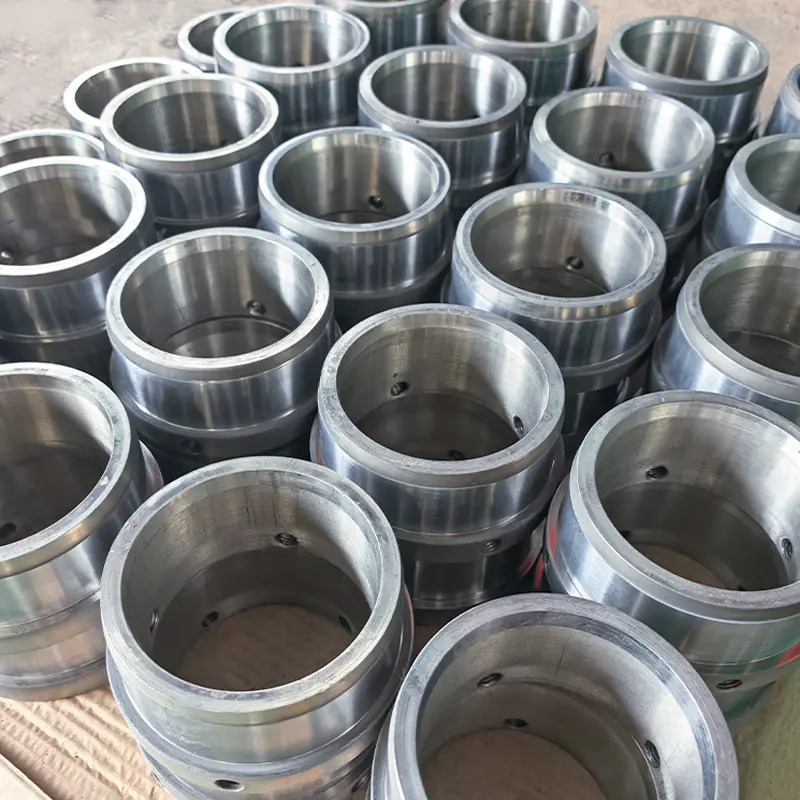
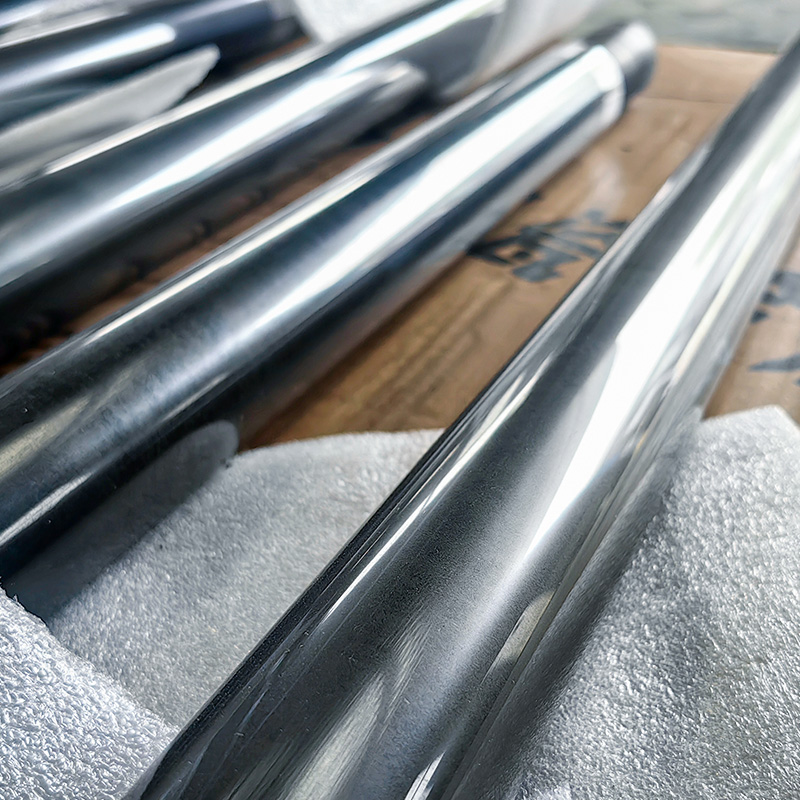
- Supersonic HVOF and HVAF — mid cuts with spherical morphology for dense, low-porosity coatings on pump sleeves, rolls and valve components.
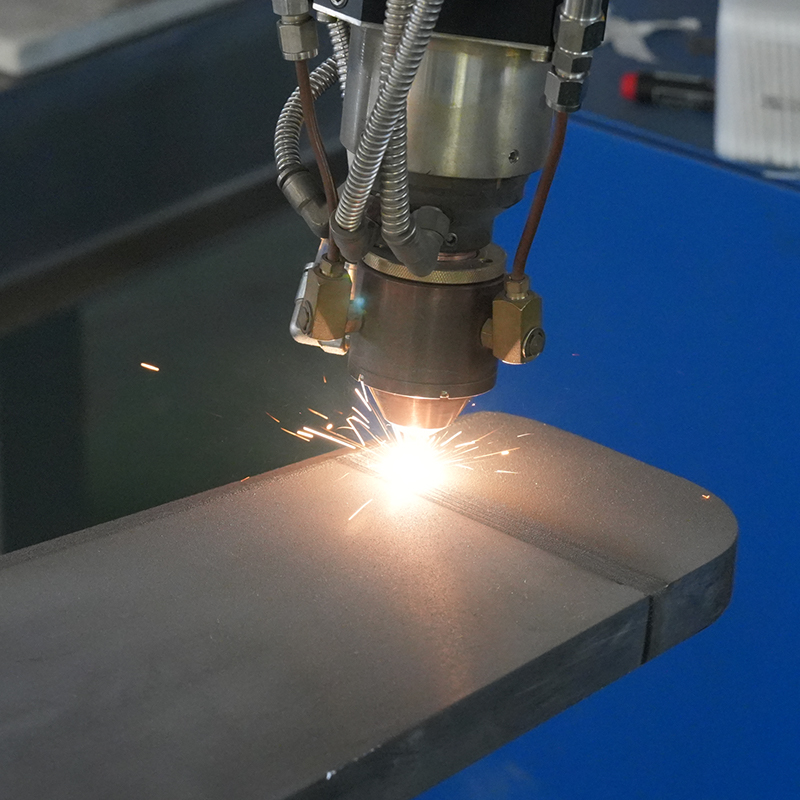
- Laser cladding — our own cladding shop runs five units, including ultra-high-speed equipment with a maximum processing speed of 200 m/min and a robot cell built around a TruDisk 4002 disc laser and a six-axis robot. Iron-based, nickel-based and cobalt-based powders are selected according to the performance required from the repaired part.
- Plasma cladding and plasma transferred arc — thicker layers where dilution control and deposition rate drive the choice of cut.
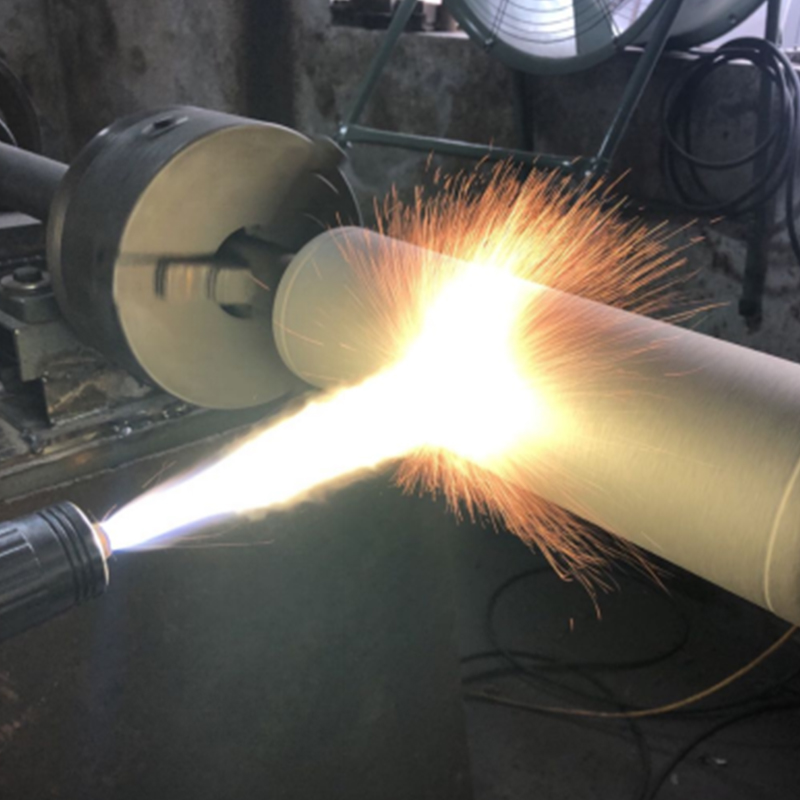
- Oxyacetylene spray welding and flame spraying — repair of glass moulds, cast iron parts and small components, producing a smooth, well-densified layer bonded to the base material.
- Additive manufacturing — gas-atomized spherical powder with a tight distribution for laser powder bed fusion and electron beam work.
- Powder metallurgy and metal injection moulding — water-atomized grades with good compressibility and consistent sintering behaviour.
- Cemented carbide binder — Ni-Co chemistry supplied either as a straight binder powder or combined with the carbide phase, as in Nickel-based Tungsten Carbide Alloy Powder.
Quality Control and Batch Documentation
Production is managed under a documented quality system, and the process is controlled from raw material through melting, atomization, classification and blending to the finished powder. Each batch is sampled and released on measured data rather than on visual assessment.
- Chemical analysis and ICP for composition and trace elements.
- Combustion analysers for oxygen, nitrogen, carbon, sulphur and phosphorus.
- Laser particle size analysis for distribution and cut verification.
- Tensile and Vickers hardness testing where mechanical data is required.
- Industrial CT for internal defect checks on critical material.
A certificate of analysis covering chemistry, particle size distribution and physical properties is issued with the batch, and the acceptance criteria are the ones agreed at order stage.
Customization, Packaging and Delivery Scope
Customization covers composition, particle size cut, morphology and packing. Pure nickel, pure cobalt and pure copper powders are produced to customer specification, and alloyed Ni-Co grades are adjusted in the same way. Where a project needs a different balance between wear resistance and corrosion resistance, the chemistry is set accordingly instead of being drawn from a fixed list.
Powder is packed in sealed, moisture-barrier containers with an inner liner and clear batch identification; inert or vacuum packing is used for grades sensitive to oxygen and moisture pickup. The delivery scope is agreed per order and normally covers the powder, the batch certificate and the packing list, with the documentation set confirmed before shipment.
Information We Use to Configure Your Solution
A configuration proposal is built from the working point, the material and the production target. The matrix below shows what we ask for and what each input decides.
| Input we need | Why it matters | What it determines |
|---|---|---|
| Substrate or part material | Bonding and dilution differ between carbon steel, stainless, cast iron, nickel alloys and carbide substrates | Powder chemistry and any interlayer recommendation |
| Service condition | Temperature, corrosive medium, abrasion mode and impact level act on the same surface | Whether Ni-Co alone is sufficient or a chromium, iron or carbide addition is needed |
| Process and equipment | HVOF or HVAF gun, laser head and optics, PTA torch, press or printer platform | Particle size window, morphology and flow requirement |
| Target result | Coating thickness, hardness target, porosity limit or part density | Powder cut, oxygen ceiling and deposition parameters |
| Specification window | Chemistry limits, PSD, oxygen, apparent density and acceptance method | Batch release criteria and certificate content |
| Volume and schedule | Trial quantity, production quantity and repeat order pattern | Production planning, packing format and delivery scope |
Frequently Asked Questions
What is nickel cobalt metal powder used for?
It is used where a surface or a pressed part has to combine corrosion resistance with wear and heat resistance. Typical work includes HVOF and HVAF coatings on pump sleeves and rolls, laser-clad and plasma-clad layers on shafts and plungers, Ni-Co binder in cemented carbide tooling and wear parts, and nickel-rich material development for battery and energy-storage applications.
Can you supply pure nickel and pure cobalt powder as well as Ni-Co alloy?
Yes. Our production covers pure nickel powder, pure cobalt powder and pure copper powder alongside the alloyed Ni-Co grades, and composition is adjusted to the customer's specification rather than forced into a catalogue grade. Chemistry, particle size cut and packing are agreed before the batch is scheduled.
Which particle size cut suits HVOF or laser cladding?
Supersonic HVOF and HVAF guns generally run on a mid cut in the 15–53 µm band with spherical or sub-spherical morphology, because feeder stability and a narrow distribution matter more than the top size. Laser cladding tolerates a wider cut and often runs coarser, in the 45–106 µm band, where the powder has to stay fluid through the feed line at high traverse speed. We confirm the cut against the actual gun, nozzle and feed system.
How is batch consistency controlled?
Melting, atomization, classification and blending run as one controlled sequence, and each batch is sampled for chemistry, particle size distribution and physical properties before release. ICP and chemical analysis cover composition, combustion analysers cover oxygen, nitrogen, carbon, sulphur and phosphorus, laser diffraction covers particle size, and hardness and tensile testing are added where the application calls for it.
What information do you need to quote a custom Ni-Co powder?
The working point, the substrate or part, the process and equipment, the target coating or part property, the specification window and the batch volume. With those we propose a chemistry, a particle size cut and a packing format, and state the acceptance criteria that will be applied to the batch.
Do you supply powder for carbide binder applications?
Yes. Ni-Co binder chemistry is one of the main uses of this system, and we also produce nickel-based tungsten carbide alloy powder where the carbide phase is combined with the binder in a single powder. The choice between a straight binder powder and a composite powder depends on whether the carbide is introduced at milling or is already present in the spray or cladding material.


