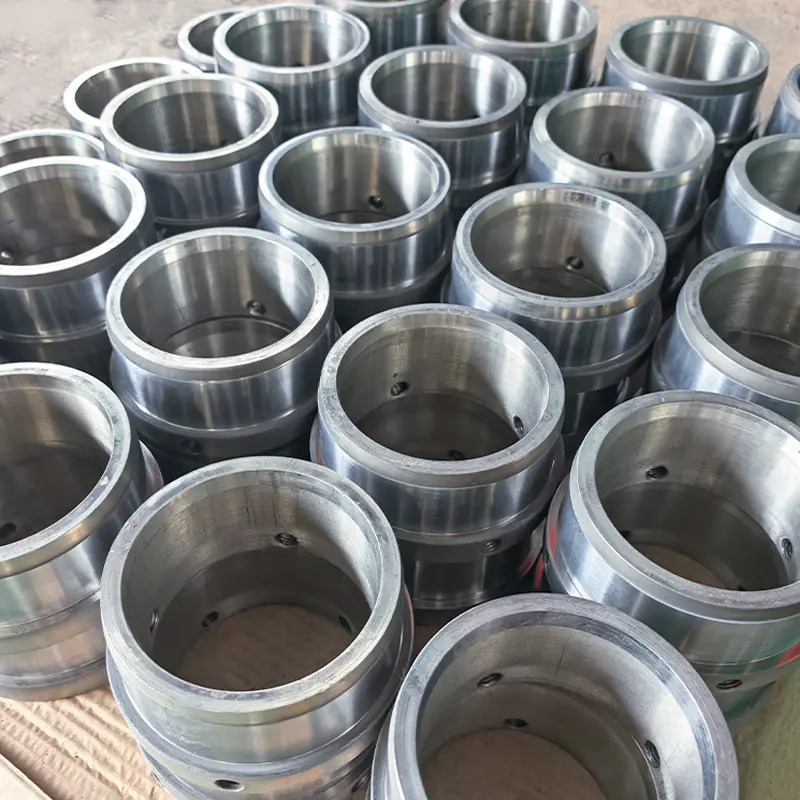
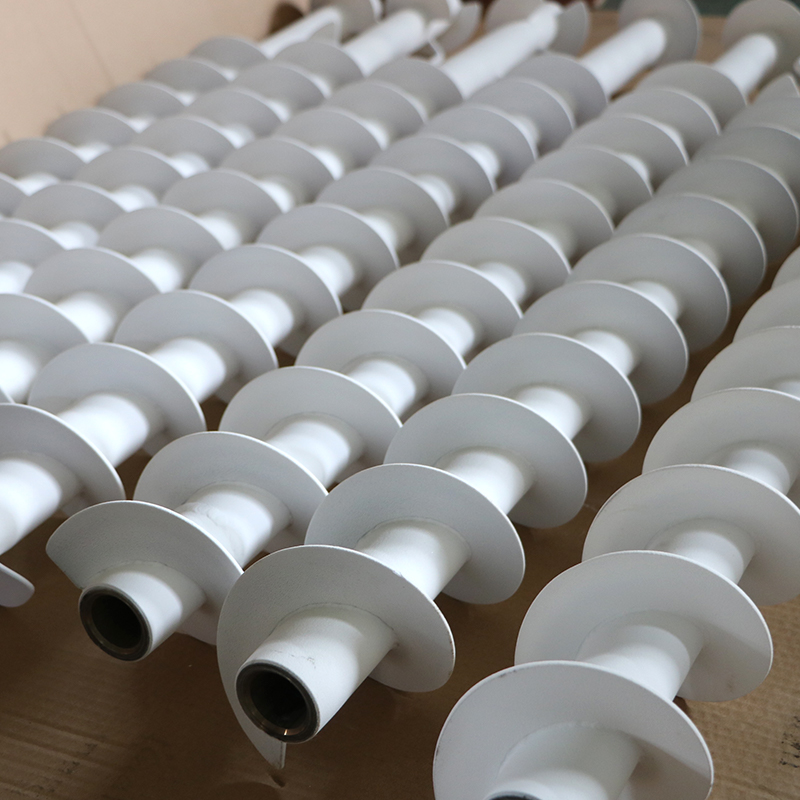
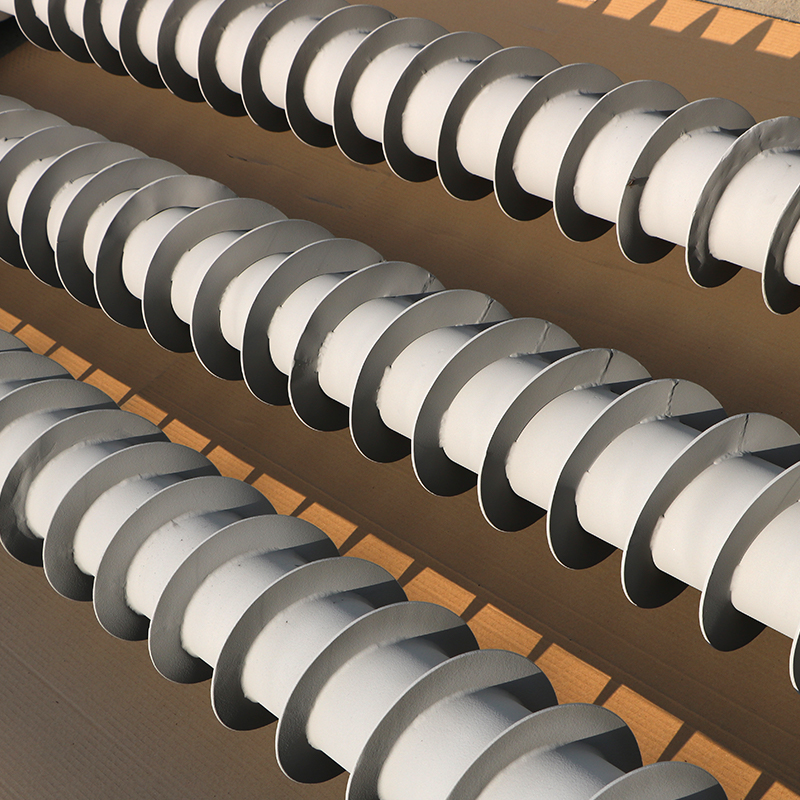
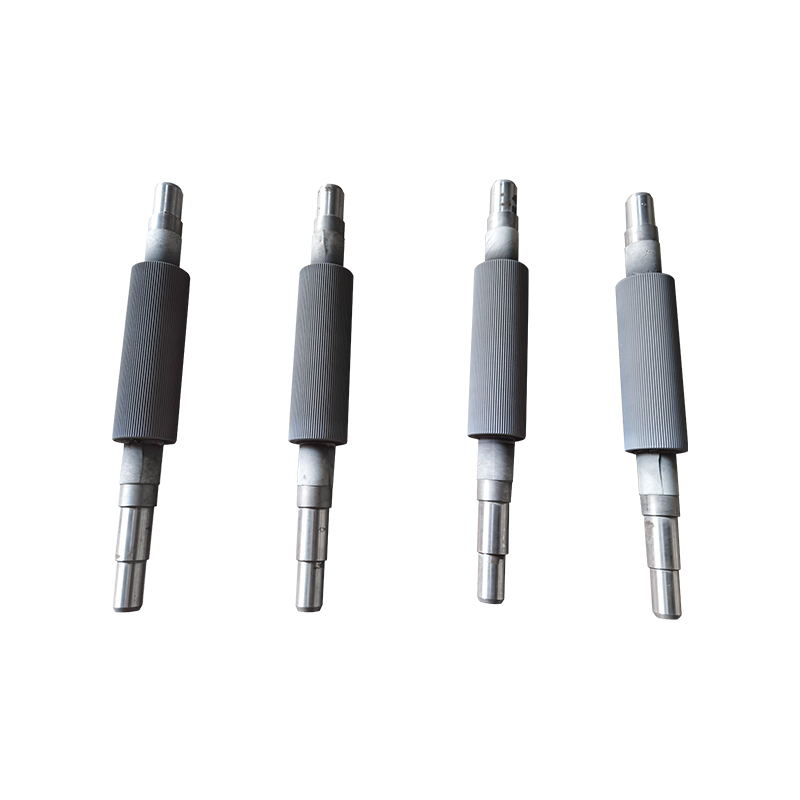
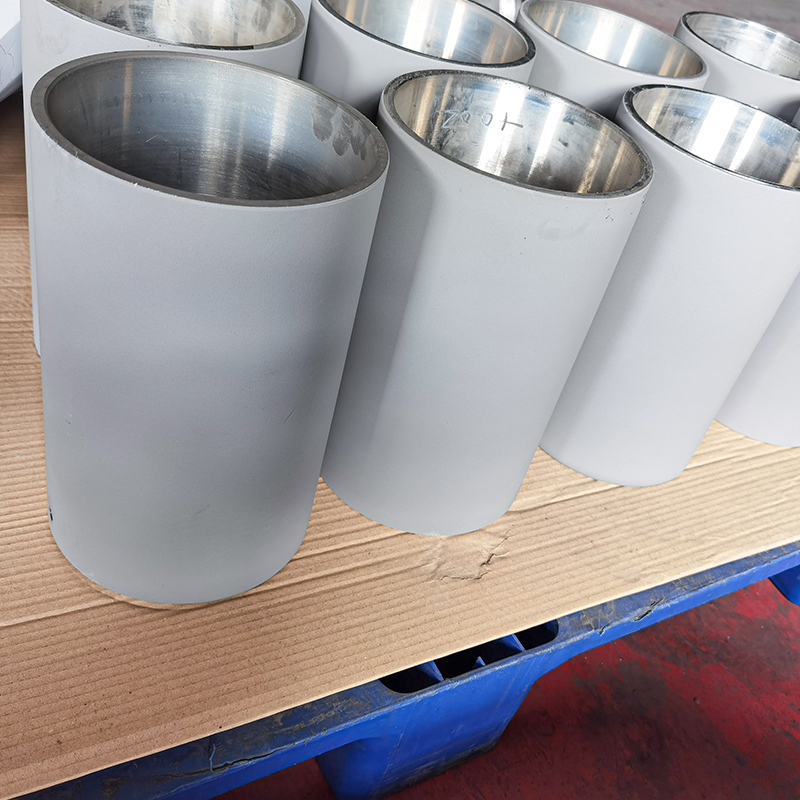
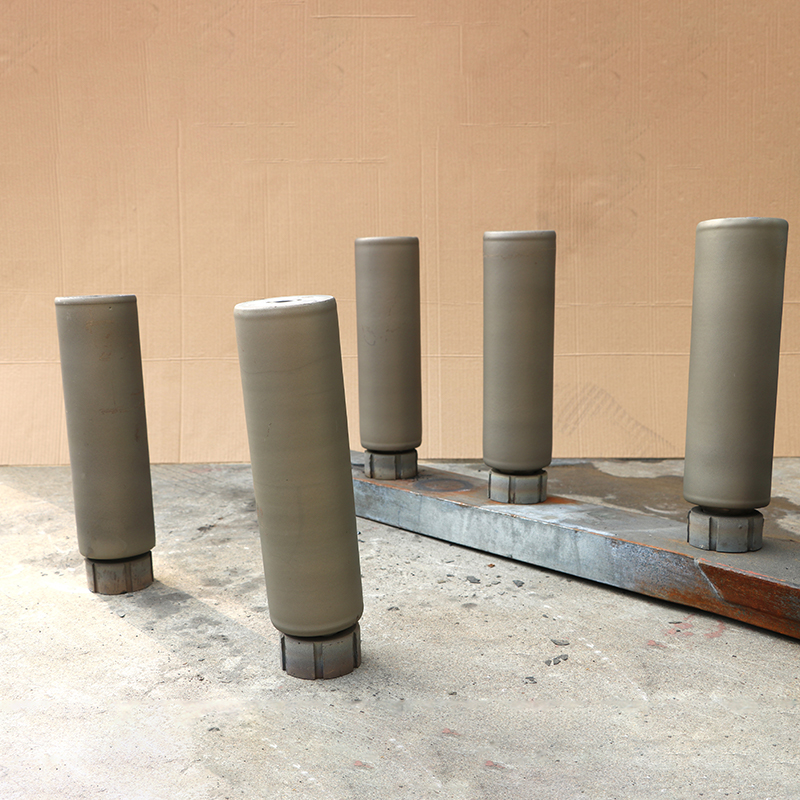
Jiangsu Crystal Additive Manufacturing Co., Ltd. is a Cobalt Based Alloy Powder manufacturer working from Jiangyan District, Jiangsu, China. We produce cobalt–chromium–tungsten hardfacing powders for valve seats, screw flights, extrusion dies, bearing sleeves, hot-forging tooling and saw-chain guides, together with the pure cobalt powder used to adjust a blend. Grades are supplied as gas-atomized or water-atomized powder, screened to the cut the customer's deposition process runs on.
The range is built around alloy material for harsh service — cobalt alloys that keep their hardness, wear resistance and oxidation resistance where a low-alloy steel surface would be consumed inside a single campaign.
What the Cobalt-Based Alloy Powder Range Covers
- CoCrW hardfacing grades (Co-1, Co-6 and Co-12 families): the standard cobalt–chromium–tungsten system for metal-to-metal wear, valve seating, screw flights and hot shear edges.
- Nickel-modified cobalt alloys: higher Ni and Mo content for hot corrosion, internal-combustion valves and elevated-temperature pressure service.
- Molybdenum-rich cobalt alloys: for wedge gate valves, sealing rings and plastic extrusion liners in corrosive environments.
- Cobalt-based composite blends: cobalt alloy combined with tungsten carbide where abrasion and impact arrive together.
- Pure cobalt powder: for customers who build their own chemistry or run a cobalt matrix in a composite system.
Cobalt-based powder sits alongside the rest of our alloy powder range, which also covers nickel-based, iron-based, copper-based and high-temperature alloy systems, so a project that needs a cobalt deposit on one face and a nickel or iron-based deposit elsewhere can be sourced from one production schedule.
Grade Families and Application Matching
Compositions are quoted in weight percent with cobalt as the balance. Hardness figures are the deposit hardness we work to for each grade; the application column reflects the service conditions the grade is normally selected for.
| Grade |
HRC |
C |
Cr |
W |
Mo |
Ni |
Co |
Typical application |
| SD-Co01 |
48 |
2.4 |
30.5 |
12.5 |
1 |
3 |
Bal |
Valve seat inserts, bearing and cutter edges |
| SD-Co03 |
48 |
2.3 |
30.5 |
12.5 |
3 |
2.5 |
Bal |
Needle holders, valve seat inserts, steel mill guide rolls |
| SD-Co06 |
38 |
1.15 |
29 |
4 |
3 |
1 |
Bal |
Engine valves, high-pressure valves, turbine blades |
| SD-Co12 |
42 |
1.4 |
29.5 |
8.25 |
3 |
1 |
Bal |
High-temperature and pressure valves, sawteeth, screw flights |
| SD-Co12S |
52 |
2 |
30 |
9 |
1 |
1 |
Bal |
Valves, screws |
| SD-Co20 |
52 |
2.45 |
32.5 |
17.5 |
3 |
1 |
Bal |
Bearing sleeves, wearing plates |
| SD-Co21 |
28 |
0.25 |
27.5 |
2 |
0.15 |
2 |
Bal |
Turbine blades, fluid valves, valve seats |
| SD-Co31 |
31 |
0.5 |
25.5 |
7.5 |
2 |
10.5 |
Bal |
Extrusion dies, turbine impellers |
| SD-Co156 |
43 |
1.6 |
28 |
4.5 |
0.5 |
1 |
Bal |
High-temperature and pressure valves, hot-forging dies |
| SD-Co157 |
50 |
0.1 |
22 |
4.5 |
3 |
0.3 |
Bal |
Top of motor-car valves |
| SD-Co158 |
40 |
0.75 |
26 |
5.5 |
3 |
0.5 |
Bal |
High-temperature and pressure valves, sawteeth, screw flights |
| SD-Co400 |
53 |
0.08 |
8.5 |
1.5 |
28.5 |
1.5 |
Bal |
Wedge gate valves in hot corrosive service, plastic extrusion liners |
| SD-Co900 |
— |
0.08 |
18 |
2.5 |
23 |
16 |
Bal |
Valves, seats, sealing rings, hot rolls |
| SD-CoSF12 |
43 |
1 |
19 |
9 |
3 |
13 |
Bal |
High-temperature and pressure valves, hot shears |
| SD-Co712 |
47 |
1.9 |
29 |
2 |
8.5 |
2 |
Bal |
High-temperature and pressure valves, screw flights |
Grades outside this selection — including the SD-Co12B, SD-Co158Q, SD-Co158V, SD-Co158W, SD-CoF, SD-CoFH, SD-CoX40, SD-Co800, SD-CoSF6 and SD-Co706 variants — are produced to the same chemistry control and are quoted on request when a drawing or a wear map points to a narrower composition window.
Reading the Specification Before a Grade Is Fixed
Four numbers in the table decide how a cobalt deposit behaves in service, and they are the ones we confirm with the customer before a heat is scheduled.
- Hardness (HRC): sets the starting point for sliding wear resistance. The 28–34 HRC grades are chosen where the deposit must survive impact or thermal cycling; the 48–53 HRC grades are chosen for abrasive and metal-to-metal contact.
- Carbon: drives carbide volume in the cobalt matrix. Low-carbon grades such as SD-Co400 and SD-Co900 stay tough and corrosion-resistant; 2.0–2.45 % C grades such as SD-Co12S and SD-Co20 build a dense carbide network for wear.
- Chromium and tungsten: chromium carries oxidation and corrosion resistance, tungsten raises hot hardness. The combination is what keeps a valve seat or a screw flight working at temperature.
- Molybdenum and nickel: the Mo-rich SD-Co400 and SD-Co900 chemistries trade some hardness for resistance to hot corrosive media; the higher-nickel SD-Co31 and SD-CoSF12 grades are aimed at valves and impellers where thermal fatigue matters.
Process Fit: Spray-Fuse, HVOF, Laser Cladding and Powder Metallurgy
Cobalt-based powder is supplied for the deposition route the customer already runs, and the cut and morphology are matched to that route rather than to a single generic specification.
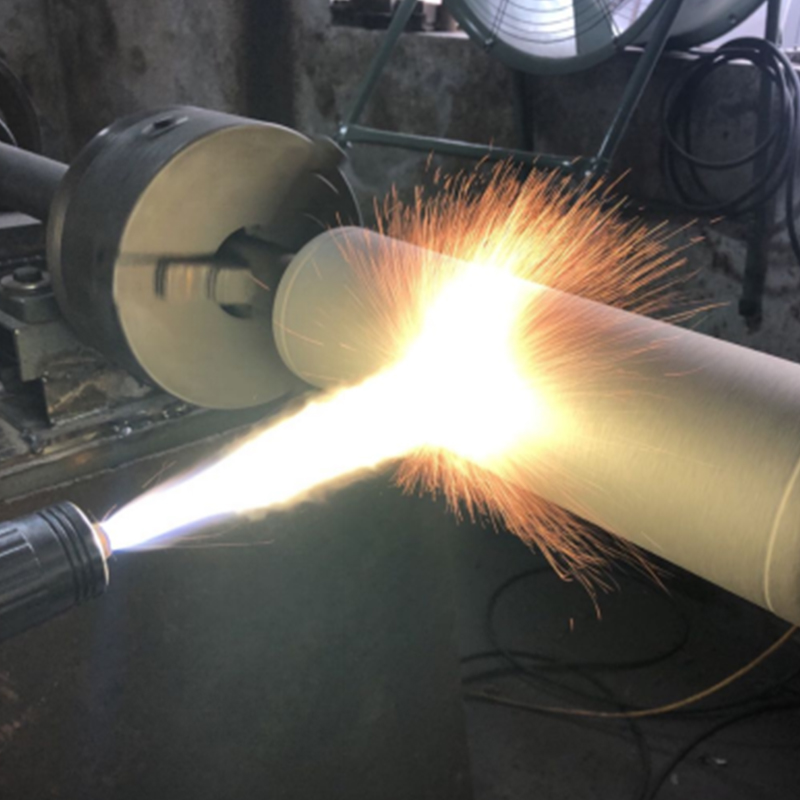
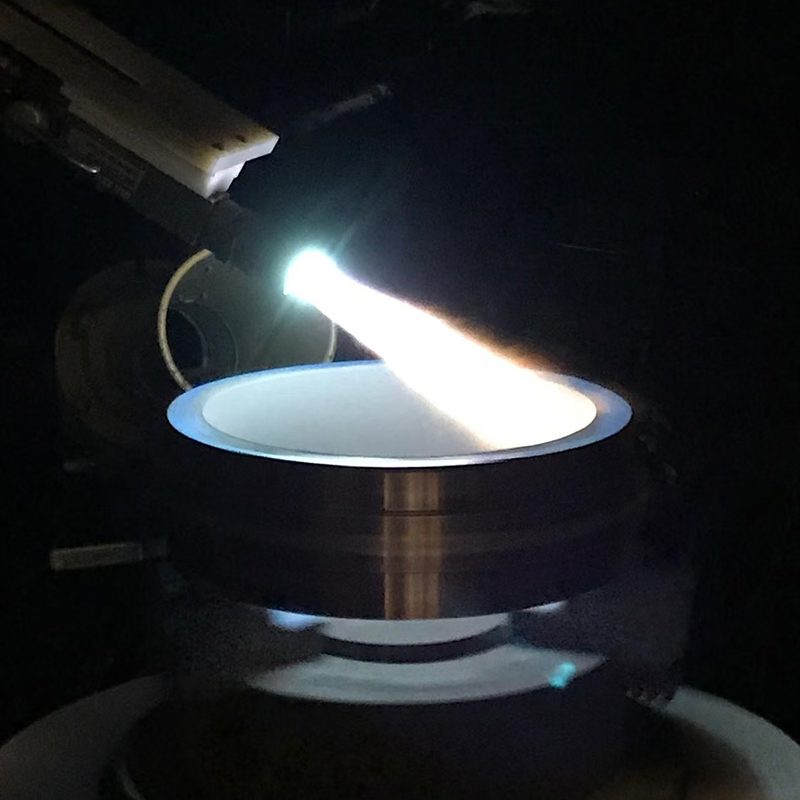
- Oxyacetylene spray-fuse welding: the classic route for valve seats, glass moulds and small cylindrical parts, where the deposit is fused into the substrate for a metallurgical bond. Our oxyacetylene spray welding work uses the same powder grades we supply.
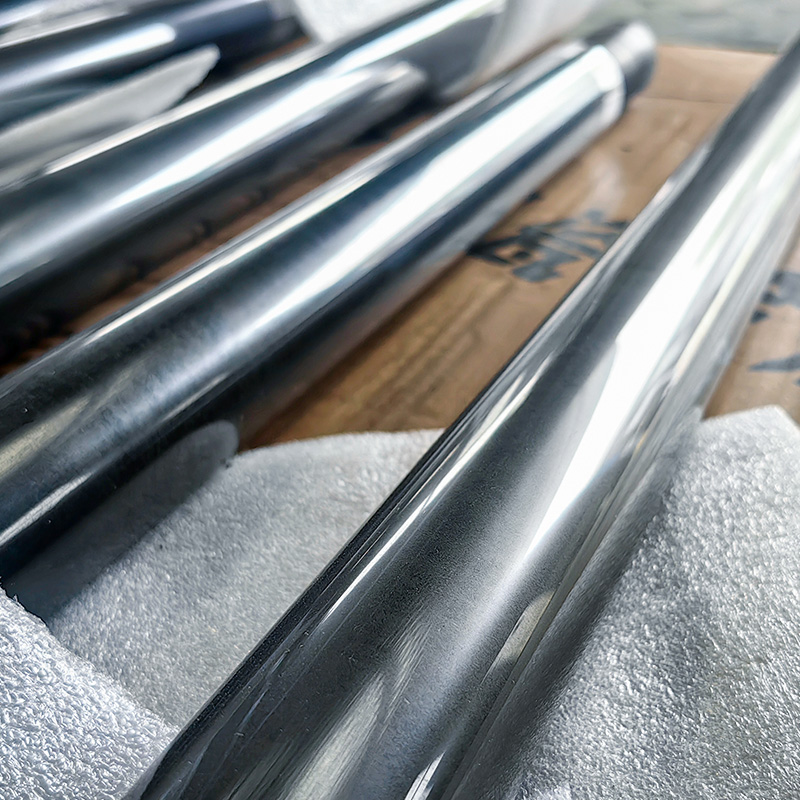
- HVOF and flame spray: mid-range cuts with good flow for dense, low-oxide coatings on shafts, rolls and plungers.
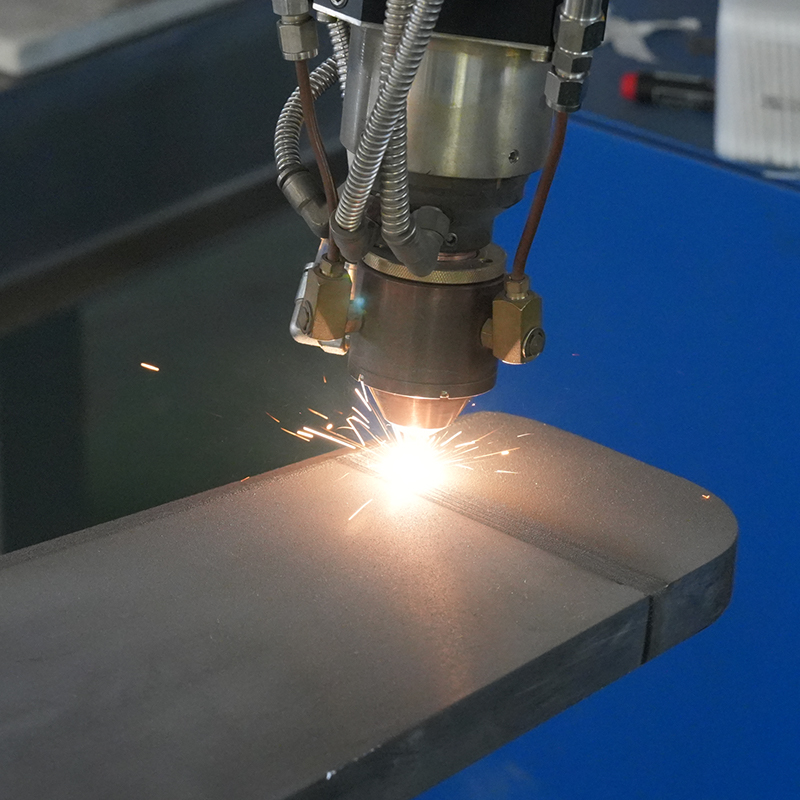
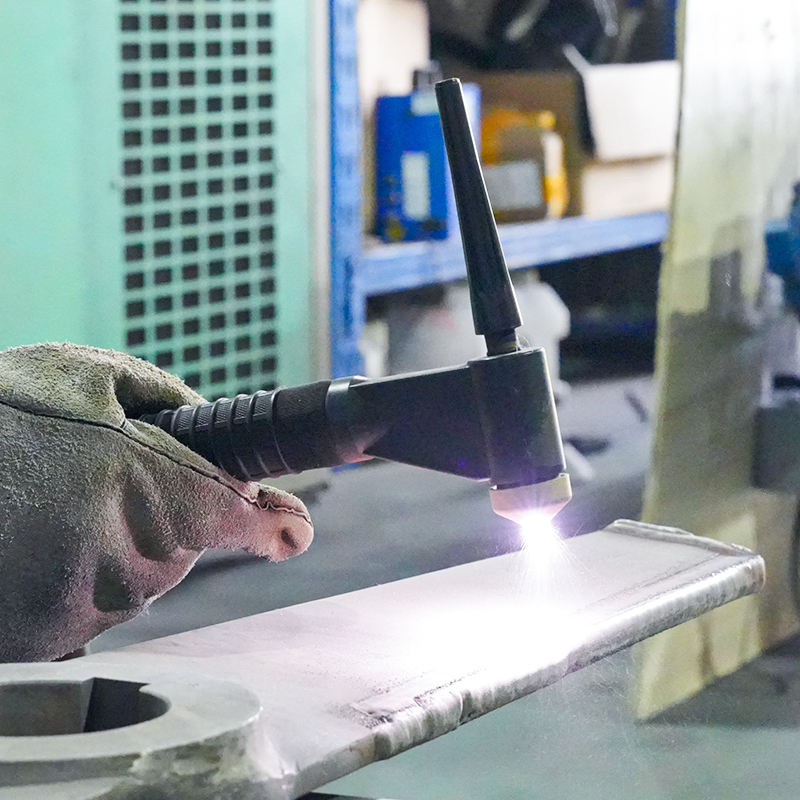
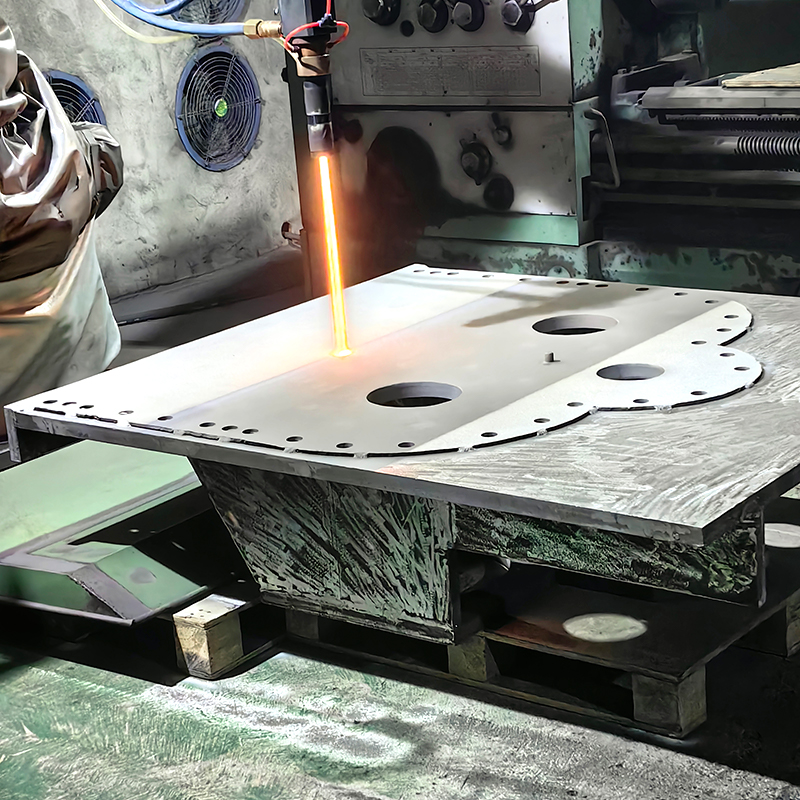
- Laser cladding and PTA: finer, tightly screened cuts for low-dilution deposits and thin heat-affected zones. Our laser cladding line runs iron-based, nickel-based and cobalt-based powders depending on the repair requirement.
- Powder metallurgy and additive manufacturing: cobalt alloy powder for pressed and sintered components, HIP'd parts and metal 3D printing, where sphericity and a controlled particle size distribution matter more than in thermal spray.
Process windows across the industry run from roughly 15 µm for the finest laser and additive work up to about 150 µm for coarse spray-fuse and PTA torches. We screen to the band the customer's equipment and nozzle actually accept.
Particle Size, Morphology and Production Route
Three powder lines are in operation, and the choice between them is made on the required oxygen level, sphericity and flow behaviour.
- Vacuum powder production line: melting under vacuum or gas protection, with the melt broken into fine droplets by high-pressure gas and solidified in flight into spherical and sub-spherical particles.
- Gas atomization line: high-pressure inert gas atomization with cyclone separation and classification, giving controlled particle size distribution and good flow for thermal spray and additive work.
- Water atomization line: high-speed, high-pressure water atomization followed by drying, producing alloy powder with low oxygen content and high sphericity for pressing and sintering routes.
Screening and classification are part of the same flow, so a customer running two processes — say HVOF on a roll and spray-fuse on a valve seat — receives two distinct cuts from the same heat when the batch size allows.
Quality Control and Batch Evidence
Production is managed under an ISO 9001-based quality system, and each batch is checked against the agreed chemistry and particle size before it is released. The laboratory carries a chemical analyser, ICP, hydrogen/oxygen/nitrogen analyser, carbon/sulphur analyser, laser particle size analyser, industrial CT equipment, and both modular and Vickers hardness testers.
What travels with a shipment: batch identification, chemical composition analysis, particle size distribution, and the inspection records generated on the line. Where a customer's own acceptance specification applies, that specification is written into the order before melting begins.
Configuration Options and Customization
- Chemistry: standard SD-Co grades, or a composition matched to a customer's existing specification, drawing or worn-part analysis.
- Particle size: cut to the process band, with the top and bottom limits agreed in writing.
- Pure metal powders: pure cobalt powder, and on request pure nickel and pure copper powder, for customers who blend their own matrix.
- Composite systems: cobalt-based alloy blended with tungsten carbide for combined abrasion and impact duty.
- Packaging: the container format and unit weight are set to suit the customer's powder feeder and site handling rules.
Information We Use to Configure Your Solution
A quotation is built from the working point, not from a catalogue number alone. These are the inputs that let us fix a grade, a cut and a batch plan without a second round of questions.
- Component and substrate material, plus the wear or corrosion mechanism being addressed.
- Deposition process and equipment — spray-fuse torch, HVOF, laser cladding head, PTA, press or printer.
- Required deposit thickness, hardness target and any post-deposit machining allowance.
- Particle size band, or the nozzle and feed system dimensions if the band is not yet fixed.
- Service temperature, thermal cycling pattern and any corrosive medium present.
- Order quantity, trial quantity, packaging format and delivery destination.
- Any existing specification, drawing, or analysis of a failed part we should match.
Frequently Asked Questions
Which cobalt-based alloy powder suits a valve seat insert?
Valve seat work usually starts from SD-Co01 or SD-Co03 where metal-to-metal wear dominates, and moves to SD-Co158W or SD-Co156 where the seat also sees high temperature and pressure. For internal-combustion intake valves, SD-Co158V and the SD-CoF/SD-CoFH chemistries are the usual starting points. The final choice depends on the seat material, the fuel or process gas, and the operating temperature.
Can you match a cobalt 6 or cobalt 12 chemistry we already use?
Yes. We work from the customer's chemistry specification, drawing or a certified analysis of the powder currently in use, and confirm the target composition before the heat is melted. Where the existing specification leaves a range open, we agree the limits with the customer and hold them through atomization and screening.
What particle size cuts can be supplied?
Cuts are produced to the deposition process: coarse fractions for spray-fuse and PTA torches, mid fractions for HVOF and flame spray, and finer fractions for laser cladding, powder metallurgy and additive manufacturing. The top and bottom limits are stated on the order and verified by laser particle size analysis before dispatch.
How is batch quality documented?
Each batch carries its identification and the analysis produced on the line — chemical composition, particle size distribution and the relevant inspection records. Hardness is checked with modular and Vickers testers, and oxygen, nitrogen, carbon and sulphur content are measured on the analysers in the laboratory. Where a customer's acceptance specification applies, that specification governs release.
Do you supply pure cobalt powder and custom blends?
We supply pure cobalt powder alongside the alloy grades, and can produce pure nickel and pure copper powder for customers building their own matrix. Cobalt-based alloy can also be blended with tungsten carbide where a single deposit has to resist abrasion and impact together.
What is needed to prepare a quotation?
Send the component and substrate, the deposition process and equipment, the required deposit thickness and hardness, the particle size band if it is already fixed, the service conditions, and the order or trial quantity with the delivery destination. With those inputs we can return a grade recommendation, a cut, a batch plan and the inspection scope that will apply to the shipment.


 English
 русский
 عربى