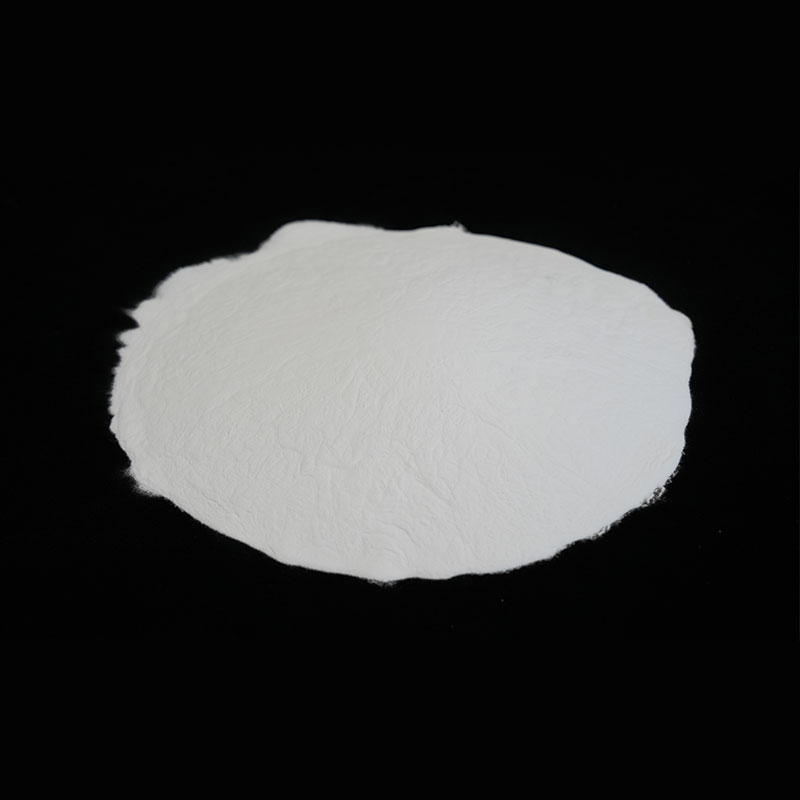
Jiangsu Crystal Additive Manufacturing Co., Ltd. is a China-based manufacturer of Alumina Titanium Oxide Powder Manufacturers and a supplier of ceramic, carbide and alloy powders for surface engineering. We produce Al₂O₃–TiO₂ composite powder in three titania levels — 3%, 13% and 40% — for plasma-sprayed wear coatings, thermal barrier layers, powder-metallurgy parts and high-temperature components.
Alumina carries the hardness; titania carries the toughness. Blending the two produces a coating that resists abrasion, particle erosion and chemical attack while tolerating the thermal cycling that cracks a pure alumina layer. Our production is organised around that balance: controlled chemistry, a defined particle size cut and a batch record that travels with the powder.
A Composite Ceramic Powder Built for Wear and Heat
As a Alumina Titanium Oxide Powder.html manufacturer, we match product configuration to the application, operating limits, interfaces and acceptance criteria defined for each project.
Alumina (Al₂O₃) is a white crystalline oxide with a melting point above 2,000 °C and a Mohs hardness of 9, second only to diamond among common industrial materials. It is chemically inert, electrically insulating and thermally stable, which is why it appears in refractory linings, seals, cutting tools and insulating substrates. Its limitation is brittleness: a pure alumina coating can spall under impact or steep thermal gradients.
Titanium oxide changes that behaviour. Adding TiO₂ to the alumina system lowers the melting range and improves particle flattening and inter-lamellar bonding during spraying, so the deposited layer is denser and more compliant. The composite keeps most of the alumina hardness while gaining resistance to thermal shock and edge loading.
- High hardness and compressive strength for abrasive and erosive service
- High-temperature resistance and oxidation resistance in oxidising atmospheres
- Corrosion resistance against many acids, alkalis and process fluids
- Uniform, fine particles that disperse and feed evenly in thermal spray equipment
- Service in coatings, ceramics, catalysts, electronic components and aerospace hardware
Grades, Chemistry and Hardness
Three standard grades cover most wear and thermal applications. The titania fraction is the main selection variable; the remaining oxide limits are held low so the coating chemistry stays predictable from batch to batch.
| Grade |
TiO₂ (wt%) |
SiO₂ |
Fe₂O₃ |
MgO |
CaO |
Cr |
Hardness (HV0.3) |
Typical application focus |
| Al₂O₃–3TiO₂ |
≈3% |
<0.5% |
<0.2% |
<0.1% |
<0.1% |
<0.1% |
1100 |
Textile machinery parts, paper industry rollers, chemical fibre filament-splitting rollers, hydraulic butterfly valves, insulated bearings, wear rings |
| Al₂O₃–13TiO₂ |
≈13% |
<0.5% |
<0.2% |
<0.1% |
<0.1% |
/ |
850–1000 |
Textile machinery parts, paper rollers, hydraulic parts, filament-splitting rollers, chemical fibre parts, plungers, barrels, mechanical seals, cleaning machine plungers, wear rings |
| Al₂O₃–40TiO₂ |
≈40% |
<0.5% |
<0.2% |
<0.1% |
<0.1% |
/ |
650–950 |
Textile machinery, paper and hydraulic parts, chemical fibre components, splitter rolls, cleaning machine plungers, barrels, mechanical seals, wear rings |
Hardness is stated as Vickers microhardness at 0.3 kgf load (HV0.3) for the material. Final coating hardness depends on spray parameters, porosity and substrate preparation. Chemistry and particle size are confirmed against the order before production.
Matching the Titania Fraction to the Working Surface
Selection follows the dominant damage mechanism rather than a general preference for maximum hardness.
- Al₂O₃–3TiO₂ — the hardest of the three grades, giving the best abrasive wear resistance under steady load. Used for filament-splitting rollers, wear rings, insulated bearings and hydraulic butterfly valves where impact is limited.
- Al₂O₃–13TiO₂ — the general-purpose plasma spray grade, balancing hardness with toughness for plungers, barrels, mechanical seals and paper, textile and chemical fibre rollers.
- Al₂O₃–40TiO₂ — the toughest grade and the lowest in hardness, chosen where thermal cycling, edge loading or impact ends service life, including splitter rolls and cleaning machine plungers.
Where a part sees abrasion and thermal cycling together, the 13% grade is normally the starting point. The 40% grade is reserved for surfaces where cracking, not wear, is the failure mode.
Process Fit: Plasma Spraying, Flame Spraying and Powder Metallurgy
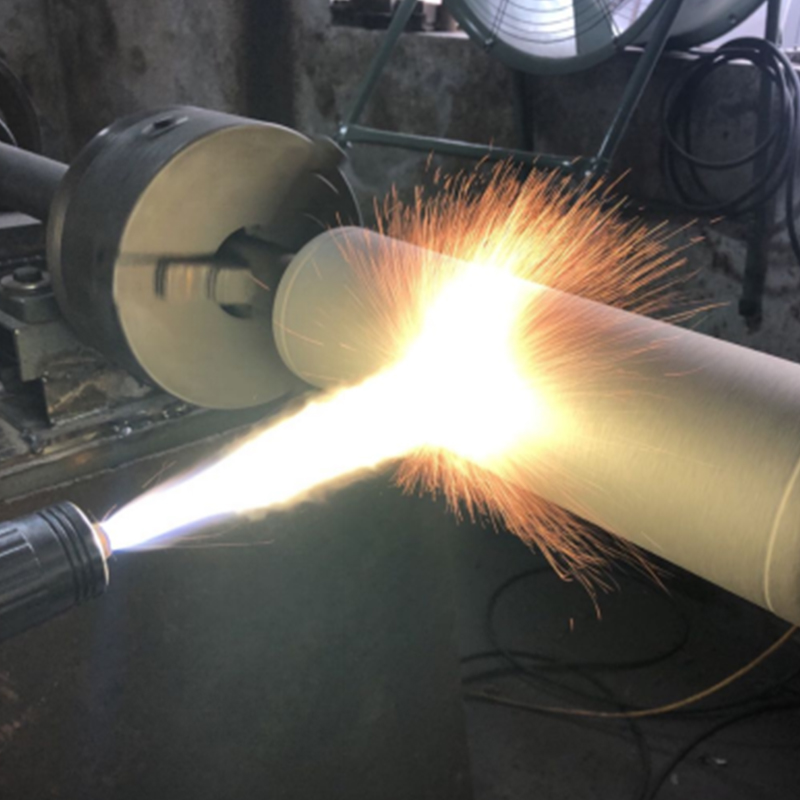
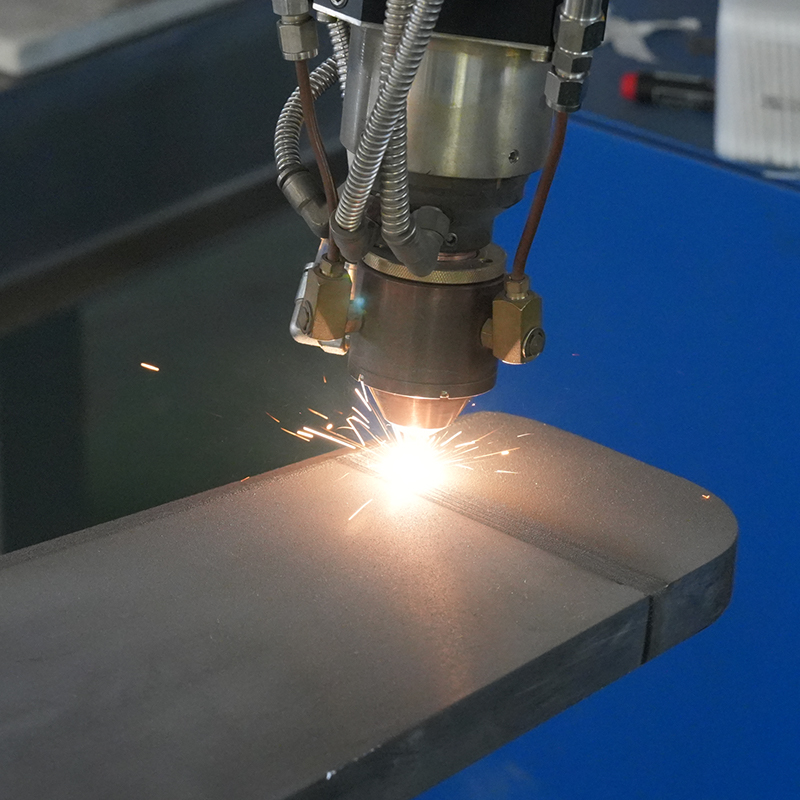
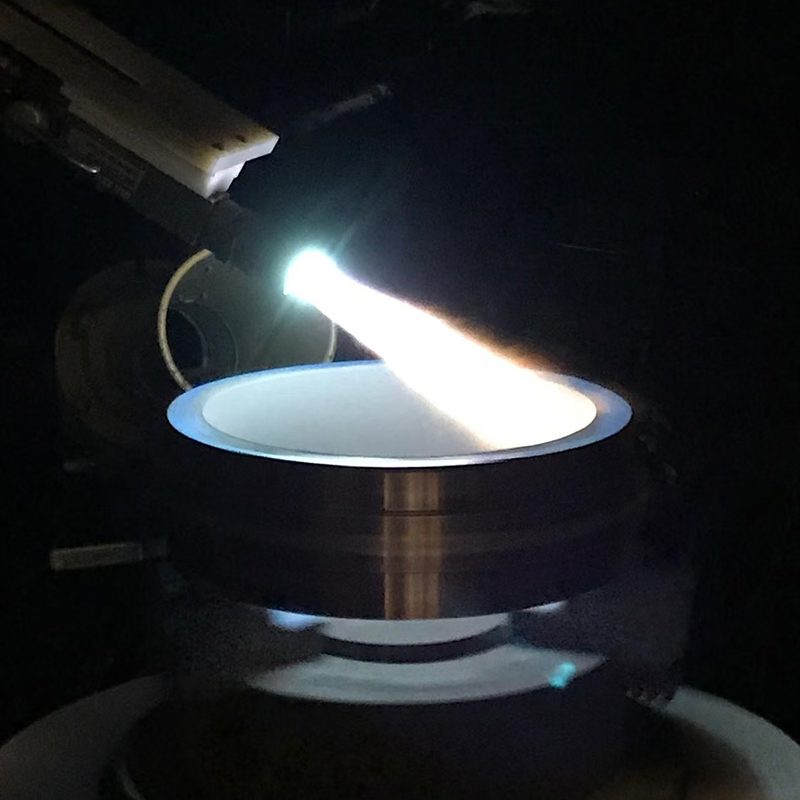
Plasma spraying is the primary route for this powder. The particles melt in the plasma jet and flatten against the prepared substrate, building a lamellar ceramic layer for wear rings, seals, plungers, rollers and pump components. Coating density and bond strength depend on grit-blast preparation, bond coat choice, spray distance, powder feed rate and part cooling.
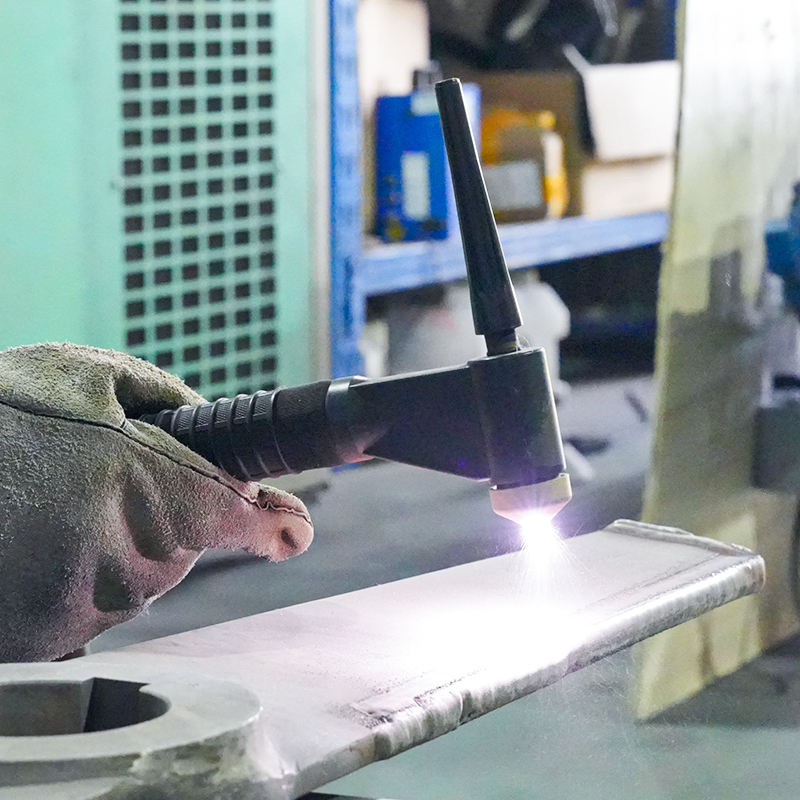
- Flame and oxy-acetylene spray welding — suitable for cylindrical parts such as shafts, rollers and plungers, where a fused, well-densified layer is required.
- Powder metallurgy — pressed and sintered wear parts, seals, rings and guides that need hardness with electrical insulation.
- High-temperature and chemical service — thermal barrier layers, catalyst carriers and electronic components where thermal stability and inertness matter.
- Substrate pairing — carbon and alloy steels, stainless steels and cast iron are common bases; bond coats are selected with the coating system, not the powder alone.
Specification Variables We Confirm Before Production
Each order is fixed on the variables that change coating behaviour, so the powder arriving at the gun matches the parameters used during qualification.
- Titania fraction and the accompanying SiO₂, Fe₂O₃, MgO, CaO and Cr limits
- Particle size cut — plasma grades are commonly specified in the −45/+15 µm or −53/+20 µm window, and we confirm the cut against your gun, feeder and target coating thickness
- Particle morphology — fused and crushed angular powder or agglomerated and sintered spherical powder, depending on the feeder and deposition method
- Flowability, apparent density and moisture content for stable feeding
- Packaging format, net weight and labelling
Manufacturing Control and Batch Testing
Ceramic powder is produced through controlled melting, solidification and classification, with the process parameters held to the agreed chemistry and size distribution. Our metal powder lines — vacuum, gas atomisation and water atomisation — run alongside this work and share the same quality system, which is managed to ISO9001/9002 requirements.
Testing covers the properties that determine coating performance: chemical composition by analyser and ICP, particle size distribution by laser diffraction, and hardness by Vickers and modular hardness testers. Powder process testing is applied to each batch so that chemistry, morphology and size distribution are documented rather than assumed.
Coated Components and Finishing Support
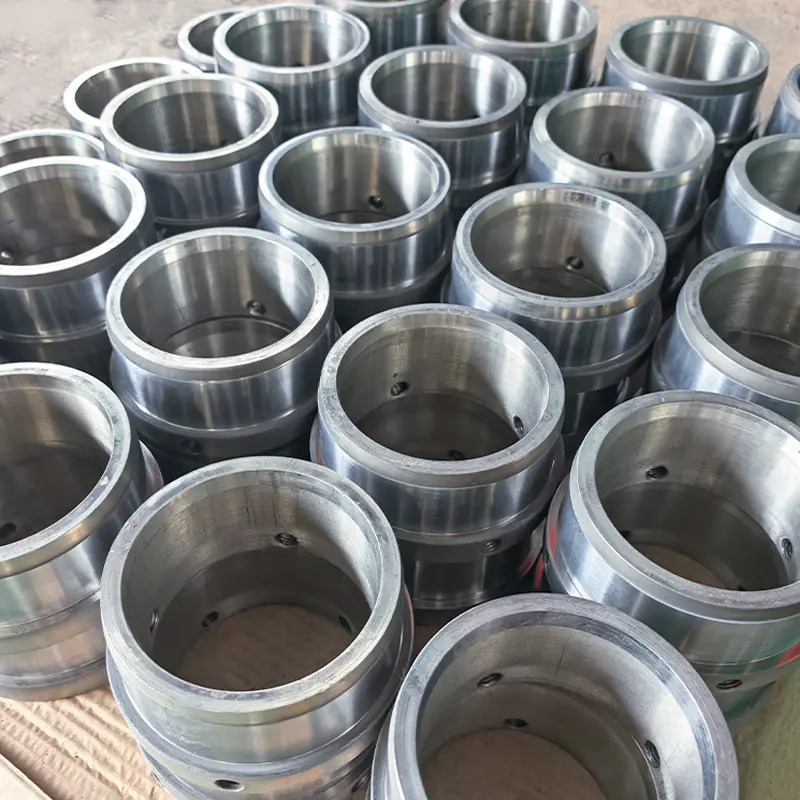
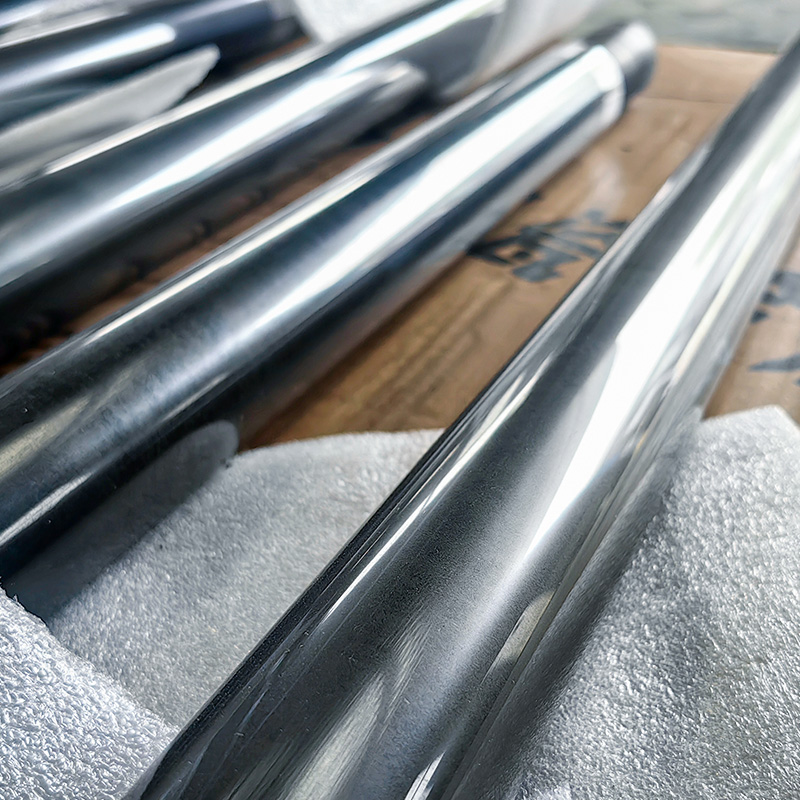
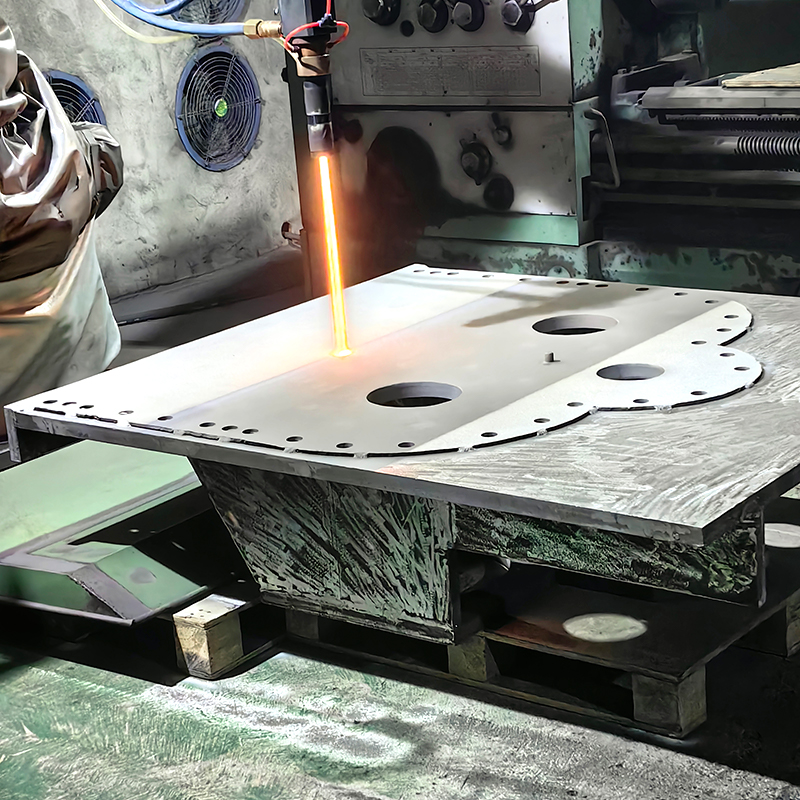
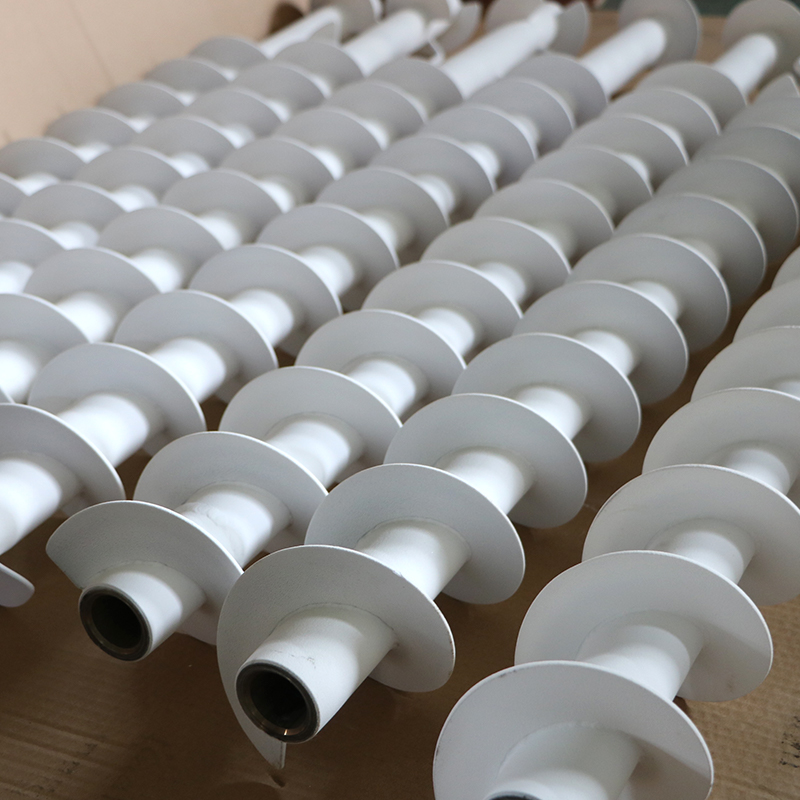
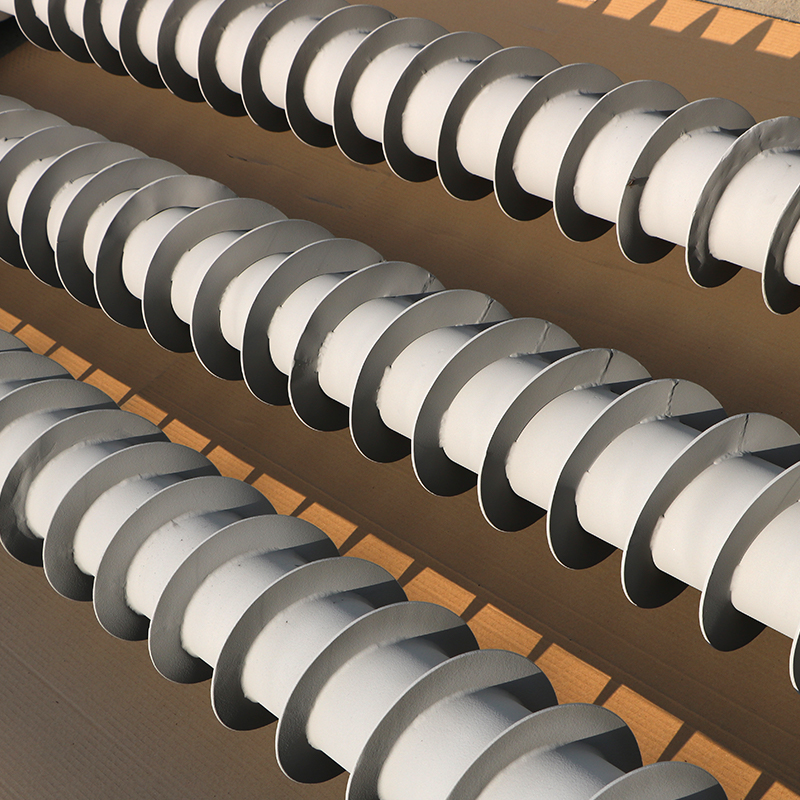
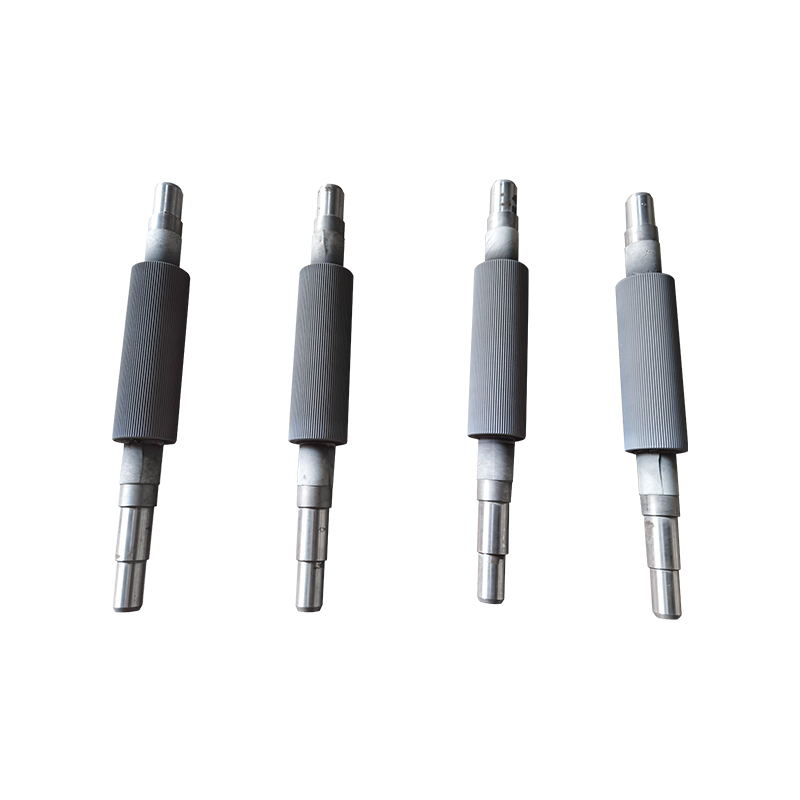
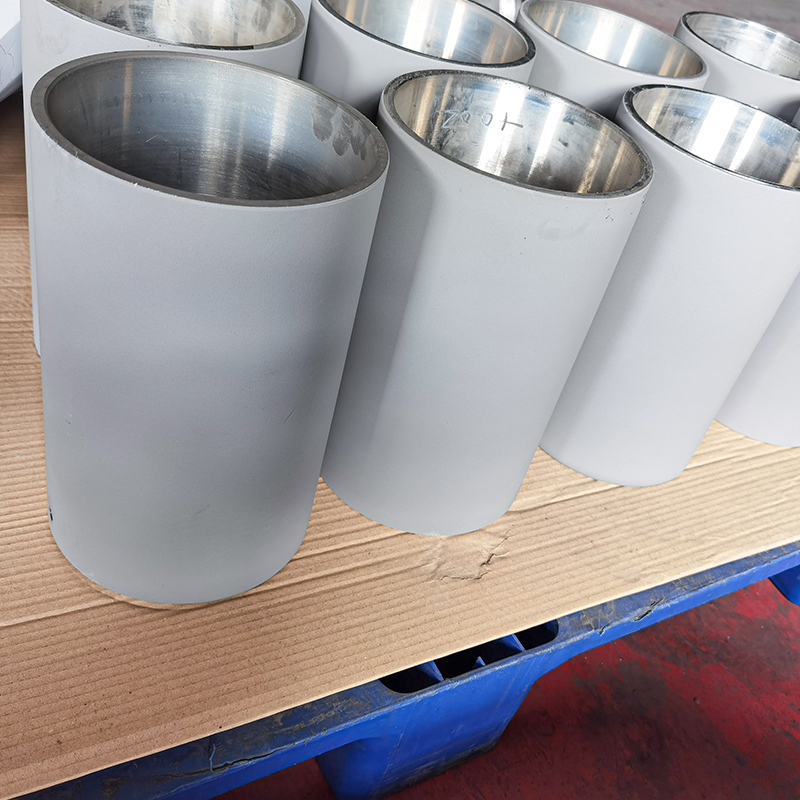
Powder supply and coating work are handled by the same company. Our plasma ceramic coating service applies alumina-titania and related ceramic layers to customer parts, and our wear-resistant product range covers hard-faced rollers, shafts, bushings, plungers and spiral shafts for metallurgical, paper, printing and chemical fibre lines.
Where a different ceramic chemistry suits the duty better, we also produce chromium oxide ceramic powder for applications that call for higher resistance to certain corrosive and erosive media. The full ceramic powder range is available for comparison against the alumina-titania grades.
Information We Use to Configure Your Solution
A quotation and a production specification are prepared from the following project inputs. Where a value is not yet fixed, we work from the application description and propose a starting grade and cut.
- Component type, base material and surface area to be coated
- Damage mechanism — abrasion, erosion, corrosion, thermal cycling or a combination
- Service temperature and atmosphere
- Deposition method and equipment, including gun type and powder feeder
- Required coating thickness and surface finish
- Target grade, particle size cut and quantity per delivery
- Documentation, packaging and delivery requirements
Packaging, Documentation and Delivery Scope
Powder is packed in sealed, moisture-protected containers, with net weight, liner and labelling confirmed at order stage so the material arrives ready for the feeder. Each shipment is accompanied by a batch record covering chemical composition and particle size distribution, and additional inspection data can be agreed where a project requires it.
For customers who prefer to buy finished parts rather than powder, the same order can be extended to coated or hard-faced components, including rollers, bushings, plungers and spiral shafts produced to drawing.
Frequently Asked Questions
What is the difference between Al₂O₃–3TiO₂, Al₂O₃–13TiO₂ and Al₂O₃–40TiO₂?
The titania content sets the hardness-to-toughness balance. The 3% grade reaches around 1100 HV0.3 and gives the highest abrasive wear resistance. The 13% grade sits at 850–1000 HV0.3 and is the general-purpose plasma spray choice. The 40% grade drops to 650–950 HV0.3 but tolerates thermal cycling and impact far better, which suits parts where cracking rather than wear limits life.
Which particle size cut do you supply for plasma spraying?
Plasma-sprayed alumina-titania is commonly supplied in the −45/+15 µm or −53/+20 µm range. The exact cut is confirmed against your gun, powder feeder and coating thickness target, and we can produce a narrower distribution where the deposition system requires it.
Can the powder be used for oxy-acetylene spray welding as well as plasma spraying?
Yes. Flame and oxy-acetylene spray welding are used for cylindrical parts such as shafts, rollers and plungers, where a fused, well-densified layer is needed. Plasma spraying generally produces a denser, more uniform ceramic coating, so the process is matched to the component geometry and the required surface finish.
How is batch-to-batch consistency controlled?
Chemistry, particle size distribution and hardness are tested on each batch using chemical analysis, ICP, laser particle size analysis and Vickers hardness testing. The production parameters are held to the agreed specification, and the batch record is issued with the shipment so the coating parameters qualified at the start remain valid across deliveries.
Do you supply finished coated parts as well as powder?
We do. Plasma ceramic coating, laser cladding, supersonic spraying and spray welding services are available, together with hard-faced rollers, bushings, plungers and spiral shafts produced to customer drawings. Powder and component supply can be combined in one order.
What information do you need to prepare a quotation?
Send the component type and base material, the damage mechanism, service temperature, deposition method and equipment, required coating thickness and finish, target grade and particle size cut, quantity and delivery requirements. With those inputs we return a grade recommendation, a production specification and a quotation.


 English
 русский
 عربى