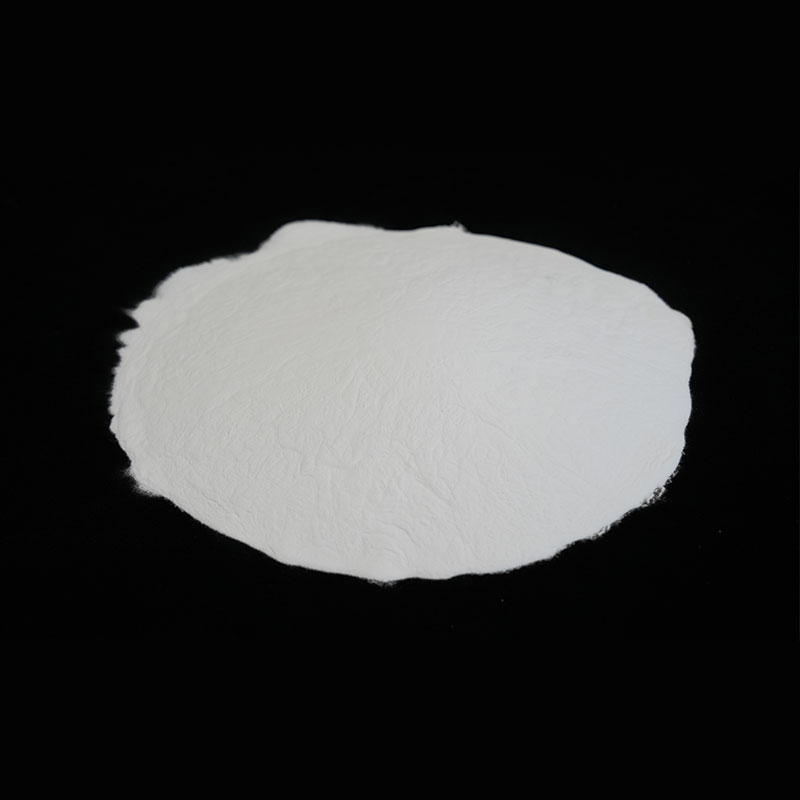
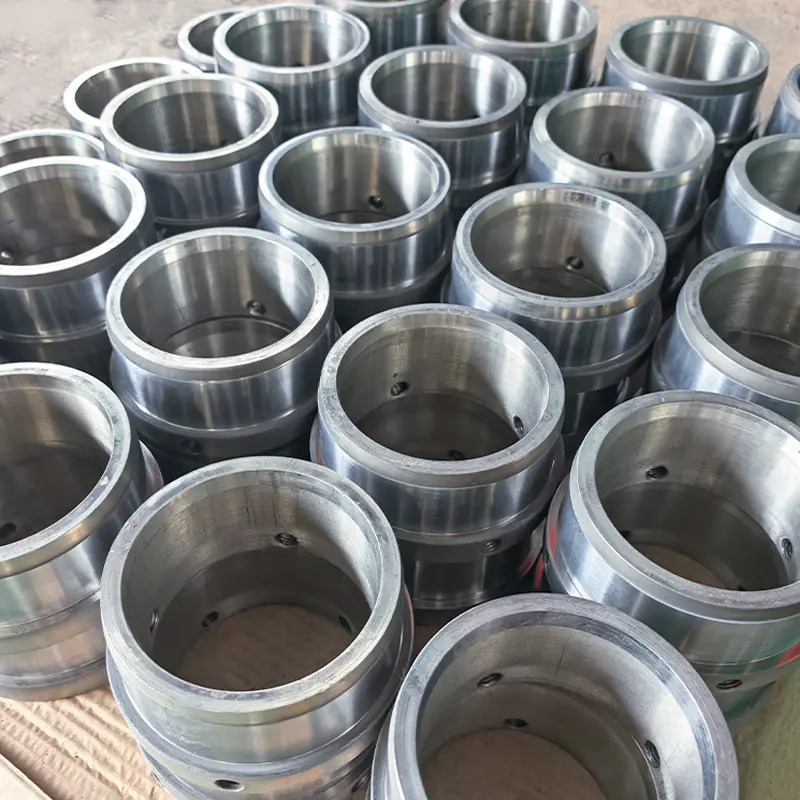
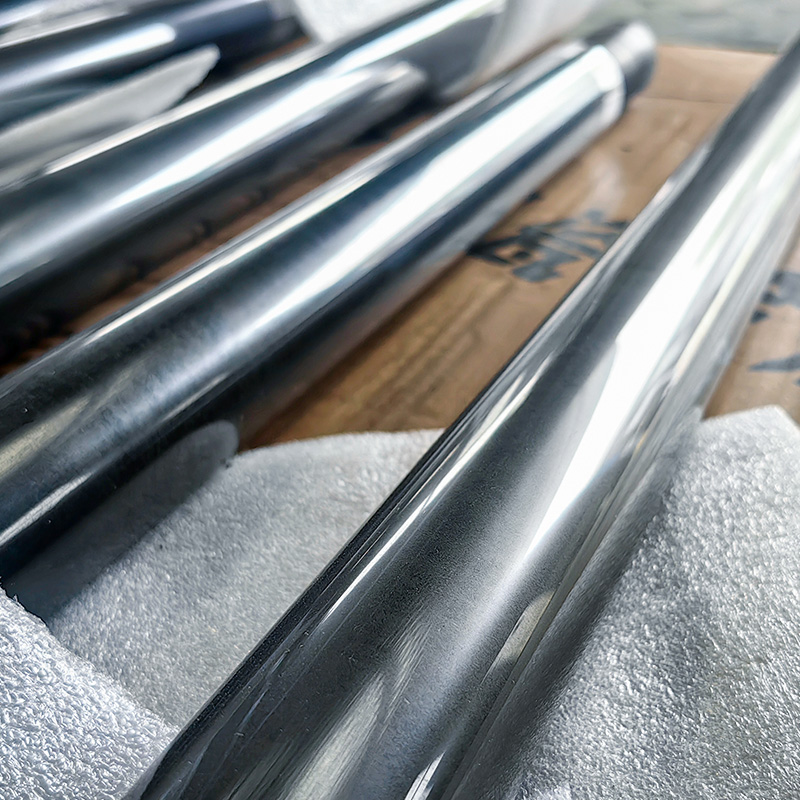
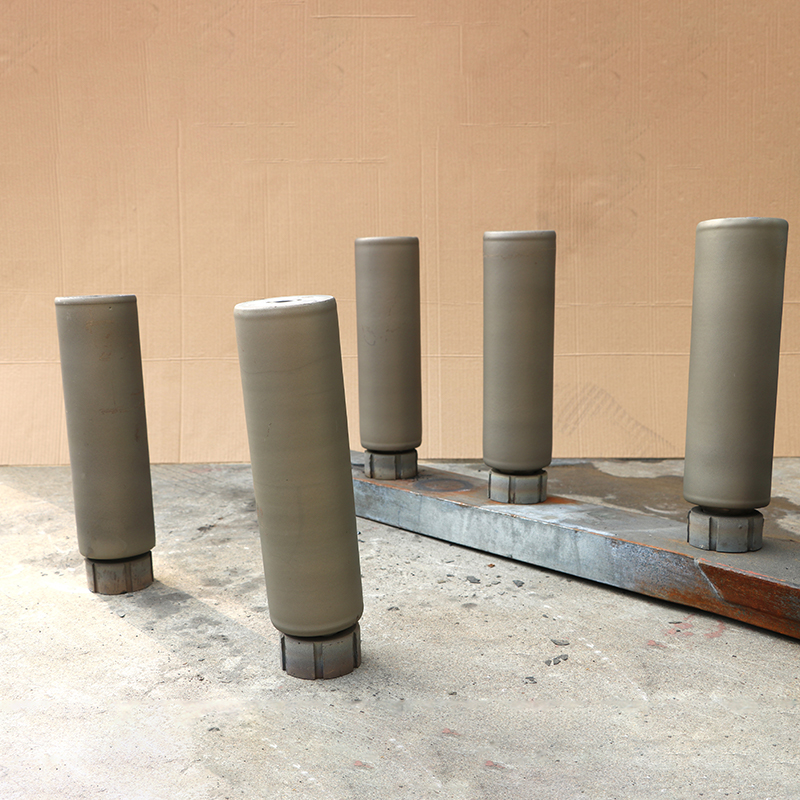
Jiangsu Crystal Additive Manufacturing Co., Ltd. produces yttrium oxide ceramic powder for sintered ceramic components, graphite protective coatings and thermal barrier coatings. The range covers 99.99% Y₂O₃ in two application grades and two yttria-stabilised zirconia compositions, supplied as classified powder with batch chemistry and particle size data. As a Yttrium Oxide Ceramic Powder manufacturer, we set the grade, the particle size cut and the packing around the process the powder will actually run in.
Yttrium oxide is a refractory ceramic: melting point near 2,430 °C, strong resistance to reactive plasmas and molten metals, and useful optical transparency in dense form. Those properties place it in semiconductor chamber hardware, LCD manufacturing, fuel cells and high-temperature coating systems. Our task is to deliver that chemistry at a controlled particle size distribution so the deposition or sintering line holds a stable working point.
Yttria and Yttria-Stabilised Zirconia Grades We Supply
As a Yttrium Oxide Ceramic Powder.html manufacturer, we match product configuration to the application, operating limits, interfaces and acceptance criteria defined for each project.
Four standard compositions cover most yttrium oxide ceramic powder enquiries. Each is supplied as classified powder, with the cut agreed to the customer's process rather than fixed by catalogue.
| Grade |
Y₂O₃ content (wt%) |
Impurity control |
Hardness |
Typical application |
| Y₂O₃ – semiconductor grade |
99.99 |
Fe₂O₃, Al₂O₃, CaO, SiO₂ each <0.1% |
350–450 HV0.3 |
Semiconductor and LCD components, electrostatic chucks, vacuum chamber walls, fuel cells, engine components, precision sintered boats and protective layers |
| Y₂O₃ – graphite boat grade |
99.99 |
Fe₂O₃, Al₂O₃, CaO, SiO₂ each <0.1% |
350–450 HV0.3 |
Graphite protective coatings in cemented carbide production, graphite moulds, fuel cells, sintered boat protective layers |
| ZrO₂–8Y₂O₃ |
7.5–8 (as stabiliser) |
Individual oxide impurities <0.1% |
600 HV0.3 |
Thermal barrier coatings: turbine blades, combustion section components, transition ducts, cylinder heads, jet engine combustion chambers, intake valves, turbochargers |
| ZrO₂–20Y₂O₃ |
18–22 (as stabiliser) |
Individual oxide impurities <0.1% |
— |
Graphite protective coatings, graphite moulds, diesel engines, heat treatment equipment, aerospace parts, missile nose cones, rocket nozzles |
Compositions outside this list — different stabiliser levels, blended cuts or a customer-specified impurity window — are quoted against the target chemistry and the process window rather than treated as catalogue items.
Reading the Grade Table
The two 99.99% Y₂O₃ grades
Both pure grades carry the same assay and the same hardness band. The distinction is the service environment they are qualified against: one is aimed at semiconductor and display hardware, the other at graphite tooling in cemented carbide production.
- Assay: 99.99% Y₂O₃, with Fe₂O₃, Al₂O₃, CaO and SiO₂ each held below 0.1%.
- Hardness: 350–450 HV0.3 in the sintered or coated state.
- Semiconductor grade: electrostatic chucks, vacuum chamber walls, LCD components, fuel cells, engine components, precision sintered boats and protective layers.
- Graphite boat grade: protective coatings on graphite boats and moulds used in cemented carbide production, plus fuel cells and sintered boat protective layers.
The YSZ grades
ZrO₂–8Y₂O₃ and ZrO₂–20Y₂O₃ are yttria-stabilised zirconia compositions in which yttrium oxide acts as the stabiliser rather than the bulk phase. Stabiliser content governs the phase mix, and the phase mix governs how the coating behaves under thermal cycling.
- ZrO₂–8Y₂O₃: 7.5–8% Y₂O₃, 600 HV0.3 — the established thermal barrier composition for turbine blades, combustion section components, transition ducts, cylinder heads, jet engine combustion chambers, intake valves and turbochargers.
- ZrO₂–20Y₂O₃: 18–22% Y₂O₃ — used where a higher stabiliser level is wanted, including graphite protective coatings, graphite moulds, diesel engine parts, heat treatment equipment, aerospace parts, missile nose cones and rocket nozzles.
- Both YSZ grades keep individual oxide impurities below 0.1%.
Application Fit by Industry
Yttrium oxide earns its place where a metal or graphite surface has to survive plasma, molten metal or repeated thermal cycling. The grade follows the failure mode, not the equipment name.
- Semiconductor and display: chamber walls, electrostatic chucks and LCD components need a dense, high-purity oxide with low metallic contamination. The 99.99% grade is the starting point.
- Cemented carbide and graphite tooling: graphite boats and moulds are coated to stop carbon pickup and extend service life between recoats.
- Aerospace and power generation: YSZ thermal barriers on blades, combustion liners, transition ducts and turbochargers reduce metal surface temperature and delay oxidation.
- Fuel cells and heat treatment: sintered boats, protective layers and furnace furniture use the same refractory chemistry in a different geometry.
Particle Size, Morphology and Process Compatibility
Chemistry sets the coating's service behaviour; particle size distribution sets whether the powder feeds at all. We classify to the deposition or forming route, then confirm the cut against the customer's feeder, gun or press.
- Plasma spraying of YSZ thermal barriers: free-flowing cuts in the tens of microns, commonly in the 15–45 µm or 45–106 µm bands depending on gun and powder feed system.
- Fine-feed and suspension routes: sub-micron to a few microns, where agglomerate control matters more than top size.
- Sintered ceramic bodies: sub-micron to low-micron powder with controlled agglomeration for consistent green density.
- Graphite protective coatings: cut matched to the deposition method and the required layer thickness per pass.
Morphology is quoted alongside the cut. Spherical and sub-spherical particles flow more evenly through a powder feeder; irregular or agglomerated material can suit pressing and slurry routes. We confirm which one the line needs before the batch is classified.
Coating and Sintering Routes We Support
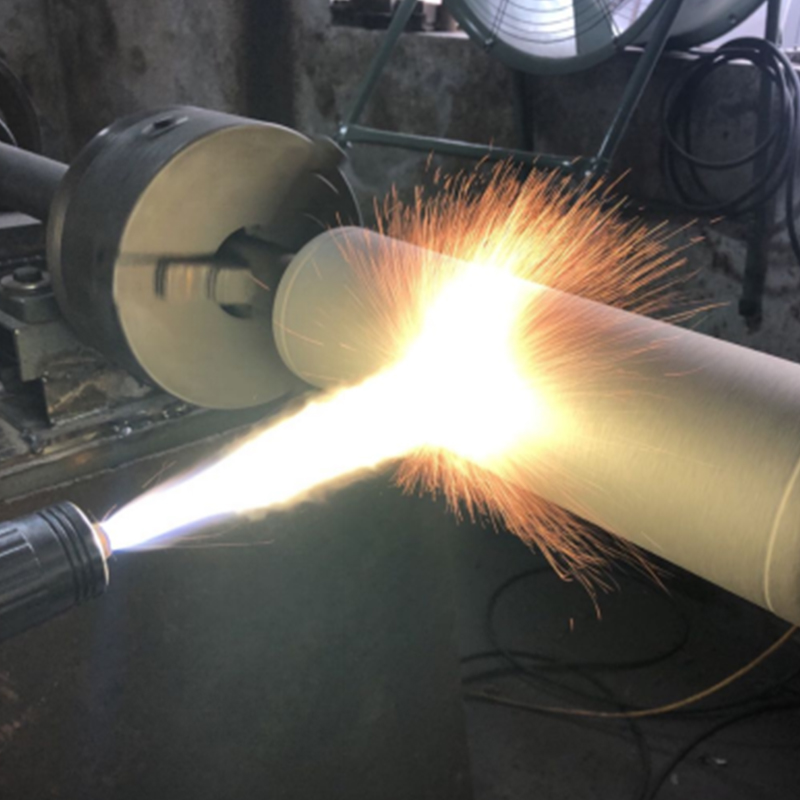
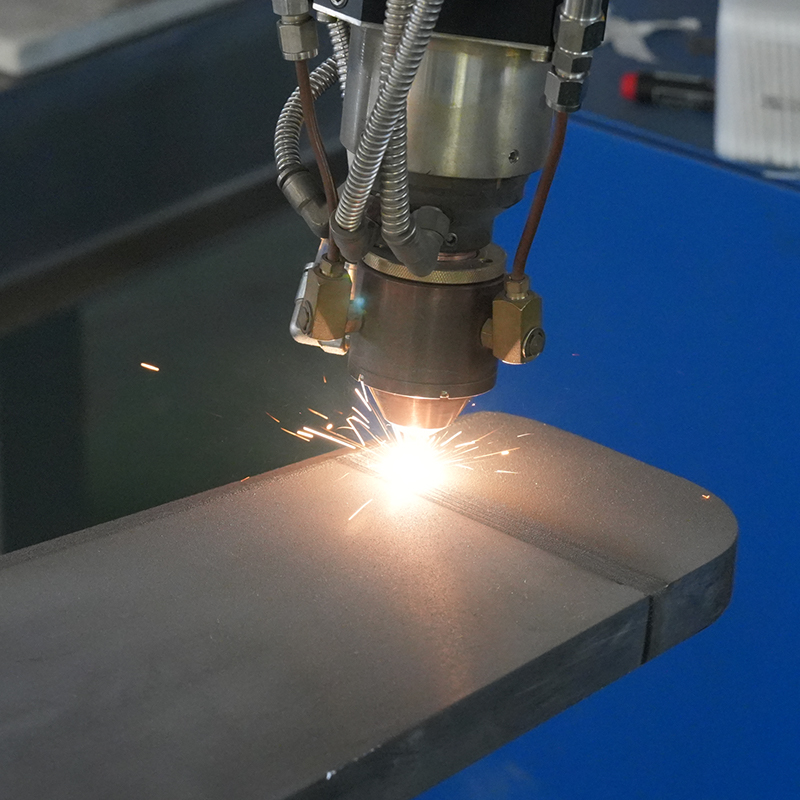
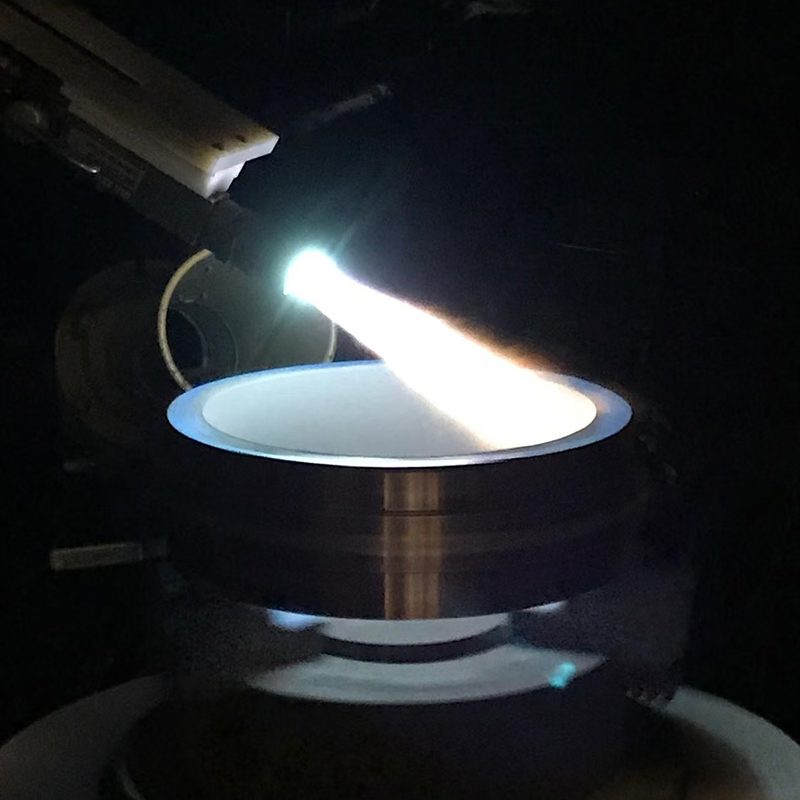
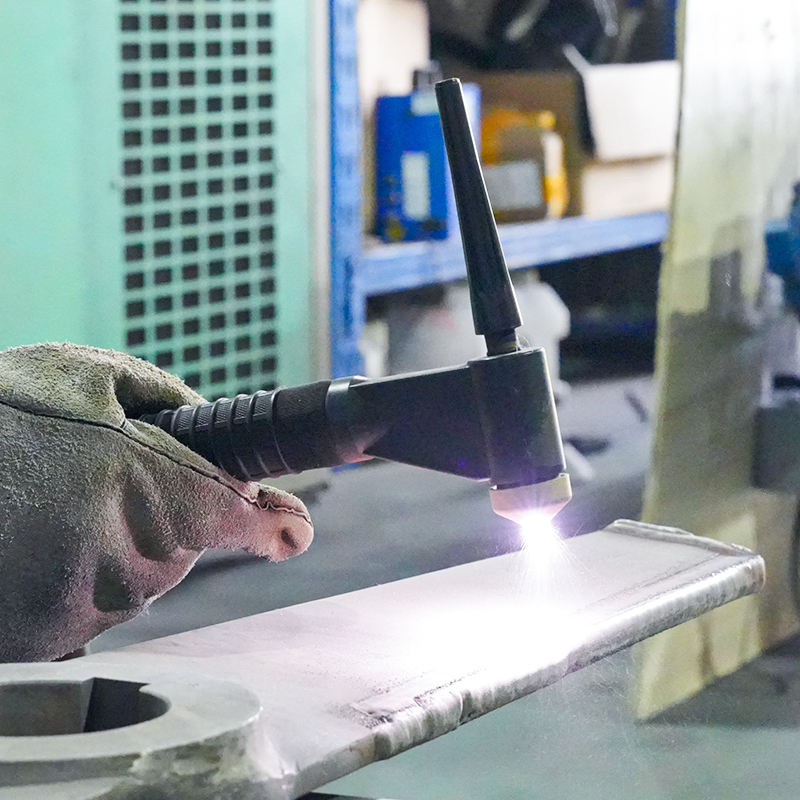
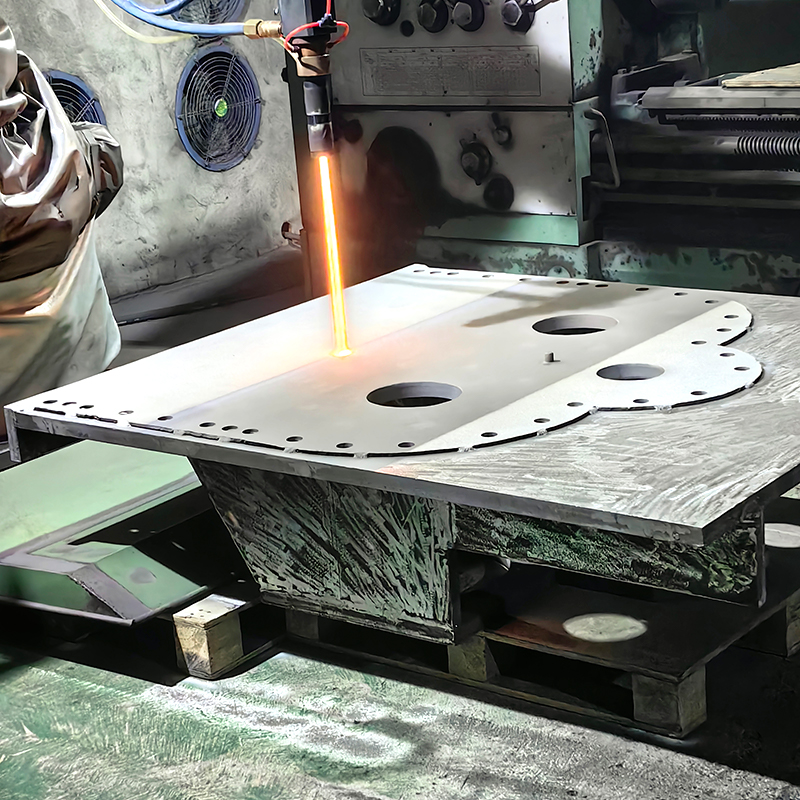
Yttrium oxide and YSZ powder from this range is used in atmospheric plasma spraying, plasma ceramic coating of chamber and roller surfaces, flame and HVOF routes, and in sintering of dense ceramic parts. Each route imposes a different demand on the powder: thermal spray needs a stable feed rate and a narrow cut, sintering needs a reactive fine powder and controlled impurity levels.
Because we also operate coating and hard-facing services, the powder specification and the deposition parameters are discussed together. When a customer is moving an existing coating from one gun to another, we work from the current coating result — thickness, porosity, bond strength target — rather than from the powder label alone.
Quality Control and Batch Data
Our management system is established in line with ISO 9001/9002 requirements, and production is controlled against the agreed chemical composition and particle size range for each order. Testing covers chemistry, physical morphology, mechanical properties and internal defects.
- ICP and chemical analysis for the main oxide content and impurity elements.
- Laser particle size analysis for distribution, plus screening data for the delivered cut.
- Vickers and modular hardness testing on sintered or coated reference samples.
- Hydrogen, oxygen and nitrogen analysis, carbon/sulphur analysis, and industrial CT for internal defect checks.
Batch records are issued with the shipment so the receiving plant can match incoming powder to its own process log. Where a customer's acceptance procedure calls for a specific test or a retained sample, that is agreed before production starts.
Packaging, Delivery Scope and Documentation
Yttrium oxide powder is moisture-sensitive and easily aerated, so packing is agreed at order confirmation rather than assumed. Unit weight, inner liner, sealing method and labelling are set to suit the receiving plant's handling equipment and storage conditions.
- Sealed inner packaging with moisture protection, in the unit weight the customer's feeder or press can handle.
- Batch identification on the outer label, cross-referenced to the inspection record.
- Shipping documents prepared to the destination and the agreed trade terms.
- Retained sample from the delivered batch where the acceptance procedure requires it.
Alongside yttria and YSZ, our wider ceramic powder range includes chromium oxide ceramic powder for wear and corrosion duty, so a plant coating several surfaces can source compatible materials from one production base.
Information We Use to Configure Your Solution
A quotation is only useful if the powder matches the line. These are the inputs that change the grade, the cut, the packing or the inspection plan.
| Project input |
What it determines |
| Base material and part geometry |
Whether a pure Y₂O₃ or a stabilised zirconia grade fits the thermal and chemical environment |
| Deposition or forming process |
Particle size band, morphology and flow behaviour |
| Target coating thickness, density or green density |
Cut selection and, for sintering, the fine fraction |
| Required chemistry and impurity limits |
Grade selection and the analytical methods used for release |
| Batch size, unit weight and packaging |
Production scheduling, packing method and labelling |
| Acceptance tests and documentation |
Inspection plan, batch certificate content and retained samples |
| Delivery point and handling conditions |
Outer packing, moisture protection and shipping documents |
Frequently Asked Questions
What separates the two 99.99% Y₂O₃ grades?
Both are 99.99% yttrium oxide with the same impurity ceiling and the same 350–450 HV0.3 hardness. One is qualified for semiconductor and LCD hardware — electrostatic chucks, chamber walls, precision sintered parts. The other is qualified for graphite protective coatings and moulds in cemented carbide production. The choice follows the service environment, not the assay.
Which grade suits a graphite boat protective coating?
The 99.99% graphite boat grade is the direct fit, and ZrO₂–20Y₂O₃ is also used for graphite moulds and protective coatings where a higher stabiliser level is preferred. We confirm the choice against the coating method, the required layer thickness and the operating temperature of the boat.
What particle size cuts can be supplied?
Powder is classified to the customer's process window rather than sold from a fixed list. Thermal spray routes typically call for free-flowing cuts in the tens of microns; sintering and fine-feed routes call for sub-micron to low-micron material. The cut is confirmed with the feeder, gun or press specification before the batch is released.
Can you supply stabilised zirconia instead of pure yttria?
Yes. ZrO₂–8Y₂O₃ and ZrO₂–20Y₂O₃ are standard compositions in this range, covering thermal barrier coatings on turbine and engine components as well as graphite and heat treatment applications. Stabiliser content is held to the stated window and verified by chemical analysis.
What documentation accompanies a batch?
Each batch is released against the agreed chemistry and particle size specification, with inspection data covering chemical composition, particle size distribution and hardness where applicable. Additional tests — oxygen, carbon, internal defect checks or a retained sample — are added to the inspection plan when the customer's acceptance procedure requires them.
How is the powder packed for shipment?
Packing is agreed at order confirmation: sealed inner packaging with moisture protection, unit weights matched to the receiving plant's handling equipment, and batch identification on the outer label. Shipping documents are prepared for the destination and the agreed trade terms.


 English
 русский
 عربى