Product Knowledge
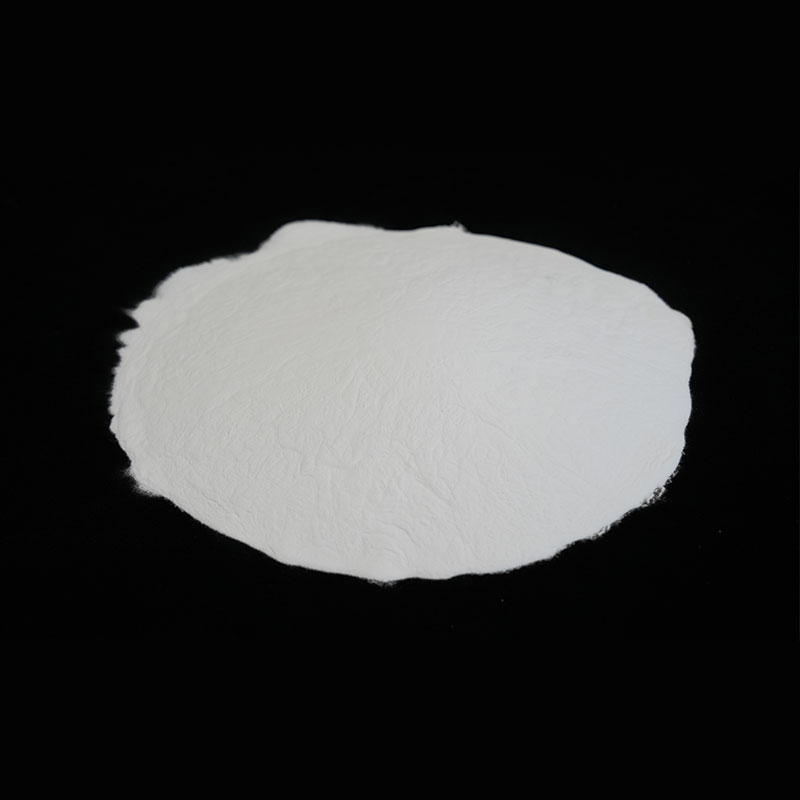
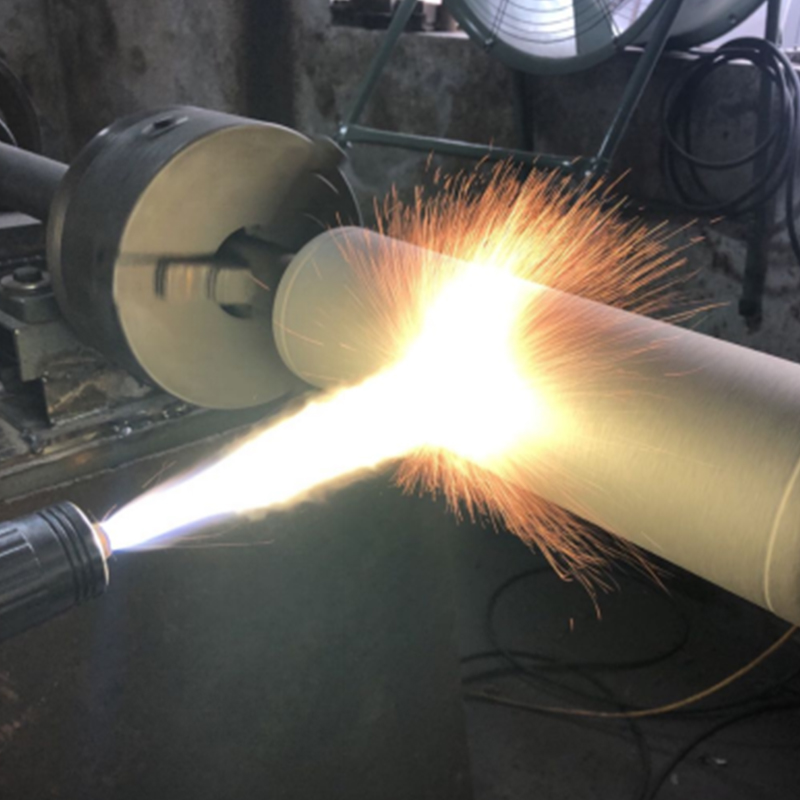
Jiangsu Crystal Additive Manufacturing Co., Ltd. is a China-based manufacturer of chromium oxide ceramic powder and the companion thermal spray materials that run on the same coating lines. Our Cr2O3 grades are produced for two coating routes in particular — supersonic (HVOF/HVAF) spraying and plasma spraying — and are sized to the gun and the workpiece rather than sold as one universal cut.
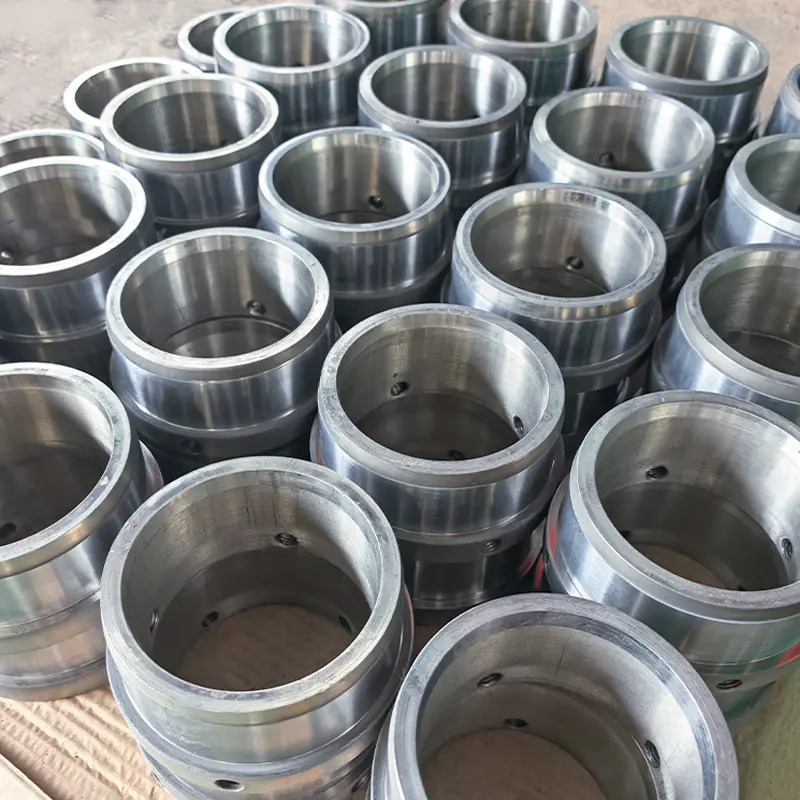
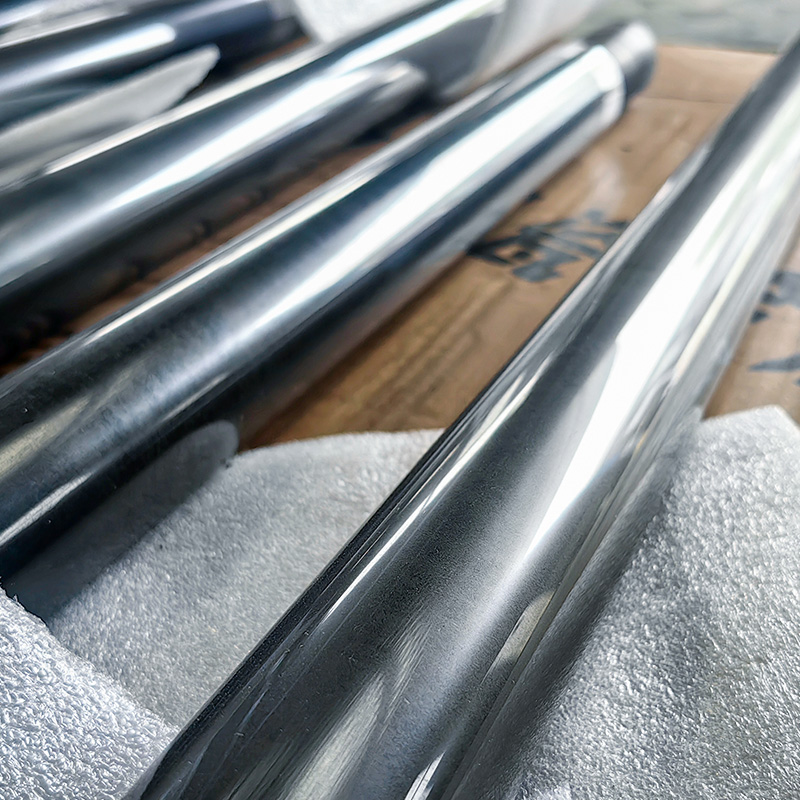
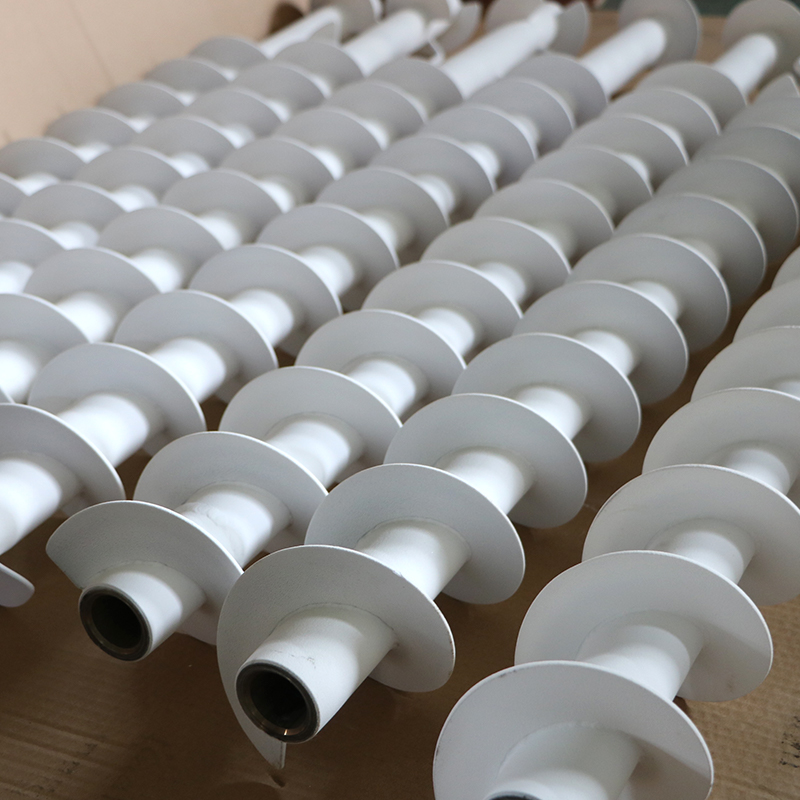
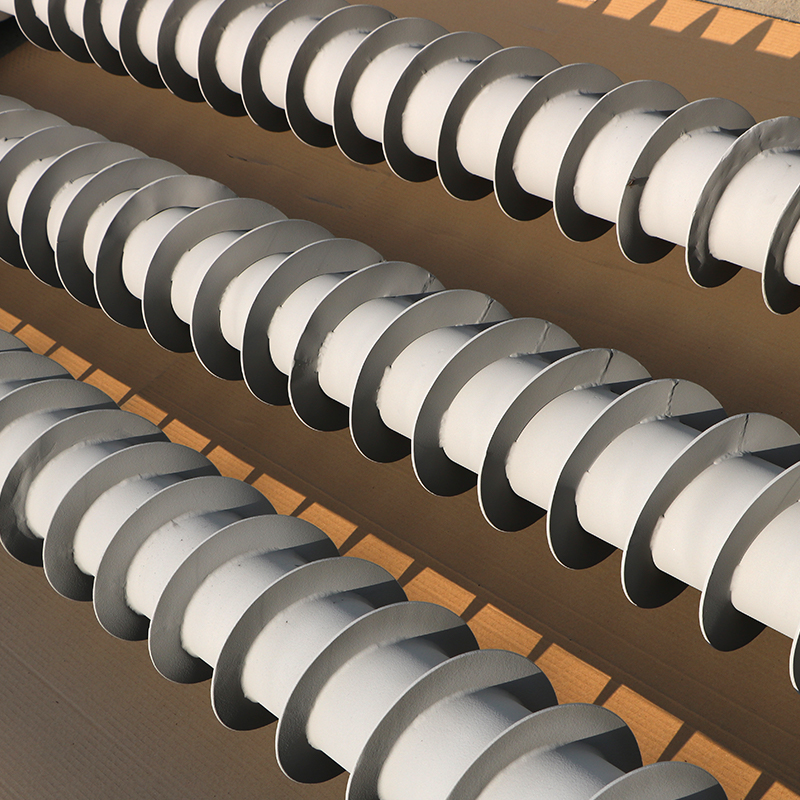
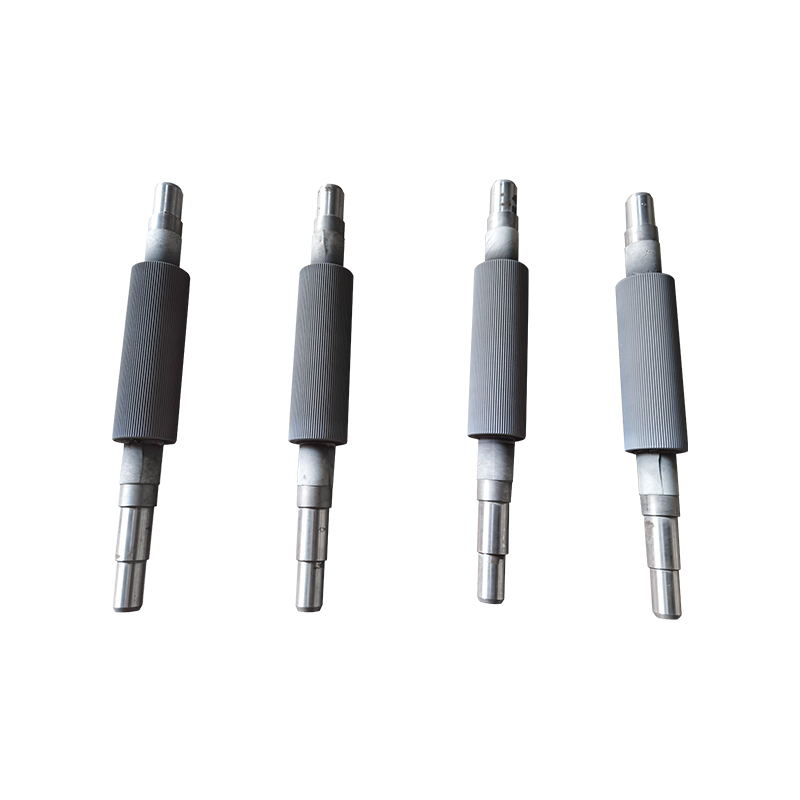
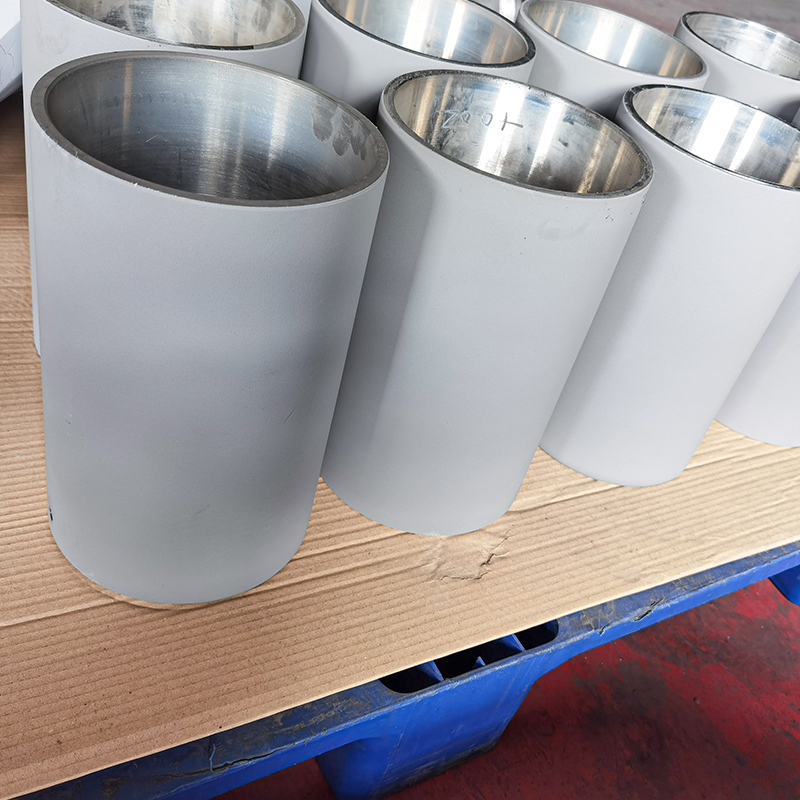
The material is specified where a hard, oxidation-resistant ceramic surface has to survive continuous contact: laser-engraved anilox rolls in printing, large rolls and hot rolls in paper and pulp, guide discs in textile machinery, hydraulic piston rods, dry cell mandrels, drum blades, compressor screws, cylinder liners, pump sealing areas, bushings, seals, wear rings and plungers.
At a glance: Cr2O3-based ceramic powder, four standard compositions, microhardness from 900 to 1350 HV0.3, oxidation resistance retained to roughly 900 °C, particle size adjusted to the spray process and confirmed against the order.
Chromium Oxide Grades We Produce
As a Chromium Oxide Ceramic Powder.html manufacturer, we match product configuration to the application, operating limits, interfaces and acceptance criteria defined for each project.
Each grade is a distinct working point, not a variation on the same coating. Titanium dioxide raises toughness and deposition efficiency while giving up some hardness; silica additions shift friction behaviour. The table below sets out the compositions we run and where each one is normally placed.
| Grade |
TiO2 / SiO2 addition |
Microhardness (HV0.3) |
Coating character |
Typical parts |
| Cr2O3 |
TiO2 <0.1%, SiO2 <0.1% |
950–1350 |
Highest hardness and oxidation resistance; least tolerant of impact |
Laser-engraved ceramic anilox rolls, paper and pulp rolls, hot rolls, textile guide discs, bushings, seals, wear rings |
| Cr2O3–25TiO2 |
TiO2 ≈25% |
900 |
Tougher, better crack resistance, higher deposition efficiency |
Hydraulic piston rods, dry cell mandrels, textile parts, drum blades, compressor screws, cylinder liners, pump seals, bushings, wear rings |
| Cr2O3–40TiO2 |
TiO2 ≈40% |
900 |
Highest toughness of the TiO2 series; suited to thicker builds and impact loading |
Piston rods, mandrels, drum blades, compressor screws, cylinder liners, pump sealing areas, bushings, wear rings |
| Cr2O3–5SiO2–3TiO2 |
SiO2 ≈5%, TiO2 ≈3% |
950–1200 |
Balanced hardness and toughness with stable friction behaviour |
Textile parts, compressor screws, cylinder liners, pump sealing areas, bushings, plungers, wear rings |
What the Chemistry Limits Mean on the Line
Chromium oxide coatings fail from inclusions and porosity long before they fail from hardness. That is why the impurity window is held tight on every grade we ship, and why the residual metallic chromium figure matters as much as the Cr2O3 balance.
- SiO2, Al2O3, MgO and CaO below 0.1% — these form discrete phases that interrupt splat bonding and open porosity in the as-sprayed lamellae.
- Fe2O3 below 0.1% — keeps the coating chemistry predictable where the part also sees acids, alkaline wash-down or process steam.
- Metallic chromium below 0.1% — a low figure confirms the powder is fully oxidised, so hardness and high-temperature stability come from the ceramic phase rather than from free metal.
- Cr2O3 as the balance — the alpha chromium(III) oxide phase, sometimes written as chromic oxide, is the hard, chemically inert constituent that carries the wear duty.
We report the full chemical analysis with each batch, so the composition stated on the certificate is the composition in the drum.
Particle Size, Flow and Spray Process Fit
Particle size is the single variable that most often decides whether a Cr2O3 coating deposits well or spits. A cut that is too coarse melts incompletely and raises porosity; a cut that is too fine overheats, oxidises in flight and blocks the powder port. We adjust the size distribution to the gun and confirm the cut with the order.
- Supersonic / HVOF: finer fractions are the norm, because the higher particle velocity does the melting work and short dwell time demands a small, uniform particle.
- Plasma spraying: a wider window is workable; the arc temperature and longer residence time tolerate coarser fractions and give good coating density.
- Flowability: spherical and sub-spherical morphology from our atomisation lines keeps the powder feeding smoothly and steadily through the hopper and hose.
- Oxygen content: held low so that the powder does not carry an oxide load into the flame that would show up as unmelted or brittle zones.
Where a line runs more than one gun, we can supply the same grade in two different cuts so that both machines draw from one material approval.
Application Fit by Workpiece
The same ceramic behaves differently on a rotating roll, a reciprocating rod and a static seal face. Matching the grade to the contact condition is the first decision in a coating specification.
- Printing — anilox and engraved rolls: pure Cr2O3 gives the hardness and cell-wall definition needed for laser engraving, plus the ink release and doctor-blade wear resistance the roll face demands.
- Paper and pulp — large rolls, hot rolls: pure Cr2O3 for the hardest face; the TiO2 grades where thermal cycling or edge loading makes crack resistance the limiting factor.
- Hydraulics — piston rods and plungers: Cr2O3–25TiO2 and Cr2O3–40TiO2 tolerate rod flexure and impact without through-cracking.
- Textile — guide discs, friction and draw parts: the SiO2-bearing grade holds a stable friction level against synthetic fibre running at speed.
- Rotating equipment — compressor screws, cylinder liners, pump sealing areas: TiO2-modified grades where the coating must survive sliding contact plus a mildly corrosive medium.
- General mechanical engineering — bushings, seals, wear rings: grade selected against load, shaft speed and the counterface material.
Substrate Preparation, Bond Coats and Finishing
A chromium oxide top coat is only as good as the interface beneath it. Ceramic splats do not alloy with steel, so the coating relies on mechanical keying and, on most parts, a metallic bond layer.
- Surface preparation: degrease, then grit blast to a clean, angular profile; mask or plug bores, keyways and seal seats before blasting.
- Bond coat: a nickel-chromium or nickel-aluminium bond layer is standard practice under Cr2O3 on steel substrates; thickness and chemistry are agreed with the coating procedure.
- Build-up: ceramic layers are applied in passes with controlled gun speed and step-over to limit residual stress and avoid local overheating.
- Finishing: diamond grinding and lapping bring the surface to the required Ra and dimensional tolerance; sealed coatings are used where the part sees wet corrosion.
- Thermal limit: the coating retains its oxidation resistance to roughly 900 °C, which sets the upper bound for hot-roll and high-temperature sliding duties.
Batch Control, Testing and Acceptance
Powder performance is a batch property. Our production runs through vacuum, gas atomisation and water atomisation lines under a quality management system built on ISO 9001 practice, with the process parameters recorded for each melt and each screening step.
- Chemical composition: ICP and combustion analysis for the full element set, including the impurity limits listed above.
- Particle size distribution: laser particle size analysis, reported as the cut actually supplied.
- Physical characteristics: morphology and flow behaviour assessed against the spray process the powder is destined for.
- Coating verification: hardness and microstructure checks on sprayed coupons support acceptance where the customer specifies coating properties rather than only powder properties.
- Traceability: batch number, grade, cut and analysis travel with the delivery, and retained samples are held against the batch.
Information We Use to Configure Your Solution
A quotation for chromium oxide ceramic powder is built from the working point, not from a catalogue number. These are the inputs that let us fix grade, cut, pack and documentation in one pass.
- Part and substrate: component type, base material, dimensions, coated area and whether it is new manufacture or repair.
- Service condition: contact type (sliding, rolling, abrasive, erosive), counterface material, load, speed and operating temperature.
- Coating requirement: target thickness, surface finish, hardness range, porosity limit and any sealing requirement.
- Process and equipment: spray method, gun model, powder feed system and the size window the feeder accepts.
- Quantity and rhythm: trial quantity, first production batch and expected annual consumption.
- Documentation and delivery: analysis certificate, retained sample, labelling, pack size and destination.
Send the working point and we will come back with a grade recommendation, a particle size cut and a batch plan. Where the application is new, we start with a trial quantity so the coating can be proven before the production order is placed.
Packaging, Handling and Delivery Scope
Ceramic powder takes up moisture and segregates if it is handled carelessly, so it ships in sealed, moisture-barrier containers with the grade, particle size cut and batch number marked on the label. Pack size is agreed with the order so that a drum matches the consumption rate of the line rather than sitting open in the store.
On receipt, keep containers closed until the hopper is charged, avoid pouring from height, and return unused powder to a sealed container. We confirm the delivery scope — powder only, or powder with coating support — at the quotation stage.
Related Materials and Coating Support
Chromium oxide is one option in a wider ceramic and carbide family. Where the duty is more erosive than sliding, or where a metallic bond strength is needed, a different consumable is usually the better answer, and we produce those on the same site.
As a Chromium Oxide Ceramic Powder Manufacturers, we also supply cobalt-based, nickel-based, iron-based and copper-based alloy powders, composite tungsten carbide powders and customized pure metal powders, so a single material approval can cover a mixed coating shop.
Frequently Asked Questions
Which grade is used for laser-engraved anilox rolls?
Pure Cr2O3, with all impurity oxides below 0.1% and microhardness in the 950–1350 HV0.3 range. The high hardness and fine, uniform structure hold the cell walls during laser engraving, and the ceramic face resists doctor-blade wear and ink adhesion over long print runs.
Can the particle size be adjusted to our spray gun?
Yes. Particle size is adjusted as needed and confirmed against the gun and feed system on the order. Supersonic and HVOF guns generally take a finer cut than plasma torches, and where a plant runs both processes we can supply one grade in two cuts.
What is the maximum service temperature of a chromium oxide coating?
The coating retains its oxidation resistance to approximately 900 °C, which covers hot rolls, high-temperature sliding contacts and dry-running seal faces. Above that level the ceramic itself is stable, but the bond coat and substrate combination becomes the limiting element and the coating system has to be reviewed as a whole.
Do you supply powder only, or coating services as well?
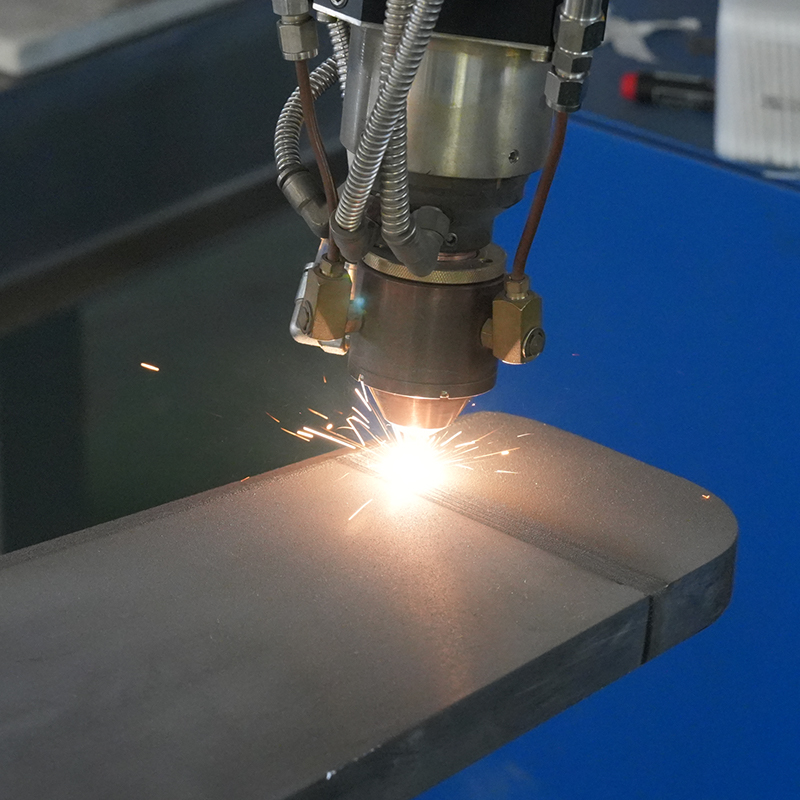
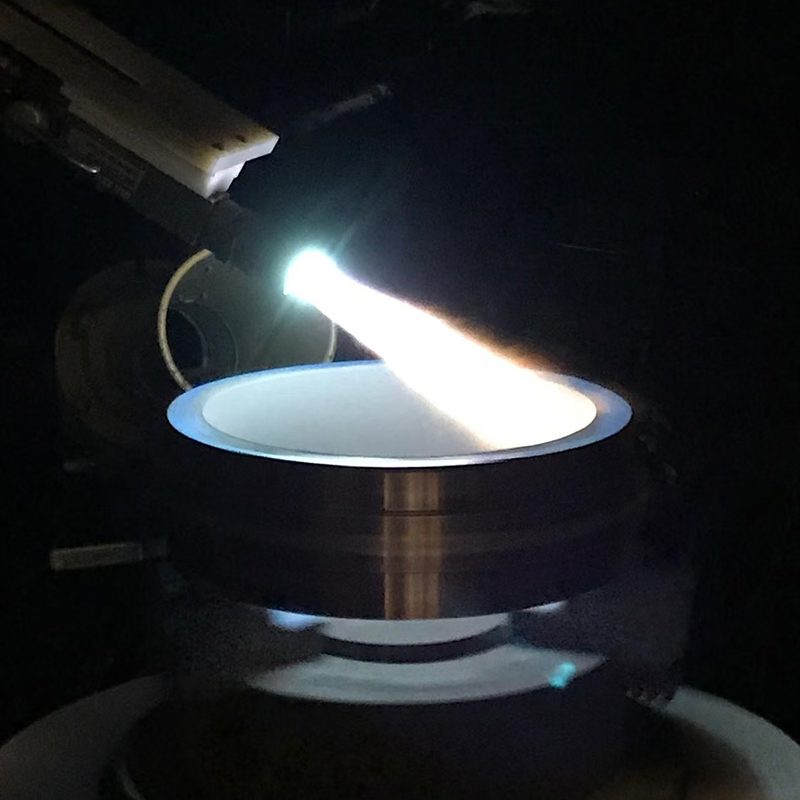
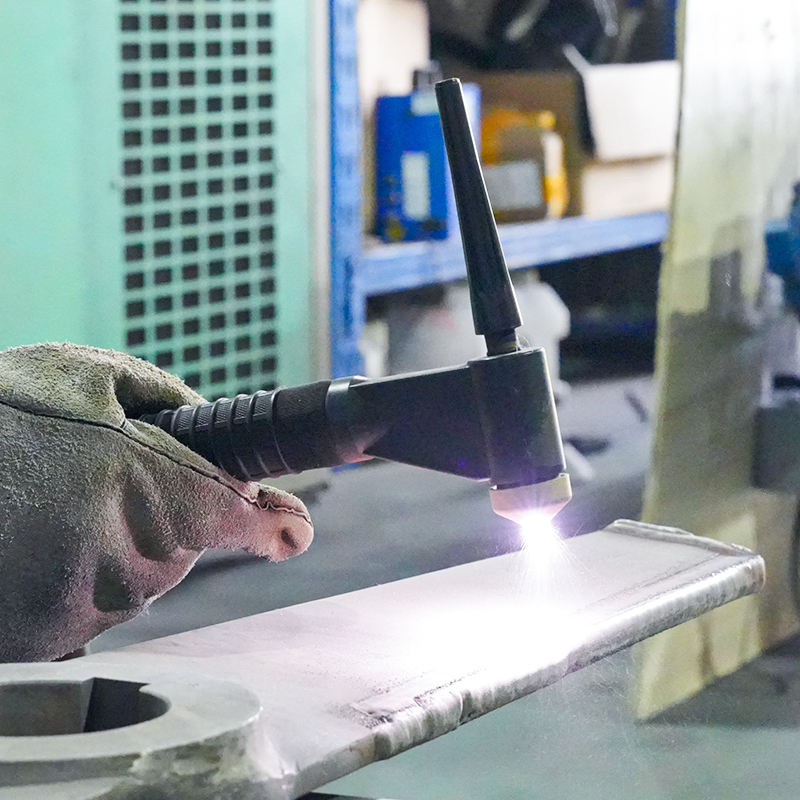
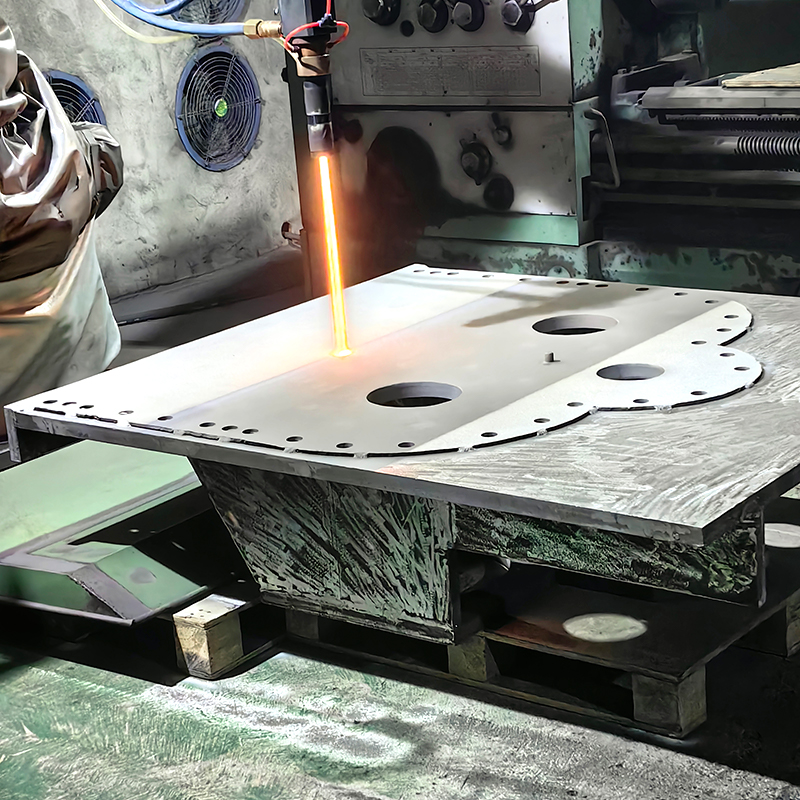
Both. We produce the powder and we also apply coatings — supersonic spraying, plasma ceramic coating, plasma cladding, laser cladding and oxyacetylene spray welding — on wear-resistant rollers, shafts, bushings, plungers and spiral shafts. Customers who coat in-house buy the powder; customers who prefer to send the part buy the finished component.
What documentation comes with a batch of ceramic powder?
Each batch is released with its chemical analysis, particle size distribution and batch identification, and a retained sample is held against the delivery. Where the acceptance criteria are written on coating properties rather than powder properties, we support that with hardness and microstructure results from sprayed coupons.
How do we start a trial on a new application?
Send the part description, substrate, service condition, target coating thickness and the spray equipment in use. We return a grade and cut recommendation with a trial quantity, and once the coating is proven on the line the production batch is scheduled against the same specification.


 English
 русский
 عربى