English
 русский
 عربى
عربىCarbide powder is the quiet workhorse behind some of the hardest, longest-lasting components in modern industry. From the tungsten carbide grit bonded onto a mining drill bit to the chromium carbide layer that keeps a paper mill roller running for years, these powders decide how well a surface resists abrasion, erosion, and heat.
In this guide we share what carbide powders actually are, how they are produced, how the main families differ, and what to check before you specify one. The notes below come from day-to-day work at Jiangsu Crystal Additive Manufacturing Co., Ltd., where we produce alloy and carbide powders and also apply them as coatings on customer parts.
Content
What Is Carbide Powder?
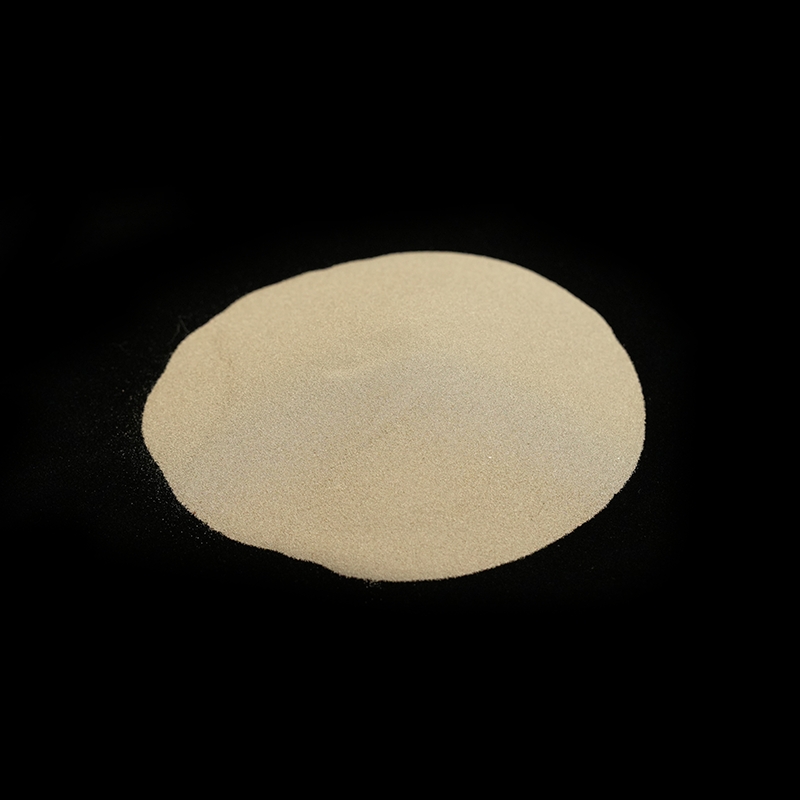
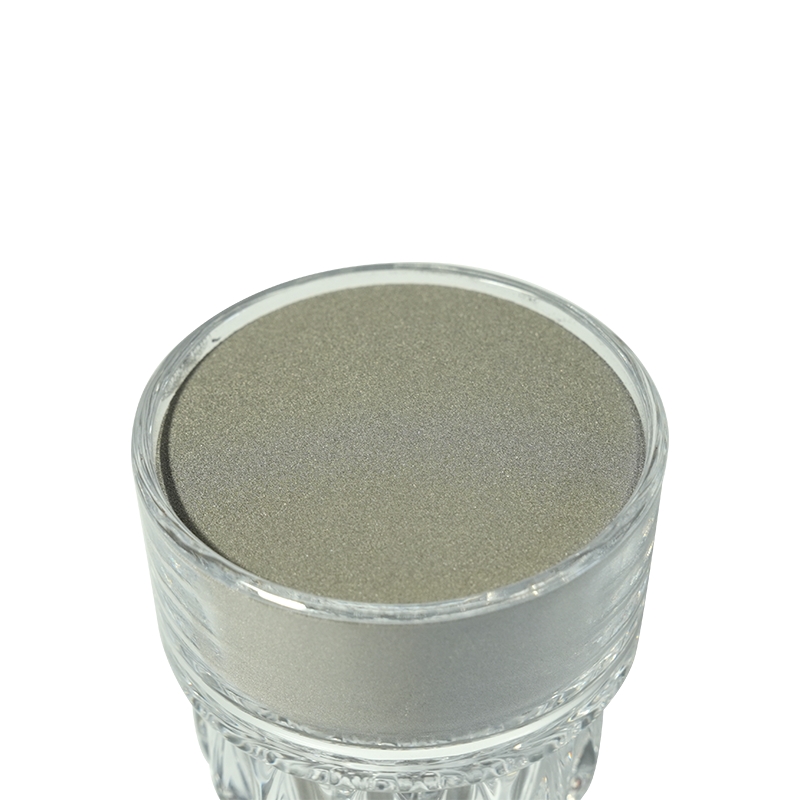
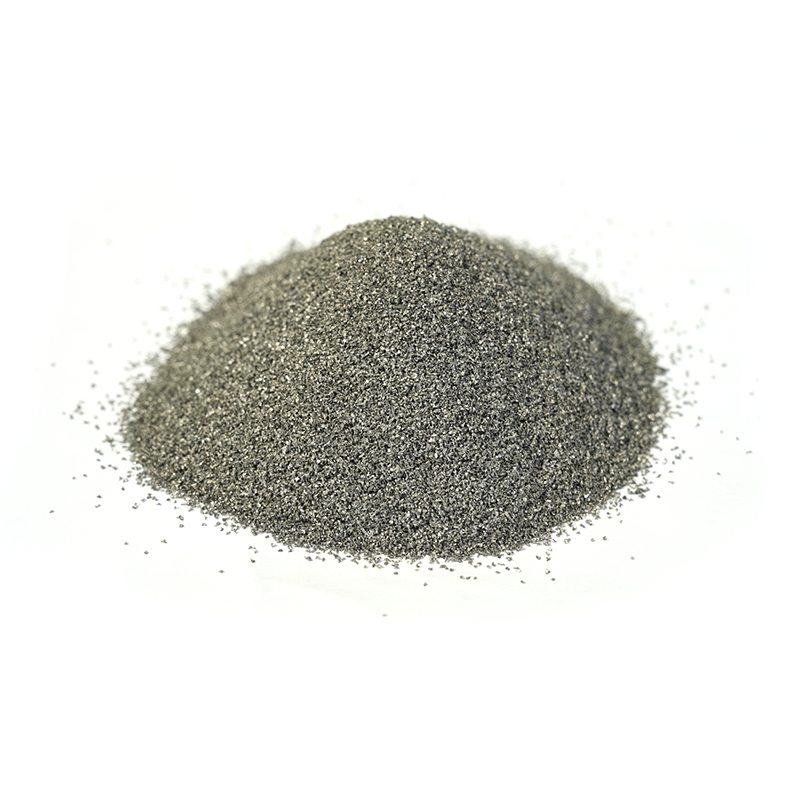
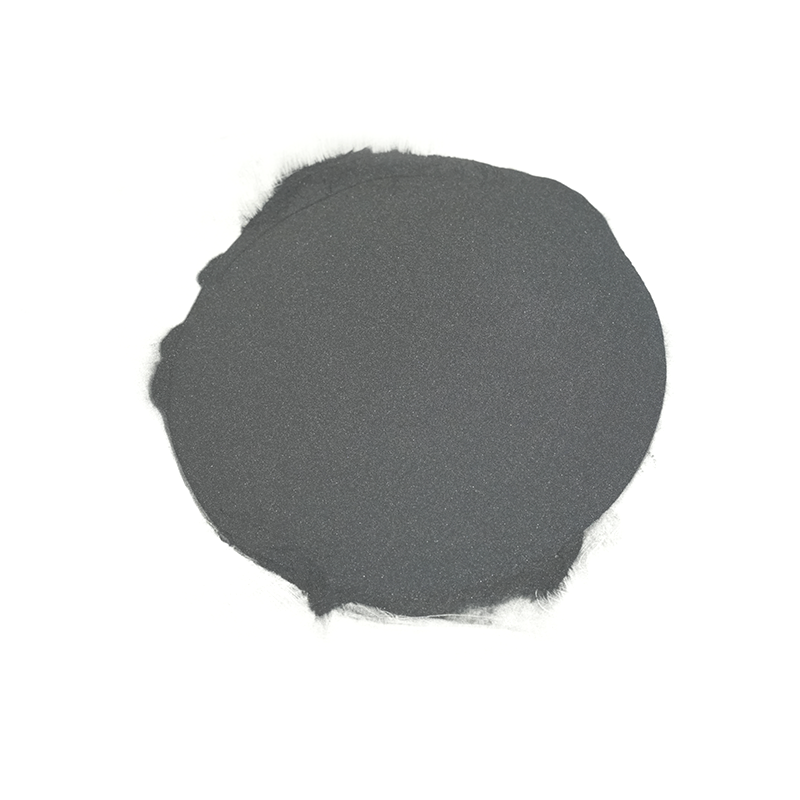
Carbide powder is a finely divided form of a carbide compound, which means carbon chemically combined with a metal. The metal partner determines the personality of the powder, and that is why the family is broad rather than single:
- Tungsten carbide (WC) is the best known and the hardest of the common carbides, used wherever severe abrasion has to be stopped.
- Titanium carbide (TiC) offers high hardness at lower density and is often found in cermet cutting inserts and steel-bonded tooling.
- Chromium carbide (Cr3C2) trades a little hardness for outstanding resistance to oxidation and hot corrosion.
- Vanadium, niobium, and tantalum carbides appear in smaller amounts as grain-growth inhibitors in hardmetals and tool steels.
- Boron carbide and silicon carbide serve niches where extremely high hardness or low weight matters more than toughness.
One point that causes real confusion in procurement: carbide powder is not cemented carbide. Cemented carbide is the finished hardmetal you get after pressing and sintering powder together with a metal binder such as cobalt or nickel. The powder is the raw material; the sintered insert is the product. Keep that distinction in mind and specification conversations become far easier.
How Carbide Powder Is Made
Carbothermic Reduction and Direct Reaction
For tungsten carbide, the classic route starts with tungsten trioxide mixed with carbon black and heated in a furnace at roughly 1,400 to 2,000 degrees Celsius. The carbon takes the oxygen away as carbon monoxide, and what remains is tungsten carbide. Process temperature, carbon ratio, and residence time decide whether you end up with fine monocrystalline WC or the harder eutectic mixture of WC and W2C known as fused carbide.
Milling, Classification, and Agglomeration
The reacted cake is then crushed, milled, and classified. Jet milling and ball milling reduce particle size, while air classification and sieving cut the distribution into usable grades. For thermal spray and laser cladding, powders are often spray dried into spherical agglomerates and then sintered, which gives good flowability and a predictable melt behavior. Plasma spheroidization goes a step further and produces smooth, fully dense spheres for powder feeders that demand the tightest flow characteristics.
What We Check on Every Batch
- Particle size distribution measured by laser diffraction, not just a sieve range.
- Total carbon, free carbon, and oxygen content, since oxygen is the enemy of coating adhesion.
- Chemical composition by XRF and ICP, including trace elements that affect corrosion behavior.
- Apparent density, tap density, and Hall flow rate for feeding consistency.
- Phase and microstructure under the microscope, to confirm the WC to W2C ratio.
Batch-to-batch stability is what separates a supplier from a source. When a coating line runs the same parameters for months, a shift in particle size or oxygen level will show up as porosity or premature wear, long before it shows up in a certificate.
The Main Carbide Powder Families at a Glance
The table below summarizes the families we see most often in wear, corrosion, and high-temperature work. Hardness values are typical microhardness ranges for the carbide phase and will vary with grade, purity, and measurement method.
| Family | Typical Hardness (HV) | Standout Trait | Common Use |
|---|---|---|---|
| Monocrystalline WC | 1800-2400 | Blocky, sharp grains with high toughness | Cutting tools, wear plates, drill inserts |
| Fused WC / W2C | 2500-3000 | Hardest common tungsten carbide, excellent abrasion resistance | Hardfacing, HVOF coatings on mining and pump parts |
| Titanium carbide (TiC) | 2800-3200 | Very hard, low density, chemically stable | Cermet inserts, steel-bonded tooling |
| Chromium carbide (Cr3C2) | 1300-1800 | Outstanding oxidation resistance at elevated temperature | Seals, boiler tubes, hot-section coatings |
| Nickel-tungsten carbide blends | Matrix 400-700 | Hard particles in a tough, corrosion-resistant matrix | Valves, pump sleeves, hydraulic rods |
| Boron carbide (B4C) | 2900-3800 | Extreme hardness with very low density | Nozzles, blasting equipment, shielding |
When a single carbide is not enough, composite powders combine hard phases with a metallic matrix so the coating can take impact as well as abrasion. That combination is the reason many of our customers move from a pure carbide to a composite grade once their application involves both sliding wear and shock loading.
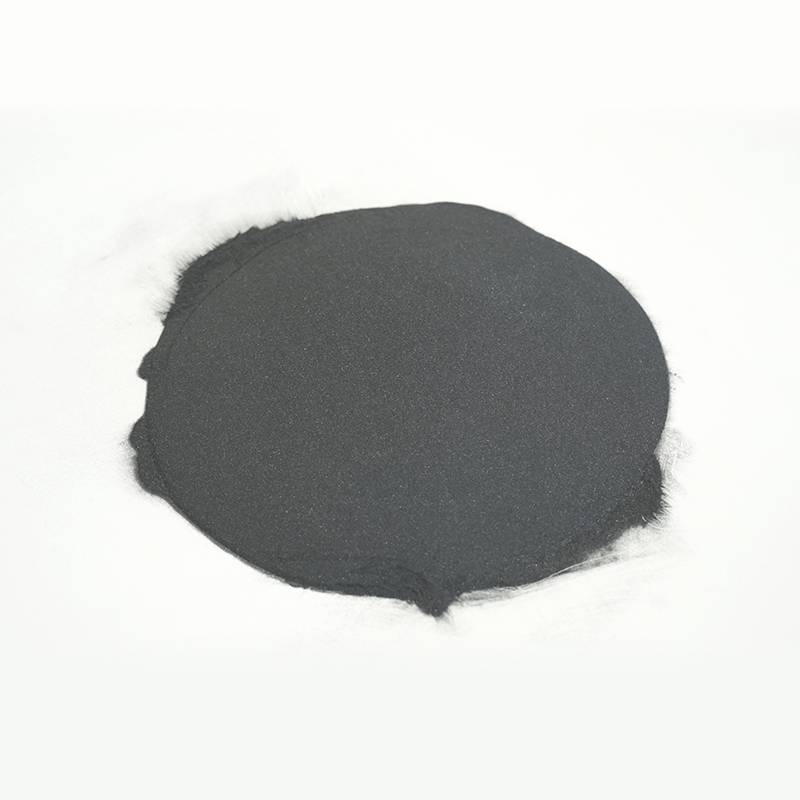 Carbide Composite PowderOur Carbide Composite Powder is a high-performance industrial material that combines a variety of carbides. It has extremely high hardness, wear resistance and excelle...View Product →
Choosing the Right Carbide Powder
Specification sheets tend to look alike, yet small differences change service life dramatically. These are the variables that matter most in practice:
- Particle size distribution. HVOF and plasma systems usually run a cut such as -45+15 microns, while plasma transferred arc and laser cladding prefer coarser fractions that feed smoothly and deposit efficiently.
- Morphology. Angular, crushed powders embed well and are economical; spherical, agglomerated and sintered powders flow better and produce denser, more uniform coatings.
- Chemistry and phase balance. Total carbon, free carbon, and the WC to W2C ratio decide both hardness and the risk of brittle cracking in service.
- Oxygen content and purity. Low oxygen protects adhesion and reduces porosity; unwanted metallic traces can ruin corrosion performance in chemical environments.
- Matrix or binder content. A tougher nickel or cobalt matrix sacrifices a little hardness for impact resistance and corrosion protection between the hard particles.
- Consistency over time. One great batch means little. Ask how the supplier controls distribution and chemistry across production runs.
If you would like a more detailed comparison of grades and manufacturing routes, our article on carbide powder types and specifications walks through the selection logic step by step.
Where Carbide Powder Goes to Work
Thermal spray is the largest volume application. High velocity oxy-fuel and plasma spraying turn carbide powder into dense, well-bonded coatings on pump impellers, gate valve seats, seal rings, and paper or film rollers. Laser cladding and plasma transferred arc hardfacing do something similar with a metallurgical bond, which is often the better answer for parts exposed to heavy impact.
Outside coatings, carbide powder is the starting point for cutting inserts, drill bits, mining picks, wear plates, and a long list of machine components where abrasion simply cannot be tolerated. Agriculture, cement, steel, oil and gas, and power generation all rely on it, usually without the operators ever seeing the powder itself.
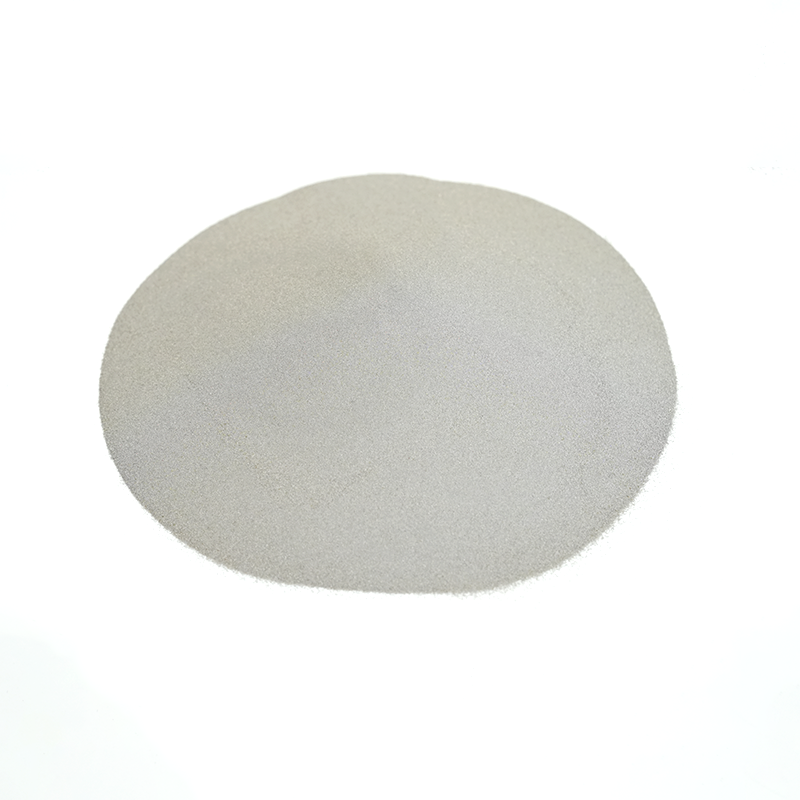
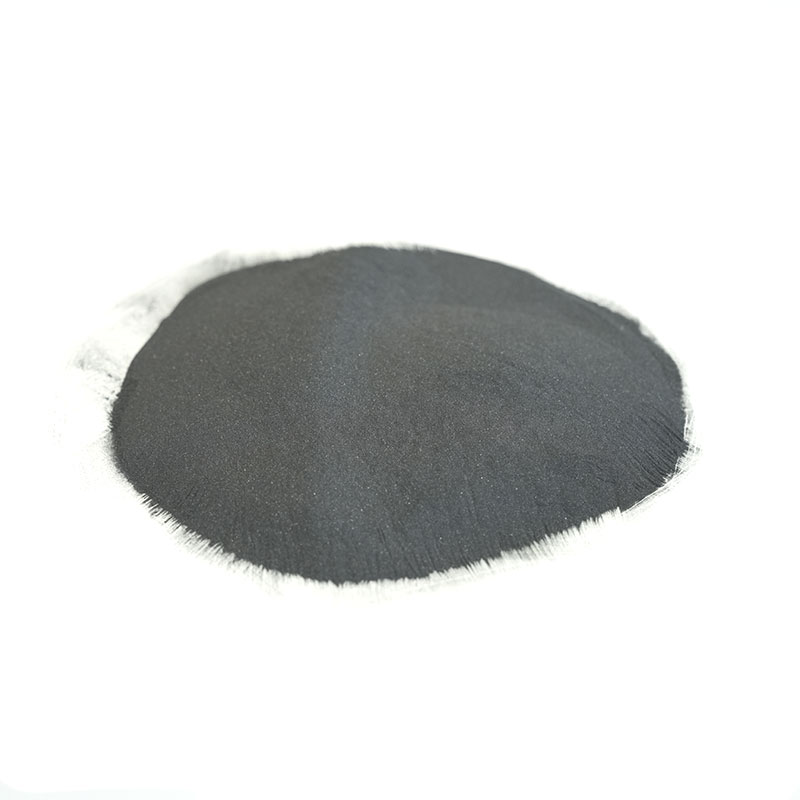 Tungsten Carbide Thermal Spray PowderComposite carbide alloys are designed to meet the challenges of quite strange working conditions. Whether it is high-temperature gas erosion, severe rock wear, or molt...View Product →
From Powder to Finished Wear Part
One advantage of working with a producer that also runs its own coating shop is continuity. The same team that controls particle size and chemistry can advise on the deposition process and then deliver the finished part. Our coating services cover laser cladding, oxyacetylene spray welding, plasma ceramic coating, plasma cladding, and supersonic spraying, which means the recommendation follows the service condition rather than the sales catalogue.
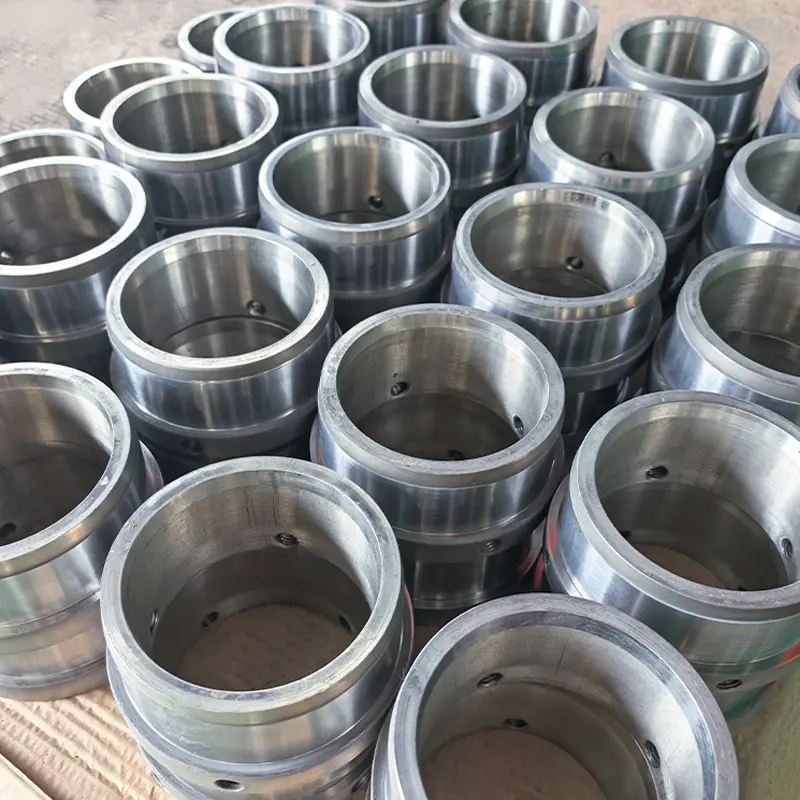
That chain ends in customized wear components: rollers, shafts, sleeves, bushings, plungers, and screw elements built to drawing. Turbine-layer rollers, mirror rollers, laminar flow rollers, and cracking pump plungers all share the same requirement, a hard surface over a tough core.
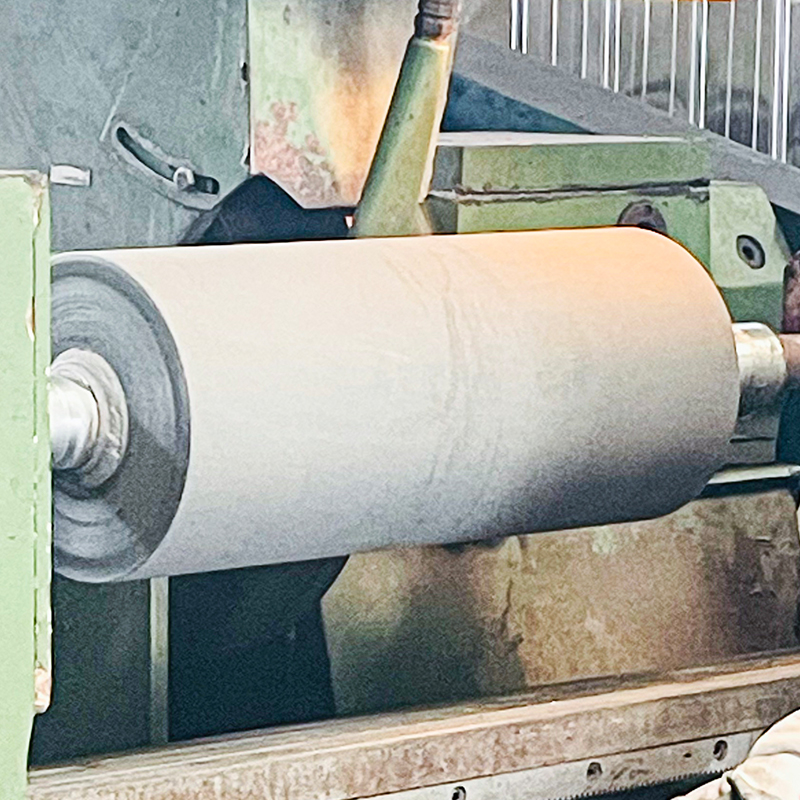 Customized Tungsten Carbide Coated RollerWear-Resistant Carbide Bushings Customized LEARN MOREView Product →
Choosing carbide powder is really a conversation about operating conditions. Send us the substrate, the wear mechanism, the temperature, the expected coating thickness, and the process you plan to use, and we can narrow the range quickly instead of guessing. If you are still exploring the material side, start with the powder families in our carbide and alloy powder range and match the grade to the job. That approach has kept rollers, pumps, and cutting tools running longer for our customers, and it usually costs less than learning the lesson in the field.