English
 русский
 عربى
عربىA slurry pump plunger or a laminar-flow roller rarely fails because of bulk fatigue. Damage starts at the surface: abrasion, erosion, or repeated mechanical contact removes material until the component no longer holds its tolerance. The most practical industrial answer is a layer of carbide composite powder deposited by thermal spray, cladding, or welding. Specified correctly, that layer outlasts uncoated steel by a wide margin; specified poorly, it fails early for reasons that are entirely avoidable. This article explains what carbide composite powder is, how it is manufactured, and how to select a grade that performs in real service.
Content
What Is Carbide Composite Powder?
Carbide composite powders are engineered materials that combine a hard carbide phase with a ductile metallic binder. The carbide phase, usually tungsten carbide (WC) or chromium carbide (Cr3C2), provides hardness and abrasive wear resistance. The binder, typically cobalt or a nickel alloy, holds the carbide particles together, absorbs impact energy, and gives the deposit toughness.
The word "composite" marks the important distinction. A pure carbide powder is essentially a single compound. A composite powder is a designed mixture in which fine carbide particles are uniformly dispersed through a metal matrix. When fed through a spray gun or cladding head, the powder melts and re-solidifies as a coating that behaves like a metal matrix composite: hard enough to resist wear, yet tough enough to cope with mechanical shocks.
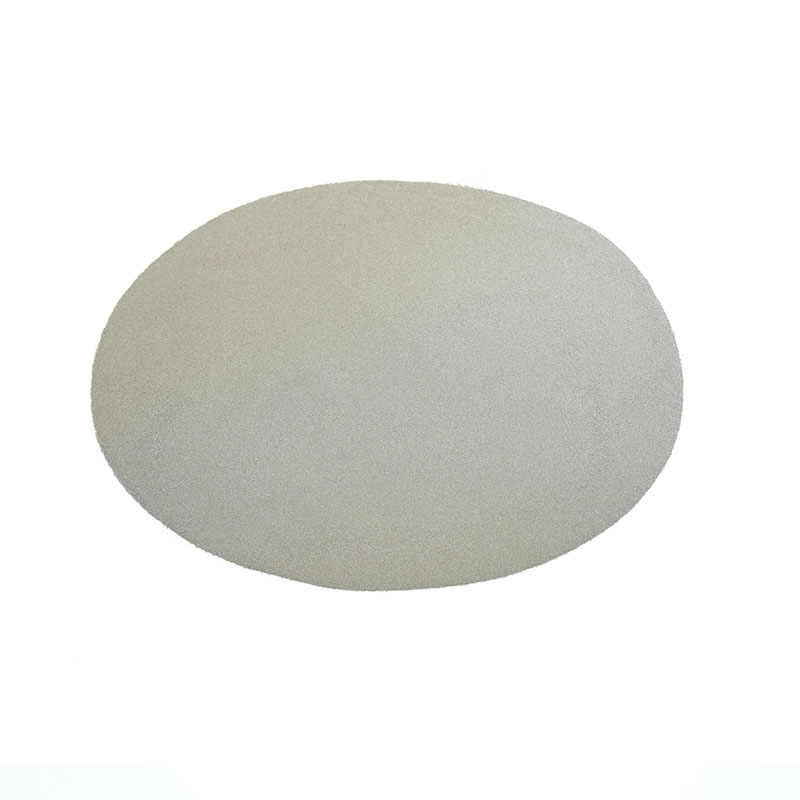
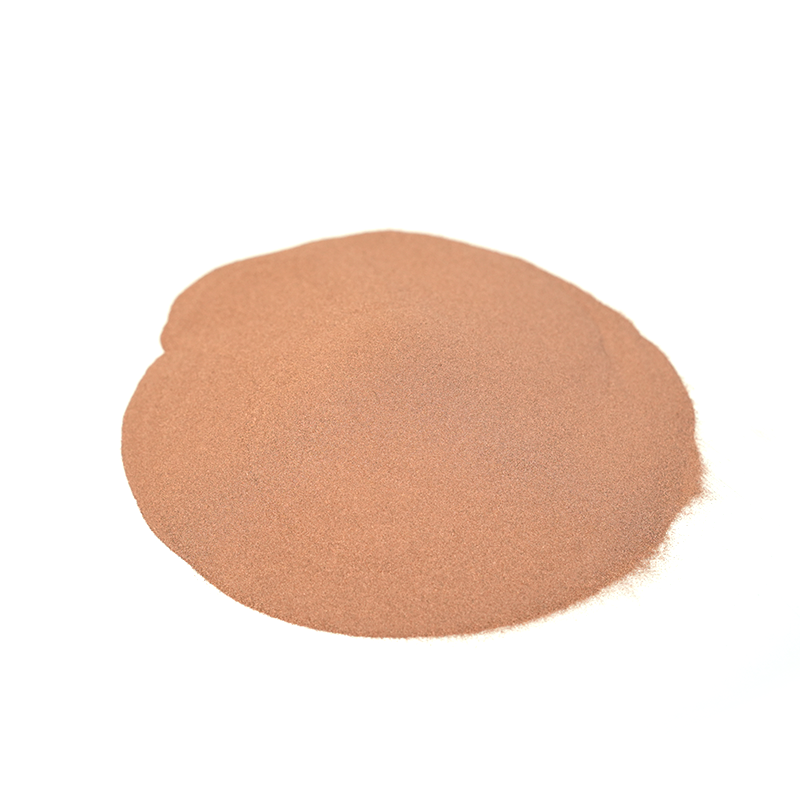
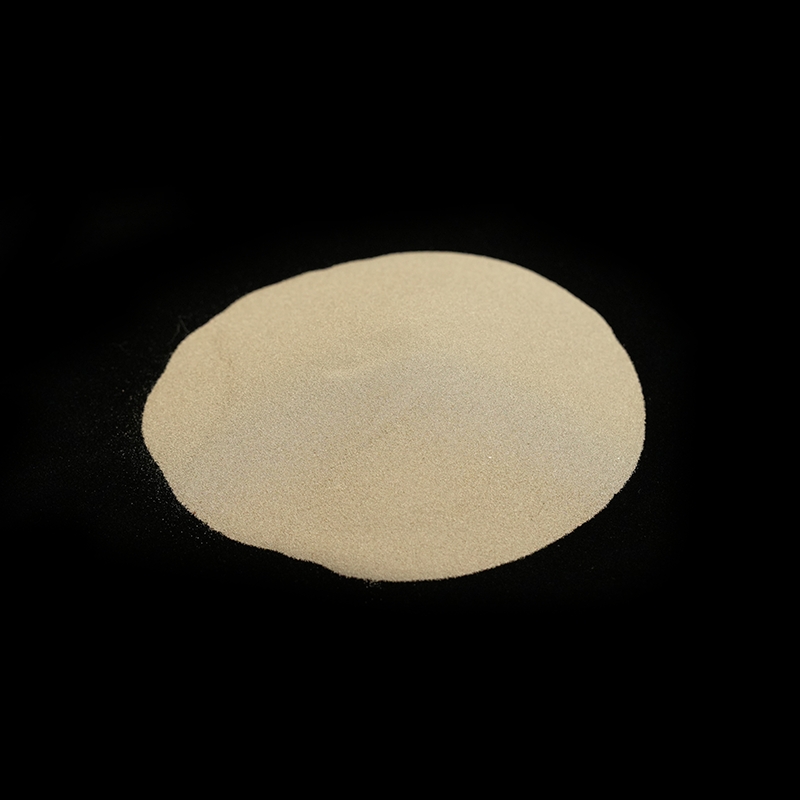
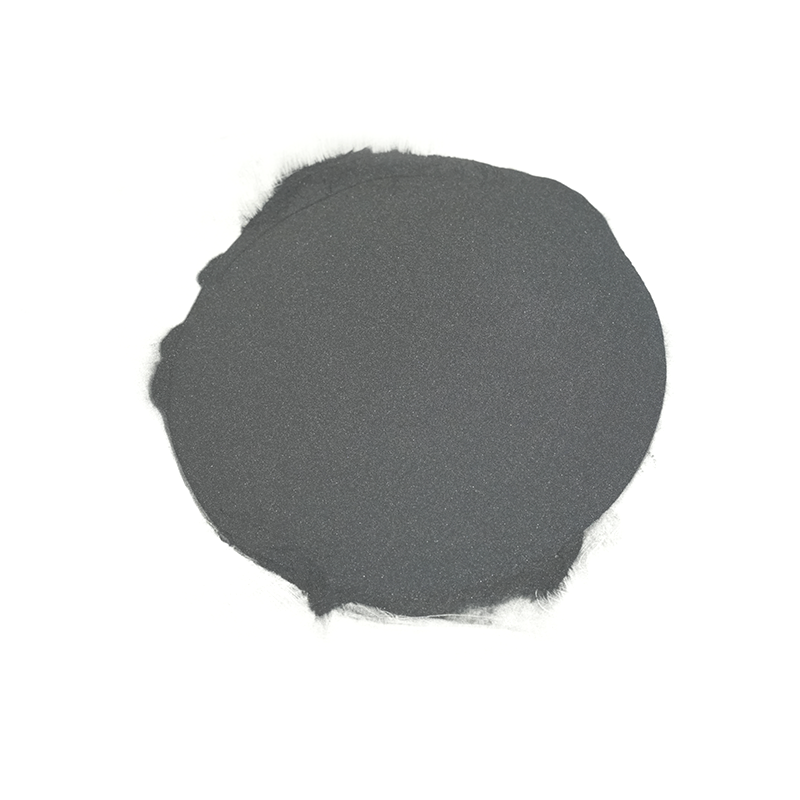
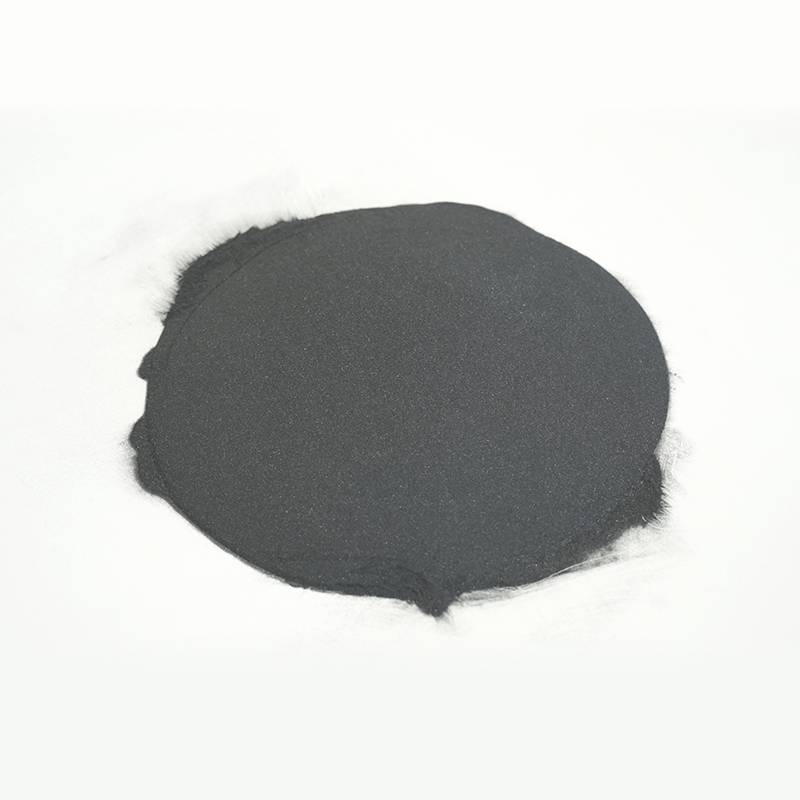 Carbide Composite Powder for Wear-Resistant CoatingsThis powder blends multiple carbides with a metal binder for high hardness and corrosion resistance. Its uniform particle distribution suits HVOF and HVAF spraying, making it relevant for tools and parts exposed to abrasion and oxidation.View Product →
In practice, carbide particle size and binder content are the two levers that control coating behavior. Finer carbide particles produce smoother, denser surfaces that resist fine-particle erosion well; coarser carbides stand up to gouging abrasion but leave a rougher finish. Binder content usually sits between 10 and 25 percent by weight: more binder adds toughness, while less binder raises hardness at the cost of brittleness. Buyers in wear-critical industries increasingly skip generic commodity grades and specify composite powders formulated for a known failure mode.
How Carbide Composite Powders Are Made
Three factors determine most of the performance difference between good and poor carbide composite powder: the production route, the powder sizing, and the quality of the carbide-binder interface.
Sintered and crushed
A mixture of carbide and binder is sintered into a solid block, then crushed and classified into powder. The resulting particles are angular and blocky. This route produces dense, strong particles and is common in HVOF spraying, where coating density matters more than perfectly spherical feed.
Agglomerated and sintered
Fine carbide and binder powders are mixed with an organic binder, spray-dried into spherical agglomerates, and sintered to fuse the phases and remove the organic component. Spherical particles flow more evenly through powder feeders and produce more consistent coatings, which is why this route dominates supersonic spraying and laser cladding.
Powder sizing
The final classification step sets the particle size distribution. Coarse cuts build thick layers quickly but leave a rougher surface; fine cuts produce dense, smooth coatings but feed less easily. Suppliers that control both the cut points and the distribution shape give the coating engineer a much smaller process variation to manage.
| Production route | Particle shape | Typical use |
|---|---|---|
| Sintered and crushed | Angular, blocky | HVOF coatings, dense deposits |
| Agglomerated and sintered | Spherical, porous | Thermal spray, laser cladding, consistent feeding |
Common Compositions and What Each One Is For
Two systems dominate industrial practice: WC-Co and Cr3C2-NiCr. Knowing the practical boundaries of each avoids the most common specification errors.
| System | Hardness | Max service temp. | Key strength | Typical application |
|---|---|---|---|---|
| WC-Co | 1100–1300 HV | About 450 °C | Abrasion resistance, toughness | Cutting tools, wear parts, tool joints |
| WC-Ni or WC-Co-NiCr | 1000–1200 HV | About 500 °C | Better corrosion resistance | Rollers, shafts, hydraulic components |
| Cr3C2-NiCr | 800–1000 HV | About 850 °C | High-temperature wear and oxidation resistance | Turbine parts, high-temperature slides, nozzles |
The quick selection rule is simple. If the component runs cool and abrasion is the main enemy, WC-Co is the default. If corrosion is present, move to a nickel-based binder. If the surface temperature exceeds 500 °C, Cr3C2-NiCr is usually the right family.
Where Carbide Composite Powders Deliver Value
Carbide composite powders earn their cost in environments where downtime is expensive and replacement is difficult.
- Wear-resistant coatings for process equipment: rollers, shaft sleeves, bushings, plungers, and piston rods are common candidates. A tungsten carbide coating applied by supersonic spraying or HVOF extends surface life several times compared with hardened steel.
- Cutting and drilling tools: mining bits, road milling picks, and metal-cutting inserts rely on WC-based composites for hardness at the cutting edge.
- Repair and remanufacturing: worn parts are rebuilt by laser cladding or plasma cladding with a carbide composite, restoring dimensions and improving on the original specification at the same time.
- High-temperature components: Cr3C2-NiCr coatings protect parts in gas turbine and combustion environments where hardness alone is not enough.
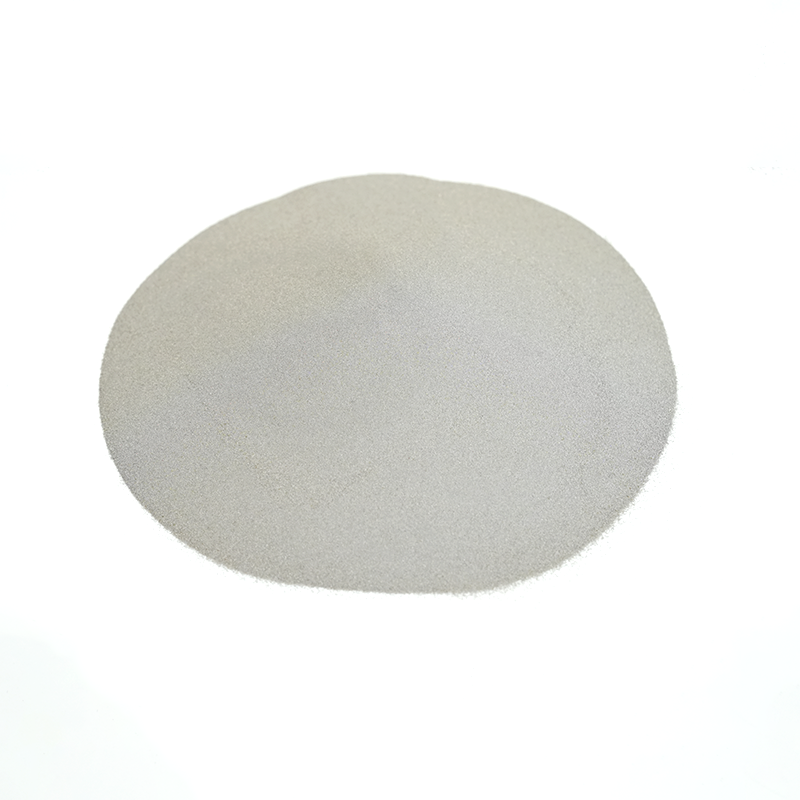
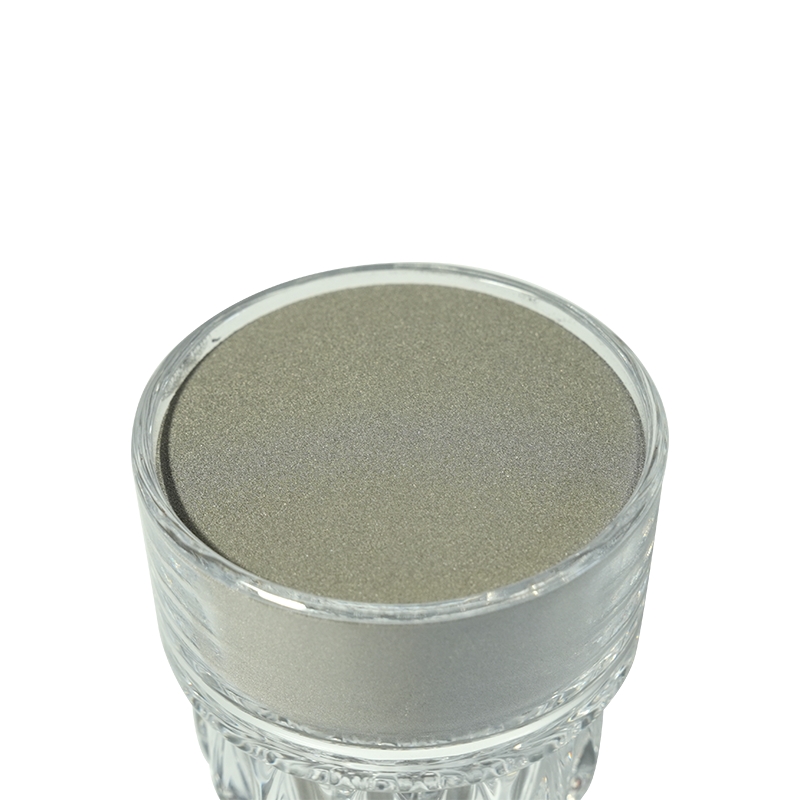
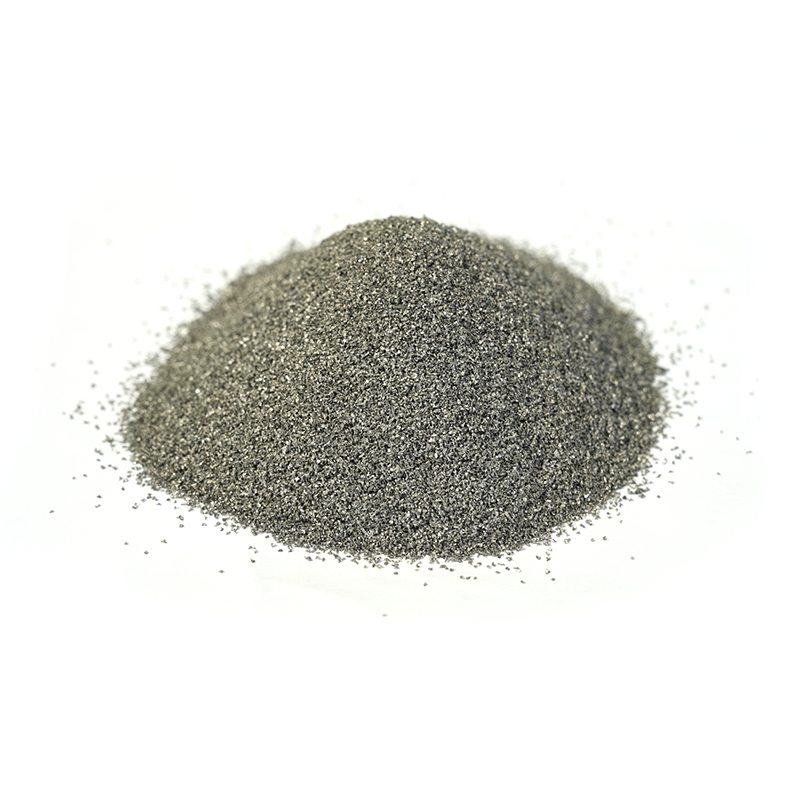
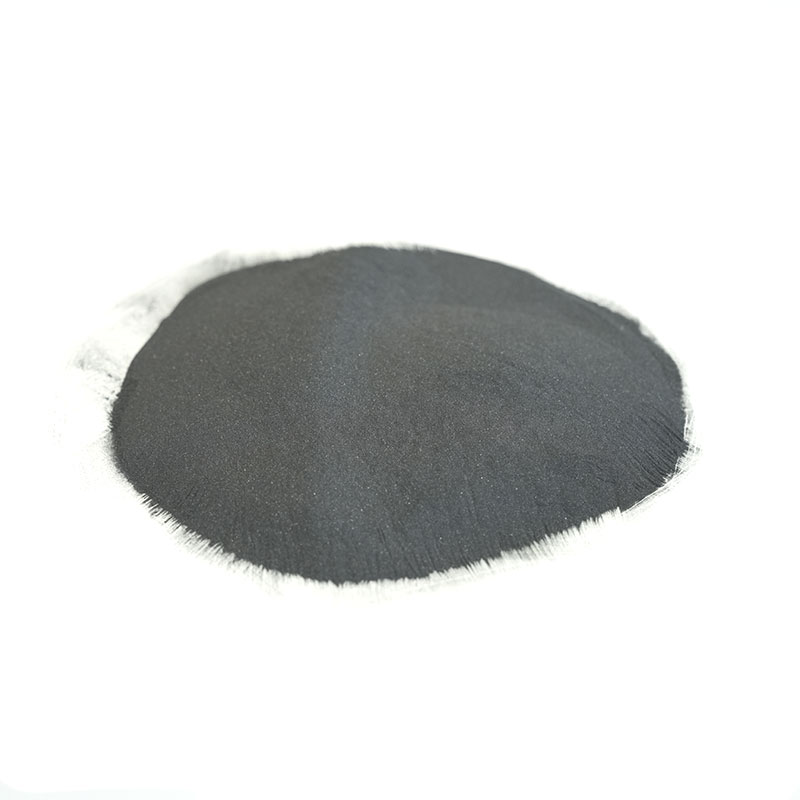 Tungsten Carbide Thermal Spray Powder SeriesEngineered for thermal spray and cladding processes, this series includes cobalt and nickel matrix alloys with varied carbide content. It addresses high-temperature erosion, rock wear, and molten metal corrosion, supporting repair and OEM coating applications.View Product →
For a coating application, the powder must suit the spray process and the target surface finish. Thermal spray grades are engineered for consistent feed and particle morphology, which is why using a dedicated thermal-spray powder usually beats pressing a generic grade into service. The same thinking applies to repair work: instead of scrapping an expensive shaft or roller because of localized wear, a shop can build the surface back with a carbide composite and finish it to the original tolerance. The repaired part often outperforms the original, because the engineered surface was never part of the initial design.
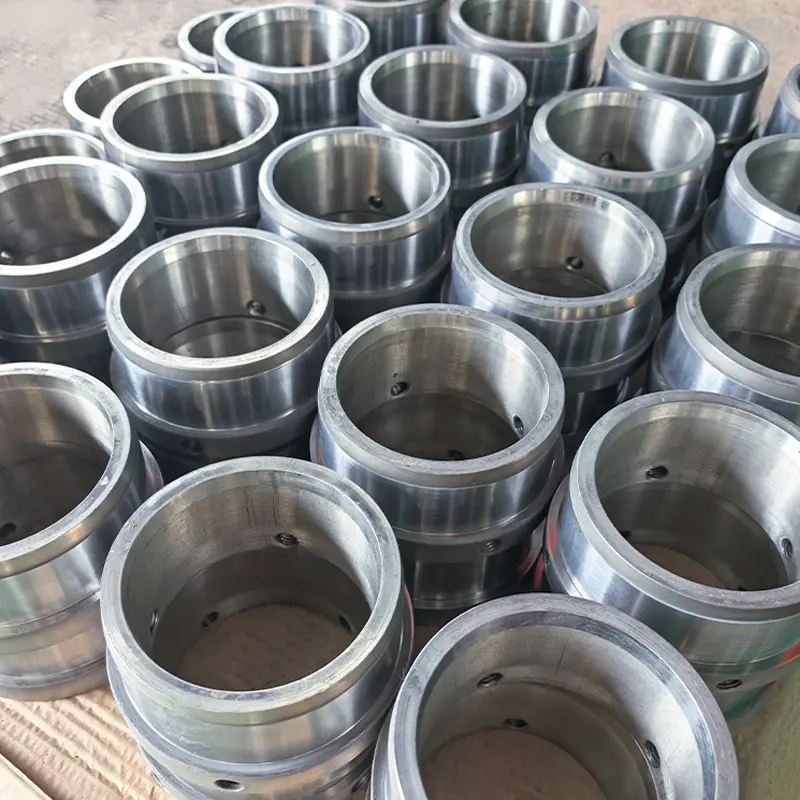
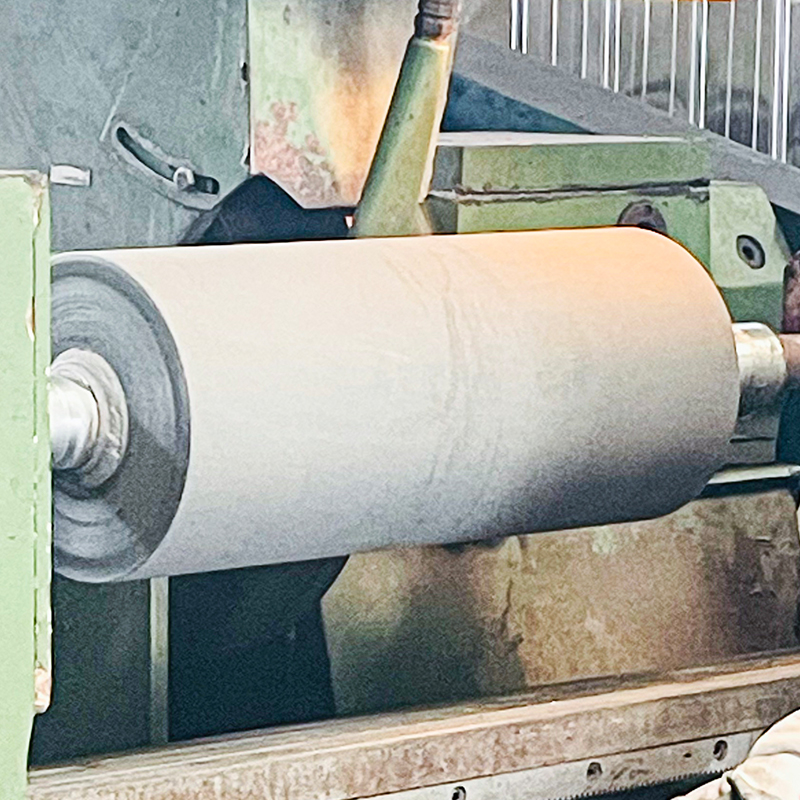 Customized Tungsten Carbide Coated ComponentsThis offering provides ready-to-install coated rollers, bushings, and shafts with tungsten carbide or ceramic finishes. It suits plants seeking qualified coated parts without in-house coating steps, delivering wear resistance for demanding duties.View Product →
For OEM parts and replacement components, many plants prefer a complete coated component rather than an in-house coating step. Tungsten-carbide-coated rollers, plungers, and sleeves are then delivered ready to install, with the coating already qualified for the stated duty.
How to Select the Right Grade
Selection starts with the operating condition, not with the powder catalogue. Work through these points in order and the candidate list narrows quickly.
- Identify the dominant wear mode. Abrasion, erosion, sliding wear, and cavitation each favor different carbide sizes and binder contents.
- Set the service temperature. Above roughly 500 °C, WC-based composites lose hardness and the coating may degrade; switch to Cr3C2-NiCr.
- Check the chemical environment. Nickel binders resist aqueous corrosion far better than cobalt in many process fluids; acidic service can demand a sealed or specialty grade.
- Choose the particle size distribution. It controls coating density, surface roughness, and the maximum practical coating thickness.
- Match the powder to the process. HVOF and supersonic spraying need a size cut that feeds reliably; laser cladding needs a different window; oxyacetylene spray welding tolerates a wider range.
A common mistake is choosing purely on hardness. The coating with the highest Vickers number can fail early if the binder corrodes or the service temperature softens the matrix. This is why experienced buyers hand the supplier the full operating picture, including temperature, media, wear mode, and surface finish target, rather than just a hardness value. A good resource for comparing properties across the full material family is our carbide composite powder type and selection guide, which covers the same decisions in more depth.
Once a grade is shortlisted, verification closes the loop. A quick metallographic check confirms carbide distribution and porosity, while a hardness traverse across the coating layer shows whether the deposit matches the specification. For critical components, bond strength testing and process documentation matter as much as the powder chemistry itself.
The conclusion is simple. Carbide composite powder is not a single material; it is a design system. Carbide chemistry, binder metallurgy, production route, and particle size all shift the final result. Get them right, and a coated component becomes a scheduled maintenance item instead of an emergency failure. Get them wrong, and no coating thickness will save the job.
Every wear-critical application starts with a clear definition of the failure mode and the service envelope. Once those are known, the right carbide composite powder can be specified, applied, and verified, and the plant gets what it actually needs: a surface that lasts until the planned maintenance window.