English
 русский
 عربى
عربىIf a pump plunger loses its surface finish within weeks, or a guide roller begins to score the sheet it carries, the failure usually points to a surface material that cannot handle the operating conditions. A ceramic coating can often solve this, but not every ceramic behaves the same. Alumina titanium oxide powder is one of the few ceramic feedstock materials that combines the hardness of an oxide with enough toughness to survive thermal cycling, mechanical impact, and chemical attack without cracking. It is the material you reach for when pure alumina is too brittle, chromium oxide is too risky, and metal alloys no longer hold up.
The practical takeaway before we get into the details: the performance of an alumina titanium oxide coating is decided by the TiO2 content, the particle size distribution, and the reputation of the powder producer. Get those three things right, and you gain a coating that resists abrasive wear, adheres to a prepared metal surface, and handles temperatures that would soften most alloys.
Content
What Alumina Titanium Oxide Powder Is and How It Is Made
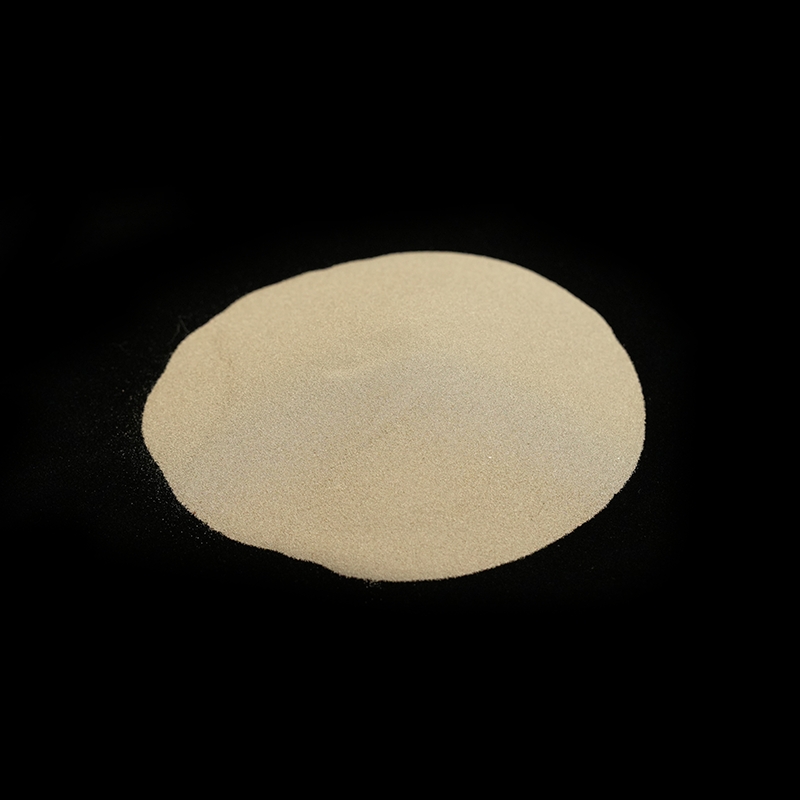
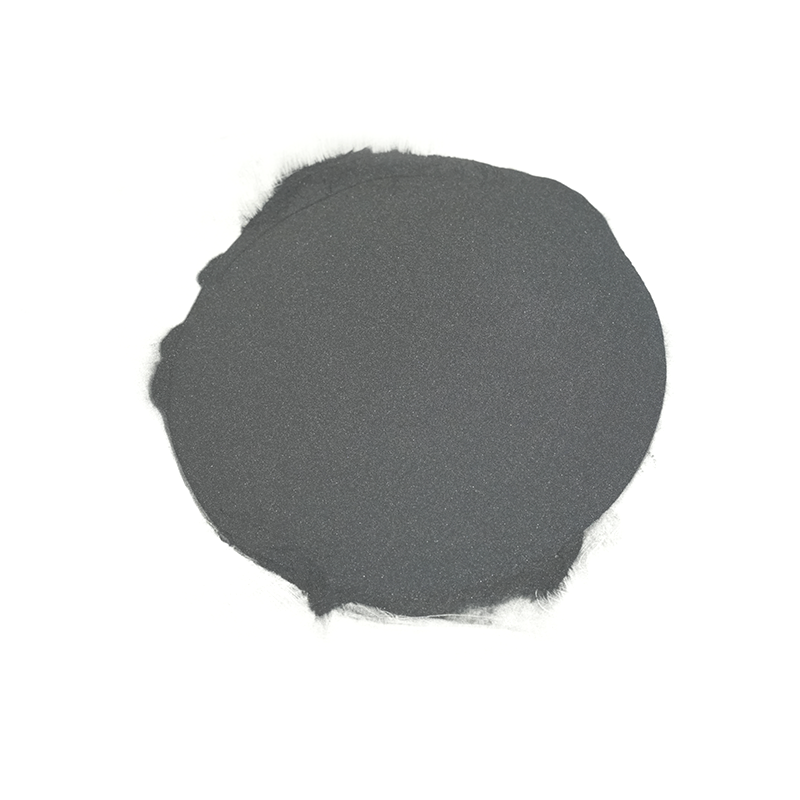
Alumina titanium oxide powder is a composite ceramic powder where alpha alumina (Al2O3) forms the dominant phase and titanium dioxide (TiO2) acts as a toughening agent. The two oxides are fused, agglomerated, or blended at elevated temperatures to form a feedstock that is sprayed onto a substrate through a thermal spray process. A commonly produced grade is Al2O3 with 13 wt. percent TiO2, but formulations with 3, 20, and 40 percent TiO2 are also produced for specific needs.
The manufacturing route determines how the powder behaves during spraying. Fused and crushed powders produce angular particles that deposit more densely, while agglomerated and sintered powders offer better flowability. Spray-dried granules give a spherical shape that feeds consistently through a powder feeder, which matters when you are using a plasma or HVOF torch. Particle size distribution is monitored by laser diffraction and often expressed as D10, D50, and D90 values. A typical plasma-grade fraction might fall between 15 and 45 micrometers, with a D50 near 25 micrometers.
The relationship between TiO2 and coating performance is worth explaining clearly. Titanium dioxide lowers the melting point of alumina, which helps particles melt more thoroughly in the plasma jet and bond to the substrate. It also improves toughness by promoting a fine-grained microstructure and reducing crack propagation. That is why the ceramic grade is so often specified for wear rings, paper mill rolls, texturing rolls, and hydraulic cylinder rods.
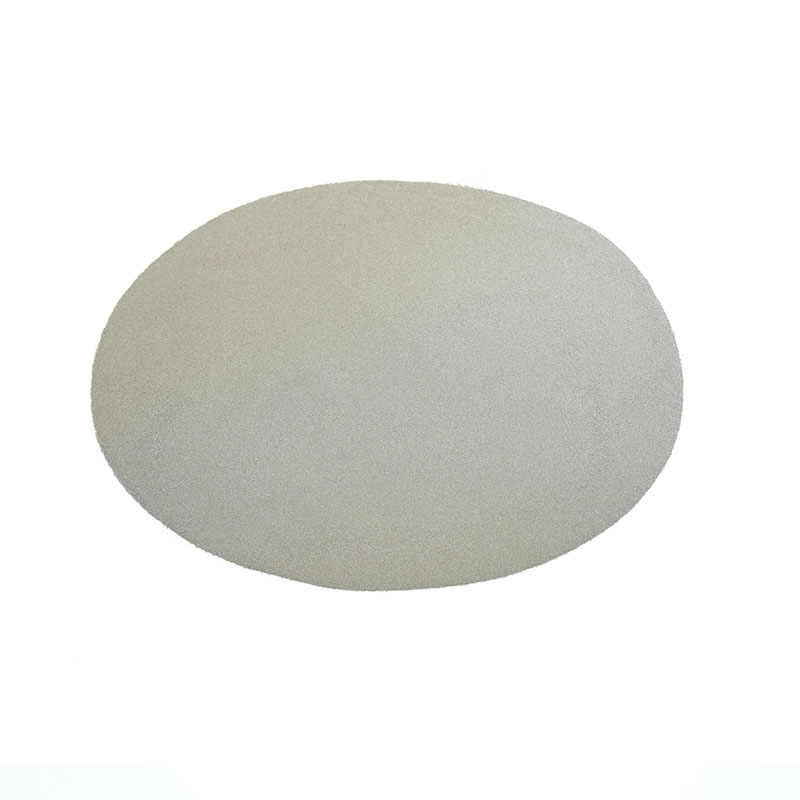
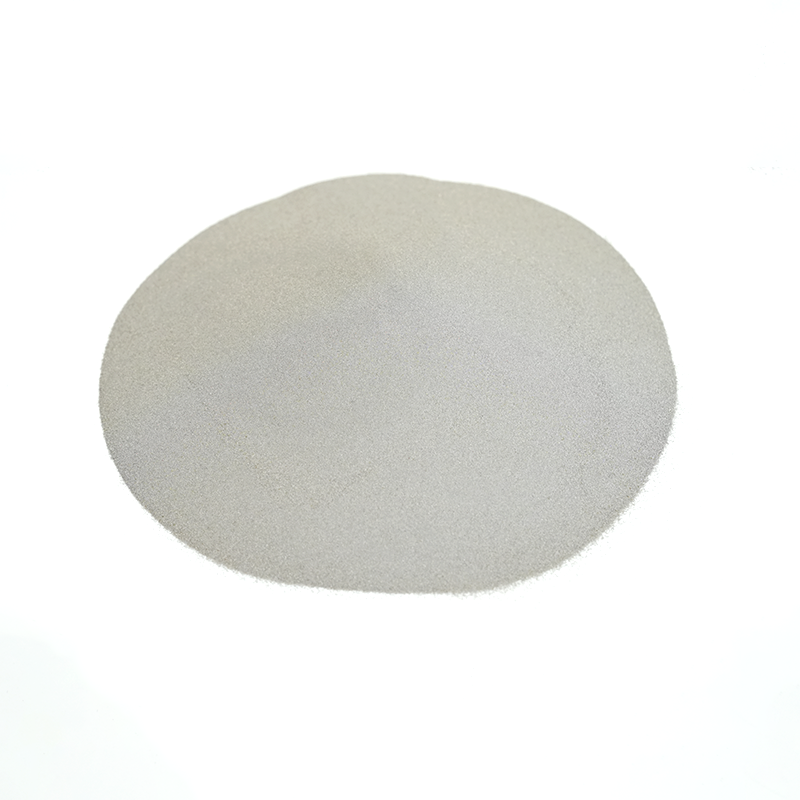
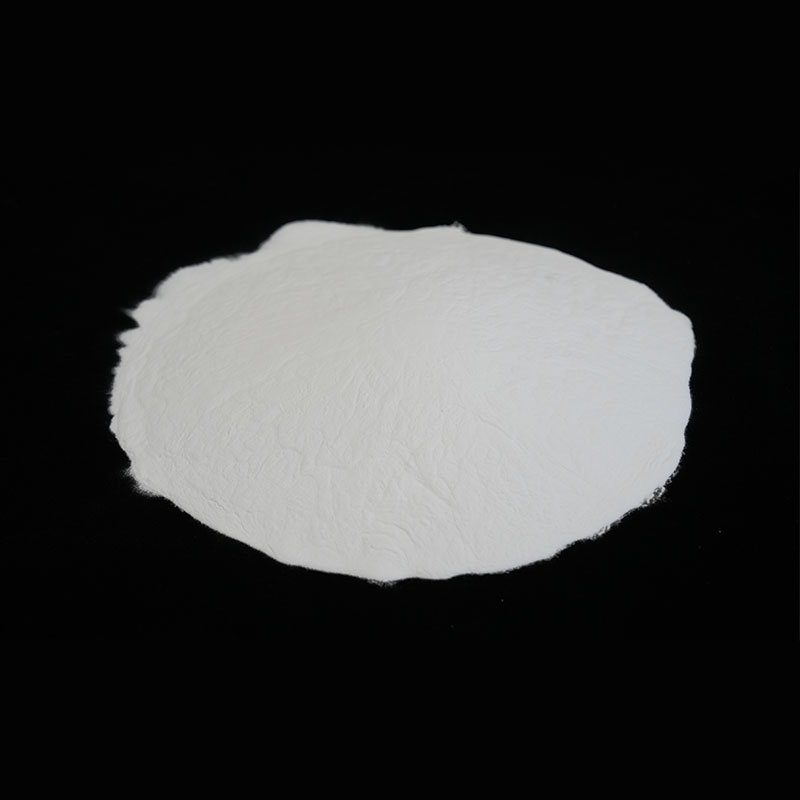 Alumina Titanium Oxide Powder with Customizable Particle SizeAlumina titanium oxide powder lowers the melting point and improves toughness of coatings, making it suitable for wear rings and rollers. Customizable phase composition and particle size are available.View Product →
When you work with a company that produces its own powder stock, you can also request powders with a specific phase composition or a narrower particle window without changing the chemical formula. This is especially useful when the coating has to meet a hardness band, a porosity limit, or a bond strength requirement in a customer specification.
Why It Outperforms Pure Alumina in Many Coatings
Pure alumina is extremely hard, but its stiffness makes it prone to microcracking under load because the coating cannot accommodate strain. Small additions of TiO2 change that behavior. The trade-off between hardness and toughness is the central decision when selecting a ceramic oxide powder, and the table below gives a practical overview of the common formulations.
| Powder Formulation | Typical Hardness (HV 300) | Bond Strength (MPa) | Typical Porosity (%) | Primary Limitation |
|---|---|---|---|---|
| Al2O3 (pure) | 1000 - 1100 | 20 - 40 | 2 - 5 | Brittle under impact and thermal cycling |
| Al2O3 + 3% TiO2 | 950 - 1050 | 25 - 45 | 1 - 4 | Lower toughness than higher TiO2 grades |
| Al2O3 + 13% TiO2 | 850 - 1000 | 30 - 50 | 0.5 - 3 | Limited resistance to strong alkaline solutions |
| Al2O3 + 40% TiO2 | 650 - 850 | 40 - 60 | 1 - 4 | Lower hardness; used mainly for anti-galling and easy release surfaces |
| Cr2O3 | 900 - 1050 | 25 - 45 | 1 - 3 | Health and environmental restrictions in handling |
As the table shows, adding 13 percent TiO2 strikes a balance that has made it the default choice in many industries. It keeps enough hardness to resist abrasive wear while developing a bond strength that can exceed 50 MPa with a properly roughened substrate. The coating will also run at high speeds without failing, which is one reason it is used on printing roll surfaces that must be finished to a very low roughness.
The cost picture also supports this grade. Alumina titanium oxide powder is less expensive than tungsten carbide feedstock in most volumes and does not require the same inert gas handling as pure chromium oxide, while still giving an excellent finish after diamond grinding and polishing.
Where Alumina Titanium Oxide Coatings Are Used in Practice
You will find alumina titanium oxide powder specified across two broad categories of work: new component manufacturing and remanufacturing or repair of worn parts. Both rely on essentially the same coating process, but the part geometry, surface speed, and environment dictate what grade is chosen.
Surface Engineering of Wear-Sensitive Parts
Hydraulic cylinders, pump plungers, shafts, and sleeves are routinely coated with alumina TiO2 powder to restore dimensions and add a hard, low-friction surface. In a textile plant, the guide rollers that run at high line speeds must not transfer marks to the material. A 13 percent TiO2 coating applied by plasma ceramic coating is an effective way to achieve scratch resistance and a release surface without the high cost of a carbide coating.
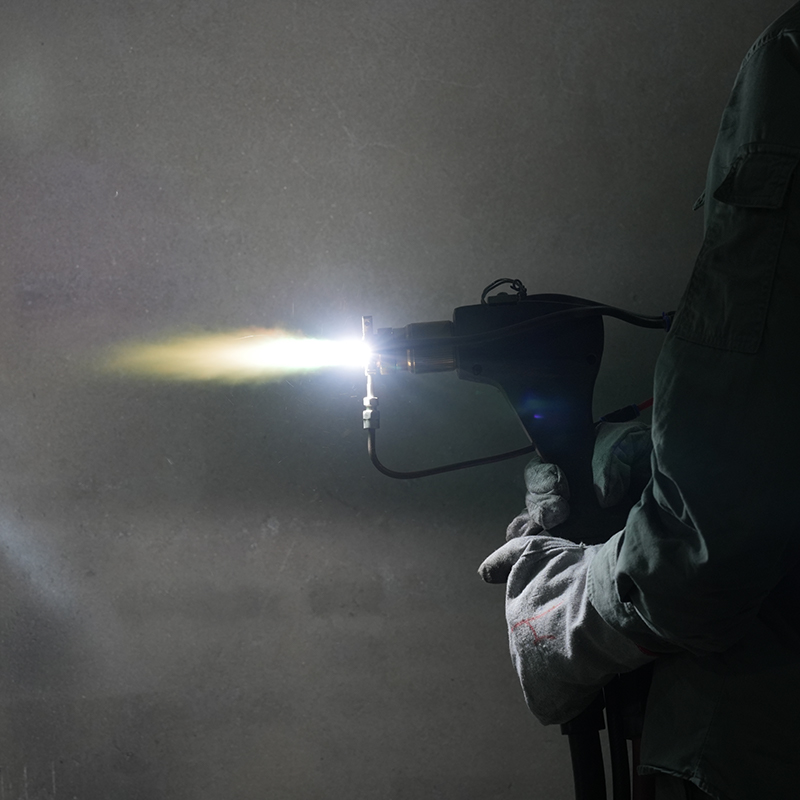 Plasma Ceramic Coating for Durable Wear-Resistant SurfacesPlasma ceramic coating uses a high-temperature torch to melt and deposit ceramic powder, restoring dimensions and adding a hard layer. It is effective for hydraulic cylinders, plungers, and textile guide rollers.View Product →
Plasma spraying is the process most often paired with this powder. The plasma torch generates temperatures well above 10,000 degrees Celsius, so the ceramic feedstock can be melted within milliseconds and accelerated onto the prepared part. The coating builds up in thin passes, and each pass is monitored for thickness and hardness before the part is sent for finish grinding.
Custom Components Built Around Ceramic Surfacing
For parts that experience both abrasive wear and corrosion, a ceramic-coated component can outlast an uncoated alloy part by a wide margin. A customized ceramic shaft made with an aluminum oxide surface system, for example, can be a cost-effective alternative to a solid ceramic shaft. Its core is metal, while the working surface carries a ceramic layer that resists the wear mechanism that drives the replacement cycle.
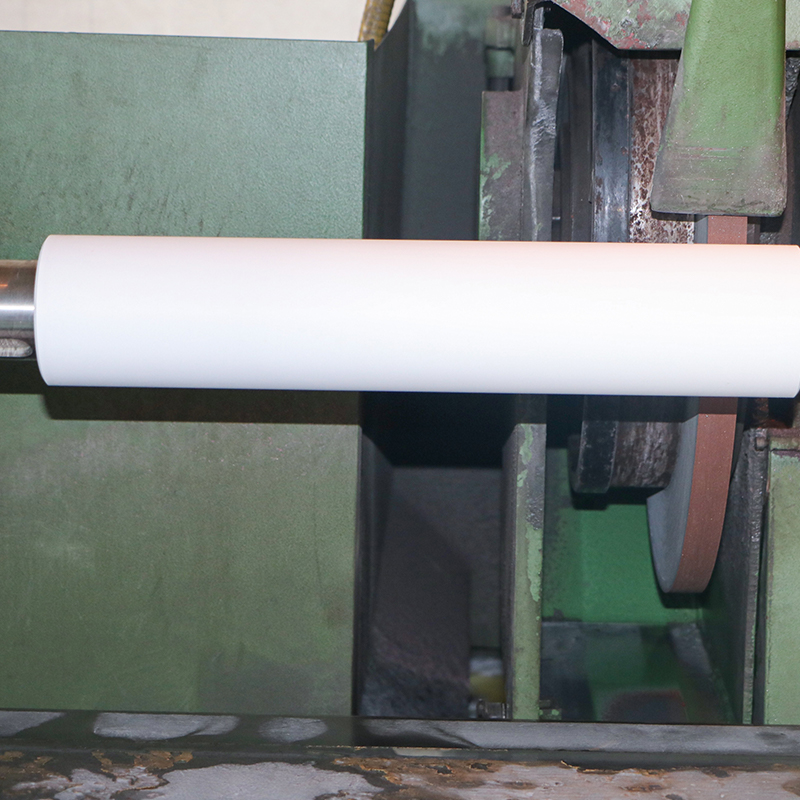 Customized Ceramic Shaft with Aluminum Oxide CoatingThis shaft features a metal core and a ceramic working surface that resists wear and corrosion, offering a cost-effective alternative to solid ceramic. It also suits high-temperature and anti-sticking applications.View Product →
High-Temperature and Clean-Release Surfaces
The thermal stability of alumina titanium oxide powder also makes it useful in surfaces that see elevated service temperatures or in which sticking must be avoided. In rubber processing, molds and extruder components benefit from the release behavior of the TiO2-rich surface. In gas turbine components that operate in a hot corrosive environment, the powder is occasionally used as a base coat under a top thermal barrier layer. The important point for a parts buyer is that the coating has to be matched to the exact service temperature, because the TiO2 content shifts the expansion coefficient and the maximum continuous temperature slightly.
If you are in the market for an alumina titanium oxide powder, it helps to combine this article with our guide on the primary uses in industrial processes so that the coating selection can be aligned with your working conditions.
How to Select the Right Grade: A Practical Approach
You are not expected to be a ceramic scientist to choose a powder. The practical process below covers the essential steps and is suitable both for upgrading an existing coating and for engineering a new part.
- Define the dominant wear mechanism. Abrasive wear favors a harder coating, while severe impact or thermal shock favors a tougher one. If you are unsure, start with 13 percent TiO2 and run a controlled comparison.
- Check the service temperature and chemical environment. Confirm whether the surface will see alkalinity or acids, and whether the maximum temperature stays below the recommended continuous service range.
- Decide on the preparation method. Grit blasting is standard for thermal spray, but ceramic coatings can also be laid down on a machined grooved or undercut surface when dimensional accuracy is important.
- Specify the particle size distribution and morphology. Ask the supplier for the D10, D50 and D90 values and request a flow rate measurement if you are using a high-pressure feed system.
- Agree on the acceptance test. Bond strength, microhardness, porosity and thickness tolerance should be defined in writing before production begins. This is especially important if you are buying coated rollers or plungers in volume.
What to Check Before You Buy
The same powder name can lead to very different coating results. First, confirm the purity and the ratio of Al2O3 to TiO2. Second, check whether the powder has been screened to a consistent range, because fine and coarse particles behave differently in flight. Third, request a coating sample on a proof piece. A competent supplier will usually provide test coupons with the same coating thickness that is proposed for your part. Fourth, ask about the inspection and measuring equipment used in production. If the company cannot show a measurable quality process, you will not be able to trust the reported values for hardness or bond strength.
For a deeper look at the material behavior, you can read our article on the properties and advantages of alumina titanium oxide powder.
Working with a Powder Supplier Who Also Applies the Coating
There is a distinct advantage in ordering alumina titanium oxide powder from a company that runs its own coating processes. The feedback loop between powder production and coating results is much shorter, and adjustments to composition or particle size can be tested quickly. A supplier with in-house plasma ceramic coating capability can carry out development work on your actual component instead of only handing over a powder bag and generic technical data.
Jiangsu Crystal Additive Manufacturing Co., Ltd. produces ceramic powders in-house and applies them through plasma ceramic coating, plasma cladding, supersonic spraying, laser cladding, and other thermal spray processes. This one-stop structure matters when the task involves a specific roller, shaft, or sleeve that must meet both a dimension and a surface property. The company also manufactures customized rollers and screw components that are built around a wear-resistant ceramic or alloy layer. This is exactly the kind of supplier that can be useful when an off-the-shelf standard does not exist for your machine.
The material selection is only one part of the equation. The quality of the powder and the discipline of the coating process decide whether your sealed pump plunger lasts six months or three years. That is why the recommendation for purchasers is simple: talk about the powder grade and the coating service together, and insist on measurable evidence from a proof part before scaling up production.
Alumina titanium oxide powder does not have to be a complicated choice. Start with the operating conditions, select a proven TiO2 content, and get your supplier to prove the coating on your own component. The result will be a durable surface that survives the conditions that originally caused the failure.