English
 русский
 عربى
عربىContent
- 1 What Is Carbide Powder and Why Does It Matter in Advanced Manufacturing?
- 2 Major Types of Carbide Powder and Their Distinct Properties
- 3 How Carbide Powder Is Manufactured: Key Production Processes
- 4 Critical Specifications for Evaluating Carbide Powder Quality
- 5
- 6 Primary Applications of Carbide Powder Across Industries
- 7 Selecting the Right Carbide Powder Grade for Your Application
- 8 Handling, Storage, and Safety Considerations for Carbide Powders
What Is Carbide Powder and Why Does It Matter in Advanced Manufacturing?
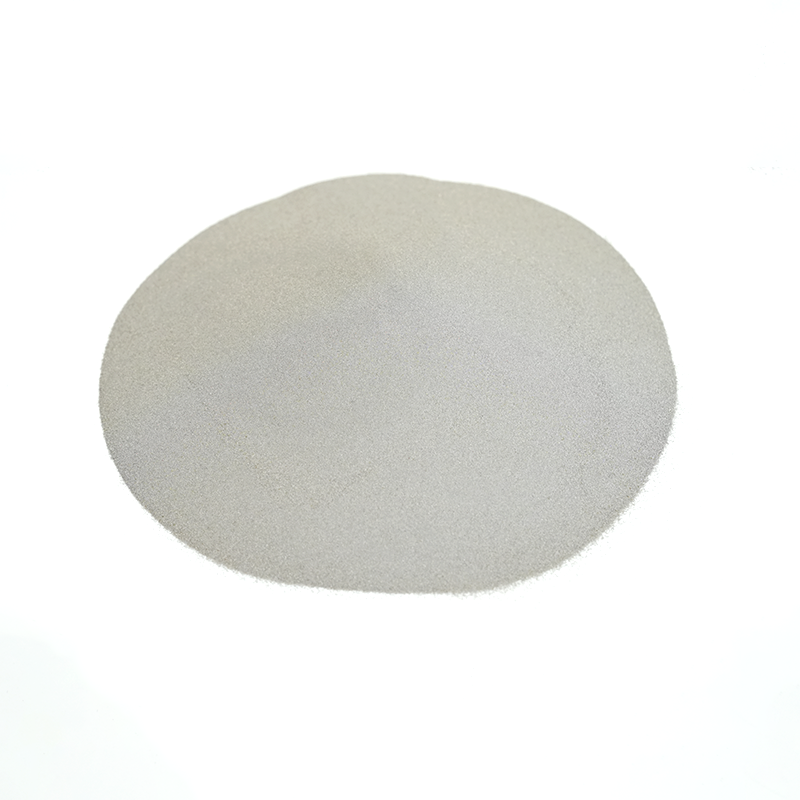
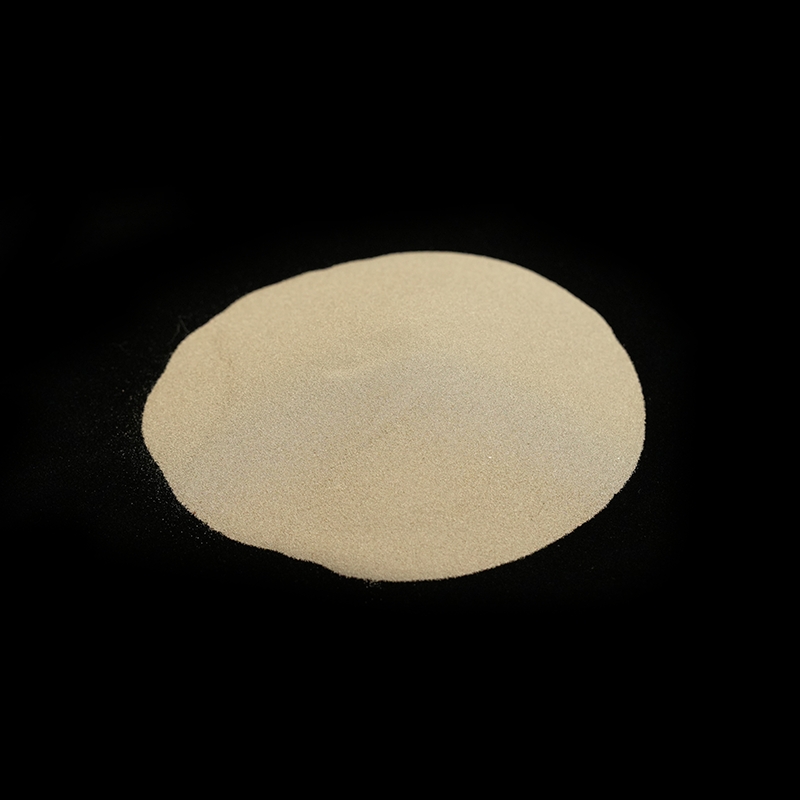
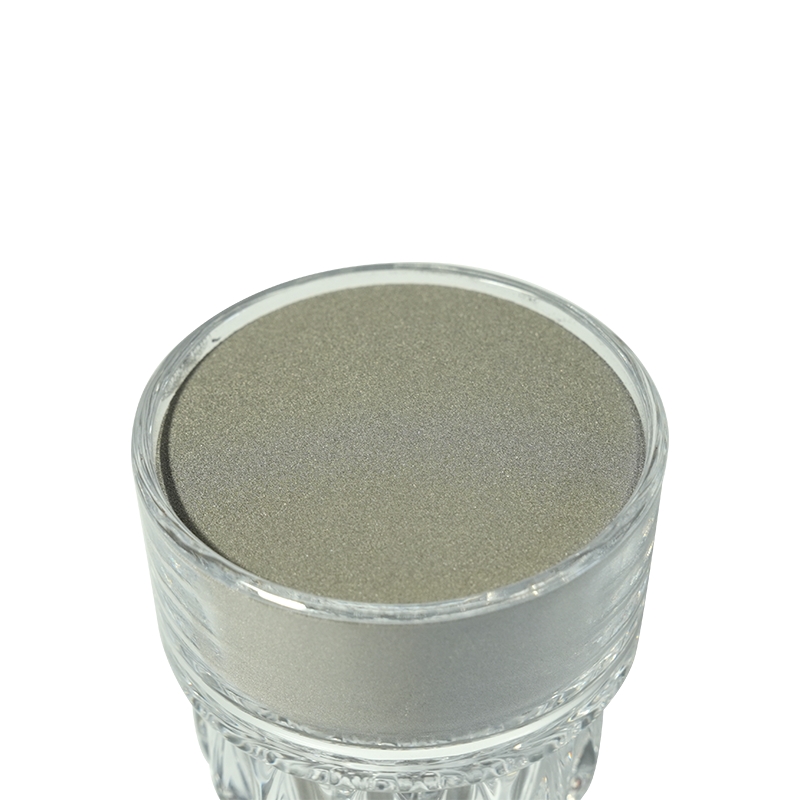
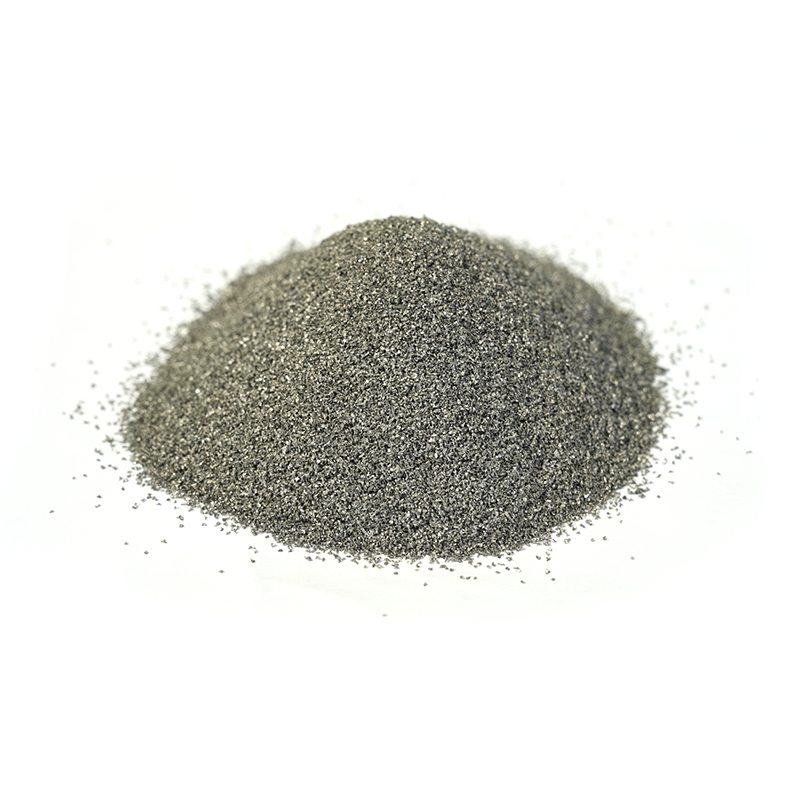
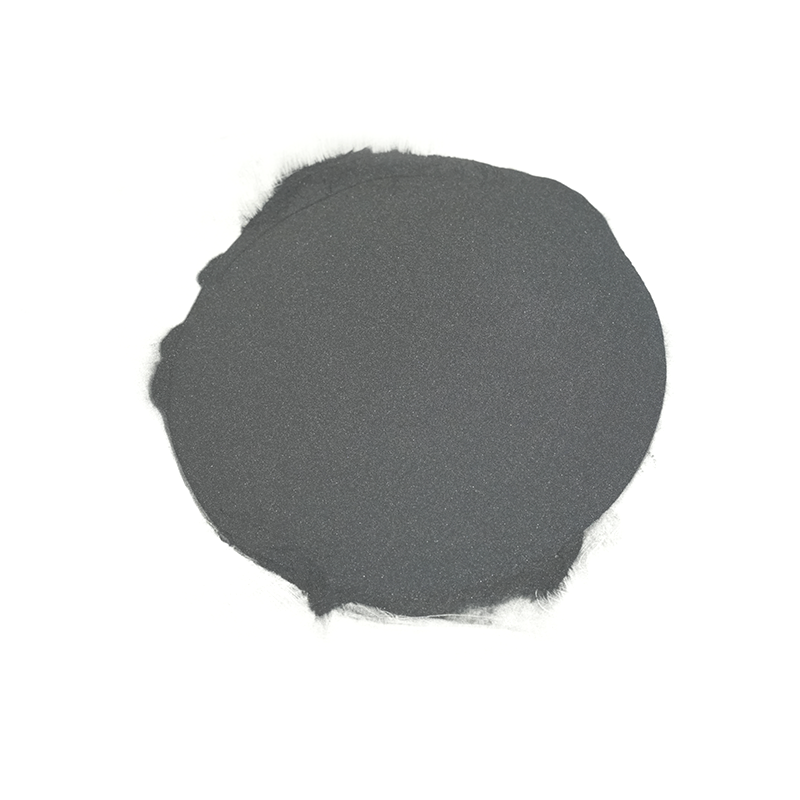
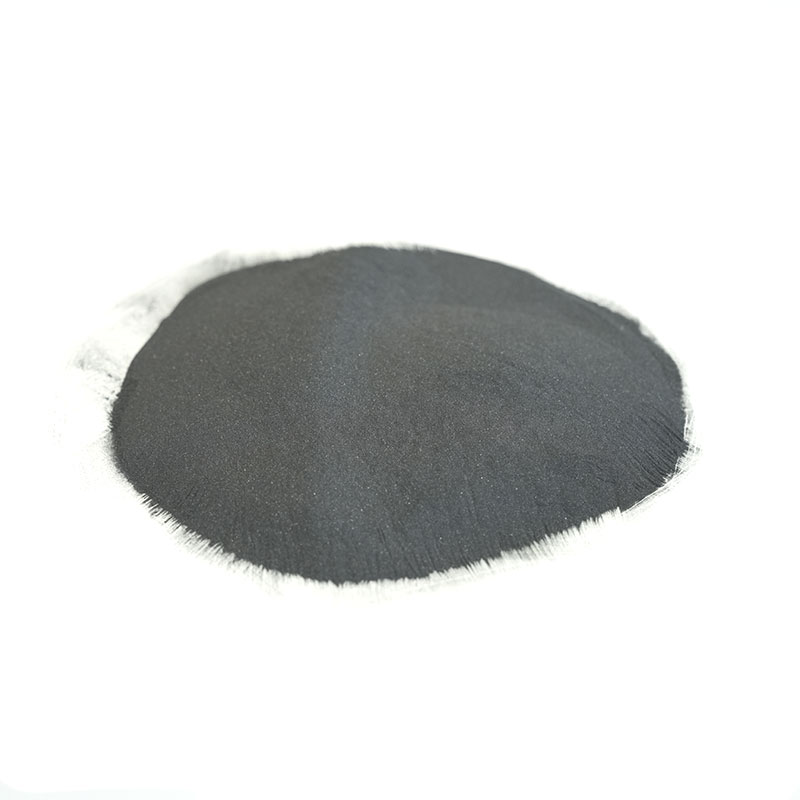
Carbide powder is a fine particulate material composed of carbon chemically bonded with one or more metallic or semi-metallic elements to form an extremely hard, thermally stable ceramic compound. The most commercially significant form is tungsten carbide powder (WC), but the broader carbide powder family includes titanium carbide (TiC), silicon carbide (SiC), chromium carbide (Cr₃C₂), vanadium carbide (VC), tantalum carbide (TaC), niobium carbide (NbC), and boron carbide (B₄C), each offering a distinct combination of hardness, toughness, thermal conductivity, and chemical resistance. These powders serve as the fundamental raw material from which cemented carbide tools, thermal spray coatings, sintered wear parts, and advanced composite components are manufactured.
The industrial significance of carbide powders is immense. Modern machining, mining, oil and gas drilling, aerospace component manufacturing, and electronics fabrication all depend on tools and wear surfaces made from or coated with carbide-based materials. Without consistent, high-purity carbide powder as a starting material, the sintered and coated products derived from it cannot achieve the dimensional precision, hardness uniformity, and performance predictability that demanding industrial applications require. Understanding carbide powder — its types, production methods, key specifications, and selection criteria — is therefore essential knowledge for engineers, procurement specialists, and materials scientists working across these sectors.
Major Types of Carbide Powder and Their Distinct Properties
Each type of carbide powder occupies a specific niche in the materials landscape based on its unique property profile. Selecting the right carbide powder grade for a given application requires understanding how these properties translate into functional performance.
Tungsten Carbide Powder (WC)
Tungsten carbide powder is by far the most widely used carbide powder globally, accounting for the vast majority of cemented carbide (hardmetal) production. WC powder has a Vickers hardness of approximately 2400 HV, a melting point of 2785°C, and a density of 15.63 g/cm³. When mixed with a cobalt binder (typically 3–25 wt%) and sintered, it forms cemented carbide — the material used in cutting tool inserts, end mills, drill bits, mining picks, and wear-resistant nozzles. The grain size of WC powder, which ranges from submicron (< 0.5 μm) to coarse (> 5 μm), is one of the most critical parameters governing the hardness-toughness balance of the final sintered product.
Titanium Carbide Powder (TiC)
Titanium carbide powder offers a hardness of approximately 3200 HV — higher than WC — combined with a lower density (4.93 g/cm³) and excellent resistance to oxidation at elevated temperatures. TiC is used as an additive in WC-Co cemented carbides to improve crater wear resistance during high-speed steel cutting, and as the primary hard phase in cermet cutting materials (TiC/TiN-based cermets) which offer superior surface finish and chemical stability when machining steels. TiC powder is also used in TiC-steel composites and as a hard reinforcement in metal matrix composites (MMCs).
Silicon Carbide Powder (SiC)
Silicon carbide powder is produced in larger volumes than any other carbide due to its broad applications spanning abrasives, refractory materials, semiconductor substrates, and structural ceramics. With a Mohs hardness of 9–9.5, SiC is used extensively as an abrasive grain in grinding wheels, coated abrasive papers, and wire sawing slurries for slicing silicon wafers. Sintered SiC components — produced from fine SiC powder — are used in pump seals, ballistic armor plates, heat exchangers, and kiln furniture due to the material's exceptional thermal conductivity, low thermal expansion, and chemical inertness.
Chromium Carbide Powder (Cr₃C₂)
Chromium carbide powder is the primary hard phase used in thermal spray coatings for high-temperature wear and corrosion protection. Cr₃C₂-NiCr powder blends are sprayed by HVOF (High Velocity Oxygen Fuel) or plasma spray processes onto turbine components, pump shafts, valve seats, and paper machine rolls operating in environments where WC-based coatings would oxidize. Chromium carbide retains useful hardness up to approximately 900°C, far beyond the practical service temperature of WC-Co coatings, making it the coating material of choice for elevated-temperature sliding wear applications.
Boron Carbide Powder (B₄C)
Boron carbide is the third hardest material known, with a Vickers hardness exceeding 3000 HV and an exceptionally low density of 2.52 g/cm³. B₄C powder is used to produce sintered ballistic armor tiles, abrasive blasting nozzles, nuclear shielding components (exploiting boron's high neutron absorption cross-section), and ultra-hard lapping and polishing compounds. The low density combined with extreme hardness makes B₄C the preferred armor material where weight is a critical constraint, such as in body armor plates and helicopter crew seats.
Vanadium, Tantalum, and Niobium Carbide Powders
Vanadium carbide (VC), tantalum carbide (TaC), and niobium carbide (NbC) powders are used primarily as grain growth inhibitors and property modifiers in WC-Co cemented carbide formulations. Even in small additions (0.3–2 wt%), VC effectively suppresses WC grain growth during sintering, enabling the production of ultrafine and nanostructured cemented carbides with significantly higher hardness and improved edge retention. TaC and NbC additions improve the high-temperature strength, oxidation resistance, and thermal shock resistance of cemented carbides used in interrupted cutting and milling operations.
How Carbide Powder Is Manufactured: Key Production Processes
The production method used to manufacture carbide powder directly determines its purity, particle size distribution, morphology, and carbon stoichiometry — all of which are critical quality parameters. Different carbide types require different synthesis routes.
Carburization of Metal Oxides (WC Production)
The dominant industrial process for tungsten carbide powder production begins with ammonium paratungstate (APT), derived from tungsten ore concentrates. APT is calcined to produce tungsten trioxide (WO₃), which is then hydrogen-reduced in a pusher furnace at 700–900°C to yield metallic tungsten powder. The tungsten powder is then mixed with carbon black in a precise stoichiometric ratio and carburized at 1400–1600°C in a hydrogen atmosphere or vacuum furnace. The carburization reaction converts W + C → WC. The grain size of the final WC powder is controlled by the particle size of the input tungsten powder and the carburization temperature — higher temperatures and coarser tungsten inputs yield coarser WC grain sizes.
Acheson Process (SiC Production)
Silicon carbide powder is produced industrially via the Acheson process, in which silica sand (SiO₂) and petroleum coke (carbon source) are mixed and heated in a large electric resistance furnace at temperatures of 2000–2500°C. The reaction SiO₂ + 3C → SiC + 2CO produces large crystalline SiC ingots, which are then crushed, milled, chemically purified, and classified to produce abrasive grain or fine powder grades. Alternative production routes for high-purity fine SiC powder include carbothermal reduction of silica using fine carbon sources, chemical vapor deposition (CVD), and sol-gel derived precursors for advanced ceramic applications.
Mechanochemical and Solution-Based Routes
For ultrafine and nanostructured carbide powders — increasingly demanded for advanced cemented carbides and coatings — high-energy ball milling (mechanochemical synthesis) and solution-based chemical routes such as sol-gel processing, spray pyrolysis, and hydrothermal synthesis are employed. These methods can produce carbide powders with mean particle sizes below 100 nm, narrow size distributions, and controlled morphologies that are not achievable through conventional carburization at industrial scale. Nanostructured WC powder produced by these routes, when sintered with appropriate grain growth inhibitors, yields cemented carbide with Vickers hardness values exceeding 2000 HV30 — significantly harder than conventional coarse-grained grades.
Critical Specifications for Evaluating Carbide Powder Quality
When sourcing carbide powder for sintering, thermal spray, or other precision applications, the following specifications must be evaluated carefully. Deviations from specification in any of these parameters can result in inconsistent sintered density, abnormal grain growth, excessive porosity, or degraded coating adhesion in the final product.
| Parameter | Significance | Typical Measurement Method | Acceptable Range (WC Example) |
| Total Carbon Content | Determines stoichiometry; excess or deficit carbon causes eta-phase or graphite defects | LECO combustion analysis | 6.10–6.18 wt% (stoichiometric: 6.128%) |
| Free Carbon | Uncombined carbon causes porosity and binder pool formation in sintered parts | Selective dissolution / LECO | < 0.05 wt% |
| Mean Grain Size (FSSS or BET) | Controls hardness-toughness balance in sintered carbide | Fisher Sub-Sieve Sizer / BET surface area | 0.4 μm (ultrafine) to 6+ μm (coarse) |
| Particle Size Distribution | Narrow distribution ensures uniform sintering and microstructure | Laser diffraction (D10, D50, D90) | D90/D10 ratio < 5 (premium grades) |
| Oxygen Content | Surface oxides impair sintering kinetics and reduce densification | Inert gas fusion / LECO | < 0.15 wt% (fine grades: < 0.30 wt%) |
| Trace Metal Impurities | Fe, Mo, Ca can form low-melting phases that degrade mechanical properties | ICP-OES / XRF | < 100 ppm each (premium grade) |
| Apparent Density / Tap Density | Affects powder flow and die filling uniformity in pressing operations | Hall flowmeter / tap density tester | Varies by grade — supplier to specify |
Primary Applications of Carbide Powder Across Industries
Carbide powder feeds into a remarkably diverse set of end-use applications. The following overview covers the major consumption sectors and the specific roles carbide powders play within them.
Cemented Carbide Cutting Tools and Wear Parts
This is the single largest application segment for tungsten carbide powder globally, consuming the majority of WC production. WC powder is blended with cobalt binder, milled in wet ball mills or attritors to produce homogeneous slurries, spray-dried into free-flowing granules, pressed into near-net shapes, and liquid-phase sintered at approximately 1380–1450°C to full density. The resulting cemented carbide material — often called hardmetal — is then ground, EDM machined, and coated with PVD or CVD hard coatings (TiN, TiAlN, Al₂O₃) to produce finished cutting inserts, end mills, drill blanks, and reamers. The entire global metal cutting and wear parts industry depends on consistent tungsten carbide powder supply and quality.
Thermal Spray Coating Powders
Carbide powders — particularly WC-Co, WC-CoCr, and Cr₃C₂-NiCr — are agglomerated and sintered or clad into spherical, free-flowing thermal spray powder grades specifically engineered for HVOF, HVAF, and plasma spray deposition. These coatings are applied to components in aerospace (landing gear, hydraulic actuators), oil and gas (valve stems, pump plungers), paper and printing (rolls and cylinders), and power generation (turbine blades, seal faces) to restore worn dimensions and provide hard, wear- and corrosion-resistant surface layers. The morphology, particle size distribution (typically 15–45 μm or 45–75 μm), and phase composition of the spray powder directly determine coating density, hardness, and bond strength.
Additive Manufacturing and Metal Injection Molding
Binder jetting and selective laser sintering (SLS) of carbide powders represent emerging but rapidly growing application areas. WC-Co powders with precisely controlled particle size distributions (typically 10–40 μm for binder jetting) enable the additive manufacturing of complex cemented carbide geometries — internal coolant channels, lattice-structured wear parts, and custom drill blanks — that are impossible or uneconomical to produce by conventional pressing and grinding. Metal injection molding (MIM) of WC-Co uses fine carbide powders mixed with thermoplastic binders to injection-mold complex near-net-shape carbide parts with minimal post-processing waste.
Abrasives and Lapping Compounds
Silicon carbide and boron carbide powders in fine to ultrafine grades are used extensively as loose abrasive and lapping compounds for precision surface finishing of hard materials including cemented carbide, ceramics, glass, and semiconductors. SiC lapping powder in grit sizes from F220 through F1200 and finer is used in the lapping of carbide tool faces, hydraulic valve seats, and precision gauge blocks. B₄C lapping powder, owing to its superior hardness, is used for the most demanding applications such as lapping hard ceramic components and optical substrates where SiC's hardness is insufficient.
Refractory and Nuclear Applications
Hafnium carbide (HfC) and zirconium carbide (ZrC) powders are used in ultra-high-temperature ceramics (UHTCs) for hypersonic vehicle leading edges and rocket nozzle liners, where melting points exceeding 3900°C are required. Boron carbide powder's combination of extreme hardness and high neutron absorption makes it the standard material for nuclear reactor control rod shielding elements, radiation shielding tiles in nuclear power plants, and moderator components. These niche but critical applications demand the highest levels of purity and compositional control from carbide powder suppliers.
Selecting the Right Carbide Powder Grade for Your Application
Matching the carbide powder grade to the intended application requires systematic evaluation of several interacting factors. The following guidelines help narrow the selection to a shortlist of suitable candidates for qualification testing.
- Define the Required Hardness-Toughness Balance: For cutting tool applications involving continuous turning of steel, fine-grain WC powder (0.5–1.0 μm FSSS) with a low cobalt content (3–6 wt%) delivers maximum hardness and wear resistance. For interrupted cutting, milling, or impact-loaded mining applications, medium to coarse WC grain sizes (1.5–4 μm) with higher cobalt content (8–15 wt%) provide the fracture toughness needed to resist chipping and breakage under dynamic loading.
- Consider Operating Temperature: If the finished component or coating will operate above 500°C, WC-Co is not the appropriate choice due to cobalt oxidation and softening. Specify Cr₃C₂-NiCr powder blends for thermal spray coatings in high-temperature wear service, or consider TiC-based cermet powders for cutting tool applications involving dry high-speed machining where heat generation at the cutting edge is extreme.
- Evaluate Chemical Environment: In corrosive environments, cobalt binder in WC-Co is vulnerable to leaching by acids and chloride solutions, degrading the binding matrix and accelerating wear. WC-CoCr powder grades, where chromium additions passivate the binder phase, or WC-Ni grades for specific chemical services, offer significantly improved corrosion resistance for pump components, valve trim, and marine hardware.
- Match Powder Morphology to Processing Route: Thermal spray processes require spherical, dense, free-flowing powder granules with controlled particle size distributions to ensure consistent feed rates and deposition efficiency. Sintering processes use irregular or agglomerated powders with good green strength after spray drying. Specifying thermal spray powder for pressing or vice versa leads to processing difficulties and poor final product quality.
- Verify Supply Chain Reliability: Tungsten is classified as a critical mineral by the EU, US, and other major economies due to geographic supply concentration. For long-term production planning, assess supplier inventory positions, origin transparency (conflict-free sourcing), and whether the supplier can provide consistent chemistry and particle size across multiple production batches. Batch-to-batch variability in carbide powder properties is a major cause of quality inconsistency in sintered carbide production.
- Request Lot Certification and Traceability: Premium carbide powder suppliers provide a Certificate of Analysis (CoA) with each lot, documenting all critical specifications including total carbon, free carbon, FSSS grain size, oxygen content, and key trace impurities measured on the actual production lot. Full lot traceability from ore or raw material through finished powder is essential for aerospace, medical, and nuclear applications where regulatory compliance and quality audits require documented material genealogy.
Handling, Storage, and Safety Considerations for Carbide Powders
Carbide powders — particularly fine and ultrafine grades — require careful handling protocols to preserve powder quality, prevent contamination, and protect worker health. Ignoring these considerations leads to both quality problems and occupational health risks.
Oxidation and Moisture Control
Fine carbide powders, especially WC grades below 1 μm, have high specific surface areas and are susceptible to surface oxidation when exposed to humid air. Surface oxide layers impair sintering by reducing WC-Co wetting and inhibiting full densification. Carbide powders should be stored in sealed containers under dry inert gas (argon or nitrogen) or vacuum, in climate-controlled warehouses with relative humidity below 40%. Once opened, containers should be resealed promptly, and powder should not be exposed to moist air for extended periods during processing.
Occupational Health and Respiratory Protection
Inhalation of fine carbide powder particles — particularly WC-Co dust — is classified as a known occupational health hazard. Chronic exposure to WC-Co dust has been linked to hard metal lung disease (cobalt lung), a severe and potentially fatal pulmonary fibrosis. IARC classifies WC-Co dust as Group 2A (probably carcinogenic to humans). Engineering controls including enclosed processing systems, local exhaust ventilation, and wet processing where feasible should be implemented as the primary exposure controls. When these are insufficient, respirators meeting P100 or equivalent standards are required. Regulatory occupational exposure limits (OELs) for cobalt and tungsten must be monitored and maintained in all carbide powder handling and processing areas.
Fire and Explosion Risk of Ultrafine Powders
While bulk carbide powders are not generally classified as flammable, ultrafine carbide powders with particle sizes below approximately 10 μm can form combustible dust clouds under certain conditions, particularly in dry processing environments where powder is airborne. SiC powder, though chemically stable, can form explosive dust clouds at sufficient concentrations. Facilities handling fine carbide powders should conduct dust hazard analysis (DHA) per NFPA 652, implement grounding and bonding for all processing equipment to prevent static ignition, and install explosion suppression or venting systems where dust cloud formation cannot be eliminated.