English
 русский
 عربى
عربىContent
- 1 What Is Alloy Powder and Why Does It Matter?
- 2 How Alloy Powder Is Manufactured
- 3 Main Types of Alloy Powder and Their Properties
- 4 Key Applications of Metal Alloy Powder Across Industries
- 5
- 6 Critical Quality Parameters for Alloy Powder
- 7 Alloy Powder for Additive Manufacturing: What Sets It Apart
- 8 Handling, Storage, and Safety Considerations
- 9 How to Select the Right Alloy Powder for Your Process
What Is Alloy Powder and Why Does It Matter?
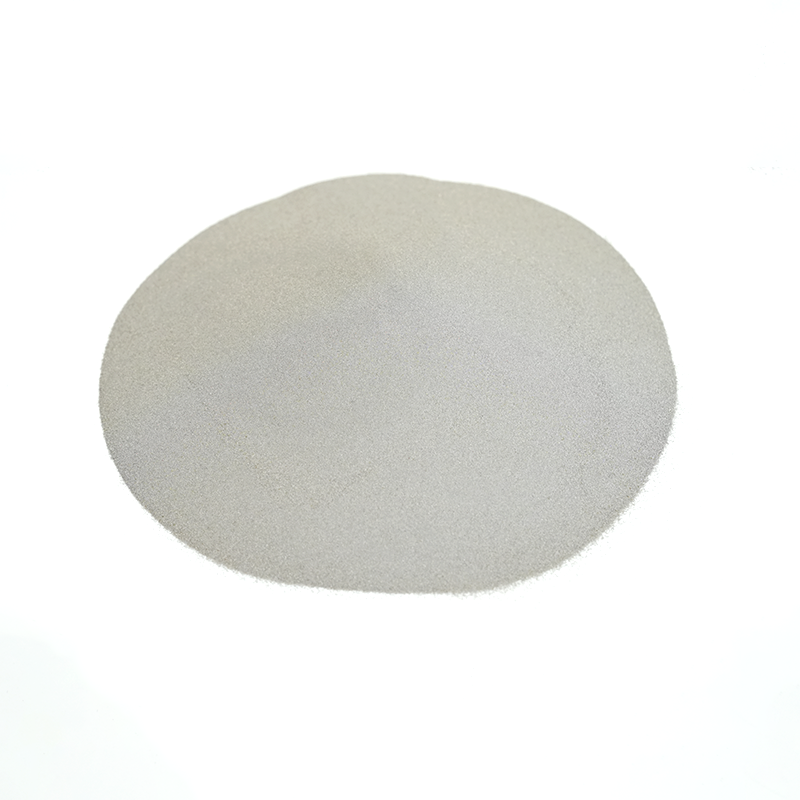
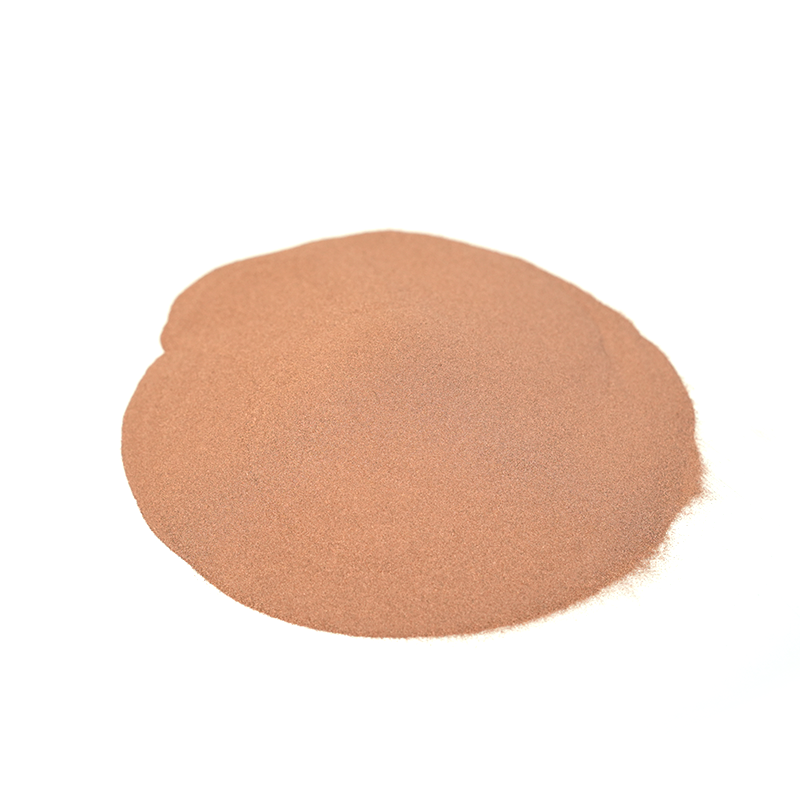
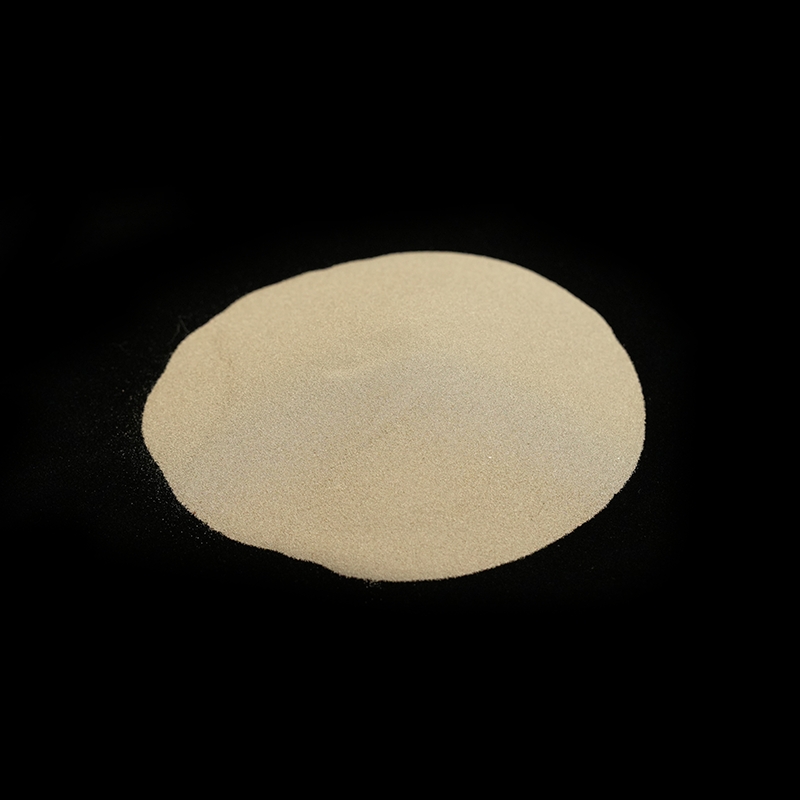
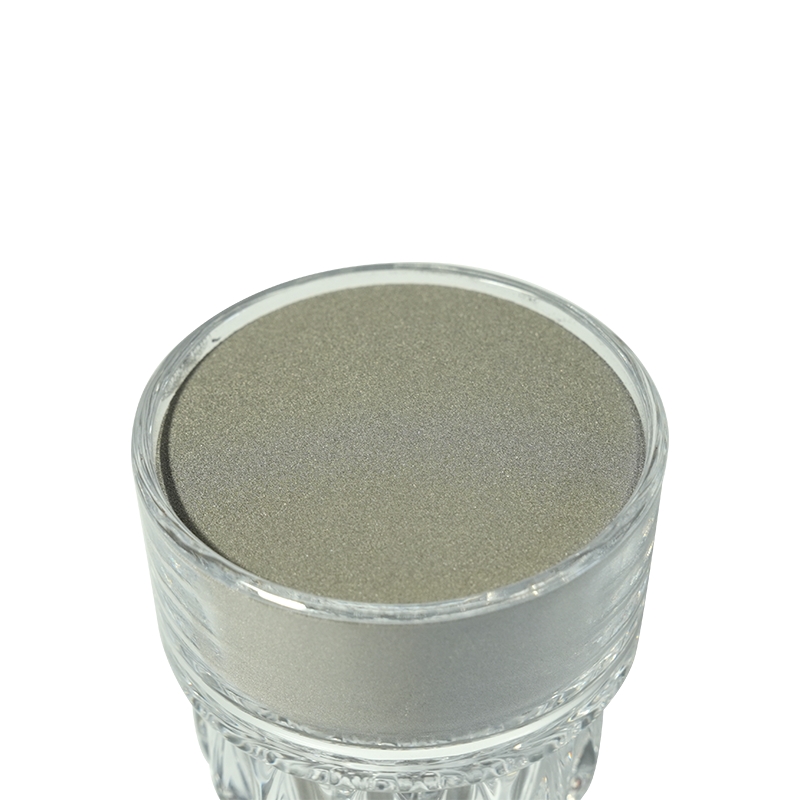
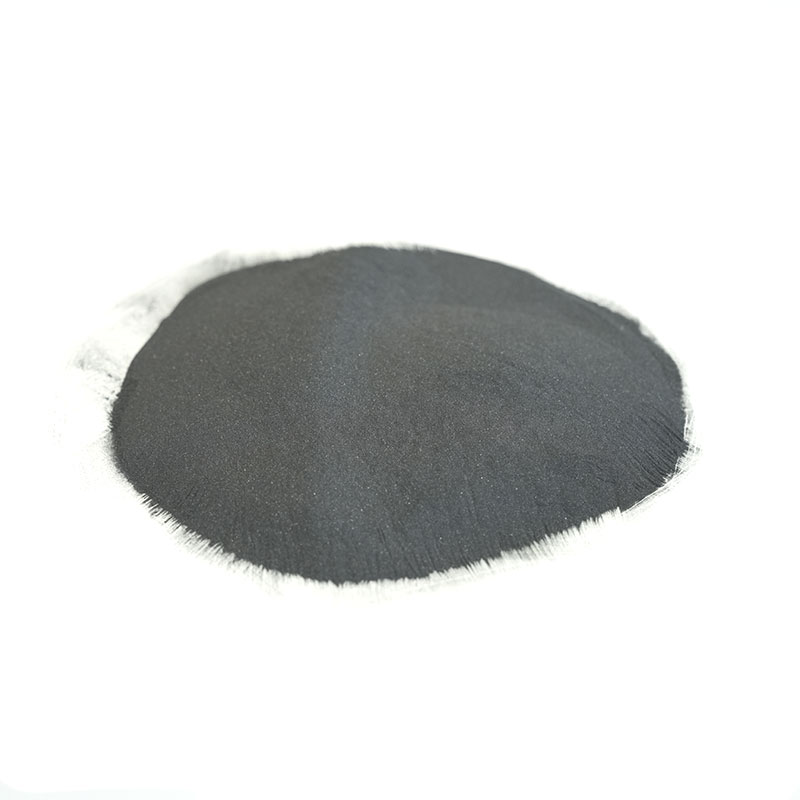
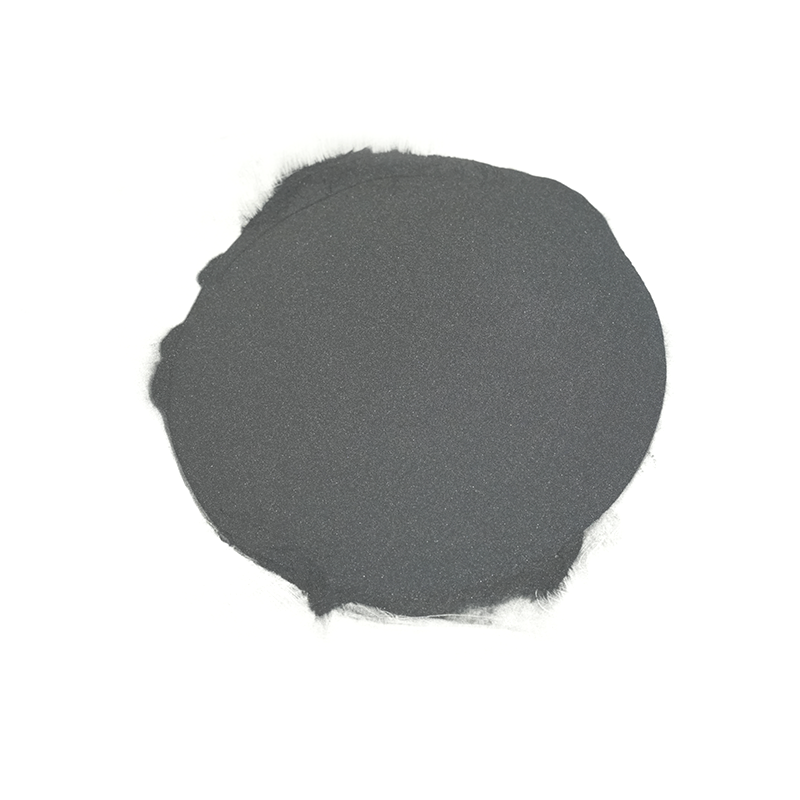
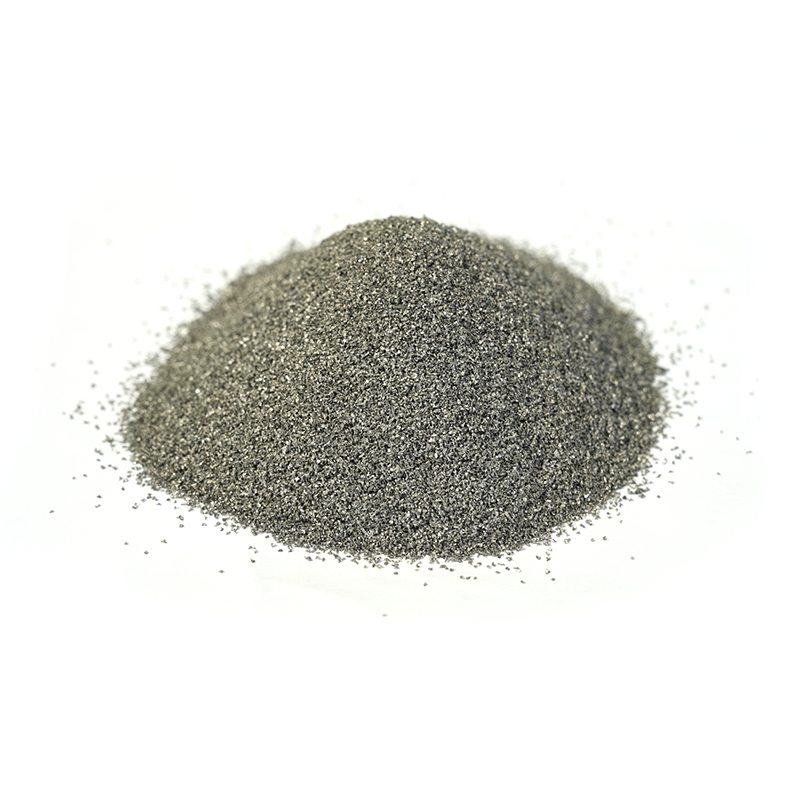
Alloy powder is a fine, granular material made from two or more metallic elements — or a metal combined with a non-metallic element — that have been melted together and then reduced to powder form. Unlike a simple mixture of individual metal powders blended together, a true alloy powder is pre-alloyed, meaning each individual particle already contains the target chemical composition. This distinction is critical because it determines how uniformly the alloy's properties — strength, hardness, corrosion resistance, melting behavior — are distributed throughout the final manufactured part.
The significance of metal alloy powder in modern industry cannot be overstated. It sits at the foundation of powder metallurgy, thermal spray coating, additive manufacturing (3D printing), metal injection molding, and laser cladding — all of which are growing sectors in aerospace, automotive, medical devices, energy, and tooling. The ability to engineer specific compositions at the particle level gives manufacturers a degree of material control that is simply not possible with cast or wrought alloys in many applications.
Global demand for high-performance alloy powders has increased sharply alongside the expansion of metal additive manufacturing and the need for wear- and corrosion-resistant coatings in extreme service environments. Understanding what alloy powder is, how it's made, and which type suits a given application is now an essential piece of knowledge for engineers, procurement specialists, and manufacturing professionals.
How Alloy Powder Is Manufactured
The production method used to make alloy powder has a direct and significant effect on the powder's particle shape, size distribution, surface chemistry, flowability, and purity — all of which determine its suitability for a specific downstream process. There are several established manufacturing routes, each with its own trade-offs.
Gas Atomization
Gas atomization is the dominant production method for high-quality alloy powders used in additive manufacturing and aerospace applications. A stream of molten alloy is disintegrated by high-velocity inert gas jets — typically argon or nitrogen — into fine droplets that solidify rapidly in flight before being collected. The result is highly spherical particles with smooth surfaces, low porosity, and excellent flowability. Particle size distributions are typically in the 15–150 micron range, though this can be adjusted by process parameters. Gas-atomized powders have low oxygen content because the process is conducted in an inert atmosphere, making them suitable for reactive alloys like titanium and nickel superalloys.
Water Atomization
Water atomization uses high-pressure water jets to break up the molten metal stream. It is faster and cheaper than gas atomization but produces irregularly shaped, often satellite-free particles with rougher surfaces and higher oxygen content due to the reactive nature of water. Water-atomized alloy powders are widely used in press-and-sinter powder metallurgy for ferrous alloys (iron, steel, stainless steel), where particle morphology is less critical than in AM applications. They bond well during compaction due to their irregular shape but flow less freely than gas-atomized equivalents.
Plasma Atomization
Plasma atomization feeds a solid wire or powder feedstock directly into a plasma torch, melting and atomizing it simultaneously. It produces some of the most spherical, high-purity powders available, with very low oxygen and nitrogen content. This process is especially valuable for reactive metals such as titanium and its alloys (Ti-6Al-4V being the most common), where contamination must be minimized. Plasma-atomized titanium alloy powder commands a premium price but is the preferred choice for critical aerospace and medical implant applications processed by laser powder bed fusion (LPBF) or electron beam melting (EBM).
Mechanical Milling and Alloying
Mechanical alloying uses high-energy ball milling to blend and alloy elemental powders through repeated cold welding, fracturing, and re-welding of powder particles over extended milling cycles. This solid-state process can produce alloy compositions that are difficult or impossible to achieve through conventional melting — including nanostructured alloys, oxide-dispersion-strengthened (ODS) alloys, and amorphous metal powders. The resulting particles are typically angular and irregular. Mechanical alloying is more commonly used for research, specialty alloys, and ODS materials than for high-volume commercial production.
Chemical and Electrolytic Methods
Certain alloy powders are produced via chemical reduction (e.g., hydrogen reduction of oxide precursors) or electrolytic deposition. These methods produce very fine, often dendritic or sponge-like particles and are used for specific alloy systems where conventional atomization is impractical. Carbonyl decomposition is another niche chemical route used for ultra-fine nickel and iron powders. These chemically produced powders typically have very high purity levels and are used in electronics, catalysis, and specialty sintering applications.
Main Types of Alloy Powder and Their Properties
The term "alloy powder" covers an enormous range of compositions. The major commercial families, each with distinct properties and application niches, are outlined below.
Nickel Alloy Powder
Nickel-based alloy powders — including grades such as Inconel 625, Inconel 718, Hastelloy C-276, and Waspaloy — are among the most technically demanding and commercially important categories. Their defining characteristics are outstanding high-temperature strength, oxidation resistance, and resistance to hot corrosion. Nickel alloy powder is the primary feedstock for turbine blade repair and manufacture, combustion chamber components, chemical processing equipment, and downhole oil and gas tooling. It is processed by LPBF, directed energy deposition (DED), hot isostatic pressing (HIP), and thermal spray coating.
Titanium Alloy Powder
Titanium alloy powder, predominantly Ti-6Al-4V (Grade 5 and Grade 23 ELI), is critical in aerospace structural components, medical implants, and sporting goods. Its exceptional strength-to-weight ratio, biocompatibility, and corrosion resistance make it irreplaceable in these sectors. The high cost of titanium alloy powder — driven by the energy-intensive Kroll process used to produce the base metal — is the primary barrier to wider adoption. Plasma-atomized and gas-atomized Ti-6Al-4V dominate the additive manufacturing market, while HDH (hydrogenation-dehydrogenation) titanium powder is used for lower-cost press-and-sinter applications.
Cobalt-Chrome Alloy Powder
Cobalt-chrome (CoCr) alloy powders offer exceptional wear resistance, high-temperature hardness retention, and biocompatibility. They are widely used for dental restorations (crowns, bridges, and frameworks) produced by LPBF, as well as for orthopedic implants, hard-facing of wear-prone industrial components, and turbine components requiring resistance to both heat and erosion. CoCr powders processed by additive manufacturing produce parts with very fine, uniform microstructures that often outperform their cast equivalents in fatigue performance.
Stainless Steel Alloy Powder
Stainless steel alloy powders — including grades 316L, 304L, 17-4 PH, and 15-5 PH — represent some of the highest-volume metal alloy powders produced globally. They are used across powder metallurgy, metal injection molding (MIM), binder jetting, and LPBF. 316L is the workhorse of corrosion-resistant applications in food processing, pharmaceutical, and marine environments. 17-4 PH stainless offers a combination of high strength and moderate corrosion resistance, making it popular for structural components, fasteners, and tooling produced by MIM and additive manufacturing.
Aluminum Alloy Powder
Aluminum alloy powders, particularly AlSi10Mg and AlSi12, are the dominant lightweight alloy powders in additive manufacturing and thermal spray. AlSi10Mg offers a good balance of strength, thermal conductivity, and processability, making it widely used for automotive brackets, heat exchangers, and aerospace structural parts produced by LPBF. Aluminum alloy powder is also used extensively in pyrotechnics and energetic materials, as well as in powder metallurgy for automotive sintered parts. Its high reactivity with oxygen requires careful handling and storage in inert or dry conditions.
Tool Steel and Hard-Facing Alloy Powders
Tool steel powders (H13, M2, D2) and hard-facing alloy powders (Stellite grades, tungsten carbide cermets, chromium carbide composites) are used where extreme hardness, wear resistance, and toughness are required. They are the backbone of laser cladding and thermal spray applications on mining equipment, drilling tools, valve seats, crusher components, and cutting tool inserts. These alloy powders are formulated specifically to deposit dense, well-bonded coatings with minimal dilution and controlled microstructure.
Key Applications of Metal Alloy Powder Across Industries
Alloy powders serve as the raw material input for a wide and growing range of manufacturing and surface engineering processes. Below are the most significant application areas:
- Additive Manufacturing (3D Printing): Laser powder bed fusion, electron beam melting, directed energy deposition, and binder jetting all consume alloy powder as their primary input. Powder characteristics — sphericity, particle size distribution, flowability, bulk density, and chemical purity — directly determine print quality, part density, and mechanical properties.
- Thermal Spray Coatings: Processes including HVOF (High Velocity Oxy-Fuel), plasma spray, and cold spray use alloy powder feedstock to deposit protective coatings on substrates. These coatings provide wear, corrosion, oxidation, and thermal barrier protection on turbine blades, hydraulic rods, pump components, and industrial rolls.
- Powder Metallurgy (PM) and Sintering: Alloy powder is compacted in a die and sintered at elevated temperatures to produce near-net-shape components including gears, bearings, bushings, and structural parts. PM parts are widely used in automotive drivetrain, appliance motors, and hydraulic systems, where the process delivers tight dimensional tolerances and material efficiency.
- Metal Injection Molding (MIM): Fine alloy powder (typically below 20 microns) is mixed with a polymer binder to form a feedstock that is injection-molded into complex shapes, debindered, and sintered. MIM produces small, intricate components in stainless steel, titanium, and nickel alloys for medical devices, firearms components, and consumer electronics hardware.
- Laser Cladding and Hard-Facing: Alloy powder is fed coaxially into a laser beam to deposit a metallurgically bonded coating on worn or damaged components. Laser cladding with nickel, cobalt, or iron-based alloy powder is used to rebuild worn valve seats, pump shafts, dies, and molds with minimal heat distortion and dilution.
- Hot Isostatic Pressing (HIP): Alloy powder is sealed in a metal canister, which is then subjected to high temperature and pressure simultaneously to consolidate the powder into a fully dense, near-net-shape component free of internal porosity. HIP is used for large, complex aerospace and nuclear components that require isotropic mechanical properties and full density.
- Brazing and Soldering Alloys: Certain alloy powders — particularly nickel-boron, copper-phosphorus, and silver-based alloys — are formulated as brazing pastes or preforms for joining components in heat exchangers, aerospace assemblies, and electronics. The powder form enables precise paste viscosity control and joint gap filling.
Critical Quality Parameters for Alloy Powder
When evaluating or specifying alloy powder for a manufacturing process, several measurable quality parameters determine whether a powder will perform reliably. These parameters should be documented in a powder certificate of conformance and verified by independent testing where critical applications are involved.
| Parameter | What It Measures | Why It Matters |
| Particle Size Distribution (PSD) | D10, D50, D90 values in microns | Determines layer thickness, resolution, and packing density in AM and PM |
| Flowability (Hall Flow Rate) | Seconds per 50g through a standard orifice | Affects powder spreading uniformity in LPBF and die filling in PM |
| Apparent Density | g/cm³ of loosely poured powder | Affects powder bed density, feedrate calibration, and sintered shrinkage |
| Tap Density | g/cm³ after mechanical tapping | Indicates packing efficiency; higher tap/apparent density ratio suggests better sphericity |
| Chemical Composition | Major and trace element content by %wt | Determines alloy grade compliance and expected mechanical/corrosion properties |
| Oxygen Content | Parts per million (ppm) by weight | High oxygen degrades ductility, fatigue resistance, and weldability in reactive alloys |
| Morphology / Sphericity | SEM imaging and circularity index | Spherical particles flow and pack better; irregular shapes improve PM compaction |
| Satellite Content | % of particles with adhered smaller particles | Satellites reduce flowability and can cause inconsistent layer spreading in LPBF |
| Moisture Content | % weight loss on drying | Moisture causes clumping, oxidation, and porosity defects during processing |
Alloy Powder for Additive Manufacturing: What Sets It Apart
Not every alloy powder on the market is suitable for additive manufacturing. AM processes — particularly laser powder bed fusion and electron beam melting — impose very specific requirements on powder quality that are considerably more stringent than those for conventional powder metallurgy or thermal spray applications. Understanding these differences prevents costly mistakes when sourcing powder for an AM program.
For LPBF applications, the most important powder characteristics are tight particle size distribution (typically 15–45 microns or 20–63 microns depending on the machine platform), high sphericity (to ensure consistent layer spreading by the recoater blade), and very low oxygen content (below 500 ppm for most alloys, below 300 ppm for titanium). Any satellite particles, agglomerates, or oversized particles can cause recoater damage, incomplete spreading, and defects in the finished part.
Powder reuse and recycling is a significant practical consideration in AM operations. Gas-atomized alloy powder can typically be reused multiple times — studies on Inconel 718 and Ti-6Al-4V suggest that powder can be recycled 10–20 times before measurable degradation in flowability or oxygen content occurs, provided the unused powder is stored correctly and mixed with fresh powder at controlled ratios. Establishing a documented powder management protocol — tracking batch numbers, reuse cycles, particle size evolution, and oxygen content — is a best practice requirement for aerospace and medical AM production under AS9100 or ISO 13485 quality systems.
Handling, Storage, and Safety Considerations
Metal alloy powder presents specific handling and safety risks that must be managed through appropriate controls. Many alloy powders — particularly those containing aluminum, titanium, magnesium, and certain stainless steel grades — are classified as combustible or explosible dusts, meaning they can form explosive suspensions in air if dispersed above their minimum explosible concentration (MEC) and exposed to an ignition source.
- Storage: Store alloy powder in sealed, airtight containers — ideally under inert gas (argon or nitrogen) for reactive alloys like titanium and aluminum. Keep containers in cool, dry conditions away from moisture, heat sources, and oxidizing chemicals. Clearly label containers with alloy grade, lot number, and date received.
- Handling: Minimize dust generation during transfer and handling. Use dedicated powder handling stations with local exhaust ventilation. Never use compressed air to clean powder spills — this disperses fine particles into the air. Use conductive or anti-static containers and grounding straps to prevent electrostatic discharge.
- Personal Protective Equipment: Operators should wear P3-rated respiratory protection (FFP3 or equivalent) when handling fine alloy powders, along with nitrile gloves, eye protection, and antistatic work clothing. Nickel-containing powders are classified as potential carcinogens and require additional respiratory precautions and health surveillance programs.
- Fire and Explosion Control: Conduct a dust hazard analysis (DHA) for any facility processing combustible alloy powders. Install explosion suppression or venting systems on dust collectors and silos where required. Use intrinsically safe electrical equipment in powder handling zones rated as hazardous areas.
- Waste Disposal: Spent or contaminated alloy powder must be disposed of in accordance with local hazardous waste regulations. Do not mix incompatible alloy powders in waste containers, as some combinations can react. Contact your local environmental authority or a licensed waste contractor for guidance on specific alloy compositions.
How to Select the Right Alloy Powder for Your Process
Choosing the right metal alloy powder for a specific application requires balancing material properties, process compatibility, supply chain reliability, and cost. The following framework covers the key decision points:
- Define the Service Requirements First: Identify the primary performance demands of the finished component — operating temperature, mechanical load profile, corrosion environment, wear mode, and any regulatory requirements (e.g., biocompatibility for medical, DFARS compliance for defense). These requirements narrow the alloy family significantly before any other consideration.
- Match Powder Specification to Process: Once the alloy family is identified, specify the powder characteristics required by the intended process. LPBF requires tight PSD and high sphericity. Press-and-sinter PM tolerates irregular morphology and wider PSD. Thermal spray HVOF needs dense, satellite-free powder with specific size ranges (typically 15–45 microns or 45–75 microns).
- Evaluate Supplier Capability: Request full powder test certificates including PSD, chemical composition, oxygen content, flowability, and SEM images. Assess whether the supplier operates under a certified quality management system (ISO 9001, AS9100, ISO 13485) and can provide traceability from raw material to finished powder lot.
- Run Process Qualification Trials: For any new alloy powder — even from a reputable supplier — run qualification trials on your specific equipment before committing to production. Powder behavior varies between machines, and parameters optimized for one powder lot may need adjustment for another even within the same alloy grade.
- Consider Total Cost of Ownership: The cheapest powder per kilogram is rarely the most economical choice. Factor in yield losses, reject rates, powder reuse cycles, and downstream processing costs. A higher-quality alloy powder that delivers consistent results and fewer defects almost always costs less per good part produced than a bargain-priced powder with variable performance.