English
 русский
 عربى
عربىContent
The Essentials of Laser Cladding Powder
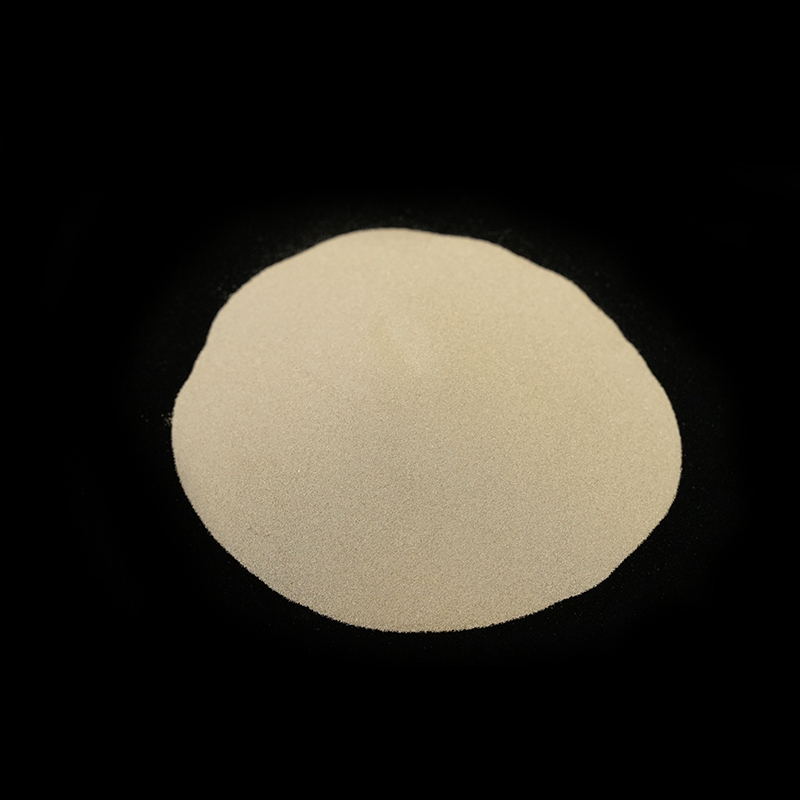
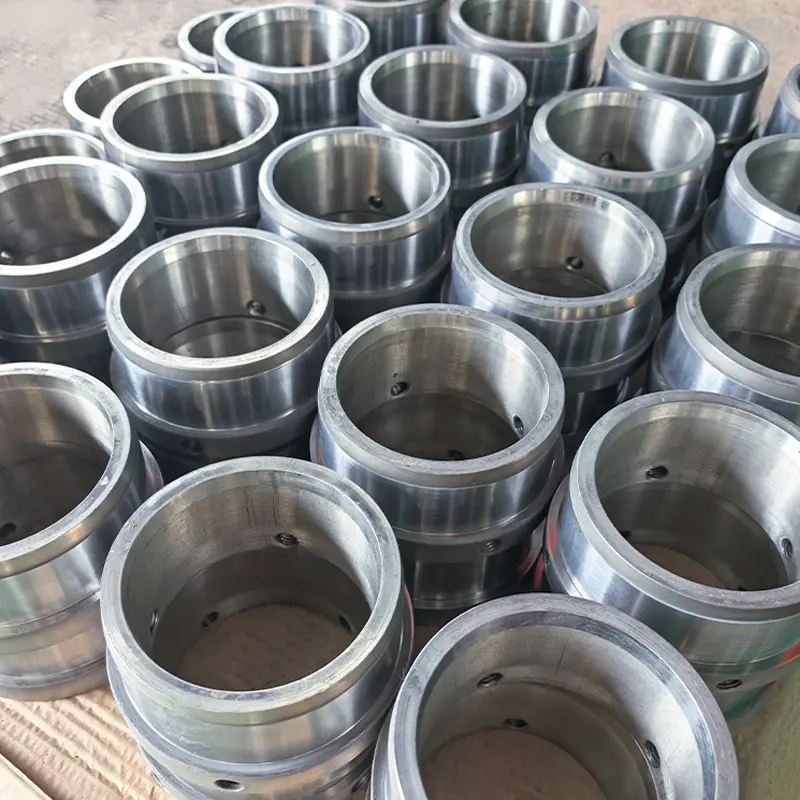
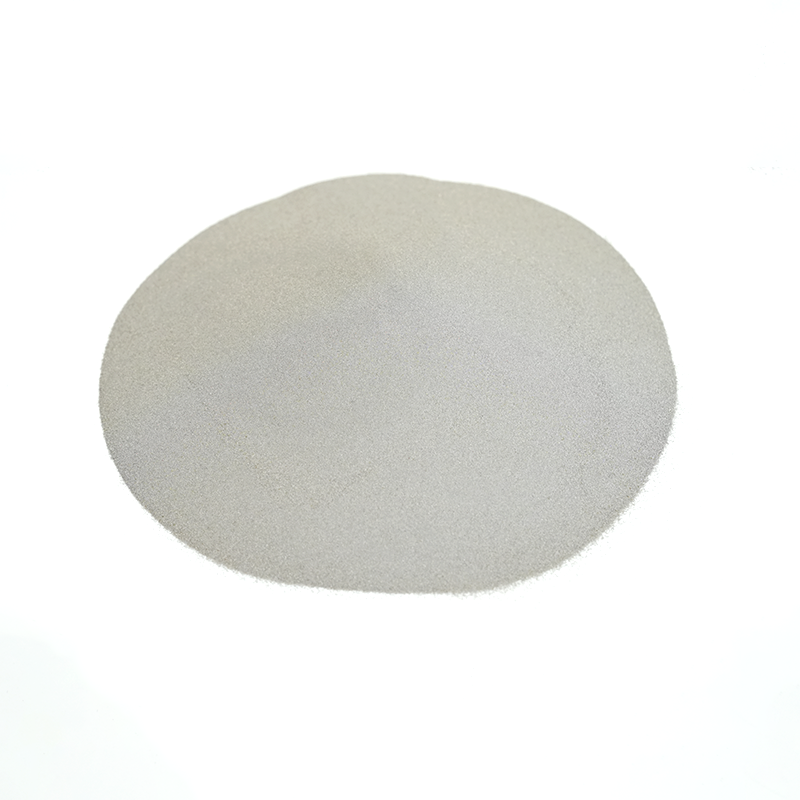
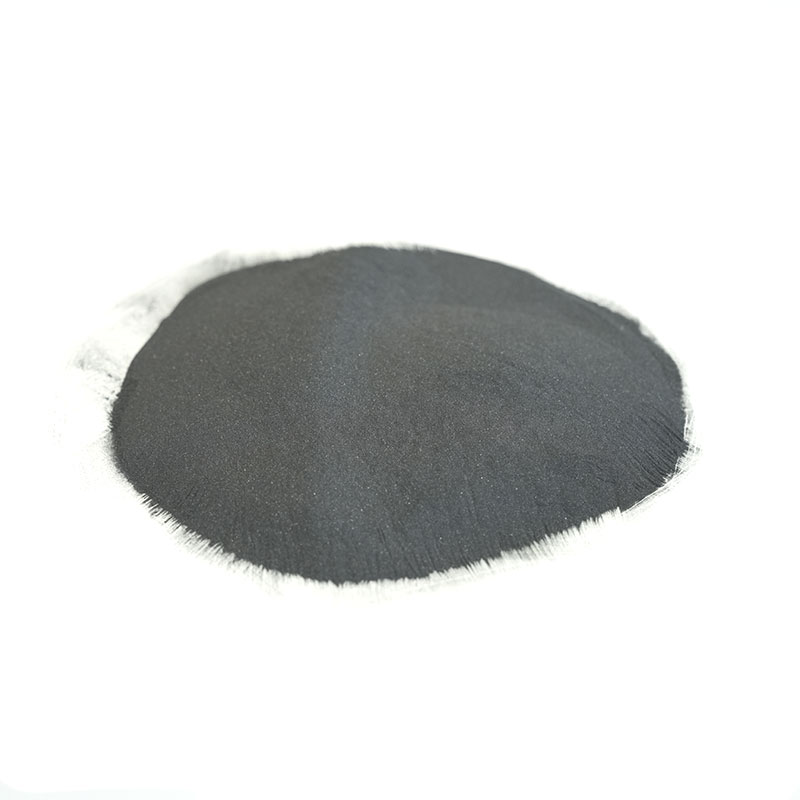
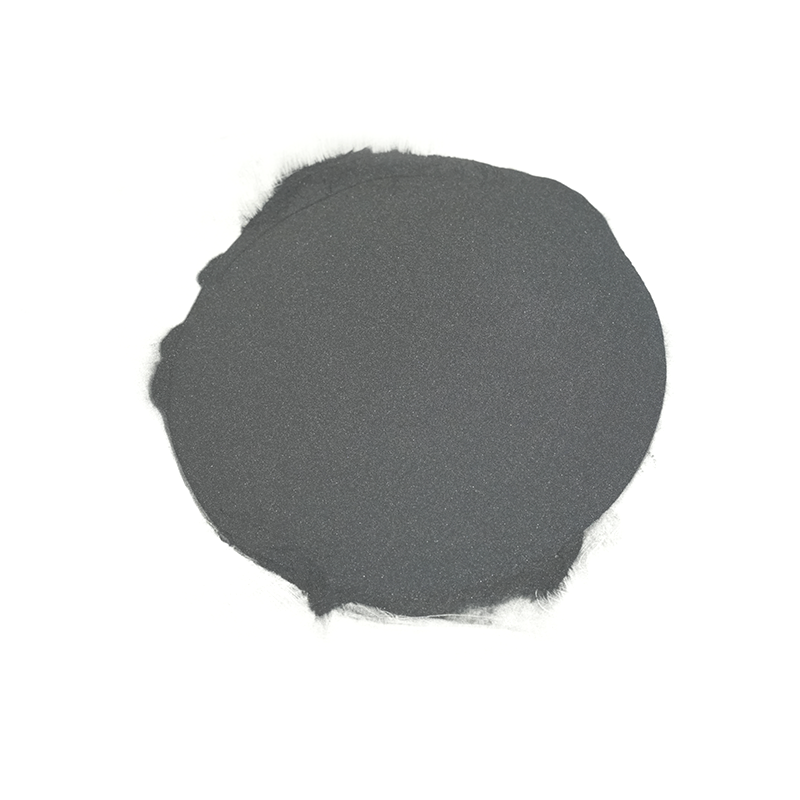
Laser Cladding Powder is the specialized raw material used in laser-based surface engineering to create a metallurgical bond between a coating and a substrate. Unlike traditional welding, the laser cladding process uses a high-energy laser beam to melt both the surface of the base metal and the injected metal powder simultaneously. This results in a dense, high-quality layer with minimal dilution and a very small heat-affected zone. By selecting the correct powder composition, engineers can drastically improve a part's resistance to wear, corrosion, and high temperatures, effectively giving an old or worn component a brand-new, high-performance "skin."
Particle Size and Morphology
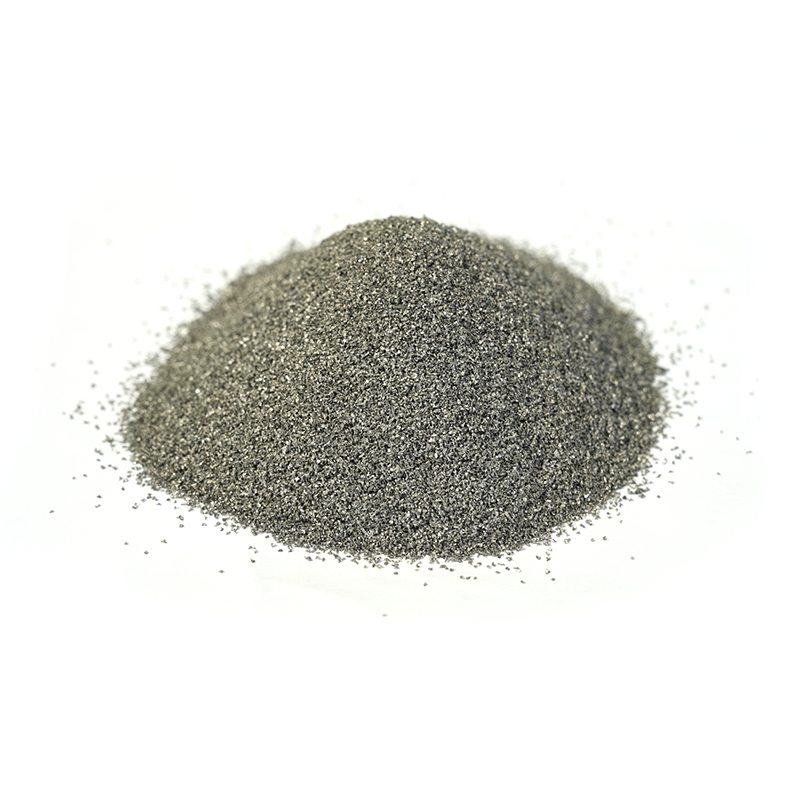
The physical characteristics of the powder are just as important as its chemical makeup. For most industrial laser cladding machines, the powder must be spherical to ensure a consistent flow through the feeder system. If the particles are irregular or jagged, the powder may clog the nozzle or cause uneven melting. Generally, the particle size for laser cladding ranges from 45 to 150 microns. Finer powders may provide a smoother finish but are more prone to being blown away by the shielding gas, while coarser powders require more laser power to melt fully.
Common Types of Alloy Powders and Their Uses
Choosing the right alloy for your Laser Cladding Powder depends entirely on the working environment of the finished part. There is no "one-size-fits-all" solution, as a material that excels in a corrosive chemical environment might fail quickly in a high-impact mining application. Most powders are classified into three major families based on their base metal: Iron, Nickel, and Cobalt.
| Powder Category | Primary Benefit | Common Applications |
| Iron-Based Alloys | Cost-Effective Wear Resistance | Shafts, Gears, Agricultural Tools |
| Nickel-Based Alloys | Excellent Corrosion Resistance | Oil & Gas Valves, Pump Sleeves |
| Cobalt-Based (Stellite) | High-Temperature Hardness | Turbine Blades, Engine Valves |
| Carbide Composites | Extreme Abrasive Protection | Drill Bits, Mining Equipment |
Practical Advantages of Using Laser Cladding Materials
Using Laser Cladding Powder offers several constructive benefits over traditional repair methods like thermal spraying or arc welding. Because the laser can be precisely controlled, the amount of material added can be localized to just the worn area, reducing waste. Furthermore, the metallurgical bond created is far stronger than the mechanical bond of thermal spray, meaning the cladding will not flake off under heavy stress.
Why Manufacturers Prefer Laser Powder Feeding
- Low Heat Input: Minimizes distortion of the original part, allowing for high-precision repairs.
- High Purity: Gas-atomized powders have low oxygen content, leading to cleaner, stronger welds.
- Resource Savings: Allows for the use of expensive alloys only on the surface where they are needed most.
- Extended Lifecycle: Refurbished parts often last 2-3 times longer than the original OEM component.
Storage and Handling Requirements
To maintain the integrity of your Laser Cladding Powder, proper storage is non-negotiable. Metal powders are highly susceptible to moisture; even a small amount of humidity can cause the powder to clump or lead to porosity in the final cladding layer. It is a standard industry practice to keep the powder in vacuum-sealed containers until ready for use. Many shops also use specialized powder drying ovens to pre-heat the material to roughly 100°C for at least two hours before feeding it into the laser system. This ensures that the powder is completely dry and flows freely, resulting in a flawless surface finish.
In conclusion, the selection and handling of Laser Cladding Powder play a decisive role in the success of any surface enhancement project. By matching the powder chemistry to the specific industrial challenge, businesses can significantly reduce downtime and replacement costs.