English
 русский
 عربى
عربىContent
What Is Ceramic Powder?
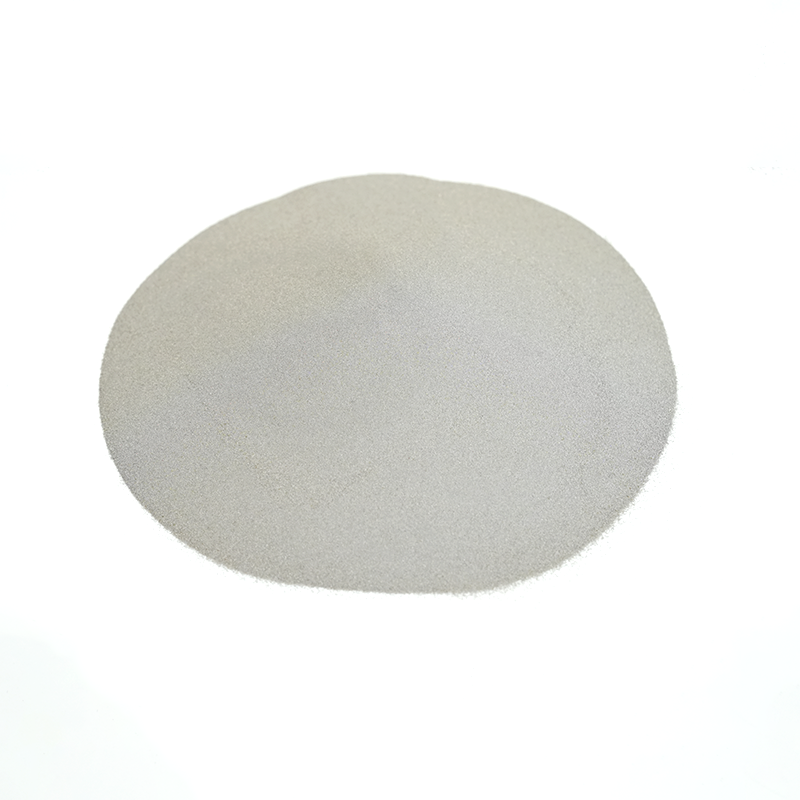
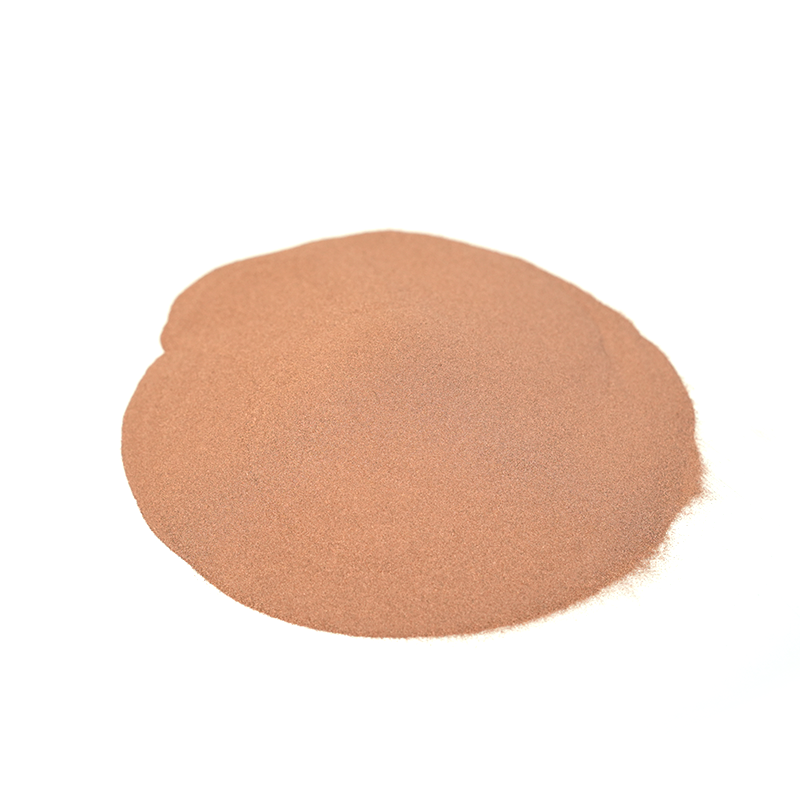
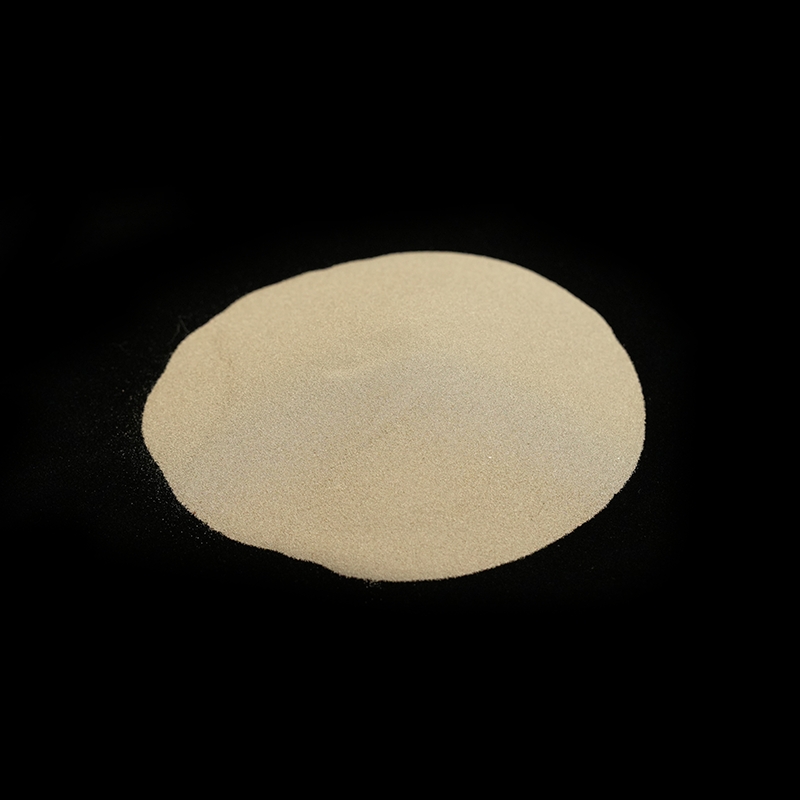
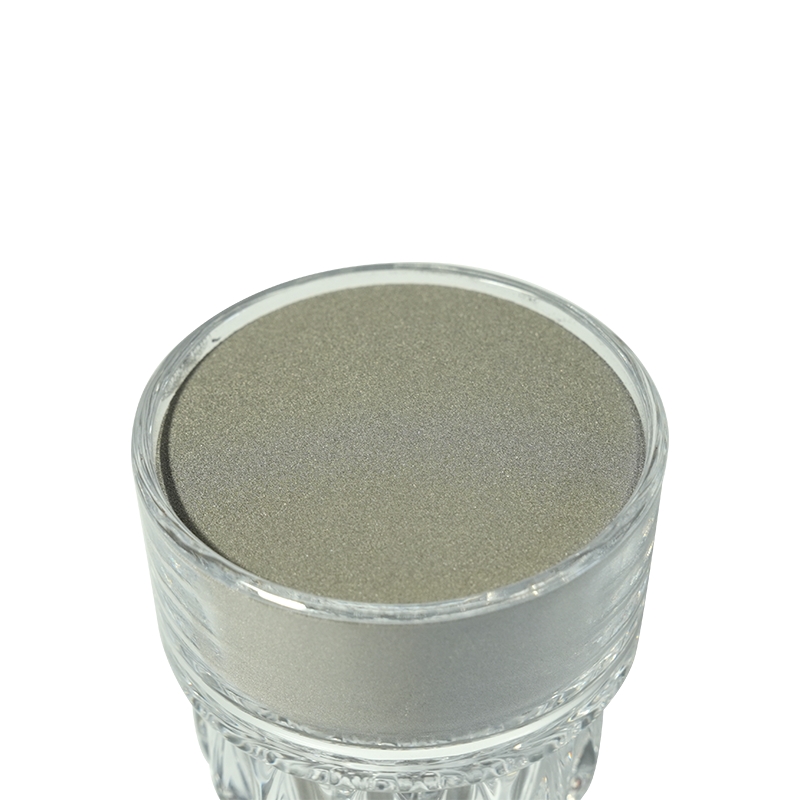
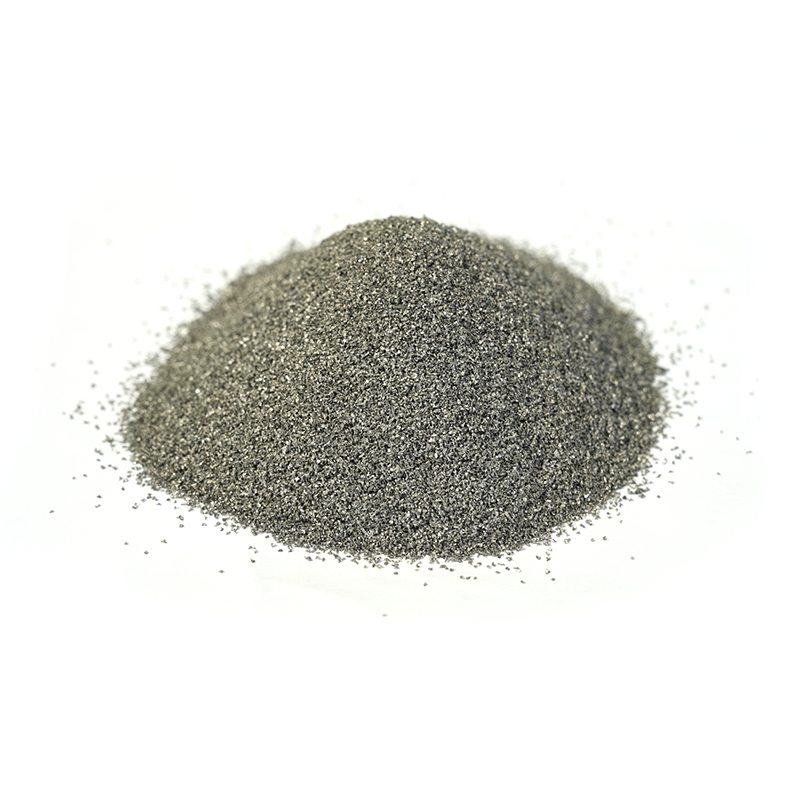
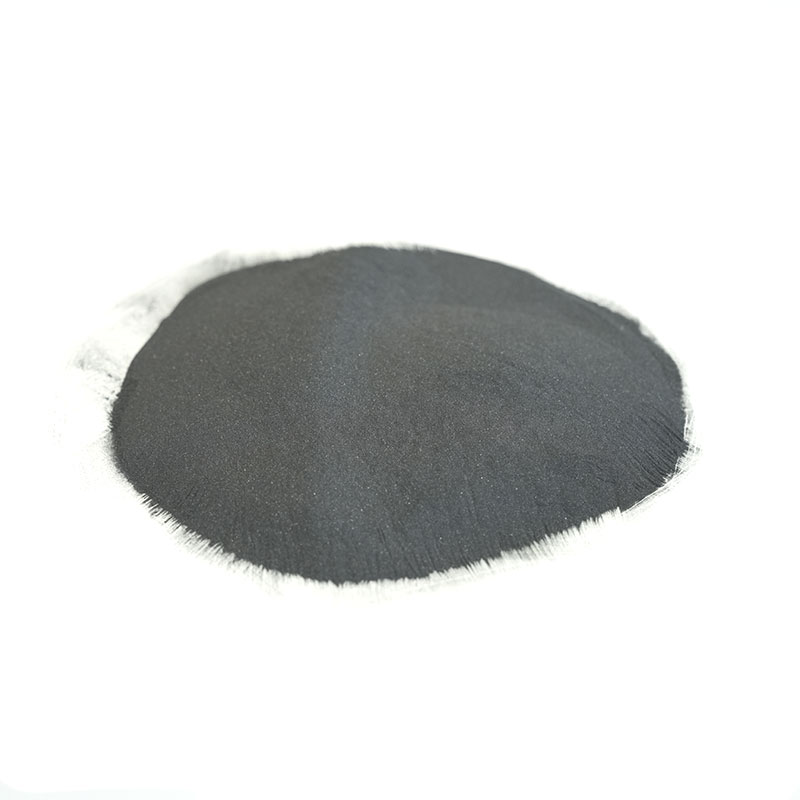
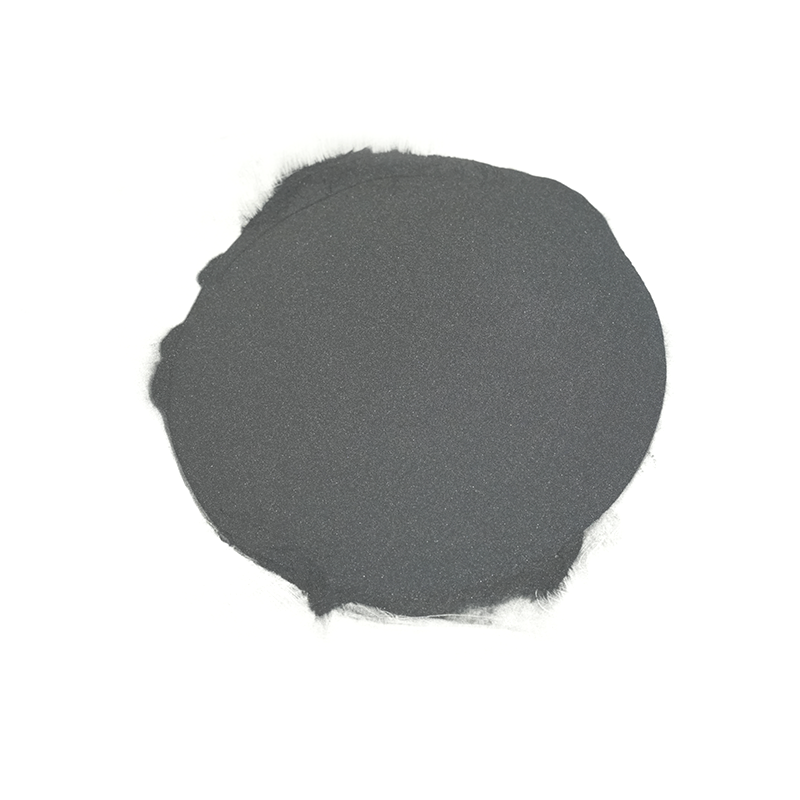
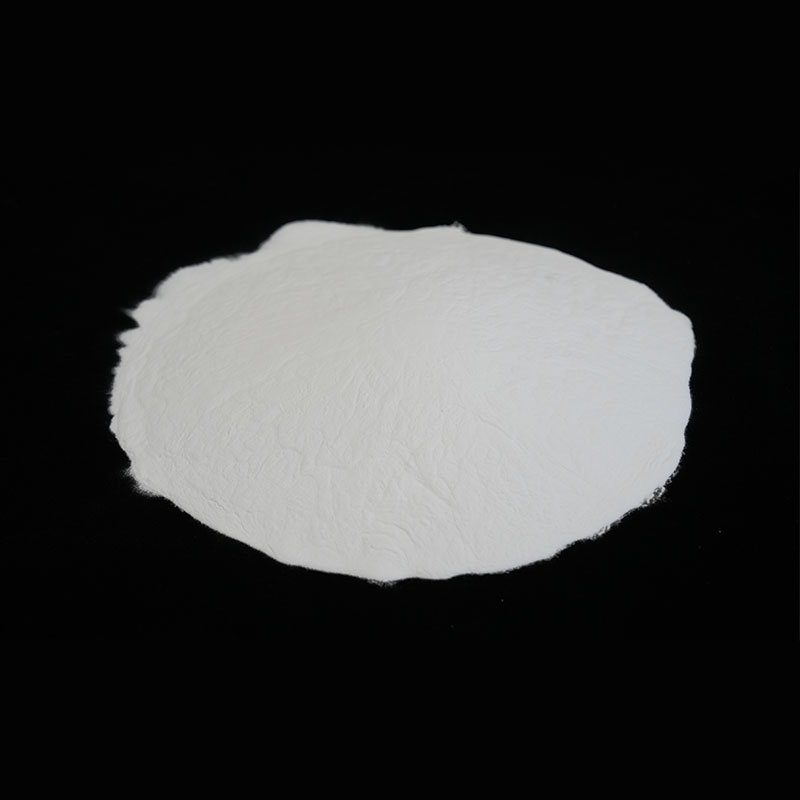
Ceramic powder is a finely ground material made from natural or synthetic ceramic substances. These powders are the building blocks for a wide range of ceramic products, including tiles, coatings, advanced electronics, and even biomedical implants. The tiny particles of ceramic powder allow for high precision in shaping and molding, making it extremely versatile in different industries.
Types of Ceramic Powder
There are several types of ceramic powder, each with unique properties that make them suitable for specific applications. Common variations include:
- Alumina (Al₂O₃) – Highly durable, excellent for electrical insulators and wear-resistant components.
- Zirconia (ZrO₂) – Known for toughness and thermal stability, often used in dental and surgical tools.
- Silica (SiO₂) – Provides high-temperature resistance, used in glass, coatings, and composites.
- Titania (TiO₂) – Commonly applied in pigments, photocatalysts, and UV-blocking coatings.
- Magnesia (MgO) – Offers excellent thermal insulation and refractory properties.
How Ceramic Powder Is Made
Ceramic powder is produced through various methods depending on the material and desired particle size. Common production techniques include:
Mechanical Milling
This method involves grinding larger ceramic pieces into fine powder using ball mills or high-energy mills. It’s a simple and cost-effective way to produce uniform particles.
Chemical Precipitation
In this process, ceramic powders are formed by chemical reactions in solution. It allows precise control over particle size and composition, making it ideal for advanced ceramics.
Spray Drying
Spray drying converts a ceramic slurry into fine, spherical powders. This method is widely used in producing powders for injection molding and 3D printing.
Key Applications of Ceramic Powder
Ceramic powders have a wide range of applications, thanks to their high heat resistance, hardness, and chemical stability. Some major uses include:
- Industrial components like cutting tools, wear parts, and bearings.
- Electronics, including capacitors, insulators, and substrates.
- Medical devices such as bone implants, dental crowns, and prosthetics.
- Coatings that protect against corrosion, wear, or heat.
- Advanced ceramics for aerospace, automotive, and energy applications.
Properties That Make Ceramic Powder Special
Ceramic powder is valued for its unique combination of properties. Here are some key characteristics:
| Property | Description |
| Hardness | High resistance to scratching and wear. |
| Thermal Stability | Maintains strength at high temperatures. |
| Chemical Resistance | Resists corrosion and chemical attacks. |
| Electrical Insulation | Acts as an excellent insulator in electronics. |
Tips for Handling and Storing Ceramic Powder
Working with ceramic powders requires care to maintain quality and safety. Keep these tips in mind:
- Store powders in a dry, airtight container to prevent moisture absorption.
- Use protective masks and gloves to avoid inhalation or skin contact.
- Keep the workspace clean to prevent contamination of the powder.
- Handle powders gently to avoid particle agglomeration.
- Follow specific material guidelines for temperature and humidity control.
Future Trends in Ceramic Powder Applications
Ceramic powders are constantly evolving with technological advancements. Some emerging trends include:
- 3D printing of high-performance ceramic components for aerospace and medical use.
- Development of nano-ceramic powders for electronics and energy storage.
- Eco-friendly ceramics using recycled or low-energy production methods.
- Advanced composite ceramics combining multiple powders for tailored properties.