English
 русский
 عربى
عربىContent
- 1 What Nickel Cobalt Metal Powder Actually Is
- 2 How Nickel Cobalt Metal Powder Is Manufactured
- 3 Key Physical and Chemical Properties of NiCo Alloy Powder
- 4 Where Nickel Cobalt Metal Powder Is Used in Industry
- 5 Selecting the Right Grade of Nickel Cobalt Powder for Your Application
- 6 Handling, Storage, and Safety Considerations
- 7 Market Trends and What's Driving Demand for NiCo Powder
What Nickel Cobalt Metal Powder Actually Is
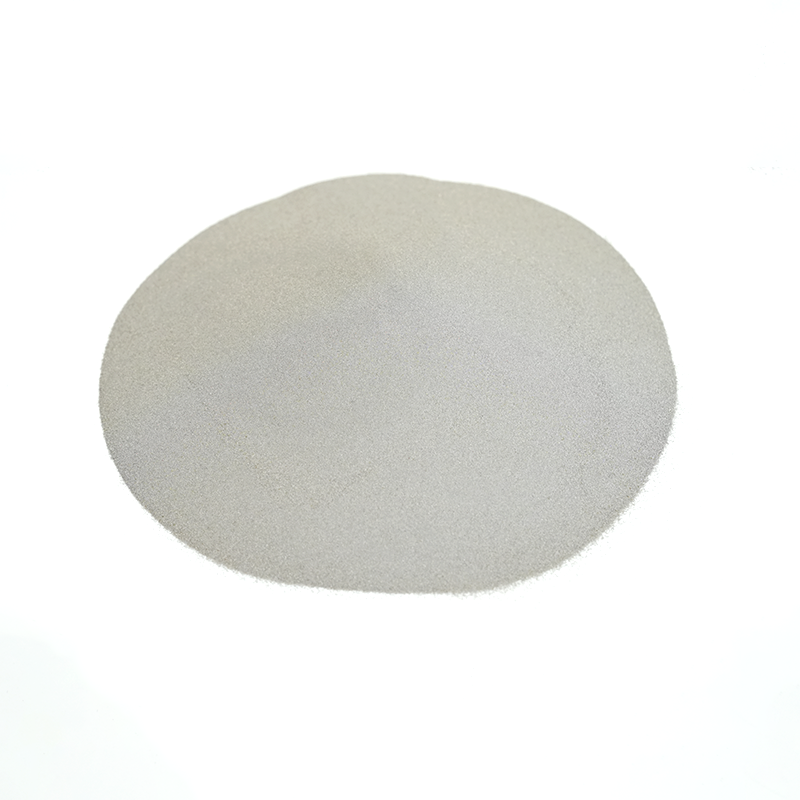
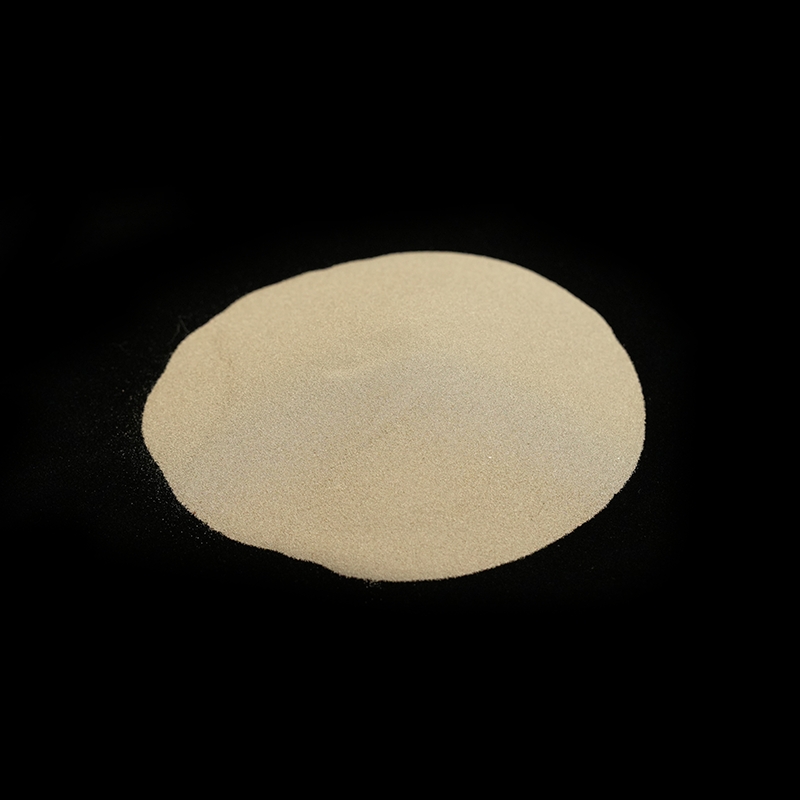
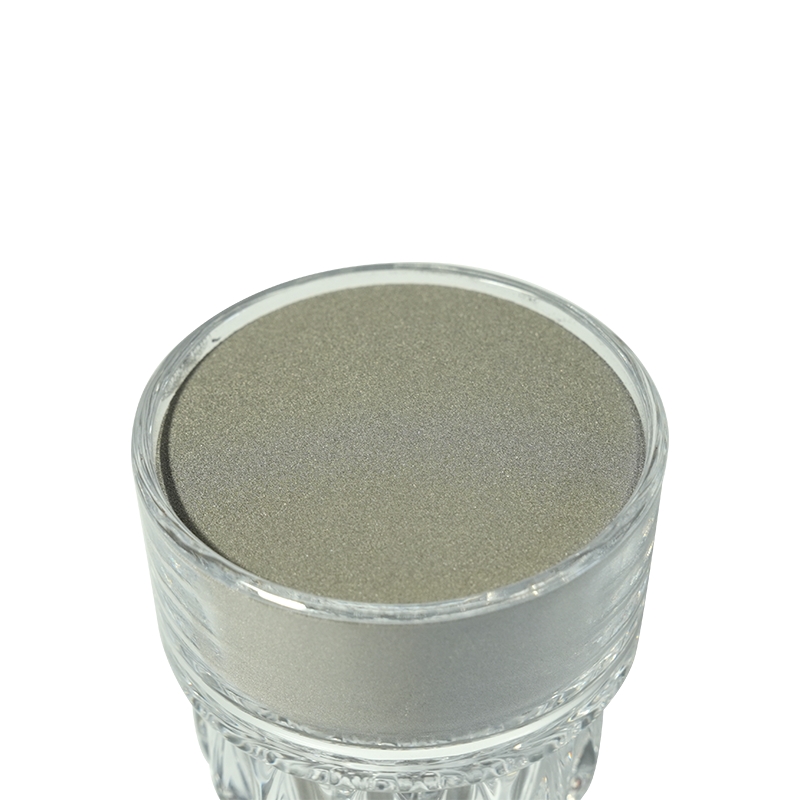
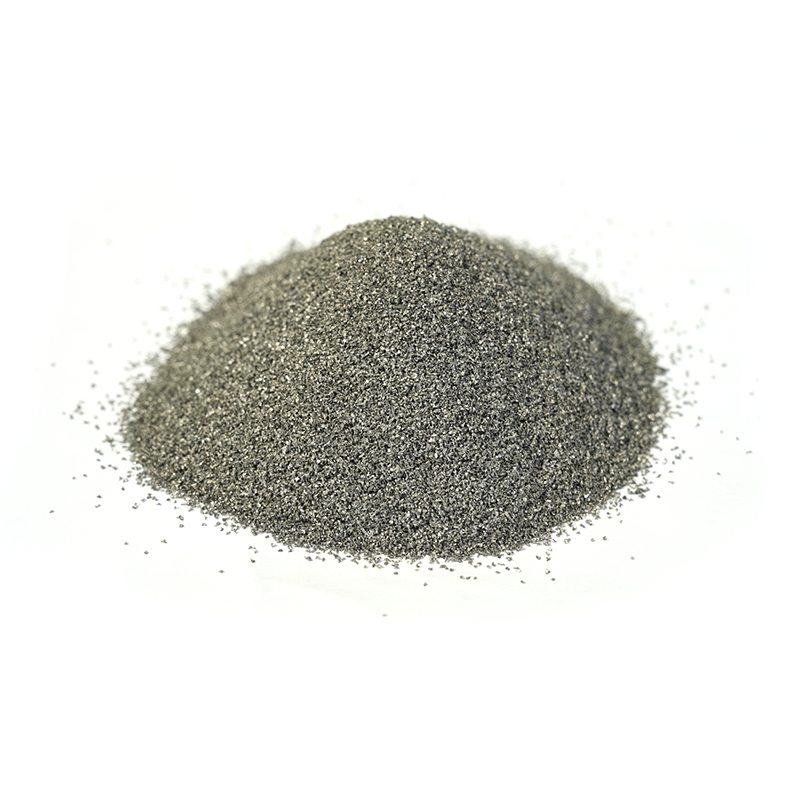
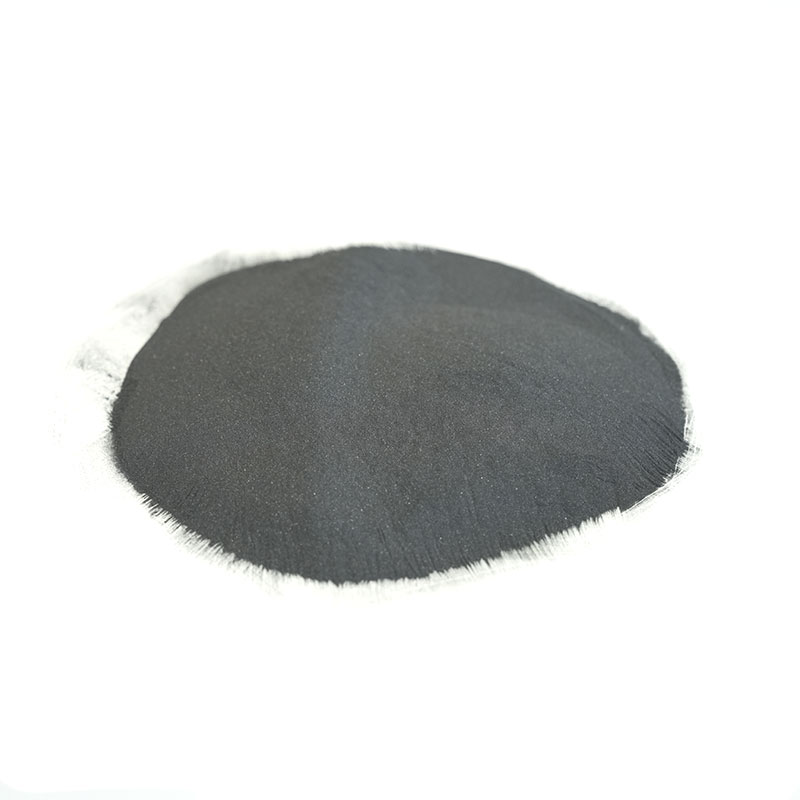
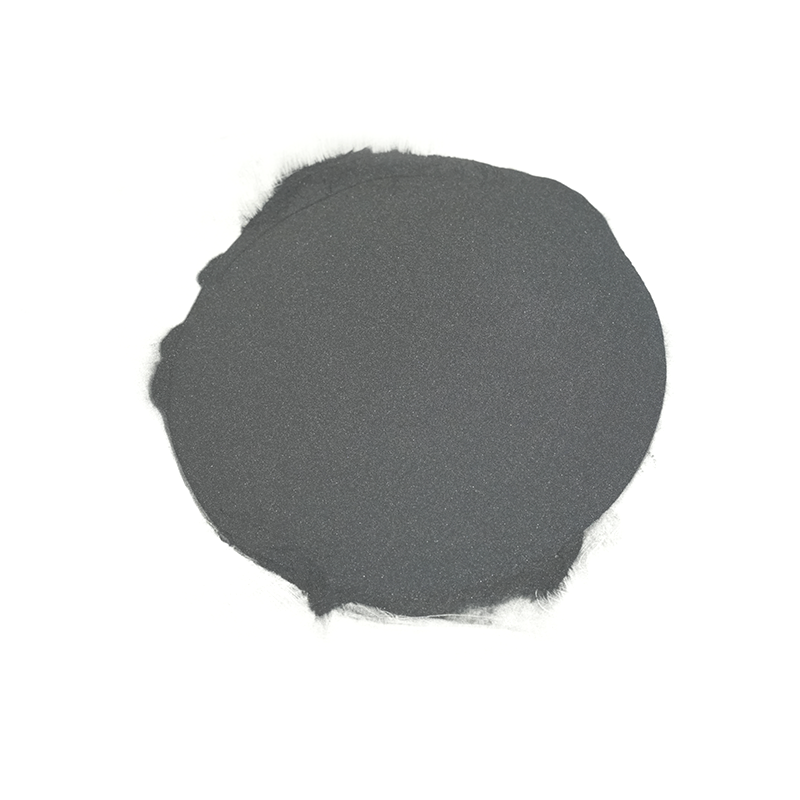
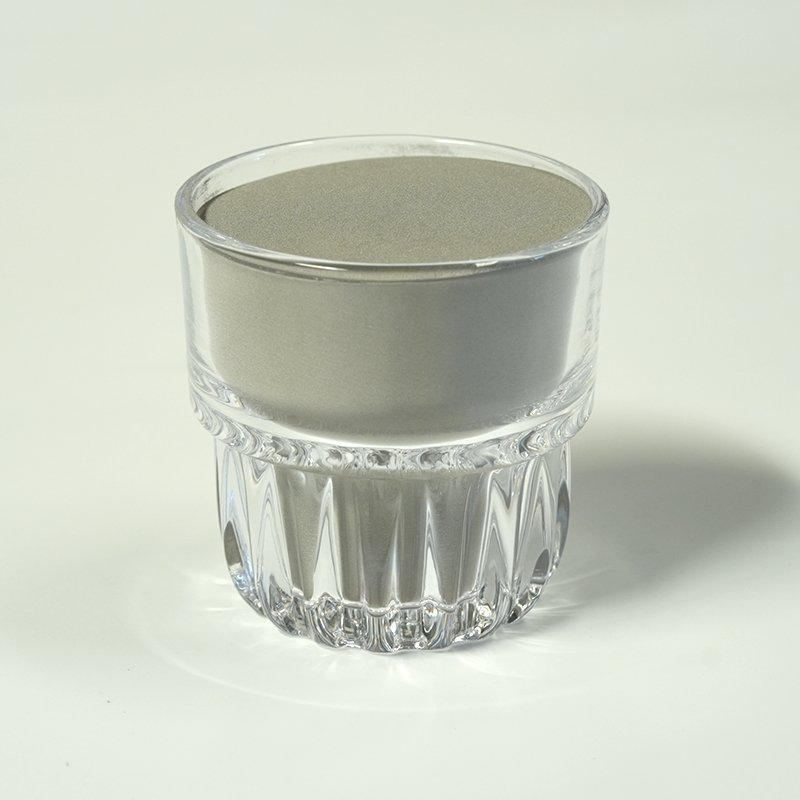
Nickel cobalt metal powder is an alloy powder composed of nickel and cobalt in varying ratios, produced in fine particulate form for use across a wide range of industrial and advanced manufacturing processes. Unlike bulk metals, the powder form provides an enormous surface area relative to mass, which is a critical advantage in applications like battery electrode manufacturing, thermal spray coatings, powder metallurgy components, and catalytic processes. The specific ratio of nickel to cobalt in the alloy — along with particle size, morphology, and purity — determines which applications the powder is suited for.
Both nickel and cobalt are transition metals with complementary properties that make their combination particularly valuable. Nickel contributes excellent corrosion resistance, ductility, and high-temperature stability. Cobalt adds hardness, magnetic properties, and superior retention of mechanical strength at elevated temperatures. When combined as NiCo alloy powder, these characteristics are tuned into a single material that outperforms either metal alone in demanding environments. This is why nickel cobalt composite powder appears in everything from lithium-ion battery cathodes to superalloy components for jet engines.
How Nickel Cobalt Metal Powder Is Manufactured
The production method used to make cobalt nickel powder has a direct impact on the particle size distribution, morphology, chemical purity, and phase structure of the final product — all of which affect performance in downstream applications. Several distinct manufacturing routes are used commercially, each with its own strengths and limitations.
Atomization
Gas atomization and water atomization are the most widely used methods for producing NiCo alloy powder at industrial scale. In gas atomization, a molten stream of the nickel-cobalt alloy is disintegrated by high-pressure inert gas jets — typically argon or nitrogen — into fine droplets that solidify rapidly into spherical particles. The resulting powder has excellent flowability due to the near-perfect spherical morphology, which is critical for additive manufacturing (3D printing) and thermal spray applications. Water atomization produces irregularly shaped particles at lower cost, more suited to powder metallurgy pressing and sintering processes.
Chemical Co-Precipitation
Co-precipitation is the dominant production method for battery-grade nickel cobalt composite powder. Nickel and cobalt salts — typically sulfates — are dissolved in an aqueous solution and precipitated together by adding a base such as sodium hydroxide or ammonia under controlled pH and temperature conditions. The resulting hydroxide precursor is then calcined to produce the final oxide or metal powder. This method allows very precise control over the Ni:Co ratio at the atomic level, particle size (typically in the submicron to a few microns range), and morphology — all critical factors for battery electrode performance.
Reduction of Oxides
Hydrogen reduction of mixed nickel-cobalt oxide precursors is another established route for producing NiCo metal powder. The oxide precursor — often produced by co-precipitation or spray pyrolysis — is exposed to a hydrogen atmosphere at elevated temperatures, reducing the metal oxides to their metallic state. This method produces high-purity powder with good control over particle size and is commonly used when very low oxygen content in the final metal powder is required, as residual oxygen can negatively affect sintering behavior and mechanical properties.
Electrodeposition and Electrolysis
Electrochemical methods can also be used to deposit nickel cobalt alloy in powder form. By carefully controlling current density, bath composition, and temperature during electrolysis, it is possible to produce NiCo deposits that are mechanically removed and processed into powder. This approach is used for specialty applications where very high purity and a specific crystalline structure are required. The method is more expensive than atomization or chemical routes and is therefore reserved for high-value applications where the specific properties it delivers cannot be achieved otherwise.
Key Physical and Chemical Properties of NiCo Alloy Powder
Understanding the functional properties of nickel cobalt metal powder is essential for matching the right grade to a specific application. These properties vary depending on composition and production method, but the following characteristics define most commercial NiCo alloy powder grades:
| Property | Typical Value / Characteristic | Relevance |
| Ni:Co Ratio | Varies — 1:1, 3:1, 8:1:1 (NMC) | Determines magnetic, mechanical, and electrochemical behavior |
| Particle Size (D50) | 0.5 µm – 150 µm depending on grade | Affects reactivity, sinterability, and flowability |
| Morphology | Spherical, nodular, or irregular | Governs packing density and flow in AM and thermal spray |
| Apparent Density | 3.5 – 6.5 g/cm³ | Important for press-and-sinter and coating processes |
| Purity | 99%+ for battery and AM grades | Contaminants degrade electrochemical and mechanical performance |
| Melting Point | ~1300–1450°C depending on ratio | Relevant for sintering temperature selection |
| Magnetic Properties | Ferromagnetic, tunable by ratio | Critical for magnetic component and sensor applications |
| Oxidation Resistance | High, especially above 50% Ni content | Essential for high-temperature coating and aerospace parts |
Where Nickel Cobalt Metal Powder Is Used in Industry
The industrial footprint of NiCo alloy powder spans several of the world's most technologically demanding sectors. In each case, the specific combination of nickel and cobalt properties solves a problem that alternative materials cannot address as effectively.
Lithium-Ion Battery Cathode Materials
This is currently the largest and fastest-growing application for nickel cobalt composite powder. In lithium-ion batteries, nickel and cobalt are key components of cathode active materials — particularly NMC (lithium nickel manganese cobalt oxide) and NCA (lithium nickel cobalt aluminum oxide) chemistries. Battery-grade NiCo precursor powder is produced by co-precipitation with tightly controlled particle size, tap density, and elemental homogeneity, as these parameters directly affect energy density, cycle life, and thermal stability of the finished battery cell. High-nickel NMC formulations like NMC 811 (80% Ni, 10% Mn, 10% Co) are increasingly preferred in EV batteries to reduce cobalt content while maximizing energy density.
Thermal Spray Coatings
NiCo alloy powder is widely used as a feedstock for thermal spray processes including high-velocity oxygen fuel (HVOF) spraying and plasma spraying. When deposited as a coating on turbine blades, pump components, and industrial tooling, NiCo coatings provide a tough, corrosion-resistant, and thermally stable surface layer that extends component service life significantly. In gas turbine engines, bond coats of MCrAlY alloys — which often incorporate a NiCo base — act as the critical interface layer between the superalloy substrate and the ceramic thermal barrier coating, protecting against oxidation at operating temperatures exceeding 1000°C.
Additive Manufacturing of Superalloy Components
Spherical NiCo alloy powder produced by gas atomization is used as feedstock in laser powder bed fusion (L-PBF) and directed energy deposition (DED) additive manufacturing systems. These processes build complex, near-net-shape components layer by layer, enabling geometries that are impossible to achieve with conventional machining. Aerospace and defense sectors use 3D-printed NiCo-based superalloy parts in turbine components, heat exchangers, and structural brackets where the combination of high strength, oxidation resistance, and complex geometry justifies the higher per-part cost.
Powder Metallurgy Components
In conventional powder metallurgy, NiCo alloy powder is mixed, pressed into shape, and sintered to produce dense structural components. This process is cost-effective for high-volume production of complex-shaped parts that would require extensive machining from solid stock. Magnetic components, wear-resistant inserts, and electrical contact materials are all produced this way. The nickel cobalt alloy's combination of strength, hardness, and magnetic permeability makes it particularly suitable for soft magnetic components in sensors, actuators, and electromagnetic shielding applications.
Electroplating and Surface Finishing
NiCo alloy powder is used as a source material in electroplating bath preparation and as a component in composite electroplating where hard particles are co-deposited with the NiCo alloy matrix. Electrodeposited NiCo alloy coatings provide superior hardness (up to 600 HV), excellent wear resistance, and good corrosion protection compared to pure nickel plating. Applications include hard chrome replacement coatings for hydraulic shafts and aerospace landing gear components, where chromium plating is being phased out due to environmental regulations.
Catalysis and Chemical Processing
Fine NiCo powder with high surface area is used as a catalyst or catalyst support in several chemical processes, including hydrogenation reactions, methane reforming for hydrogen production, and Fischer-Tropsch synthesis. The synergistic interaction between nickel and cobalt active sites improves catalytic activity and selectivity compared to either metal alone. Research into NiCo catalysts for green hydrogen production via water electrolysis is particularly active, with NiCo alloy electrodes demonstrating promising performance as oxygen evolution reaction (OER) catalysts in alkaline electrolyzers.
Selecting the Right Grade of Nickel Cobalt Powder for Your Application
Choosing the correct grade of nickel cobalt metal powder requires matching the powder's physical and chemical characteristics to the specific demands of the process and end-use environment. Using the wrong grade is a common source of performance problems that aren't always immediately traced back to the powder specification.
- For battery cathode precursors: Specify co-precipitated powder with D50 in the 5–15 µm range, tap density above 2.0 g/cm³, and tight elemental ratio tolerances (±0.5% or better). Oxygen content and trace impurities like iron, copper, and zinc must be below specified limits, as these degrade electrochemical cycle performance.
- For additive manufacturing (L-PBF/DED): Gas-atomized spherical powder with D10/D50/D90 particle size distribution tightly controlled for the specific machine's powder bed requirements is essential. Typical ranges are 15–45 µm for L-PBF and 45–106 µm for DED. Flowability (Hall flow rate) and apparent density must meet equipment specifications. Satellite particles and agglomerates cause print defects and must be minimized.
- For thermal spray coatings: Spherical or near-spherical morphology with a particle size range of 45–106 µm is typical for HVOF, while plasma spray may use slightly coarser powder up to 125 µm. Consistent flowability is critical for spray parameter stability. Some thermal spray applications use clad powder where a NiCo alloy is applied over a ceramic core particle.
- For powder metallurgy pressing: Irregular or nodular powder morphology is acceptable and often preferred, as it provides better green strength in pressed compacts compared to spherical powder. Water-atomized or reduction-produced NiCo powder in the 10–100 µm range is typical. Compressibility and sinterability data from the supplier should be reviewed against the target sintered density.
- For catalytic applications: Very fine powder with high specific surface area (measured by BET method) is required — typically submicron particles with surface areas of 10–100 m²/g or higher. Chemical purity is paramount; even trace contaminants can poison catalytic active sites and dramatically reduce activity and selectivity.
Handling, Storage, and Safety Considerations
Nickel cobalt metal powder presents specific safety and handling requirements that must be followed to protect workers and maintain product quality. Both nickel and cobalt are classified as potentially hazardous materials under occupational health regulations, and fine metal powders carry additional risks related to reactivity and dust explosion potential.
Health Hazards
Nickel compounds are classified as carcinogenic by the International Agency for Research on Cancer (IARC), and cobalt is classified as a possible carcinogen with evidence of lung effects from inhalation exposure. Fine NiCo alloy powder generates respirable dust during handling, and prolonged inhalation exposure must be prevented. Workplace exposure limits (WELs or OELs) for nickel and cobalt should be checked against local regulations, and air monitoring conducted in powder handling areas. Workers should use appropriate respiratory protection — at minimum a P100 particulate respirator — and minimize dusty operations through engineering controls like local exhaust ventilation and enclosed transfer systems.
Dust Explosion Risk
Fine metal powders, including NiCo alloy powder, are combustible and can form explosive dust clouds in air if dispersed at sufficient concentration and ignited. The explosion risk is higher for finer particle sizes and in enclosed spaces. Facilities handling nickel cobalt metal powder in bulk should conduct a dust explosion risk assessment, implement housekeeping procedures to prevent dust accumulation, use explosion-proof electrical equipment in powder handling areas, and maintain appropriate fire suppression systems.
Storage Requirements
NiCo alloy powder should be stored in sealed containers in a cool, dry environment away from moisture, oxidizing agents, and incompatible materials. Moisture exposure causes surface oxidation of the powder particles, which alters surface chemistry and can negatively affect sintering behavior, electrochemical performance, and coating adhesion. For long-term storage, powder is typically packaged under an inert gas atmosphere (argon or nitrogen) or with desiccant. Containers should be clearly labeled with composition, particle size, lot number, and relevant hazard information in compliance with local regulations.
Market Trends and What's Driving Demand for NiCo Powder
Global demand for nickel cobalt metal powder is growing rapidly, driven primarily by the expansion of electric vehicle production and the broader energy storage market. The shift toward high-nickel, lower-cobalt NMC cathode chemistries reflects both the desire to increase energy density and reduce dependence on cobalt — a material with concentrated supply chains and significant ethical sourcing concerns related to artisanal mining in the Democratic Republic of Congo.
The aerospace sector continues to drive demand for high-purity NiCo superalloy powder for additive manufacturing and thermal spray coatings, as next-generation turbine engines push operating temperatures higher and require increasingly sophisticated materials. The growth of industrial powder bed fusion systems has expanded the addressable market for gas-atomized NiCo alloy powder beyond aerospace into medical devices, tooling, and energy equipment.
Green hydrogen production is an emerging demand driver that could become significant within the next decade. NiCo-based electrocatalysts for alkaline water electrolysis are being actively developed as lower-cost alternatives to platinum-group metal catalysts, and if hydrogen electrolysis scales as projected, the demand for high-surface-area NiCo catalyst powder could grow substantially. Suppliers with established co-precipitation capabilities and battery precursor production infrastructure are well-positioned to serve this emerging market alongside their existing battery materials business.