English
 русский
 عربى
عربىContent
- 1 What Carbide Composite Powder Is and Why It Matters
- 2 The Main Types of Carbide Composite Powder
- 3 How Carbide Composite Powder Is Produced
- 4 Critical Properties That Define Carbide Composite Powder Performance
- 5 Industrial Applications of Carbide Composite Powder
- 6 Choosing the Right Carbide Composite Powder for Your Process
- 7 Quality Control and Testing Standards for Carbide Composite Powder
- 8 Handling, Storage, and Safety Practices for Carbide Composite Powder
What Carbide Composite Powder Is and Why It Matters
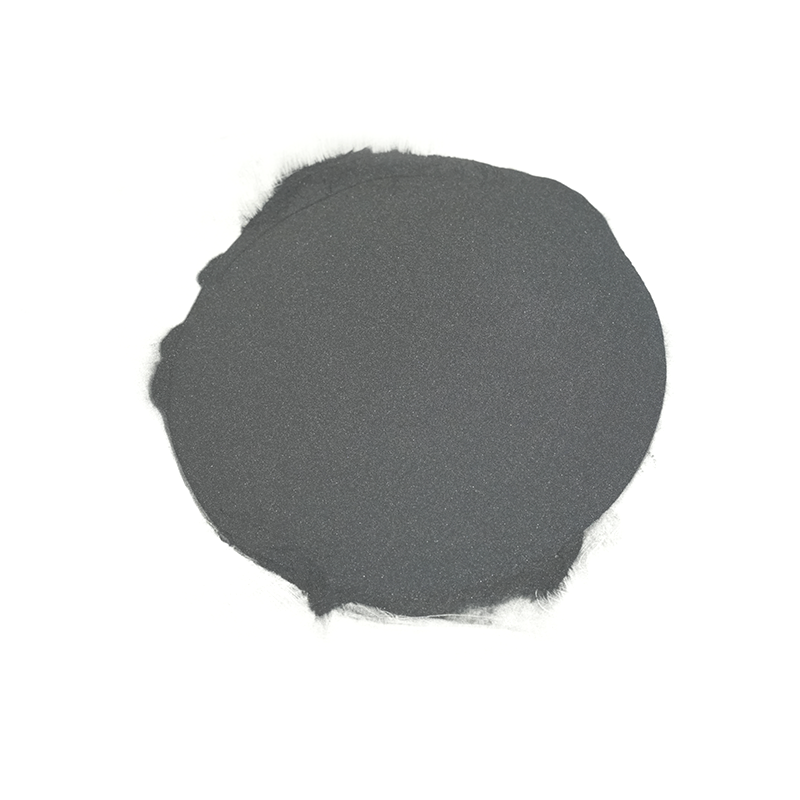
Carbide composite powder is an engineered material that combines hard carbide particles — most commonly tungsten carbide (WC), chromium carbide (Cr₃C₂), or titanium carbide (TiC) — with a metallic binder phase such as cobalt, nickel, or nickel-chromium alloy. The result is a powder in which the extreme hardness and wear resistance of the carbide phase is supported and toughened by the ductile metal matrix, producing a material that neither phase could deliver on its own. This combination sits at the heart of some of the most demanding industrial applications on the planet — from cutting tools that machine hardened steel to thermal spray coatings that protect turbine components from erosion at high temperatures.
The value of carbide composite powder lies in its tunability. By adjusting the type of carbide, the choice of binder metal, the carbide-to-binder ratio, and the particle size of both phases, engineers can dial in a specific balance of hardness, toughness, corrosion resistance, and thermal stability. This flexibility makes carbide cermet powder one of the most versatile classes of advanced materials available, with a market that spans aerospace, oil and gas, mining, metalworking, electronics, and additive manufacturing.
The Main Types of Carbide Composite Powder
Several distinct carbide composite systems are produced commercially, each optimized for a different set of performance requirements. Understanding the differences between them is essential for selecting the right material for a specific application.
Tungsten Carbide–Cobalt (WC-Co) Powder
WC-Co is the most widely used carbide composite powder system in the world. Tungsten carbide provides exceptional hardness — ranking among the hardest known materials at 9–9.5 on the Mohs scale — while cobalt acts as the ductile binder that holds the carbide grains together and provides fracture toughness. WC-Co powder is the feedstock for the vast majority of cemented carbide cutting tools, wear parts, and thermal spray coatings. Cobalt content typically ranges from 6% to 20% by weight, with lower cobalt content giving higher hardness and wear resistance, and higher cobalt content providing better impact toughness. WC-Co thermal spray powder is the dominant material for HVOF-sprayed wear coatings on hydraulic cylinders, pump components, and aerospace landing gear.
Tungsten Carbide–Nickel (WC-Ni) and WC-NiCr Powder
Where corrosion resistance is a priority alongside wear resistance, nickel or nickel-chromium binders are used instead of cobalt. WC-Ni and WC-NiCr carbide composite powders maintain most of the hardness of the WC-Co system while delivering significantly better performance in acidic, alkaline, or marine environments where cobalt would corrode preferentially. These grades are commonly specified for components in chemical processing equipment, marine hardware, food processing machinery, and offshore oil and gas applications where both wear and chemical attack are problems.
Chromium Carbide–Nickel Chromium (Cr₃C₂-NiCr) Powder
Chromium carbide composite powder with a nickel-chromium binder is the material of choice when wear resistance must be maintained at elevated temperatures, typically in the 500–900°C range where WC-Co starts to oxidize and degrade. Cr₃C₂-NiCr powder is extensively used as a thermal spray feedstock for coating boiler tubes, gas turbine components, and high-temperature valve seats. The chromium in both the carbide and the binder phase provides a protective oxide layer that resists oxidation and hot corrosion, making this system indispensable in power generation and aerospace applications involving sustained high-temperature exposure.
Titanium Carbide and Mixed Carbide Composite Powders
Titanium carbide (TiC) based composite powders, often combined with other carbides such as tantalum carbide (TaC) or niobium carbide (NbC) in a nickel or steel matrix, are used in cermet cutting tool grades designed for high-speed machining of steel. These carbide metal matrix powders offer lower density than WC-based systems, excellent resistance to crater wear at high cutting speeds, and good chemical stability against iron-group metals at cutting temperatures. Mixed carbide systems — such as TiC-TiN-Mo₂C in a nickel binder — extend tool life in specific machining operations where WC-Co tools fail prematurely due to diffusive wear.
How Carbide Composite Powder Is Produced
The manufacturing process for carbide composite powder has a profound effect on the microstructure, particle morphology, phase distribution, and ultimately the performance of the finished component or coating. Several production routes are used, chosen based on the intended application and required powder characteristics.
Spray Drying and Sintering
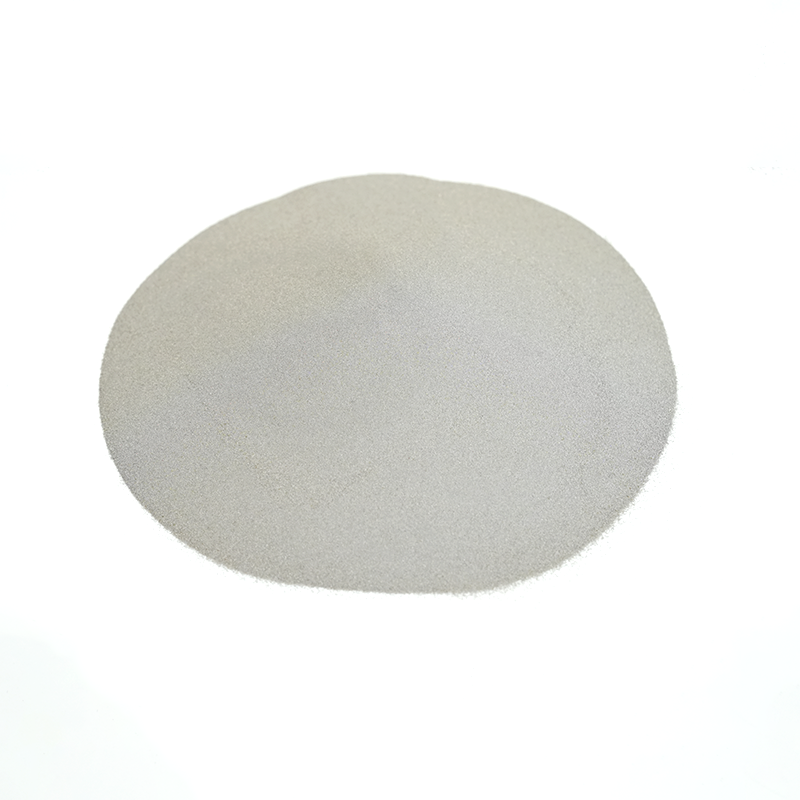
Spray drying followed by low-temperature sintering is the most common method for producing thermal spray carbide composite powder. The carbide and binder metal powders are milled together in a slurry with an organic binder, then spray-dried into agglomerated spherical granules. These granules are then sintered at a temperature sufficient to burn off the organic binder and create inter-particle necks — enough to give the agglomerate mechanical integrity without fully densifying it. The result is a free-flowing, spherical powder with good flowability for thermal spray guns, a controlled particle size distribution, and a uniform carbide-binder distribution throughout each granule.
Sintering and Crushing
An alternative approach is to fully sinter the mixed carbide and binder powder into a dense compact and then crush and screen it to the desired particle size range. Sintered and crushed carbide composite powder has an irregular, angular morphology that differs significantly from spray-dried powder. The angular shape provides good mechanical interlocking in thermal spray deposits and can improve coating bond strength, but the irregular morphology results in lower flowability compared to spherical powder. This production method is well-established for WC-Co powder grades used in plasma spray and flame spray applications.
Cast and Crushed Production
Cast and crushed carbide composite powder is produced by melting the carbide-metal mixture, casting it into a solid ingot, and then crushing and screening the solidified material. This process produces very dense, blocky particles with a high carbide content and excellent structural integrity. Cast and crushed WC-Co powder grades are particularly valued for flame spray and plasma spray applications where a dense, hard coating deposit is the priority. The casting process also allows production of carbide composite materials with carbide contents higher than those achievable by powder processing routes.
Gas Atomization for AM-Grade Powder
For additive manufacturing applications, gas atomization of pre-alloyed or blended carbide composite melts produces the spherical, flowable powder required by laser powder bed fusion and directed energy deposition systems. Producing carbide composite powder by gas atomization is technically challenging due to the high melting points involved and the tendency for carbide segregation during solidification, but specialist suppliers have developed processes capable of delivering consistent, AM-ready carbide composite powder with controlled microstructure. This enables the additive manufacturing of complex wear-resistant tool geometries that cannot be produced by conventional powder metallurgy pressing and sintering.
Critical Properties That Define Carbide Composite Powder Performance
Evaluating carbide composite powder requires looking at a set of interconnected properties that together determine how the powder will behave in processing and how the finished part or coating will perform in service. Here is a summary of the most important parameters and what they mean in practice:
| Property | Typical Range | What It Affects |
| Carbide Grain Size | 0.2 µm – 10 µm | Hardness, toughness, and wear mode |
| Binder Content | 6 wt% – 20 wt% | Hardness vs. toughness balance |
| Powder Particle Size (D50) | 5 µm – 125 µm | Process suitability and coating density |
| Apparent Density | 3.0 – 8.5 g/cm³ | Feed rate control in spray systems |
| Flowability (Hall Flow) | 15 – 35 s/50g | Consistency of powder feed rate |
| Free Carbon Content | <0.1 wt% (ideally) | Coating porosity and brittleness |
| Oxygen Content | <0.3 wt% | Sintering behavior and bond strength |
| Hardness (Sintered) | 1000 – 1800 HV | Abrasion and scratch resistance |
Industrial Applications of Carbide Composite Powder
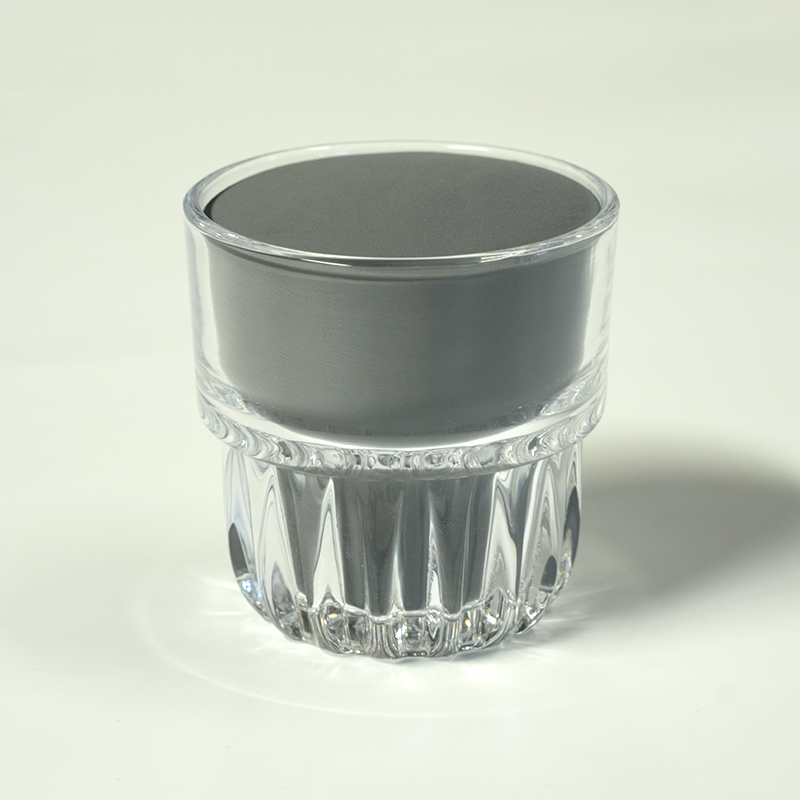
Carbide composite powder serves as the starting material for some of the most performance-critical components and coatings in modern industry. Each application exploits a different combination of the material's inherent properties.
Thermal Spray Wear and Corrosion Coatings
Thermal spray — particularly high-velocity oxygen fuel (HVOF) spraying — is the single largest application area for carbide composite powder. HVOF-sprayed WC-Co coatings on hydraulic cylinder rods, pump shafts, and aerospace landing gear provide a hard, dense, well-bonded surface layer with porosity typically below 1% and hardness in the range of 1000–1200 HV. These coatings are extensively used as replacements for hard chrome electroplating, which is being phased out globally due to the severe toxicity of hexavalent chromium. Cr₃C₂-NiCr coatings are applied to boiler tubes and power generation components where the operating temperature rules out WC-based systems. The thermal spray carbide powder market is closely tied to aerospace MRO (maintenance, repair, and overhaul) activity, where coating replacement on high-value rotating components is a routine and high-value service.
Cemented Carbide Cutting Tools and Inserts
The cutting tool industry consumes enormous quantities of WC-Co powder through the press-and-sinter powder metallurgy route. Carbide cutting inserts, end mills, drills, and turning tools are produced by mixing WC powder with cobalt, pressing into shape, and sintering in hydrogen or vacuum at around 1400°C to produce a fully dense cermet with the carbide grain structure locked in a continuous cobalt binder network. The resulting cemented carbide has hardness exceeding 1500 HV combined with fracture toughness values far beyond what monolithic ceramics can achieve, making it the dominant material for metal cutting tools worldwide. Fine-grained WC-Co grades with carbide grain sizes below 0.5 µm are used for micro-drills and precision cutting tools where edge sharpness and surface finish are paramount.
Mining, Drilling, and Rock Cutting Components
Cemented carbide produced from WC-Co composite powder is the standard material for drill bits, mining picks, tunnel boring machine (TBM) cutters, and rock crushing components. In these applications, the emphasis is on resistance to impact and abrasive wear in extremely aggressive environments. Coarser carbide grain sizes (5–10 µm) and higher cobalt contents (12–20 wt%) are preferred in mining grades to maximize toughness and impact resistance, accepting some reduction in hardness compared to cutting tool grades. The economics of mining and drilling make tool life a critical factor, and carbide composite materials consistently outperform steel and other alternatives by margins of five to fifty times in service life.
Additive Manufacturing of Complex Wear Parts
Laser powder bed fusion and binder jetting additive manufacturing of carbide composite components is an emerging application that has gained significant momentum. AM enables the production of wear-resistant tool inserts, nozzles, and structural components with internal cooling channels, lattice structures, and complex geometries that cannot be achieved through conventional pressing and sintering. Binder jetting of WC-Co powder followed by sintering is particularly attractive because it avoids the thermal gradients and residual stresses associated with laser-based processes, producing parts with microstructures approaching those of conventionally sintered cemented carbide. The key challenge remains developing carbide composite powder grades specifically optimized for AM processes, with particle size distributions and surface chemistry tailored to the requirements of each AM technology.
Oil and Gas Wear Components
The oil and gas industry is a major consumer of both sintered carbide components and thermally sprayed carbide coatings for downhole tools, valve seats, pump plungers, and seal faces. The combination of abrasive wear from sand and rock particles, corrosion from formation fluids and hydrogen sulfide, and the mechanical stresses of high-pressure operation creates an extremely demanding service environment. WC-NiCr carbide composite powder is preferred in many oil and gas applications because the nickel-chromium binder provides superior corrosion resistance compared to cobalt in sour (H₂S-containing) service conditions. Thermal spray carbide coatings on pump components routinely extend service intervals from weeks to months in high-wear production environments.
Choosing the Right Carbide Composite Powder for Your Process
Matching carbide composite powder to a specific process and application requires a structured approach. The key variables to define before selecting a grade are the primary wear mode, the operating temperature, the chemical environment, the processing method, and the required service life target.
- Abrasive wear at ambient temperature: WC-Co powder with fine carbide grain size (1–3 µm) and 10–12 wt% cobalt is the standard starting point. HVOF spraying produces the densest, hardest coatings; press-and-sinter routes produce bulk cemented carbide with optimal microstructure for the most severe abrasion applications.
- Wear at elevated temperature (500–900°C): Cr₃C₂-NiCr powder is the correct choice. WC-Co begins to oxidize above approximately 500°C, losing hardness and forming brittle phases. Cr₃C₂-NiCr maintains hardness and oxidation resistance across this temperature range.
- Combined wear and corrosion in aqueous environments: Switch from a cobalt binder to a nickel or nickel-chromium binder. WC-NiCr powder provides the best balance of wear and corrosion resistance for marine, chemical processing, and food industry applications.
- Impact-dominated wear with moderate abrasion: Increase cobalt content to 15–20 wt% and use a coarser carbide grain size (4–6 µm). This shifts the hardness-toughness balance toward toughness, reducing the risk of brittle fracture under impact loading at the expense of some abrasion resistance.
- Thermal spray for hard chrome replacement: HVOF-sprayed WC-CoCr (typically WC-10Co-4Cr) has become the accepted hard chrome replacement standard in aerospace applications and is qualified under multiple OEM and regulatory specifications. The chromium addition to the binder phase improves corrosion resistance without sacrificing the hardness advantage over hard chrome.
- Additive manufacturing of near-net-shape parts: Specify spherical, gas-atomized or spray-dried powder with tight particle size distribution (typically 15–63 µm for L-PBF, 45–106 µm for DED) and flowability verified for the specific AM system. Request lot-specific data on oxygen content and phase composition, as these vary more between lots in carbide composite powders than in pure metal powders.
Quality Control and Testing Standards for Carbide Composite Powder
Receiving and qualifying carbide composite powder requires a systematic quality control approach. Variability in powder quality between lots — even from the same supplier — can translate directly into inconsistent coating density, hardness scatter in sintered parts, and unpredictable service life. The following tests represent the essential quality control battery for incoming carbide composite powder inspection:
- Particle Size Distribution (PSD): Measured by laser diffraction, PSD defines the D10, D50, and D90 of the powder and verifies it falls within specification. Oversized particles can plug spray nozzles or cause print defects in AM; undersized particles cause excessive oxidation in thermal spray processes.
- Apparent Density and Tap Density: Measured by Hall funnel and tap density tester respectively, these values affect powder feed rate calibration in spray systems and packing density in AM powder beds. Both should be verified against the established process baseline for each application.
- Chemical Composition Analysis: X-ray fluorescence (XRF) or ICP-OES analysis verifies the carbide and binder phase composition and checks for trace contaminants that could affect sintering or coating performance. Carbon content analysis by combustion is especially important for WC-Co powder, where decarburization produces brittle eta-phase (Co₆W₆C) that severely degrades toughness.
- X-Ray Diffraction (XRD) Phase Analysis: XRD identifies the crystalline phases present in the powder and detects the presence of undesirable phases such as eta-phase in WC-Co or free carbon. Any lot showing phase anomalies by XRD should be quarantined and investigated before use.
- Scanning Electron Microscopy (SEM): SEM examination of representative powder samples reveals particle morphology, surface condition, the distribution of carbide grains within individual particles, and the presence of satellites, agglomerates, or contamination. For thermal spray powder, SEM is the most direct way to verify that the spray-dried agglomerate structure is intact and uniform.
- Trial Spray or Sinter Test: For critical applications, running a trial spray on a test substrate or a trial sinter of a standard test coupon and measuring the resulting coating hardness, porosity, and microstructure by metallographic cross-section provides the most direct verification that the powder will perform as required in production.
Handling, Storage, and Safety Practices for Carbide Composite Powder
Carbide composite powders require careful handling to maintain quality and protect the health of workers. Tungsten carbide-cobalt dust in particular has well-documented health hazards that must be managed through engineering controls and personal protective equipment.
Inhalation of WC-Co dust is associated with hard metal lung disease, a serious and potentially progressive pulmonary fibrosis condition. Cobalt is considered the primary toxic agent in hard metal disease, though there is evidence that the synergistic effect of cobalt and tungsten carbide together is more harmful than cobalt alone. Regulatory exposure limits for cobalt are very low — typically 0.02 mg/m³ as an eight-hour time-weighted average — and compliance requires local exhaust ventilation at powder handling stations, enclosed transfer systems where possible, and respiratory protection for workers in dusty environments. Regular biological monitoring for cobalt in urine is recommended for workers with routine powder exposure.
Fine carbide composite powders are combustible and can form explosive dust clouds under certain conditions, though the ignition energy required is generally higher than for pure metal powders. Standard precautions for combustible dust — grounding and bonding of equipment, explosion-proof electrical installations, regular housekeeping to prevent dust accumulation, and appropriate fire suppression systems — apply to carbide composite powder handling areas.
For storage, carbide composite powder should be kept in sealed containers in a dry, temperature-controlled environment. Moisture absorption raises oxygen content and promotes oxidation of the binder metal, which can degrade sintering behavior and coating adhesion. Containers should be clearly labeled with full composition, particle size, lot number, and hazard information. First-in, first-out inventory management is recommended to prevent aged powder from accumulating, as powder properties can drift over time even under proper storage conditions.