English
 русский
 عربى
عربىContent
Understanding the Value of Copper Alloy Powders
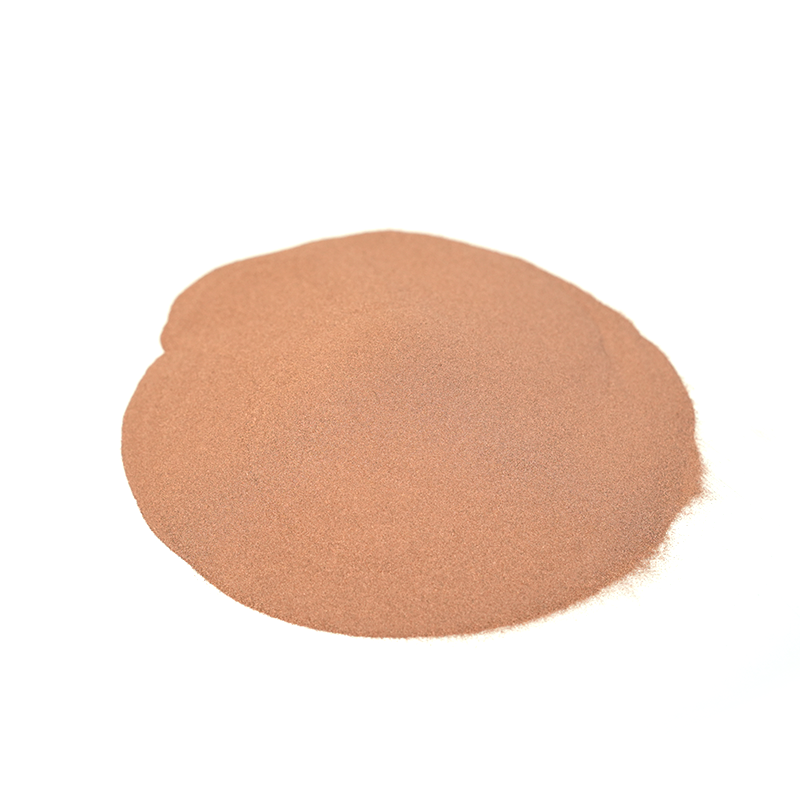
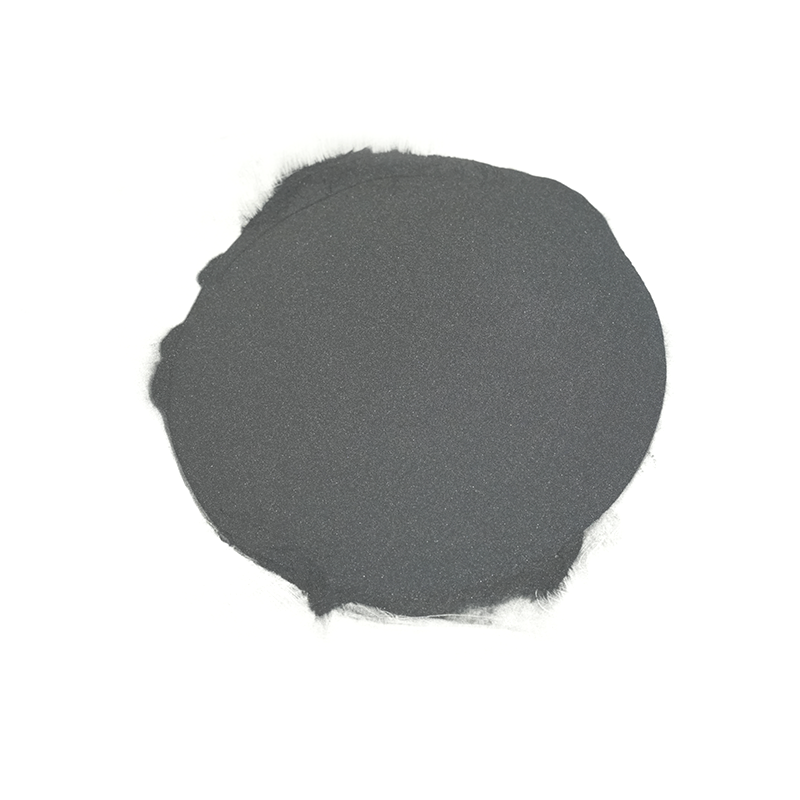
When manufacturers require a perfect balance of thermal conductivity and mechanical strength, they frequently turn to copper alloy powder. While pure copper is excellent for conducting electricity and heat, it is inherently soft and can be difficult to machine or print. By blending copper with elements such as tin, zinc, chromium, or nickel at the atomization stage, the resulting Cu-alloy powders offer vastly improved hardness, tensile strength, and wear resistance. This careful alloying process ensures that the material retains a high degree of conductivity while becoming tough enough to withstand rigorous industrial environments.
Common Types of Copper-Based Powders
The performance characteristics of a copper-based powder depend entirely on its alloying elements. By altering the chemical composition, metallurgists can create powders tailored for entirely different physical applications.
Bronze Powders
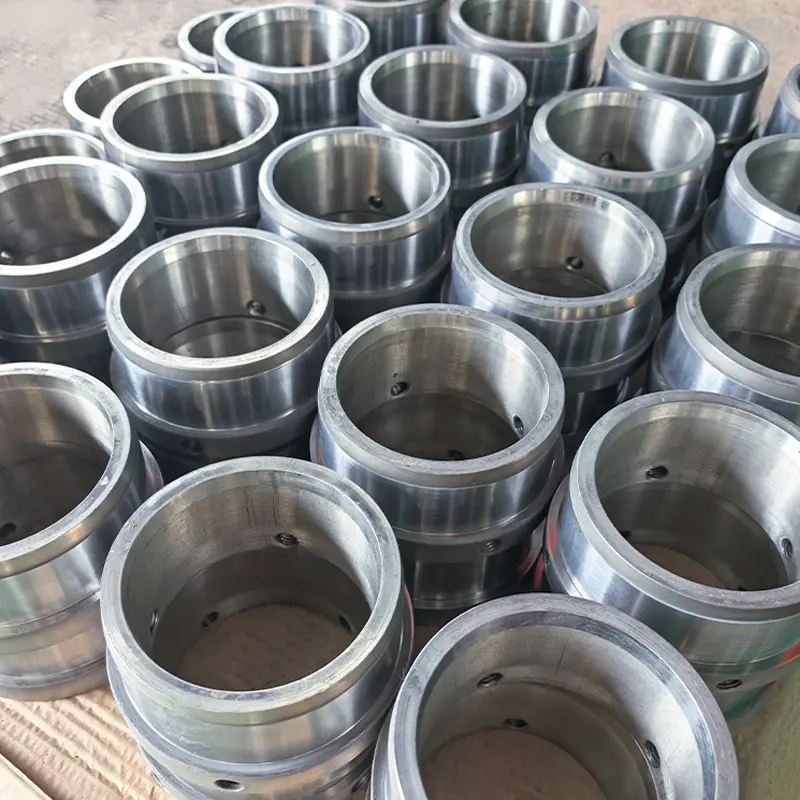
Bronze powders are created by alloying copper primarily with tin. This combination produces a metal powder that boasts exceptional resistance to corrosion and metal fatigue. Because of its low surface friction, bronze powder is highly favored in the production of self-lubricating bearings, bushings, and heavy-duty industrial friction materials.
Brass Powders
By mixing copper with zinc, manufacturers produce brass powders. These powders are highly machinable and feature a distinctive gold-like appearance. In practical manufacturing, brass powders are commonly utilized for creating decorative hardware, plumbing fixtures, and intricate mechanical components where precise tolerances and aesthetic finish are equally important.
High-Performance Aerospace Alloys
Advanced variations, such as Copper-Chromium-Niobium (CuCrNb) powders, are designed specifically to withstand extreme thermal stress. These specialized copper alloy powders maintain their structural integrity at incredibly high temperatures, making them the premier choice for manufacturing rocket engine liners, combustion chambers, and advanced aerospace heat exchangers.
Primary Manufacturing Techniques
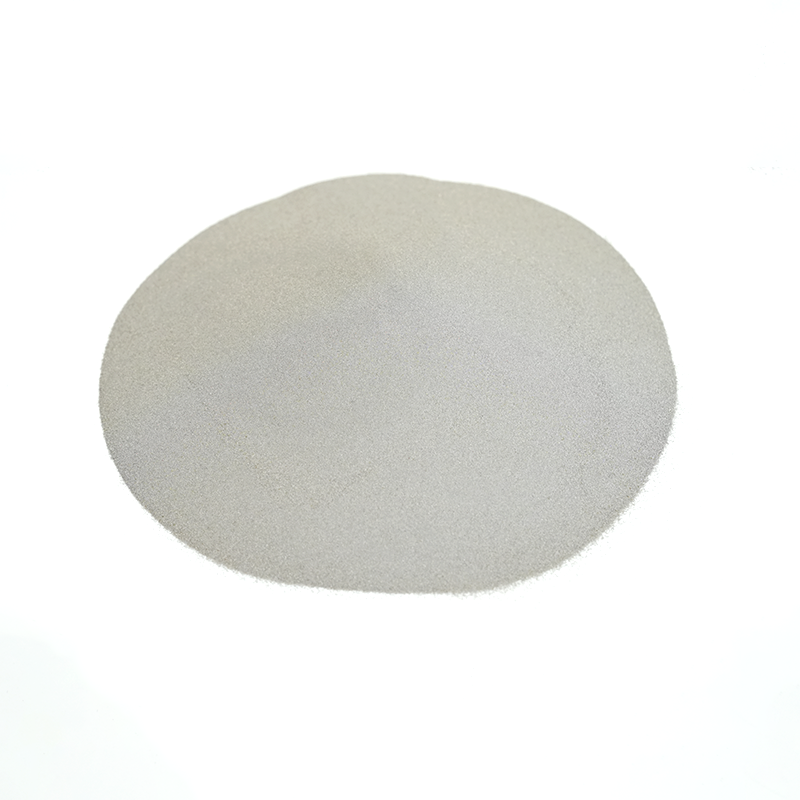
The fine, spherical nature of modern copper alloy powder makes it highly versatile across several advanced manufacturing platforms. The exact methodology chosen usually depends on the desired production volume and the complexity of the final part.
- Additive Manufacturing (3D Printing): Laser powder bed fusion allows for the creation of complex internal cooling channels that would be impossible to machine traditionally.
- Metal Injection Molding (MIM): Ideal for high-volume production of small, complex copper alloy parts with excellent surface finish and dimensional accuracy.
- Press and Sinter: A traditional powder metallurgy technique used to rapidly produce near-net-shape components like gears and bearings at a lower cost.

Comparing Properties of Popular Alloys
Selecting the correct variation of copper alloy powder is crucial for the success of your manufacturing project. Below is a practical breakdown to help guide your material selection.
| Alloy Type | Primary Additive | Standout Feature | Ideal Application |
| Bronze | Tin | High wear resistance | Self-lubricating bearings |
| Brass | Zinc | Excellent machinability | Intricate hardware components |
| CuCrNb | Chromium & Niobium | Thermal stability at high heat | Rocket engine thrusters |
Handling and Storage Best Practices
Due to the high surface area of metal powders, copper-based powders are highly susceptible to oxidation and moisture absorption if left exposed to ambient air. Poor storage practices will degrade the powder's flowability and introduce porosity into the final manufactured part, ultimately compromising its structural strength.
- Always store the powder in tightly sealed, original containers to minimize oxygen exposure.
- Utilize climate-controlled storage facilities to strictly regulate ambient humidity and prevent clumping.
- When opening containers or loading powder into machines, use argon or nitrogen gas backfilling to displace oxygen.
- Regularly sift and dry recycled powder batches before reuse to maintain consistent particle size distribution and eliminate absorbed moisture.