English
 русский
 عربى
عربىContent
- 1 What Is Cobalt Based Alloy Powder and Why Does It Matter?
- 2 The Main Grades of Cobalt Alloy Powder and Their Compositions
- 3 How Cobalt Based Alloy Powder Is Manufactured
- 4 Key Applications of Cobalt Alloy Powder Across Industries
- 5 Processing Methods That Use Cobalt Based Alloy Powder
- 6 Critical Quality Parameters When Specifying Cobalt Alloy Powder
- 7 Storage, Handling, and Safety Considerations
- 8 Selecting the Right Cobalt Alloy Powder for Your Application
What Is Cobalt Based Alloy Powder and Why Does It Matter?
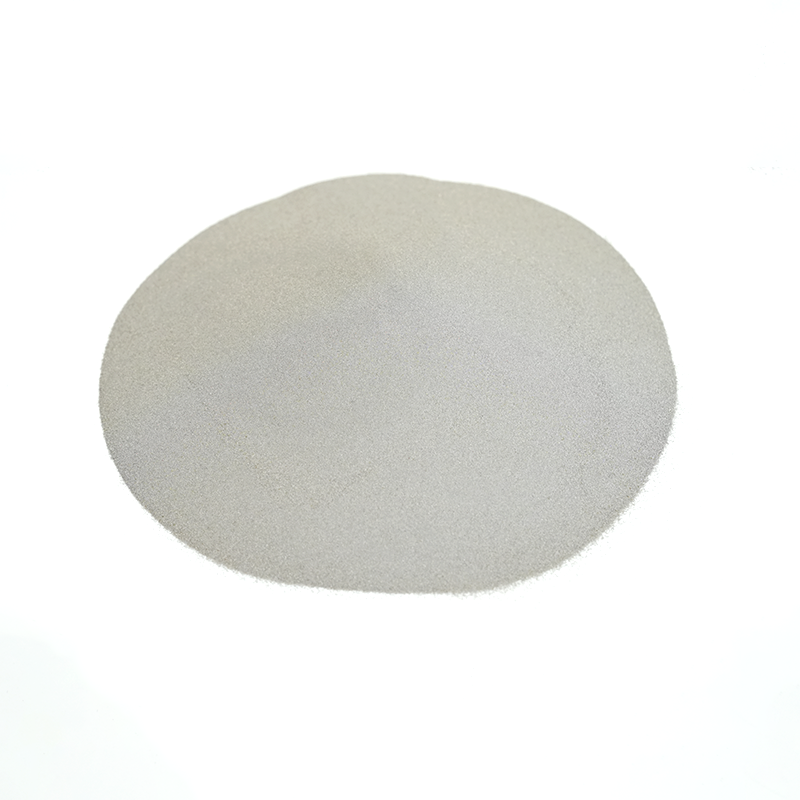
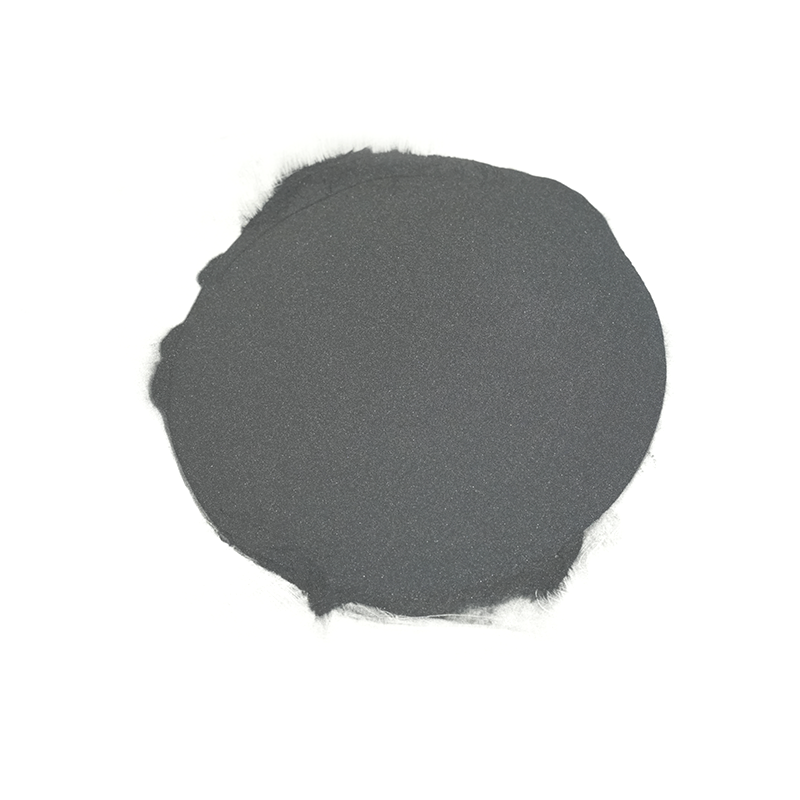
Cobalt based alloy powder is a family of metallic powders in which cobalt serves as the primary matrix element, typically alloyed with chromium, tungsten, nickel, carbon, and other elements to achieve exceptional hardness, wear resistance, corrosion resistance, and high-temperature strength. These powders are engineered for demanding industrial applications where ordinary steel or nickel alloys would fail prematurely — think jet engine components, surgical implants, oil and gas valves, and industrial cutting tools.
The powder form is what makes cobalt alloy materials so versatile in modern manufacturing. Rather than machining a part from a solid billet of hard cobalt alloy — an expensive and difficult process — engineers can apply cobalt based alloy powder as a thermal spray coating, sinter it into a near-net-shape part, or feed it directly into additive manufacturing systems to build complex geometries layer by layer. The result is precise material placement exactly where performance is needed, with minimal waste.
The Main Grades of Cobalt Alloy Powder and Their Compositions
Cobalt based alloy powders are not a single material — they are a family of alloys, each optimized for a specific combination of properties. The most widely used grades trace their origins to the Stellite alloy family, developed in the early twentieth century, though many equivalent and proprietary grades now exist from manufacturers worldwide.
| Grade | Key Alloying Elements | Primary Characteristics | Typical Applications |
| Stellite 6 (Co-Cr-W) | Co, 28% Cr, 4.5% W, 1.2% C | Excellent wear and corrosion resistance, moderate hardness | Valve seats, pump parts, general hardfacing |
| Stellite 12 | Co, 29% Cr, 8.3% W, 1.4% C | Higher hardness than Stellite 6, good abrasion resistance | Cutting edges, agricultural blades, hardfacing |
| Stellite 21 | Co, 27% Cr, 5.5% Mo, 0.25% C | Low carbon, excellent corrosion resistance, biocompatible | Medical implants, food processing equipment |
| Tribaloy T-400 | Co, 8.5% Cr, 28% Mo, 2.6% Si | Outstanding galling and seizure resistance | Sliding contact surfaces, bearings, bushings |
| CoCrMo (ASTM F75) | Co, 27–30% Cr, 5–7% Mo | High biocompatibility, fatigue strength | Hip/knee implants, dental prosthetics |
| Mar-M 509 | Co, 23.5% Cr, 10% Ni, 7% W, 3.5% Ta | Excellent high-temperature strength and oxidation resistance | Turbine blades, aerospace hot-section parts |
How Cobalt Based Alloy Powder Is Manufactured
The production method used to manufacture cobalt chromium alloy powder has a direct impact on powder morphology, particle size distribution, flowability, and ultimately the performance of the final part or coating. Different downstream processes require powders with different physical characteristics, so understanding how powder is made helps you specify the right product.
Gas Atomization
Gas atomization is the dominant production method for cobalt alloy powder intended for additive manufacturing and thermal spray applications. A molten stream of the cobalt alloy is disintegrated by high-pressure inert gas jets — typically argon or nitrogen — into fine droplets that solidify in flight into spherical particles. The resulting powder has excellent flowability, low porosity, and consistent chemistry throughout each particle. Particle size is controlled by adjusting gas pressure and melt flow rate, with typical ranges of 15–53 µm for laser powder bed fusion (LPBF) and 45–150 µm for laser cladding or plasma transferred arc (PTA) processes.
Plasma Atomization
Plasma atomization uses a plasma torch to melt a wire or rod feedstock, which is then atomized by inert gas. This method produces highly spherical, very clean powder with extremely low oxygen content — important for reactive high-performance alloys. Plasma-atomized cobalt alloy powders are used in the most demanding additive manufacturing applications where microstructural cleanliness and fatigue properties are paramount, such as aerospace and medical implant production.
Water Atomization and Spray Drying
Water atomization uses high-pressure water jets instead of gas, producing irregular, non-spherical particles at lower cost. These powders are commonly used in press-and-sinter applications, thermal spray processes where flowability requirements are less strict, and as feedstock for spray drying, where fine irregular particles are agglomerated into larger, more flowable granules for plasma spray coating operations.
Key Applications of Cobalt Alloy Powder Across Industries
Cobalt based superalloy powder finds use across a remarkably broad range of industries, unified by the need for performance in extreme environments. Below are the sectors where cobalt alloy powders make the most significant engineering impact.
Oil and Gas: Hardfacing and Valve Components
In oil and gas production, components such as gate valves, ball valves, choke valves, and pump impellers are exposed to abrasive slurries, corrosive fluids, and high differential pressures. Hardfacing these components with cobalt chromium tungsten alloy powder — applied via plasma transferred arc (PTA) welding or laser cladding — creates a metallurgically bonded, dense coating that resists erosion and corrosion far beyond what base steel can achieve. A Stellite 6 hardfaced valve seat, for example, can outlast an uncoated equivalent by a factor of ten or more in service environments containing sand-laden produced water.
Aerospace: Turbine Components and Thermal Barrier Systems
Cobalt based superalloy powders are critical in aerospace for both the manufacture and repair of turbine hot-section components. High-pressure turbine blades, nozzle guide vanes, and combustion chamber hardware operate at temperatures exceeding 1,000°C while enduring mechanical stress and oxidizing gases. Cobalt alloys maintain strength and resist oxidation at these temperatures better than most nickel superalloys in specific applications. Laser powder directed energy deposition (DED) using cobalt alloy powder is widely used for repairing worn or damaged turbine blades to OEM dimensions, recovering components worth tens of thousands of dollars that would otherwise be scrapped.
Medical: Implants and Surgical Instruments
CoCrMo alloy powder — particularly grades conforming to ASTM F75 and ISO 5832-4 — is the material of choice for load-bearing orthopedic implants including hip stems, femoral heads, tibial trays, and spinal fusion devices. The alloy's combination of high fatigue strength, excellent corrosion resistance in bodily fluids, and biocompatibility makes it uniquely suited for implants that must function reliably for 20 or more years inside the human body. Additive manufacturing with CoCrMo powder has enabled the production of patient-specific implants with complex lattice structures that promote bone ingrowth — geometries impossible to achieve by traditional casting or machining.
Power Generation: Wear Parts in Steam and Gas Turbines
Steam turbine components such as blade shrouds, erosion shields, and valve stems operate in environments combining high temperature, steam erosion, and mechanical impact. Cobalt alloy thermal spray coatings applied from powder feedstock protect these surfaces and extend maintenance intervals significantly. In nuclear power plants, cobalt alloy components are selected specifically for their resistance to irradiation embrittlement and their ability to maintain mechanical properties under neutron flux — though cobalt content in nuclear environments must be carefully controlled due to activation concerns.
Tooling and Cutting Applications
Cobalt alloy powder is sintered into cutting tool inserts, wear pads, and forming dies used in metal cutting, plastic injection molding, and glass forming. The high hot hardness of cobalt-chromium-tungsten alloys — they retain significant hardness at 700–800°C where high-speed steel softens dramatically — makes them effective for high-speed interrupted cutting of abrasive workpieces. Cobalt-bonded tungsten carbide (WC-Co), technically a cemented carbide rather than a cobalt alloy, uses cobalt powder as the binder phase and represents the largest single use of cobalt in powder metallurgy applications globally.

Processing Methods That Use Cobalt Based Alloy Powder
Cobalt alloy powder is a raw material that requires a downstream process to convert it into a useful part or coating. Each process makes different demands on powder characteristics, and selecting the wrong powder for a given process leads to porosity, cracking, poor adhesion, or dimensional inaccuracy.
- Laser Powder Bed Fusion (LPBF): Also known as selective laser melting (SLM), this additive manufacturing process spreads thin layers of cobalt alloy powder across a build platform and selectively melts them with a high-power laser. Parts built by LPBF from CoCrMo or Stellite powders have excellent density (>99.5%) and can achieve complex internal geometries. Powder must be highly spherical, 15–45 µm in size, with low satellite content and minimal moisture.
- Directed Energy Deposition (DED) / Laser Cladding: Cobalt alloy powder is fed coaxially into a focused laser beam, melting and solidifying as a dense, metallurgically bonded layer on a substrate. DED is used for both manufacturing new parts and repairing worn components. Powder size is typically 45–150 µm. Deposition rates are higher than LPBF, making DED better suited for large-area coating or thick buildup applications.
- Plasma Transferred Arc (PTA) Hardfacing: PTA uses a plasma arc to melt cobalt alloy powder and deposit it onto a substrate as a fully fused coating. It is the most widely used method for industrial hardfacing with cobalt alloy powders, offering high deposition rates, low dilution, and excellent bond strength. Typical powder size is 53–150 µm. PTA is the standard process for hardfacing valve seats, pump components, and downhole drilling tools.
- High-Velocity Oxygen Fuel (HVOF) Thermal Spray: HVOF accelerates burning fuel and cobalt alloy powder particles to supersonic speeds before impact on the substrate. The result is a dense, low-porosity coating with excellent adhesion and minimal oxidation. HVOF-sprayed cobalt alloy coatings are used on aircraft landing gear, pump shafts, and other components requiring thin (0.1–0.5 mm), precise wear-resistant surfaces.
- Hot Isostatic Pressing (HIP) and Sintering: Cobalt alloy powder is loaded into a mold or capsule and consolidated under simultaneous high temperature and isostatic pressure, eliminating porosity and producing a fully dense near-net-shape component. HIP is used for complex aerospace and medical parts where full density and isotopic mechanical properties are required. Sintering without pressure is used for simpler geometries where some residual porosity is acceptable.
Critical Quality Parameters When Specifying Cobalt Alloy Powder
Not all cobalt based alloy powders sold under the same grade designation are equal. When purchasing cobalt chromium alloy powder for a critical application, the following parameters must be verified through supplier-provided test certificates — and ideally independently tested for high-stakes uses:
- Chemical composition: Each alloying element must fall within the specified range for the grade. Even small deviations in carbon content, for example, can significantly change the hardness and crack sensitivity of the deposit or sintered part. Request full elemental analysis per heat or batch.
- Particle size distribution (PSD): Measured by laser diffraction, PSD defines D10, D50, and D90 values. Consistent PSD ensures predictable powder behavior in feeders and spreaders. Out-of-spec fines increase oxidation risk and can cause nozzle clogging; coarse oversize particles cause surface roughness and incomplete melting in LPBF.
- Flowability: Measured by Hall flowmeter (ASTM B213) or Carney flowmeter, flowability determines how consistently the powder feeds through automated systems. Poor-flowing powder creates density variations in LPBF builds and unstable feeding in PTA or laser cladding processes.
- Apparent density and tap density: These values affect how densely powder packs into a build volume or die, influencing dimensional accuracy of sintered parts and layer thickness control in additive manufacturing.
- Oxygen and nitrogen content: Elevated oxygen content in cobalt alloy powder indicates oxidation during atomization or storage, leading to oxide inclusions in the deposit that reduce ductility and corrosion resistance. For AM applications, oxygen content below 500 ppm is typically specified; premium aerospace and medical powders target below 200 ppm.
- Morphology and satellite content: SEM imaging reveals particle shape, surface texture, and the presence of satellites — small particles adhered to larger ones. High satellite content impairs flowability and packing density. Gas-atomized powders for AM should be predominantly spherical with minimal satellites.
Storage, Handling, and Safety Considerations
Cobalt based alloy powder requires careful handling to preserve its properties and protect personnel. Cobalt is classified as a potential human carcinogen (Group 2A by IARC) when inhaled as fine particles, and cobalt alloy powders fall into this category. Fine metallic powders also present a fire and explosion risk when dispersed in air at sufficient concentrations.
- Respiratory protection: Use P100 or equivalent respirators when handling open containers of cobalt alloy powder. Operations that generate airborne powder — sieving, pouring, and cleaning — should be conducted in enclosed gloveboxes or under local exhaust ventilation.
- Storage conditions: Store sealed containers in a dry, temperature-controlled environment. Moisture absorption causes powder agglomeration and surface oxidation, degrading flowability and increasing oxygen content. Inert gas-purged storage containers are recommended for long-term storage of AM-grade powders.
- Powder recycling in additive manufacturing: Unfused powder from LPBF builds can be sieved and reused, but each reuse cycle slightly increases oxygen content and can alter PSD. Establish a documented powder management protocol specifying maximum reuse cycles and blending ratios with virgin powder to maintain consistent build quality.
- Waste disposal: Cobalt-containing powder waste must be disposed of as hazardous material in accordance with local regulations. Do not sweep dry powder — use a vacuum system with HEPA filtration to collect spills and avoid generating airborne dust.
Selecting the Right Cobalt Alloy Powder for Your Application
With multiple grades, atomization methods, and size distributions available, choosing the right cobalt based alloy powder requires matching material properties to the specific failure mode you are trying to address and the process you will use to apply it. Here is a practical framework:
- If abrasive wear is the primary failure mode: Choose a high-carbon grade such as Stellite 12 or Stellite 1, which contains more carbide phase for abrasion resistance. Apply via PTA or laser cladding for a fully fused, metallurgically bonded deposit.
- If corrosion combined with wear is the issue: Stellite 6 or Stellite 21 offer a better balance of corrosion resistance and wear performance. Stellite 21's lower carbon content makes it more suitable for environments where pitting corrosion resistance is critical.
- If galling or metal-to-metal sliding contact is the concern: Tribaloy T-400 or T-800 grades are specifically formulated for seizure resistance due to their high molybdenum content and the formation of a Laves phase that acts as a solid lubricant.
- If you are building a medical implant or biocompatible device: Specify CoCrMo powder conforming to ASTM F75 or ISO 5832-4, produced by gas or plasma atomization with documented biocompatibility testing and full traceability documentation.
- If the application is additive manufacturing: Prioritize powder morphology, PSD, and oxygen content over cost. A slightly more expensive, well-characterized AM-grade cobalt alloy powder will deliver more consistent build results and fewer defects than a cheaper, poorly characterized alternative.