English
 русский
 عربى
عربىContent
- 1 What Is Nickel Based Metal Powder and Why Is It Important?
- 2 Main Types of Nickel Based Metal Powder
- 3 Key Properties That Make Nickel Based Metal Powder Valuable
- 4 Common Manufacturing Processes for Nickel Alloy Powder
- 5 Practical Applications of Nickel Based Metal Powder
- 6 How to Choose the Right Nickel Based Metal Powder
- 7 Comparison of Common Nickel Based Metal Powder Types
- 8 Storage and Handling Best Practices
- 9 Future Trends and Market Demand
- 10 Conclusion: Making the Most of Nickel Based Metal Powder
What Is Nickel Based Metal Powder and Why Is It Important?
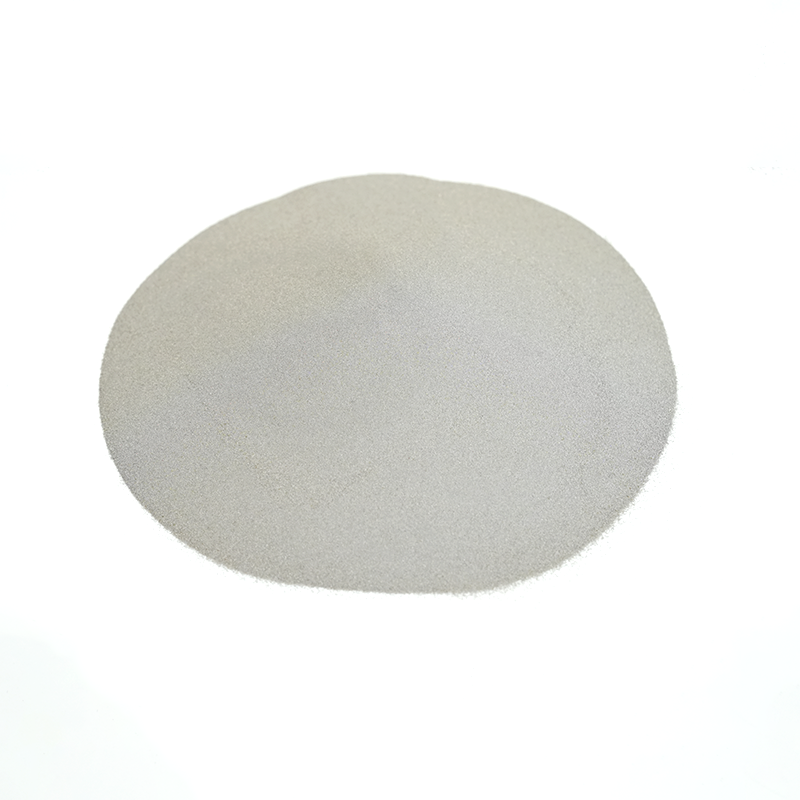
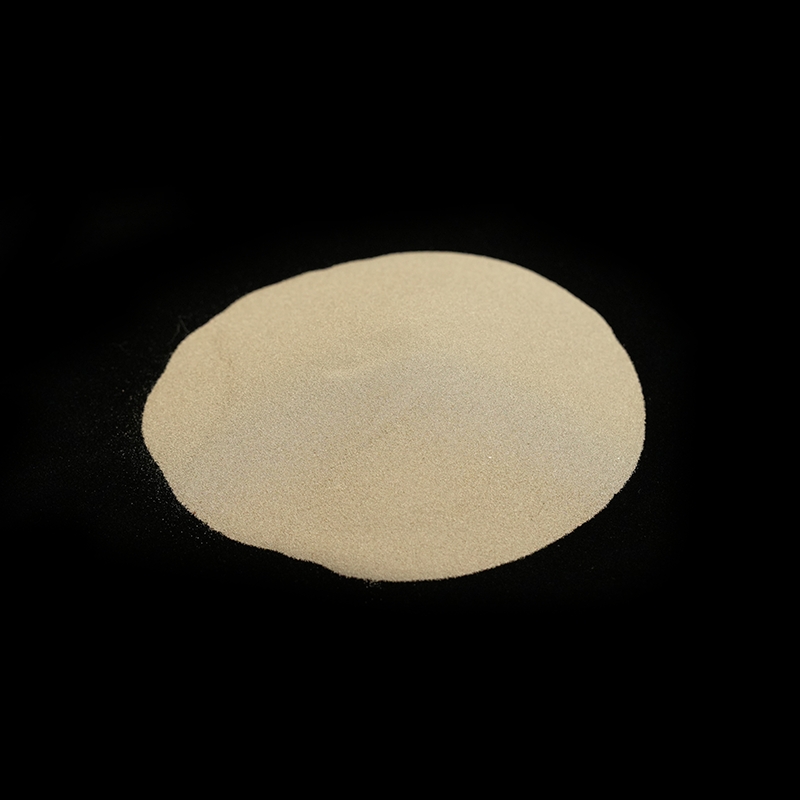
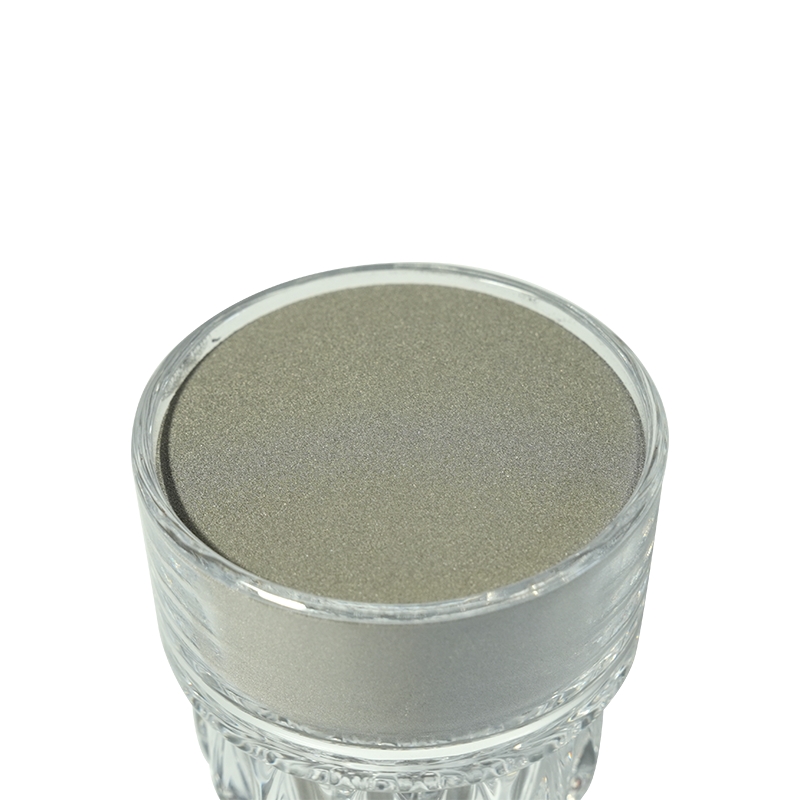
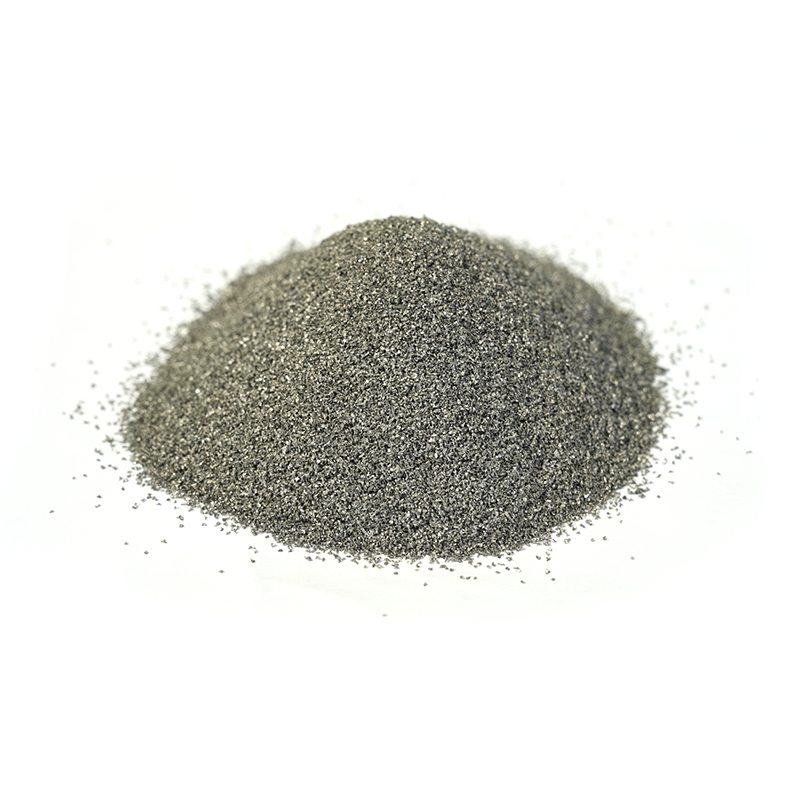
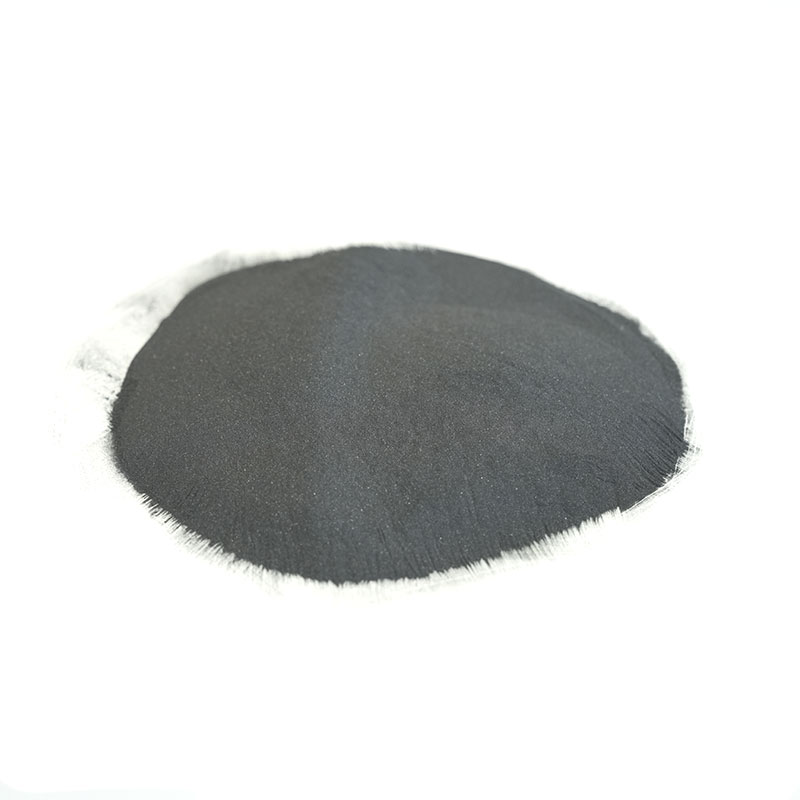
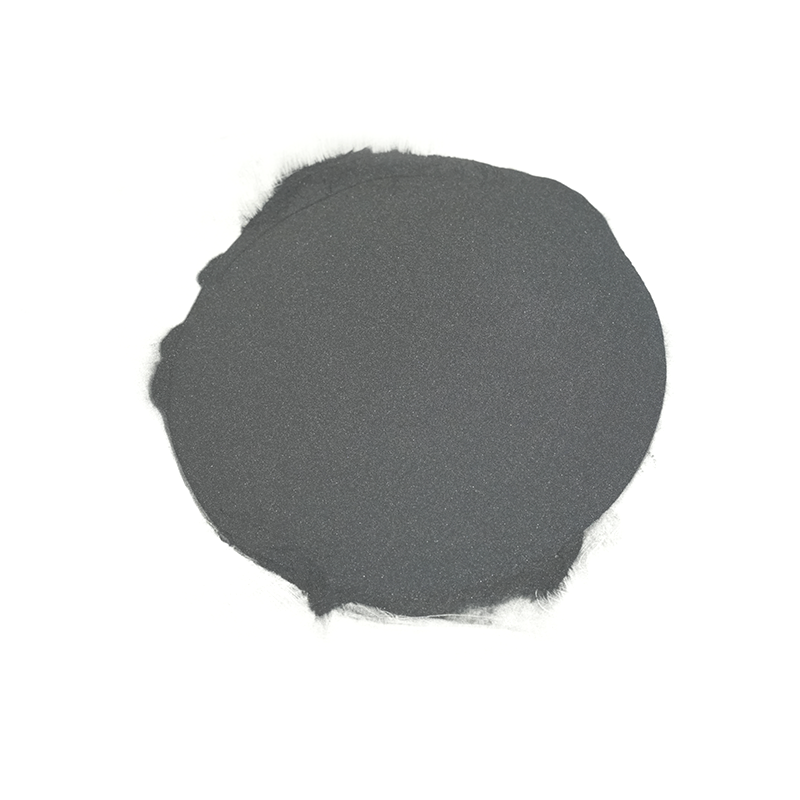
Nickel Based Metal Powder refers to a category of finely processed metallic powders primarily composed of nickel and alloying elements such as chromium, boron, silicon, iron, and molybdenum. These powders are widely used in industrial applications due to their excellent corrosion resistance, high-temperature strength, and wear resistance.
Unlike bulk metals, nickel alloy powders can be precisely controlled in particle size, composition, and morphology. This makes them highly suitable for advanced manufacturing processes such as thermal spraying, additive manufacturing, powder metallurgy, and laser cladding. Their versatility allows manufacturers to enhance surface performance while reducing material waste and production costs.
Main Types of Nickel Based Metal Powder
Ni-Cr Alloy Powder
Nickel-chromium powders are among the most commonly used types. They offer excellent oxidation resistance and are widely used in high-temperature environments such as turbine components and heating elements.
Ni-B-Si Self-Fluxing Powder
This type contains boron and silicon, which lower the melting point and allow the powder to self-flux during thermal spraying or welding. It forms dense, hard coatings ideal for wear-resistant applications.
Ni-Cu Alloy Powder
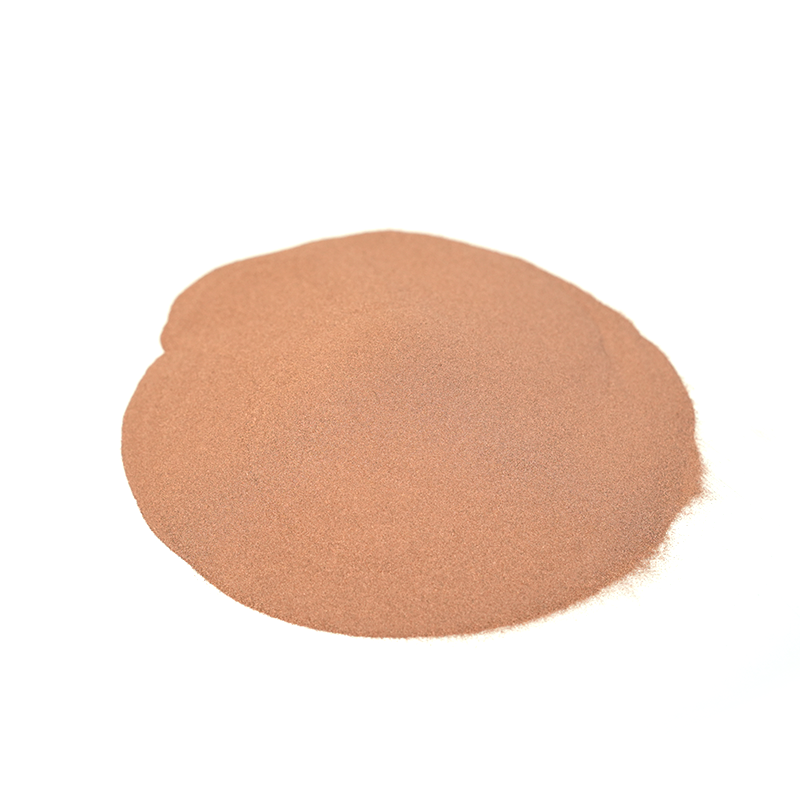
Nickel-copper powders provide superior corrosion resistance, especially in marine and chemical environments. They are commonly used in pump components and valves.
Ni-Based Superalloy Powder
These powders contain multiple alloying elements such as cobalt, aluminum, and titanium. They are designed for extreme environments, including aerospace and energy industries.
Key Properties That Make Nickel Based Metal Powder Valuable
- High resistance to oxidation and corrosion in harsh environments
- Excellent mechanical strength at elevated temperatures
- Good wear and abrasion resistance for long service life
- Strong bonding capability during coating and cladding processes
- Controlled particle size distribution for consistent processing
Common Manufacturing Processes for Nickel Alloy Powder
Gas Atomization
Gas atomization is one of the most widely used methods to produce nickel based metal powders. Molten metal is broken into fine droplets using high-pressure gas, resulting in spherical particles with excellent flowability, which is ideal for additive manufacturing and powder metallurgy.
Water Atomization
Water atomization produces irregularly shaped particles that are more cost-effective. These powders are typically used in applications where high precision is not critical, such as general coating or sintering.
Mechanical Alloying
In this process, different metal powders are blended and milled together to form a uniform alloy. It is useful for creating customized compositions with enhanced properties.
Practical Applications of Nickel Based Metal Powder
Nickel based metal powder plays a crucial role in various industries. Its ability to withstand extreme conditions makes it a preferred material in many high-performance applications.
- Thermal spraying for protective coatings on machinery and tools
- Laser cladding to repair worn-out components and extend lifespan
- Additive manufacturing for complex, high-strength parts
- Powder metallurgy for producing dense, precision components
- Anti-corrosion coatings in chemical and marine equipment
How to Choose the Right Nickel Based Metal Powder
Define the Application Requirements
Identify whether the primary need is wear resistance, corrosion resistance, or high-temperature performance. This will help narrow down the suitable alloy composition.
Select Appropriate Particle Size
Fine powders are ideal for additive manufacturing, while coarser powders are more suitable for thermal spraying and cladding processes.
Consider Processing Method
Ensure compatibility between the powder and the intended manufacturing process, such as plasma spraying, HVOF, or sintering.
Comparison of Common Nickel Based Metal Powder Types
| Powder Type | Key Elements | Main Advantage | Typical Use |
| Ni-Cr | Nickel, Chromium | Oxidation resistance | High-temp coatings |
| Ni-B-Si | Nickel, Boron, Silicon | Self-fluxing and hardness | Wear-resistant coatings |
| Ni-Cu | Nickel, Copper | Corrosion resistance | Marine equipment |
| Superalloy | Ni, Co, Al, Ti | Extreme performance | Aerospace parts |
Storage and Handling Best Practices
Proper storage of nickel based metal powder is essential to maintain its quality and performance. Store the powder in a dry, sealed container to prevent oxidation and contamination. Avoid exposure to moisture and direct sunlight, as these can degrade the material over time.
During handling, use appropriate safety measures such as gloves and masks to prevent inhalation or skin contact. Fine powders can be hazardous if not managed properly, especially in large-scale industrial environments.
Future Trends and Market Demand
The demand for nickel based metal powder is growing rapidly due to advancements in additive manufacturing and surface engineering technologies. Industries are increasingly adopting these powders to improve efficiency, reduce material waste, and extend the lifespan of critical components.
In the future, innovations in powder production and alloy design are expected to further enhance performance, making nickel based powders even more essential in high-tech and sustainable manufacturing solutions.
Conclusion: Making the Most of Nickel Based Metal Powder
Nickel Based Metal Powder offers a powerful combination of strength, durability, and versatility. By understanding its types, properties, and applications, manufacturers can make informed decisions and achieve better performance in their processes. Whether for coating, repair, or advanced manufacturing, this material continues to play a vital role in modern industry.