English
 русский
 عربى
عربىContent
- 1 What Exactly Is Ceramic Alloy Powder?
- 2 How Ceramic Alloy Powder Is Made
- 3 Where Ceramic Alloy Powder Gets Used
- 4 Key Properties That Make It Stand Out
- 5 How to Choose the Right Ceramic Alloy Powder
- 6 Storage and Handling Tips
- 7 Common Mistakes to Avoid When Working With Ceramic Alloy Powder
- 8 Final Thoughts on Working With Ceramic Alloy Powder
What Exactly Is Ceramic Alloy Powder?
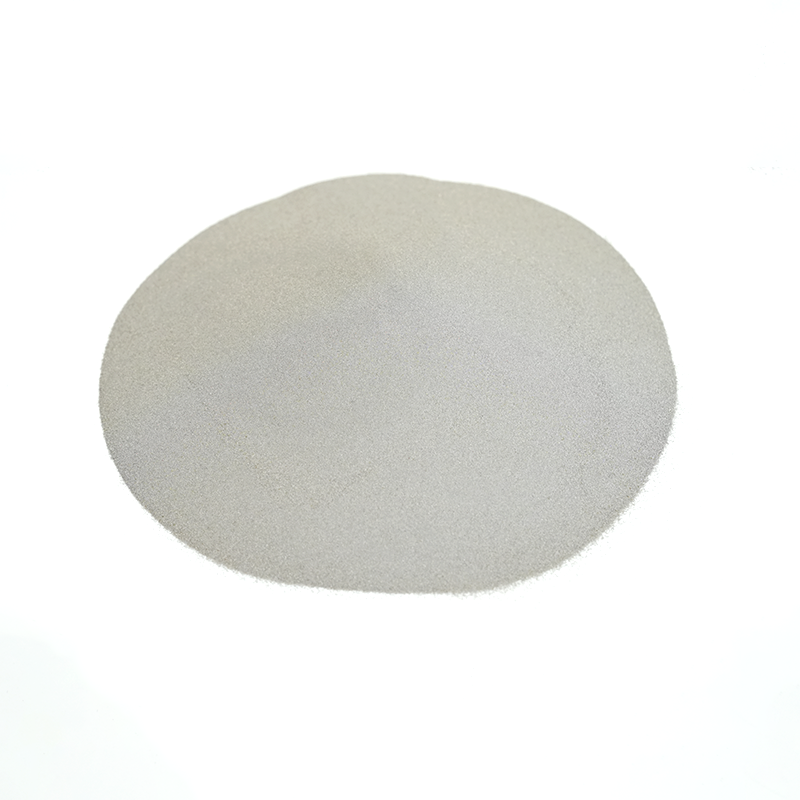
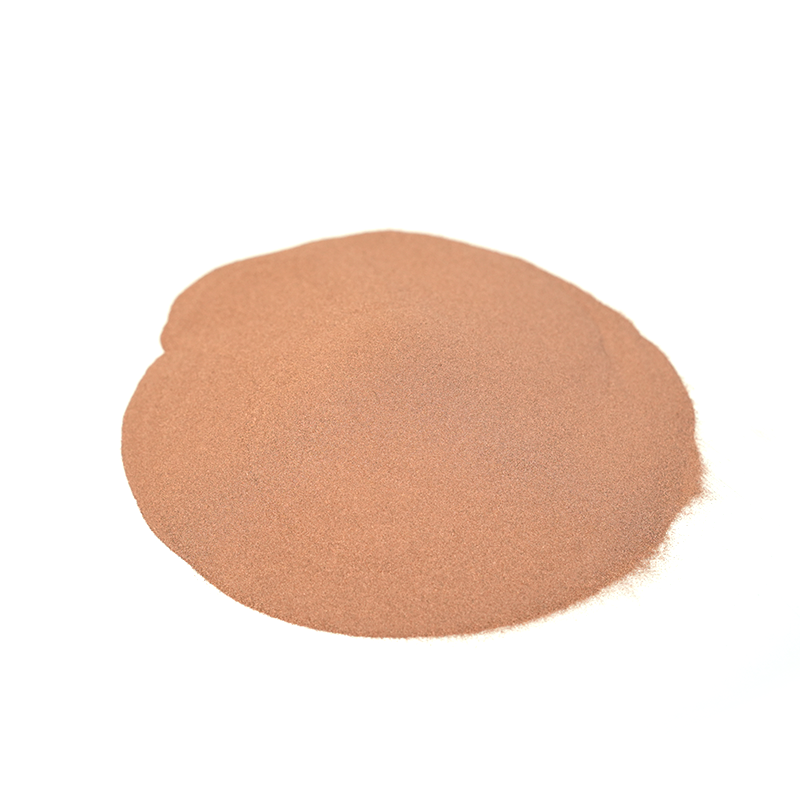
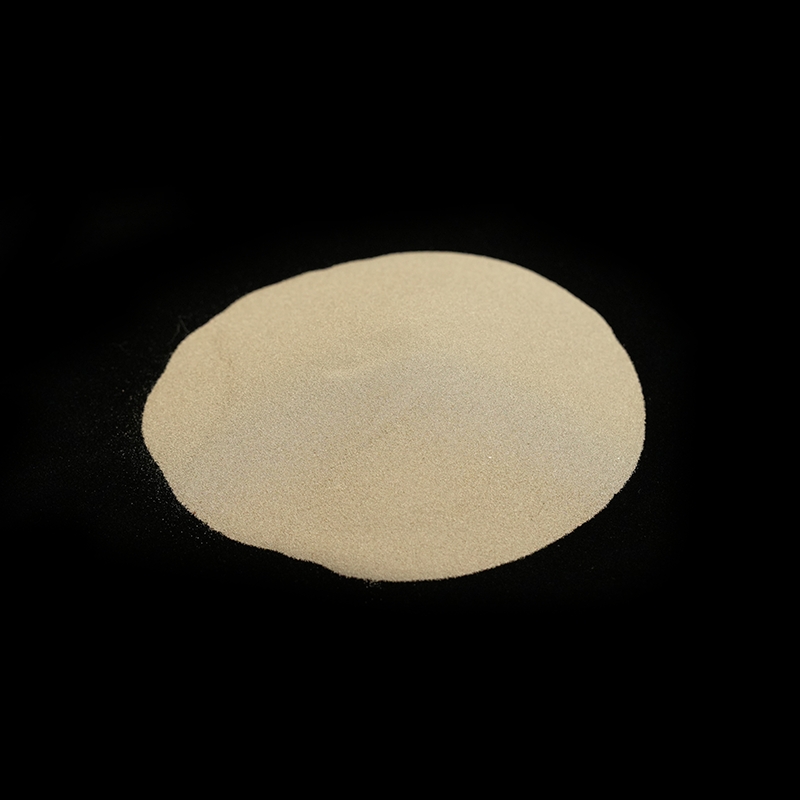
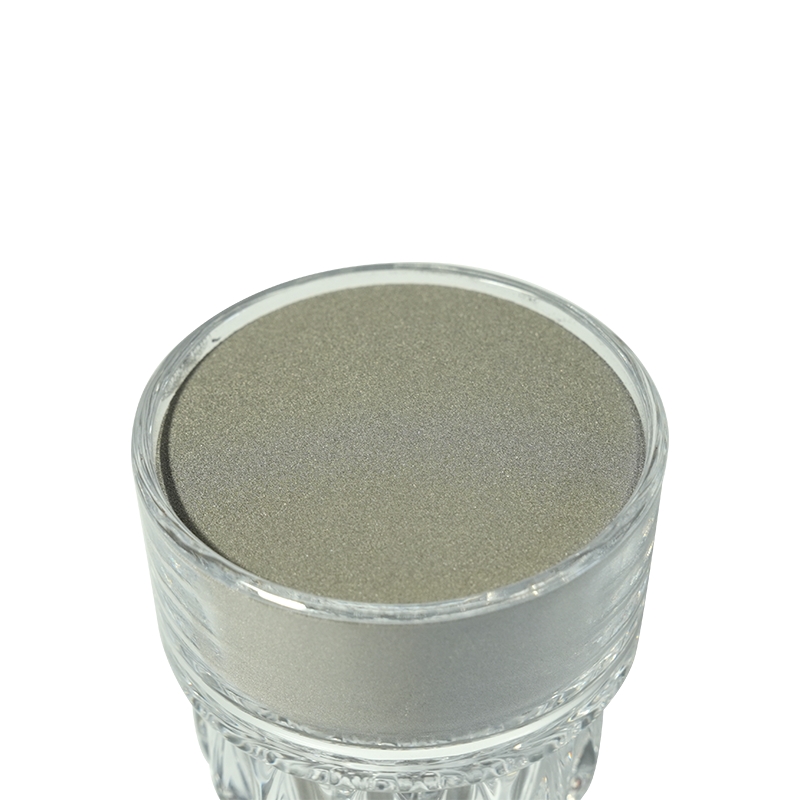
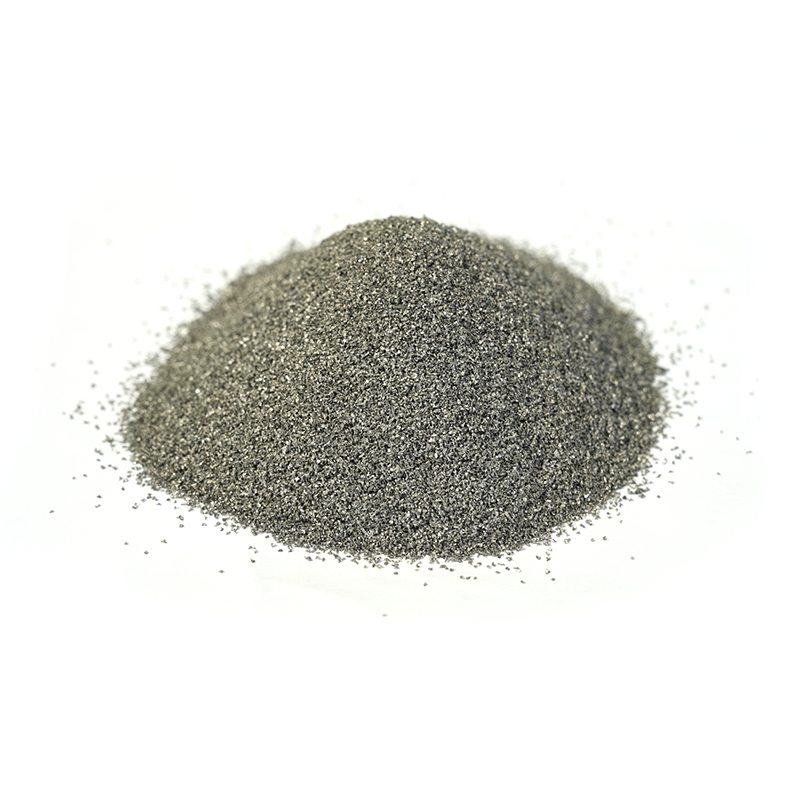
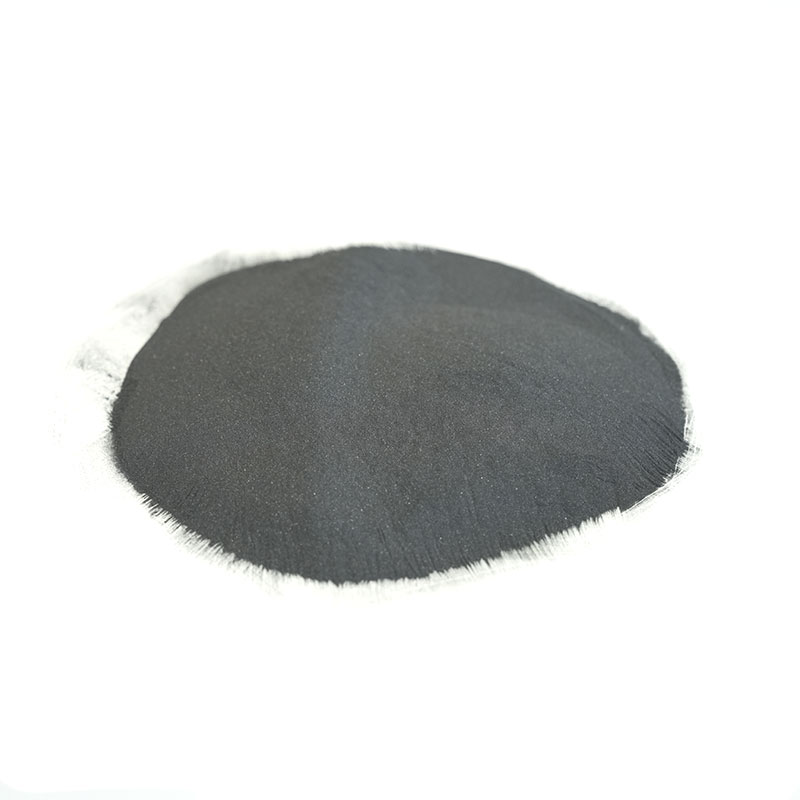
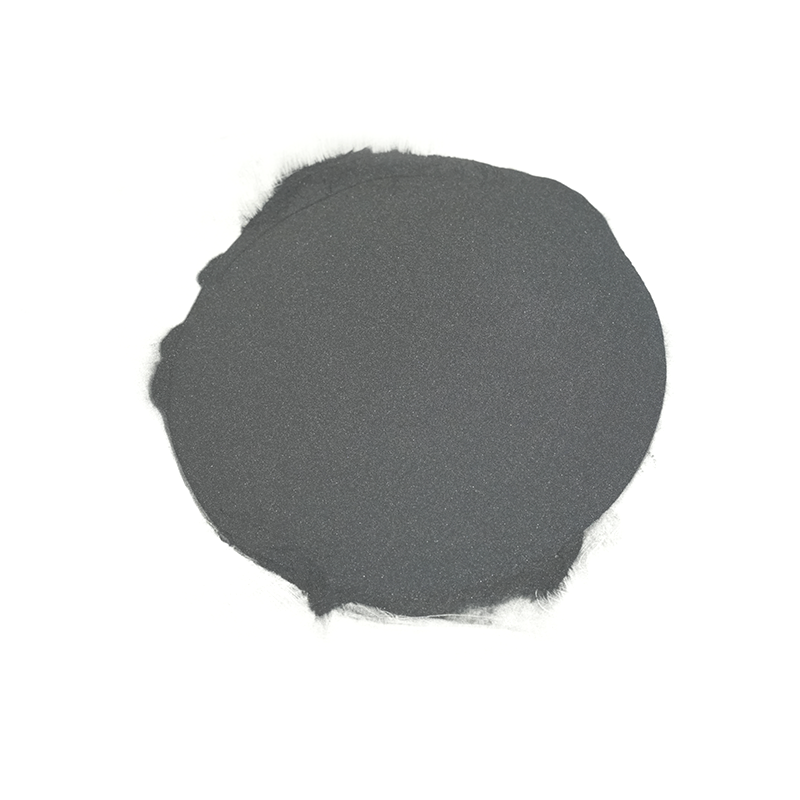
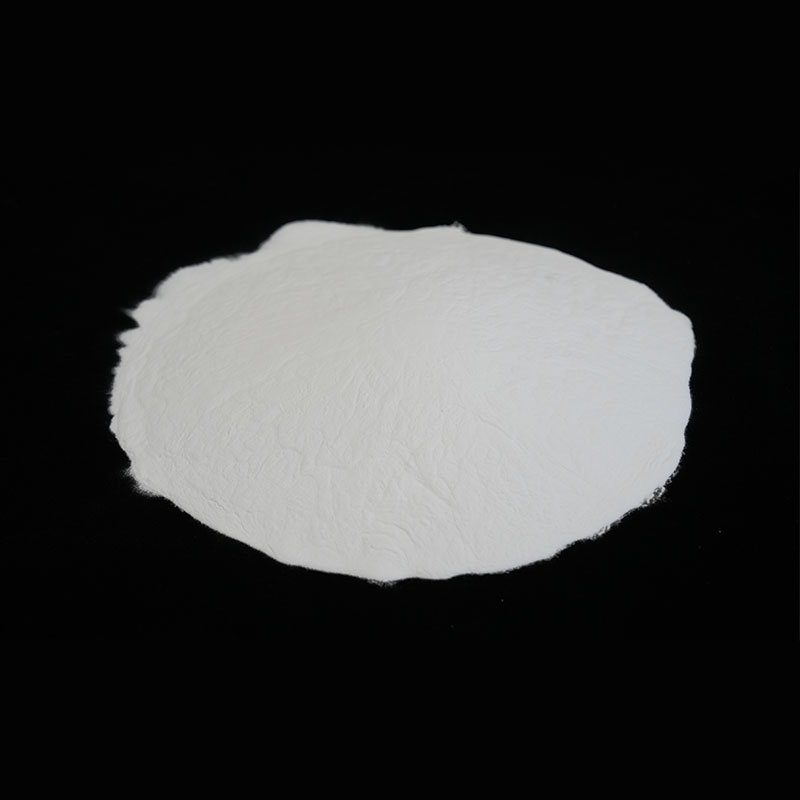
Ceramic alloy powder is a fine, engineered material that combines the hardness and heat resistance of ceramics with the toughness and workability of metal alloys. Instead of choosing between a brittle ceramic or a soft metal, manufacturers blend the two at the powder stage so the final product inherits the best traits of each. You'll often see this material described as a metal-ceramic composite powder or cermet powder, and it typically contains particles like tungsten carbide, chromium carbide, or aluminum oxide bonded with a metallic matrix such as nickel, cobalt, or iron.
The reason this powder has become such a hot topic is simple: it solves a real problem. Pure ceramics crack under impact, and pure metals wear out fast under friction or heat. Ceramic alloy powder gives engineers a middle ground that holds up in extreme environments without falling apart.
How Ceramic Alloy Powder Is Made
Most ceramic alloy powder starts as separate raw materials that get processed into a uniform blend. The two most common production routes are mechanical alloying and gas atomization, though spray drying and sintering-crushing methods are also widely used depending on the target application.
Mechanical Alloying
This process grinds ceramic and metal particles together in a high-energy ball mill until they fuse at the microscopic level. It's a cost-effective method and works well for producing large batches of consistent powder.
Gas Atomization
Molten metal alloy is mixed with ceramic particles and then sprayed through a nozzle using inert gas, which causes the mixture to solidify into tiny, uniform spherical particles. This method produces higher-quality powder that flows better, which matters a lot for 3D printing and thermal spray applications.
Where Ceramic Alloy Powder Gets Used
This powder shows up in industries where parts face extreme wear, heat, or corrosion. Below are the most common real-world uses.
- Thermal spray coatings for turbine blades and engine components
- Additive manufacturing (3D printing) of high-performance industrial parts
- Cutting tools and drill bits that need extreme hardness
- Wear-resistant linings for pumps, valves, and industrial machinery
- Aerospace components exposed to high temperatures and friction
- Automotive brake systems and engine parts requiring heat resistance
Key Properties That Make It Stand Out
When engineers evaluate ceramic alloy powder, they're usually looking at a handful of specific performance traits. The table below breaks down what matters most and why.
| Property | Why It Matters |
| Hardness | Resists abrasion and extends part lifespan |
| Thermal Resistance | Maintains structural integrity under high heat |
| Corrosion Resistance | Prevents degradation in harsh chemical environments |
| Toughness | Absorbs impact without cracking like pure ceramics |
| Flowability | Ensures even coating or consistent 3D printing results |
How to Choose the Right Ceramic Alloy Powder
Not all ceramic alloy powders are interchangeable, so picking the right grade depends heavily on your specific application. Here are the main factors worth considering before you buy.
Particle Size Distribution
Finer particles typically work better for thermal spray and additive manufacturing because they flow more smoothly and create denser coatings. Coarser powders are often used for bulk sintering applications where flow speed matters less.
Metal-to-Ceramic Ratio
A higher ceramic content boosts hardness but reduces toughness, while a higher metal content improves ductility but sacrifices some wear resistance. The right balance depends on whether your part needs to survive impact, friction, or both.
Compatibility With Your Equipment
If you're using the powder for thermal spray or 3D printing, make sure the particle shape and size match what your specific machine or nozzle system requires, since mismatched powder can clog equipment or produce uneven results.
Storage and Handling Tips
Ceramic alloy powder is sensitive to moisture and contamination, so proper storage directly affects performance and shelf life. Following a few basic practices can prevent costly waste and inconsistent results down the line.
- Store in sealed, airtight containers to prevent moisture absorption
- Keep in a cool, dry environment away from direct sunlight
- Avoid mixing different powder batches unless testing confirms compatibility
- Label containers with production date and particle size specification
- Use desiccants in storage areas with high humidity
Common Mistakes to Avoid When Working With Ceramic Alloy Powder
Even experienced fabricators run into avoidable issues when working with this material. One frequent mistake is using powder with the wrong particle size for a given process, which leads to poor adhesion or uneven surface finishes. Another common issue is skipping pre-application testing, which can result in coatings that look fine initially but fail prematurely under real-world stress.
Temperature control during processing is another area where things often go wrong. Overheating the powder during thermal spray application can alter its microstructure, weakening the very properties that made it valuable in the first place. Taking the time to follow manufacturer specifications for temperature, pressure, and application speed makes a measurable difference in final part quality.
Final Thoughts on Working With Ceramic Alloy Powder
Ceramic alloy powder isn't just an industrial buzzword. It's a practical solution for anyone building parts that need to survive heat, friction, and impact without breaking down over time. Whether you're coating turbine blades, printing aerospace components, or manufacturing wear-resistant tooling, understanding how this powder is made, where it performs best, and how to store and apply it correctly will save you time, money, and a lot of frustration on the shop floor.