English
 русский
 عربى
عربىContent
- 1 What Is Carbide Composite Powder
- 2 How Carbide Composite Powder Is Made
- 3 Common Applications of Carbide Composite Powder
- 4 Key Factors to Consider When Choosing a Carbide Composite Powder
- 5 Handling and Storage Best Practices
- 6 Why Carbide Composite Powder Continues to Be a Reliable Industrial Material
What Is Carbide Composite Powder
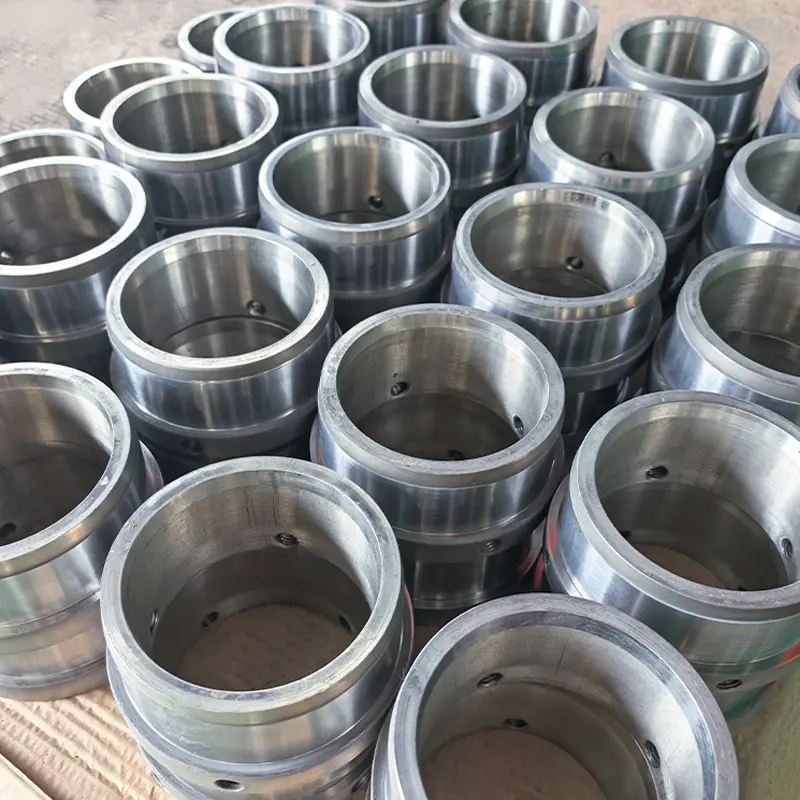
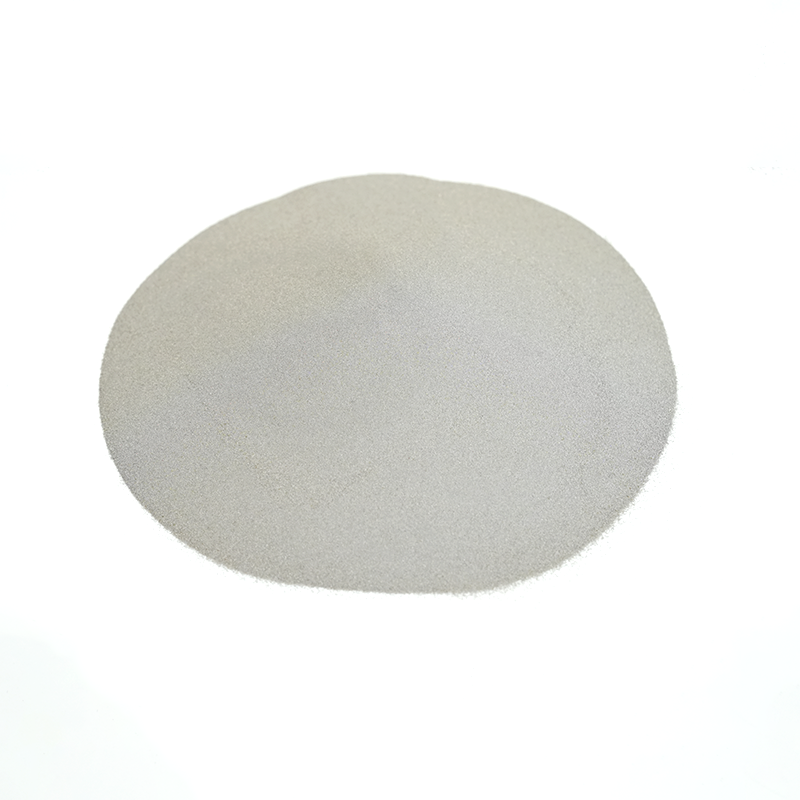
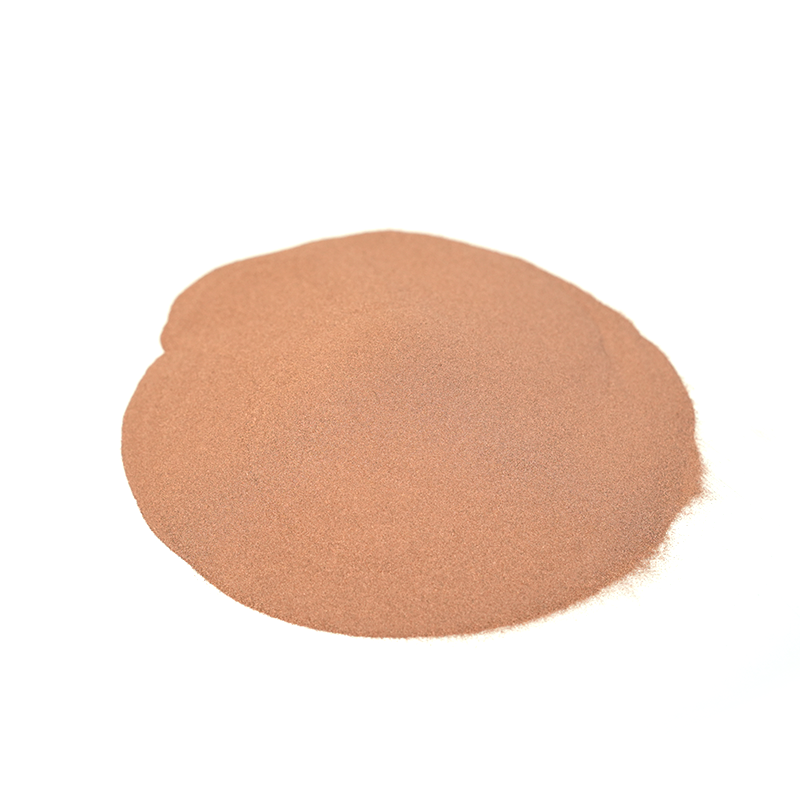
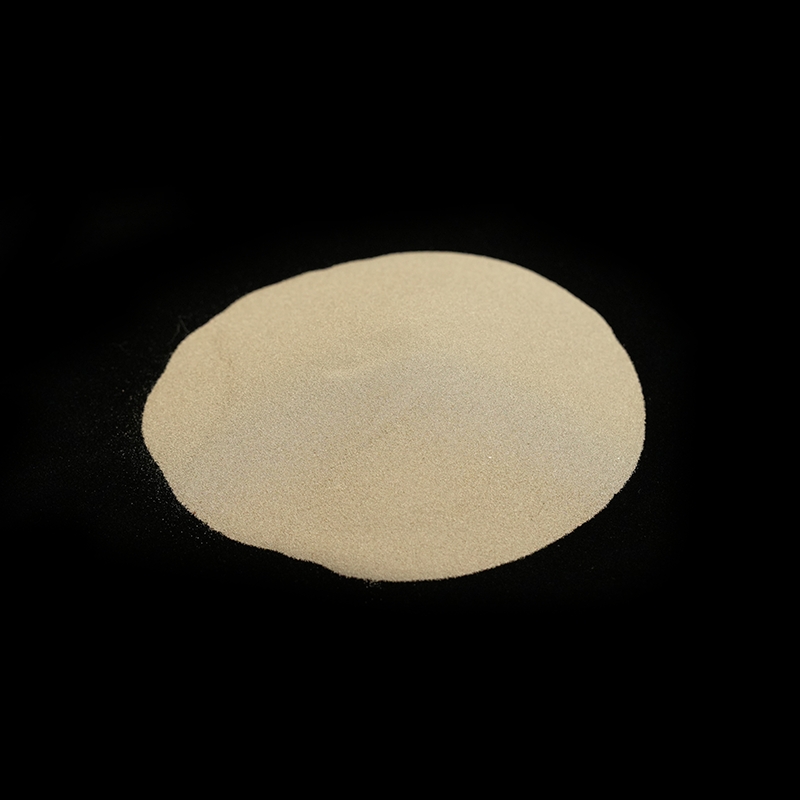
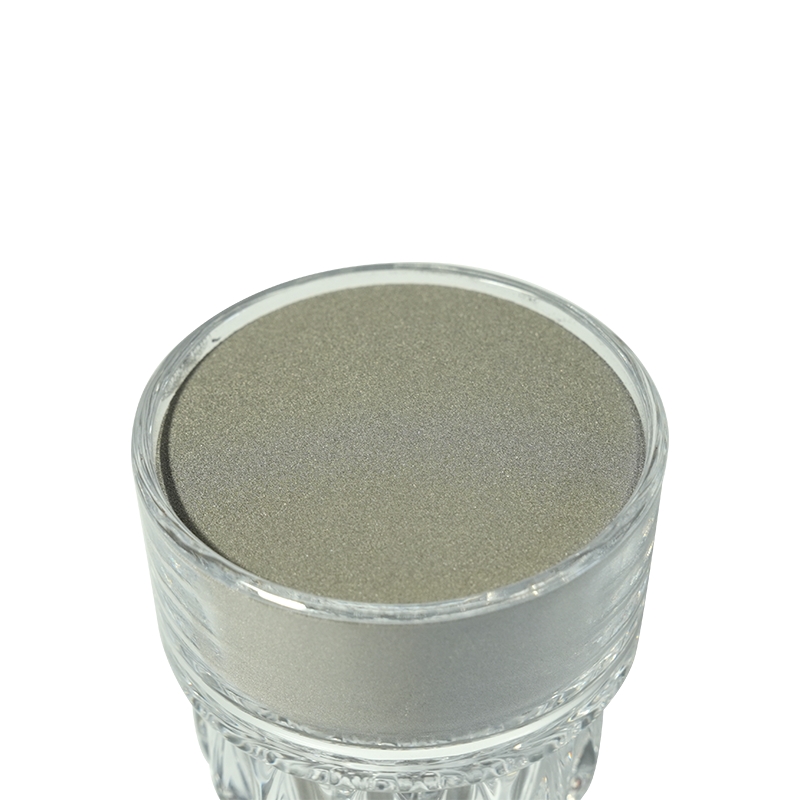
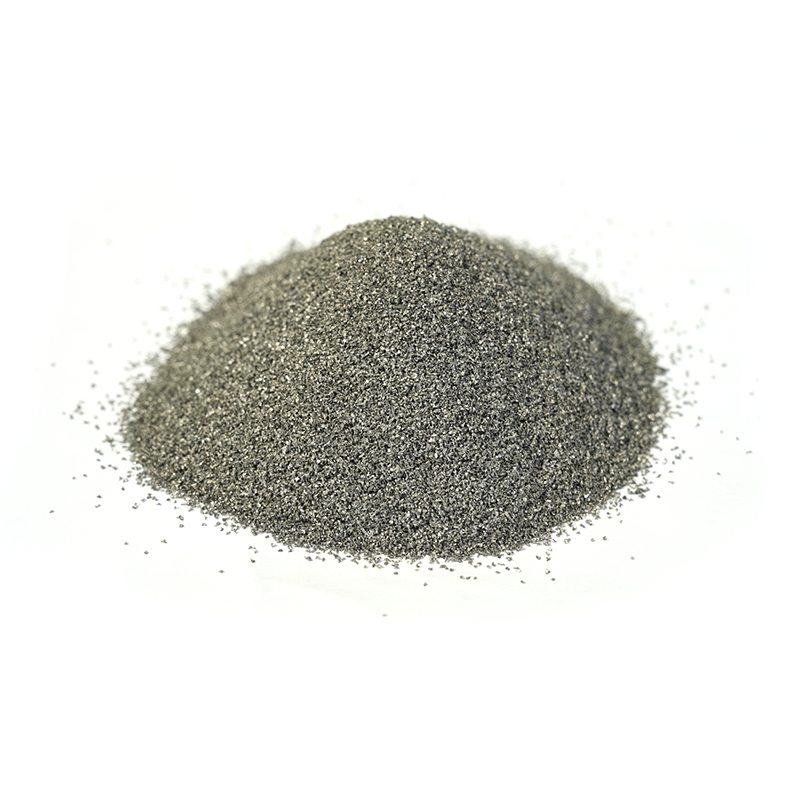
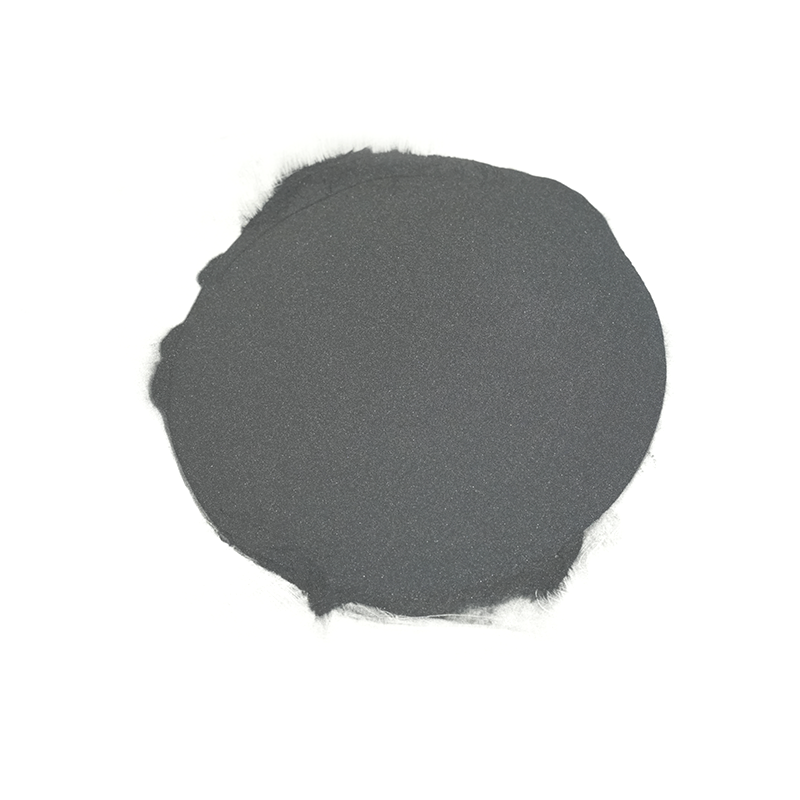
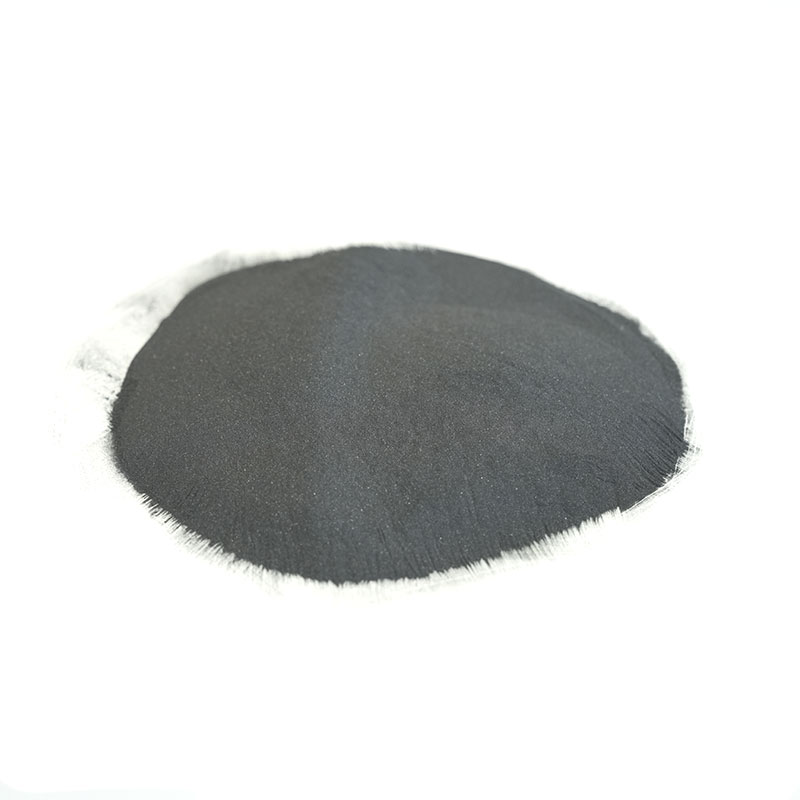
Carbide Composite Powder is a specialized material made by combining hard carbide particles, most commonly tungsten carbide, with a metallic binder such as cobalt, nickel, or iron. The result is a powder that blends the extreme hardness of carbide with the toughness and workability of a metal matrix. This combination makes it especially valuable in industries that need surfaces or components to resist wear, abrasion, and impact without becoming brittle. Rather than using pure carbide, which can be too hard and difficult to process on its own, manufacturers rely on composite powders to strike a practical balance between hardness and durability. It's widely used in thermal spray coatings, hardfacing applications, additive manufacturing, and cutting tool production.
How Carbide Composite Powder Is Made
Understanding the manufacturing process helps explain why this powder performs so well in demanding environments. The process typically starts with fine carbide particles, often tungsten carbide, being blended with a chosen metal binder in carefully controlled ratios. This mixture then goes through one of several production methods depending on the desired particle structure and application.
Agglomeration and Sintering
In this method, carbide and binder particles are mixed, formed into granules, and then heated to bond them into dense, spherical particles. This process is common for producing powders used in thermal spray applications, since the resulting particles flow well through spray equipment.
Spray Drying
Spray drying involves suspending carbide and binder particles in a liquid, then rapidly drying the mixture into fine, rounded granules. This technique is often chosen when a very consistent particle size and shape is needed for high-precision coating work.
Crushing and Sieving
For certain applications, larger sintered carbide composite blocks are crushed down and sieved to the desired particle size. This method tends to produce more angular particles, which can be useful for specific hardfacing or welding applications where particle shape affects bonding.
Common Applications of Carbide Composite Powder
Because of its unique balance of hardness and toughness, carbide composite powder shows up in a wide range of industrial processes. Below is a breakdown of where it's most commonly used and why it's chosen for each application.
| Application | Purpose | Common Industries |
| Thermal Spray Coatings | Wear and corrosion resistance on part surfaces | Aerospace, oil and gas |
| Hardfacing | Extending the life of high-wear equipment parts | Mining, agriculture |
| Additive Manufacturing | Building durable, wear-resistant 3D printed parts | Tooling, automotive |
| Cutting Tool Production | Improving edge hardness and tool lifespan | Manufacturing, machining |
Key Factors to Consider When Choosing a Carbide Composite Powder
Not every carbide composite powder is suited for every job. Selecting the right grade depends on several technical factors that directly affect how the powder performs once applied. Keep the following in mind when evaluating options for a specific project:
- Carbide-to-binder ratio, which affects the balance between hardness and toughness
- Particle size distribution, which influences flowability and coating density
- Binder material type, since cobalt, nickel, and iron each offer different corrosion and temperature resistance
- Application method compatibility, as spray, weld overlay, and additive processes each require specific powder characteristics
- Operating environment, including exposure to heat, moisture, or chemical corrosion
Handling and Storage Best Practices
Proper handling and storage play a significant role in preserving the quality and performance of carbide composite powder. Since these powders are often sensitive to moisture, they should be stored in sealed, airtight containers in a dry, temperature-controlled environment to prevent oxidation or clumping. Exposure to humidity can compromise flowability during spray application, leading to inconsistent coating results. It's also important to handle the powder with proper protective equipment, as fine metallic and carbide particles can pose respiratory risks if inhaled during transfer or mixing. Facilities working with these materials regularly should follow established industrial hygiene protocols and use appropriate ventilation systems.
Why Carbide Composite Powder Continues to Be a Reliable Industrial Material
As industries continue to push equipment and components to work harder, longer, and under more demanding conditions, the need for reliable wear-resistant materials keeps growing. Carbide composite powder remains a trusted solution because it consistently delivers the hardness needed to resist abrasion while maintaining enough toughness to avoid cracking under stress. Whether it's used to extend the life of mining equipment, protect aerospace components, or build stronger cutting tools, this material continues to prove its value across a wide range of demanding industrial applications.