English
 русский
 عربى
عربىContent
- 1 Understanding Precision Alloy Powders and Their Role in Industry
- 2 How Precision Alloy Powders Are Manufactured
- 3 Key Quality Factors That Define Precision Alloy Powders
- 4 Common Alloy Systems Used in Precision Powder Production
- 5 Where Precision Alloy Powders Are Used Today
- 6 How to Choose the Right Precision Alloy Powder Supplier
- 7 Proper Storage and Handling to Preserve Powder Quality
- 8 Final Thoughts on Precision Alloy Powders
Understanding Precision Alloy Powders and Their Role in Industry
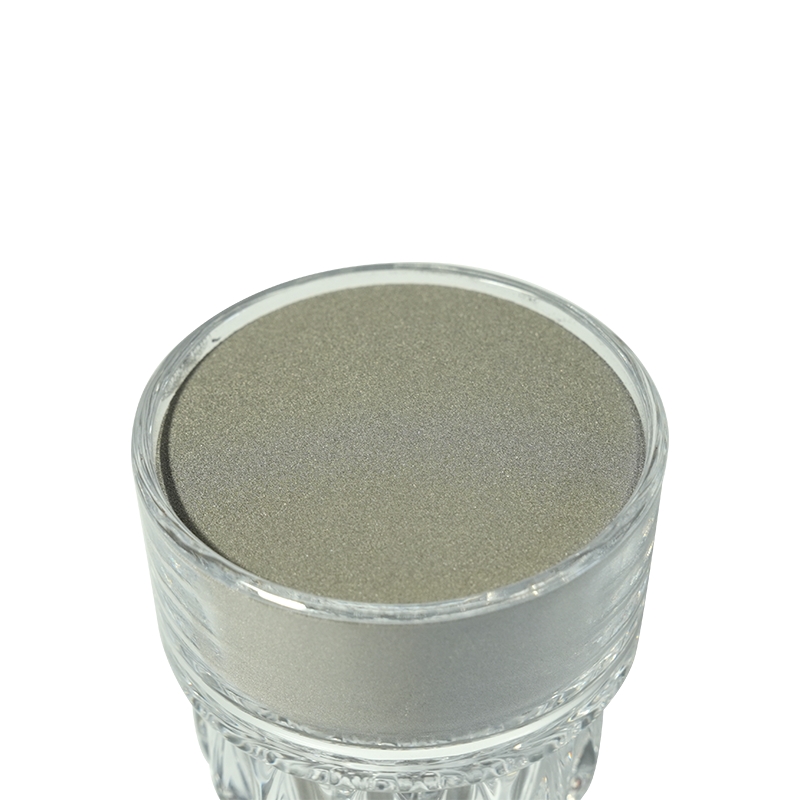
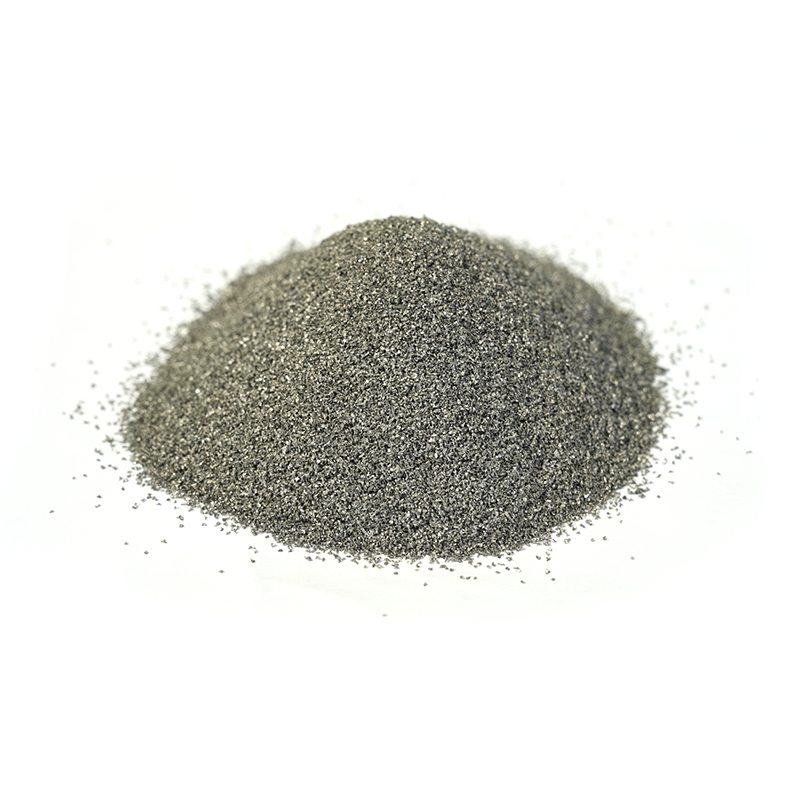
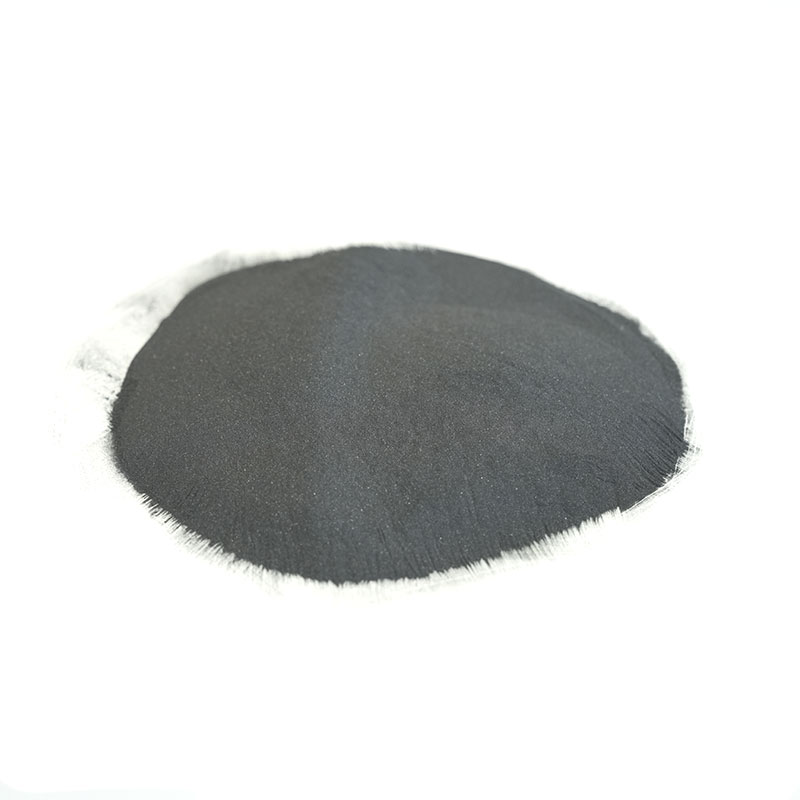
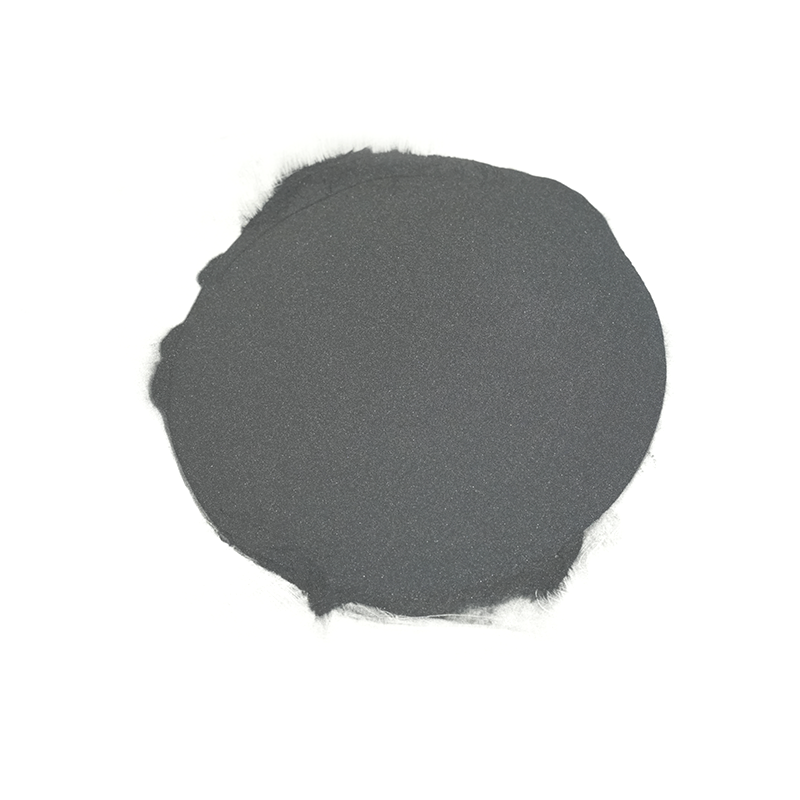
Precision alloy powders are finely engineered metallic particles produced to exact specifications for particle size, shape, and chemical composition. Unlike ordinary metal powders, precision alloy powders are manufactured with tight tolerances so that every batch performs consistently across demanding applications. These powders form the raw material foundation for technologies such as metal additive manufacturing (3D printing), metal injection molding (MIM), thermal spray coatings, and advanced powder metallurgy components. Because the performance of a finished part depends heavily on the quality of the starting powder, manufacturers across aerospace, medical, automotive, and energy sectors have become increasingly focused on sourcing powders that meet strict purity and consistency standards.
The growing demand for lightweight, high-strength, and corrosion-resistant components has pushed precision alloy powders into the spotlight. Whether it's a titanium alloy powder used in aerospace brackets or a cobalt-chrome powder used in dental implants, the underlying goal is the same: deliver a powder that behaves predictably when melted, sintered, or sprayed.
How Precision Alloy Powders Are Manufactured
The production method used to create alloy powders has a direct impact on particle shape, density, and flowability. Most precision alloy powders today are produced through atomization, a process where molten metal is broken into fine droplets that solidify into spherical or near-spherical particles.
Gas Atomization
In gas atomization, molten alloy is poured through a nozzle and disintegrated by high-pressure inert gas jets, typically argon or nitrogen. This method produces highly spherical particles with low oxygen content, making it the preferred choice for powders used in metal 3D printing and MIM, where flowability and packing density are critical.
Water Atomization
Water atomization uses high-pressure water jets instead of gas to break apart the molten stream. This process is more cost-effective but produces irregularly shaped particles with higher oxygen content, making it more suitable for applications like structural powder metallurgy parts rather than high-precision printing.
Plasma Atomization
Plasma atomization uses a plasma torch to melt and atomize fine wire feedstock, producing extremely clean, highly spherical powders with excellent flowability. Although more expensive, this method is often chosen for reactive metals like titanium and specialty superalloys where purity is non-negotiable.
Key Quality Factors That Define Precision Alloy Powders
Not all alloy powders are created equal. Several measurable characteristics determine whether a powder qualifies as "precision grade" and whether it will perform reliably in a production environment.
- Particle size distribution (PSD): Determines packing density and flow behavior during processing.
- Sphericity: Rounder particles flow more consistently through hoppers and print nozzles.
- Flowability: Measured using standardized flow tests, this affects how evenly a powder spreads in a print bed or mold cavity.
- Apparent and tap density: Impacts how much powder can be packed into a given volume, influencing final part density.
- Chemical purity: Low oxygen, nitrogen, and carbon content is essential for mechanical performance and reduces porosity in finished parts.
- Satellites and internal porosity: Small particles fused to larger ones or trapped gas pockets can weaken finished components if not controlled.
Common Alloy Systems Used in Precision Powder Production
Different industries rely on different alloy families depending on the mechanical and thermal properties required. The table below summarizes some of the most widely used precision alloy powder systems and their typical applications.
| Alloy System | Typical Properties | Common Applications |
| Titanium Alloys (Ti-6Al-4V) | High strength-to-weight ratio, corrosion resistance | Aerospace parts, medical implants |
| Nickel Superalloys (Inconel 718) | Heat resistance, oxidation resistance | Turbine blades, jet engine components |
| Cobalt-Chrome Alloys | Wear resistance, biocompatibility | Dental and orthopedic implants |
| Stainless Steel (316L, 17-4PH) | Corrosion resistance, good machinability | Industrial tooling, medical devices |
| Aluminum Alloys (AlSi10Mg) | Lightweight, good thermal conductivity | Automotive parts, heat exchangers |
Where Precision Alloy Powders Are Used Today
Precision alloy powders have found their way into nearly every advanced manufacturing process that requires consistent, high-performance metal input material.
Metal Additive Manufacturing
In powder bed fusion and directed energy deposition processes, powder quality directly affects layer density, surface finish, and mechanical strength of the printed part. Poor flowability or wide particle size distribution can cause uneven layers and internal defects.
Metal Injection Molding (MIM)
MIM requires very fine, spherical powders mixed with a binder to form a moldable feedstock. Precision powders here allow for intricate, small-scale parts with tight dimensional tolerances, commonly used in electronics and small mechanical components.
Thermal Spray Coatings
In thermal spray applications, alloy powders are melted and sprayed onto a surface to create protective or wear-resistant coatings. Particle size and morphology must be tightly controlled to achieve uniform coating thickness and adhesion.
How to Choose the Right Precision Alloy Powder Supplier
Selecting a reliable powder supplier is just as important as choosing the right alloy composition. Buyers should evaluate suppliers based on more than just price, since inconsistent powder quality can lead to costly production failures.
- Request certified material test reports (MTRs) for every batch.
- Verify particle size distribution data using laser diffraction or sieve analysis reports.
- Ask about atomization method and equipment used, since this affects sphericity and purity.
- Check for batch-to-batch consistency records over time.
- Confirm proper packaging and moisture control to prevent oxidation during storage and shipping.
Proper Storage and Handling to Preserve Powder Quality
Even the highest quality precision alloy powder can degrade if handled improperly. Moisture absorption, oxidation, and contamination are the most common issues that reduce powder performance over time.
Powders should be stored in sealed, moisture-resistant containers, ideally under an inert atmosphere or vacuum for highly reactive alloys like titanium and aluminum. Temperature and humidity-controlled storage rooms help extend shelf life, while proper labeling and batch tracking prevent cross-contamination between different alloy grades. For operations that reuse powder in additive manufacturing, sieving and quality testing between print cycles helps maintain consistent particle size distribution and reduces the risk of defects in subsequent builds.
Final Thoughts on Precision Alloy Powders
As industries continue to push the limits of lightweight design, durability, and precision engineering, the demand for high-quality precision alloy powders will only continue to grow. Understanding how these powders are made, what quality metrics matter, and how to properly source and store them gives manufacturers a real competitive advantage. Whether you're working with titanium for aerospace, cobalt-chrome for medical devices, or stainless steel for industrial tooling, investing in the right precision alloy powder is one of the most important decisions in the entire production process.