English
 русский
 عربى
عربىContent
- 1 What Exactly Is Cobalt Based Alloy Powder?
- 2 Common Types of Cobalt Based Alloy Powder
- 3 Why Cobalt Based Alloy Powder Performs So Well Under Pressure
- 4 How Cobalt Based Alloy Powder Is Actually Made
- 5 Where You'll Find Cobalt Based Alloy Powder in Real-World Use
- 6 How to Choose the Right Cobalt Based Alloy Powder for Your Project
- 7 Storage and Handling Tips That Protect Powder Quality
- 8 Common Mistakes to Avoid When Working With Cobalt Based Alloy Powder
What Exactly Is Cobalt Based Alloy Powder?
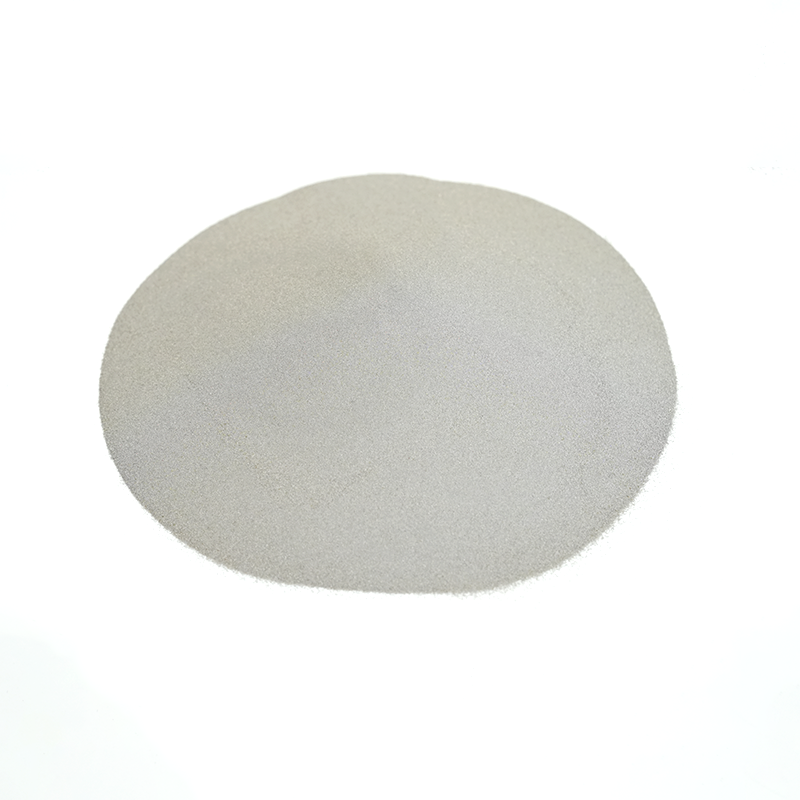
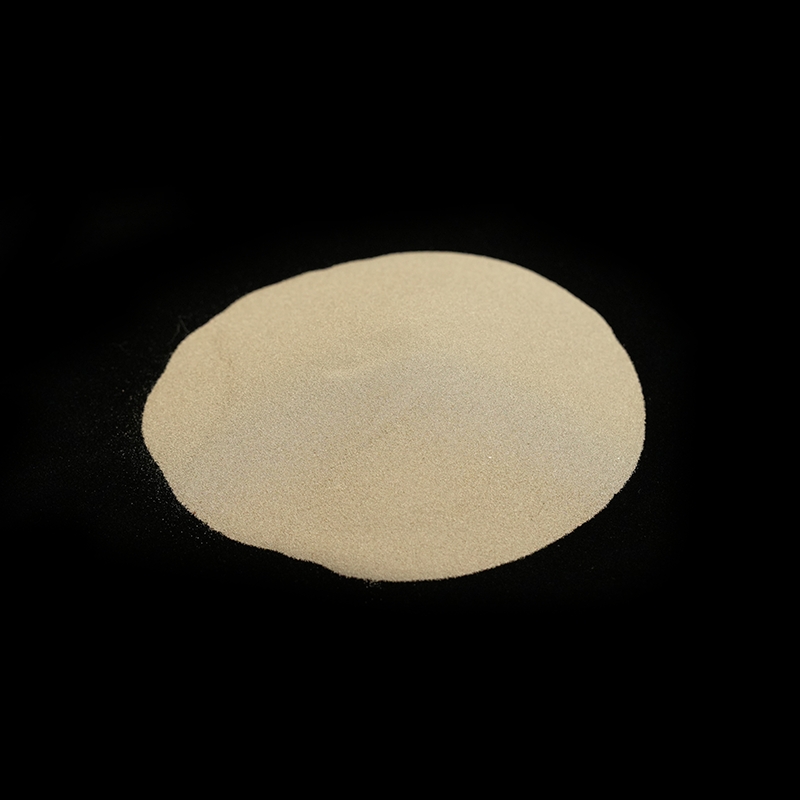
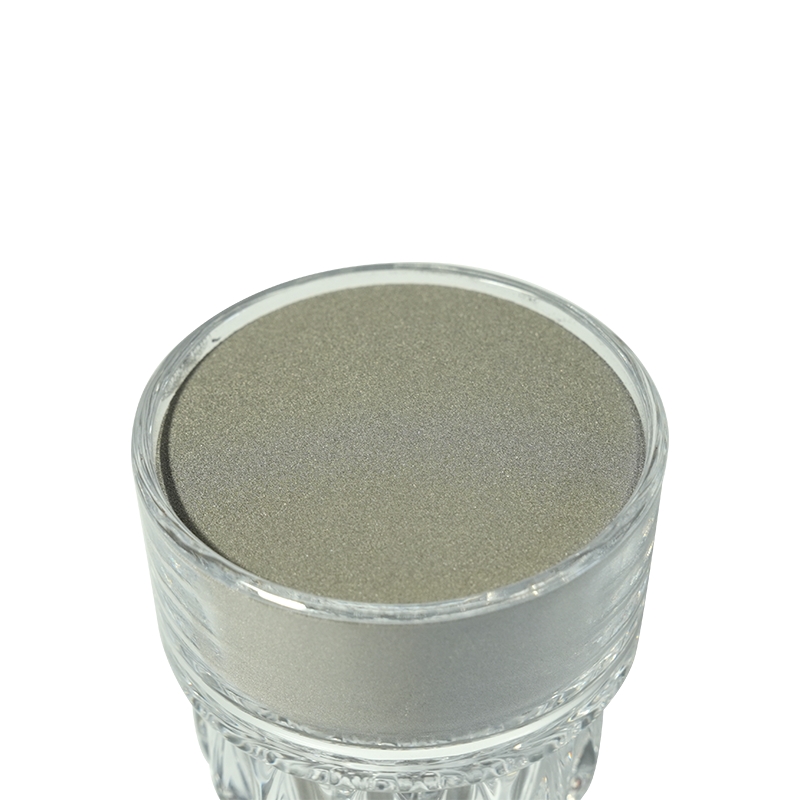
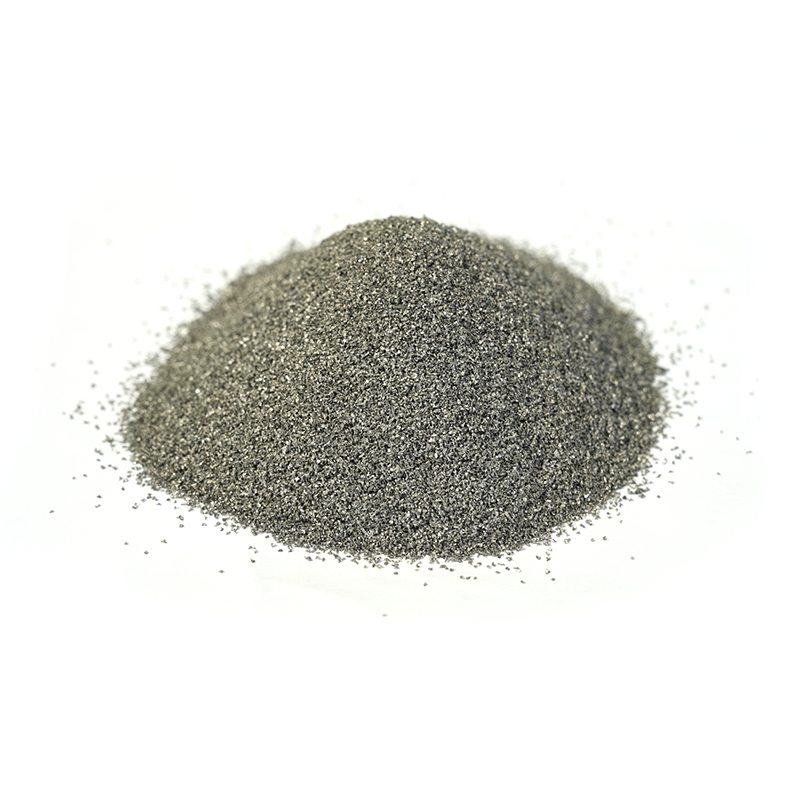
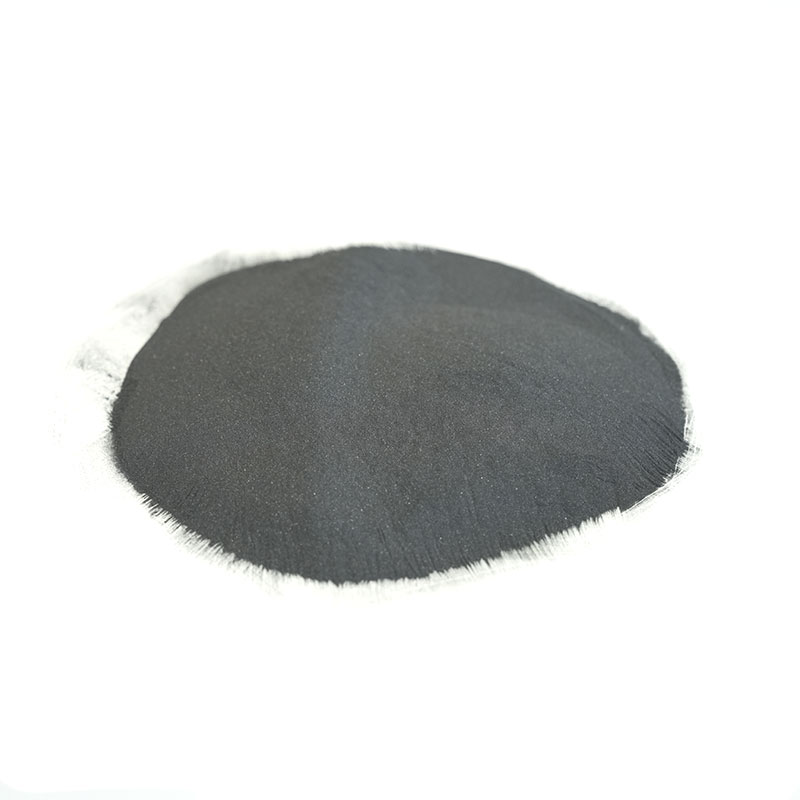
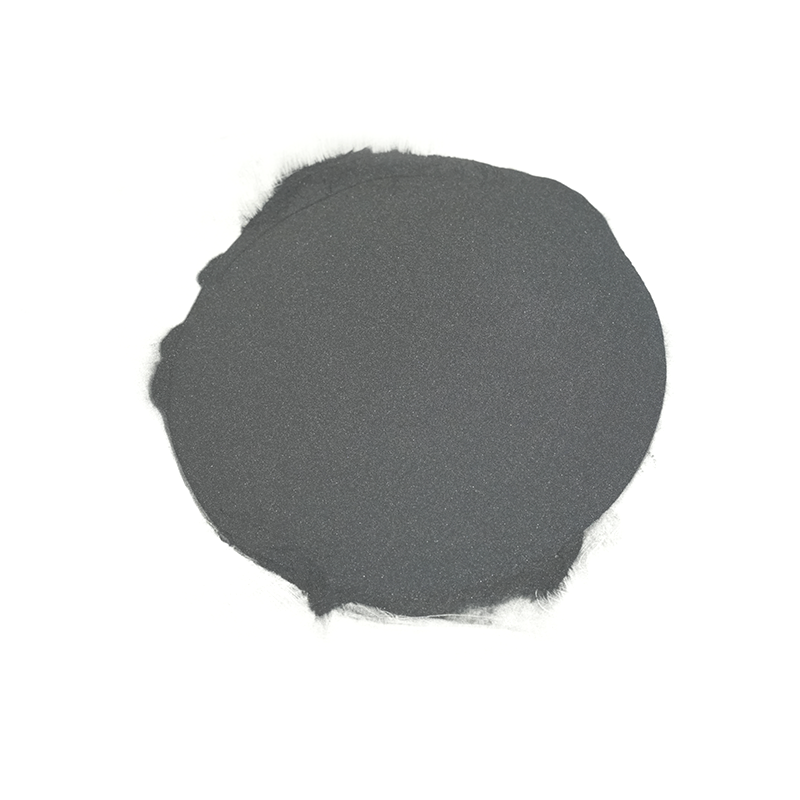
Cobalt based alloy powder is a fine, granular material made mostly of cobalt mixed with other metals like chromium, tungsten, molybdenum, nickel, or carbon. It's not just one single product — it's a whole family of powders, each tuned for a specific job. What ties them together is the cobalt matrix, which gives the powder its signature toughness, heat resistance, and ability to fight off wear even in brutal working conditions.
If you've ever wondered why some machine parts keep working smoothly after years of friction, heat, and corrosion while others wear out fast, there's a good chance cobalt based alloy powder was involved somewhere in the manufacturing or repair process. It's widely used in thermal spray coatings, laser cladding, additive manufacturing (3D printing), and hardfacing applications.
Common Types of Cobalt Based Alloy Powder
Not all cobalt based alloy powders are created equal. Manufacturers usually pick a specific grade depending on what problem they're trying to solve — whether it's abrasive wear, high heat, corrosion, or a mix of all three. Below is a quick comparison of some of the most commonly used grades.
| Common Name | Main Alloying Elements | Best Suited For |
| Stellite 6 | Chromium, Tungsten, Carbon | General wear and corrosion resistance |
| Stellite 12 | Chromium, Tungsten, higher Carbon | High-hardness, abrasive wear situations |
| Stellite 21 | Chromium, Molybdenum | Impact resistance, valve seats |
| Tribaloy T-400 | Chromium, Molybdenum, Silicon | Extreme wear plus corrosion, low friction |
| Cobalt-Chrome (CoCrMo) | Chromium, Molybdenum | Medical implants, 3D printing |
Each grade of cobalt based alloy powder trades off hardness, toughness, and corrosion resistance a little differently, so picking the right one really comes down to what the finished part needs to survive.
Why Cobalt Based Alloy Powder Performs So Well Under Pressure
The reason cobalt based alloy powder shows up so often in demanding industries comes down to a handful of physical properties that are genuinely hard to beat.
Outstanding Wear Resistance
Cobalt's crystal structure naturally resists deformation, which means coatings and parts made from cobalt based alloy powder hold their shape and surface finish even after constant rubbing, sliding, or impact.
High-Temperature Stability
Unlike many metal powders that soften or lose strength as temperatures climb, cobalt based alloy powder keeps its hardness at elevated temperatures, which is exactly why it's a favorite for engine components, turbine parts, and exhaust valves.
Corrosion and Oxidation Resistance
The chromium content in most cobalt based alloy powder formulations forms a passive oxide layer, which shields the underlying metal from rust, acids, and oxidation, even in wet or chemically aggressive environments.
How Cobalt Based Alloy Powder Is Actually Made
Most cobalt based alloy powder is produced through atomization, a process where molten metal is broken into tiny droplets that solidify into powder particles. The two most common methods are:
- Gas Atomization: Molten alloy is sprayed through a high-pressure inert gas stream, producing smooth, spherical particles ideal for 3D printing and thermal spray.
- Water Atomization: Molten metal is broken apart using high-pressure water jets, resulting in more irregular particle shapes that are often cheaper and well suited for certain hardfacing applications.
The particle shape and size distribution matter a lot. Spherical, evenly-sized cobalt based alloy powder flows more consistently through spray guns and 3D printers, which translates to more uniform coatings and fewer defects in the final product.

Where You'll Find Cobalt Based Alloy Powder in Real-World Use
This isn't a niche material used in one narrow industry — cobalt based alloy powder shows up across a surprising range of fields.
- Aerospace: turbine blades, jet engine components, and exhaust systems that need to survive extreme heat cycles.
- Oil and Gas: valve seats, drill components, and pump parts exposed to abrasive slurry and corrosive fluids.
- Medical Devices: hip and knee implants, surgical tools, and dental prosthetics thanks to its biocompatibility.
- Power Generation: steam turbine components that face constant heat and mechanical stress.
- Additive Manufacturing: 3D-printed parts that require both strength and dimensional precision.
How to Choose the Right Cobalt Based Alloy Powder for Your Project
Picking the wrong grade of cobalt based alloy powder can mean early part failure, wasted material, or coatings that flake off sooner than expected. Here are the main factors worth thinking through before you buy.
Match the Powder to the Working Environment
Ask what the part will actually face day to day — is it constant friction, sudden impact, chemical exposure, or extreme heat? Different cobalt based alloy powder grades are formulated to handle these stresses differently, so matching the environment is the single most important step.
Check Particle Size and Morphology
For thermal spray or laser cladding, particle size distribution affects flowability and deposit density. For additive manufacturing, spherical particles with tight size ranges give better print consistency and fewer porosity issues.
Confirm Certification and Traceability
For critical applications like aerospace or medical devices, always ask suppliers for chemical composition certificates and batch traceability records to make sure the cobalt based alloy powder meets industry standards.
Storage and Handling Tips That Protect Powder Quality
Even the best cobalt based alloy powder can underperform if it's stored or handled poorly. Moisture, contamination, and temperature swings can all affect flowability and final coating quality.
- Store powder in sealed, moisture-resistant containers away from humidity.
- Keep storage areas at a stable, moderate temperature to avoid condensation inside containers.
- Avoid mixing powder batches with different particle size distributions unless specified by the process.
- Label containers clearly with lot numbers and production dates for traceability.
Common Mistakes to Avoid When Working With Cobalt Based Alloy Powder
A lot of coating or manufacturing failures trace back to avoidable mistakes rather than the material itself. Watch out for these common pitfalls.
- Using a general-purpose grade for a highly specialized application instead of consulting a materials specification.
- Ignoring surface preparation before applying a cobalt based alloy powder coating, which weakens adhesion.
- Skipping post-process heat treatment when the application calls for stress relief or improved bonding.
- Buying from suppliers who can't provide consistent particle size distribution data batch to batch.
Taking the time to match the right cobalt based alloy powder grade to your application, store it properly, and follow correct processing steps pays off in longer-lasting, more reliable parts — which in the end saves both time and money.