English
 русский
 عربى
عربىContent
- 1 What Exactly Is Nickel Based Metal Powder?
- 2 Why Manufacturers Rely on Nickel Based Metal Powder
- 3 How Nickel Based Metal Powder Is Made
- 4 Common Nickel Based Alloy Powders and Their Uses
- 5 Particle Size and Quality: What Actually Matters
- 6 Where Nickel Based Metal Powder Is Used in the Real World
- 7 Storage and Handling Tips for Nickel Based Metal Powder
- 8 Choosing the Right Supplier for Nickel Based Metal Powder
- 9 Final Thoughts on Working With Nickel Based Metal Powder
What Exactly Is Nickel Based Metal Powder?
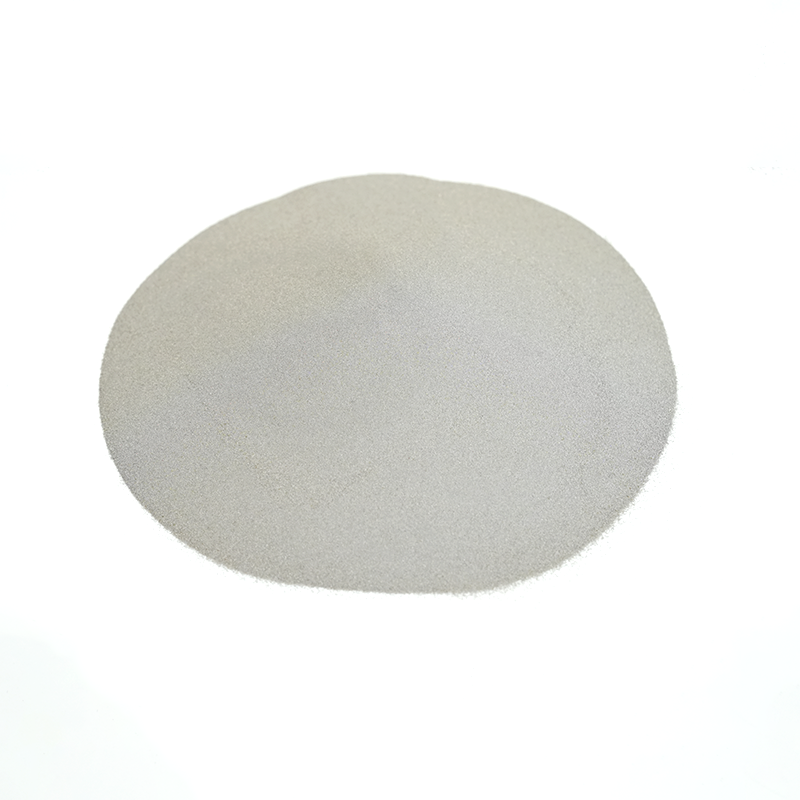
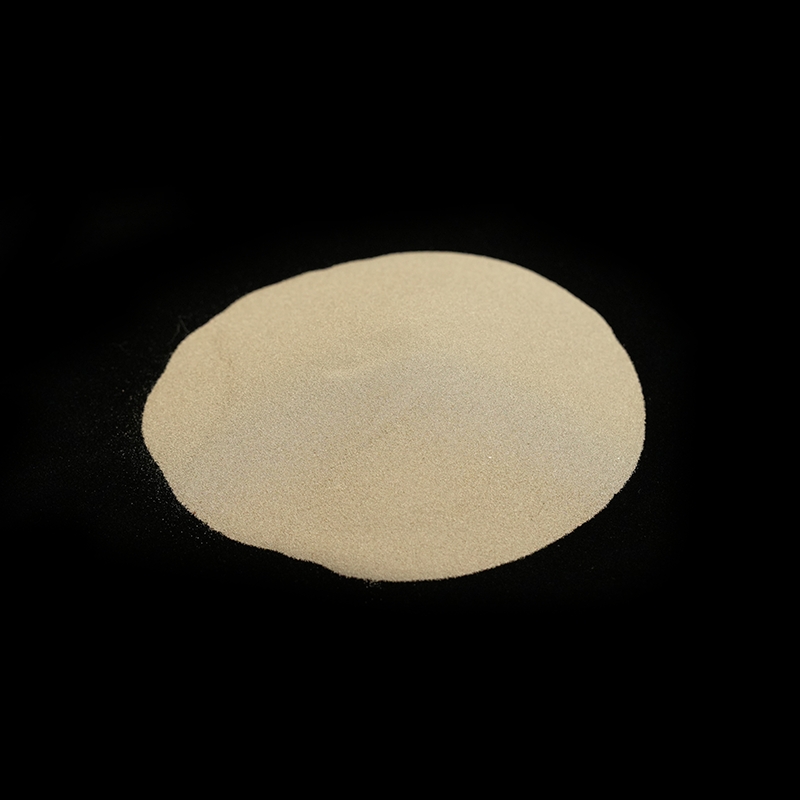
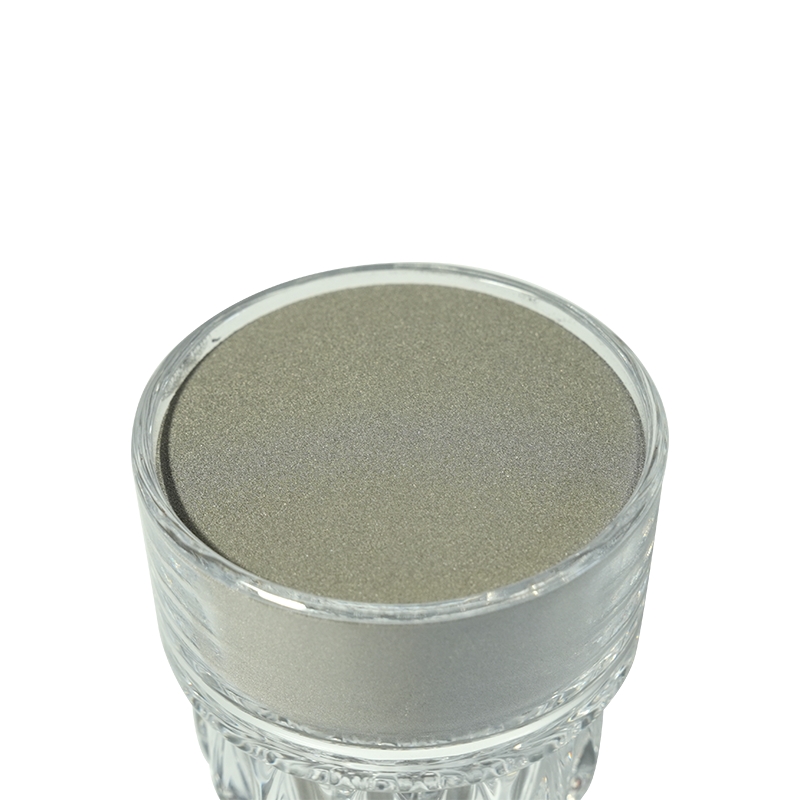
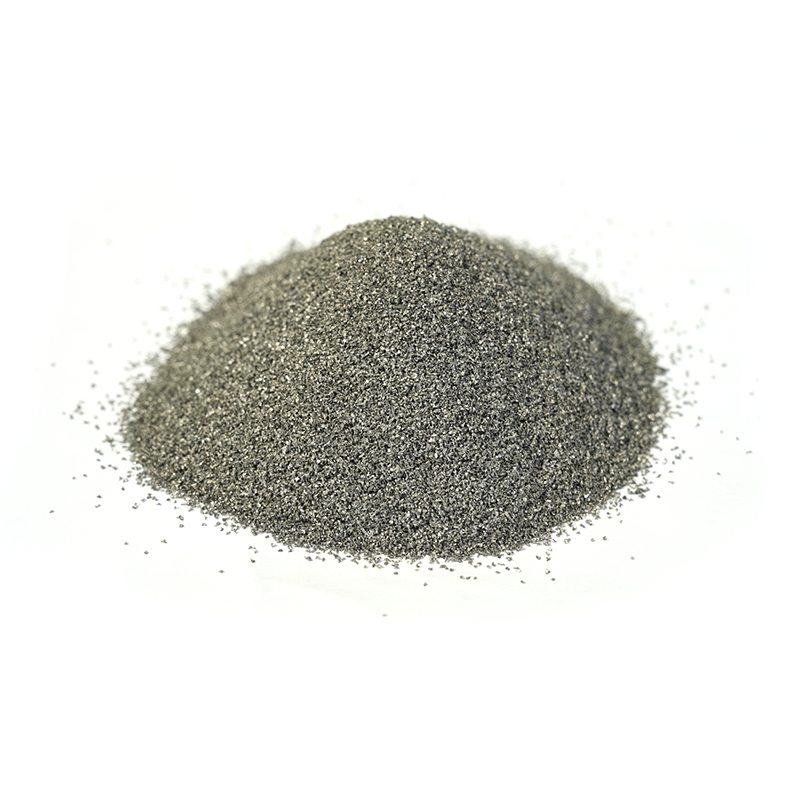
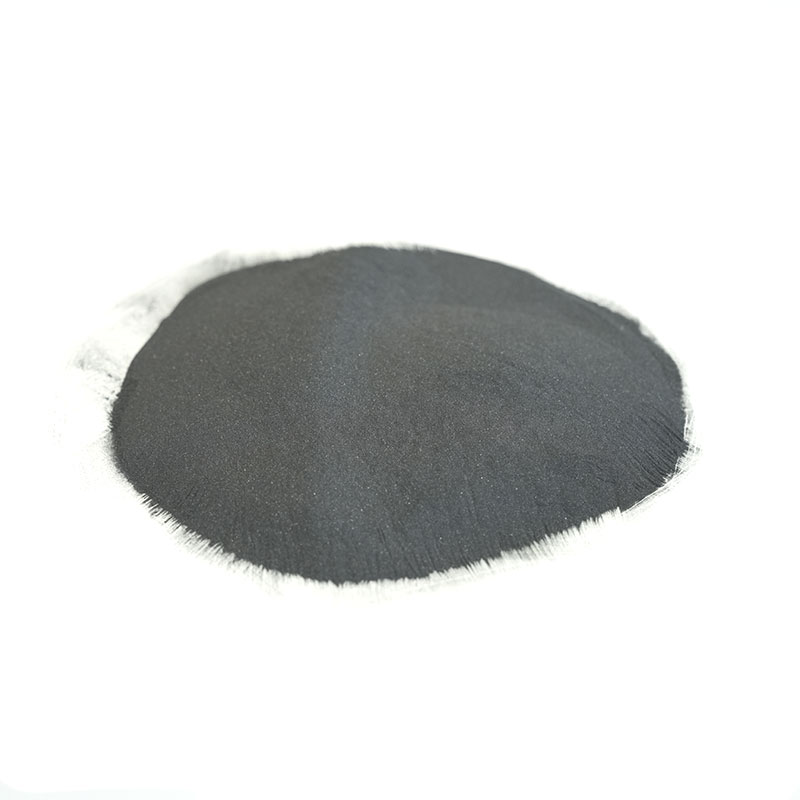
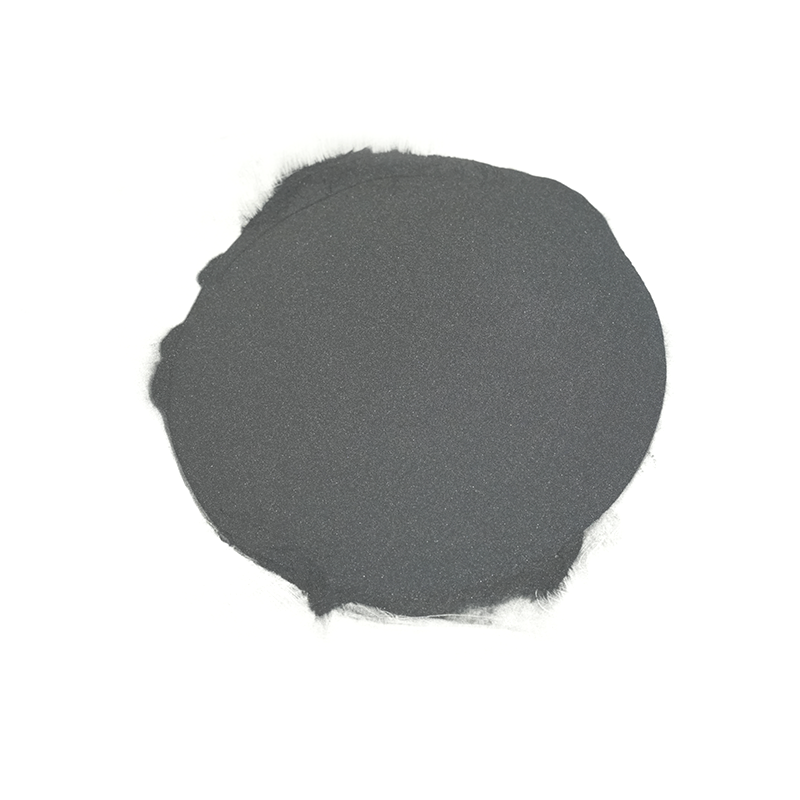
Nickel based metal powder is a fine, granular material made primarily from nickel combined with other elements like chromium, molybdenum, cobalt, or iron. These powders are engineered to keep the excellent heat resistance, corrosion resistance, and mechanical strength that nickel alloys are known for, but in a form that can be melted, sprayed, or fused layer by layer. Because of this flexibility, nickel based metal powder has become a go-to material in industries that demand parts capable of surviving extreme heat, pressure, and chemical exposure.
Unlike solid bar stock or sheet metal, powder form gives manufacturers a huge advantage: they can build complex shapes that would be impossible or extremely expensive to machine traditionally. This is why nickel based metal powder is closely tied to the growth of additive manufacturing, also known as metal 3D printing.
Why Manufacturers Rely on Nickel Based Metal Powder
The popularity of nickel based metal powder comes down to a few key performance traits that are hard to find in other metal powders. Here's what makes it stand out:
- Handles extreme temperatures without losing structural strength
- Resists oxidation and corrosion in harsh chemical environments
- Maintains good fatigue and creep resistance under repeated stress
- Works well with additive manufacturing, welding, and thermal spray processes
- Offers consistent, repeatable results when produced with tight quality control
These properties explain why nickel based metal powder shows up so often in aerospace engines, power generation turbines, oil and gas equipment, and medical devices.
How Nickel Based Metal Powder Is Made
Not all nickel based metal powder is produced the same way, and the manufacturing method has a direct impact on particle shape, size distribution, and overall quality. Below are the most common production methods used today.
Gas Atomization
Molten nickel alloy is broken into fine droplets using a high-pressure stream of inert gas, usually argon or nitrogen. As the droplets cool, they solidify into nearly spherical particles. This method produces clean, low-oxygen powder that flows smoothly, which is why it's the preferred choice for 3D printing applications.
Water Atomization
This process uses high-pressure water jets instead of gas to break apart the molten metal. It's more affordable but tends to produce irregularly shaped particles with rougher surfaces, making it better suited for applications like welding or press-and-sinter processes rather than precision printing.
Plasma Atomization
Plasma atomization uses a plasma torch to melt and atomize wire feedstock into extremely spherical, high-purity powder. It's more expensive than gas atomization but produces some of the highest quality nickel based metal powder available, often used for critical aerospace components.
Common Nickel Based Alloy Powders and Their Uses
There isn't just one type of nickel based metal powder. Different alloy compositions are chosen depending on the operating environment and mechanical demands of the finished part. The table below breaks down some of the most widely used options.
| Alloy Powder | Key Elements | Typical Applications |
| Inconel 718 | Nickel, Chromium, Niobium | Jet engine components, turbine discs |
| Inconel 625 | Nickel, Chromium, Molybdenum | Marine hardware, chemical processing |
| Hastelloy X | Nickel, Chromium, Iron, Molybdenum | Combustion chambers, furnace parts |
| Inconel 738 | Nickel, Chromium, Cobalt, Titanium | Gas turbine blades, high-temp casings |
Particle Size and Quality: What Actually Matters
When sourcing nickel based metal powder, particle size distribution is one of the most important specifications to check. Powder that's too coarse can clog printer nozzles or create uneven layers, while powder that's too fine can pose handling and safety risks. Most additive manufacturing processes use powder in the 15 to 45 micron range, while thermal spray and welding applications may call for coarser particles.
Beyond size, look closely at these quality indicators before buying:
- Sphericity, since rounder particles flow more evenly through equipment
- Oxygen content, because excess oxygen can weaken finished parts
- Flowability, which affects how evenly powder spreads in a print bed
- Apparent density and tap density, which influence packing and final part density
- Chemical composition certification, to confirm the alloy matches industry standards
Where Nickel Based Metal Powder Is Used in the Real World
The versatility of nickel based metal powder means it shows up across a wide range of industries, each with its own performance requirements.
Aerospace and Aviation
Jet engines operate under intense heat and stress, making nickel based metal powder essential for producing turbine blades, combustion liners, and other high-performance components through additive manufacturing.
Energy and Power Generation
Power plants and gas turbines rely on nickel alloy components to withstand continuous high-temperature operation, and powder-based manufacturing allows for faster repair and production of these critical parts.
Oil, Gas, and Chemical Processing
Equipment exposed to corrosive fluids and high pressure benefits from the corrosion resistance that nickel based metal powder provides, extending equipment lifespan and reducing maintenance costs.
Medical and Dental Devices
Biocompatible nickel alloys produced from powder are used to create custom implants and dental frameworks, taking advantage of the precision that powder-based 3D printing offers.
Storage and Handling Tips for Nickel Based Metal Powder
Proper handling protects both the quality of the powder and the safety of the people working with it. Metal powders, including nickel based metal powder, can pose combustion risks if not stored correctly, so following basic safety practices matters.
- Store powder in sealed, moisture-resistant containers away from humidity
- Keep powder away from open flames, sparks, and static-prone environments
- Use grounded equipment and antistatic tools during handling
- Wear appropriate personal protective equipment, including masks and gloves
- Label containers clearly with batch numbers for traceability
Following these steps not only keeps workers safe but also helps preserve the flowability and chemical integrity of the powder over time.
Choosing the Right Supplier for Nickel Based Metal Powder
Not every supplier produces powder to the same standard, so it pays to be selective. Look for suppliers who provide detailed material certifications, consistent particle size distribution data, and traceability back to the original melt batch. Reputable suppliers should also be transparent about their atomization method, since this directly affects how the powder performs in your specific application. Requesting a sample batch before committing to a large order is a smart way to verify that the nickel based metal powder meets your project's requirements before scaling up production.
Final Thoughts on Working With Nickel Based Metal Powder
Nickel based metal powder plays a critical role in modern manufacturing, especially as industries push toward lighter, stronger, and more heat-resistant components. Whether you're working in aerospace, energy, or medical device manufacturing, understanding how this powder is made, what quality markers to look for, and how to handle it safely will help you get the most reliable results from your projects.