English
 русский
 عربى
عربىContent
- 1 What Is Ceramic Alloy Powder, and How Is It Different from Regular Metal Powder?
- 2 Key Types of Ceramic Alloy Powder and Their Core Properties
- 3 How Ceramic Alloy Powder Is Made: Manufacturing Routes That Shape Final Performance
- 4 Where Ceramic Alloy Powder Gets Used: Real-World Applications
- 5 How to Select the Right Ceramic Alloy Powder for Your Process
- 6 Quality Standards and Testing Methods for Ceramic Metal Powder
- 7 Emerging Trends: Where Ceramic Alloy Powder Technology Is Heading
What Is Ceramic Alloy Powder, and How Is It Different from Regular Metal Powder?
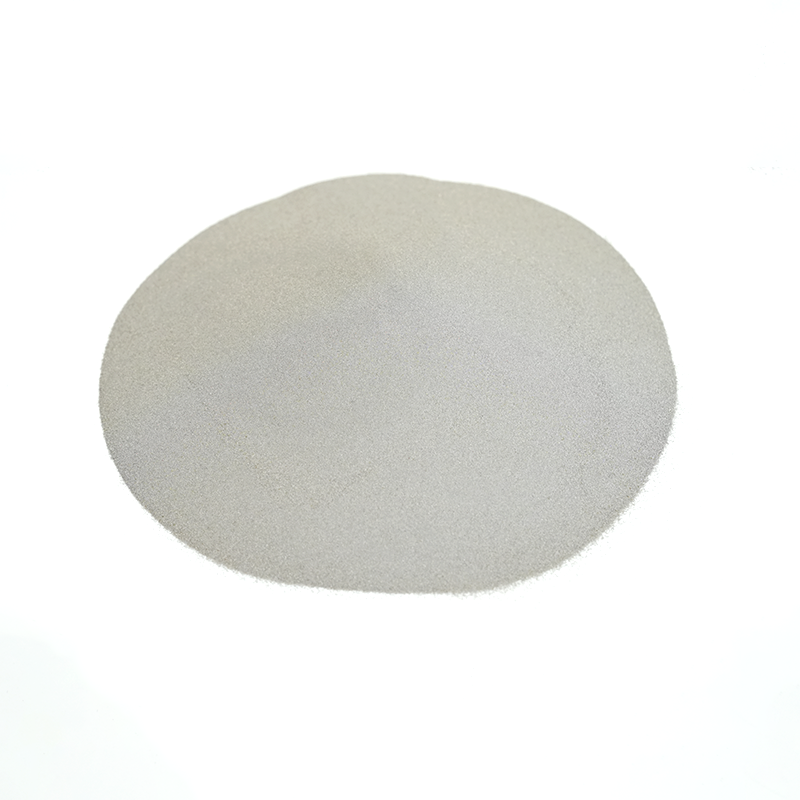
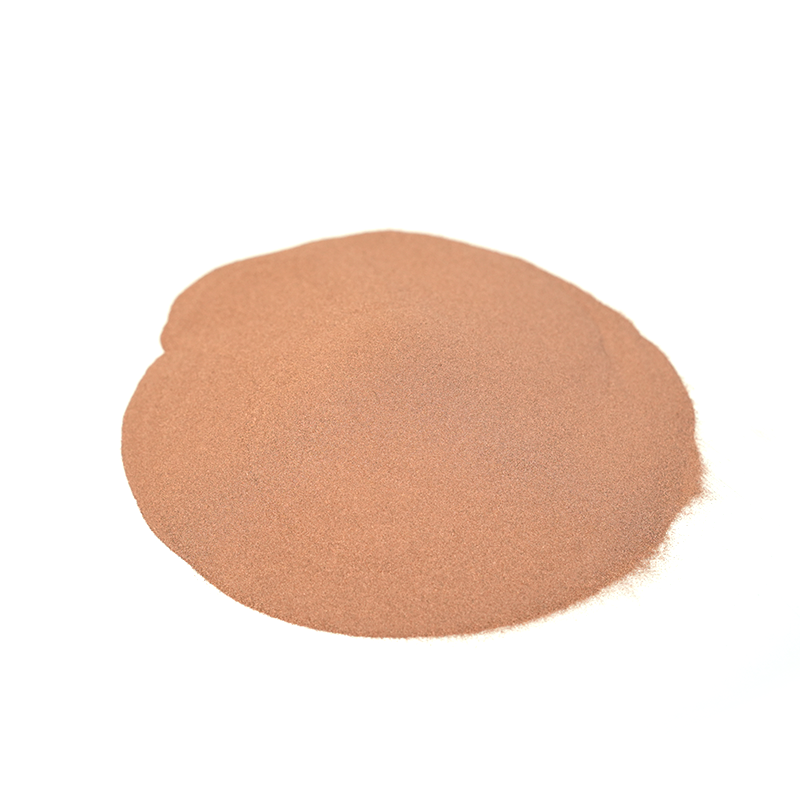
Ceramic alloy powder — sometimes called cermet powder or ceramic-metal composite powder — is a class of engineered material that combines the hardness and heat resistance of ceramics with the toughness and conductivity of metals. Unlike conventional metal powders that consist of a single element or simple alloy, ceramic alloy powders are deliberately structured at the particle level to carry both phases simultaneously. The result is a powder that outperforms either parent material in demanding environments.
The term covers a broad family of products. Some grades are oxide-based, blending aluminum oxide (Al₂O₃) or zirconium oxide (ZrO₂) with nickel or cobalt. Others are carbide-based, pairing tungsten carbide (WC) or chromium carbide (Cr₃C₂) with a metallic binder such as cobalt or nickel-chromium. What unites them is the controlled ratio of hard ceramic phase to ductile metal matrix, tuned for a specific application rather than left to chance.
This distinction matters a great deal on the production floor. A pure alumina powder cannot withstand impact without cracking; a pure nickel powder cannot survive prolonged exposure above 900 °C without oxidizing. A ceramic alloy powder engineered for gas-turbine blade coating, however, can handle both. That versatility is why engineers across aerospace, energy, automotive, and biomedical sectors keep reaching for it.
Key Types of Ceramic Alloy Powder and Their Core Properties
Not all ceramic alloy powders are interchangeable. Choosing the wrong type is a common and costly mistake. The table below summarizes the most widely used categories, their typical composition, and the performance characteristics that define them.
| Type | Typical Composition | Key Strengths | Common Applications |
| WC-Co (Tungsten Carbide–Cobalt) | WC 75–94%, Co 6–25% | Extreme hardness, wear resistance | Cutting tools, mining drill bits, pump sleeves |
| Cr₃C₂-NiCr (Chromium Carbide–Nickel Chromium) | Cr₃C₂ 75%, NiCr 25% | High-temp wear, oxidation resistance | Boiler tubes, valve seats, exhaust components |
| Al₂O₃-TiO₂ (Alumina–Titania) | Al₂O₃ 60–97%, TiO₂ 3–40% | Electrical insulation, corrosion resistance | Plasma spray coatings, textile rollers, medical implants |
| YSZ (Yttria-Stabilized Zirconia) | ZrO₂ + 6–8 wt% Y₂O₃ | Low thermal conductivity, thermal shock resistance | Thermal barrier coatings on turbine blades |
| TiC-Ni / TiC-Mo (Titanium Carbide Cermet) | TiC 40–70%, Ni or Mo binder | Lower density than WC-Co, good toughness | Lightweight cutting inserts, aerospace structures |
Particle size is another variable that cuts across all types. Conventional grades typically range from 15 to 45 µm for thermal spray processes. Nanostructured ceramic alloy powders, with primary crystallite sizes below 100 nm, are increasingly used where the goal is exceptionally dense coatings or fine-grained sintered parts with enhanced fracture toughness.
How Ceramic Alloy Powder Is Made: Manufacturing Routes That Shape Final Performance
The production method used to manufacture ceramic alloy powder directly influences its microstructure, flowability, and ultimately how it behaves in a downstream process. There are three dominant routes in commercial production today.
Agglomeration and Sintering
In this process, fine raw powders — carbides, oxides, and metal binders — are blended in water-based slurries, spray-dried into spherical granules, then sintered at moderate temperatures to bond the particles together. The resulting agglomerated-sintered powder is porous, which helps it absorb heat quickly during thermal spray and melt uniformly. WC-Co grades for HVOF (High-Velocity Oxygen Fuel) spraying are almost always made this way.
Fusing and Crushing
Here, the blend is fully melted in a furnace, solidified into an ingot, then mechanically crushed and sieved to the desired size range. Fused-and-crushed particles are angular, which can improve coating adhesion in some applications but reduces flowability compared to spherical powders. Alumina-titania powders for plasma spray are frequently produced by this method.
Spray Conversion / Chemical Synthesis
Nanostructured ceramic metal powders are often produced through solution-based chemical routes — co-precipitation, sol-gel, or spray conversion — where precursor salts are reduced and carburized at the nanoscale. This achieves a level of compositional uniformity that mechanical blending cannot match. The trade-off is higher cost and smaller production volumes, which is why nano-cermet powders remain concentrated in high-value aerospace and biomedical niches.
Where Ceramic Alloy Powder Gets Used: Real-World Applications
Ceramic alloy powder's reach extends across industries that seem unrelated on the surface but share a common engineering challenge: making surfaces last longer under extreme conditions. Here is where the material earns its keep most consistently.
Thermal Spray Coatings
This is the single largest market for ceramic alloy powder. In HVOF, plasma spray, and cold spray processes, powder particles are accelerated and heated before impacting a substrate at high velocity, forming a dense, adherent coating. WC-Co coatings on landing gear components, Cr₃C₂-NiCr on boiler wall tubes, and YSZ thermal barrier coatings on combustion liners are all examples where powder quality directly translates to component service life measured in thousands of operating hours.
Powder Metallurgy and Sintering
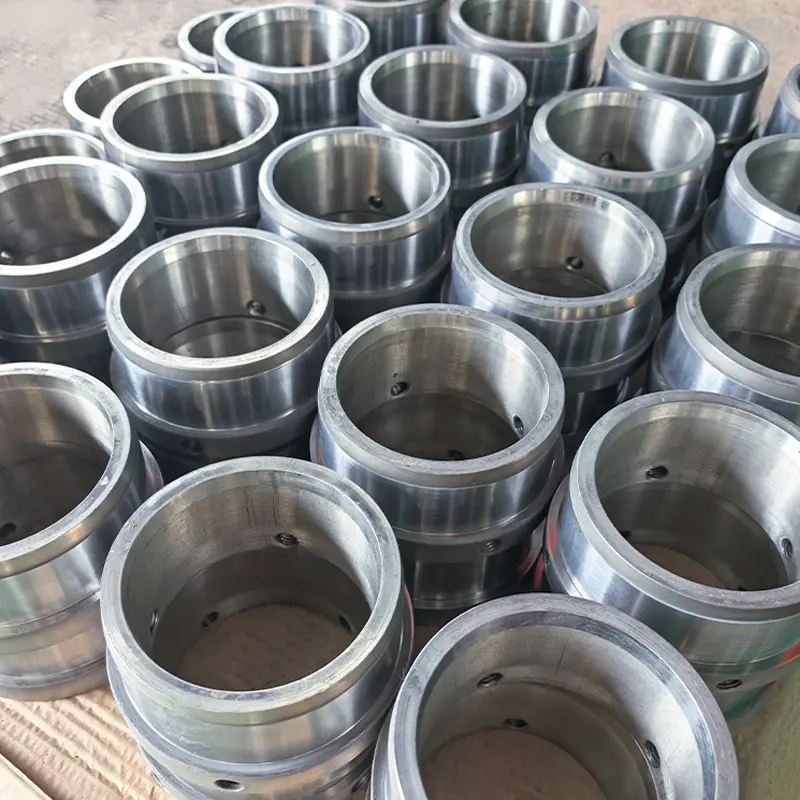
Ceramic metal powders are die-pressed or isostatically pressed and then sintered into near-net-shape components — cutting inserts, nozzles, bushings, and wear plates. The carbide tooling industry, valued in the tens of billions globally, runs almost entirely on sintered WC-Co produced from ceramic alloy powder feedstocks. Tight control of powder chemistry and particle size distribution is essential here; deviations of even 0.5 wt% in cobalt content can shift hardness and transverse rupture strength outside specification.
Additive Manufacturing (3D Printing of Ceramics and Cermets)
Laser powder bed fusion (LPBF) and directed energy deposition (DED) systems are increasingly processing ceramic alloy powders to build complex geometries that would be impossible to machine. Challenges remain — residual stress cracking and poor flowability of fine oxide powders are active research areas — but titanium carbide cermets and alumina-based composite powders are already being printed into functional aerospace brackets and medical bone scaffolds at pilot scale.
Biomedical Implants
Hydroxyapatite (HA) blended with titanium or zirconia — a specific form of ceramic metal powder — is plasma-sprayed onto orthopedic and dental implants to promote osseointegration (bone bonding). The coating thickness, porosity, and crystallinity are all tuned by adjusting powder morphology and spray parameters. It is one of the few applications where the biological response to the coating surface is as critical as its mechanical performance.
How to Select the Right Ceramic Alloy Powder for Your Process
Selecting ceramic alloy powder is not a one-size-fits-all decision. The following checklist helps narrow down the right grade before you contact a supplier or run trial sprays.
- Define the failure mode first. Is the part failing due to abrasion, erosion, high-temperature oxidation, corrosion, or fatigue? Each failure mode maps to a different powder family. Abrasive wear → WC-Co. Oxidation at 800 °C+ → Cr₃C₂-NiCr. Thermal cycling on turbine → YSZ.
- Match particle size to the spray process. HVOF systems perform best with 15–45 µm agglomerated-sintered powder. Atmospheric plasma spray (APS) typically uses 45–106 µm. Cold spray demands fine, dense powders in the 5–25 µm range with high apparent density.
- Check flowability (Hall flow rate). Poor-flowing powder clogs feed lines and creates inconsistent spray density. Spherical morphology consistently outperforms angular or irregular shapes for automated feed systems. A Hall flow rate below 30 s/50g is a practical benchmark for most spray guns.
- Verify oxygen and carbon content. Excess oxygen in WC-Co powder causes decarburization during spraying, forming brittle W₂C and free carbon that slash coating hardness. Request a certificate of analysis showing O < 0.3 wt% and total carbon within ±0.1% of nominal.
- Consider density for additive manufacturing. LPBF requires high apparent density (>50% theoretical) and narrow size distributions (D10–D90 spread under 30 µm) to achieve consistent powder bed packing and melt pool stability.
- Evaluate total cost, not just price per kilogram. A cheaper powder with lower deposition efficiency or higher scrap rate due to cracking will cost more over a production run than a premium-grade powder with optimized morphology.
Quality Standards and Testing Methods for Ceramic Metal Powder
Reputable ceramic alloy powder manufacturers test each production lot against standardized methods before release. Understanding these tests helps buyers evaluate supplier certificates meaningfully rather than accepting numbers at face value.
- Laser diffraction particle size analysis (ISO 13320): Measures D10, D50, and D90 values. For HVOF WC-Co, a typical spec is D10 > 10 µm, D50 = 25–35 µm, D90 < 55 µm.
- Hall flowmeter (ASTM B213): Measures how long 50 g of powder takes to flow through a 2.5 mm orifice. Lower numbers indicate better flow.
- Apparent density (ASTM B212 / B417): Higher apparent density correlates with denser coatings and better packing in AM powder beds.
- X-ray diffraction (XRD): Confirms phase composition and detects unwanted phases like W₂C, η-phases in WC-Co, or monoclinic ZrO₂ in YSZ powders that indicate degradation.
- Scanning electron microscopy (SEM): Visual confirmation of particle morphology, satellite particles, and internal porosity — details that numbers alone do not capture.
Emerging Trends: Where Ceramic Alloy Powder Technology Is Heading
The ceramic alloy powder space is not static. Several technology shifts are redefining what these materials can do and where they can be used.
High-entropy ceramic alloy powders — compositions that incorporate five or more principal elements in near-equimolar ratios — are moving from laboratory curiosity to pilot-scale production. Early data shows remarkable combinations of hardness, oxidation resistance, and radiation tolerance, which has attracted attention from nuclear energy and hypersonic vehicle programs where conventional cermets fall short.
Suspension plasma spray (SPS) using nanostructured ceramic feedstocks is enabling coatings with columnar microstructures and strain-tolerant architectures that outperform conventional APS thermal barrier coatings on thermal cycling tests. YSZ and rare-earth zirconate powders with particle sizes in the submicron range are the feedstocks driving this shift.
Cold spray with ceramic composite powders is gaining ground as a repair technology for high-value aerospace components. Because the process operates below the melting point of the powder, it avoids the oxidation and phase changes that plague thermal methods, making it attractive for field repair of titanium and steel components where dimensional restoration is critical.
Finally, sustainability pressure is pushing the industry toward cobalt-free cermet powders. Cobalt is a critical mineral with supply chain risks and toxicity concerns at fine particle sizes. Nickel-iron and iron-nickel-aluminum binder systems for WC-based powders are being actively commercialized as lower-risk alternatives, with performance on abrasion and corrosion tests now approaching conventional WC-Co in several grades.