English
 русский
 عربى
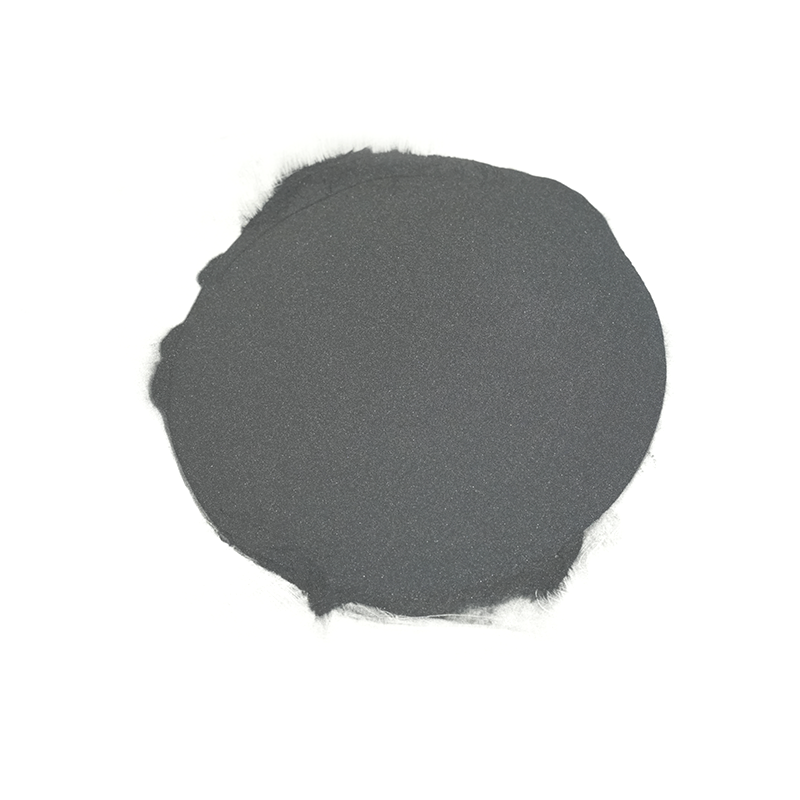
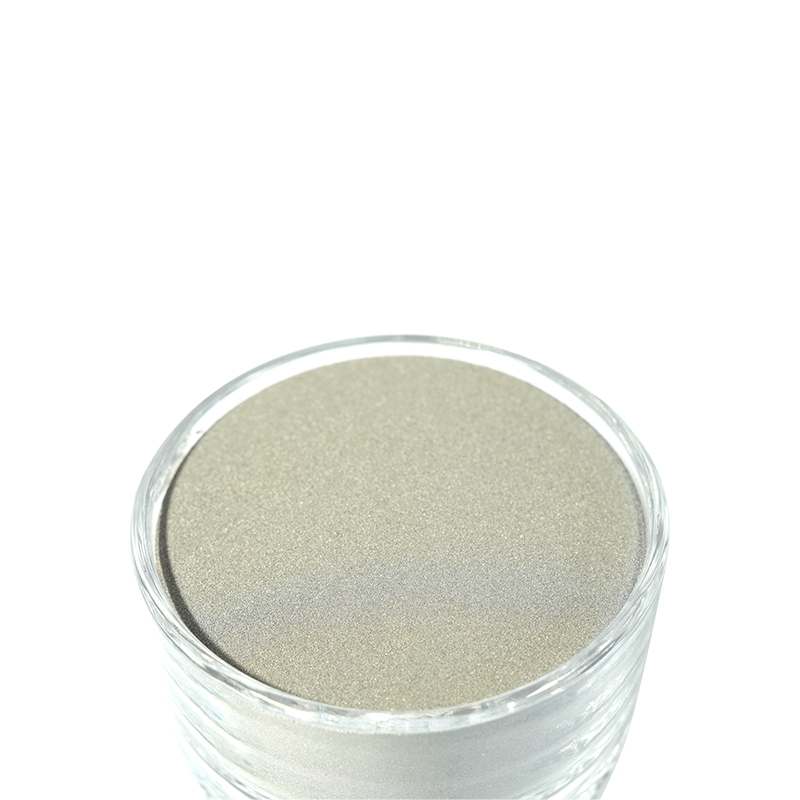
عربىNickel alloy powder sits at the center of some of the most demanding manufacturing processes in the world — from 3D-printed jet engine fuel nozzles to wear-resistant thermal spray coatings on industrial turbines. Its combination of high-temperature stability, corrosion resistance, and mechanical strength at elevated temperatures makes it irreplaceable in applications where standard steel or aluminum powders simply can't survive. This guide breaks down the major alloy types, how they're made, what particle characteristics actually matter, and which processing methods get the most out of nickel-based superalloy powders.
Content
- 1 What Nickel Alloy Powder Actually Is (and Why Nickel)
- 2 The Five Main Types of Nickel-Based Alloy Powders
- 3 How Nickel Alloy Powder Is Manufactured
- 4 Particle Size and Shape: Why They Matter More Than You Think
- 5 Processing Technologies That Use Nickel Alloy Powder
- 6 Key Mechanical and Chemical Properties by Alloy Family
- 7 Sourcing Nickel Alloy Powder: What to Check Before You Buy
- 8 Safety and Handling Considerations
- 9 Emerging Applications and Research Directions
What Nickel Alloy Powder Actually Is (and Why Nickel)
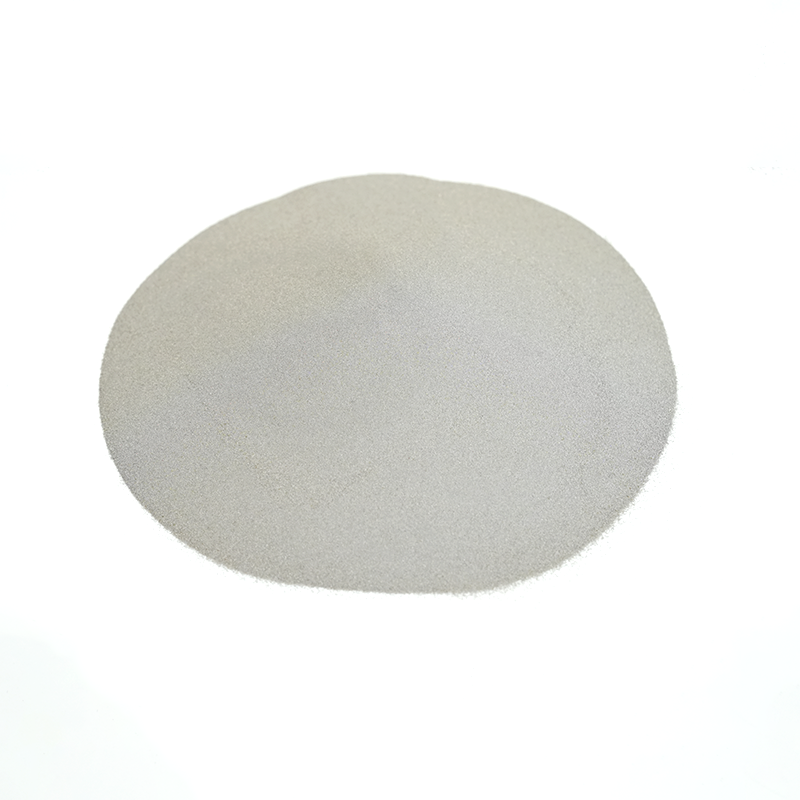
Nickel alloy powder is a metallic powder in which nickel serves as the primary base element — typically exceeding 30% by weight, and often 50–70% or more depending on the alloy grade. Nickel is chosen as the base because of several properties that no other single metal provides simultaneously: a high melting point of 1,453°C, the ability to form a dense and stable oxide layer at elevated temperatures, excellent ductility even after alloying with hard elements, and strong compatibility with chromium, molybdenum, cobalt, and aluminum — elements that push performance even further.
The alloying elements each serve a specific role. Chromium adds oxidation and corrosion resistance. Molybdenum improves resistance to pitting and non-oxidizing acids. Cobalt stabilizes the high-temperature microstructure. Aluminum and titanium promote precipitation hardening through the formation of the gamma-prime (γ') phase — the key strengthening mechanism in nickel superalloys. The resulting powder isn't just "nickel with extras" — it's an engineered material system fine-tuned for specific environments and failure modes.
The Five Main Types of Nickel-Based Alloy Powders
Nickel-based alloy powders are not a single material — they're a family of distinct alloy systems, each with its own composition, strengths, and target applications. Understanding the differences between them is the starting point for material selection.
Inconel Powder
Inconel alloys are the most widely used nickel superalloy powders in high-temperature applications. With nickel content typically exceeding 58%, supplemented by chromium (14–23%) and smaller amounts of iron, molybdenum, and niobium, Inconel maintains mechanical integrity at temperatures where most metals soften or oxidize. Inconel 718 is the dominant grade in additive manufacturing — GE Aviation's fuel nozzle, one of the first 3D-printed flight-critical components, is produced in Inconel 718 powder. Inconel 625 excels in marine and chemical environments due to its outstanding resistance to aggressive corrosive media including seawater and chloride-bearing solutions.
Incoloy Powder
Incoloy alloys contain significantly more iron than Inconel — Incoloy 800, for example, is 39–46% iron with only 30–35% nickel — making them cost-effective for medium-to-high temperature environments in the 600°C–1,000°C range. Incoloy 825 adds molybdenum and copper to achieve strong acid resistance, making it well-suited to heat exchangers, chemical process equipment, and pollution control systems. Incoloy powders are frequently used in thermal spray coatings for parts that don't reach the extreme temperatures of gas turbine hot sections but still need resistance to oxidation and moderate corrosion.
Monel Powder
Monel is a nickel-copper alloy — the two elements are fully miscible in any ratio, producing a single-phase austenitic structure with excellent toughness down to cryogenic temperatures. Monel K-500 demonstrates exceptional seawater corrosion resistance, with annual corrosion rates below 0.03 mm in marine environments, making it a go-to material for naval pump shafts, seawater piping, and marine fasteners. While cheaper stainless steel replaced Monel in many commodity applications after the 1950s, Monel powder remains the preferred choice where both corrosion performance and high strength are needed in saltwater environments. It costs more than 316L stainless powder — a trade-off that's routinely justified in critical marine and defense applications.
Hastelloy Powder
Hastelloy powders are nickel-chromium-molybdenum alloys built specifically for extreme chemical corrosion resistance. Hastelloy C-276 (roughly Ni-16%Mo-16%Cr-4%W) and Hastelloy B-3 (Ni-28.5%Mo-1.5%Cr) are benchmark grades in the chemical processing industry. Molybdenum content is the defining feature — it resists non-oxidizing acids such as hydrochloric acid and sulfuric acid at concentrations that destroy other alloys. Tungsten additions further improve pitting resistance in chloride environments. Hastelloy powder is used in reactors, heat exchangers, and valves exposed to corrosive process streams where component failure would be both dangerous and expensive.
Nitinol Powder
Nitinol (nickel-titanium) is unlike any other alloy in this family. Its near-equal atomic ratio of nickel and titanium gives it two properties absent in all other structural metals: the shape memory effect (it returns to a pre-programmed shape when heated) and superelasticity (it recovers from large deformations elastically at body temperature). These properties make Nitinol powder the material of choice for biomedical applications — self-expanding cardiovascular stents, tracheal stents, and orthodontic arch wires. In powder form, Nitinol can be processed by 3D printing and powder metallurgy to create patient-specific bone repair scaffolds and minimally invasive surgical tool coatings that leverage both its mechanical compliance and biocompatibility.
How Nickel Alloy Powder Is Manufactured
The production method has a direct effect on powder morphology, particle size distribution, purity, and ultimately how well the powder performs in its target process. Two atomization methods dominate commercial production of nickel alloy powder.
Gas Atomization
Gas atomization is the standard production route for nickel alloy powders used in additive manufacturing and hot isostatic pressing (HIP). The alloy is melted under vacuum or inert atmosphere and then poured through a nozzle where high-pressure inert gas (argon or nitrogen) shatters the melt stream into fine droplets that solidify in flight. The result is highly spherical particles — commercial grades typically achieve greater than 95% sphericity — with excellent flowability, high packing density (above 4.5 g/cm³), and low oxygen content. Particle size distributions for laser powder bed fusion (LPBF) are typically 15–53 µm; directed energy deposition (DED) uses coarser powders in the 45–105 µm range.
Water Atomization
Water atomization replaces the gas jets with high-pressure water streams. The process is faster and less expensive but produces irregular, rougher particle shapes rather than spheres. This makes water-atomized nickel alloy powder less suitable for additive manufacturing (where flowability is critical) but well-suited to sintering, metal injection molding (MIM), and some thermal spray applications where particle surface area and mechanical interlocking aid densification. Water-atomized powders typically have higher oxygen content due to the oxidizing nature of water contact during solidification.
Plasma Rotating Electrode Process (PREP)
PREP produces the highest-quality spherical powder available — minimal satellite particles, very low porosity, and tight particle size distributions. A rotating electrode of the alloy is melted by a plasma torch, and centrifugal force flings molten droplets outward to solidify in an inert gas chamber. PREP powder commands a premium price but is used when internal porosity and surface defects in printed parts are absolutely unacceptable, such as in aerospace flight-critical components.
Particle Size and Shape: Why They Matter More Than You Think
Two specifications buyers often overlook — or treat as interchangeable — are particle size distribution (PSD) and morphology. They're not cosmetic details; they directly determine whether a powder is usable in a given process and what part properties result.
| Processing Method | Typical Particle Size (µm) | Morphology Requirement | Key Property Driver |
|---|---|---|---|
| Laser Powder Bed Fusion (LPBF / SLM) | 15–53 | Spherical (>95%) | Flowability, packing density |
| Directed Energy Deposition (DED) | 45–105 | Spherical | Feed rate consistency |
| Hot Isostatic Pressing (HIP) | 45–150 | Spherical or near-spherical | Packing density, density after sintering |
| Metal Injection Molding (MIM) | 5–20 | Irregular acceptable | Surface area, binder adhesion |
| Thermal Spray (HVOF / Plasma) | 45–150 | Spherical or agglomerated | Deposition efficiency, coating density |
| Sintering (Press & Sinter) | 20–150 | Irregular acceptable | Green density, sinter activity |
Flowability is the most process-critical parameter in additive manufacturing — poor-flowing powder produces uneven powder beds and defective parts. A widely used benchmark is the Hall flow test, where good AM-grade nickel alloy powder achieves a flow rate better than 25 seconds per 50 grams. Satellite particles (small particles stuck to larger ones) degrade flowability significantly and are a quality indicator to check in supplier certificates of analysis.
Processing Technologies That Use Nickel Alloy Powder
The same alloy composition can be processed through multiple manufacturing routes, each producing parts with different geometries, microstructures, and mechanical properties. Knowing which process fits your requirements determines how you specify the powder.
Additive Manufacturing (Metal 3D Printing)
Laser powder bed fusion and directed energy deposition are the two dominant AM processes for nickel alloy powder. LPBF builds parts layer by layer from a powder bed, fusing material with a laser in a precise scan pattern. It excels at complex internal geometries — cooling channels in turbine blades, for example — that traditional machining cannot produce. DED deposits powder through a nozzle directly into a laser melt pool and is used for repairing high-value components and adding features to existing parts. Inconel 718 and Inconel 625 account for the majority of nickel-based AM production. Post-print heat treatment is typically required to relieve residual stress and achieve full mechanical properties — full recrystallization of Inconel 718 requires temperatures above 1,100°C.
Hot Isostatic Pressing (HIP)
HIP uses simultaneous high temperature (900–1,200°C) and high pressure (100–200 MPa) from an inert gas to consolidate powder into fully dense near-net-shape components. The process eliminates internal porosity, making it ideal for safety-critical parts that cannot tolerate voids — turbine discs, pressure vessel components, and oil and gas valve bodies are common applications. HIP parts made from nickel superalloy powder approach the mechanical properties of wrought material while achieving complex shapes impossible to forge.
Metal Injection Molding (MIM)
MIM combines the shape flexibility of plastic injection molding with the material performance of metal. Fine nickel alloy powder (typically 5–20 µm) is blended with a thermoplastic binder to create a feedstock that flows into complex mold cavities. After molding, the binder is removed in a debinding step, and the part is sintered at high temperature to fuse the particles into a dense structure. MIM allows high-volume production of intricate aerospace fittings, medical components, and precision connectors that would be prohibitively expensive to machine from solid bar stock.
Thermal Spray Coating
Thermal spray processes — including high-velocity oxy-fuel (HVOF) and plasma spray — use nickel alloy powder to apply wear-resistant, corrosion-resistant, and high-temperature protective coatings onto component surfaces. The powder is heated to a molten or semi-molten state and propelled at high velocity onto the substrate, forming a dense, well-adhered coating layer. Nickel-based thermal spray coatings are widely used for salvaging worn or mis-machined components, protecting turbine components from oxidation, and building up dimensional surfaces on precision parts. Particle size for thermal spray typically falls in the 45–150 µm range.
Key Mechanical and Chemical Properties by Alloy Family
Selecting the right nickel alloy powder starts with matching the alloy's properties to the service environment. The table below summarizes the primary performance characteristics of the major alloy families.
| Alloy Family | Max Service Temp. | Corrosion Resistance | Mechanical Strength | Primary Use Case |
|---|---|---|---|---|
| Inconel (e.g., 718, 625) | Up to ~1,000°C | Very Good – Excellent | High | Turbine blades, AM aerospace parts |
| Incoloy (e.g., 800, 825) | 600°C – 1,000°C | Good – Very Good | Medium-High | Heat exchangers, chemical equipment |
| Monel (e.g., K-500, 400) | Up to ~600°C | Excellent (marine/saltwater) | High | Marine hardware, pump shafts |
| Hastelloy (e.g., C-276, B-3) | Up to ~1,040°C | Exceptional (acids/chemicals) | Medium-High | Chemical reactors, valves |
| Nitinol | Body / Low-temp range | Good (biocompatible) | Medium (superelastic) | Medical stents, orthodontic wire |
Sourcing Nickel Alloy Powder: What to Check Before You Buy
Not all nickel alloy powder sold under the same grade name is equivalent. Powder quality varies significantly between producers, and using off-spec powder in a critical AM or HIP process can result in part defects, failed qualification, or component failure in service. Here's what to verify before committing to a powder supplier.
Chemistry Certification
Request a Certificate of Analysis (CoA) for every batch. Verify that elemental composition falls within the specification limits for the grade — particularly for elements like aluminum and titanium that control precipitation hardening response, and oxygen content, which directly affects material ductility in sintered or printed parts. Oxygen levels below 200 ppm are generally required for aerospace AM applications.
Particle Size Distribution (PSD)
PSD should be reported as D10, D50, and D90 values (the particle diameter at which 10%, 50%, and 90% of particles are smaller by volume). For LPBF, a narrow D10–D90 range centered around 15–53 µm ensures consistent layer spreading. Broad distributions with many fine particles increase reactivity and health hazards; too many coarse particles cause incomplete melting and porosity.
Flowability and Apparent Density
Hall flow rate (seconds per 50g) and apparent density (g/cm³) are quick proxies for processability. Powder that fails the Hall flow test (no flow or flow greater than 50 s/50g for AM applications) will cause issues in powder spreading systems. High apparent density correlates with high sphericity and low satellite content — both desirable for dense, defect-free builds.
Morphology and Internal Porosity
Cross-sectional SEM imaging of the powder should show spherical particles with no internal pores or hollow particles. Internal porosity in feedstock powder transfers directly to pores in printed or HIPed parts. Gas-atomized powders produced with argon occasionally trap gas inside particles — a known issue particularly for argon-atomized titanium and some nickel alloys. Ask suppliers for data on internal porosity percentage or entrapped gas content.
Traceability and Lot Control
For aerospace and medical applications, powder traceability to a specific melt heat and atomization lot is a qualification requirement, not a nice-to-have. Mixing powder lots mid-build can introduce subtle chemistry or morphology differences that affect part properties. Confirm that your supplier maintains batch-level traceability through the full chain — from raw material to final powder lot.
Safety and Handling Considerations
Nickel alloy powder, like all fine metal powders, requires specific precautions that are more stringent than handling solid metal forms. The increased surface area of powder relative to bulk metal means greater reactivity, inhalation risk, and fire/explosion potential.
- Nickel is classified as a potential human carcinogen (Group 1 by IARC) in its particulate form — respiratory protection (minimum N95 or P100 respirator) is mandatory during handling, powder loading, and equipment maintenance
- Fine metal powder is combustible; avoid ignition sources and do not use carbon dioxide or water-based extinguishers on nickel powder fires — use dry sand or Class D extinguishing agents
- Store powder in sealed, inert-atmosphere containers away from moisture; oxidation of the powder surface degrades flowability and can introduce oxygen contamination into parts
- Wear nitrile or neoprene gloves during handling — dermal exposure to nickel powder can cause contact dermatitis in sensitized individuals
- Handle and process powder in well-ventilated areas or under local exhaust ventilation; use enclosed gloveboxes for inert-atmosphere-sensitive processes
- Avoid electrostatic discharge (ESD) hazards by grounding all metal equipment and containers during powder transfer operations
- Dispose of spent or contaminated powder as regulated hazardous waste; do not mix with general waste streams
Most industrial users of nickel alloy superalloy powder operate under documented powder handling procedures that address these hazards systematically. When evaluating new powder grades, always obtain and review the Safety Data Sheet (SDS) from the supplier before any handling begins.
Emerging Applications and Research Directions
Nickel alloy powder technology is not static. Several active research areas are expanding what's possible with nickel-based powder materials, both in terms of new alloy compositions and novel processing approaches.
Nanocrystalline nickel alloy powders — with grain sizes below 100 nm — are being investigated for parts requiring extreme hardness and fatigue resistance, as the fine microstructure resists crack propagation more effectively than conventional grain sizes. Functionally graded materials, where powder composition is varied continuously through a part's cross-section, enable components with a hard, wear-resistant surface and a tough, ductile core produced in a single AM build. Metal matrix composites reinforcing nickel alloys with carbide or ceramic particles are showing promise for cutting tool inserts and wear plates that combine the corrosion resistance of nickel superalloys with the hardness of ceramic reinforcement. In the energy sector, nickel-aluminum-molybdenum alloy powders are being developed as thermal spray coatings for hydrogen electrolysis electrodes, taking advantage of the high catalytic activity created by controlled surface porosity in the deposited coating.