English
 русский
 عربى
عربىContent
- 1 What Nickel-Based Tungsten Carbide Alloy Powder Actually Is
- 2 Key Grades and Compositions — and What the Numbers Mean
- 3 How Particle Size Affects Coating Performance
- 4 Deposition Processes: Matching the Powder to the Right Method
- 5 Primary Industries and Applications
- 6 Powder Manufacturing Methods and Why They Matter
- 7 What to Specify When Sourcing Nickel-Based Tungsten Carbide Powder
What Nickel-Based Tungsten Carbide Alloy Powder Actually Is
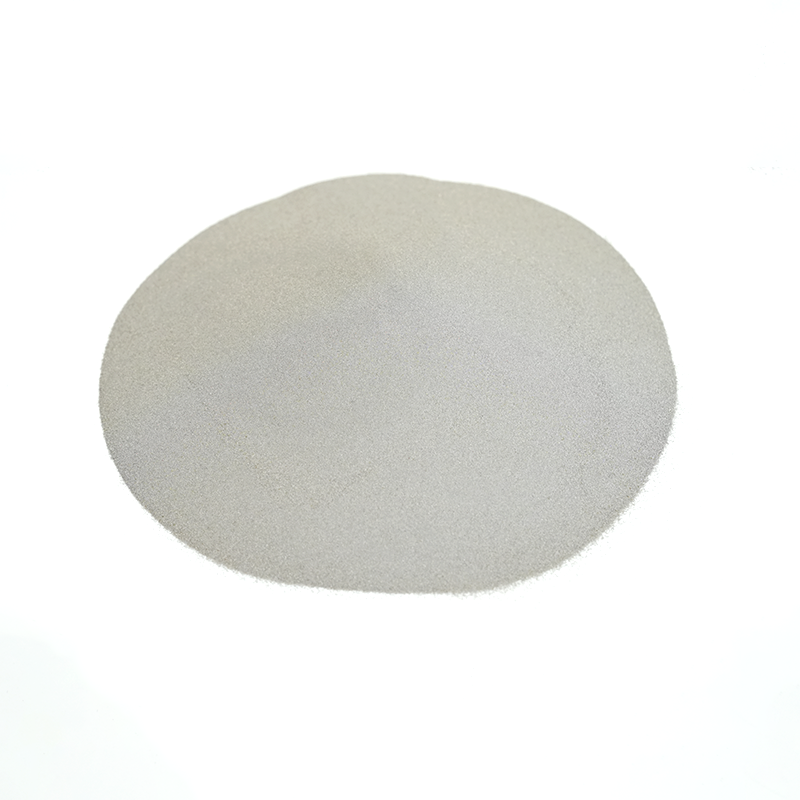
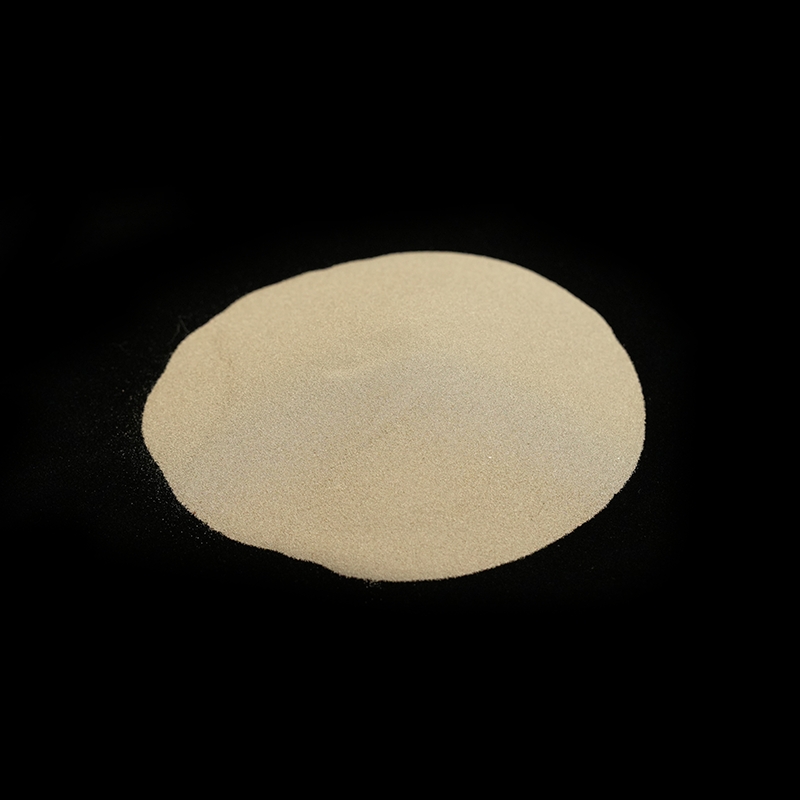
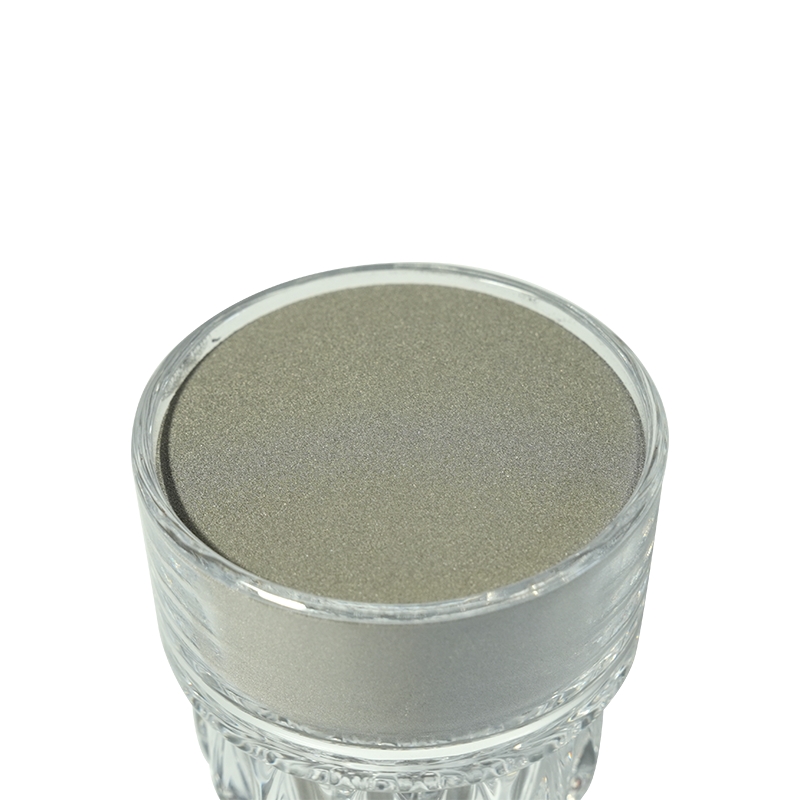
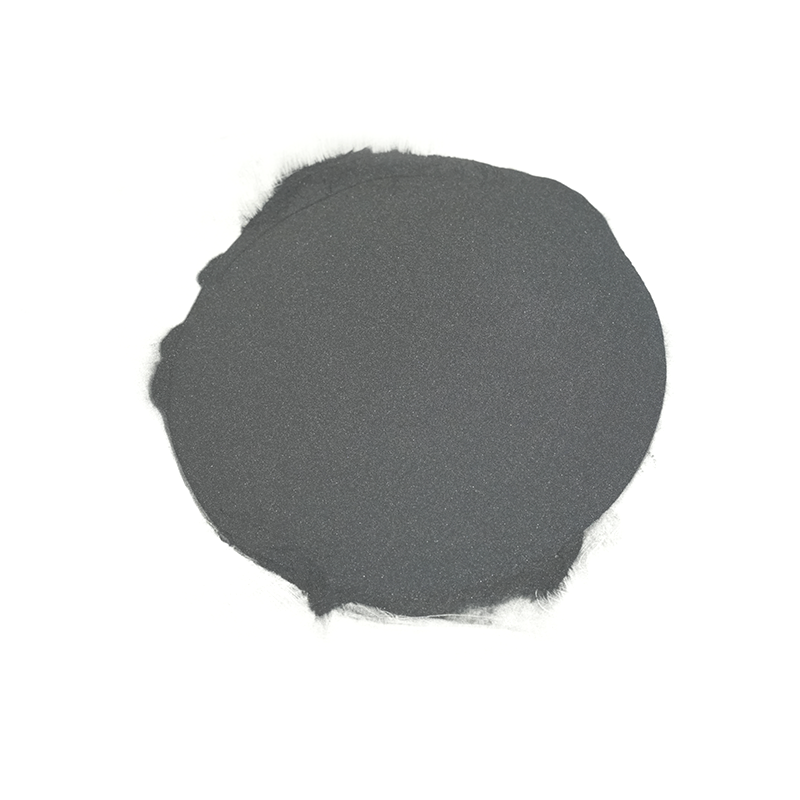
Nickel-based tungsten carbide alloy powder is a composite material in which tungsten carbide (WC) particles — one of the hardest substances used in industrial applications — are embedded within a nickel or nickel-alloy metallic matrix. The result is a powder feedstock that combines the extreme hardness and wear resistance of tungsten carbide with the toughness, oxidation resistance, and corrosion resistance contributed by the nickel binder phase. Neither material alone delivers the same performance profile: pure WC is brittle and prone to cracking under impact, while nickel alloys alone lack the surface hardness needed for abrasive wear environments. The composite bridges that gap.
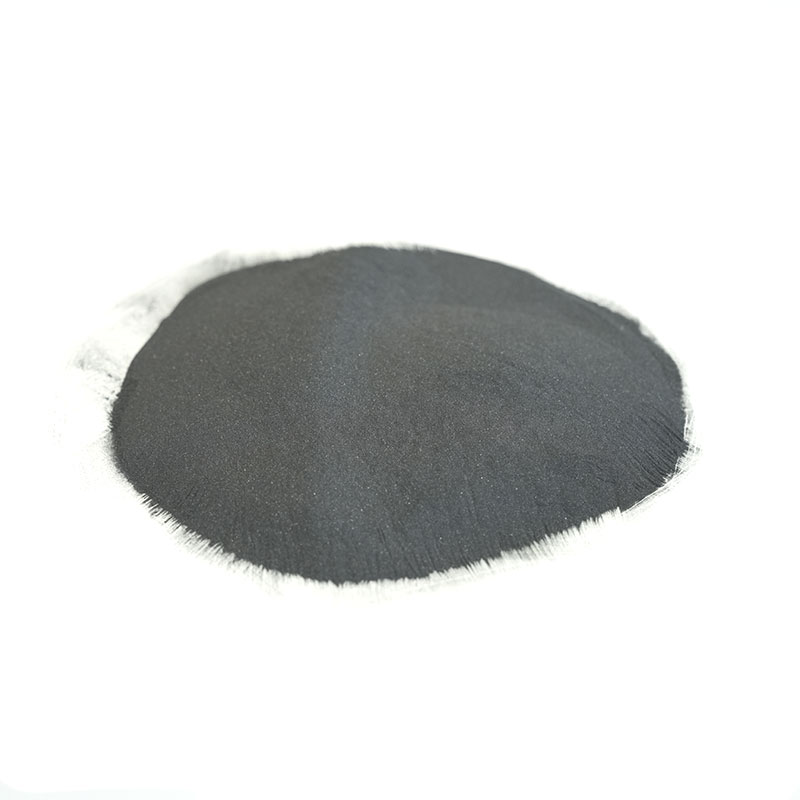
In practical terms, nickel tungsten carbide powder is engineered for application as a coating or hardfacing deposit rather than as a bulk structural material. It is processed through thermal spray systems, laser cladding equipment, or traditional hardfacing welding processes to create protective surface layers on components that operate in high-wear, high-temperature, or chemically aggressive service environments. The powder form is what makes it compatible with these deposition processes — particle size, morphology, and flowability are all controlled during manufacturing to suit specific spray or cladding equipment requirements.
The nickel matrix in these powders is not always pure nickel. Common matrix formulations include Ni-Cr, Ni-Cr-B-Si, and Ni-Cr-Mo alloys, each adding specific properties to the deposited coating. Chromium improves oxidation and corrosion resistance. Boron and silicon lower the melting point of the matrix and promote self-fluxing behavior during thermal spray, reducing porosity in the final coating. Molybdenum contributes additional high-temperature strength. The WC content in commercial nickel-based tungsten carbide alloy powder grades typically ranges from 35 wt% to 83 wt%, with higher WC loadings delivering harder, more wear-resistant coatings at some cost to toughness and impact resistance.
Key Grades and Compositions — and What the Numbers Mean
Commercial nickel-based tungsten carbide powder grades are typically designated by their WC content and matrix alloy type. Understanding how to read these designations — and what the compositional variables mean for coating performance — is essential for making the right material selection.
| Grade Designation | WC Content | Matrix | Typical Hardness (HRC) | Primary Use Case |
| WC-35Ni | 35 wt% | Pure Ni | 40–50 | Corrosion + moderate wear |
| WC-55NiCrBSi | 55 wt% | Ni-Cr-B-Si | 55–62 | Abrasion + thermal spray |
| WC-65NiCr | 65 wt% | Ni-Cr | 58–65 | High-temp wear + oxidation resistance |
| WC-83NiCrBSi | 83 wt% | Ni-Cr-B-Si | 65–72 | Severe abrasion, HVOF applications |
| WC-NiCrMo | 50–60 wt% | Ni-Cr-Mo | 55–63 | Corrosion + wear in chemical environments |
The Ni-Cr-B-Si matrix grades are the most widely used in thermal spray applications because the boron and silicon content creates a self-fluxing alloy — one that forms its own protective slag during spraying and fusing, reducing oxide inclusions and porosity in the deposited coating. This makes them well suited to flame spray and HVOF processes where coating density is critical. Grades with Ni-Cr or Ni-Cr-Mo matrices without boron and silicon are preferred for laser cladding applications, where the more controlled heat input of the laser process reduces the need for self-fluxing chemistry.
How Particle Size Affects Coating Performance
Particle size is one of the most consequential specification variables in nickel-based tungsten carbide alloy powder, and it is directly linked to the deposition process being used. The same powder composition in different particle size distributions will produce coatings with measurably different porosity levels, surface roughness, and deposition efficiency. Specifying powder without specifying particle size range is an incomplete specification.
Coarse Powders (–45 +106 µm and larger)
Coarse particle size ranges are used primarily in plasma transferred arc (PTA) hardfacing and laser cladding processes, where a larger melt pool and slower deposition rate can fully melt and fuse larger particles. Coarse WC-Ni powder delivers thick deposits — typically 1mm to 3mm per pass — and is suited to heavy-wear components such as drill stabilizers, pump impellers, and large industrial valve seats. The larger WC particle size in the deposit also contributes to a macro-scale hardness that resists coarse abrasive media like rock and ore.
Medium Powders (–45 +15 µm)
The medium size range is the most versatile and the most widely stocked across industrial supply channels. It covers the majority of HVOF (High Velocity Oxygen Fuel) and plasma spray applications, delivering a balance of flowability, deposition efficiency, and coating density. HVOF-sprayed coatings produced from medium-range nickel tungsten carbide powder typically achieve porosity levels below 1% and surface hardness in the 58–65 HRC range, making this the go-to specification for oil and gas components, hydraulic rod coatings, and industrial wear plates.
Fine Powders (–15 µm and below)
Fine and ultra-fine NiWC powder grades are used in cold spray processes and high-resolution laser cladding applications where coating thickness is measured in microns rather than millimeters. Fine powders produce smoother as-sprayed surfaces with reduced post-coating finishing requirements, but they are more difficult to feed consistently through spray equipment due to poor flowability and susceptibility to agglomeration. Storage in dry, inert-atmosphere conditions is more critical for fine powders to prevent moisture uptake, which causes particle clumping and feed interruptions during deposition.
Deposition Processes: Matching the Powder to the Right Method
Nickel-based tungsten carbide alloy powder is compatible with several thermal spray and hardfacing deposition processes, but not interchangeably — each process imposes different thermal and kinetic conditions on the powder that affect how well the WC phase is retained and how dense the final coating becomes. Selecting the powder without considering the deposition process leads to suboptimal coating quality regardless of how well the powder itself is specified.
HVOF (High Velocity Oxygen Fuel) Spraying
HVOF is the most common thermal spray process for nickel tungsten carbide powder in precision industrial applications. Combustion gases accelerate the powder to supersonic velocities (600–800 m/s) while maintaining relatively moderate particle temperatures — which is critical for WC retention. At excessive temperatures, WC decomposes to W₂C and free carbon, which reduces coating hardness and introduces brittleness. The high particle velocity in HVOF provides the kinetic energy needed for dense coating formation without the thermal damage associated with higher-temperature processes. HVOF-sprayed WC-NiCrBSi coatings consistently achieve porosity below 0.5% and are the benchmark for oil and gas wear coating specifications.
Plasma Spray
Atmospheric plasma spray (APS) operates at much higher temperatures than HVOF, which causes greater WC decomposition and typically produces coatings with higher porosity (1–5%) and lower hardness than HVOF equivalents. However, plasma spray handles a wider range of powder morphologies and is more flexible for coating complex geometries. It remains widely used for nickel-based tungsten carbide alloy powder in less demanding wear applications where coating cost is more constrained than coating quality, and for applying thicker deposits where multiple HVOF passes would be prohibitively slow.
Plasma Transferred Arc (PTA) Hardfacing
PTA deposits NiWC powder through a transferred plasma arc that creates a metallurgical bond — rather than a mechanical bond — between the coating and the substrate. This produces coating adhesion strength significantly higher than thermal spray methods, with bond strengths exceeding 700 MPa in well-executed PTA deposits. PTA is preferred for components subject to impact loads as well as abrasive wear, where the risk of coating delamination under shock loading is a concern. The process is slower and more capital-intensive than HVOF but produces deposits that are functionally superior for the most demanding applications.
Laser Cladding
Laser cladding delivers the most precise and lowest-heat-input deposition of any process compatible with nickel-based tungsten carbide powder. The controlled laser heat input minimizes WC decomposition and substrate dilution, producing coatings with exceptional compositional fidelity and very low porosity. Laser-clad NiWC coatings are used in aerospace, medical device manufacturing, and precision valve components where dimensional accuracy and coating consistency tolerance are tightest. The process cost is the highest of any method and is generally reserved for high-value components where coating quality justifies the investment.

Primary Industries and Applications
The application range for nickel-based tungsten carbide alloy powder is broad, but the common thread across all of them is the need to protect component surfaces against one or more of three degradation mechanisms: abrasive wear, erosive wear, and corrosion — frequently in combination. The following industries account for the majority of consumption of NiWC thermal spray and hardfacing powder globally.
- Oil and gas: Drill pipe stabilizers, mud motor components, pump plungers, gate valve seats, and wellhead components are all coated with WC-Ni powder grades to resist abrasion from drilling mud and particulate-laden process fluids. HVOF-applied WC-NiCrBSi is the predominant specification for downhole tool coatings in this sector.
- Mining and mineral processing: Crusher liners, conveyor components, slurry pump impellers, and cyclone liners are hardfaced with coarse-grade NiWC powder via PTA or laser cladding to extend service life in high-abrasion ore processing environments.
- Industrial manufacturing: Hydraulic cylinder rods, press tooling, forming dies, and industrial rolls are coated with medium-grade WC-Ni powder via HVOF to resist sliding wear and maintain dimensional stability under repeated contact loads.
- Aerospace and defense: Landing gear components, actuator sleeves, and turbine blade platforms use precision laser-clad or HVOF-sprayed nickel tungsten carbide coatings where weight, dimensional tolerance, and coating consistency are tightly controlled.
- Power generation: Boiler tube shields, fan blade leading edges, and valve components in coal-fired and biomass power plants use NiWC hardfacing to resist erosion from fly ash and particulate-laden steam flows at elevated temperatures.
- Chemical processing: Pump shafts, agitator blades, and reactor internals operating in corrosive chemical environments benefit from WC-NiCrMo grades that combine wear resistance with resistance to acids, alkalis, and chloride-bearing media.
Powder Manufacturing Methods and Why They Matter
The manufacturing method used to produce nickel-based tungsten carbide alloy powder has a direct effect on particle morphology, flowability, WC distribution within each particle, and ultimately coating quality. Three manufacturing routes dominate commercial production, and each produces a powder with distinct characteristics.
Sintering and Crushing
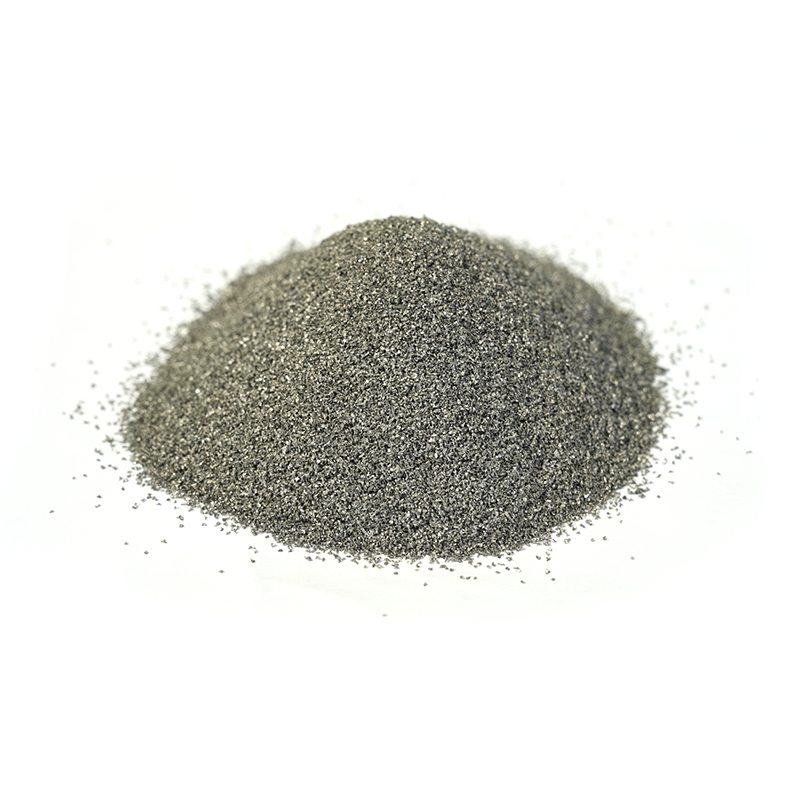
Sintering and crushing is the oldest and lowest-cost production method. WC and Ni alloy powders are blended, pressed into a compact, sintered at high temperature to form a dense composite, then crushed and screened to the required particle size range. The resulting particles are angular and irregular in shape, with good WC distribution but relatively poor flowability due to the sharp particle morphology. Sintered and crushed NiWC powder is widely used in PTA hardfacing and flame spray applications where feed systems can tolerate lower flowability, but it is less suited to HVOF systems that require consistent powder feed rates.
Spray Drying and Sintering (Agglomerated)
Spray drying produces spherical or near-spherical agglomerated particles by atomizing a slurry of WC and Ni alloy powders into a hot drying chamber, forming composite granules that are then sintered to develop inter-particle bonding. The spherical morphology delivers significantly better flowability than crushed powder, which translates to more consistent feed rates and more uniform coating deposition in HVOF and plasma spray systems. Agglomerated and sintered NiWC powder is the most widely specified form for thermal spray applications and commands a price premium over crushed grades that is justified by improved process consistency and coating quality.
Gas Atomization
Gas atomization produces fully dense, highly spherical powder particles by atomizing a molten stream of the alloy composition with high-pressure inert gas jets. The rapid solidification creates particles with excellent flowability and very uniform composition. For nickel matrix alloy powders without pre-blended WC, gas atomization is the preferred route. For composite WC-Ni powders, atomization is less common because the high melting point of WC makes homogeneous melt-phase mixing difficult. Gas-atomized Ni alloy matrix powders are frequently blended with separately produced WC particles to create composite feeds for laser cladding applications where flowability and compositional precision are both critical.
What to Specify When Sourcing Nickel-Based Tungsten Carbide Powder
For procurement engineers, materials engineers, and coating facility managers sourcing WC-Ni alloy powder at volume, a complete powder specification covers more variables than composition and particle size alone. Incomplete specifications lead to batch-to-batch variability in coating performance and create qualification problems when switching suppliers.
- Composition (wt%): Specify WC content and full matrix alloy chemistry including Ni, Cr, B, Si, Mo, and C ranges. Request a certified material test report (CMTR) with each batch confirming actual chemistry against specification limits.
- Particle size distribution (PSD): Specify D10, D50, and D90 values by laser diffraction analysis, not just nominal mesh size ranges. Mesh sizing alone does not fully characterize the fine particle content that affects flowability and coating porosity.
- Apparent density and flow rate: Hall flowmeter flow rate (seconds per 50g) and apparent density (g/cm³) are the key feedability parameters for HVOF and plasma spray systems. Specify minimum flow rate and density to ensure consistent deposition.
- Morphology: Specify spherical (agglomerated/sintered) or angular (sintered/crushed) depending on the deposition process. Confirm with SEM images from the supplier on first qualification lots.
- Oxygen content: For HVOF and laser cladding powders, surface oxidation of the powder degrades coating quality. Specify a maximum oxygen content (typically below 0.3 wt% for premium grades) and require inert-atmosphere packaging.
- Coating qualification data: Request sprayed coupon test data from the supplier — hardness, porosity (by image analysis), and bond strength — produced under defined spray parameters. This provides a baseline against which incoming lots can be evaluated for consistency.
Direct sourcing from a powder manufacturer rather than a distribution intermediary provides full traceability from raw material to finished powder, access to technical support for process optimization, and the ability to specify custom compositions and particle size ranges for applications that fall outside standard catalogue grades. For high-volume coating operations, direct manufacturer relationships also provide the batch-to-batch consistency assurance that is difficult to maintain when purchasing through multiple distributor tiers.