English
 русский
 عربى
عربىContent
Understanding Carbide Composite Powder
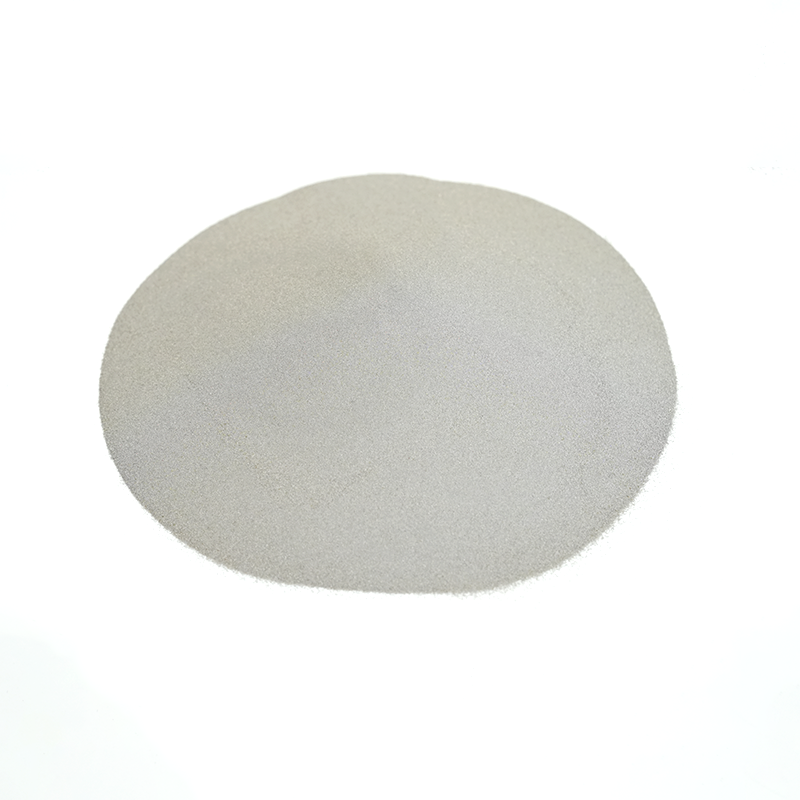
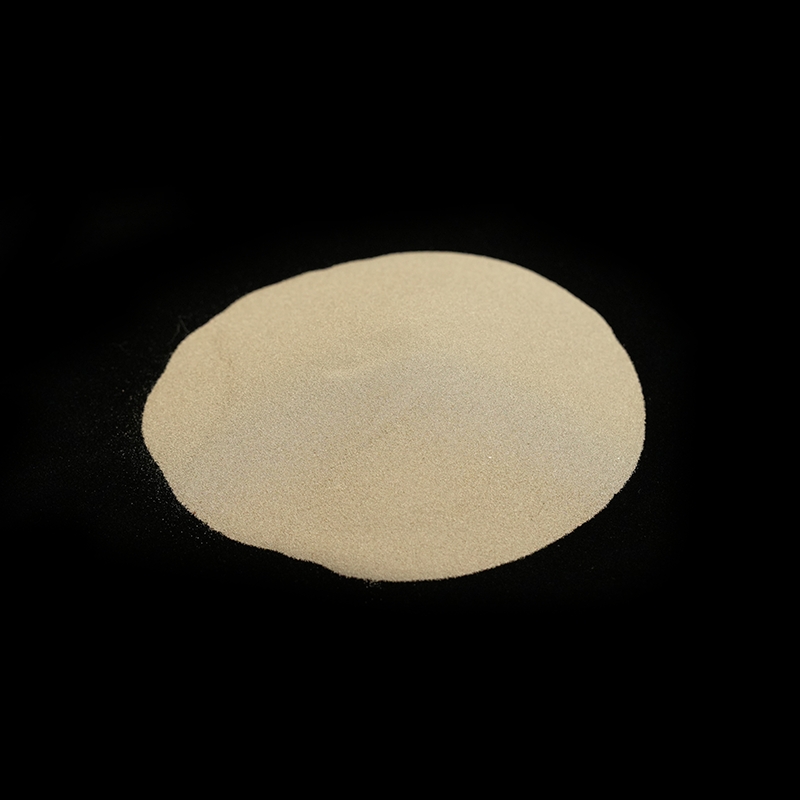
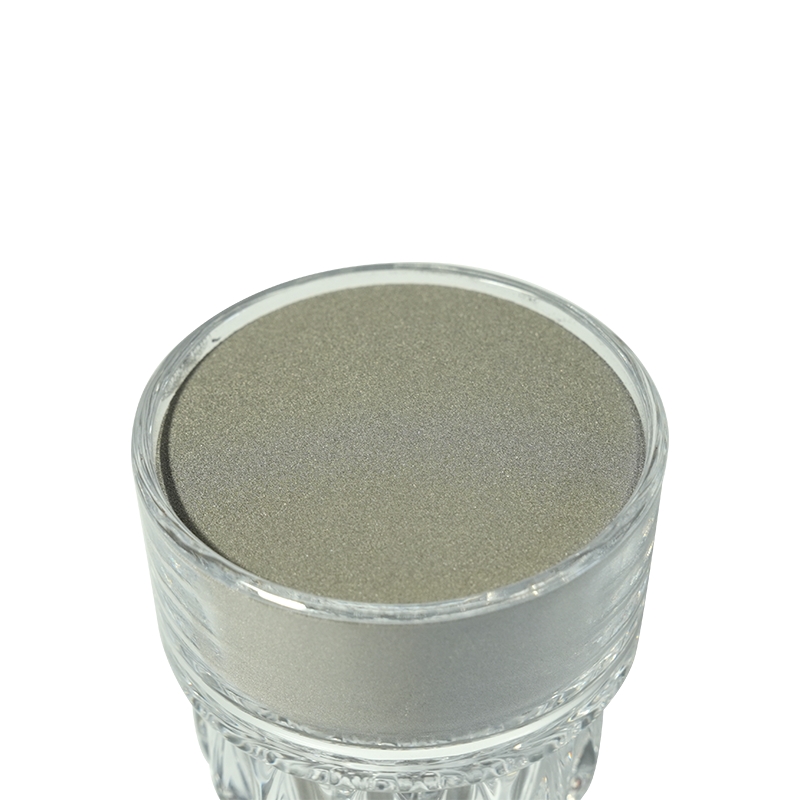
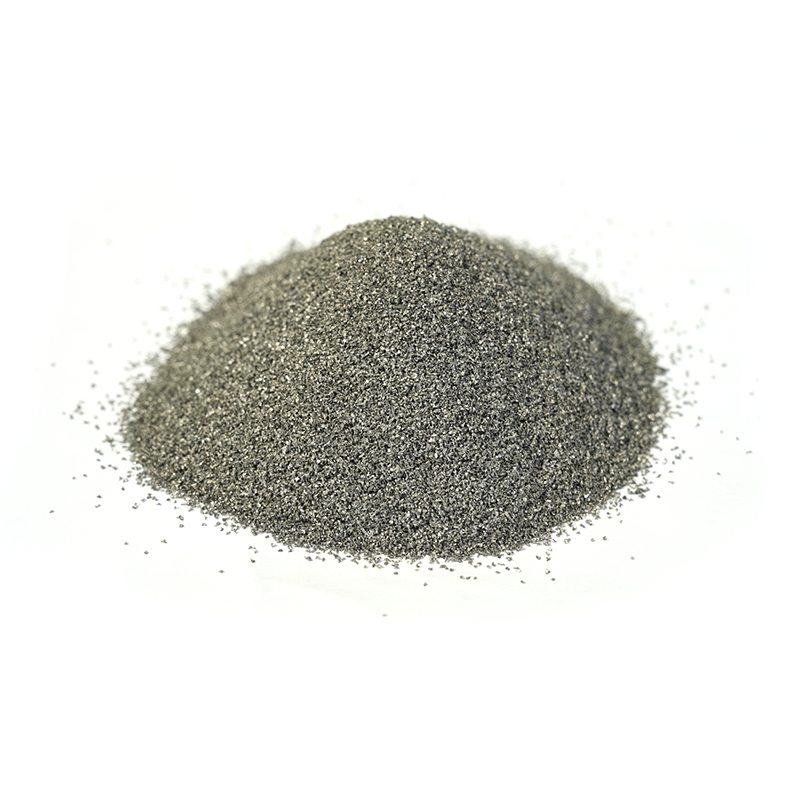
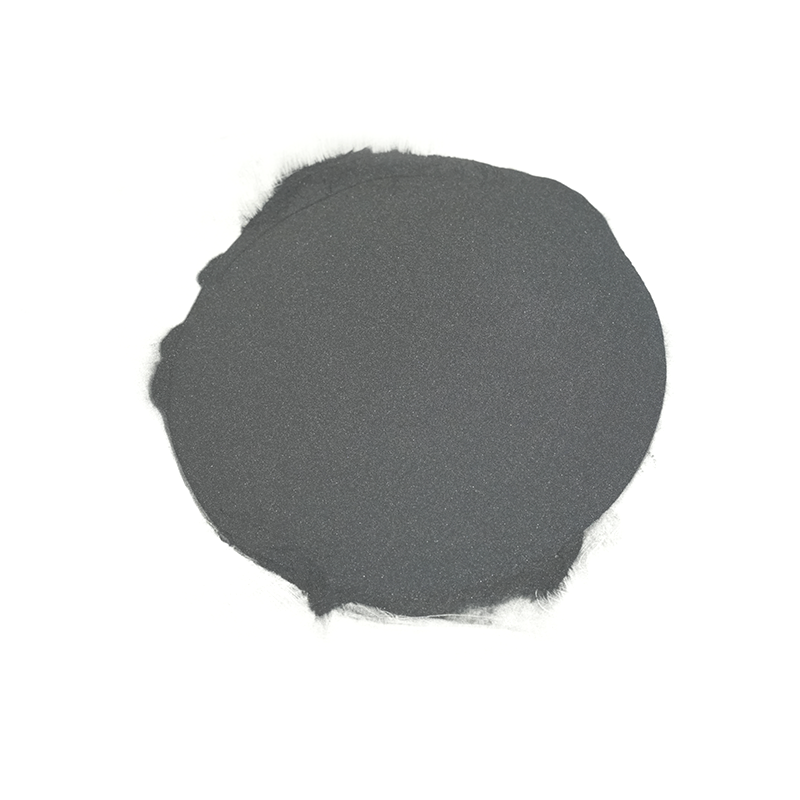
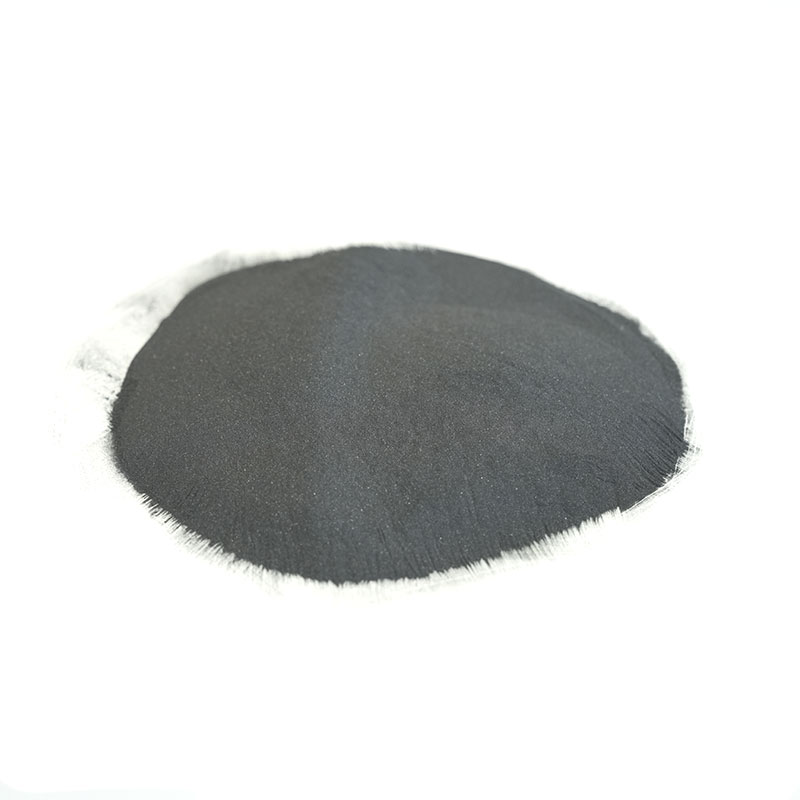
Carbide composite powder is a high-performance material widely used in industrial manufacturing due to its exceptional hardness, thermal stability, and wear resistance. Comprising fine carbide particles combined with metallic binders, these powders are essential in the production of cutting tools, wear-resistant components, and high-precision machinery. The unique microstructure of carbide composite powders allows them to withstand extreme operational environments, making them indispensable in sectors such as aerospace, automotive, and energy.
The primary carbides used in these composites include tungsten carbide (WC), titanium carbide (TiC), and tantalum carbide (TaC). By controlling particle size, composition, and binder content, manufacturers can tailor the mechanical properties of the powder to meet specific requirements. This flexibility enables carbide composite powders to serve as the foundation for advanced materials capable of outperforming traditional steels or ceramics.
Key Properties of Carbide Composite Powder
Carbide composite powders are valued for their combination of hardness, toughness, and chemical resistance. Some of the critical properties include:
- Extreme hardness, often exceeding 2000 HV, enabling superior wear resistance.
- High thermal stability, maintaining performance at temperatures above 800°C.
- Corrosion resistance, ensuring longevity in chemically aggressive environments.
- Customizable mechanical strength through binder composition, optimizing toughness without sacrificing hardness.
- Fine particle distribution, allowing for uniform sintering and dense final components.
Manufacturing and Processing Techniques
Producing high-quality carbide composite powder requires precise control over several steps, from raw material selection to final sintering. The main manufacturing methods include:
Powder Metallurgy
Powder metallurgy is the most common method for producing carbide composite powders. Fine carbide particles are mixed with metallic binders such as cobalt or nickel, pressed into shape, and then sintered at high temperatures. This method allows for control over density, porosity, and microstructure, resulting in components with superior mechanical properties.
Chemical Vapor Deposition (CVD)
CVD is used to create carbide coatings on metal powders, enhancing wear resistance and thermal stability. By depositing a thin carbide layer onto particles, manufacturers can engineer powders with tailored surface characteristics ideal for cutting tools or specialized applications.
Mechanical Alloying
Mechanical alloying involves high-energy ball milling of carbide and binder powders to achieve uniform particle size distribution and desired alloying. This process improves sinterability and ensures homogeneity in the final composite, which is crucial for high-performance applications.
Applications of Carbide Composite Powder
Carbide composite powders are versatile materials with applications across various industries. Some of the most impactful uses include:
- Cutting tools for machining metals, wood, and composites, benefiting from extreme hardness and edge retention.
- Wear-resistant components in mining, drilling, and construction machinery.
- Aerospace components exposed to high temperatures and stress, where stability and durability are critical.
- Electronic and electrical contacts that require high conductivity and corrosion resistance.
- Medical instruments, such as surgical tools, where precision and biocompatibility are important.
Future Trends and Innovations
The demand for carbide composite powders is growing alongside the need for higher-performance materials. Emerging trends include:
- Nanostructured carbide powders with enhanced hardness and toughness.
- Environmentally friendly binders reducing cobalt dependency and improving recyclability.
- Additive manufacturing (3D printing) using carbide powders for complex geometries in cutting tools and wear parts.
- Hybrid composites combining carbide powders with ceramics or metals for specialized high-performance applications.
As industries push the limits of efficiency, durability, and precision, carbide composite powders will remain at the forefront of material innovation, providing the foundation for next-generation tools and components.