English
 русский
 عربى
عربىContent
The Role of Alloy Powder in Advanced Metal 3D Printing
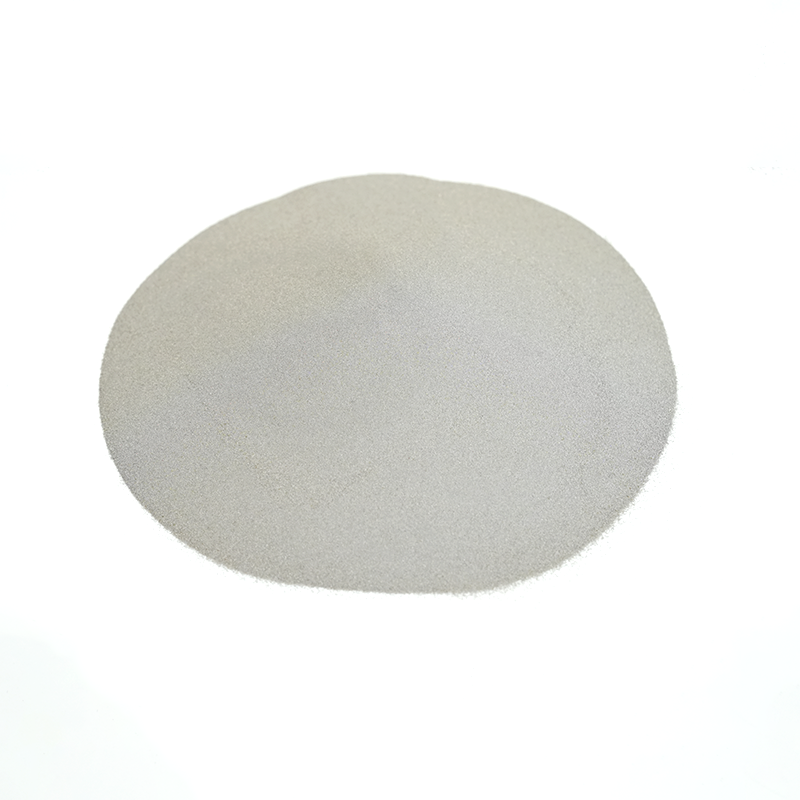
The rise of additive manufacturing, specifically Selective Laser Melting (SLM) and Electron Beam Melting (EBM), has placed alloy powder at the center of industrial innovation. Unlike traditional casting, these processes require spherical alloy powders with high flowability and high packing density to ensure each layer of the build is uniform. High-performance metal powders, such as titanium, nickel-based superalloys, and cobalt-chrome, allow engineers to design complex geometries that were previously impossible to manufacture. The precision of the powder metallurgy process ensures that the final component maintains mechanical integrity while reducing material waste significantly.
Key Characteristics for 3D Printing Success
- Particle Size Distribution (PSD): Ensures consistent melting and surface finish.
- Spherical Morphology: Improves the flow of the powder across the build plate.
- Chemical Purity: Prevents oxidation and ensures the strength of the final part.
Enhancing Component Longevity through Thermal Spray Alloy Powders
In harsh industrial environments, equipment is often subjected to extreme heat, corrosion, and abrasive wear. Thermal spray alloy powders are used to apply a protective coating to the surface of these components. By using techniques like High-Velocity Oxy-Fuel (HVOF) or plasma spraying, specialized alloyed powders are melted and propelled onto a substrate. This creates a hard-facing layer that can extend the service life of a part by up to five times. Industries such as oil and gas, mining, and aerospace rely on these coatings to maintain expensive machinery and reduce downtime caused by mechanical failure.
Commonly Used Thermal Spray Compositions
| Alloy Type | Primary Benefit | Common Application |
| WC-Co (Tungsten Carbide) | Extreme Wear Resistance | Drill Bits & Pump Shafts |
| NiCrBSi (Nickel-Based) | Corrosion & Oxidation Resistance | Boiler Tubes & Valves |
| MCrAlY Alloys | High-Temperature Protection | Gas Turbine Blades |
Production Methods and Their Impact on Alloy Powder Quality
The method used to produce alloy powder directly dictates its final application. Gas atomization is the most popular technique for producing the high-quality, spherical powders required for aerospace and medical applications. During this process, a molten metal stream is disintegrated by high-pressure inert gas jets. Other methods, such as water atomization, are more cost-effective and produce irregular-shaped particles, which are ideal for press-and-sinter applications where "green strength" or the interlocking of particles is necessary before the final heat treatment. Understanding these production nuances helps manufacturers select the right material for their specific mechanical requirements.

Comparison of Atomization Techniques
- Gas Atomization: Produces spherical particles; low oxygen content; ideal for AM.
- Water Atomization: Produces irregular particles; cost-efficient; used for structural parts.
- Plasma Atomization: Highest purity and sphericity; used for reactive metals like Titanium.
Future Trends in Customized Alloy Powder Development
As technology evolves, the industry is moving toward "Designer Powders." Instead of using off-the-shelf alloys, companies are now developing custom alloy powder compositions tailored to specific environmental stressors. This includes the development of High-Entropy Alloys (HEAs), which consist of five or more elements in near-equal proportions. These powders offer unprecedented strength-to-weight ratios and thermal stability. Furthermore, the push for sustainability is driving the recycling of metal scrap back into high-grade powders, ensuring a circular economy within the metal manufacturing sector.