English
 русский
 عربى
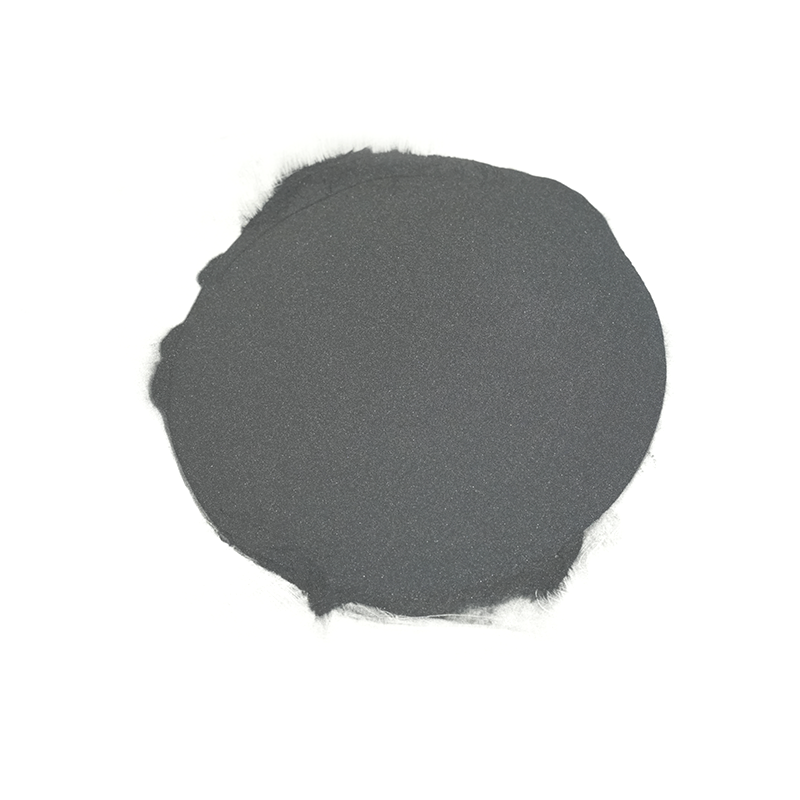
عربىChromium oxide ceramic powder is far more than just a simple green pigment. It’s a powerhouse material used across numerous high-tech and industrial applications. This robust compound offers an incredible combination of properties, making it essential in everything from polishing delicate surfaces to protecting machinery in the harshest environments.
What is Chromium Oxide?
Chromium oxide is an inorganic compound, specifically the most stable oxide of the element chromium. It naturally occurs as the rare mineral eskolaite. Historically, it has been known as chrome green for its use as a vivid, stable pigment in paints, inks, and glass.
Chemical Structure and Properties
At a fundamental level, chromium oxide is a refractory ceramic. “Refractory” means it maintains its strength and chemical identity at extremely high temperatures.
- Exceptional Hardness: It ranks high on the Mohs scale of mineral hardness, close to that of diamond and sapphire. This makes it an outstanding abrasive material.
- High Melting Point: With a melting point around (over
), it can withstand intense heat without degrading. - Chemical Inertness: It is highly resistant to chemical attack, meaning it doesn’t easily react with acids, bases, or solvents, even at high temperatures.
- Low Friction: It has a naturally low coefficient of friction, which is beneficial in applications where sliding or moving parts are involved.
This unique set of properties is what makes the ceramic powder so valuable.
Applications in the Modern World
The incredible durability and hardness of chromium oxide translate into a wide array of uses, often helping materials last longer and perform better.
Wear and Corrosion Resistance Coatings
One of the most important uses is in creating protective coatings. When applied to metal parts, often through techniques like thermal spraying, it forms a dense, impenetrable ceramic layer.
Coating Engine Components and Pumps
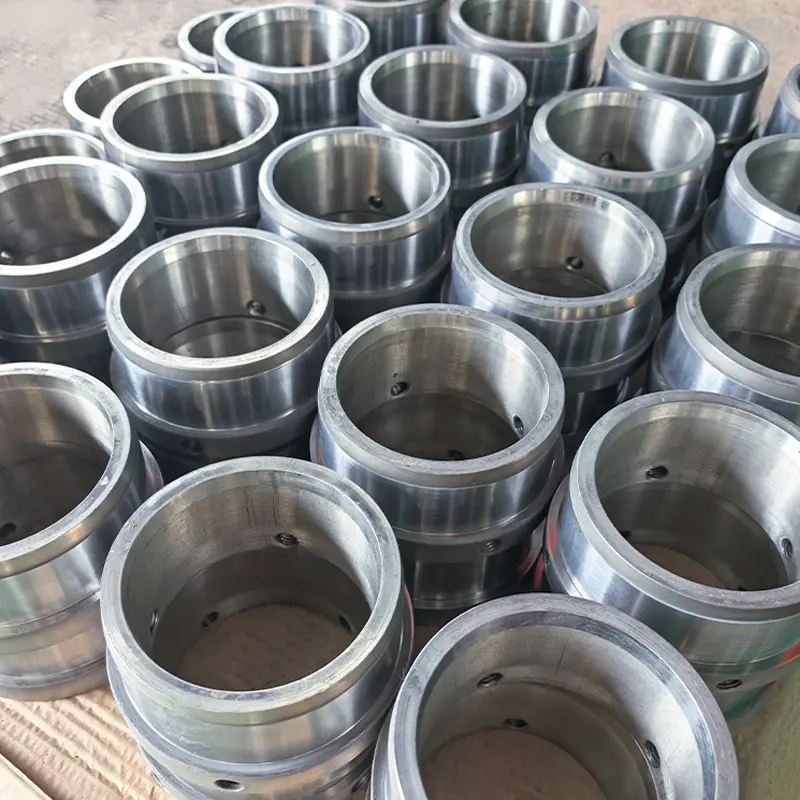
In engines, pumps, and valves that handle corrosive fluids or high-speed friction, a coating is vital. This layer shields the underlying metal from wear and chemical erosion, dramatically extending the component’s lifespan and reducing maintenance costs. Think of it as an invisible, super-hard suit of armor for industrial machinery.
Precision Polishing and Lapping
Given its extreme hardness, chromium oxide is an excellent, fine abrasive. It’s often suspended in a paste or liquid to create a polishing compound known as green rouge.
Achieving Mirror Finishes
This compound is used for the final, critical step of polishing hard materials like steel, precious metals, and even optical lenses. It can remove microscopic scratches, producing an exceptionally smooth, mirror-like finish with very high precision.
High-Temperature Refractories
Because of its stability at extreme temperatures, chromium oxide is a key ingredient in materials used to line furnaces, kilns, and reactors.
Ceramic Linings for Industrial Furnaces
It helps create refractory bricks and monoliths that can withstand the intense heat and harsh chemical environments inside industrial furnaces, especially those used in glass and steel production. The ceramic acts as a thermal barrier, protecting the outer structure of the furnace.
The Ceramic Powder Advantage
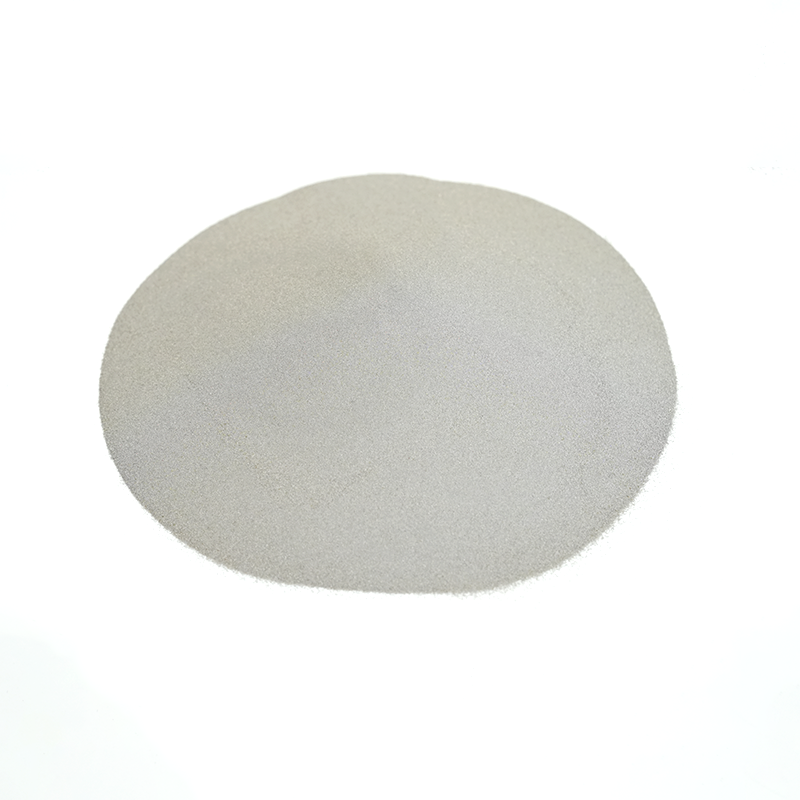
The key to all these applications lies in the material being used in its powder form. Manufacturing the powder with a precise, controlled particle size is crucial.
Fine Tuning the Material
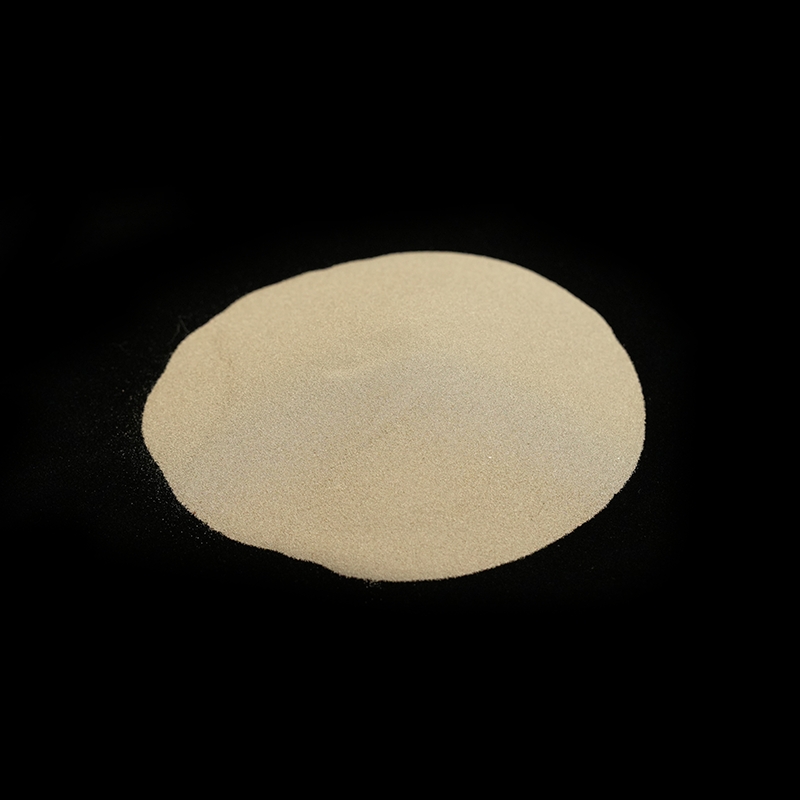
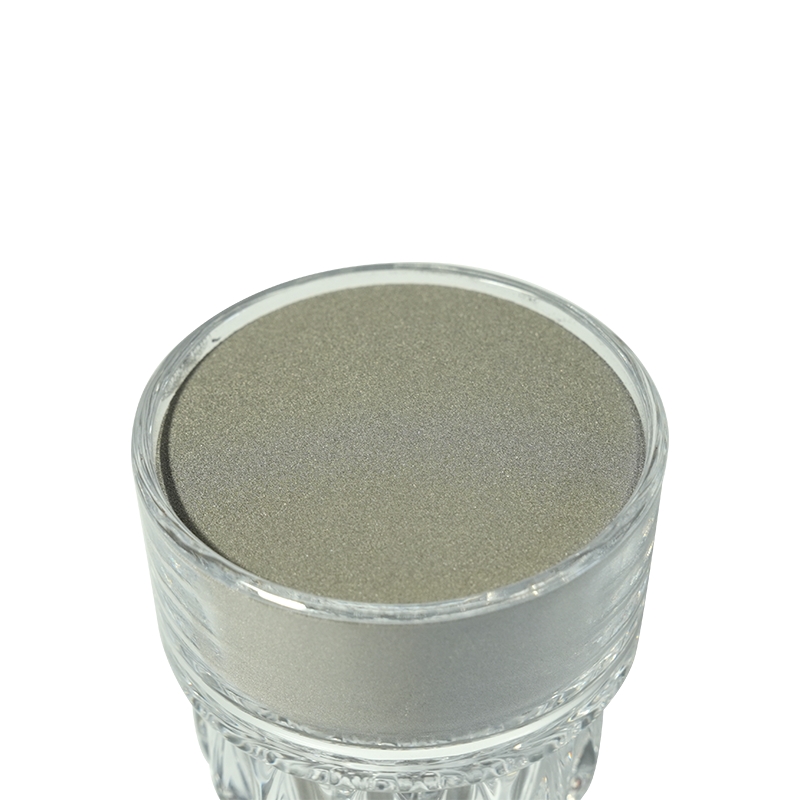
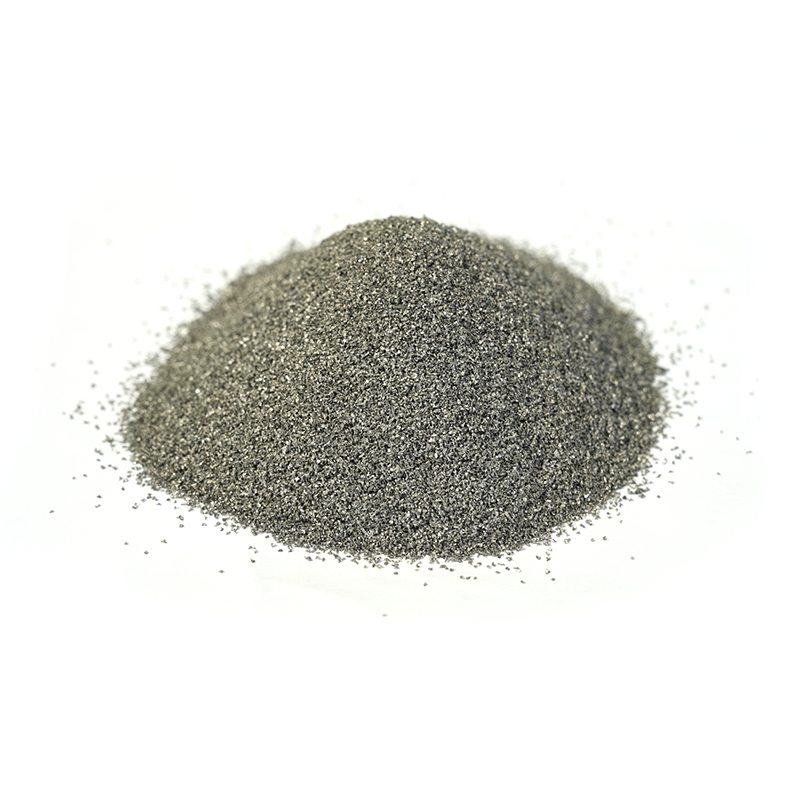
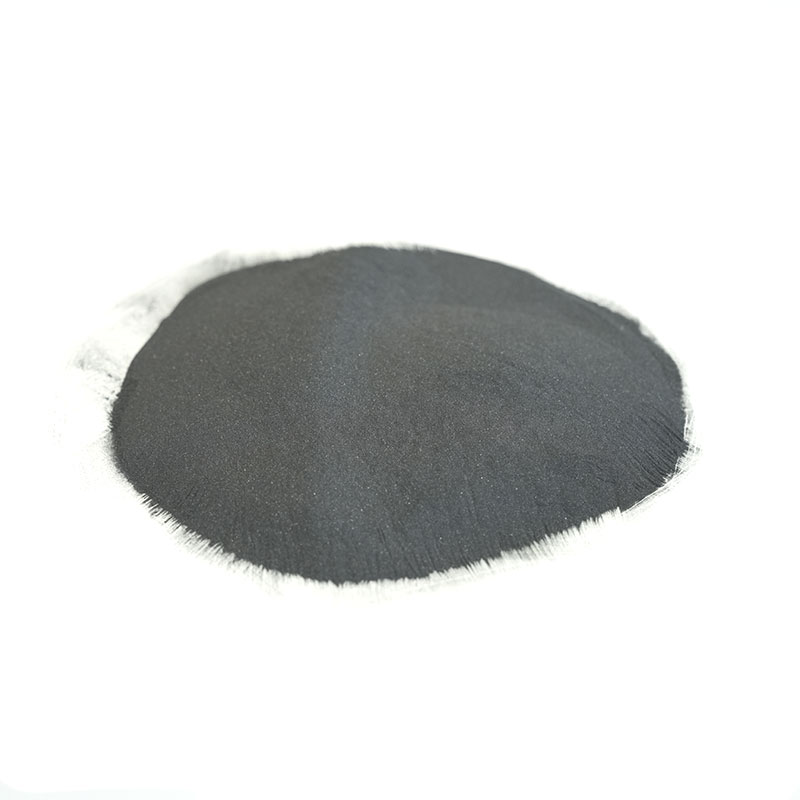
If the particles are used for a coating, they must be fine enough to create a seamless, non-porous layer. If they are used for polishing, the micron size of the powder determines the final level of smoothness, ranging from coarse lapping to ultra-fine finishing.
In summary, the unassuming green chromium oxide ceramic powder is a workhorse of modern industry. Its unique combination of hardness, thermal stability, and chemical resistance makes it the go-to material for engineers seeking to make components last longer, run more efficiently, and achieve perfect precision.