English
 русский
 عربى
عربىContent
The Global Quest for Extreme Durability
In the world of manufacturing, mining, and aerospace, nothing is more valuable than durability. Every time a drill bit snaps, a turbine blade erodes, or a bearing wears out, it costs time, money, and efficiency. For decades, engineers have chased the dream of a material with the strength of a metal but the cutting hardness of a diamond.
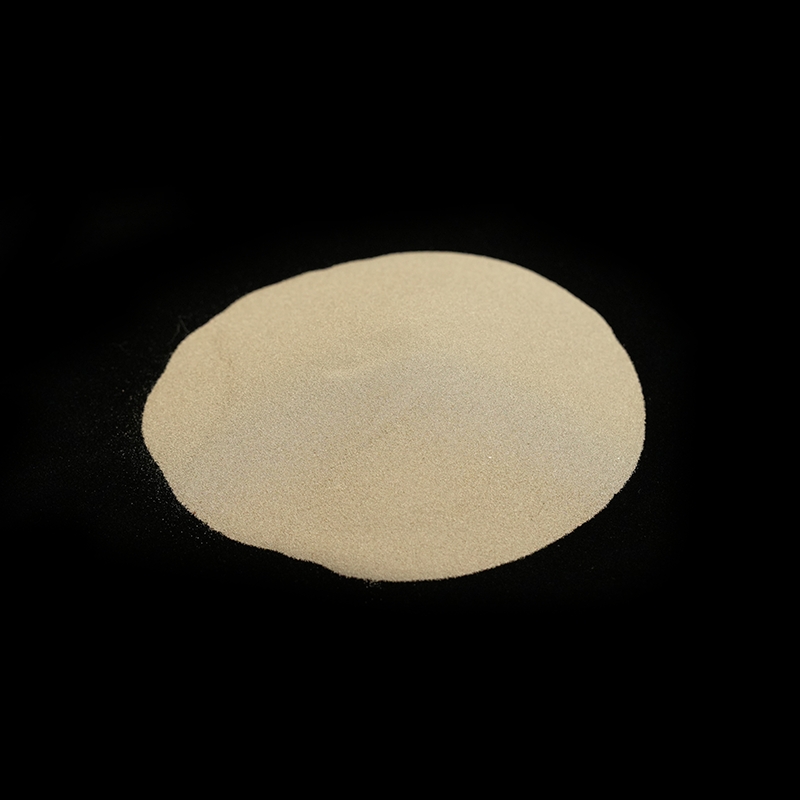
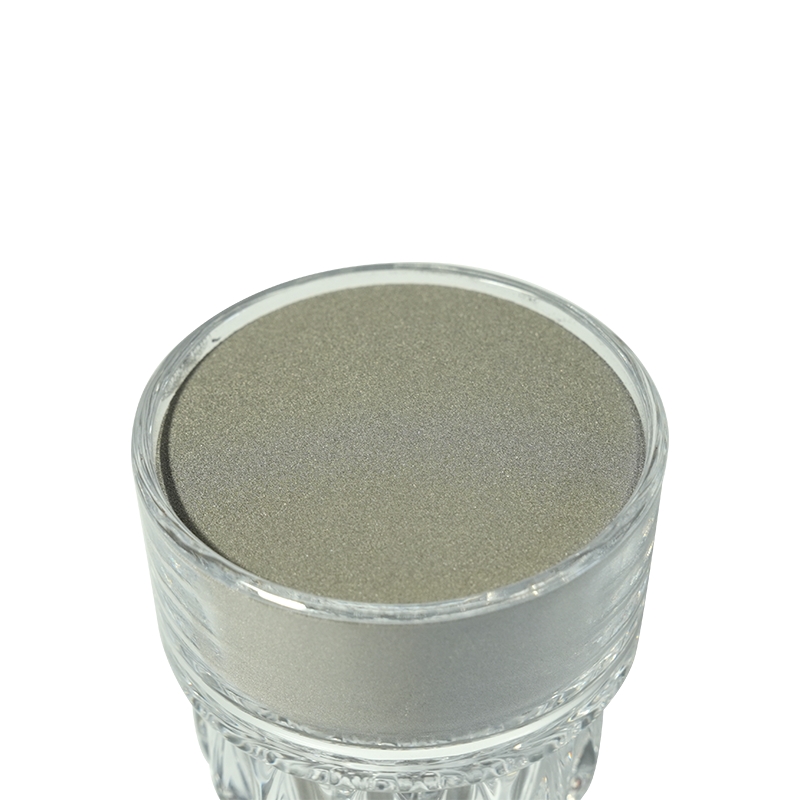
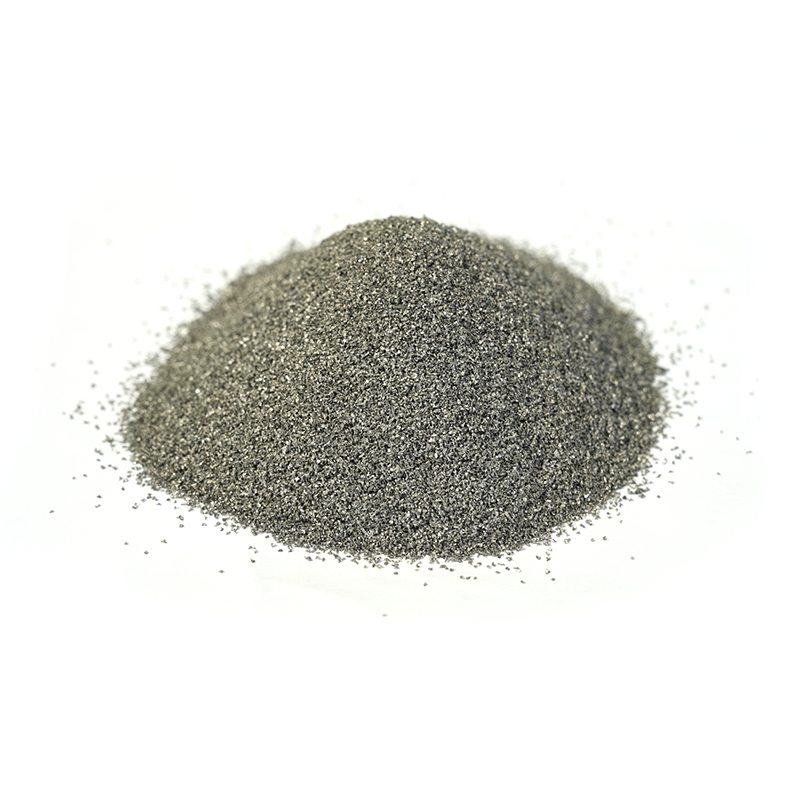
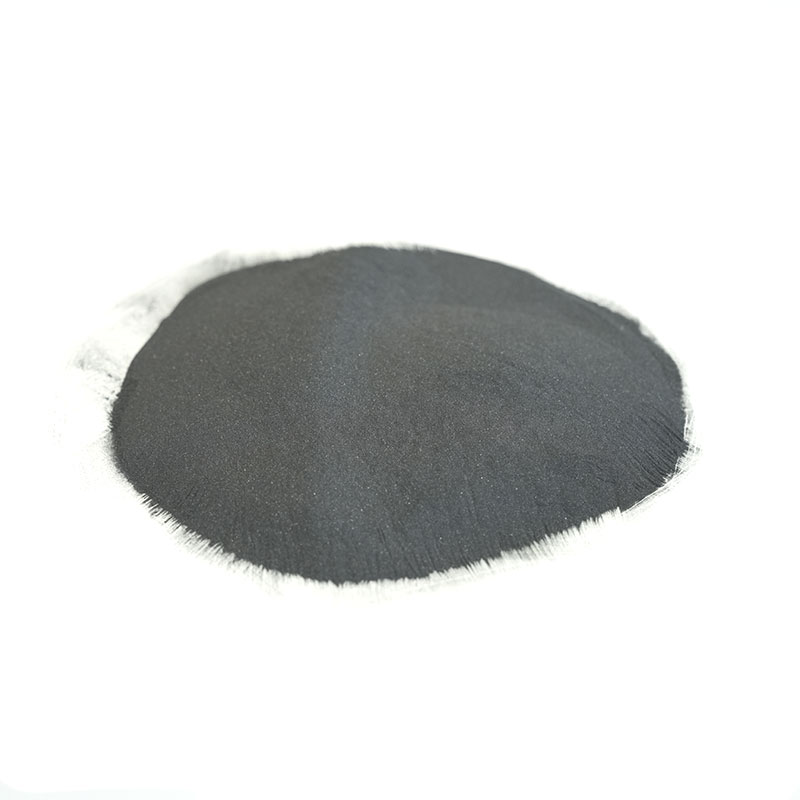
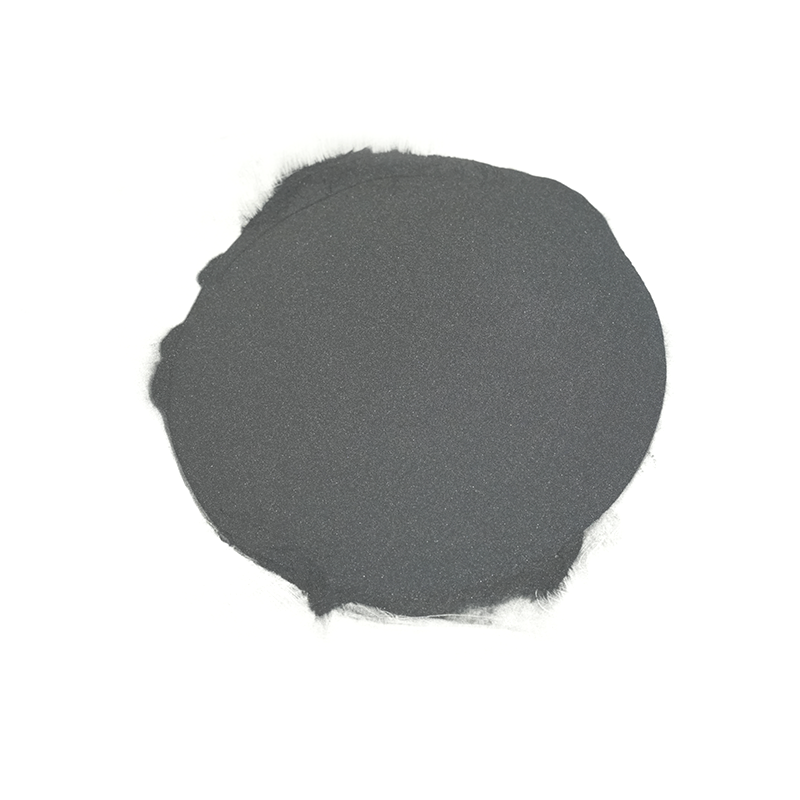
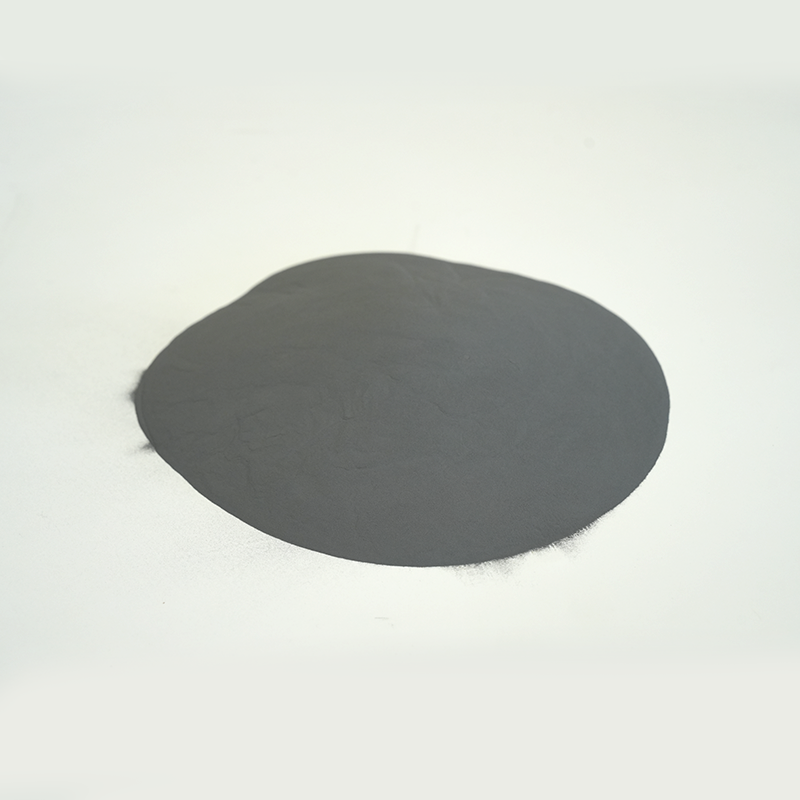
This pursuit led to the development of cemented carbides, a revolutionary class of composite materials that form the heart of modern super-tools. The starting point for nearly all of these materials is a finely tuned ingredient: Carbide Composite Powder.
What Exactly Is Carbide Composite Powder?
A simple metal or a pure ceramic material rarely possesses the perfect blend of properties needed for high-stress applications. Metals are tough and resist shattering, but they are often soft and wear quickly. Ceramics, like pure carbides, are extremely hard but are typically brittle.
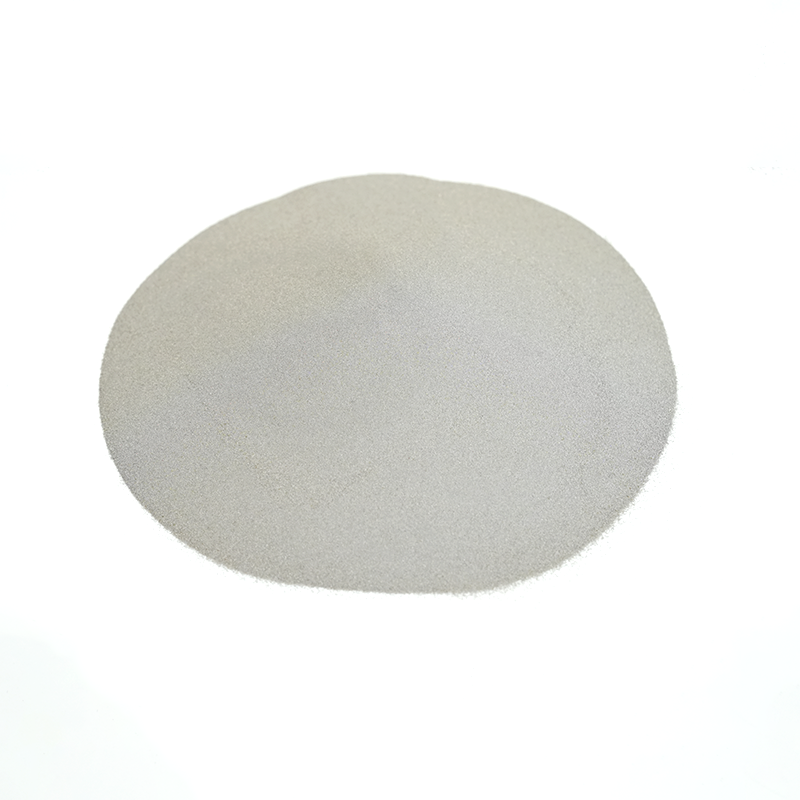
Carbide Composite Powder is an engineered blend that combines the best of both worlds, following the “composite” principle that the final material is superior to its components.
The Two Essential Phases
The powder is a microscopic mixture of two distinct components, each playing a vital role:
1. The Hard Phase: The Carbide Grain
This phase provides the material’s legendary hardness and wear resistance. It consists of microscopic particles of a metallic carbide, most commonly Tungsten Carbide (WC). Tungsten carbide is a ceramic compound that ranks just below diamond on the hardness scale. These rigid, angular grains are the workhorses that do the cutting, drilling, and grinding. Other carbides, like Titanium Carbide (TiC) or Chromium Carbide (CrC), are sometimes used to enhance specific properties like corrosion resistance.
2. The Binder Phase: The Metallic Glue
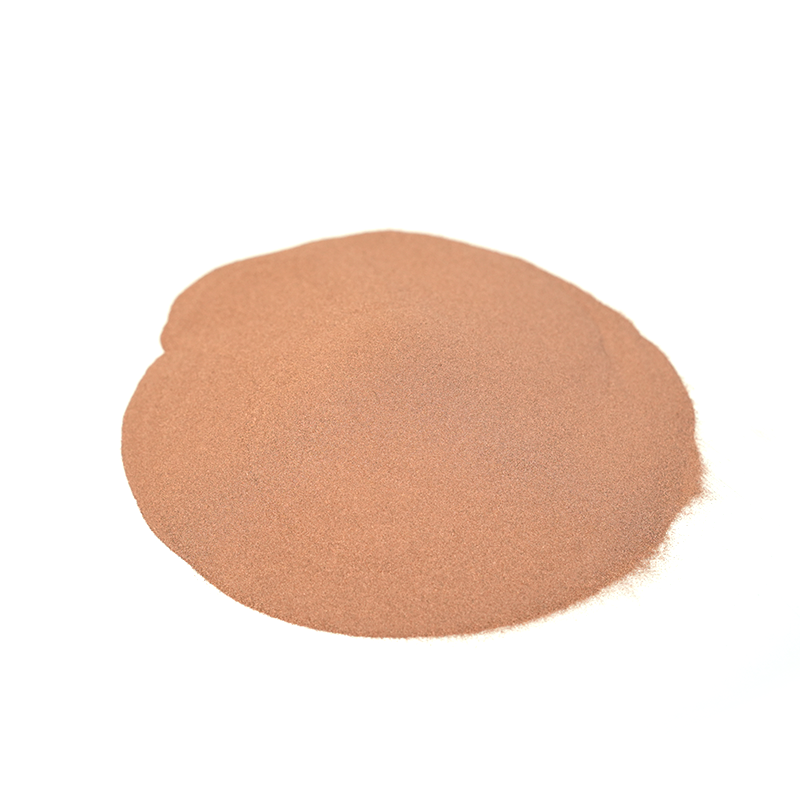
The hard carbide grains are mixed with a metallic powder, typically Cobalt (Co), but sometimes Nickel (Ni) or Iron (Fe). This is the binder—the “glue” that holds the ceramic particles together. Without it, the carbide would be too brittle and shatter under impact. The binder provides the crucial toughness and resistance to fracturing.
The ratio between the hard carbide and the softer, metallic binder is precisely controlled to create different grades of material. More binder means a tougher material that resists shock better, while less binder and smaller carbide grains yield a harder, more wear-resistant material.
From Powder to Tool: The Sintering Process
How does this loose powder transform into a solid object capable of slicing through steel? The process is called sintering, a form of powder metallurgy.
1. Mixing and Pressing (The “Green” State)
First, the Carbide Composite Powder is thoroughly mixed, often with an organic pressing aid, and then compacted under high pressure into the desired shape. This pre-sintered object, called a “green compact,” is fragile and chalk-like.
2. Sintering and Cementing
The green compact is then placed in a high-temperature, controlled-atmosphere furnace. It is heated to a temperature above the melting point of the binder (Cobalt) but below the melting point of the carbide (Tungsten Carbide). The binder melts and flows through the structure, dissolving and then re-precipitating the carbide grains, cementing them together upon cooling. This forms a dense, solid material where the hard carbide grains are surrounded and supported by the metallic binder—the final, incredibly strong cemented carbide or hardmetal.
The Indispensable Applications of Carbide Composites
The resulting material is characterized by an outstanding combination of high hardness, high compressive strength, and good toughness, making it vital for countless industrial jobs:
- Cutting Tools: The cutting inserts and tips used in high-speed machining (lathes, mills) are almost exclusively made of cemented carbide. They allow manufacturers to cut, shape, and finish hard metals much faster than traditional steel tools.
- Mining and Drilling: Rock drills, tunnel boring machine inserts, and oil and gas drilling bits rely on carbide tips to withstand the extreme abrasion and impact of cutting through rock and earth.
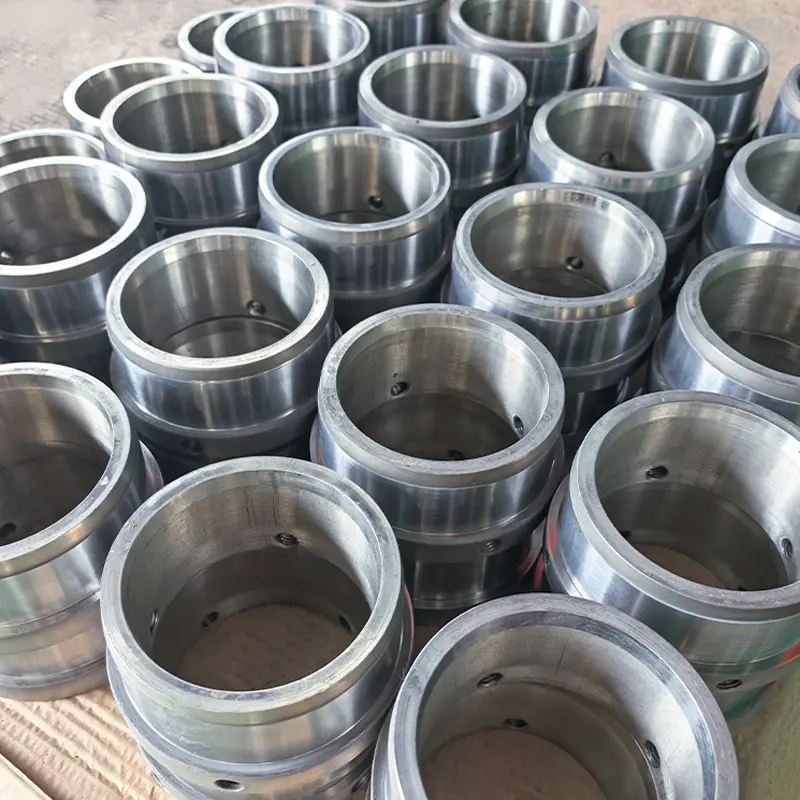
- Wear Parts: Anywhere that parts rub against each other under high load, like bearings, seals, pump components, and nozzles, they are protected by cemented carbide.
- Surface Coatings: Carbide composite powders are also sprayed onto metal components (e.g., aircraft landing gear, turbine blades) using techniques like High-Velocity Oxygen Fuel (HVOF) spraying to create extremely hard, protective coatings that resist erosion and corrosion.
By providing a balanced material that offers the sharpness of a ceramic and the resilience of a metal, Carbide Composite Powder truly gives industry the unbreakable edge it needs to build the modern world.