English
 русский
 عربى
عربىContent
Core Characteristics and Chemical Composition of Cobalt-Based Alloy Powders
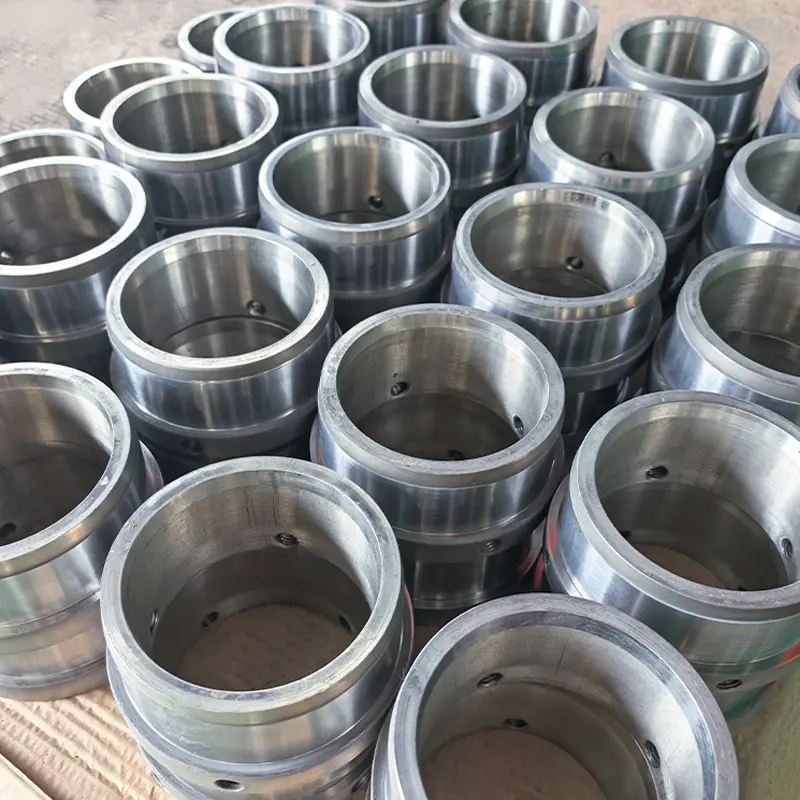
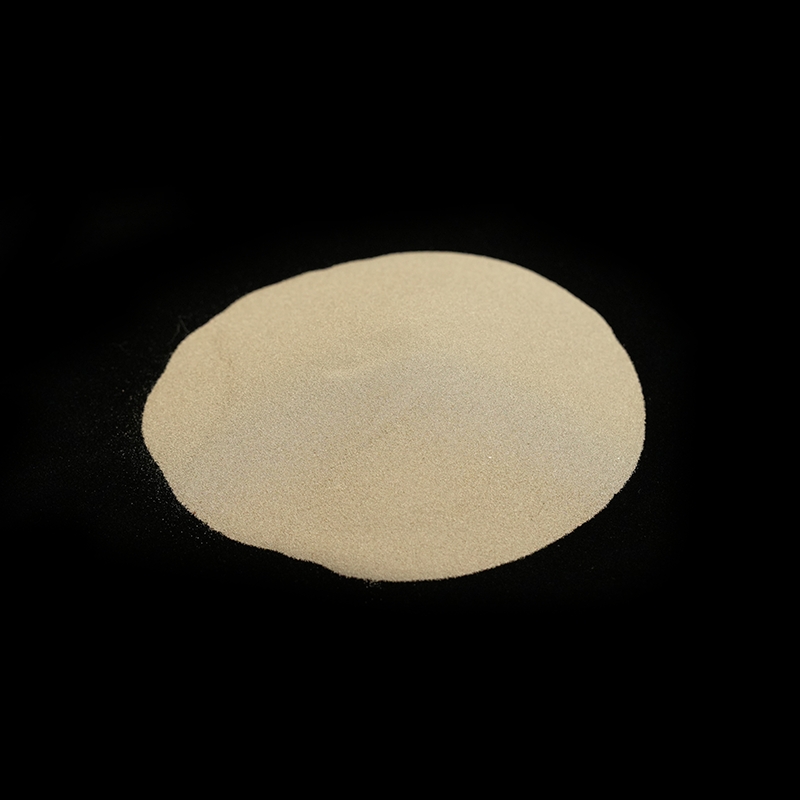
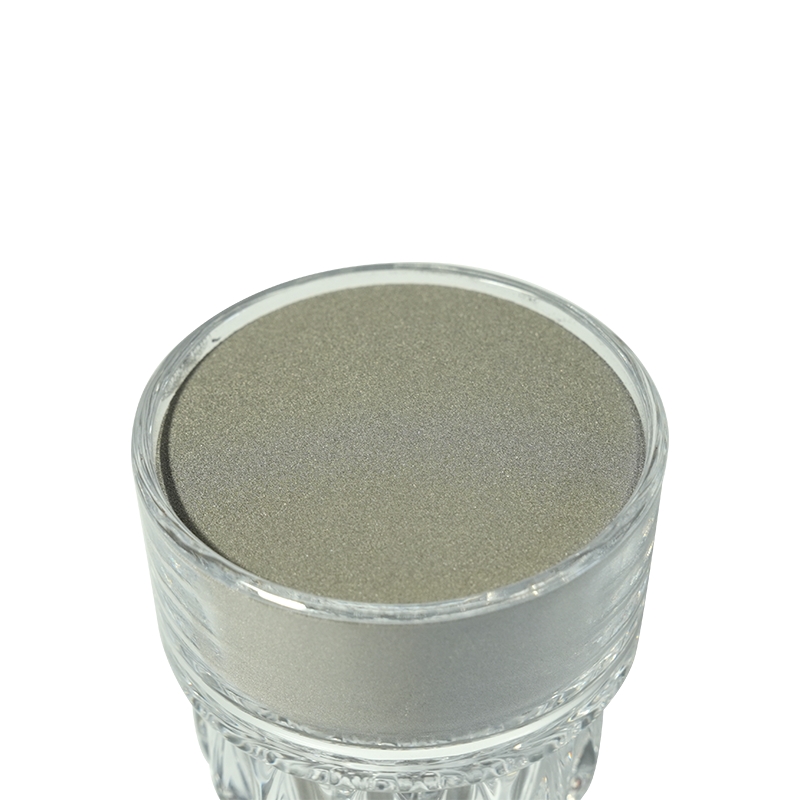
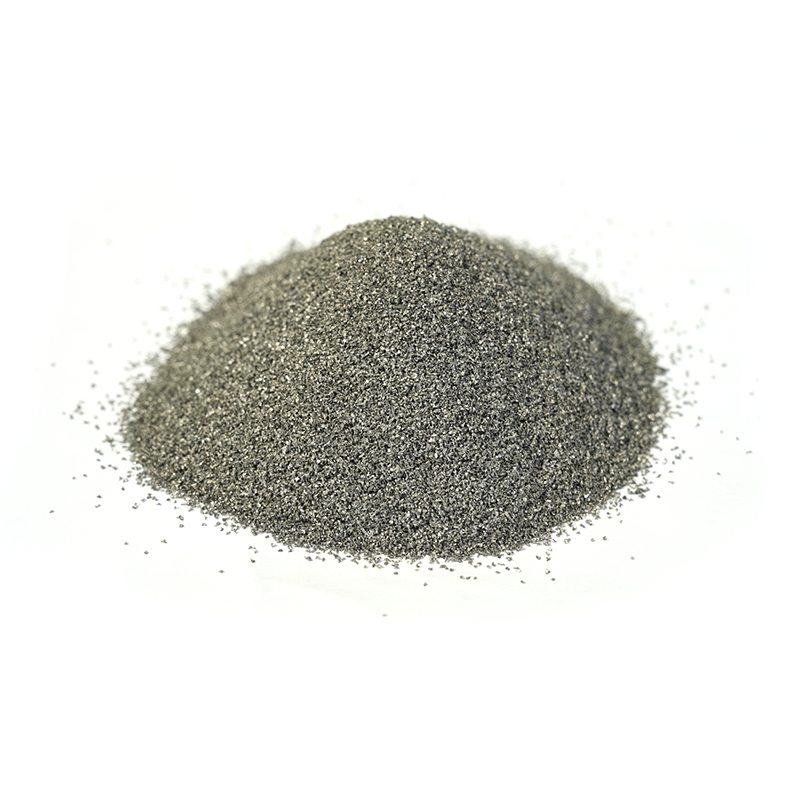
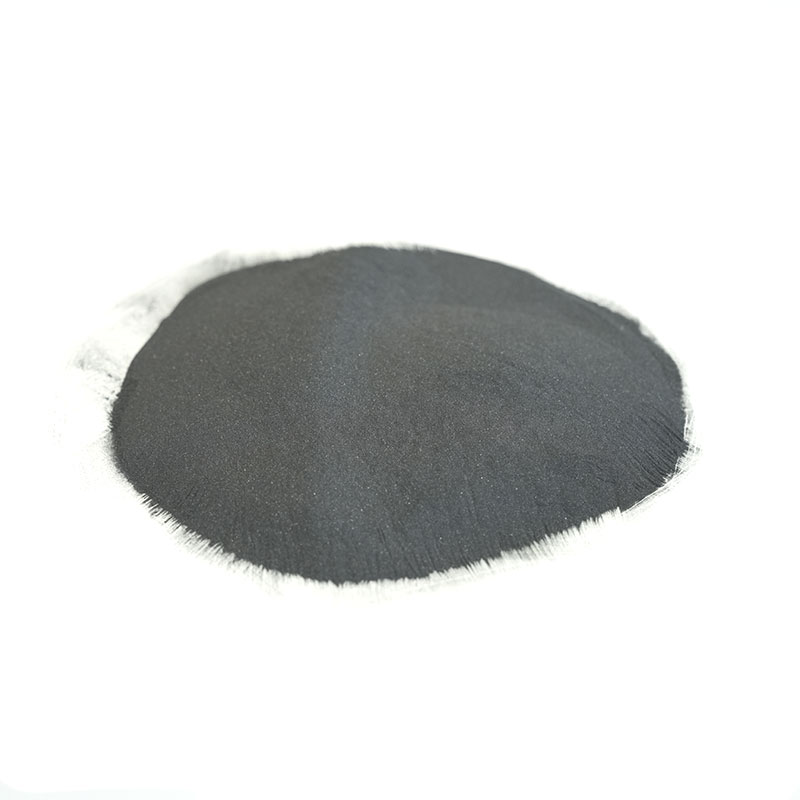
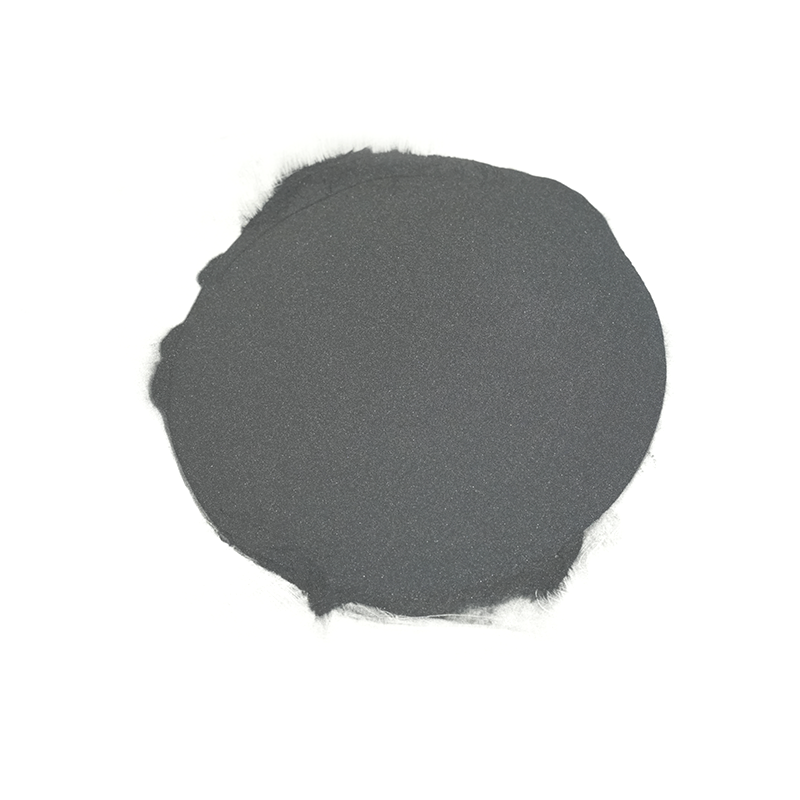
Cobalt-based alloy powders, often referred to by the trade name Stellite in various industrial contexts, are sophisticated materials engineered for environments that demand extreme durability. The primary matrix consists of cobalt, which provides a stable crystalline structure even at elevated temperatures. To enhance performance, these powders are meticulously alloyed with chromium for oxidation and corrosion resistance, and tungsten or molybdenum to facilitate solid-solution strengthening. The presence of carbon within the powder is critical, as it reacts with the alloying elements to form hard carbides, which are the primary source of the material's exceptional wear resistance.
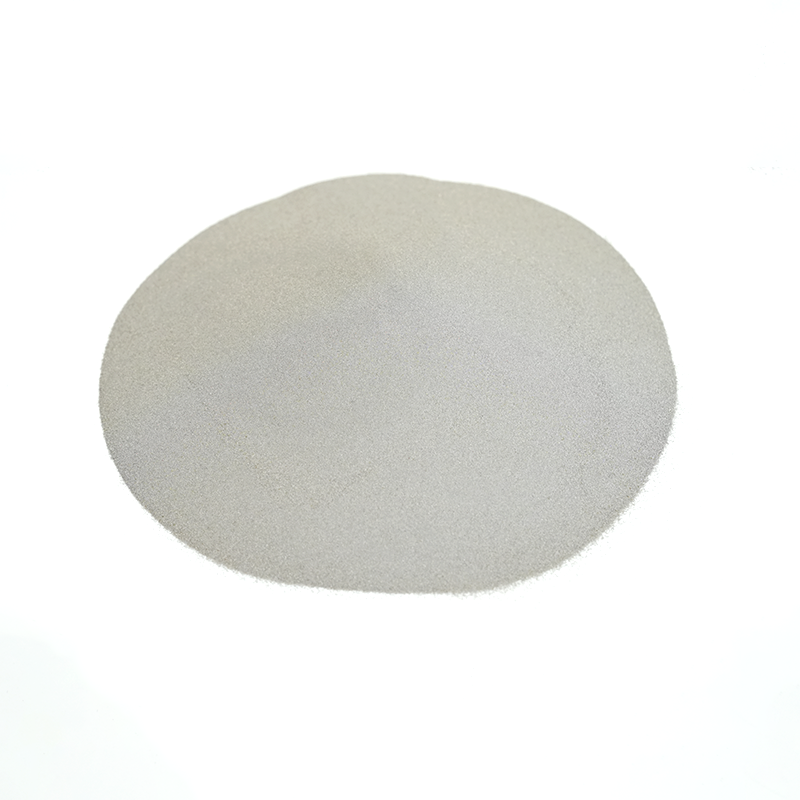
The morphological quality of the powder is essential for modern manufacturing techniques. High-quality cobalt-based powders are typically produced via gas atomization, resulting in spherical particles that ensure excellent flowability and high packing density. This precision in particle size distribution—often categorized into ranges like 15-45μm for laser bed fusion or 50-150μm for plasma transferred arc welding—directly impacts the density and mechanical integrity of the final component.
Comparative Analysis of Common Cobalt Alloy Grades
Different industrial applications require specific balances of toughness, hardness, and corrosion resistance. Cobalt-based alloy powders are generally categorized by their grade numbers, each tailored for specific stress environments. Understanding these nuances is vital for material selection in engineering design.
| Alloy Grade | Key Features | Primary Application |
| Cobalt 6 (Stellite 6) | Balanced wear and impact resistance | Valve seats, pump shafts |
| Cobalt 12 | Higher tungsten for better abrasion resistance | Saw teeth, cutting edges |
| Cobalt 21 | Excellent thermal shock and corrosion resistance | Gas turbine components |
Advanced Manufacturing Applications: From 3D Printing to Hardfacing

Additive Manufacturing and Laser Cladding
In the realm of 3D printing, cobalt-based alloy powders are the gold standard for creating complex geometries that must withstand high-stress environments. Selective Laser Melting (SLM) and Direct Energy Deposition (DED) use these powders to build parts layer-by-layer, resulting in a fine-grained microstructure that often outperforms traditional cast counterparts. Laser cladding, a subset of these processes, uses the powder to apply a protective coating onto cheaper base metals, drastically extending the service life of industrial equipment at a fraction of the cost of a solid alloy part.
Thermal Spraying and Surface Engineering
Cobalt alloy powders are frequently utilized in High-Velocity Oxygen Fuel (HVOF) spraying. In this process, the powder is heated and accelerated toward a substrate at supersonic speeds. The resulting coating is incredibly dense and provides an impenetrable barrier against cavitation, erosive wear, and high-temperature oxidation. This is particularly crucial in the oil and gas industry for components like drill bits and mud rotors.
Technical Benefits in Extreme Environments
The adoption of cobalt-based alloy powder offers several non-negotiable advantages for heavy industries. These benefits stem from the unique interaction between the cobalt matrix and the dispersed carbides.
- High-Temperature Strength: Unlike many iron-based alloys, cobalt alloys maintain their hardness and structural integrity at temperatures exceeding 600°C (1112°F).
- Galling Resistance: The low coefficient of friction inherent in these alloys prevents metal-to-metal seizing, even in unlubricated conditions.
- Biocompatibility: Certain grades of cobalt-chromium powders are used in medical implants due to their resistance to body fluids and excellent wear properties within joints.
- Magnetic Properties: The cobalt base provides specific magnetic characteristics that can be leveraged in specialized electronic and aerospace sensing equipment.
Optimizing Processing Parameters for Superior Results
To achieve the best results when working with cobalt-based alloy powders, operators must carefully calibrate their equipment. In laser-based processes, the energy density must be balanced to ensure full melting of the powder without causing excessive vaporization of lighter alloying elements. Preheating the substrate is often recommended to reduce the cooling rate, which minimizes the risk of micro-cracking due to thermal stress. Furthermore, maintaining a dry, inert gas environment (such as Argon) during processing is essential to prevent oxygen pick-up, which can degrade the mechanical properties of the finished layer.