English
 русский
 عربى
عربىContent
The Critical Role of Powder Morphology in Laser Cladding
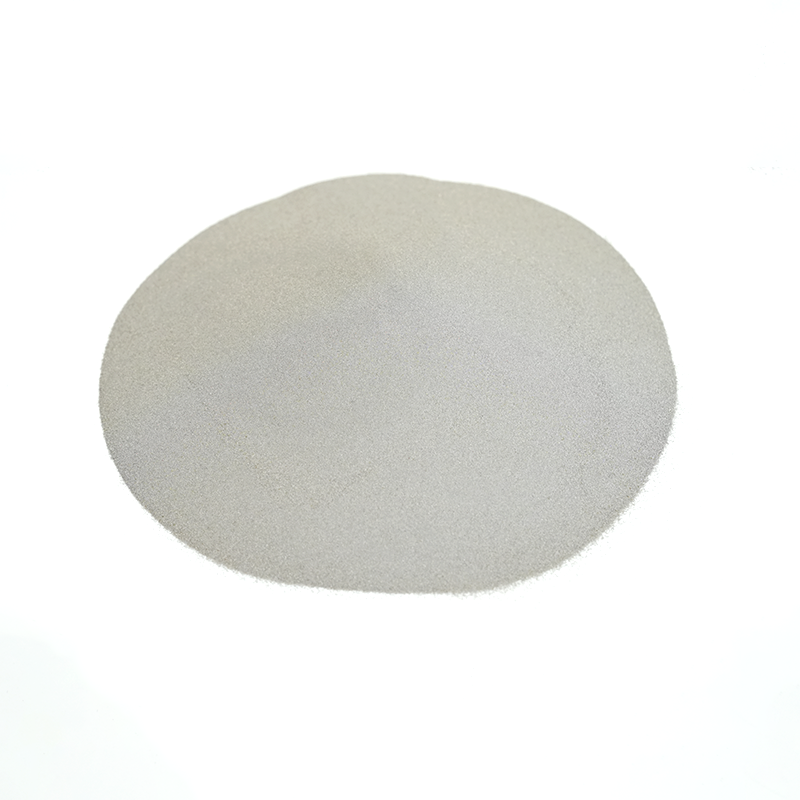
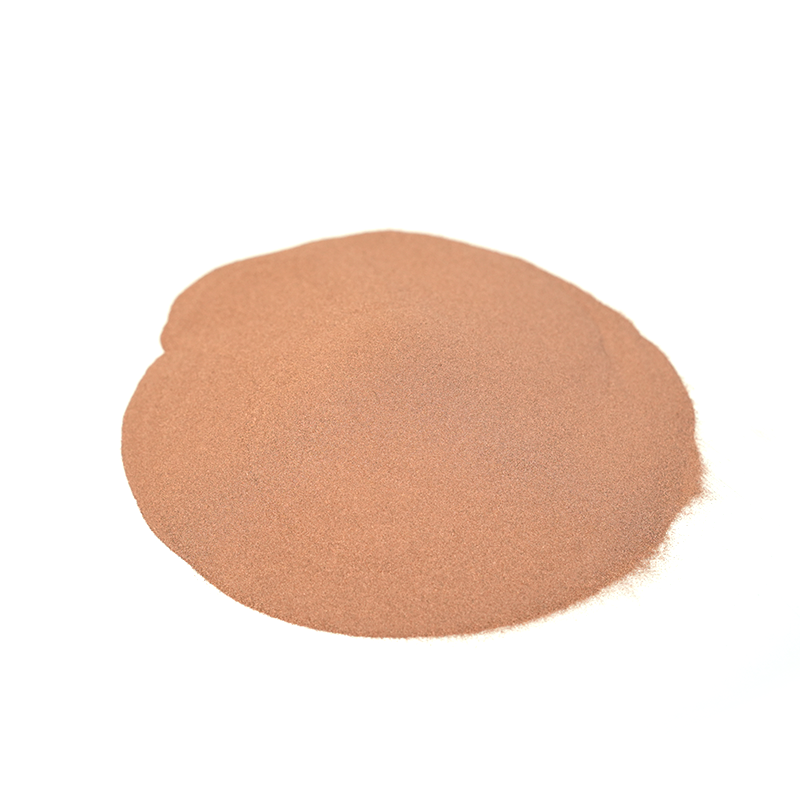
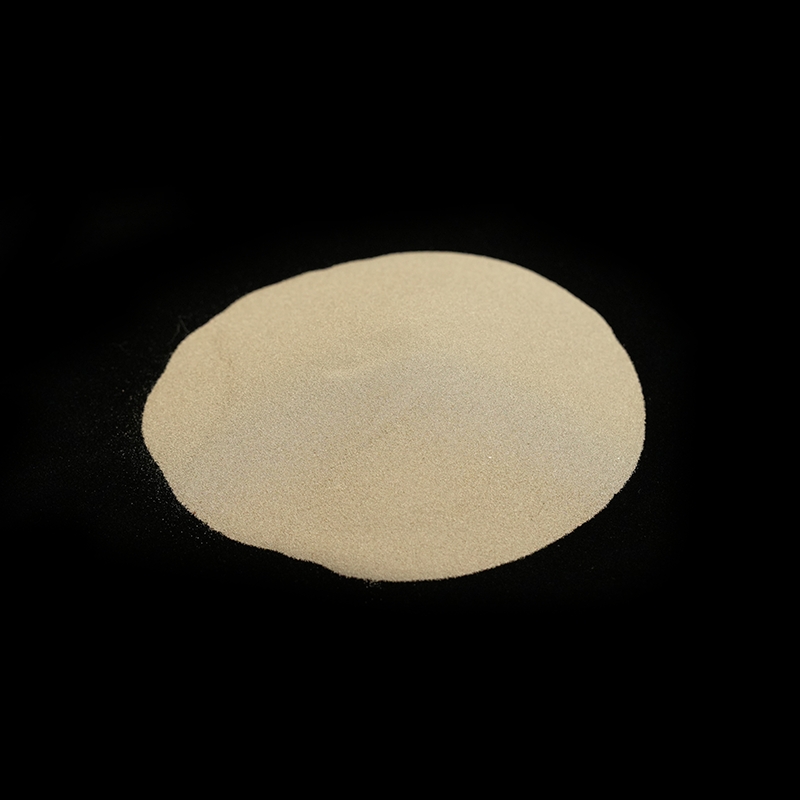
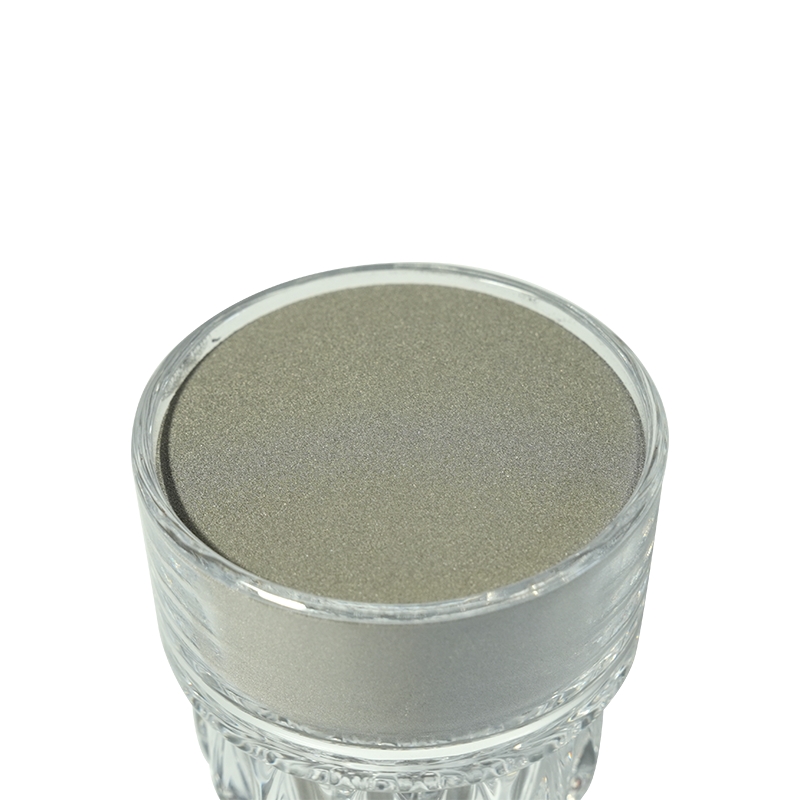
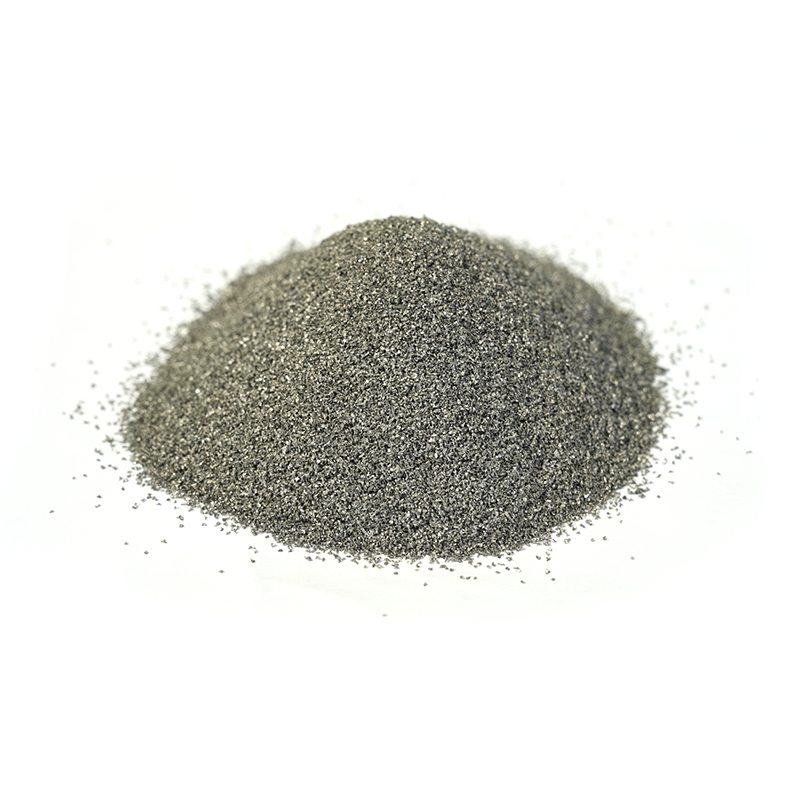
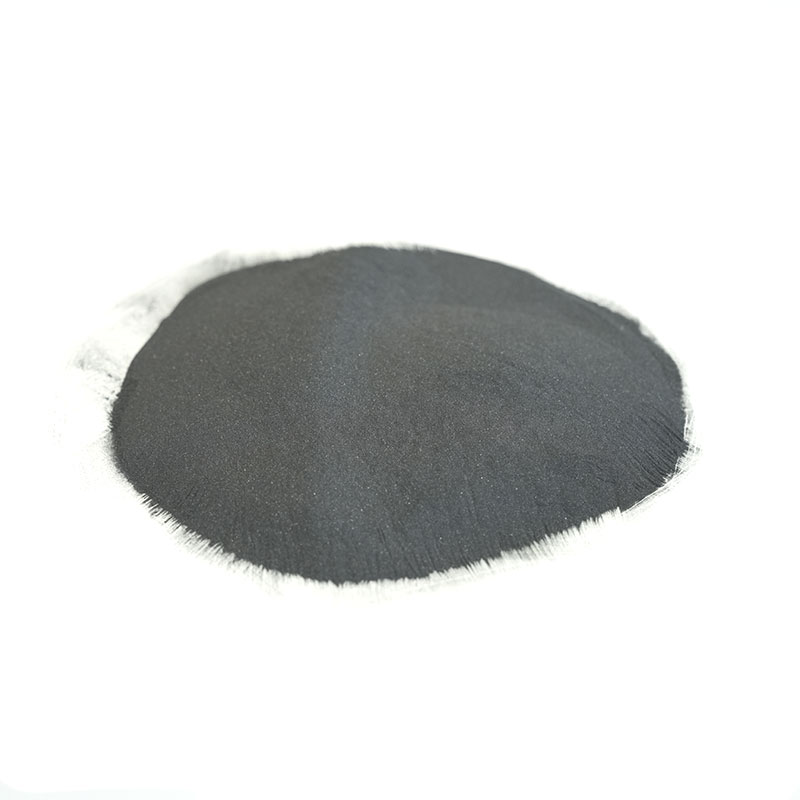
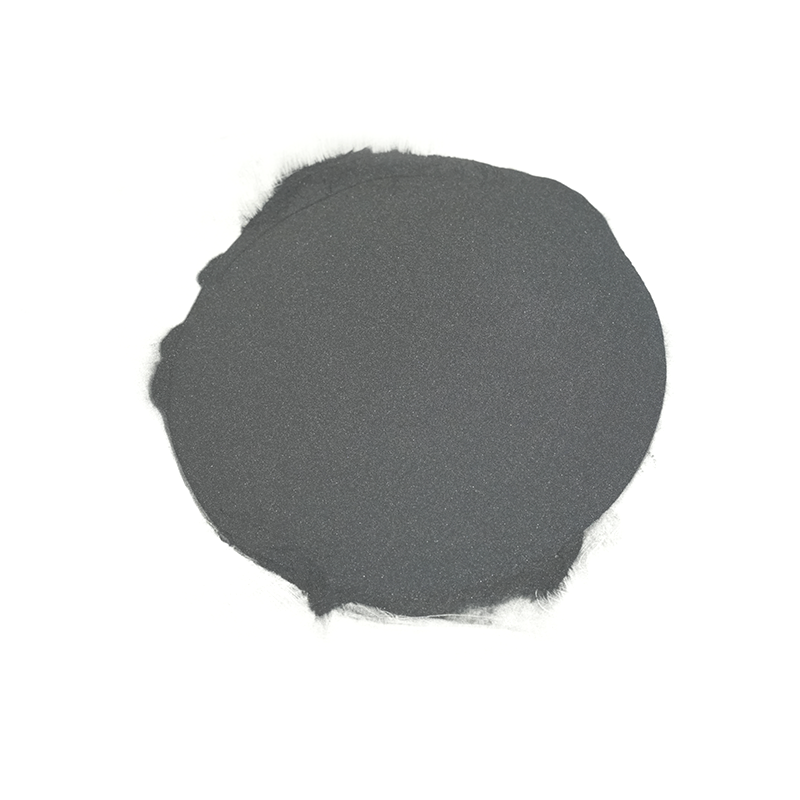
In the process of laser cladding, the physical characteristics of the powder are just as vital as its chemical composition. For a successful metallurgical bond and a uniform layer, the powder must exhibit excellent flowability and consistent particle size distribution. Spherical powders, typically produced through gas atomization, are preferred because they minimize internal friction within the feeder system. This ensures a steady mass flow rate into the laser melt pool, preventing fluctuations that can lead to uneven thickness or "beading" of the clad track. When particles are irregular or jagged, they tend to clog delivery nozzles and cause turbulence in the shielding gas, which ultimately introduces porosity and reduces the overall density of the protective coating.
Particle size distribution (PSD) also plays a decisive role in energy absorption. Typically, laser cladding powders are categorized within a range of 45 to 150 micrometers. Finer particles may melt too quickly or be blown away by the gas stream before reaching the substrate, while overly coarse particles might not melt completely, leading to "unmelted inclusions" that act as stress concentrators. Achieving the perfect balance in morphology ensures that the laser energy is distributed evenly, resulting in a smooth surface finish that requires minimal post-process machining.
Common Alloy Systems and Their Industrial Applications
Selecting the right material chemistry is the first step in tailoring a component for specific environmental challenges such as extreme heat, abrasion, or chemical attack. Laser cladding powders are generally grouped into four primary families: iron-based, nickel-based, cobalt-based, and carbide-reinforced composites. Each system offers distinct advantages depending on the substrate compatibility and the desired performance metrics of the final part.
| Powder Category | Key Characteristics | Typical Application |
| Iron-Based | Cost-effective, good wear resistance | Hydraulic cylinders, shafts |
| Nickel-Based | Excellent corrosion & heat resistance | Valves, boiler tubes, marine parts |
| Cobalt-Based (Stellite) | High-temperature hardness, galling resistance | Turbine blades, engine valves |
| Tungsten Carbide (WC) | Extreme hardness and erosion protection | Mining drills, oil & gas tools |
Iron-Based Powders for Economic Restoration
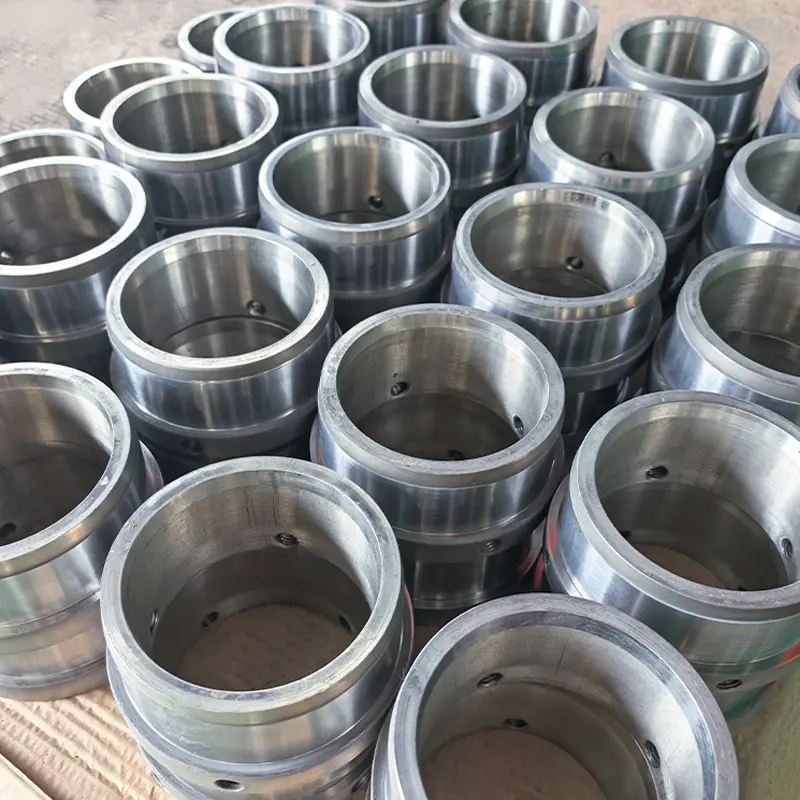
Iron-based powders are the workhorses of the remanufacturing industry. They are frequently used to restore worn dimensions on carbon steel components. Because their thermal expansion coefficients are similar to many industrial steels, the risk of delamination or cracking at the interface is significantly lower compared to exotic alloys. These powders are often alloyed with chromium and silicon to provide basic oxidation resistance and improved fluidity during the melting phase.
Nickel and Cobalt Alloys for Harsh Environments
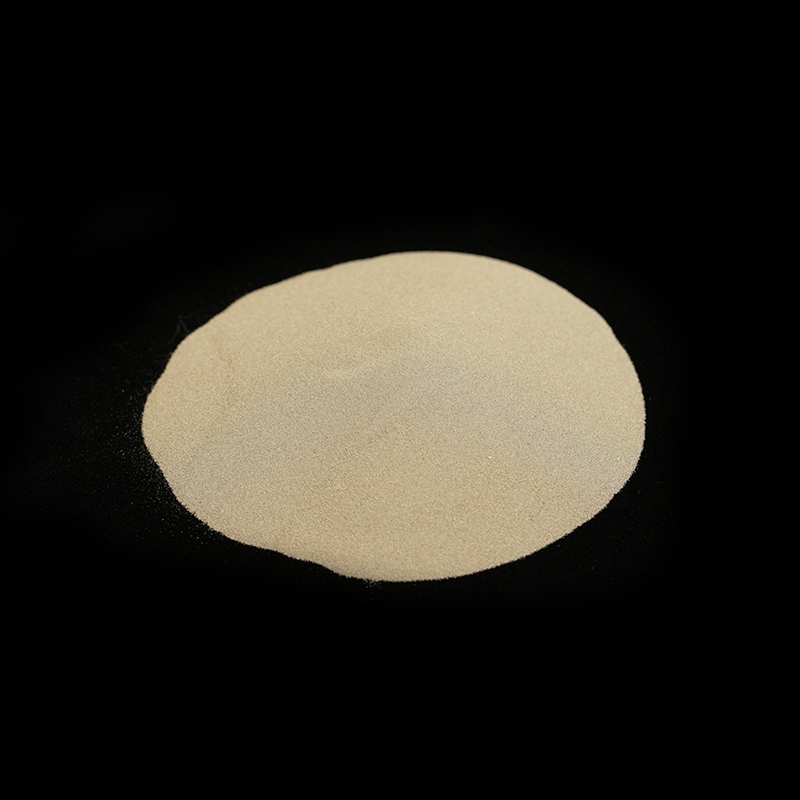
For components operating in aggressive chemical environments or at temperatures exceeding 600°C, nickel and cobalt-based powders are essential. Nickel-based alloys like Inconel 625 provide a robust barrier against pitting and crevice corrosion. Cobalt-based alloys, often referred to as Stellite-type materials, maintain their hardness even at red heat, making them the industry standard for aerospace turbine components and high-pressure steam valves.
Optimization Strategies for Powder Utilization
To maximize the efficiency of laser cladding and reduce material waste, operators must focus on the "catchment efficiency"—the ratio of powder successfully incorporated into the melt pool versus the total amount sprayed. High-quality powders combined with precise nozzle alignment can significantly reduce the "overspray" that leads to increased costs. Furthermore, the storage and handling of these powders are critical to prevent contamination and moisture absorption, which can lead to hydrogen embrittlement or gas porosity in the finished clad layer.
- Pre-heating the powder or substrate to reduce thermal gradients and prevent cracking in high-carbon materials.
- Utilizing specialized "cermet" powders (ceramic-metallic) to combine the toughness of a metal matrix with the hardness of ceramic particles.
- Regular calibration of the powder feeder to ensure a constant feed rate (g/min) for repeatable results across large batches.
- Implementing vacuum drying for powders that have been exposed to humidity, ensuring the elimination of steam-induced defects.
By understanding the interplay between powder chemistry, morphology, and laser parameters, manufacturers can achieve superior surface properties that extend the service life of critical infrastructure. Whether it is for additive manufacturing of new parts or the repair of expensive machinery, the choice of laser cladding powder remains the most influential factor in the durability and quality of the final product.