English
 русский
 عربى
عربىContent
Understanding the Composition and Synergy of Carbide Composite Powders
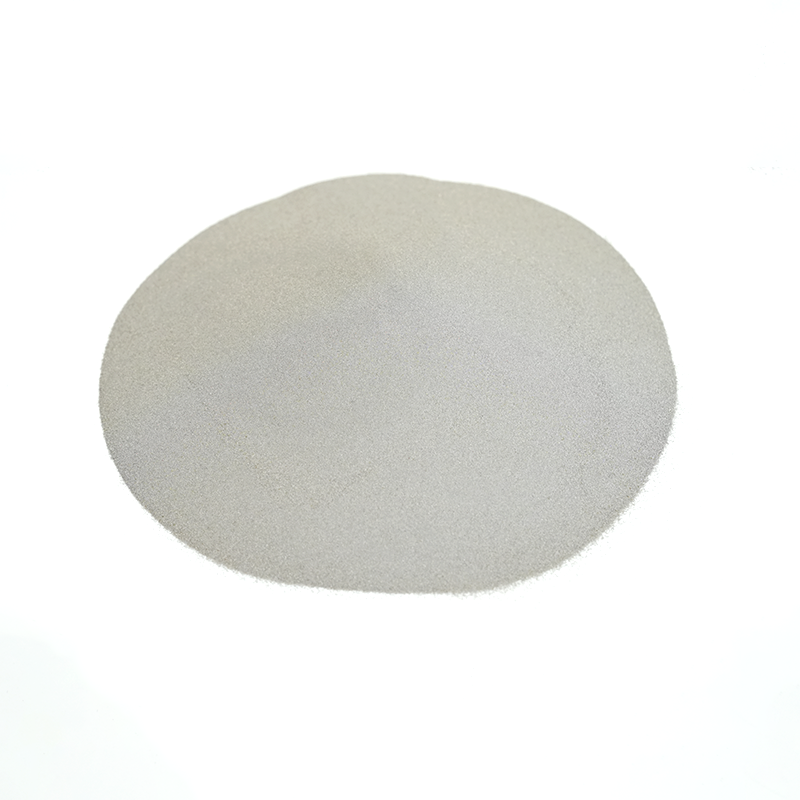
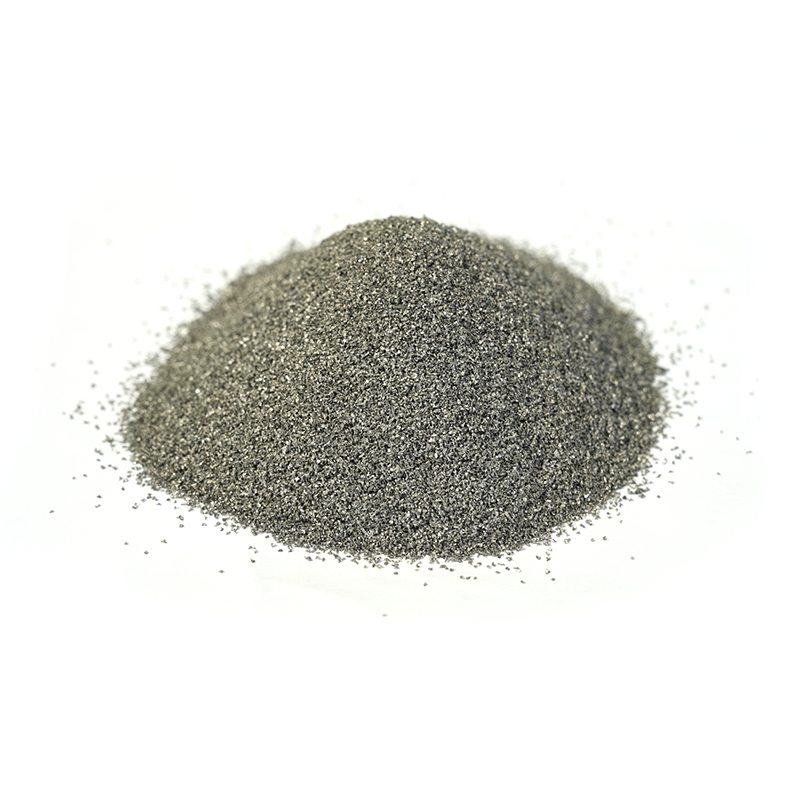
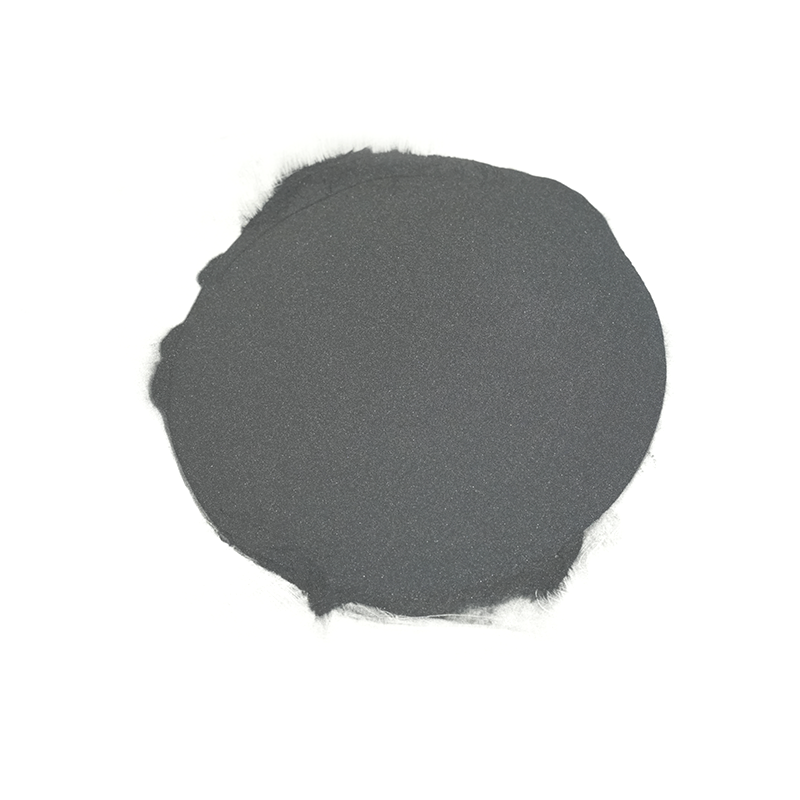
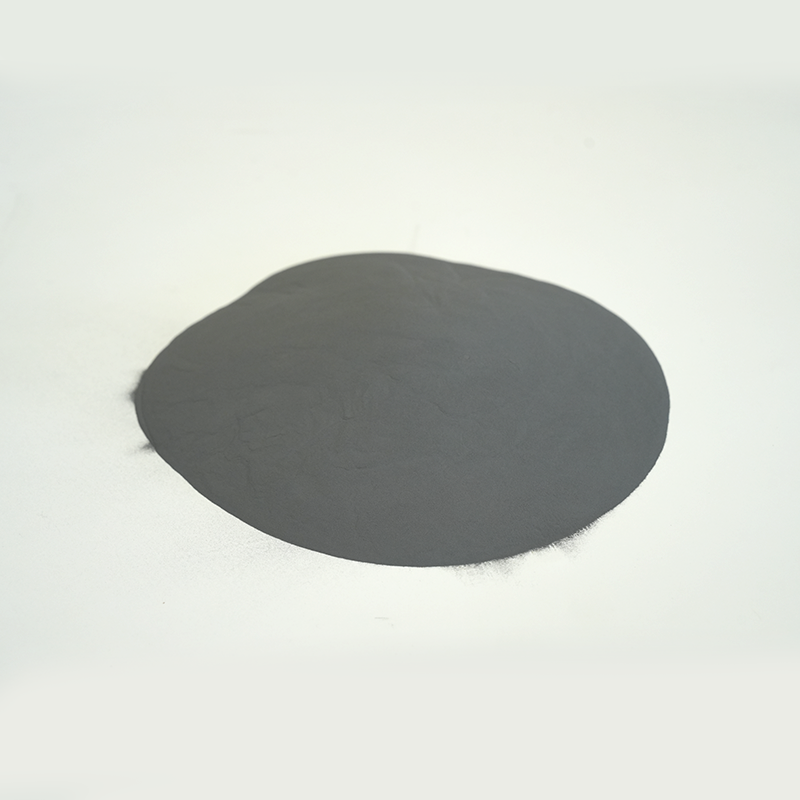
Carbide composite powder represents a specialized class of materials engineered by combining hard carbide phases, such as Tungsten Carbide (WC), Titanium Carbide (TiC), or Chromium Carbide (Cr3C2), with a ductile metallic binder like Cobalt (Co), Nickel (Ni), or Iron (Fe). The primary objective of these composites is to bridge the gap between the extreme hardness of ceramics and the fracture toughness of metals. In these powders, the carbide grains provide the essential resistance against abrasion and deformation, while the metal matrix acts as a "glue" that absorbs impact energy and prevents catastrophic cracking during high-stress industrial operations.
The performance of the final component is dictated largely by the morphology and distribution of these powders. Advanced manufacturing techniques, such as spray drying and cladding, ensure that each individual powder particle contains a uniform distribution of both the hard phase and the binder. This microscopic uniformity is critical during thermal spraying or laser cladding processes, as it prevents localized weak spots and ensures a consistent wear-resistant surface across the entire treated area.
Key Industrial Applications and Performance Metrics
Carbide composite powders are indispensable in environments characterized by aggressive erosion, high temperatures, and corrosive chemicals. In the oil and gas industry, these powders are used to coat drill bits and valves that face constant friction from sand and rock. Similarly, in the mining sector, heavy-duty machinery parts are reinforced with tungsten carbide-based composites to extend their operational lifespan by up to five times compared to untreated steel. The choice of composite depends heavily on the specific environmental challenges, as outlined in the table below:
| Carbide Type | Typical Binder | Primary Property | Common Use Case |
| Tungsten Carbide (WC) | Cobalt (Co) | Maximum Hardness | Cutting tools & Drill bits |
| Chromium Carbide (Cr3C2) | Nickel-Chrome (NiCr) | Oxidation Resistance | Boiler tubes & Gas turbines |
| Titanium Carbide (TiC) | Steel/Nickel | High Strength/Weight | Aerospace components |
Critical Factors in Powder Selection and Processing
Particle Size Distribution (PSD)
The granularity of the carbide composite powder determines the density and smoothness of the resulting coating. Fine powders (15-45 microns) are typically preferred for High-Velocity Oxy-Fuel (HVOF) spraying to achieve high-density coatings with low porosity. Coarser powders are often utilized in Plasma Transferred Arc (PTA) welding or Laser Cladding, where a thicker protective layer is required to withstand heavy impact. Maintaining a narrow PSD is vital to ensuring steady flow rates through feeder systems and consistent melting behavior in the flame.
Binder Content and Ductility
Adjusting the ratio of carbide to binder allows engineers to "tune" the material properties for specific needs. A higher carbide percentage (e.g., 88% WC / 12% Co) yields extreme hardness but lower shock resistance. Conversely, increasing the binder content improves the material's ability to withstand mechanical vibration and thermal cycling without delamination. This balance is crucial for tools that operate under fluctuating loads.
Advantages of Using Carbide Composites Over Monolithic Materials
Transitioning from standard alloy steels or pure ceramics to carbide composite powders offers several strategic advantages for industrial maintenance and manufacturing:
- Enhanced Wear Resistance: The presence of hard carbide grains significantly slows down abrasive wear, reducing the frequency of part replacements.
- Customizable Thermal Expansion: By selecting appropriate binder metals, the composite's thermal expansion coefficient can be matched to the substrate, preventing cracks during heating.
- Superior Chemical Stability: Chromium carbide-based powders provide a protective passive layer that resists corrosion in acidic or sulfur-rich environments.
- Resource Efficiency: Instead of making an entire tool from expensive materials, a thin layer of carbide composite powder can be applied only to the wear-prone areas, significantly lowering production costs.