English
 русский
 عربى
عربىContent
Advanced Classifications of Copper-Based Alloy Powders
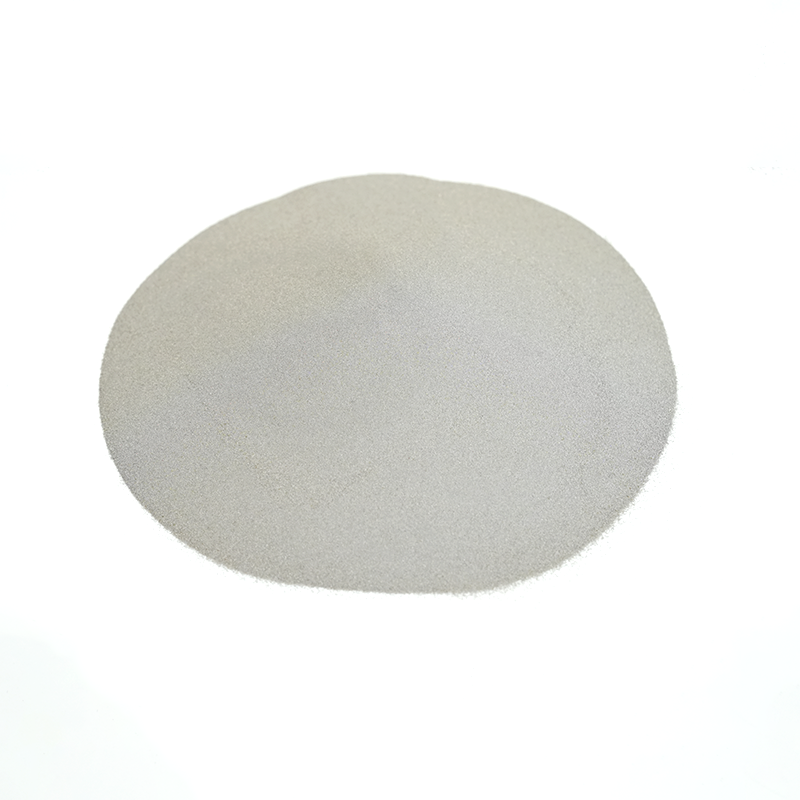
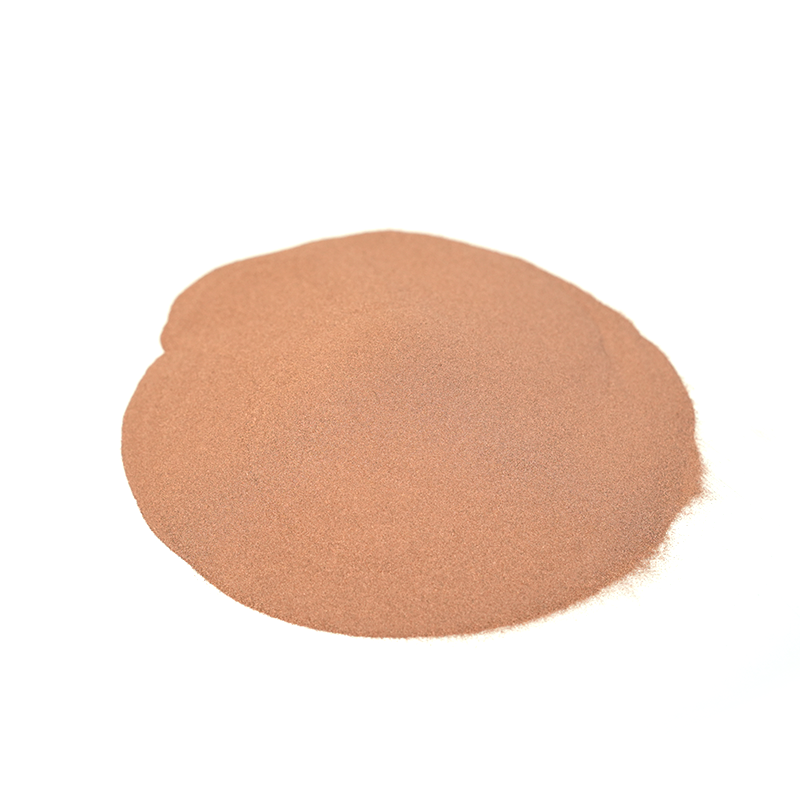
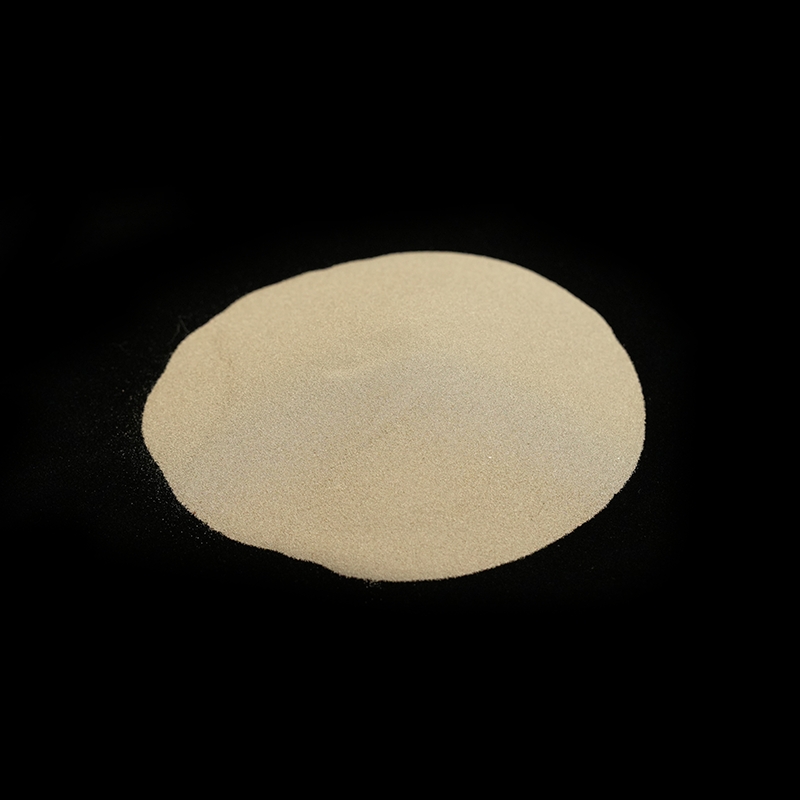
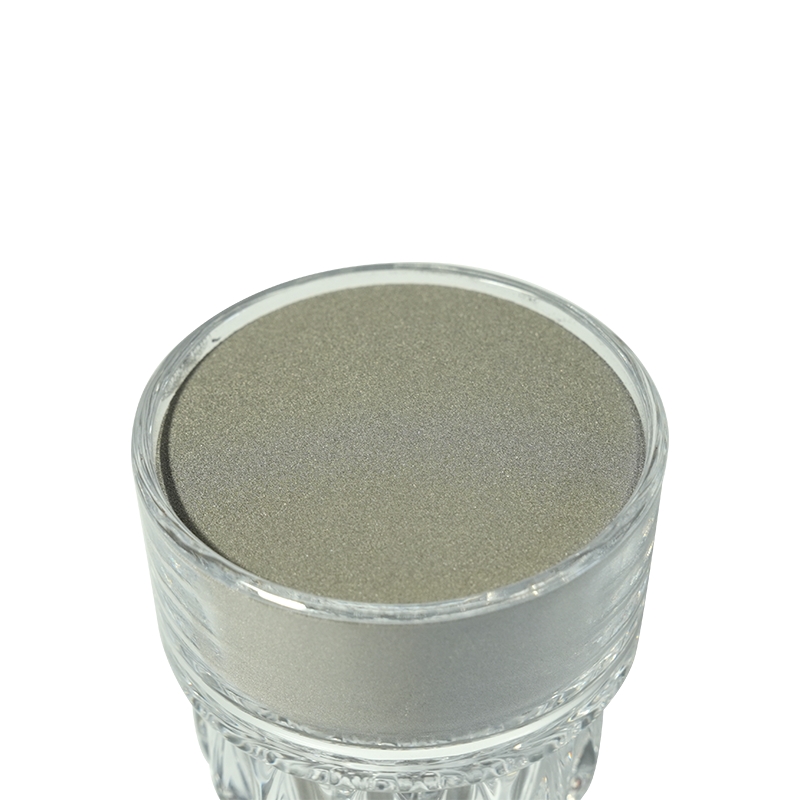
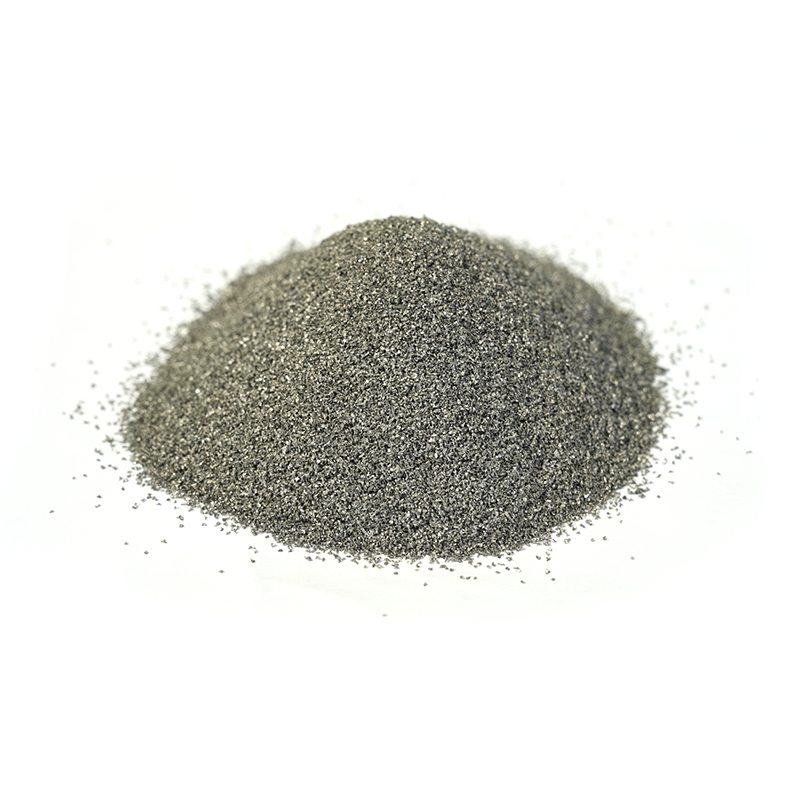
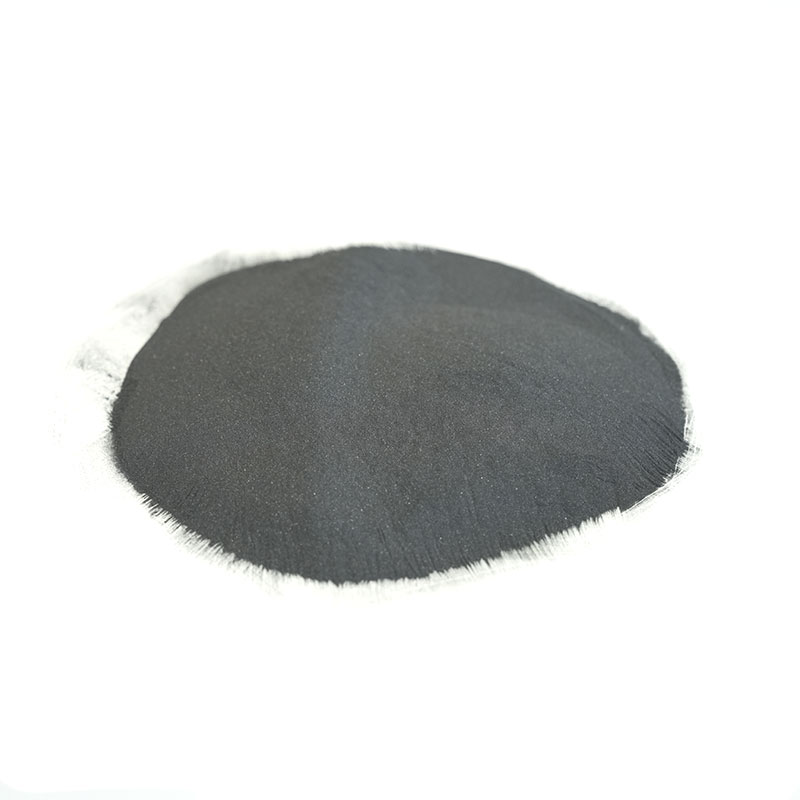
Copper-based alloy powders are engineered materials characterized by their high thermal and electrical conductivity, combined with enhanced mechanical properties tailored for specific industrial applications. Unlike pure copper, which can be difficult to process in certain additive manufacturing environments, alloyed powders introduce elements such as tin, zinc, nickel, or chromium to improve strength and corrosion resistance. These powders are typically produced via gas or water atomization, ensuring a spherical morphology that is critical for flowability in powder bed fusion and directed energy deposition processes. The precision of the alloying process allows for the creation of materials that maintain copper's inherent benefits while overcoming its traditional limitations in structural integrity.
Common alloy types include brass (copper-zinc), bronze (copper-tin), and cupronickel (copper-nickel). Each variant serves a distinct niche; for instance, chromium-zirconium copper (CuCrZr) is highly sought after in the aerospace and automotive sectors for its ability to withstand high temperatures without losing electrical conductivity. By adjusting the powder's particle size distribution, manufacturers can optimize the density and surface finish of the final component, making these powders indispensable in the shift toward miniaturization and high-performance electronics.
Key Material Characteristics and Selection Criteria
Thermal and Electrical Performance
The primary driver for selecting copper-based alloy powders is their superior heat dissipation and conductivity. In applications like heat exchangers or induction coils, the alloy must balance structural rigidity with the ability to transfer energy efficiently. Specialized alloys like CuNi2SiCr offer a compelling mix of high strength and moderate conductivity, which is ideal for heavy-duty electrical connectors and switchgear components that operate under mechanical stress.
Mechanical Strength and Wear Resistance
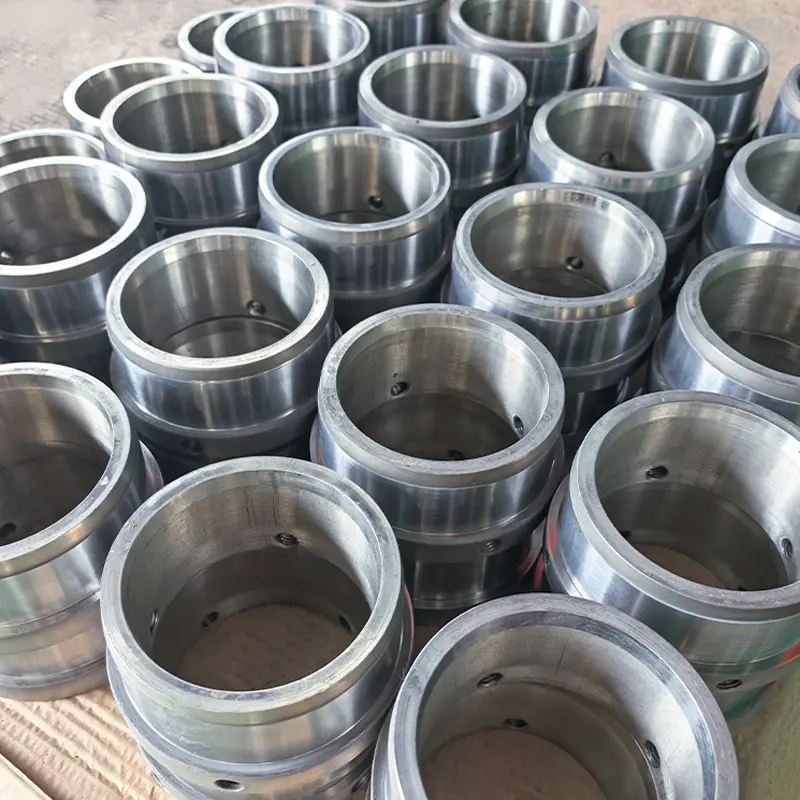
In industrial machinery, pure copper often fails due to softness. Copper-based alloy powders address this by incorporating hardening elements. For example, aluminum bronze powders are frequently used for parts subjected to heavy friction and saltwater environments. The inclusion of aluminum creates a protective oxide layer that prevents further corrosion while providing the hardness necessary for bearings and bushings.
Comparative Analysis of Popular Copper Alloy Powders
Selecting the right powder requires a detailed understanding of how different alloying elements impact the final product. The following table highlights the properties of the most frequently used copper-based alloy powders in modern manufacturing:
| Alloy Grade | Primary Composition | Key Property | Typical Application |
| CuCrZr | Cu-Cr-Zr | High Conductivity & Strength | Rocket Engines, Cooling Channels |
| CuSn10 | 90% Cu, 10% Sn | Corrosion & Wear Resistance | Marine Hardware, Bearings |
| CuNi30 | Cu-Ni | Saltwater Resistance | Desalination Plants, Piping |
Critical Processing Considerations for Powder Metallurgy
Processing copper-based alloy powders, particularly in 3D printing (Additive Manufacturing), presents unique challenges that must be addressed to ensure part quality. Because copper is highly reflective at the wavelengths used by standard fiber lasers, achieving full density often requires specialized equipment or modified powder chemistry. Green laser technology or high-powered infrared lasers are frequently employed to overcome the "reflectivity barrier" of copper alloys.
- Oxygen Control: Maintaining a low-oxygen environment during atomization and printing is vital to prevent embrittlement and preserve conductivity.
- Particle Sphericity: For Powder Bed Fusion (PBF), spherical particles ensure a consistent layer thickness and minimize porosity.
- Sintering Parameters: In traditional press-and-sinter applications, precise temperature control is required to manage the shrinkage rates of different alloy compositions.
- Post-Processing: Heat treatment (such as solution annealing and aging) is often necessary for alloys like CuCrZr to reach their peak mechanical and electrical performance.
Future Trends in Copper Alloy Powder Technology
The future of copper-based alloy powders lies in the development of "designer alloys" specifically created for the digital manufacturing age. Researchers are currently exploring GRCop-42 (Copper-Chromium-Niobium), an alloy developed by NASA that provides high creep resistance and stability at extreme temperatures. This innovation is driving the production of lighter, more efficient combustion chambers and heat shields. Furthermore, the push for sustainable energy is increasing the demand for these powders in the manufacturing of electric vehicle (EV) components, where thermal management of battery systems and motor efficiency are paramount. As material science advances, we expect to see even more specialized copper powders that bridge the gap between biological compatibility and industrial durability.