English
 русский
 عربى
Aluminium powder is one of those materials that quietly turns up in more places than most people expect. It helps make lightweight parts, gives paints and inks their metallic sheen, supports brazing and powder metallurgy, and plays a role in additive manufacturing and surface engineering. In our work with alloy and ceramic powders, we see the same lesson repeated: the usefulness of aluminium powder depends on grade, particle shape, and how the powder is handled.
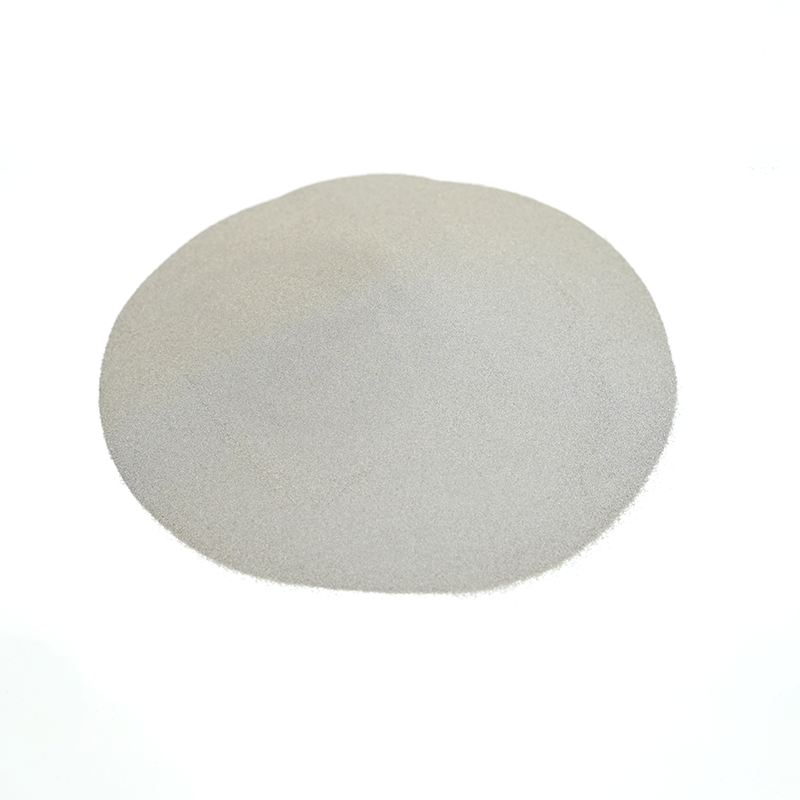
Broadly, aluminium powder is produced by atomisation, milling, or a combination of routes. Each route leaves a different fingerprint. Spherical particles flow well for printing and thermal spraying, irregular particles press and sinter well, and flakes bring reflectivity and coverage. That is why a simple question about aluminium powder uses quickly becomes a question about which powder, for which process, under which conditions.
Content
Why Aluminium Powder Performs So Well
Aluminium brings together a rare mix of properties. It is light, conducts heat and electricity well, forms a protective oxide layer, and reflects visible light. In powder form, those properties become flexible: the same metal can be a structural ingredient, a pigment, a filler, a fuel, or a coating feedstock.
- Low density: aluminium powder helps reduce weight in components where every gram matters.
- High reactivity: fine particles respond quickly in chemical and energetic applications, which also makes careful handling essential.
- Good conductivity: aluminium powder can contribute to heat sinks, conductive pastes, and thermal management parts.
- Reflectivity: flake powders are widely used for metallic effects, barrier pigments, and decorative finishes.
- Compatibility with processing: aluminium powders can be pressed, sintered, sprayed, brazed, or blended with other powders.
These properties explain why aluminium powder uses range from industrial metallurgy to consumer products. The powder is rarely a drop-in commodity; grade selection matters.
Common Industrial Uses of Aluminium Powder
Powder Metallurgy and Lightweight Components
In powder metallurgy, aluminium powder can be blended, compacted, and sintered into lightweight parts. It is used in automotive components, aerospace brackets, power tools, and consumer goods where weight reduction is valuable. Aluminium powder can also act as an alloying addition in mixed powder systems. Irregular grades are often chosen because they press well and form strong green compacts, but the oxide layer on aluminium means sintering conditions need attention.
Additive Manufacturing and Metal Injection Moulding
Spherical aluminium powders and aluminium alloy powders are used in laser powder bed fusion, binder jetting, and metal injection moulding. Typical parts include lightweight housings, heat sinks, prototypes, and small structural components. Flowability, particle size distribution, oxygen content, and moisture control all matter. Aluminium’s reflectivity and oxide layer can make laser processing more demanding than working with some other metals, so powder specification and machine settings should be developed together.
Coatings, Pigments and Surface Engineering
Flake aluminium powder is a familiar ingredient in paints, inks, plastics, automotive finishes, roof coatings, and corrosion-protection systems. The flakes overlap and create a barrier effect while also producing a metallic appearance. In surface engineering, aluminium powder can be used in thermal spray or as an alloying addition, although for severe wear, high temperature, or aggressive corrosion, nickel, cobalt, and tungsten carbide powders often take over.
For ceramic coating work, alumina-titanium oxide powder is a useful companion material to aluminium-based systems. It brings wear resistance and thermal stability to plasma-sprayed coatings.
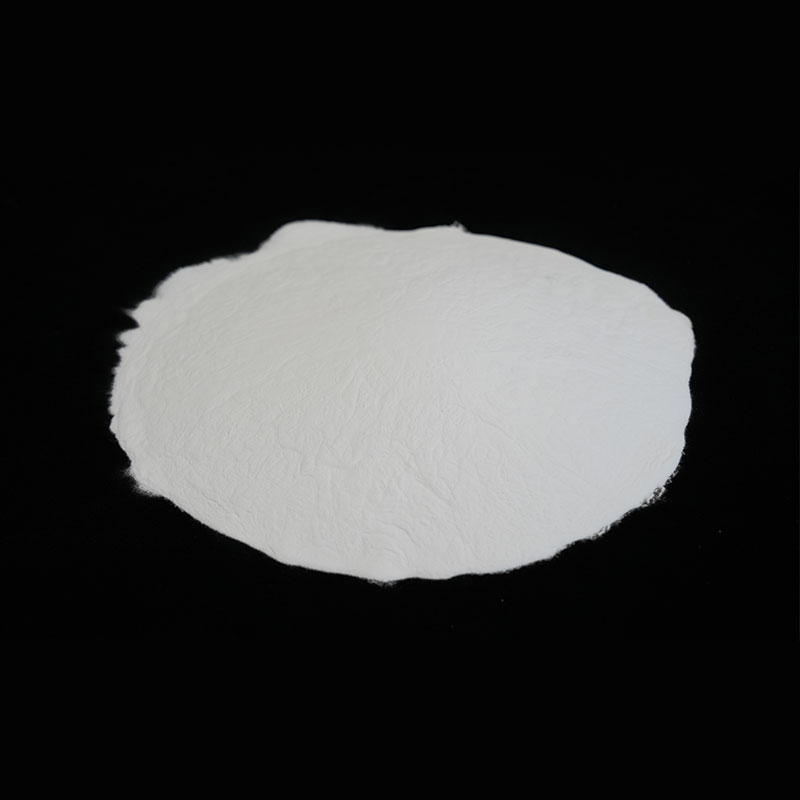 Alumina Titanium Oxide Powder for Plasma-Sprayed CoatingsComposite ceramic powder combining alumina hardness and titania toughness, with graded TiO₂ options for wear-resistant and thermal-barrier coating work.View Product →
Brazing, Soldering and Joining
Aluminium powder can appear in brazing pastes and filler metal systems, particularly where aluminium components need to be joined. Heat exchangers, radiators, and lightweight assemblies are common examples. Fine powder helps the filler flow into narrow gaps, but oxide removal, flux selection, and furnace atmosphere are just as important as the powder itself.
Pyrotechnics, Energetics and Chemical Applications
Aluminium powder is well known for its role in pyrotechnics, propellants, and thermite-type reactions, where fine particles release energy quickly. It also appears in some chemical and metallurgical processes. These uses demand strict attention to particle size, dust control, storage, and local regulations. We do not recommend handling reactive aluminium powders without the appropriate safety systems and trained supervision.
Filtration and Porous Materials
Aluminium powder can contribute to porous aluminium structures and foam-like materials. In filtration, however, the final medium is often made from stainless steel, nickel, titanium, or other alloys selected for corrosion resistance and strength. Aluminium may be part of the development route, but it is not always the final filter material.
Particle Size and Shape Change the Answer
Two aluminium powders can share the same chemical certificate and still behave completely differently. Coarse particles flow freely and deposit quickly, while fine particles increase surface area, reactivity, and surface finish. Spherical powder supports smooth feeding in additive manufacturing and thermal spraying. Irregular powder gives better interlocking during pressing. Flake powder delivers coverage and reflectivity in coatings and inks.
| Application | Typical powder form | What it contributes | Points to check |
|---|---|---|---|
| Powder metallurgy | Irregular or atomised | Compaction, sintering, lightweight parts | Oxygen content, green strength, lubricant |
| Additive manufacturing | Spherical gas-atomised | Flowability, layer uniformity | Particle size distribution, packing density, moisture |
| Paints and inks | Flake | Metallic effect, barrier protection, reflectivity | Leafing behaviour, surface treatment, safety data |
| Brazing and joining | Fine atomised | Filler flow and joint formation | Melting range, flux compatibility, oxide control |
| Thermal spray and cladding | Spherical or blended | Stable feed and coating build-up | Chemistry match, feed rate, substrate preparation |
| Energetic and chemical uses | Fine spherical or flake | Rapid reaction and energy release | Regulatory limits, dust control, storage conditions |
The table is a starting point, not a purchase specification. Real selection usually needs a conversation between the powder supplier, the process engineer, and the safety team.
Selection and Safety Notes
When choosing aluminium powder, begin with the process rather than the product name. A powder that works beautifully in a metallic ink may be poor in a laser printer. A grade that presses well may not flow in a thermal spray torch. A fine reactive powder may be ideal for one chemical application and unsuitable for another.
- Define the process, equipment, and required surface finish.
- Check chemistry, oxygen level, particle size distribution, and particle shape.
- Confirm compatibility with binders, fluxes, lubricants, or carrier gases.
- Review dust, fire, and storage risks before production begins.
- Validate with a sample run and inspect the finished part, not just the powder.
Fine aluminium powder can be combustible, and dust clouds should be controlled. Grounding, extraction, housekeeping, inert storage where needed, and local fire regulations are part of responsible use. The safety data sheet is essential, but it should be supported by a site-specific risk assessment.
Where wear resistance or high temperature is the real target, aluminium may not be the best choice. Our laser cladding powder range is designed for surface engineering projects that need a harder, more heat-resistant overlay.
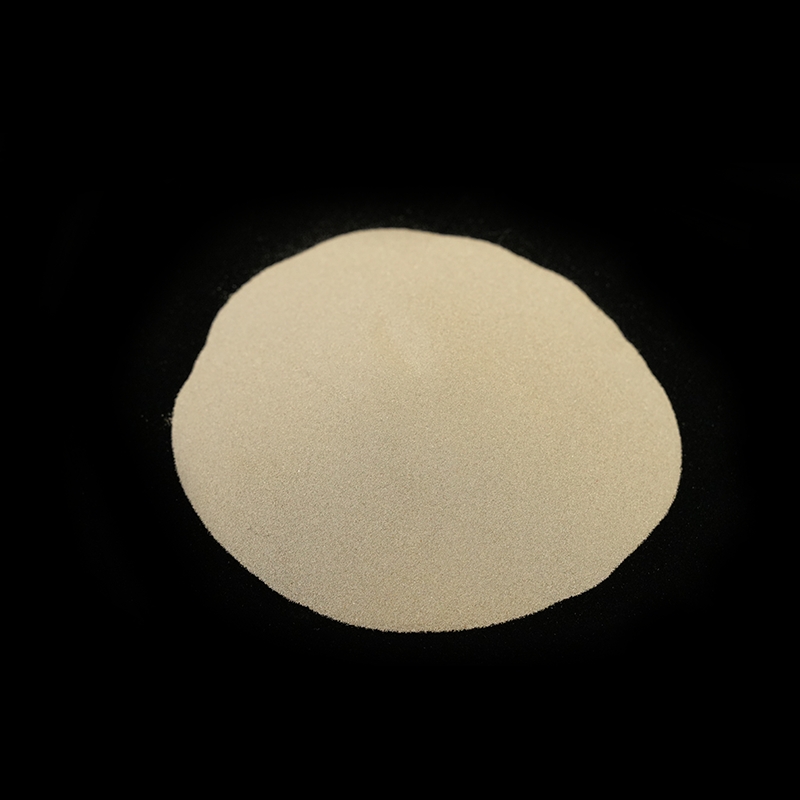 Laser Cladding Powders for Wear and High-Temperature OverlaysNickel-, cobalt-, iron-based and stainless powders for metallurgically bonded cladding layers on shafts, valves, moulds and wear surfaces.View Product →
A Practical Final Word
Aluminium powder is versatile, but versatility is not the same as interchangeability. The most reliable starting point is a clear process brief: what the part must do, what equipment will run, what surface finish and regulatory limits apply, and how the powder will be stored and handled.
If you are weighing aluminium powder against another material, we are happy to talk through the trade-offs. You can also review our application overview to see how powder selection, coating processes, and finished wear parts connect in practice. The right answer is usually the one that fits the whole process, not just the data sheet.