English
 русский
 عربى
Alumina powder is one of those materials that quietly turns up in a lot of places. If you work in surface finishing, refractories, technical ceramics, or coating development, you have probably handled it without always calling it by its chemical name. Alumina is aluminum oxide, Al2O3, and its industrial value comes from a useful mix of hardness, thermal stability, electrical insulation, and chemical inertness.
The practical side is that alumina powder is not a single product. Fused, calcined, tabular, activated, and high-purity grades behave differently because they differ in crystal form, particle size, surface area, and impurity level. This guide looks at the main alumina powder uses and the grade choices behind them.
Content
- 1 What Alumina Powder Is and Why Grade Matters
- 2 Common Grades and Where They Fit
- 3 Abrasives, Blasting, and Surface Finishing
- 4 Refractories and High-Temperature Linings
- 5 Advanced Ceramics and Wear Parts
- 6 Ceramic and Thermal Spray Coatings
- 7 Electronics, Energy, and High-Purity Alumina
- 8 Catalyst Supports, Desiccants, and Water Treatment
- 9 How to Choose the Right Alumina Powder
- 10 Working With a Powder and Process Partner
What Alumina Powder Is and Why Grade Matters
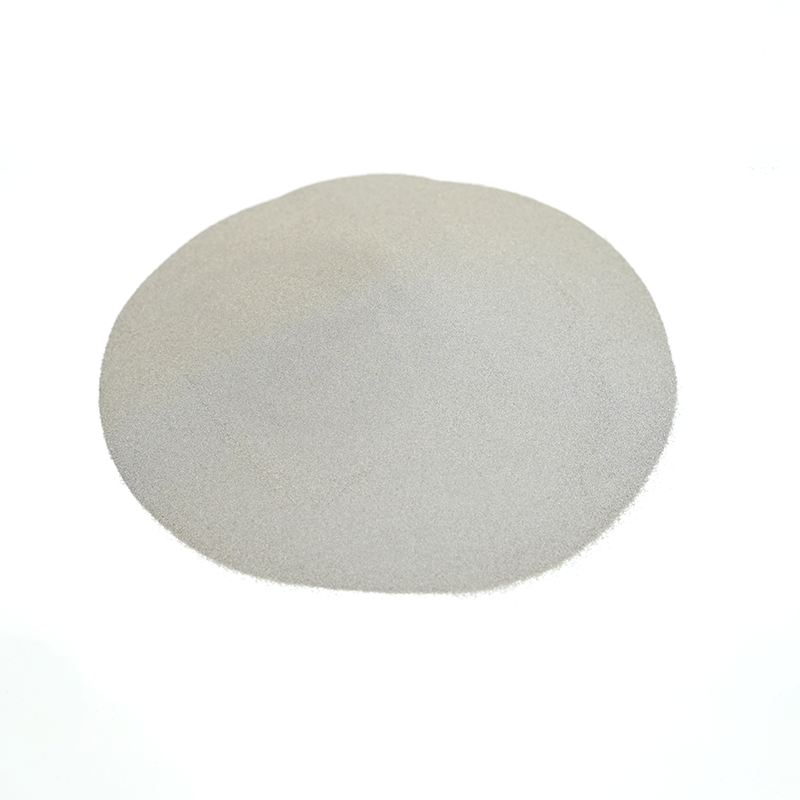
Alumina powder is produced through several routes. Calcined alumina is made by heating aluminum hydroxide and is widely used in refractories and ceramic bodies. Tabular alumina is sintered to a dense, coarse crystal and is chosen where thermal shock resistance and low porosity matter. White fused alumina is melted and crushed, which gives it the hard, angular particles that suit abrasives. High-purity alumina is refined for electronics, sapphire growth, and other demanding applications. Activated alumina is a porous form used for adsorption and catalyst support.
These materials share a chemical formula, but they are not interchangeable. A 99.5% ceramic grade will not meet the requirements of a 4N, or 99.99%, electronic grade. Particle size distribution affects how a powder packs, sinters, sprays, or polishes. The same alumina powder can be right for one process and poor for another.
- Hardness: useful in abrasives, wear parts, and blast media.
- Thermal stability: supports refractory and high-temperature ceramic uses.
- Chemical inertness: helps in corrosive or high-purity environments.
- Electrical insulation: important for substrates, insulators, and electronic components.
- Controlled particle size: affects finish, flow, packing, and coating quality.
Common Grades and Where They Fit
The table below gives a practical starting point, not a final specification. Real selection still depends on your process, equipment, and quality standard.
| Grade or form | Typical uses | Why it is chosen |
|---|---|---|
| Calcined alumina | Refractory bricks and castables, ceramic bodies, polishing compounds | Stable at high temperature, cost-effective, controllable particle size |
| Tabular alumina | Kiln furniture, high-alumina refractories, catalyst supports | High density, thermal shock resistance, low porosity |
| White fused alumina | Abrasives, blasting media, wear-resistant linings | Very hard, angular particles, strong cutting action |
| High-purity alumina | Sapphire growth, electronic substrates, battery separator coatings, bioceramics | Low impurity levels, electrical insulation, consistent sintering |
| Activated alumina | Desiccants, catalyst supports, water treatment, gas drying | High surface area and a porous structure |
| Alumina-titania blend | Thermal spray coatings for wear and corrosion protection | Tough coating matrix, good bond strength and wear resistance |
Abrasives, Blasting, and Surface Finishing
One of the most familiar alumina powder uses is abrasion. Alumina is hard, and crushed fused alumina breaks into angular particles that cut well in bonded abrasives, coated abrasives, blasting media, and wear-resistant linings. It is also used in lapping and polishing compounds for metals, glass, gemstones, and optical parts. Calcined grades can be useful where a finer, more uniform cutting action is needed.
Grit size and particle shape matter as much as chemistry. A coarse blast medium cleans and profiles a surface quickly, while a fine polishing grade improves surface finish. If the particle size is too coarse, the result can be scratches or excessive material removal. If it is too fine, the process may be slow or ineffective. For critical finishing work, a small sample trial is usually the fastest way to confirm the right cut.
Refractories and High-Temperature Linings
Alumina is a mainstay of high-temperature materials because it keeps its shape and strength at temperatures where many other materials soften or react. It appears in refractory bricks, castables, ramming mixes, crucibles, kiln furniture, burner parts, and protective linings. Tabular and calcined grades are common choices, often blended with other refractory raw materials to balance thermal shock resistance, density, and cost.
Purity still matters. Silica, soda, iron, and other impurities can lower refractoriness or affect performance in reducing atmospheres. For furnace linings and kiln furniture, the selection should consider the operating temperature, thermal cycling, slag contact, and mechanical load, not just the alumina content on the data sheet.
Advanced Ceramics and Wear Parts
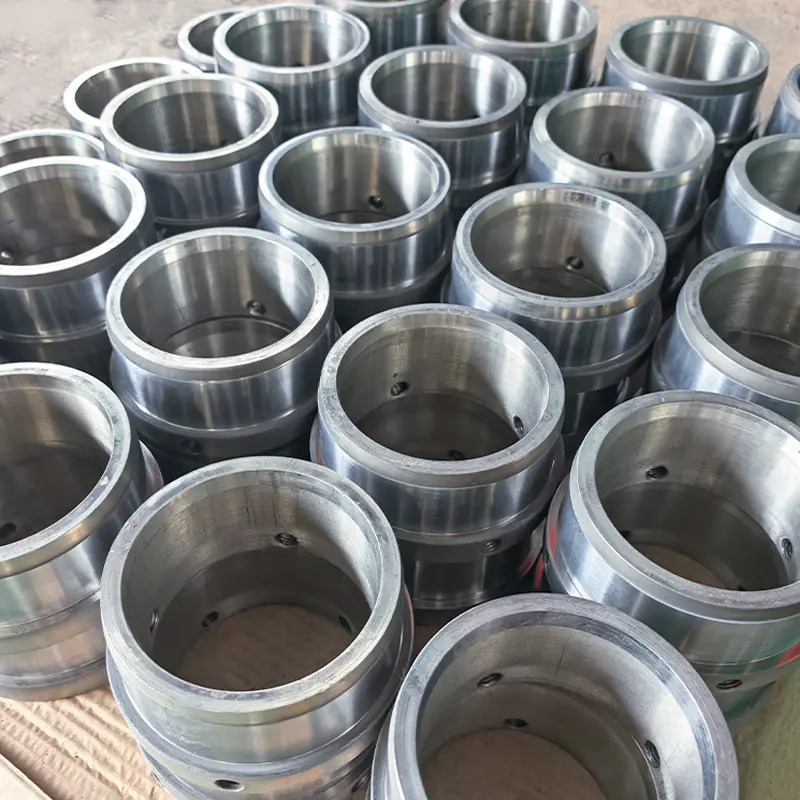
Alumina powder is a base material for technical ceramics used in seals, valve seats, liners, bushings, shafts, plungers, nozzles, and electrical insulators. A 96% alumina ceramic may be adequate for general wear resistance, while 99.5% grades are often selected for higher strength, better corrosion resistance, or more demanding electrical properties. Fine, well-controlled powder can help produce a dense, uniform sintered body with fewer flaws.
Alumina ceramics are hard and wear-resistant, but they are also brittle. Good part design, accurate forming, and careful diamond grinding are part of the solution. If you are moving from a metal wear part to an alumina ceramic part, it helps to involve the powder and component supplier early so that grade, shape, and finishing are considered together.
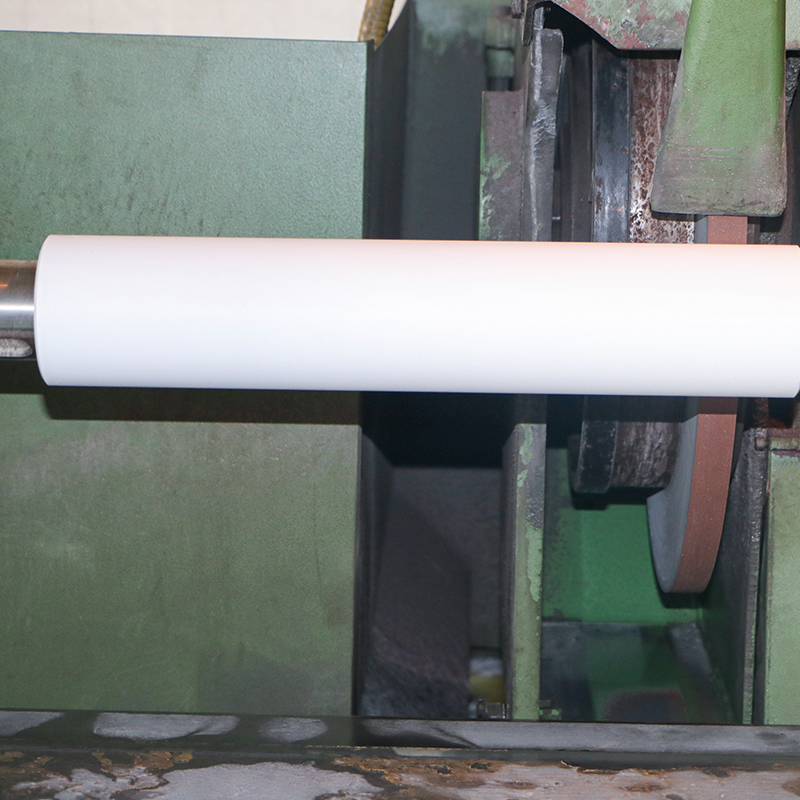 Customized Aluminum Oxide Ceramic ShaftCustomizable aluminum oxide ceramic shaft for wear-resistant applications; contact the supplier to discuss dimensions, grade, and finishing for your design.View Product →
Ceramic and Thermal Spray Coatings
Alumina and alumina-titania powders are used in thermal spray coatings to improve wear resistance, electrical insulation, and corrosion protection. Plasma spraying is a common route because it can melt ceramic particles and build a dense coating on a prepared metal surface. Alumina-titania blends, such as 87/13 or 97/3, are chosen to balance hardness with toughness depending on the wear mode and the substrate.
Coating quality depends on more than the powder. Surface preparation, spray parameters, cooling, and finishing all affect bond strength and coating integrity. For a closer look at blend selection, this guide to alumina-titanium oxide powder uses may help. We also supply an alumina-titanium oxide powder for coating work, and our team can discuss how it fits with the application.
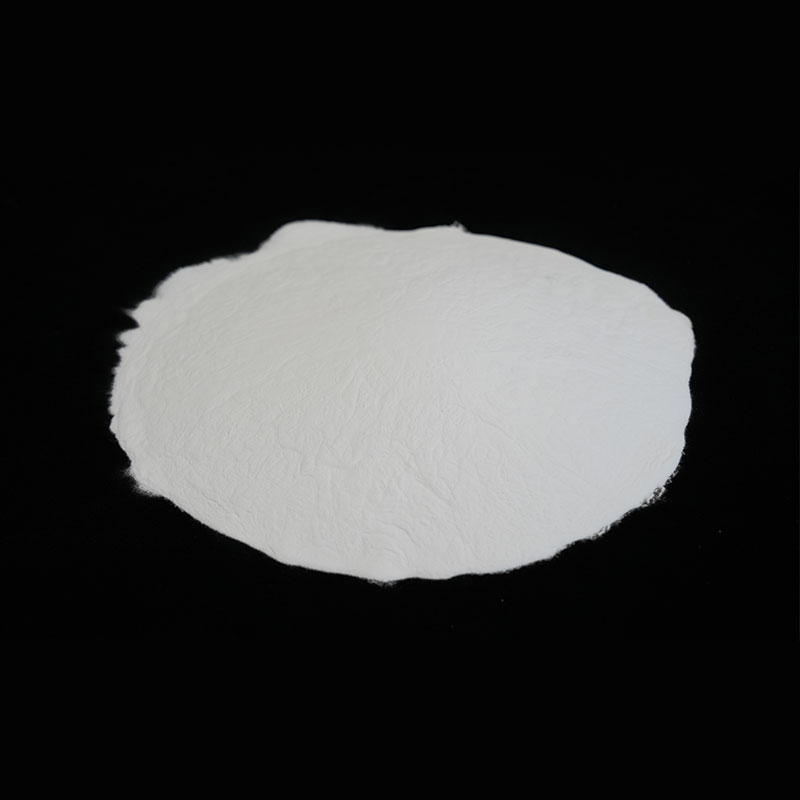 Alumina Titanium Oxide Thermal Spray PowderAl2O3–TiO2 composite powder in 3%, 13%, and 40% titania grades for plasma-sprayed wear- and corrosion-resistant coatings.View Product →
Electronics, Energy, and High-Purity Alumina
High-purity alumina is used in electronic substrates, insulating layers, heat sinks, sensor housings, and semiconductor process parts. It is also a feedstock for sapphire crystal growth, which serves LED and optoelectronic markets. In energy storage, alumina is used in battery separator coatings and is studied in solid-state battery development, where its insulating and thermally stable nature can support safety and performance goals.
At the high-purity end, small impurity differences can matter. Sodium, iron, silica, and other trace elements may affect electrical properties, sintering behavior, or optical quality. Not every electronic application needs the highest available purity, so the specification should match the actual function and the cost target.
Catalyst Supports, Desiccants, and Water Treatment
Activated alumina has a porous structure and high surface area, which makes it useful for adsorption and catalysis. It is used to dry gases and compressed air, remove fluoride or arsenic in water treatment, and support catalysts in chemical processes. It can often be regenerated, which is one reason it remains common in packed beds and filtration systems.
Activated alumina should not be confused with calcined or fused alumina. The porous form is selected for surface area and adsorption, while the dense forms are selected for hardness, refractoriness, or insulation. Using a dense alumina where adsorption is required will not give the same result.
How to Choose the Right Alumina Powder
A good selection process starts with the job the powder must do. The following checklist is a practical way to narrow the options before requesting samples.
- Define the application: abrasive, refractory, technical ceramic, thermal spray coating, catalyst support, or electronic part.
- Check the chemistry: alumina content, key impurities, and crystal phase.
- Match the particle size: D10, D50, D90, sieve cut, or surface area as required.
- Consider the process: pressing, casting, spraying, polishing, or adsorption.
- Test a sample: confirm behavior in your own equipment before scaling up.
- Review quality support: certificate of analysis, lot consistency, packaging, and safety data.
Working With a Powder and Process Partner
At Jiangsu Crystal Additive Manufacturing Co., Ltd., we work with ceramic powders, alloy powders, coating processes, and custom wear parts. That range is useful when alumina powder uses need to be evaluated from both sides: the powder specification and the way it is applied. We can help compare an alumina-titania spray powder with a ceramic coating route, or discuss how an alumina ceramic part might replace a worn metal component.
You can see the kind of wear and surface challenges we address on our application overview. If you are unsure whether calcined, tabular, fused, activated, or high-purity alumina is the right starting point, describe the operating conditions and target life first. The grade choice usually becomes much clearer once the job is defined.
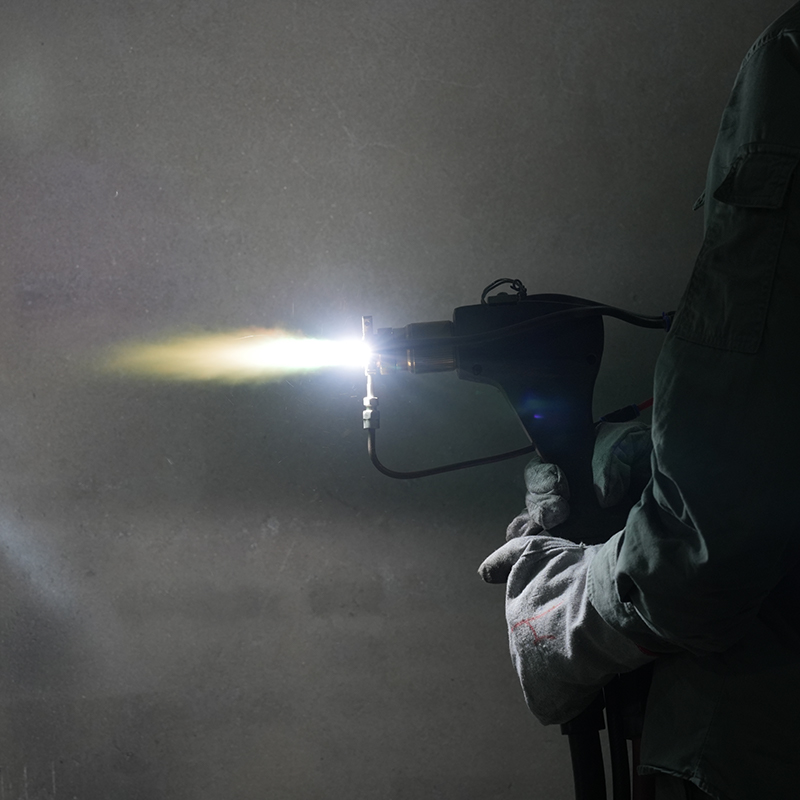 Plasma Ceramic Coating Service for Surface ProtectionPlasma-sprayed ceramic coating service adds wear, corrosion, and thermal protection; suited to evaluating surface strengthening for specific operating conditions.View Product →