English
 русский
 عربى
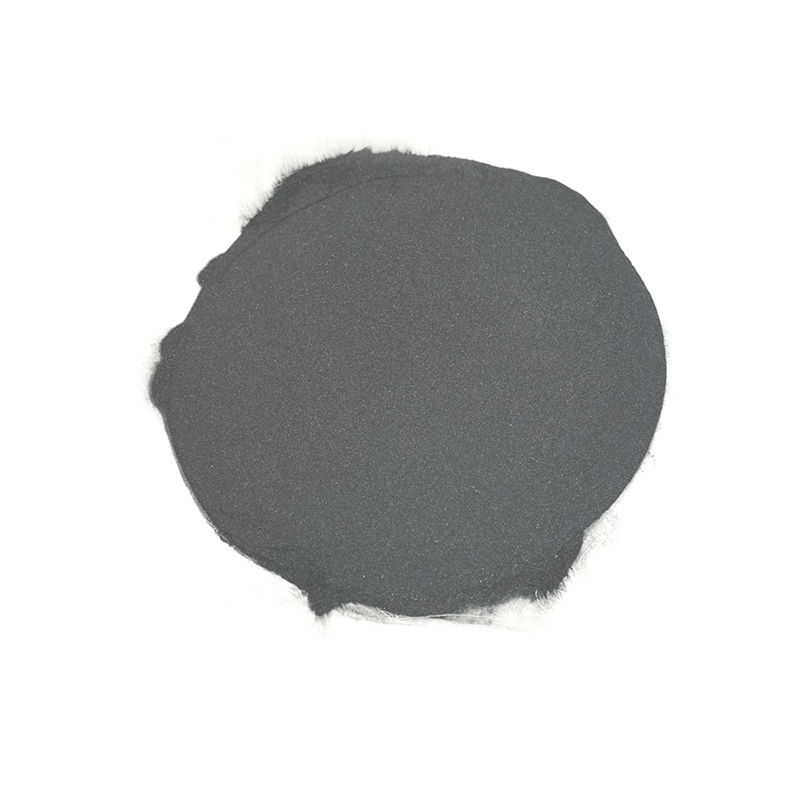
Ask a room of engineers what aluminium powder is used for and you will usually get three different answers. One person will talk about printed lightweight brackets, another about the metallic shimmer in automotive paint, and a third about the gas-forming agent in aerated concrete. All three are right, because "aluminium powder" describes a family of materials rather than a single product. Particle shape, alloy chemistry and oxygen content decide whether a grade belongs in a laser powder bed, a pigment paste or a plasma spray torch. This guide walks through the main aluminium powder applications in practical terms, including where alumina ceramic powders fit into the same conversation.
Content
- 1 What Makes Aluminium Powder So Widely Used
- 2 Additive Manufacturing and Powder Bed Processes
- 3 Powder Metallurgy, Sintering and Metal Injection Moulding
- 4 Pigments, Pastes and Functional Chemistry
- 5 Surface Engineering: Thermal Spray and Ceramic Coatings
- 6 How to Choose the Right Aluminium Powder
- 7 Safety, Handling and Storage
- 8 Where a Powder Partner Fits
What Makes Aluminium Powder So Widely Used
Aluminium is light, around one third the density of steel, and it forms a thin, self-healing oxide layer that protects the surface in many environments. It also conducts heat and electricity well, reflects visible light, and reacts readily with oxygen and alkalis. Those same properties explain both the usefulness and the handling challenges of the powder.
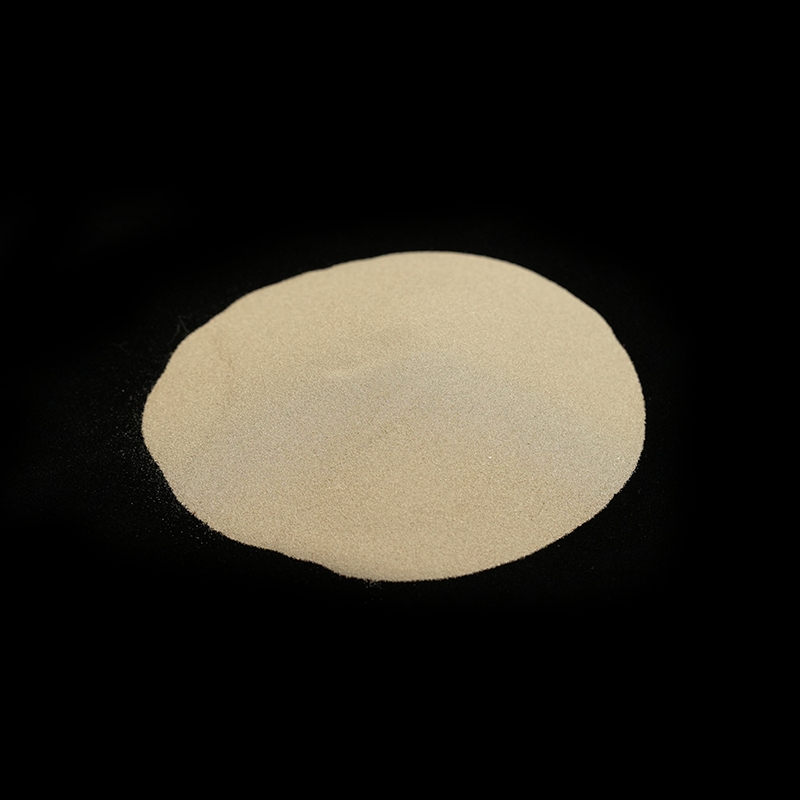
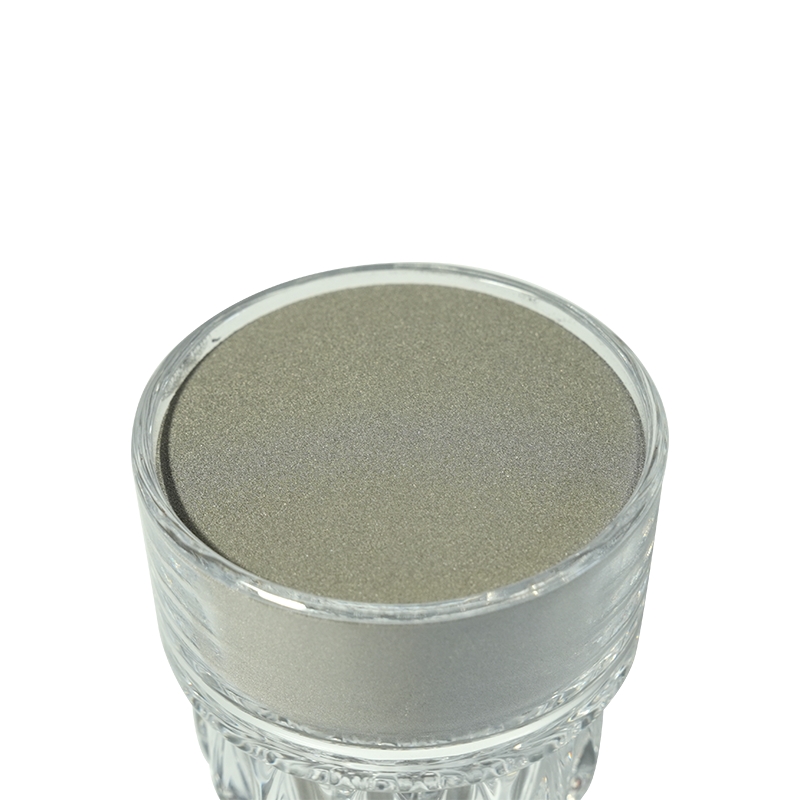
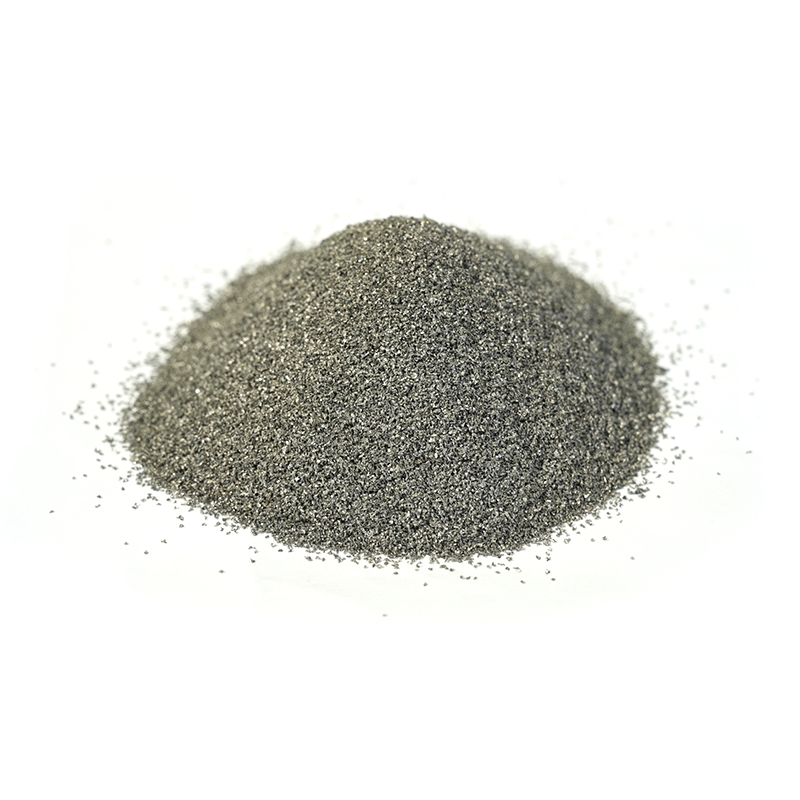
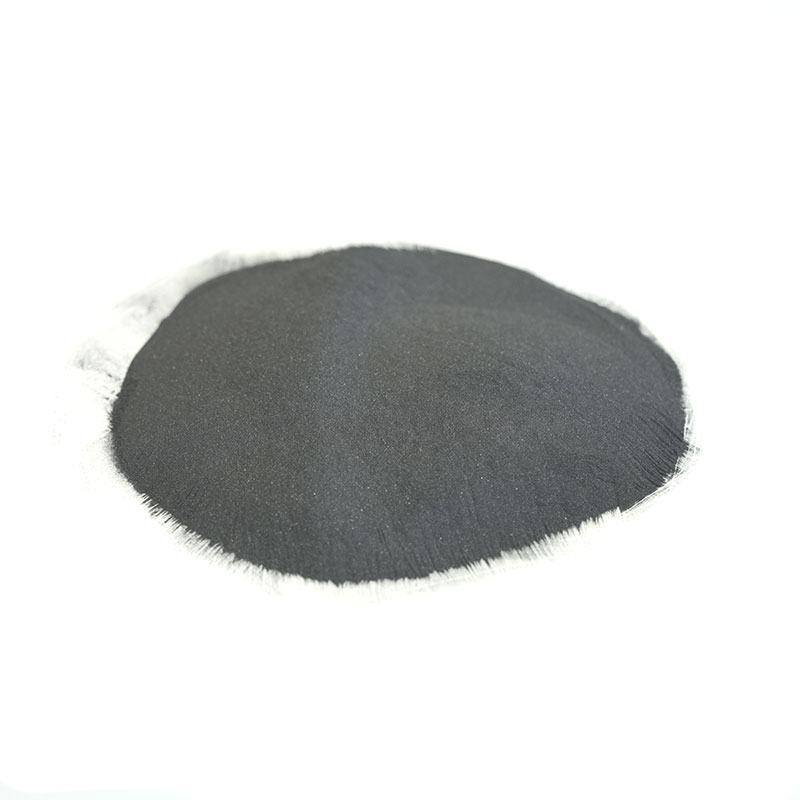
Morphology matters just as much as chemistry. Atomised powders tend to be rounded and flow well, which suits automated feeding systems. Milled or stamped flake powders are flat platelets that overlap in a binder, producing opacity and brightness. Alumina, or aluminium oxide, is a ceramic rather than a metal, and it behaves completely differently again. Keeping these three families separate prevents most specification mistakes.
| Powder family | Typical shape | Common production route | Typical applications |
|---|---|---|---|
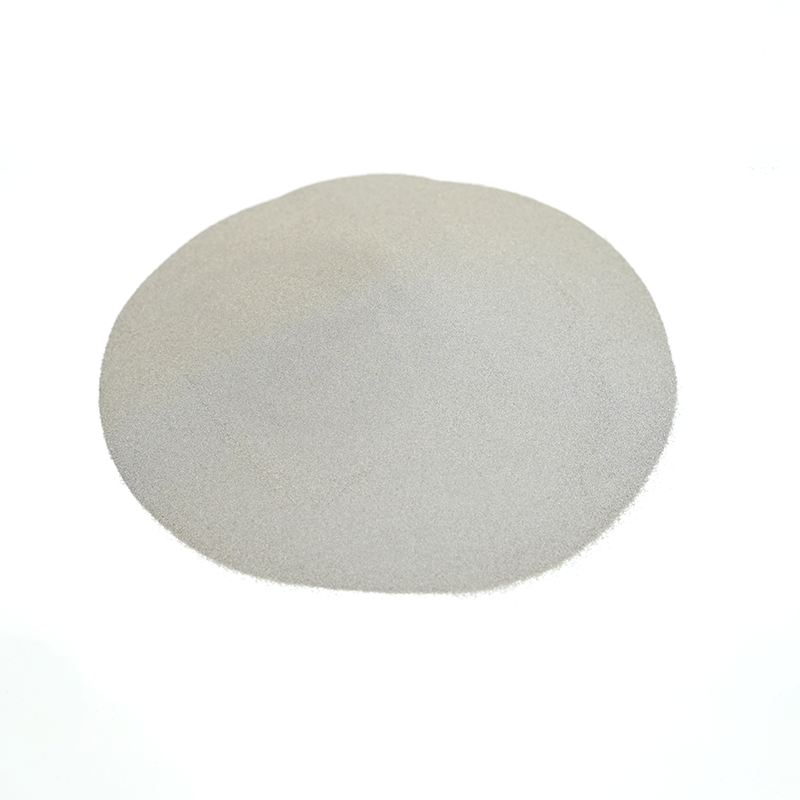
| Atomised aluminium and aluminium alloys | Spherical or irregular | Gas or water atomisation | Additive manufacturing, powder metallurgy, brazing, thermal spray |
| Flake aluminium | Platelet | Ball milling or stamping | Pigments, pastes, printing inks, aerated concrete |
| Alumina ceramic powder | Angular or spray-dried spherical | Fusion, crushing, spray drying | Plasma spray coatings, wear parts, insulation, ceramic shafts |
Additive Manufacturing and Powder Bed Processes
Laser powder bed fusion is the most established metal additive process for aluminium. Grades such as AlSi10Mg and AlSi7Mg are popular because silicon and magnesium widen the solidification range and reduce hot cracking, while the resulting parts remain light and reasonably strong. Typical parts include heat sinks, housings, brackets, motor mounts, manifold components and compact heat exchangers with internal channels that would be difficult to machine.
The process is not without friction. Aluminium reflects a large share of infrared laser energy, so machine parameters must be tuned carefully. The oxide layer on each particle can also trap moisture and hydrogen, which later shows up as porosity. Powder reuse adds another variable: sieving removes coarse agglomerates, but oxygen content and flowability still need checking between builds. A supplier who understands the difference between a grade that prints well and one that merely meets a chemical specification can save a great deal of trial and error.
Powder Metallurgy, Sintering and Metal Injection Moulding
Press-and-sinter aluminium components have a long history in automotive and appliance manufacturing. Connecting rods, pulleys, bearing caps and structural brackets can be produced near-net shape, reducing machining and material waste. Aluminium powder is also blended into metal injection moulding feedstocks and into foaming systems that create porous structures for energy absorption or lightweight cores.
Brazing is another quiet workhorse. Aluminium-silicon brazing powders are used in heat exchangers, radiators and plate-fin assemblies, where a controlled melting range and good wetting matter more than high green strength. In all of these routes, the particle size distribution affects flow, packing and finished properties, a point covered in more depth in our guide on particle size distribution and alloy powder performance.
Pigments, Pastes and Functional Chemistry
Flake aluminium is the material behind the metallic effect in automotive refinish paints, industrial roof coatings and printing inks. Leafing grades float to the surface of a dried film and form a reflective barrier, which is useful in protective coatings. Non-leafing grades distribute more evenly and give a brighter, more uniform sparkle. Aluminium paste for roof coatings can also lower surface temperature by reflecting solar radiation.
Beyond coatings, aluminium powder serves as a gas-forming agent in autoclaved aerated concrete, where it reacts with alkaline conditions to release hydrogen and create the porous structure. It is used in pyrotechnic and specialty chemical formulations, in metallurgical deoxidation, and in thermite-type reactions. These are very different applications, but they all depend on controlled particle size, consistent reactivity and reliable lot-to-lot behaviour.
Surface Engineering: Thermal Spray and Ceramic Coatings
Aluminium and alumina both appear in surface engineering, though in different roles. Aluminium-based powders can be sprayed to build conductive or corrosion-resistant layers, while alumina and alumina-titania ceramic powders are plasma sprayed to produce hard, wear-resistant and electrically insulating surfaces. These coatings are common on pump sleeves, seal faces, guide rollers, textile machinery parts and components exposed to abrasive slurries.
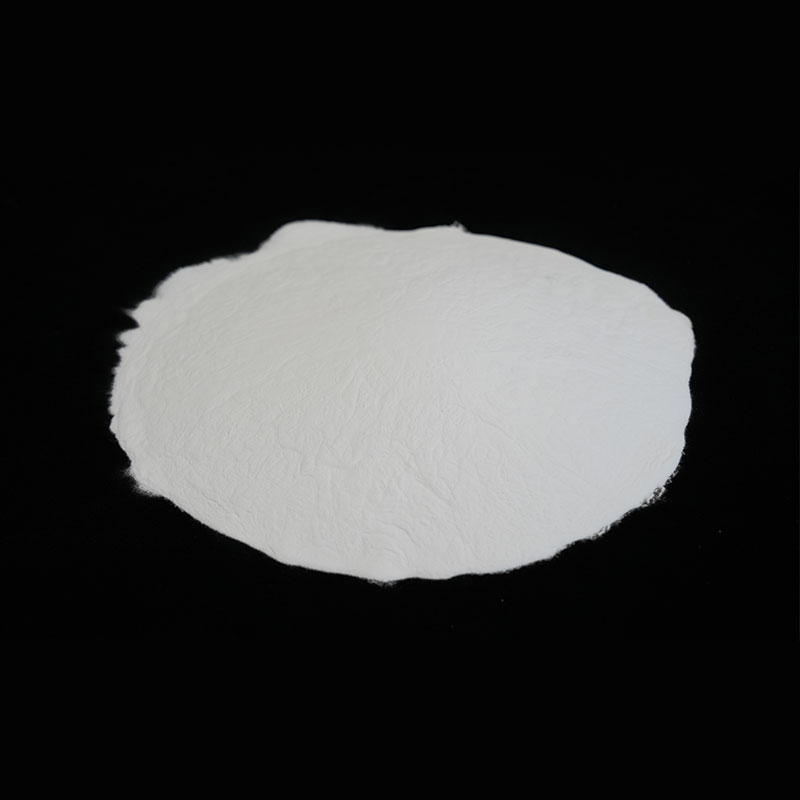 Alumina-Titania Composite Ceramic Powder for Thermal SprayingOffers alumina hardness with titania toughness for wear-resistant plasma-sprayed coatings on pump sleeves, seal faces and rollers.View Product →
Alumina-titania is a practical middle ground: the titania improves toughness and bond strength compared with pure alumina, while hardness and dielectric behaviour remain useful. Coating quality depends on more than the powder grade. Surface preparation, spray distance, gun power and cooling all influence porosity and adhesion, which is why material selection and process selection are best treated as one decision.
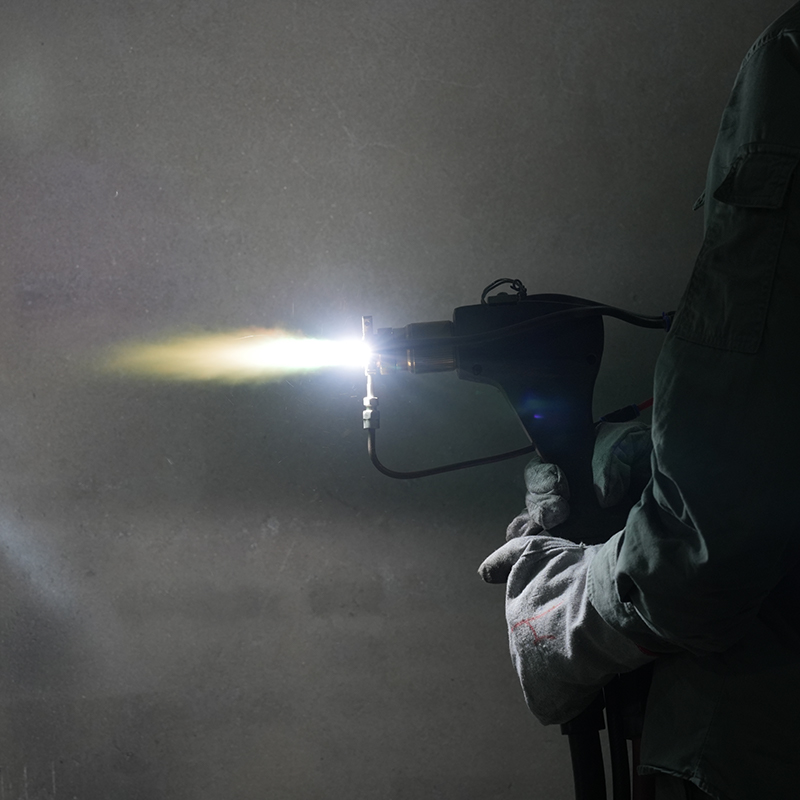 Plasma Ceramic Coating Service for Wear and Corrosion ResistanceDC plasma-spray process forms dense ceramic layers for wear, corrosion, insulation and high-temperature protection on pre-treated components.View Product →
For heavily worn metal parts, laser cladding and spray welding offer another route. These processes build a metallurgically bonded layer from alloy powder and are often used to restore or harden rollers, shafts and plungers rather than to print new geometry. A powder that flows consistently and melts cleanly is essential to a stable cladding bead.
How to Choose the Right Aluminium Powder
Selection usually comes down to a short list of questions. Defining the process first narrows the field quickly, because a grade developed for laser powder bed fusion is rarely the best choice for a brazing paste or a pigment dispersion.
- Chemistry: pure aluminium, an Al-Si brazing alloy, AlSi10Mg for printing, or an alumina ceramic composition.
- Particle size: fine cuts for printing and injection moulding, coarser cuts for thermal spray and press-and-sinter work.
- Morphology: spherical for flow and packing, flake for optical effects and barrier films.
- Oxygen and moisture content: critical for printing, brazing and any application sensitive to porosity.
- Flowability and apparent density: directly affect feeding, die filling and layer uniformity.
- Documentation: lot-specific certificates, sieve data and a realistic sample quantity for trials.
It is worth resisting the temptation to specify the finest possible powder. Finer particles may improve surface finish, but they also increase dust, handling difficulty and cost. Matching the grade to the process is almost always the better starting point.
Safety, Handling and Storage
Aluminium powder can form explosive dust clouds, and fine grades require the same care as other reactive metal powders. Grounded equipment, controlled dust accumulation, suitable extinguishing media and, where necessary, inert gas handling are standard precautions. In additive manufacturing, powder should be kept dry and handled under controlled conditions to limit moisture pickup and oxide growth. Storage areas should be cool, dry and separated from incompatible materials such as strong alkalis and oxidisers. Safety data sheets and local regulations should always guide site practice.
Where a Powder Partner Fits
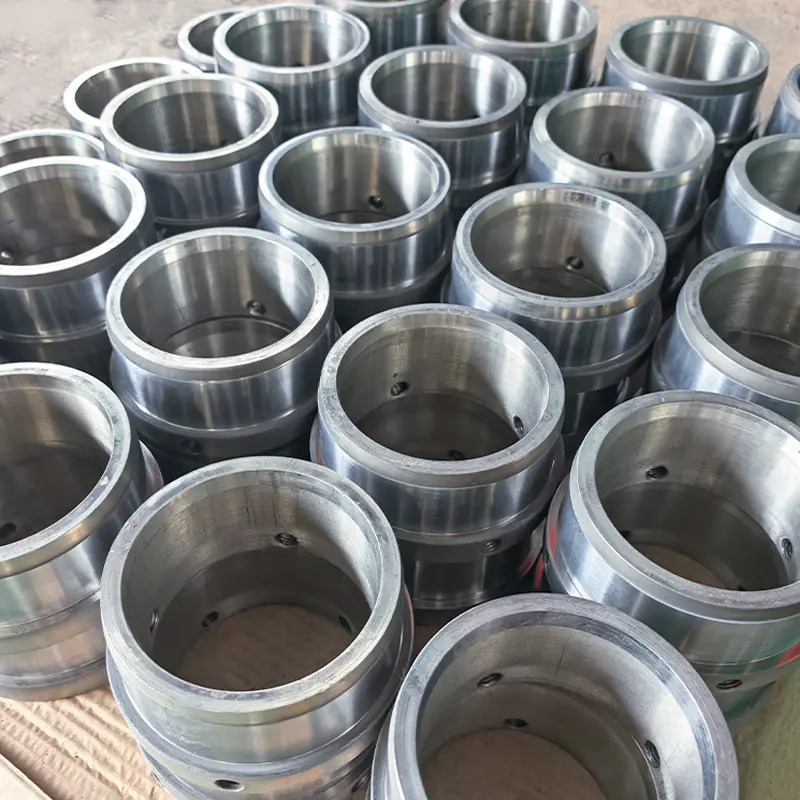
Most application problems are solved at the intersection of material, process and component design. As a manufacturer of alloy, carbide and ceramic powders, we see this every day: a customer arrives with a wear problem on a guide roller or a feeding issue in a print job, and the answer often involves adjusting powder chemistry, coating process or component design together rather than in isolation. Our own work covers these three layers, from alloy and ceramic powders to laser cladding, plasma ceramic coating and supersonic spraying, and on to customised rollers, sleeves and shafts.
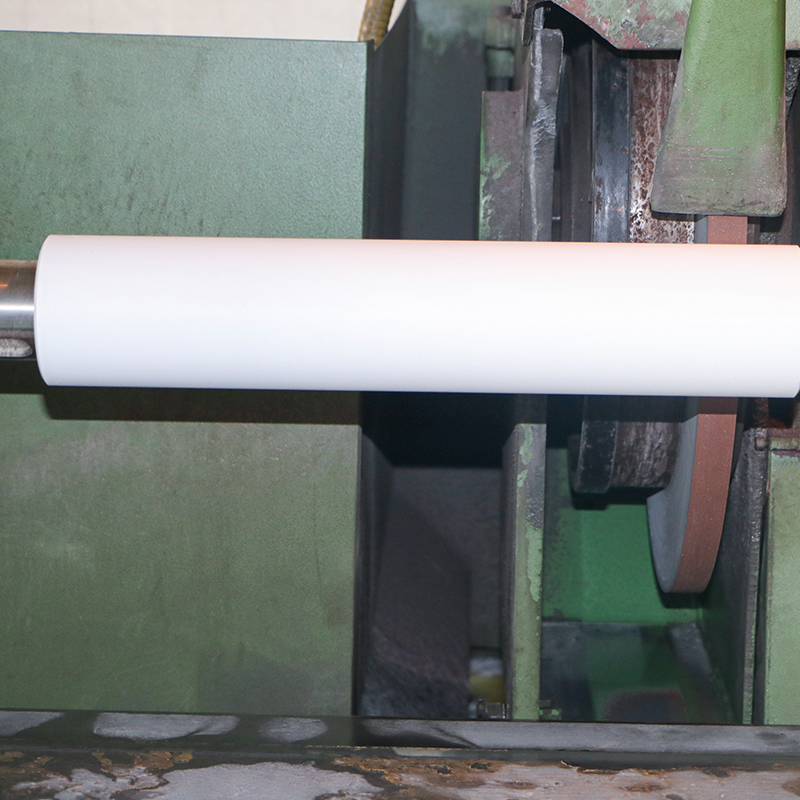 Custom Alumina Ceramic Shafts for Wear and Chemical ResistanceHigh-purity Al₂O₃ shafts offer hardness, corrosion resistance, electrical insulation and high-temperature stability in custom diameters and finishes.View Product →
If you are mapping a requirement onto a specific powder or coated component, you can see how these threads come together on our application overview page. The most useful starting point is usually a clear description of the process, the part and the failure mode you are trying to avoid.
Aluminium powder applications are broad, but they are not interchangeable. Separate the metal powder from the ceramic, match the grade to the manufacturing route, and treat particle size, moisture and handling as engineering variables rather than afterthoughts. Do that, and the material tends to behave predictably, whether it ends up in a printed heat sink, a brazed radiator or a plasma-sprayed wear surface.