English
 русский
 عربى
عربىContent
- 1 What Is Copper Based Alloy Powder and How Is It Made
- 2 Main Types of Copper Based Alloy Powders and Their Compositions
- 3 Key Industrial Applications of Copper Alloy Powder
- 4 Critical Powder Characteristics and How They Affect Performance
- 5 Handling, Storage, and Safety Considerations
- 6 Selecting the Right Copper Based Alloy Powder for Your Application
- 7 Market Trends and Emerging Uses for Copper Alloy Powder
What Is Copper Based Alloy Powder and How Is It Made
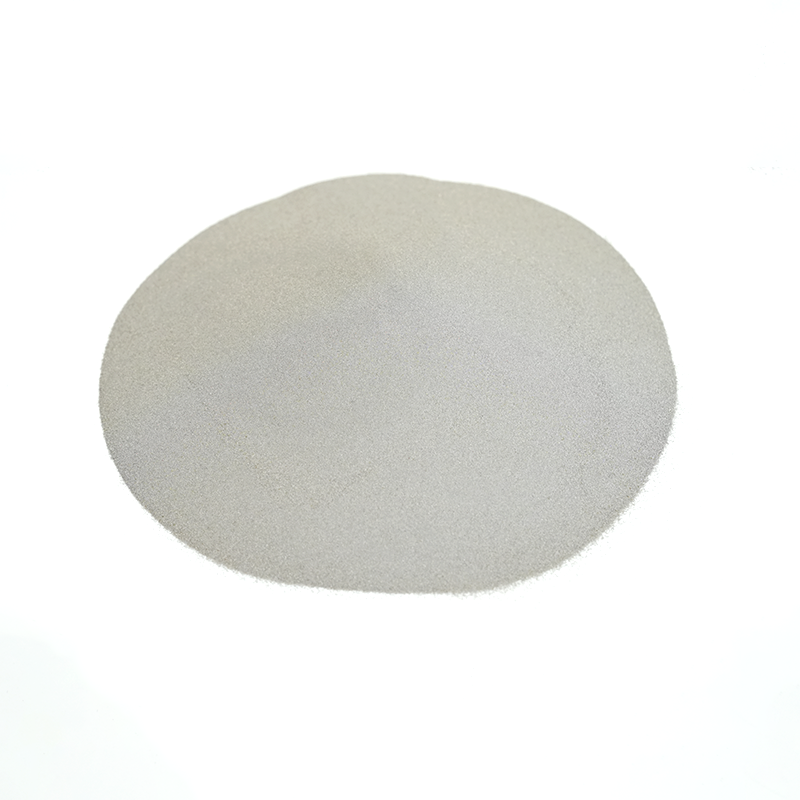
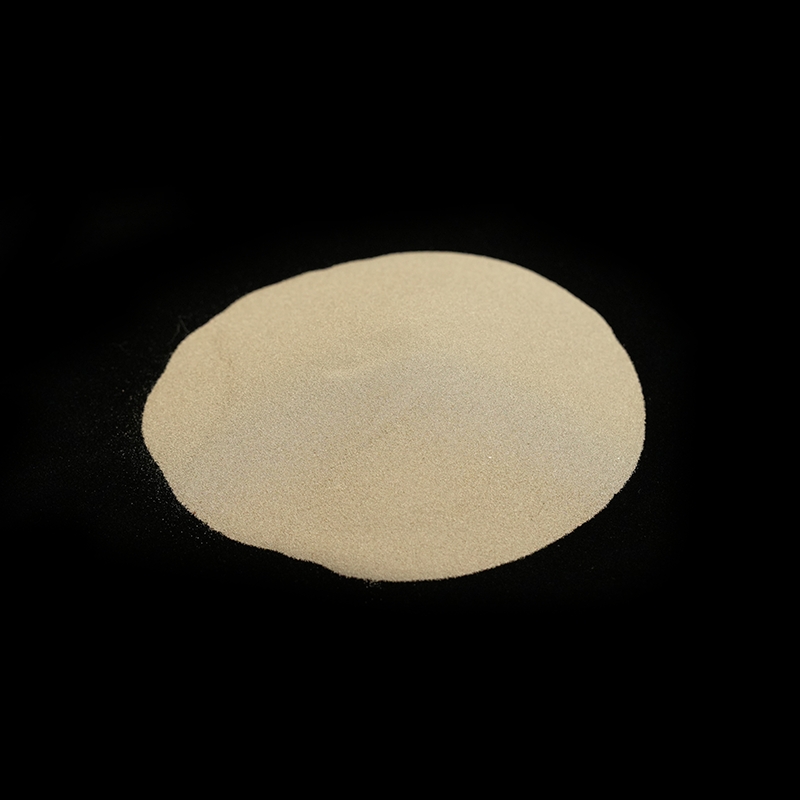
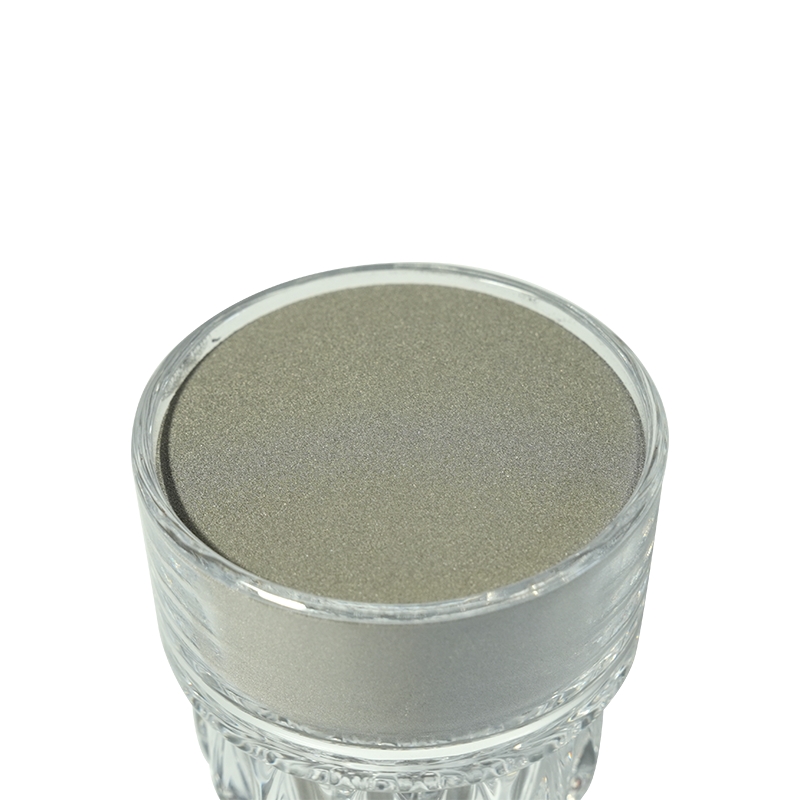
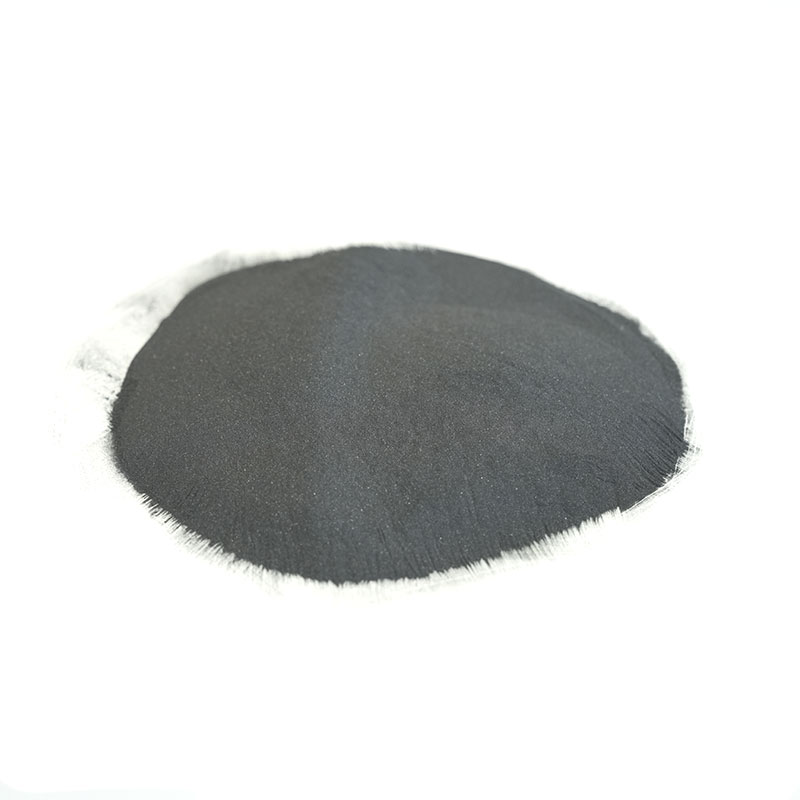
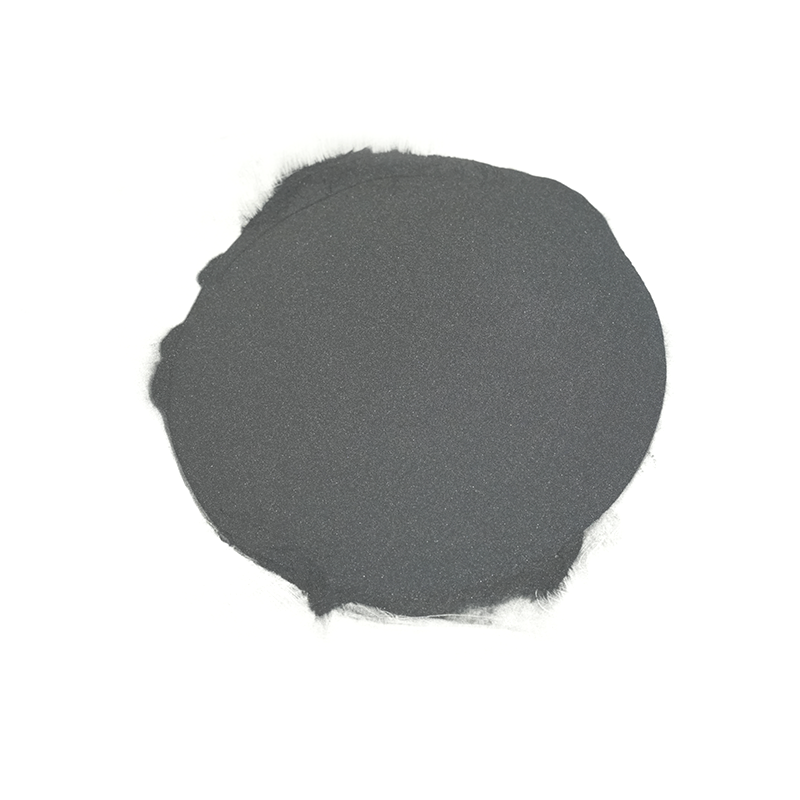
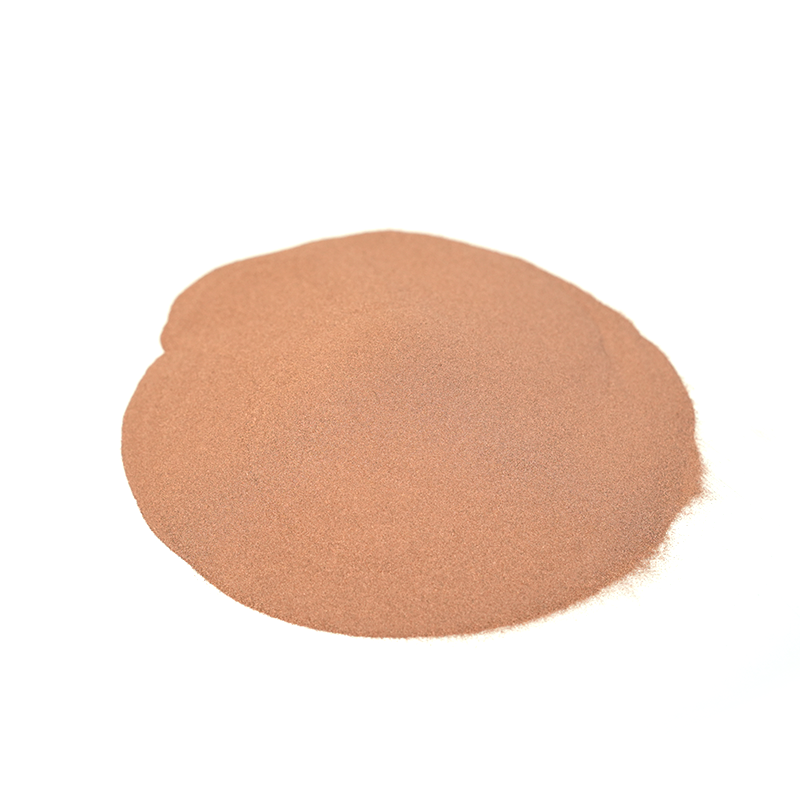
Copper based alloy powder is a metallic powder material in which copper serves as the primary element, combined with one or more secondary metals such as tin, zinc, nickel, aluminum, or lead to form a specific alloy composition. The resulting powder inherits the core properties of copper — excellent thermal and electrical conductivity, good corrosion resistance, and workability — while the alloying elements modify and enhance specific characteristics to suit particular industrial applications. Bronze powder (copper-tin), brass powder (copper-zinc), and copper-nickel powder are among the most commonly used variants.
The manufacturing process used to produce copper alloy powder has a direct impact on particle shape, size distribution, flowability, and surface area — all of which influence how the powder performs in downstream processes. The two dominant production methods are atomization and solid-state reduction, though mechanical alloying and electrolytic deposition are also used for specialty grades.
Water Atomization
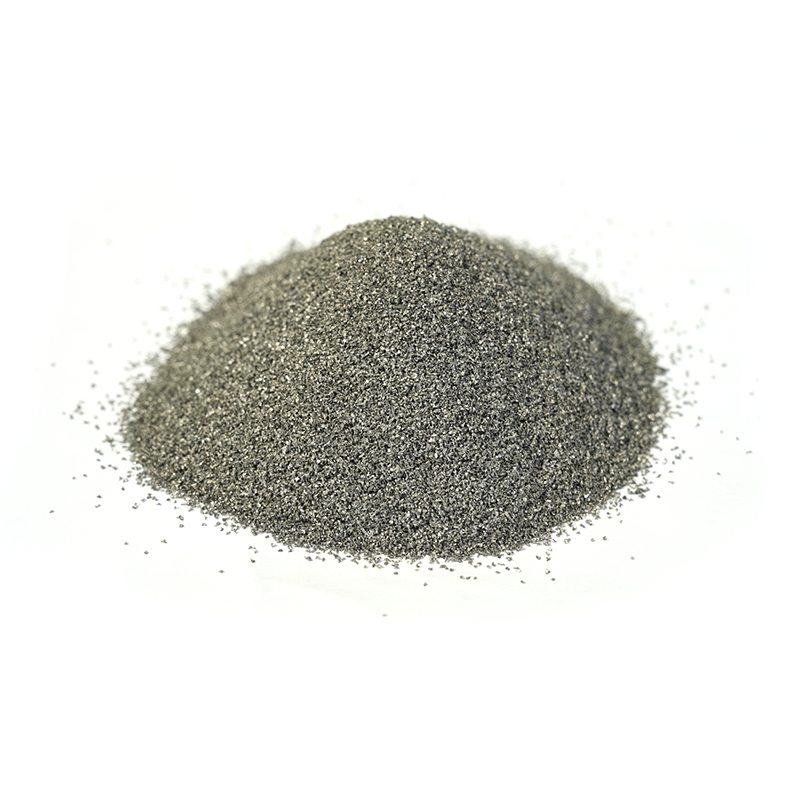
Water atomization is the most widely used industrial method for producing copper based alloy powder. A molten stream of the copper alloy is disintegrated by high-pressure water jets, rapidly solidifying the droplets into irregularly shaped particles. The resulting powder has an irregular, satellite-free morphology that provides good mechanical interlocking in pressed components. Water-atomized copper alloy powders are widely used in powder metallurgy (PM) parts manufacturing because their irregular shape improves green strength after compaction. Particle size typically ranges from 10 to 150 microns depending on atomization parameters.
Gas Atomization
Gas atomization uses inert gas — typically argon or nitrogen — instead of water to break up the molten alloy stream. This produces spherical particles with smooth surfaces, low oxygen content, and excellent flowability. Spherical copper alloy powder produced by gas atomization is the preferred choice for additive manufacturing (metal 3D printing), thermal spray coatings, and metal injection molding (MIM), where consistent flow and packing density are critical. The trade-off is higher production cost compared to water atomization.
Mechanical Alloying
Mechanical alloying involves milling elemental copper powder together with alloying element powders in a high-energy ball mill until the components are uniformly blended at the microstructural level. This method is used to produce copper alloy powders with compositions or microstructures that are difficult to achieve through conventional melting and atomization, such as oxide-dispersion-strengthened (ODS) copper alloys. Mechanically alloyed powders tend to have irregular shapes and higher internal stress levels, which are often relieved through a subsequent annealing step.
Main Types of Copper Based Alloy Powders and Their Compositions
Each type of copper alloy powder has a distinct elemental composition that determines its physical, mechanical, and chemical properties. Selecting the right alloy type is the first and most important decision in any application involving copper alloy metallic powder.
| Alloy Type | Primary Composition | Key Properties | Typical Applications |
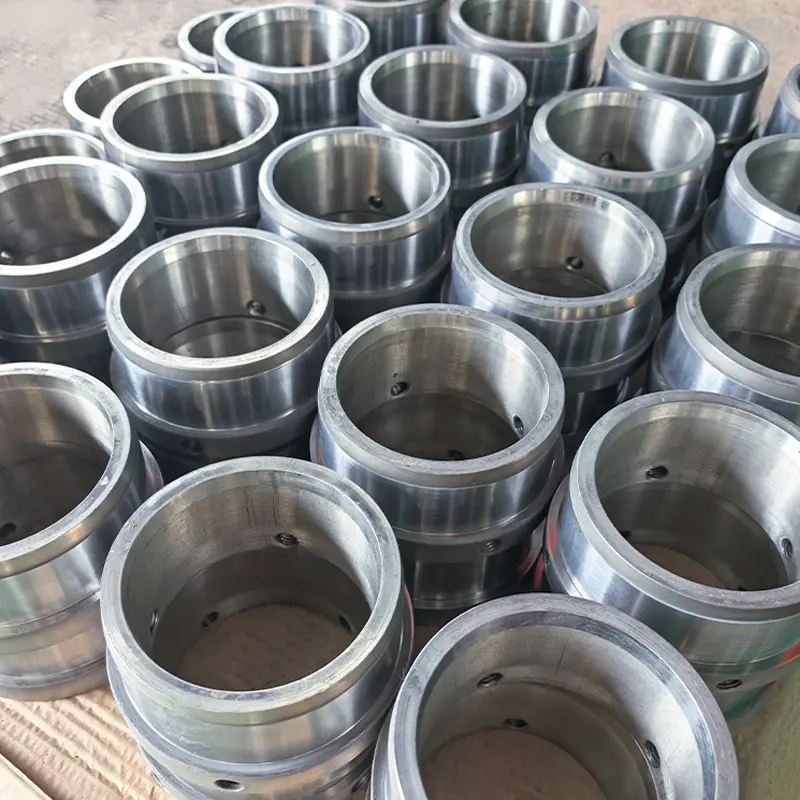
| Bronze Powder | Cu + 8–12% Sn | High strength, good wear resistance, low friction | Bearings, bushings, filters, PM parts |
| Brass Powder | Cu + 10–40% Zn | Good machinability, corrosion resistance, attractive appearance | Decorative coatings, brazing, PM structural parts |
| Copper-Nickel Powder | Cu + 10–30% Ni | Excellent corrosion resistance, high thermal stability | Marine components, heat exchangers, electronics |
| Copper-Tin-Lead Powder | Cu + Sn + Pb | Self-lubricating, good conformability | Plain bearings, sliding components |
| Copper-Aluminum Powder | Cu + 5–10% Al | High hardness, oxidation resistance, good strength | Thermal spray, wear-resistant coatings |
| Copper-Chrome Powder | Cu + 0.5–1% Cr | High conductivity + elevated temperature strength | Electrical contacts, resistance welding electrodes |
Key Industrial Applications of Copper Alloy Powder
Copper based alloy powders are used across a surprisingly wide range of industries, from heavy automotive manufacturing to precision electronics and advanced additive manufacturing. The specific alloy grade, particle size, and morphology are chosen based on the requirements of each application.
Powder Metallurgy Components
Powder metallurgy (PM) is the largest application sector for copper based alloy powders, particularly bronze and brass grades. In PM, alloy powder is blended with lubricants, pressed into a die at high pressure to form a green compact, and then sintered in a controlled-atmosphere furnace to bond the particles and achieve final mechanical properties. This process allows complex near-net-shape parts — such as self-lubricating bearings, bushings, gears, and structural components — to be produced with minimal material waste and tight dimensional tolerances. Bronze PM bearings, for instance, are widely used in automotive, appliance, and industrial equipment applications because of their excellent load-bearing capacity and built-in porosity that retains lubricating oil.
Additive Manufacturing and Metal 3D Printing
Gas-atomized spherical copper alloy powder has become an important feedstock for metal additive manufacturing processes, including selective laser melting (SLM), laser powder bed fusion (LPBF), and directed energy deposition (DED). Copper alloys are particularly valued in AM for heat exchanger components, electrical connectors, and tooling inserts where both thermal performance and complex internal geometry are required simultaneously. The challenge with copper in AM is its high reflectivity to standard infrared laser wavelengths, which has driven interest in green laser systems and the development of alloy grades specifically optimized for laser absorption, such as CuCrZr and CuNiSi compositions.
Thermal Spray Coatings
Copper alloy powders — particularly bronze (Cu-Sn), copper-aluminum, and copper-nickel grades — are used as feedstock in thermal spray processes such as flame spray, arc spray, and high-velocity oxygen fuel (HVOF) spraying. These coatings are applied to metal substrates to restore worn surfaces, provide corrosion protection, or create functional surfaces with specific electrical or tribological properties. Thermal spray copper alloy coatings are common in marine environments for corrosion protection, in industrial equipment for bearing surface restoration, and in the production of electromagnetic shielding layers.
Brazing and Soldering Pastes
Certain copper based alloy powders, particularly copper-phosphorus, copper-silver, and brass compositions, are formulated into brazing pastes and filler metals used for joining ferrous and non-ferrous metals. Copper alloy brazing powder is used extensively in HVAC system assembly, refrigeration component manufacturing, automotive heat exchanger production, and electrical connector fabrication. The powders are mixed with flux binders to create a workable paste that flows into joint gaps at brazing temperature, forming strong, hermetic joints without requiring the high temperatures of welding.
Friction Materials
Bronze powder is a primary metallic binder in sintered friction materials used in heavy-duty braking systems — including those for trains, aircraft, construction equipment, and industrial machinery. In these applications, the copper alloy matrix holds together hard abrasive particles (such as iron, silicon carbide, or alumina) and solid lubricants (such as graphite or molybdenum disulfide) while conducting heat away from the friction interface. The high thermal conductivity of the copper alloy matrix is critical for preventing overheating and maintaining consistent braking performance under repeated high-energy stops.
Conductive Inks and Pastes
Fine copper alloy powders, typically in the submicron to 5-micron size range, are used in electrically conductive inks and pastes for printed electronics, flexible circuits, RFID antennas, and photovoltaic cell interconnects. Copper alloy formulations are increasingly used as lower-cost alternatives to silver-based conductive inks, though managing surface oxidation remains a key technical challenge. Alloy additions such as nickel or silver coatings on copper particles help reduce oxidation susceptibility and maintain conductivity after thermal curing.
Critical Powder Characteristics and How They Affect Performance
When specifying or evaluating copper based alloy powder for any application, several physical and chemical characteristics have a direct impact on processability and final part performance. Understanding these parameters helps engineers and procurement teams make informed decisions.
Particle Size Distribution (PSD)
Particle size distribution is one of the most important specifications for any copper alloy powder. It is typically reported as D10, D50, and D90 values — the particle sizes below which 10%, 50%, and 90% of particles fall by volume. For PM compaction, a broad size distribution (typically 20–150 microns) improves packing density and green strength. For additive manufacturing, a narrow distribution (typically 15–53 microns for LPBF or 45–105 microns for DED) ensures consistent powder bed spreading and laser interaction. Coarser powders are generally used in thermal spray, while ultrafine powders (below 10 microns) are required for conductive paste applications.
Apparent Density and Tap Density
Apparent density (the bulk density of loose powder) and tap density (the density after mechanical tapping) together describe how efficiently powder packs into a container or die cavity. A high tap-to-apparent-density ratio indicates good flowability and compressibility. For PM pressing, these values directly affect the fill weight per cavity and the compaction ratio required to achieve target green density. Spherical gas-atomized powders generally have higher apparent density and better flow than irregular water-atomized powders of the same alloy.
Oxygen and Impurity Content
Copper is prone to surface oxidation, and the presence of copper oxide on particle surfaces negatively affects sintering behavior, electrical conductivity, and mechanical properties in the final part. Oxygen content is typically specified in parts per million (ppm) and should be minimized through appropriate manufacturing conditions (inert atmosphere atomization), powder handling protocols (sealed packaging, inert storage), and processing environments (reducing sintering atmospheres using hydrogen or dissociated ammonia). For AM applications, oxygen content below 300 ppm is typically required for acceptable part quality.
Flowability
Powder flow rate is measured using standardized tests such as Hall flowmeter (ASTM B213) or Carney funnel tests. Good flowability is essential for consistent die filling in PM pressing, reliable powder bed deposition in AM systems, and accurate metering in thermal spray equipment. Flowability is primarily determined by particle shape — spherical particles flow more freely than irregular ones — and can also be affected by particle size (very fine powders below 10 microns tend to agglomerate) and moisture content.
Handling, Storage, and Safety Considerations
Copper based alloy powders require careful handling and storage to maintain quality and ensure safe operation in industrial environments. Fine metal powders present specific hazards that must be managed through appropriate procedures and equipment.
- Explosion risk: Fine copper alloy powders, particularly those below 75 microns, are combustible and can form explosive dust clouds when suspended in air at sufficient concentration. Facilities handling these powders must implement dust control measures, use grounded equipment to prevent electrostatic discharge, and comply with relevant dust explosion prevention standards (NFPA 652/654 in the US, ATEX directives in the EU).
- Oxidation prevention: Store copper alloy powder in sealed, airtight containers, ideally under inert gas backfill (argon or nitrogen). Avoid exposure to humid air, which accelerates surface oxidation. Once opened, containers should be resealed immediately after use.
- Personal protective equipment: Workers handling copper alloy powder should use appropriate respiratory protection (N95 or higher for fine powders), nitrile gloves to prevent skin contact, and safety glasses. Prolonged inhalation of copper dust can cause respiratory irritation and, in occupational settings, conditions such as metal fume fever or, at very high chronic exposure levels, liver toxicity.
- Lead-containing alloys: Copper-tin-lead and certain leaded brass powders require additional precautions due to lead toxicity. These powders should be handled in well-ventilated areas or under local exhaust ventilation, and all surfaces should be regularly cleaned to prevent accumulation of lead-containing residues.
- Waste disposal: Copper alloy powder waste, including contaminated containers and sweepings, should be collected and disposed of in accordance with local regulations for metallic hazardous waste. Many copper alloy powder manufacturers offer return programs for off-spec or excess material due to the scrap value of the metal content.
Selecting the Right Copper Based Alloy Powder for Your Application
With a wide range of alloy types, particle size ranges, morphologies, and quality grades available, narrowing down the right copper alloy metallic powder for a specific application requires a systematic approach. The following questions help structure the selection process:
- What is the processing method? Whether you're using PM pressing, metal AM, thermal spray, or brazing determines the required particle shape (irregular vs. spherical), size range, and flowability specification before anything else.
- What mechanical or physical properties are required in the final part? If the end use demands high wear resistance, bronze (Cu-Sn) is typically preferred. If corrosion resistance in saline environments is the priority, copper-nickel is the better choice. If electrical conductivity must be maximized alongside reasonable strength, CuCrZr or CuNiSi grades are worth evaluating.
- Are there regulatory constraints on alloy composition? Applications in food contact, potable water systems, or electronics may have restrictions on lead or certain other alloying elements. Confirm compliance requirements before selecting an alloy grade.
- What is the operating environment of the finished component? Temperature range, exposure to corrosive media, mechanical loading, and thermal cycling all influence which alloy composition will deliver the best long-term performance.
- What volume and consistency are required? For high-volume production, batch-to-batch consistency in chemistry, PSD, and apparent density is critical. Request certificates of analysis (CoA) for each lot and establish incoming inspection protocols to verify key parameters against specification.
Working directly with powder suppliers during the specification stage — rather than simply ordering from a catalog — is strongly recommended for critical applications. Most reputable copper alloy powder manufacturers can provide application-specific technical support, custom size cuts, and trial quantities to validate powder performance before full production commitment.
Market Trends and Emerging Uses for Copper Alloy Powder
The market for copper based alloy powder is evolving in response to broader trends in advanced manufacturing, electrification, and sustainable production. Several developments are expanding the applications and performance expectations for these materials.
Growth in Additive Manufacturing Demand
The adoption of metal additive manufacturing in aerospace, automotive, and energy sectors is driving growing demand for high-quality spherical copper alloy powders. In particular, the ability to print complex internal cooling channels in copper alloy heat exchangers and rocket engine components is spurring significant R&D investment. Alloy grades such as CuCrZr, GRCop-42, and GRCop-84 — originally developed for NASA applications — are becoming more commercially available as AM hardware and process parameters mature.
Electrification and EV Applications
The rapid growth of electric vehicles is creating new demand for copper alloy PM components in electric motors, power electronics cooling systems, and high-current connectors. The combination of high conductivity, thermal management capability, and the ability to produce complex near-net-shape parts through powder metallurgy makes copper alloy powder an increasingly important material in EV drivetrain and power management systems.
Antimicrobial Copper Applications
The well-documented antimicrobial properties of copper and copper alloys are generating new interest in copper alloy powder coatings and sintered surfaces for healthcare and public infrastructure applications. Thermal spray coatings using copper-based powders are being evaluated for application on high-touch surfaces in hospitals, transit systems, and public buildings as a passive infection control measure. Sintered copper alloy components are also being developed for use in water treatment and filtration systems where the inherent antimicrobial activity of copper can reduce biofilm formation.