English
 русский
 عربى
عربىContent
- 1 What a Tungsten Carbide Coated Roller Is and Why It's Used
- 2 Industries and Processes That Rely on Tungsten Carbide Coated Rollers
- 3 Key Performance Benefits That Set This Coating Apart
- 4 How the Coating Is Applied to the Roller Surface
- 5 Choosing the Right Tungsten Carbide Coated Roller for Your Application
- 6 Maintenance Practices That Maximize Roller Service Life
What a Tungsten Carbide Coated Roller Is and Why It's Used
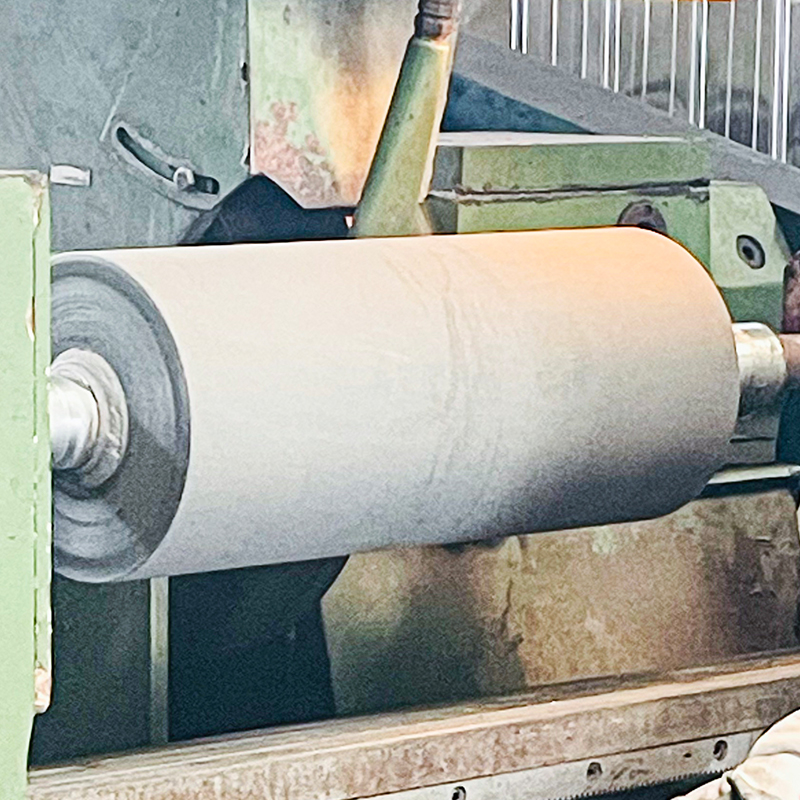
A tungsten carbide coated roller is a roller with a layer of tungsten carbide applied to its surface, combining a composite coating of tungsten carbide and a metallic binder phase such as cobalt, nickel, or nickel-chromium to achieve wear resistance, corrosion resistance, and high-temperature performance well beyond what an uncoated metal roller can offer. Rollers play a critical role in countless industrial processes, but they're routinely subjected to harsh conditions like high pressure, high temperature, friction, and chemical corrosion, all of which wear down ordinary steel or chrome-plated rollers far faster than most production lines can tolerate. Coating the roller surface with tungsten carbide addresses this problem directly, since the coating's hardness and density allow it to resist the kind of surface degradation that would otherwise force frequent, costly roller replacement.
Tungsten carbide itself has a hardness that approaches diamond, with a Mohs hardness of nearly 9, which explains why tungsten carbide coated rollers perform so well in environments that would quickly chew through standard roller materials. This exceptional hardness is paired with strong corrosion resistance, since the coating's stable chemical structure holds up against acids, alkalis, and other aggressive substances found in many industrial processes, making the coated roller a practical solution across a surprisingly wide range of manufacturing environments.
Industries and Processes That Rely on Tungsten Carbide Coated Rollers
Tungsten carbide coated rollers show up across a wide range of industries specifically because they hold up where standard rollers fail. Common applications include processing of plastic films, metal foils, functional materials, coating processes, paper processing, and high-precision calendering, all of which place significant wear and tensile stress on roller surfaces during continuous high-speed operation. In the steel industry specifically, these rollers are mainly used in hot rolling, cold rolling, and continuous casting processes, where excellent wear resistance and high-temperature tolerance extend roller service life and improve overall production efficiency.
Where Tungsten Carbide Coated Rollers Are Most Commonly Found
| Industry | Typical Roller Function |
| Steel and metallurgy | Hot rolling, cold rolling, continuous casting |
| Papermaking | Press rolls, calender rolls, coating rolls |
| Plastics and films | Laminating, printing, film processing |
| Metal foil production | Aluminum and copper foil rolling |
| Aerospace | Rolling, coating, and heat treatment of metal components |
Key Performance Benefits That Set This Coating Apart
The main features of a tungsten carbide coated roller include ultra-high hardness, excellent wear resistance, good corrosion resistance, high temperature stability, and a low friction coefficient, and each of these properties translates into a tangible operational benefit. The low friction coefficient in particular reduces friction between the roller and the material passing over it, which lowers energy loss while improving both transmission efficiency and working speed, a meaningful advantage in industries where throughput directly affects profitability. High compressive strength and hardness also allow the roller to maintain stable dimensional accuracy and surface condition in high-tension environments, which matters enormously for processes like film and foil production where even minor surface irregularities can show up as visible defects in the finished product.
Core Advantages at a Glance
- Extremely high surface hardness, reaching 1500 to 1800 HV, several times that of ordinary steel
- Strong resistance to wear under high-speed, high-load, and high-friction conditions
- Good corrosion resistance against acids, alkalis, and other aggressive process chemicals
- Stable performance under high-temperature operating conditions
- Lower friction coefficient that improves transmission efficiency and reduces energy consumption
How the Coating Is Applied to the Roller Surface
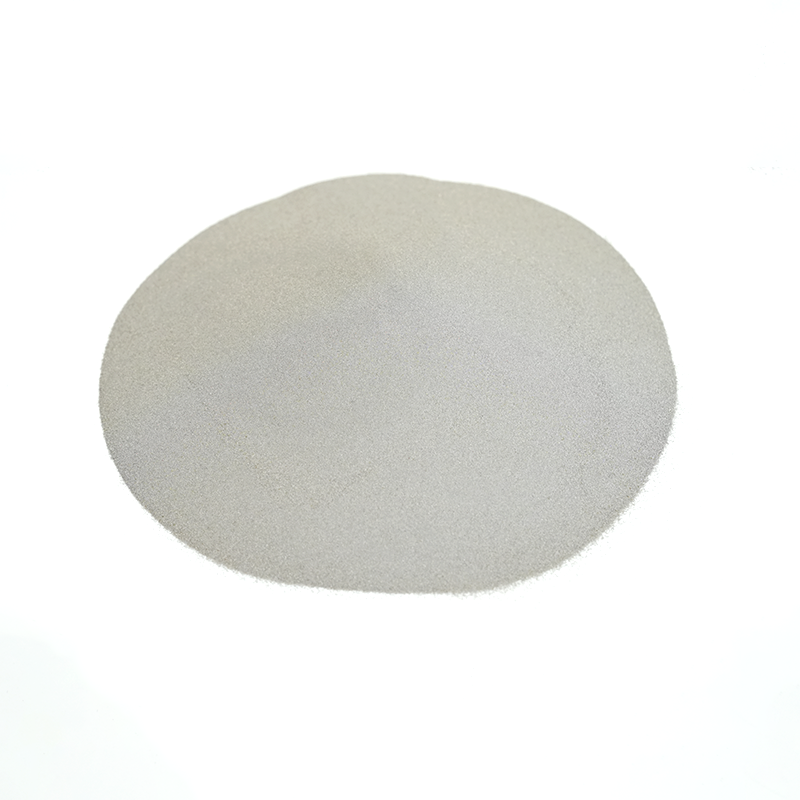
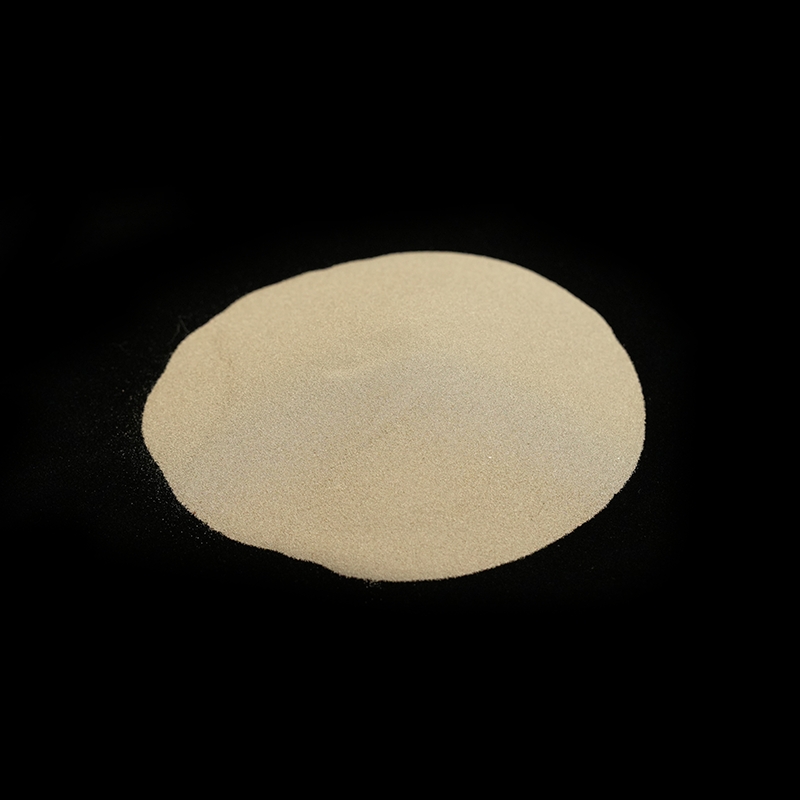
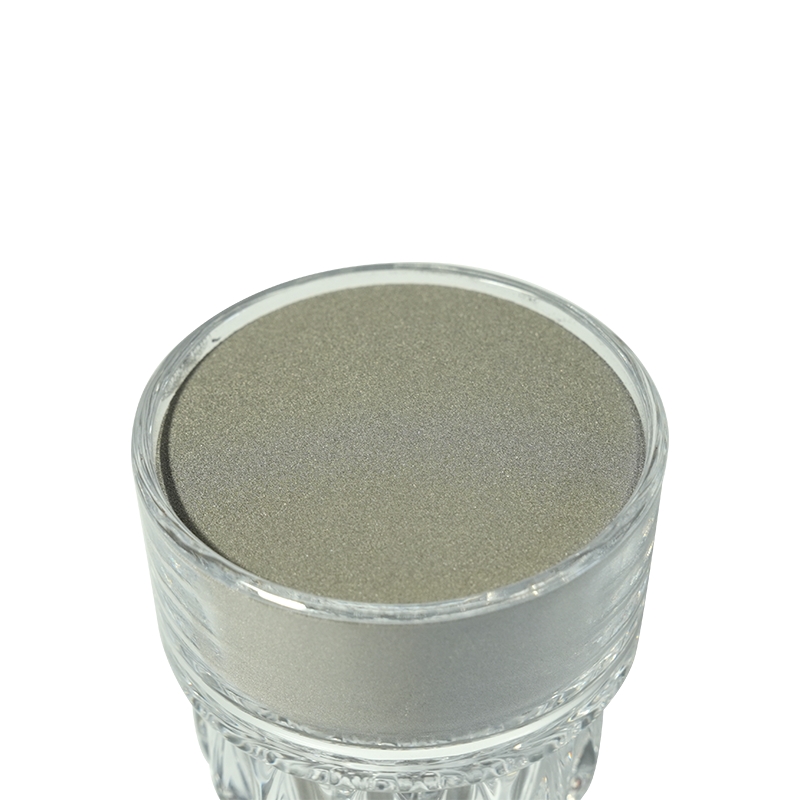
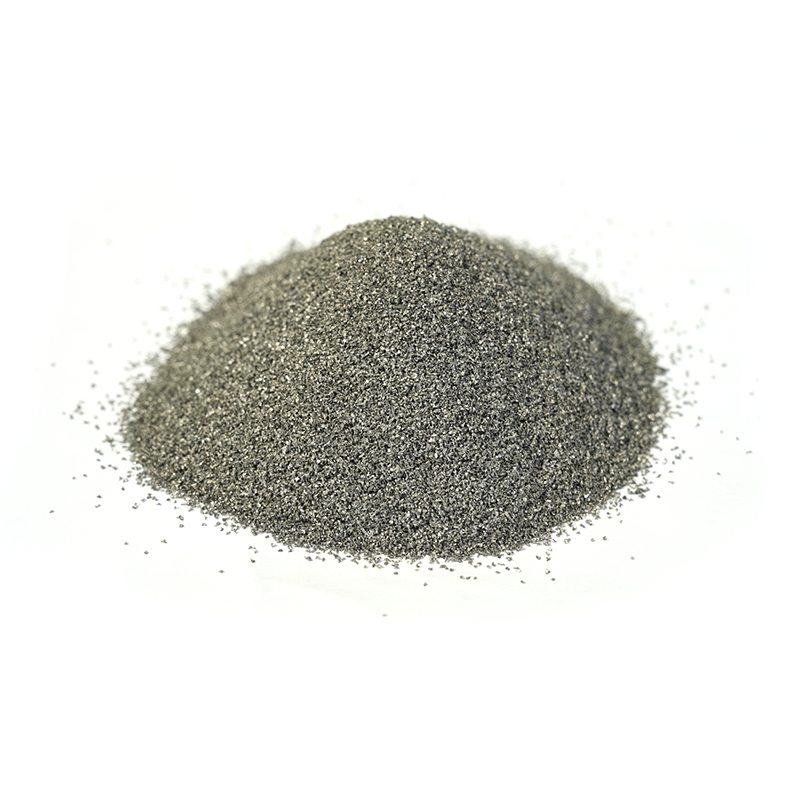
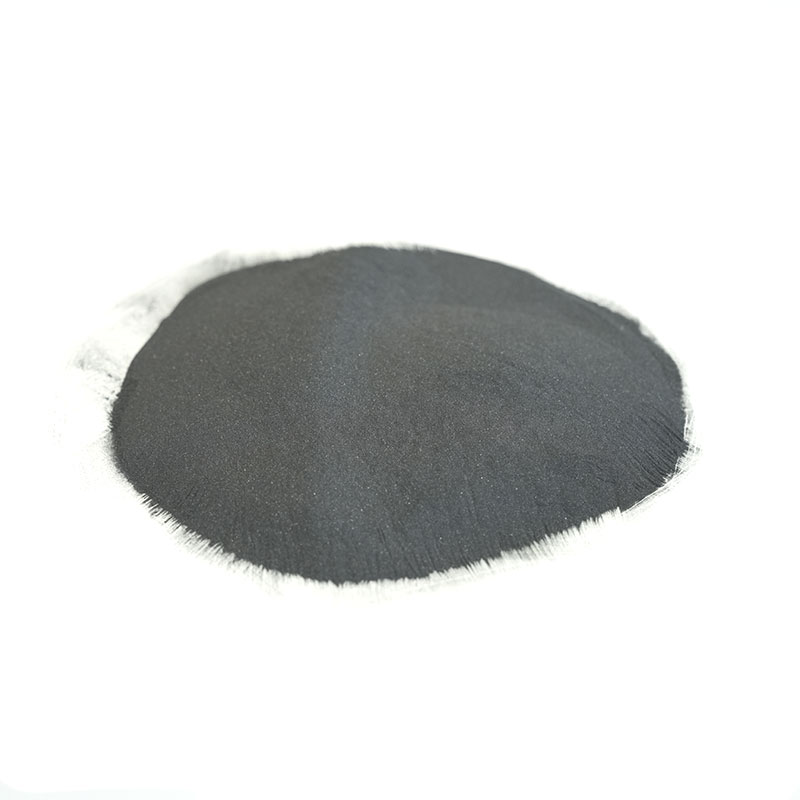
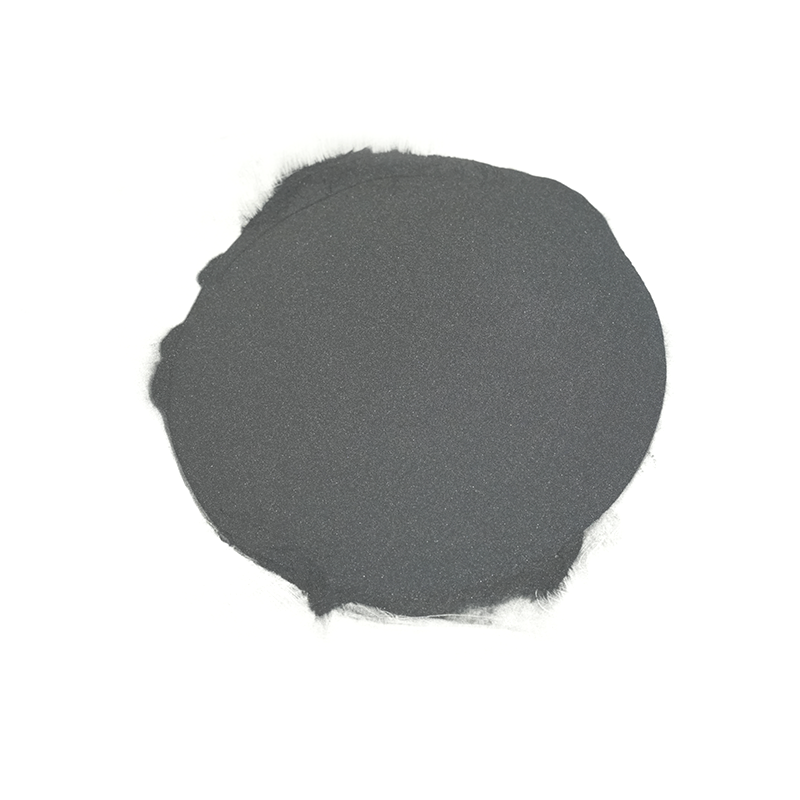
Producing a high-quality tungsten carbide coated roller depends heavily on choosing the right spraying process and powder composition for the intended application. Common coating processes include HVOF thermal spraying and plasma spraying, with HVOF generally considered the preferred choice for rollers requiring high density and strong adhesion, since it produces a dense coating with high adhesion and low oxidation. Powders used in the process typically fall into categories like WC-Co-Cr, WC-Co, and WC-Ni, each offering a different balance of toughness, impact resistance, and wear performance suited to specific operating conditions.
Coating thickness is another important variable in the manufacturing process, typically ranging between 50 microns and 500 microns depending on the application, working environment, and performance requirements of the roller. Thicker coatings generally provide better wear resistance and corrosion protection, which matters most in high-friction or chemically aggressive environments, but excessively thick coatings can introduce unwanted surface roughness in applications where a precise, smooth finish is essential. Finding the right balance between durability and surface finish is one of the key engineering decisions made during the coating process.
Choosing the Right Tungsten Carbide Coated Roller for Your Application
Selecting the right coated roller starts with a clear understanding of the operating environment it will face, since factors like material abrasiveness, operating temperature, chemical exposure, and required surface finish all influence which coating composition and thickness will perform best. A roller handling abrasive metal foils, for instance, has very different requirements than one used in a paper calendering process where surface gloss and smoothness take priority over raw wear resistance. Working closely with a roller manufacturer who can recommend the appropriate powder type and coating thickness based on your specific process conditions helps avoid premature wear or unnecessary added cost from over-specifying the coating.
Questions Worth Discussing With Your Supplier
- What materials will be in direct contact with the roller, and how abrasive or corrosive are they
- What operating temperature range will the roller need to withstand
- Does the application require a particularly smooth or mirror-finish surface
- What coating thickness and powder composition best match the expected wear conditions
- What quality inspection and testing standards does the manufacturer follow for coating adhesion
Maintenance Practices That Maximize Roller Service Life
Even with a high-performance tungsten carbide coating, regular maintenance helps ensure a roller delivers its full expected service life. Routine visual inspection for surface chips, coating delamination, or uneven wear patterns allows operators to catch developing problems before they affect product quality or lead to unplanned downtime. Keeping the roller surface clean and free from buildup of process residue also helps maintain consistent performance, since accumulated material can interfere with the smooth, low-friction surface the coating is designed to provide.
It's also worth tracking roller performance data over time, including any changes in product quality, surface finish, or operating temperature, since these trends can indicate gradual coating wear well before it becomes visible to the naked eye. Combining this kind of monitoring with periodic professional inspection helps manufacturing facilities plan roller replacement proactively, minimizing the kind of unexpected downtime that a sudden coating failure could otherwise cause.